End of Apps: Evolution with Benji and AI
I've been obsessed with productivity tools since I was 10. Fast forward to today, I'm 34 and still chasing the perfect system. I built Benji to simplify and redefine how we work. This isn't just another app—it's a new approach to productivity that challenges the very concept of apps. Benji incorporates AI, local hosting, and custom agents to automate our workflows. The challenges with current systems are plenty, but by approaching them differently, we can maximize efficiency. Join me as we explore how Benji and the Tinkerer Club community are making a difference.
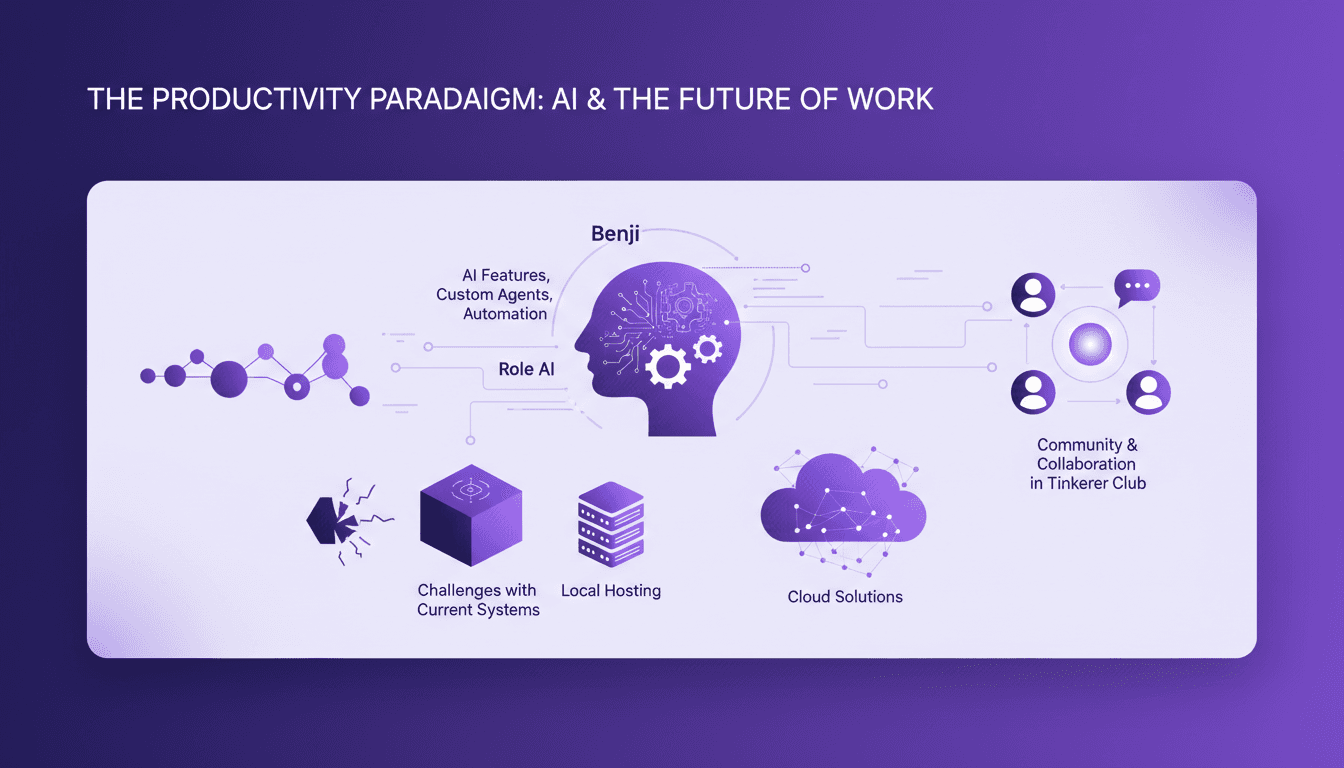
I've been obsessed with productivity tools since I was 10 years old. Now at 34, I'm still chasing that perfect system. Let me take you through my journey with Benji, a tool that challenges the very concept of apps. In a world where productivity apps are abundant but often overwhelming, I built Benji to simplify and redefine how we work. This isn't just another app—it's a new approach that incorporates AI, local hosting, and custom agents to automate our workflows. But watch out, there are challenges with current systems. I tried cloud co-working for like five minutes, and honestly, the immediate impact wasn't stellar. With Benji, I want to maximize efficiency by tackling issues differently. And the Tinkerer Club community plays a huge role in that. Join me as we explore how we're transforming productivity.
The Birth of Benji: From Toodo to Overloaded Features
My journey into productivity started when I was just 10 years old. Picture a kid scribbling to-do lists in a notebook. That's where I built the foundation for what would later become toodo. In 2017, I developed this tool to prioritize my tasks using tags like health or crisis. Fast forward three years, and Benji was born—a bold attempt to centralize all my productivity activities into one tool.
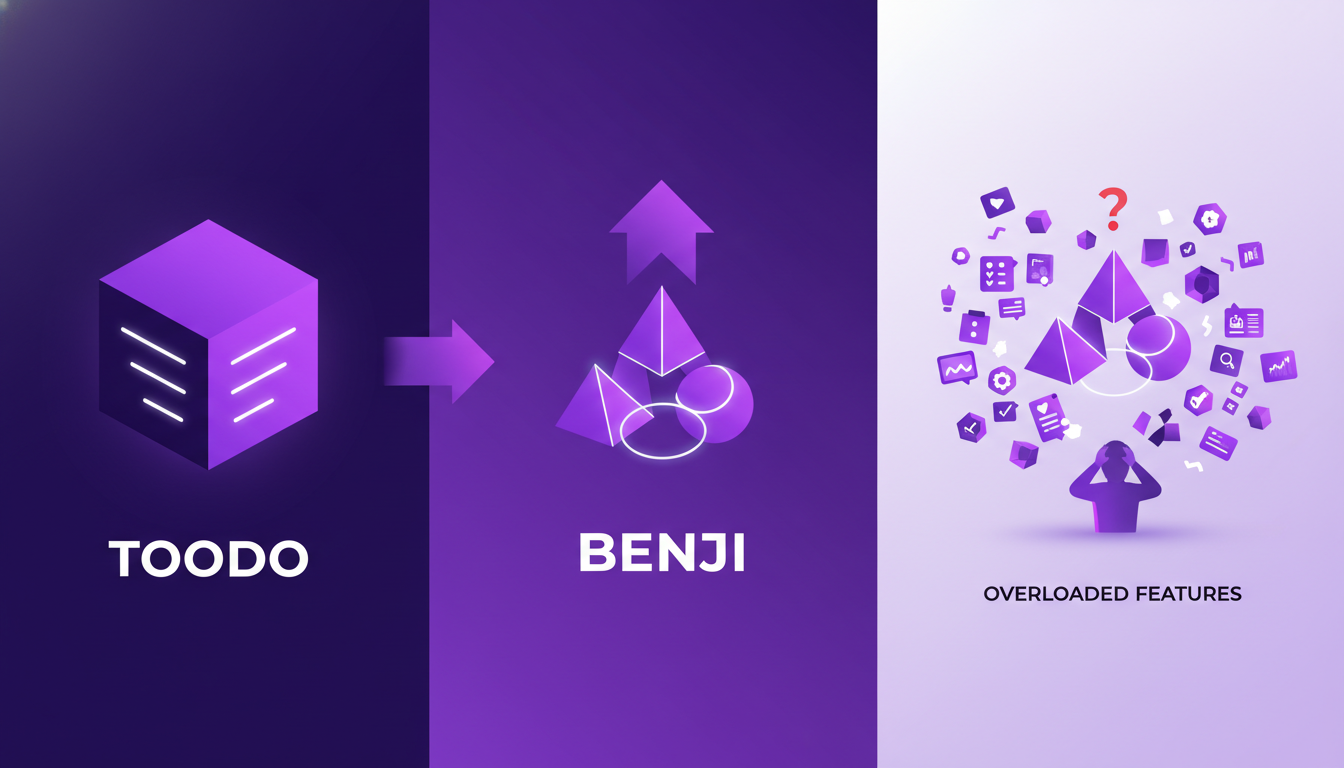
But more features don't always mean better productivity. With Benji, I integrated no less than 60 features, but the overload often paralyzed users. I learned the hard way that simplicity often trumps complexity in tool design. It's a valuable lesson for any developer: don't overload at the expense of efficiency.
AI's Role in Productivity: Chat GPT and Beyond
Integrating Chat GPT was a real game changer, but trust me, it wasn't without its challenges. AI has this incredible ability to automate mundane tasks, freeing up creative energy. I use it to automate repetitive tasks, and it works well, but watch out, AI isn't a silver bullet.
Proper orchestration of AI is crucial. I've had to balance AI automation with human input to maximize effectiveness. In other words, AI should be a partner, not a replacement. It's a delicate balance, but when done right, the results are impressive.
Cloud Code and Personal Automation: A Double-Edged Sword
I experimented with cloud co-work (a mere five-minute test), and while it's useful, it's not always reliable. Cloud code offers impressive flexibility, but it can also create problematic dependencies. So, how do you find the right balance?
I use personal automation to simplify my workflow, not complicate it. There are trade-offs between the convenience of the cloud and local control. It's a strategic choice: is it better to have flexibility at the risk of dependency, or control at the risk of complexity?
Local Hosting vs. Cloud Solutions: Data Ownership Matters
To regain control over my data, I opted for local hosting. It's a choice that offers increased security and privacy, even though it's often more expensive. With cloud solutions, you often sacrifice ownership for convenience. So, how do you decide?

It's simple: it depends on your specific needs. There's no one-size-fits-all solution. For some, security and privacy take precedence, for others, flexibility and cost.
The Future of Apps: Custom Agents and Community Collaboration
Custom agents are the future. They can tailor productivity tools to personal needs. Working with the Tinkerer Club, I've seen how community-driven development fosters innovation. Collaboration can lead to breakthroughs that solitary work can't achieve.
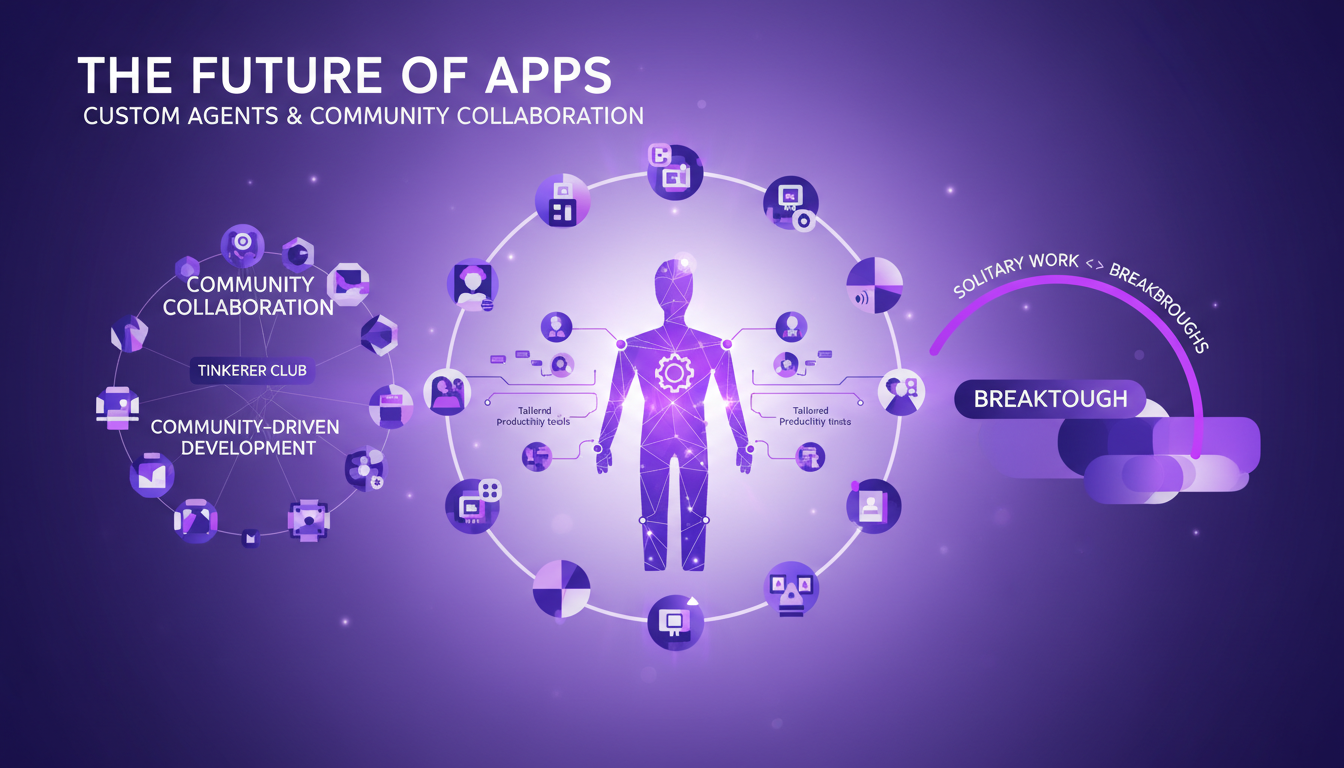
The future of applications will likely be a hybrid of AI, automation, and community input. This mix promises smarter tools better suited to our daily needs.
Ever since I was ten, I've been obsessed with to-dos and productivity hacks. About three years later, I got into building 'Benji'. It was all about reclaiming control and efficiency. Tried cloud co-working for like five minutes—didn't work. Local hosting and community collaboration? That's where the magic happens. The future of apps is all about being personal and dynamic.
- Reclaim control: With local hosting and AI, you get to tailor your tools to truly fit your needs.
- Collaborate: The community becomes a powerful ally in co-creating solutions that work for you.
- Evolve your tools: Stop enduring current systems, start building tools that reflect who you are.
What's next? We keep rethinking how we approach productivity. Join the 'Tinkerer Club' to fuel the conversation and see how others are reinventing their daily grind. For a deeper dive, check out the original video: The End of Apps — Kitze, Sizzy.co.
Frequently Asked Questions

Thibault Le Balier
Co-fondateur & CTO
Coming from the tech startup ecosystem, Thibault has developed expertise in AI solution architecture that he now puts at the service of large companies (Atos, BNP Paribas, beta.gouv). He works on two axes: mastering AI deployments (local LLMs, MCP security) and optimizing inference costs (offloading, compression, token management).
Related Articles
Discover more articles on similar topics
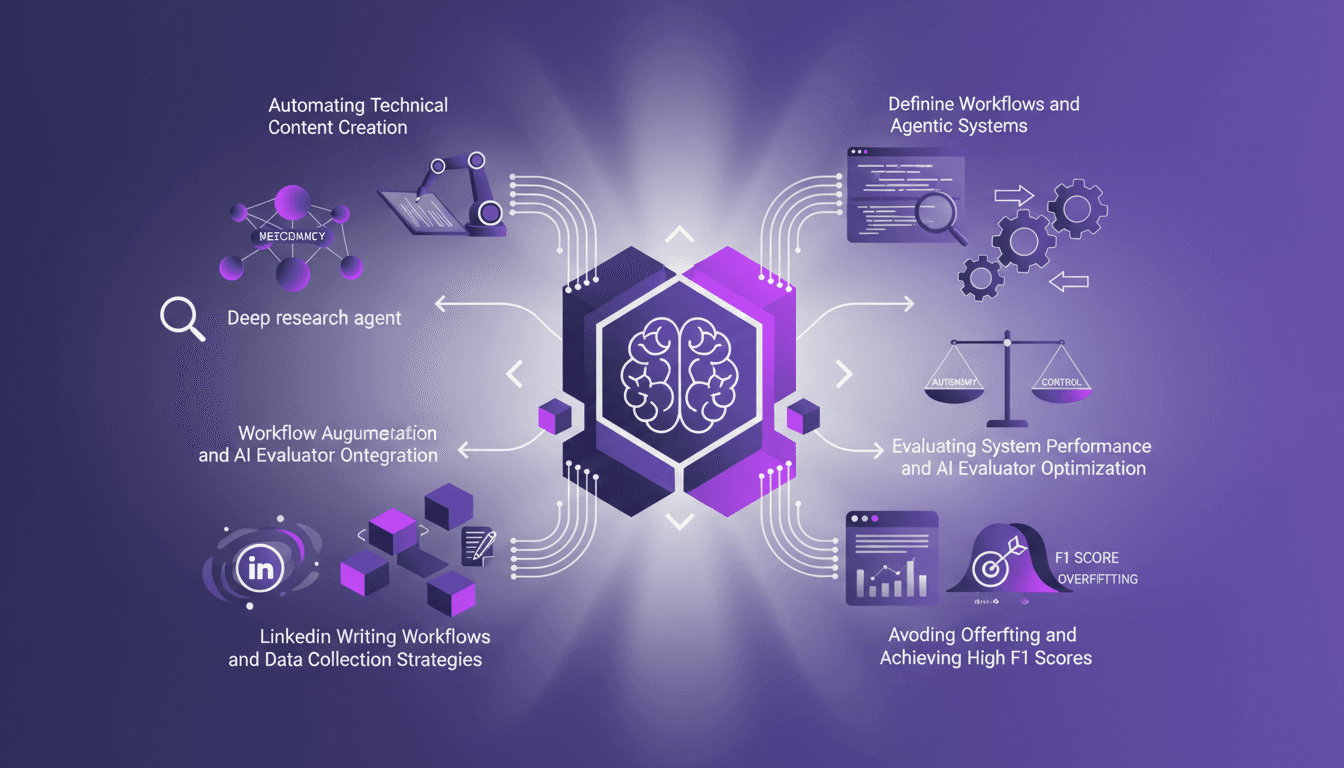
Automate Technical Content Creation in AI
I've been teaching AI for over four years, and if there's one thing I've learned, it's that building your own deep research agents can be a game changer. But it's not just about slapping together some code; it's about crafting workflows that make sense and deliver results. In this article, I'll take you behind the scenes of my research agents, the strategies to avoid overfitting, and how to achieve high F1 scores, all while integrating these systems into your daily operations. We'll also dive into automating technical content creation and optimizing AI evaluators. It's a balance of autonomy and control, and I'll show you how I achieved it.
Sell Property Fast: AI and Quick Cash
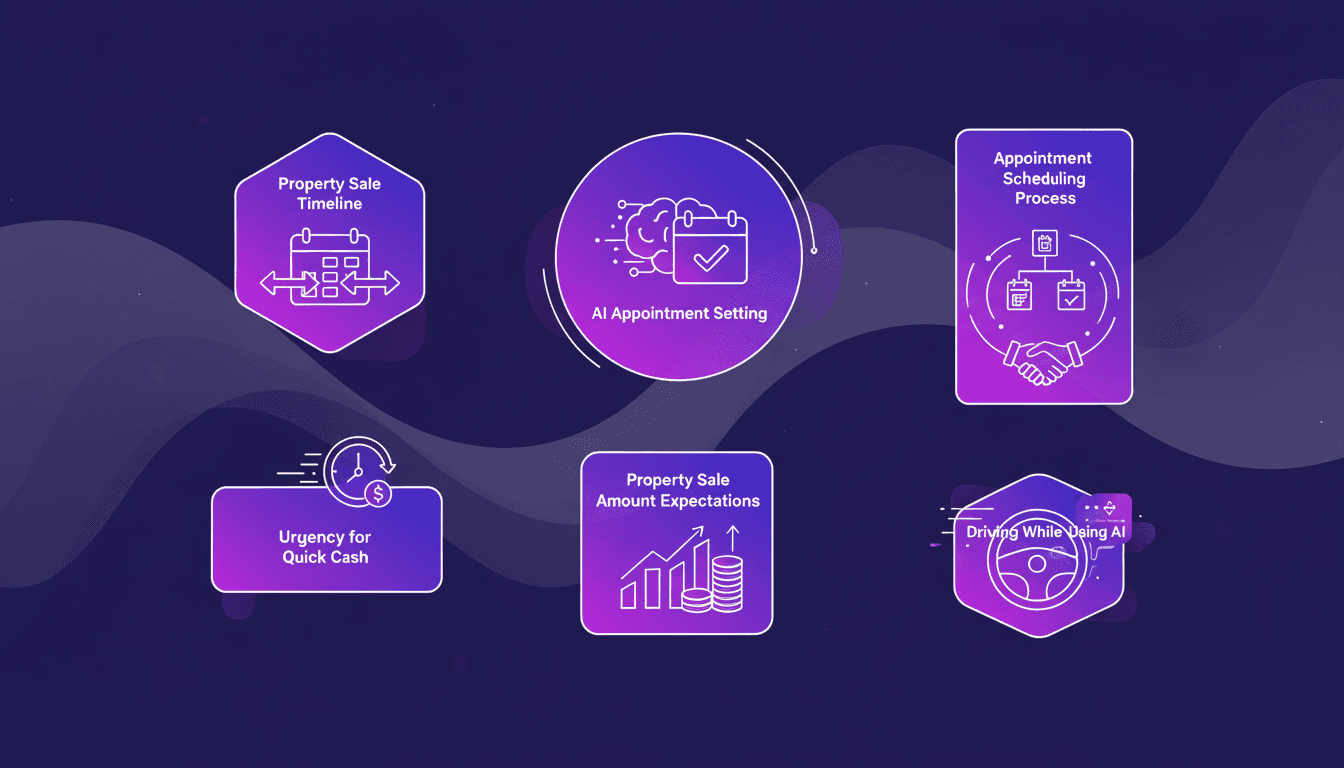
I've been in property sales for years, and when I first started using AI to schedule appointments while driving, it was a game changer. No theoretical talk here—just the real deal: I connect my tools and orchestrate tasks without losing track on the road. In a market where every second counts, AI becomes crucial for optimizing the sales process. But watch out, you need to balance quick cash urgencies and sale amount expectations. I'll show you how I sell property in a matter of weeks, aiming to walk away with a couple hundred thousand dollars.
AI in Action: Transforming Stripe's Web Design
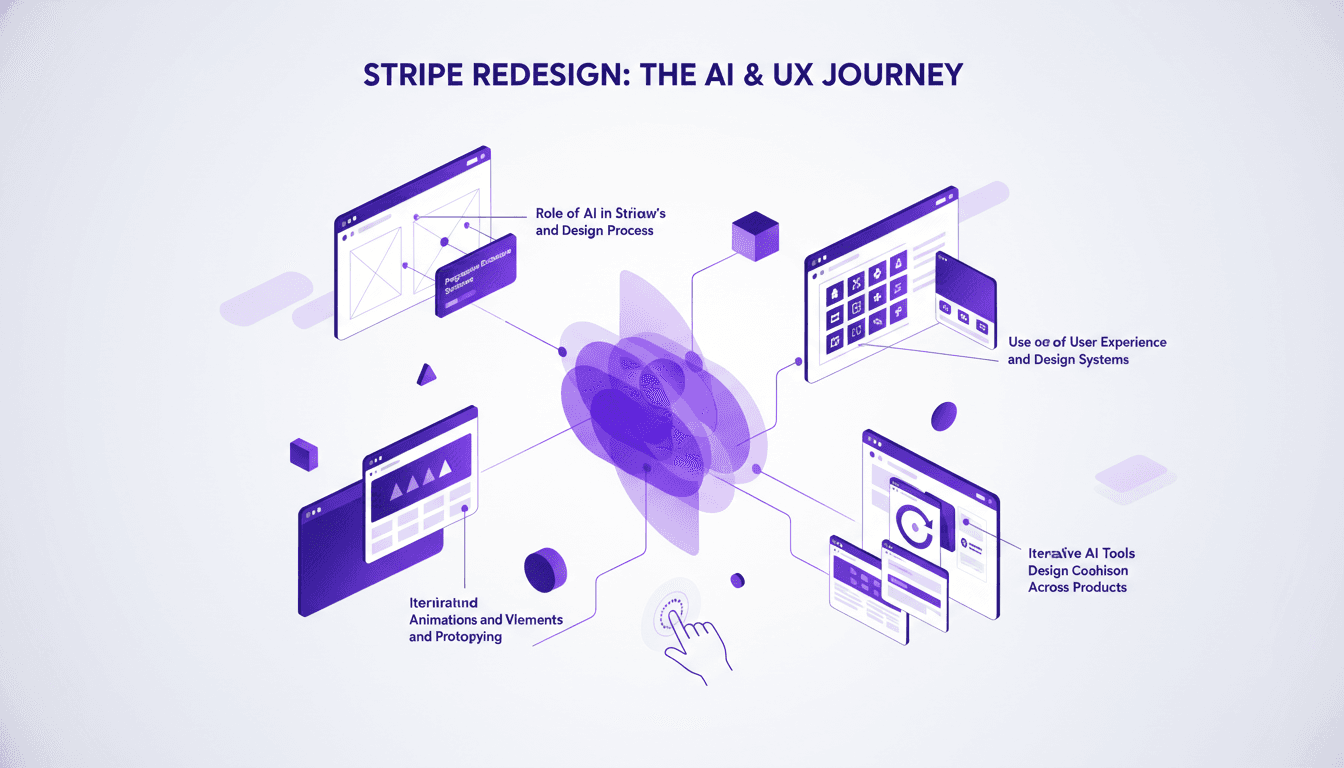
I spent over a year redesigning Stripe's homepage—a task that was more than just a facelift. It required rethinking our entire approach to web design. We leveraged AI, design systems, and user experience principles to craft a site that's both beautiful and functional. With 78% of the Forbes AI 50 using Stripe, the stakes were high. Let me walk you through how we orchestrated this transformation, using iterative design processes and prototyping while maintaining cohesion across our products. I'll also share the pitfalls to watch out for—I've been burned before. Ready to dive into the world of modern web design?
AI in Emotional Sales: A Game-Changer Unveiled
Yesterday, I thought AI couldn't close emotional sales. Then I built a system around it and watched my deal closures take off. So, how did I do it? Let's dive into AI's potential to transform sales processes, especially on the emotional front. Building the right architecture is a game-changer for operational efficiency and leaner operations. Companies can not only run leaner but also close more deals. Be warned, failing to adopt these technologies in time might leave you behind. Let's uncover why mastering this new tech wave is crucial.
Token Maxing: AI's Revolution in Engineering
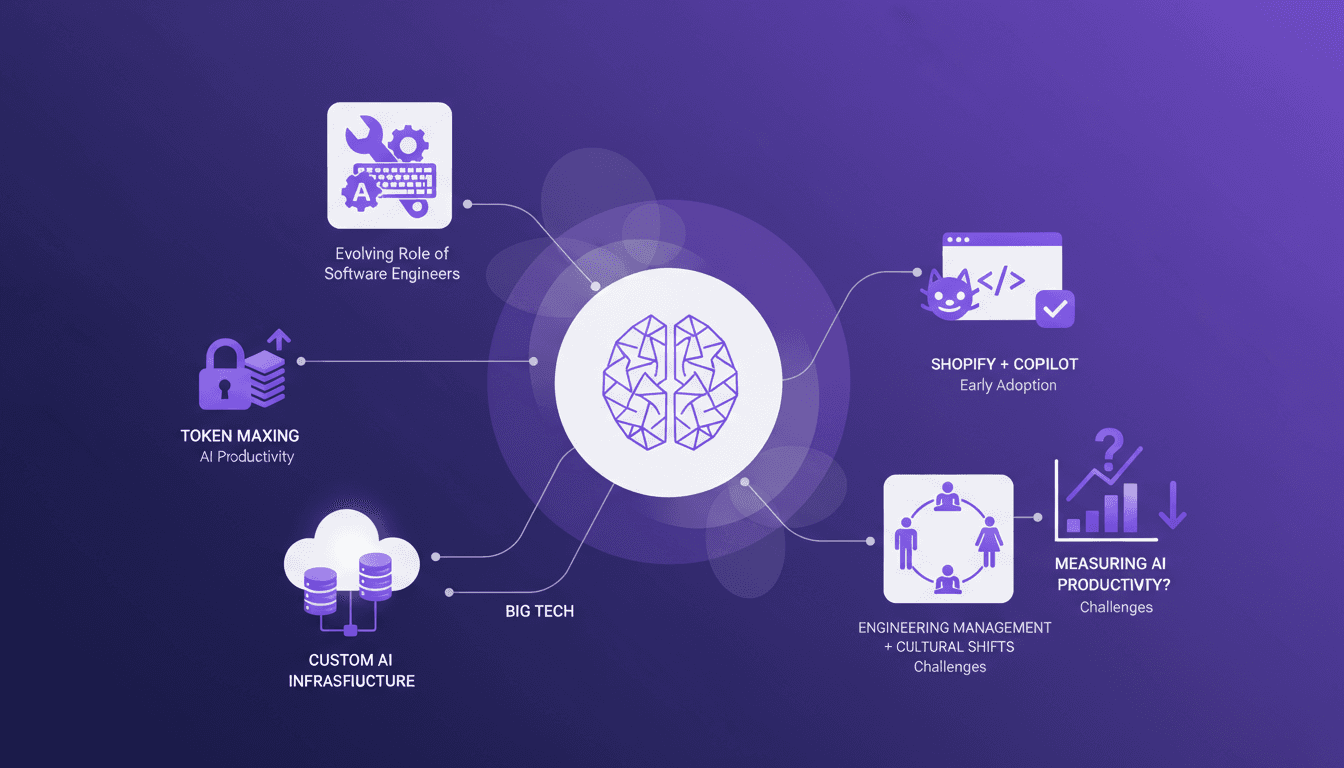
I've been in the AI trenches, and let me tell you, the way AI is reshaping software engineering is nothing short of a game changer. But beware, it's not all smooth sailing. In our field, AI tool adoption brings its own set of challenges, like token maxing and the evolving role of engineers. At a recent conference, experts like Gergely Orosz shared valuable insights on these transformations, from productivity impacts to cultural shifts in team management. We will need to navigate these opportunities and challenges to make the most of this technological revolution.