Sell Property Fast: AI and Quick Cash
I've been in property sales for years, and when I first started using AI to schedule appointments while driving, it was a game changer. No theoretical talk here—just the real deal: I connect my tools and orchestrate tasks without losing track on the road. In a market where every second counts, AI becomes crucial for optimizing the sales process. But watch out, you need to balance quick cash urgencies and sale amount expectations. I'll show you how I sell property in a matter of weeks, aiming to walk away with a couple hundred thousand dollars.
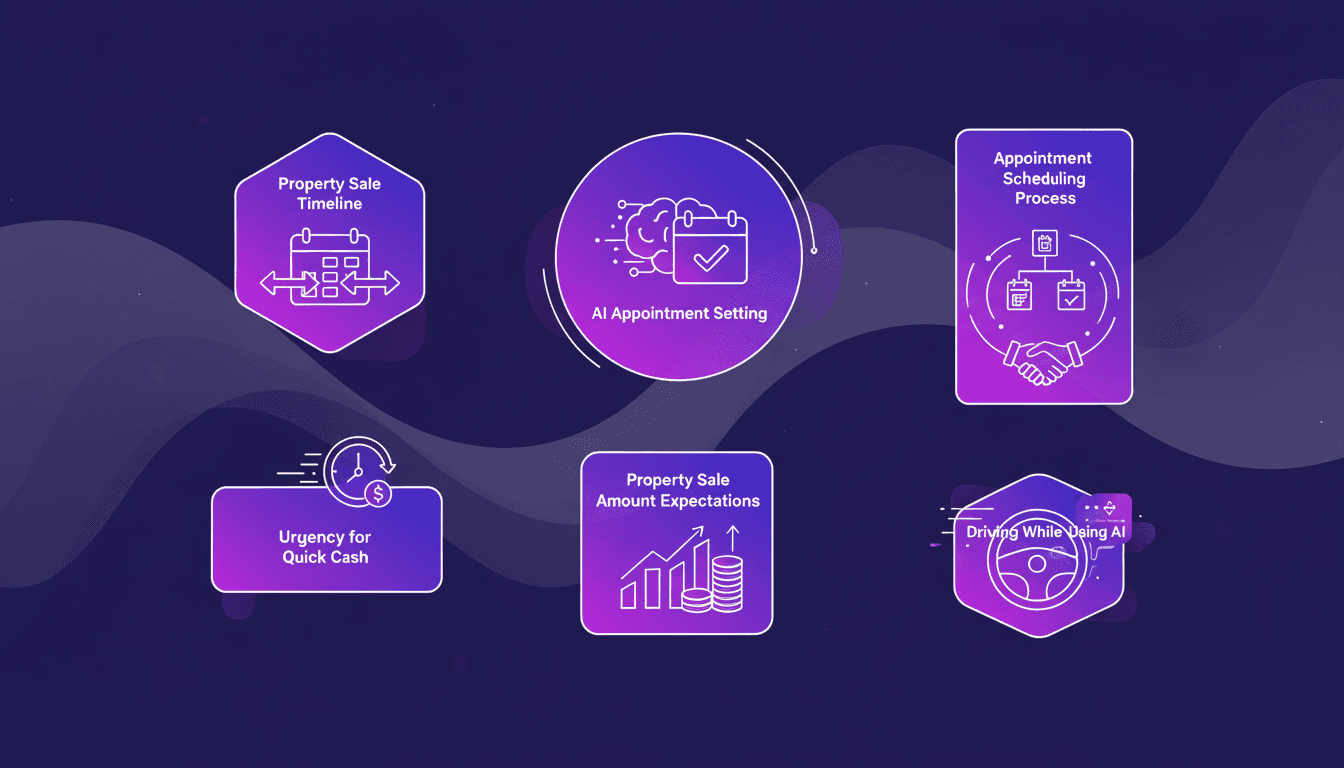
I've been in property sales for years, and when I first started using AI to schedule appointments while driving, it was a game changer. Picture this: you're negotiating a six-figure deal while dodging city traffic. That's where AI comes in handy. I connect my apps, sync my schedules, and keep my eyes on the road. But be warned, it’s not without its pitfalls. I've had to juggle the urgency of offloading a property in 30 days with the desire to maximize the sale price. In this article, I'll take you behind the scenes of my workflow, where every minute counts and every dollar is at stake. You'll see how AI can turn a race against time into a winning strategy, all without losing focus on the road.
Understanding AI Appointment Setting
Diving into the world of AI tools for scheduling tasks has been a game-changer for me. Imagine delegating your calendar management and client appointment setting to an AI, freeing up your time. I use this system to manage appointments on the go, even while driving, which significantly reduces back-and-forth emails. But watch out: AI needs clear instructions to avoid double-booking. One slip-up, and you might find yourself with two clients scheduled at the same time.
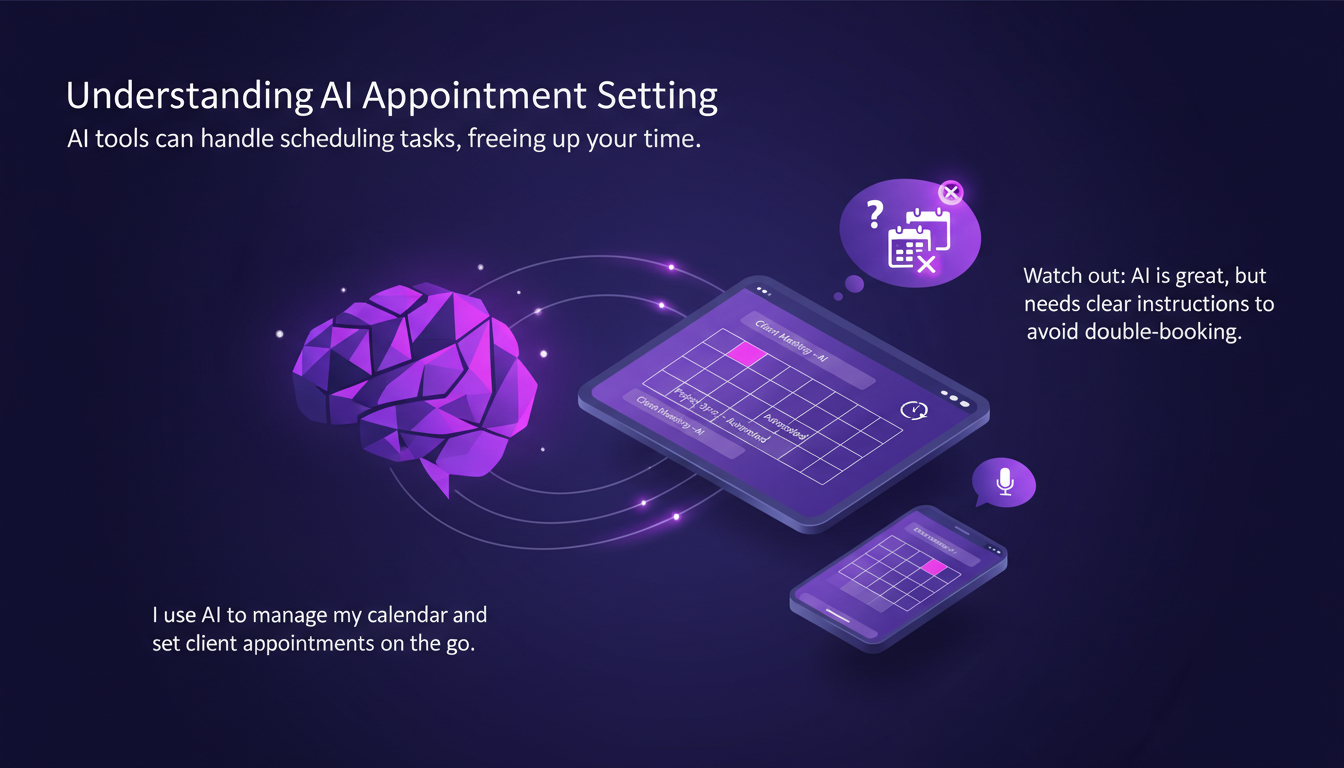
In terms of efficiency, AI is unbeatable. It cuts down on endless email exchanges, allowing you to focus on higher-value tasks. However, it's not perfect. Misconfigurations can lead to scheduling errors, and that's a balance you need to strike.
- Time-saving through AI
- Reduction in manual back-and-forth
- Beware of double bookings
Driving While Using AI: Legal and Practical Concerns
The legality of using AI while driving often comes up: Is it legal? In many places, as long as you're using voice commands and keeping your hands on the wheel, it's fine. Personally, I rely on voice commands to let AI take over while I keep my eyes on the road. However, voice recognition isn't always perfect and can sometimes misinterpret your instructions.
Safety first. If AI gets it wrong, I'm more inclined to pull over and correct it rather than risk an accident. This is a technical trade-off to be aware of: the systems aren't foolproof, but they do offer significant time savings.
- Legal use of voice commands while driving
- Voice recognition can be imperfect
- Safety is the top priority
Navigating the Property Sale Timeline
Market conditions often drive urgency, and typically, I look at a 30 to 45-day window to close a sale. Thanks to AI, I can prioritize hot leads by scheduling immediate follow-ups. I've learned to set realistic timelines with clients using AI data insights. But beware, faster timelines can mean more pressure, and balancing that is crucial.
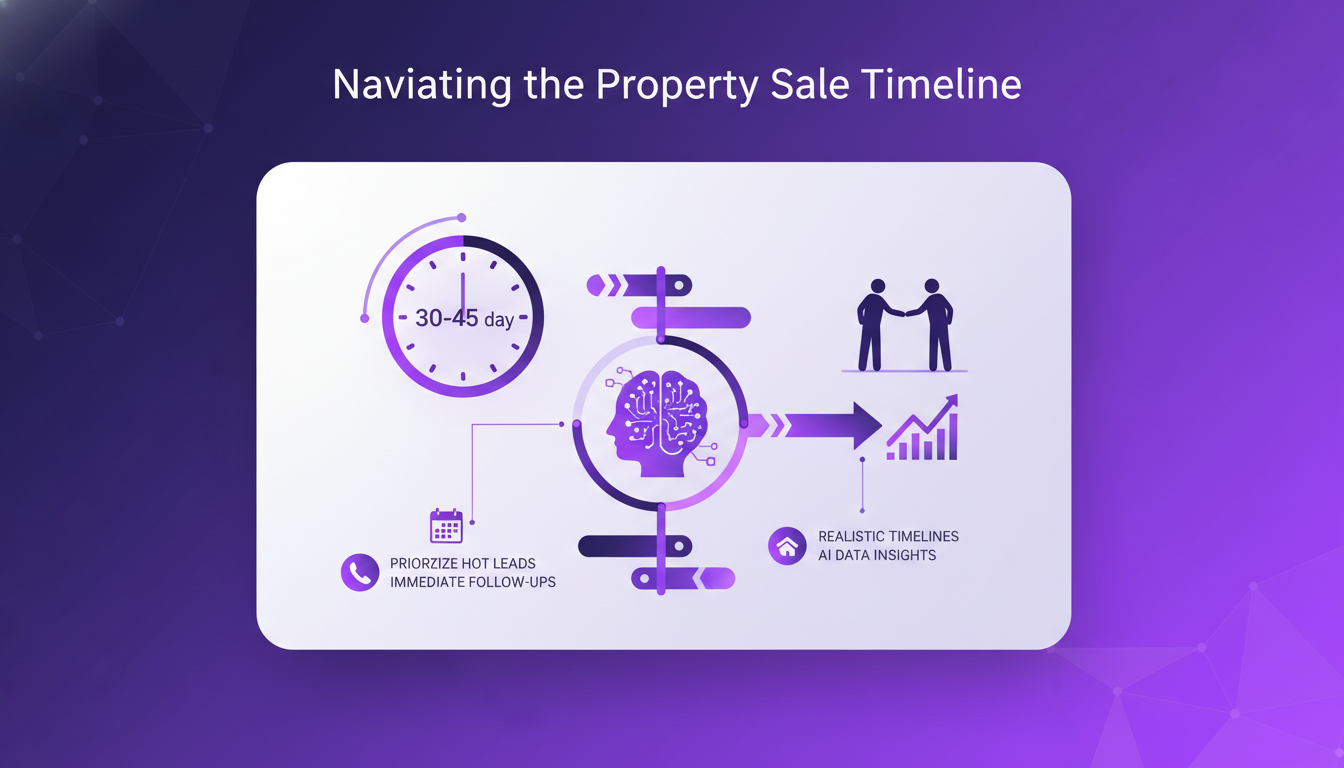
The ability to prioritize leads is essential, especially when the market is tight. With AI, I can adjust my strategies in real-time, but you must also maintain some flexibility for unforeseen events.
- Prioritizing leads with AI
- Data for adjusting expectations
- Balance between speed and pressure
Setting Expectations for Sale Amount
Clients often hope to walk away with a couple of hundred thousand dollars from their sale. AI helps me adjust those expectations by providing real-time comparable sales data during appointments. But be cautious, over-relying on AI data can lead to unrealistic client expectations. Balance is key: combining AI insights with personal expertise yields the best results.
I've often seen AI suggest valuations based on recent neighborhood sales, but without human interpretation, this can be misleading. That's where your experience comes in to make sense of those numbers.
- Adjusting expectations with AI
- Combining AI insights and personal expertise
- Beware of unrealistic expectations
Scheduling the Appointment: A Case Example
For instance, I recently scheduled an appointment for April 19th at 12:30 p.m. using AI. It suggested available slots, but I confirmed them manually to ensure accuracy. This is a great efficiency tip: having pre-set common slots in AI saves time.
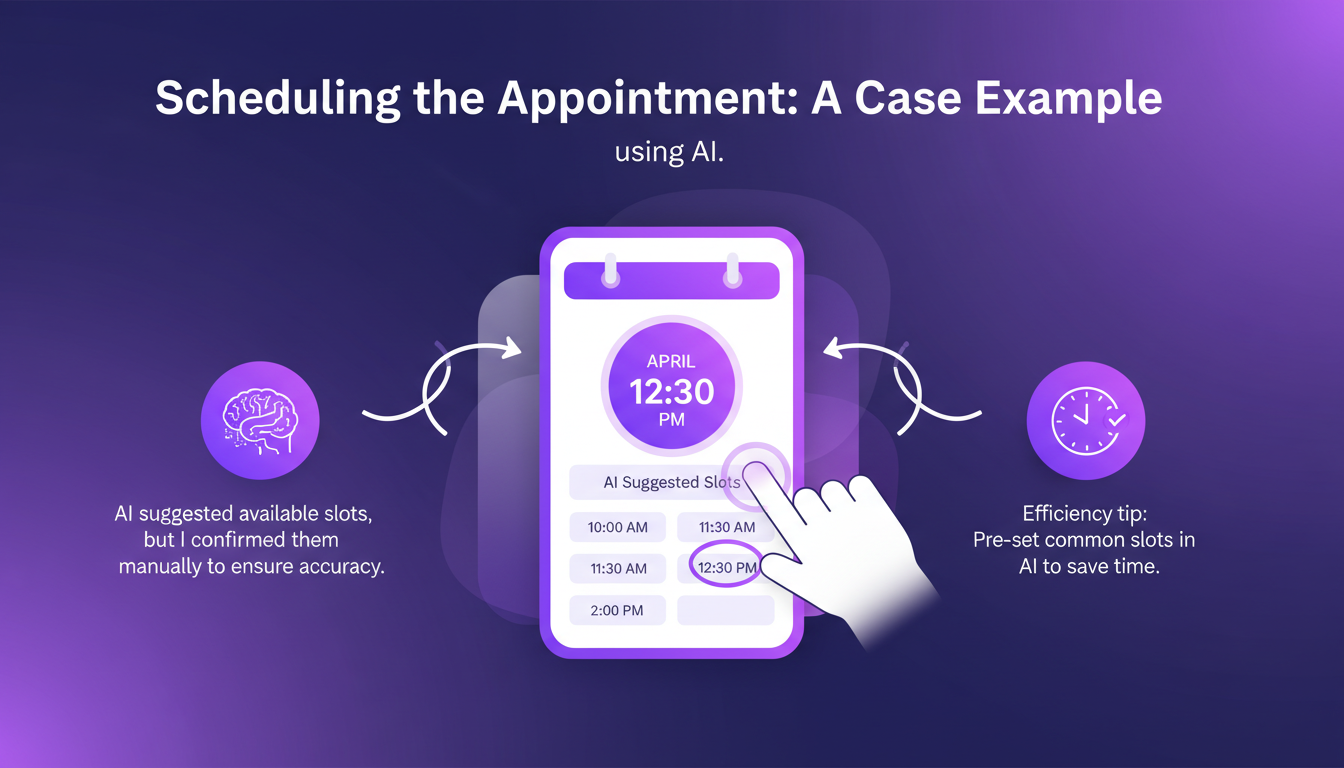
But don't overuse AI. Sometimes a personal touch is faster and more effective, especially with clients wary of interacting with a machine. Keeping that human connection is often what makes the difference.
- Efficiency through AI
- Manual confirmation to avoid errors
- Human interaction remains important
Integrating AI into property sales, especially for appointment setting, is a real game changer. First, it significantly boosts efficiency and keeps you competitive in the market. But watch out, you need to balance AI's capabilities with your personal expertise and local regulations. Key takeaway: leverage the next 30 to 45 days to maximize your sales opportunities. Also, keep financial expectations realistic – like walking away with a couple hundred thousand dollars. Using AI for appointment setting is fantastic, but don't rely on it entirely – a human touch is still crucial. Start experimenting with AI tools in your workflow, and share your insights with fellow practitioners to refine our collective approach. I'd recommend watching the original video for a deeper understanding and to engage with other professionals.
Frequently Asked Questions

Thibault Le Balier
Co-fondateur & CTO
Coming from the tech startup ecosystem, Thibault has developed expertise in AI solution architecture that he now puts at the service of large companies (Atos, BNP Paribas, beta.gouv). He works on two axes: mastering AI deployments (local LLMs, MCP security) and optimizing inference costs (offloading, compression, token management).
Related Articles
Discover more articles on similar topics

AI in Action: Transforming Stripe's Web Design
I spent over a year redesigning Stripe's homepage—a task that was more than just a facelift. It required rethinking our entire approach to web design. We leveraged AI, design systems, and user experience principles to craft a site that's both beautiful and functional. With 78% of the Forbes AI 50 using Stripe, the stakes were high. Let me walk you through how we orchestrated this transformation, using iterative design processes and prototyping while maintaining cohesion across our products. I'll also share the pitfalls to watch out for—I've been burned before. Ready to dive into the world of modern web design?
AI in Emotional Sales: A Game-Changer Unveiled
Yesterday, I thought AI couldn't close emotional sales. Then I built a system around it and watched my deal closures take off. So, how did I do it? Let's dive into AI's potential to transform sales processes, especially on the emotional front. Building the right architecture is a game-changer for operational efficiency and leaner operations. Companies can not only run leaner but also close more deals. Be warned, failing to adopt these technologies in time might leave you behind. Let's uncover why mastering this new tech wave is crucial.
Token Maxing: AI's Revolution in Engineering
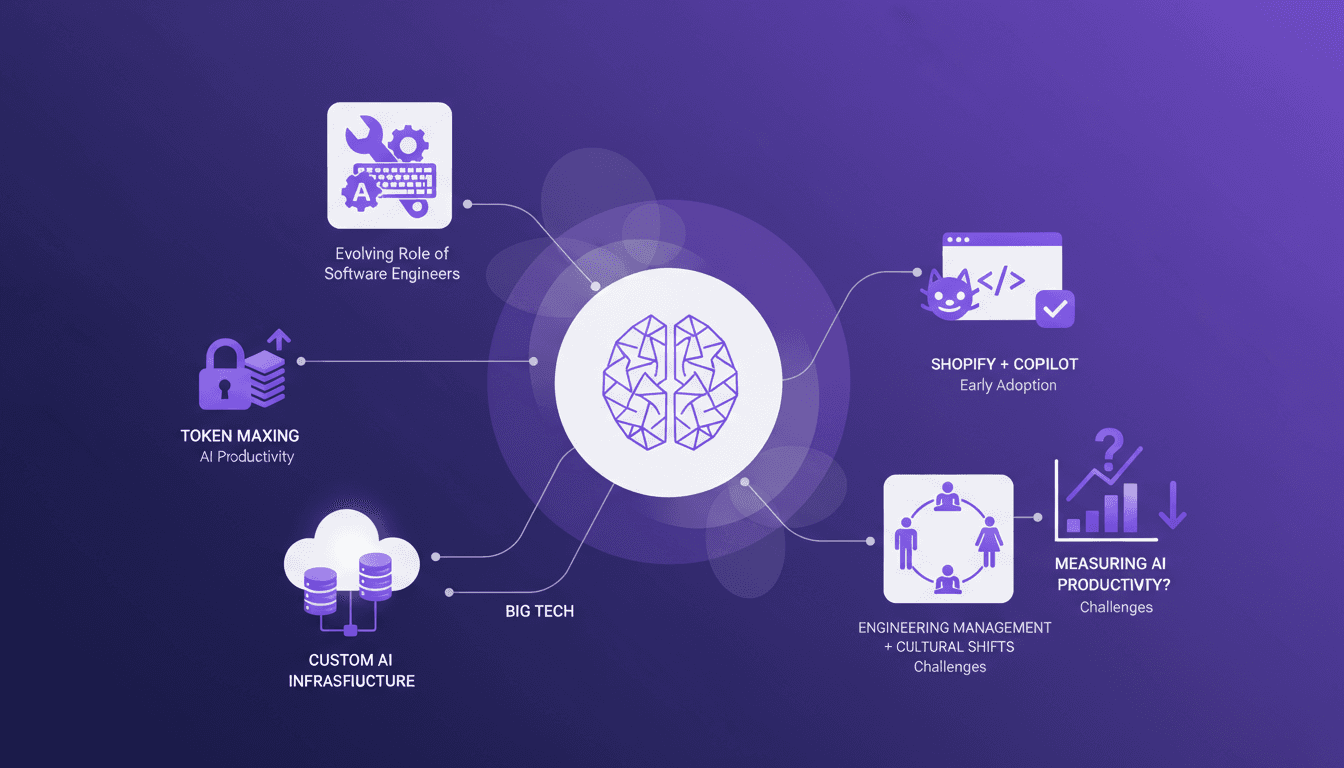
I've been in the AI trenches, and let me tell you, the way AI is reshaping software engineering is nothing short of a game changer. But beware, it's not all smooth sailing. In our field, AI tool adoption brings its own set of challenges, like token maxing and the evolving role of engineers. At a recent conference, experts like Gergely Orosz shared valuable insights on these transformations, from productivity impacts to cultural shifts in team management. We will need to navigate these opportunities and challenges to make the most of this technological revolution.
AI's Impact on Dev: Insights from Linear
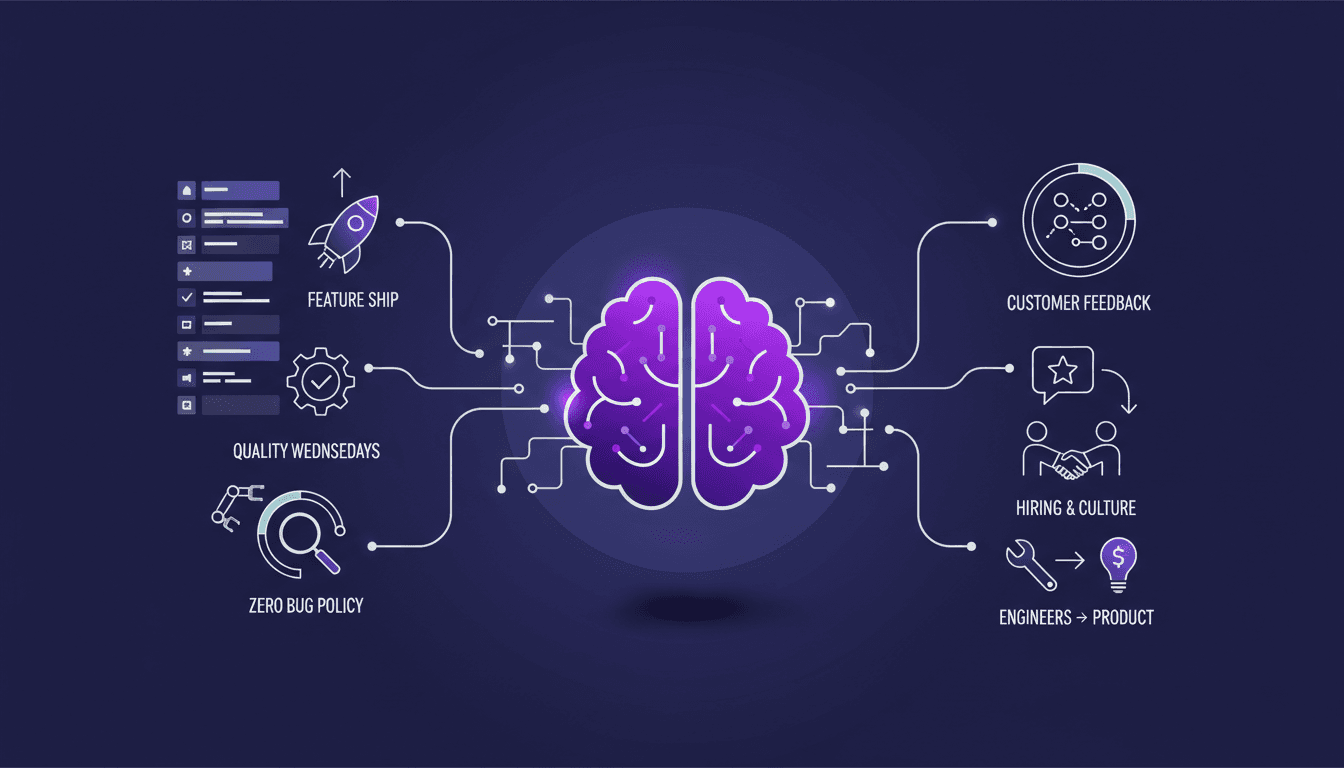
I remember the first time AI dramatically sped up our feature shipping at Linear. It was a game changer, but not without its quirks. In this conversation, Tuomas Artman, CTO of Linear, and Gergely Orosz delve into AI's impact on software development. We explore how Linear leverages AI for bug fixing while upholding a zero bug policy. And trust me, 'Quality Wednesdays' is more than just a catchphrase. We also discuss the importance of customer feedback in shaping our product development. Lastly, we touch on our hiring culture and how we balance speed with quality.

Balancing Info for AI Effectiveness
I've been deep in the trenches with AI systems, and if there's one thing I've learned, it's that waiting for the 'perfect' AI is a fool's game. I build around what we have now, balancing information input to optimize performance. In this episode, I share how this approach can transform your workflow. AI is evolving at breakneck speed, but sitting on our hands waiting for the next big breakthrough is a mistake. By leveraging existing AI capabilities effectively, we can achieve significant gains in efficiency and performance today. We'll dive into balancing information for AI effectiveness, building architecture around existing AI, the risks of waiting for AI advancements, the impact of excessive data on AI performance, and the importance of speed in human interaction and sales.