Why Software Fundamentals in AI Matter Now
I've been deep in the trenches of AI development, and if there's one thing I've learned, it's that software fundamentals are not just nice-to-haves—they're game changers. In a world where AI evolves at breakneck speed, it's easy to get caught up in the latest trends and forget the core principles that keep everything running smoothly. This isn't about theory—it's about practical, battle-tested workflows that can save you time and headaches. We'll dive into why the 'specs to code' movement has its limitations, how to manage software entropy, and why shared concepts and strong feedback loops are vital. Test-Driven Development is my third tip and it's crucial for code quality. Let's demystify all this together.
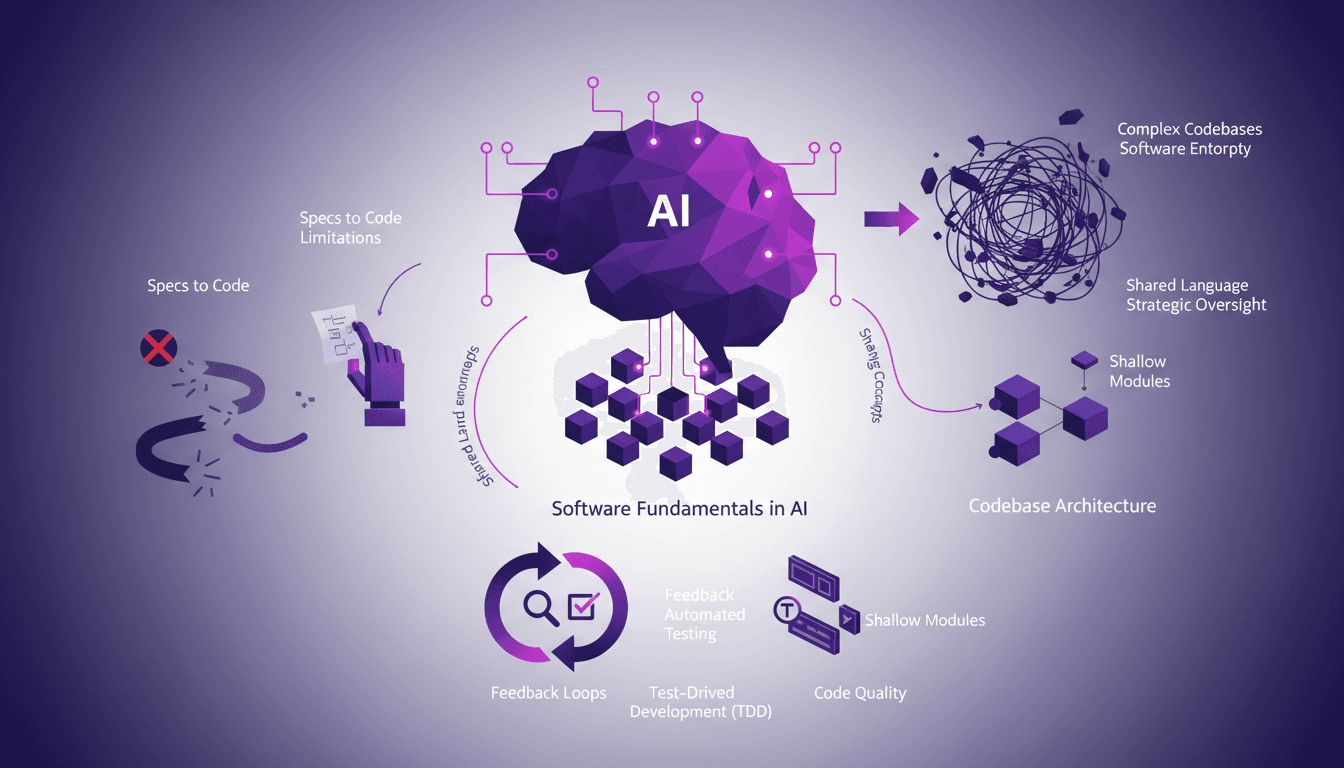
I got burned more times than I can count: when you're knee-deep in AI development, software fundamentals aren't just basic skills—they're game changers. In a sector where AI evolves at breakneck speed, it's easy to get swept up in trends and overlook the core principles that keep everything stable. This piece isn't about theory; it's about practical, battle-tested workflows that can save you time and headaches. We'll explore why the 'specs to code' movement has its limitations, how to manage complex codebases and software entropy, and the importance of shared language and design concepts. Feedback loops and automated testing aren't optional—they're necessities. Test-Driven Development is my third tip, and it's crucial for maintaining code quality. Let's demystify this together and see how we can orchestrate all this for maximum efficiency.
The Core of AI: Why Software Fundamentals Matter
In today's AI-driven world, it's easy to get lost in the hype of cutting-edge technologies. But let me tell you, software fundamentals are more crucial now than ever. I know, it sounds like a broken record, but trust me, it's true. Whether it was 20 years ago or today, having a solid foundation in software development is key to maintaining robust AI systems. I've personally experienced the sting of ignoring these basics. For example, neglecting basic memory management principles once led me to crash an entire system. Fundamentals aren't just theoretical baggage; they're the backbone of complex AI architecture.
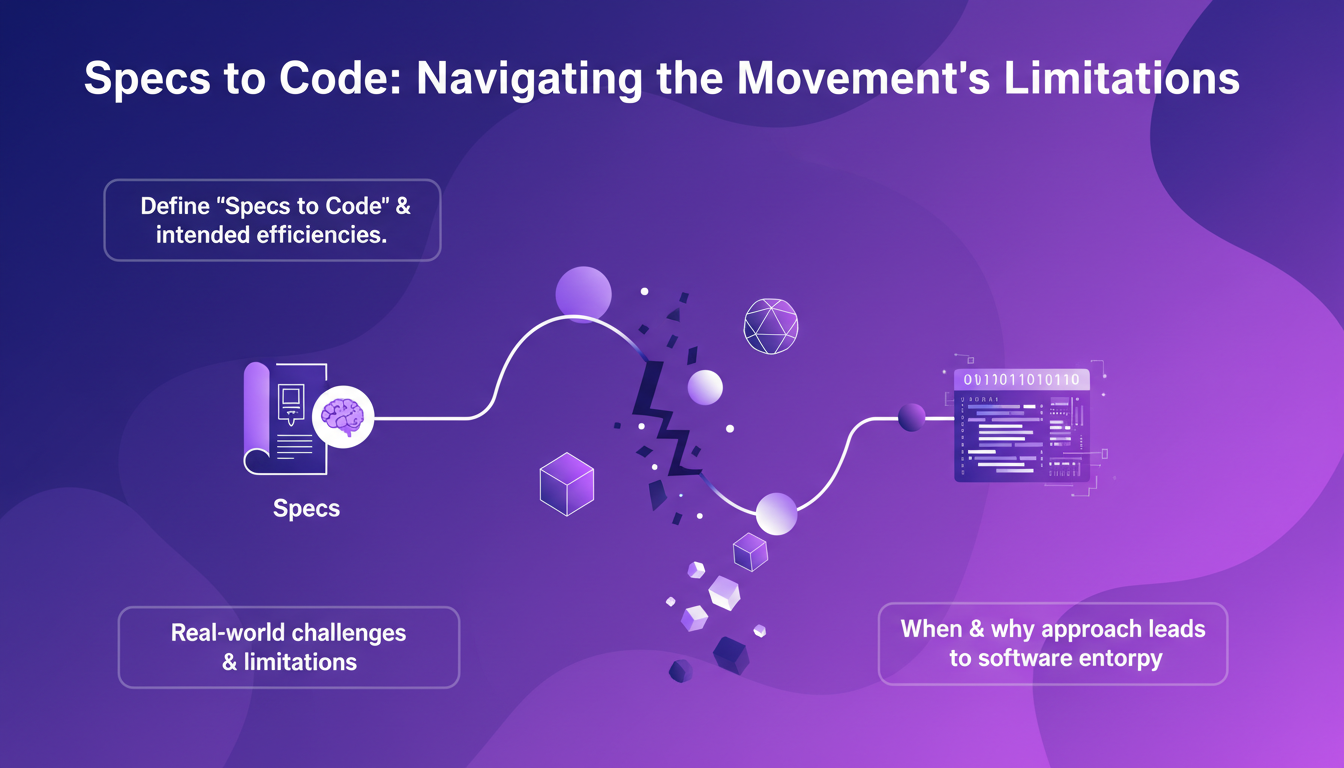
Specs to Code: Navigating the Movement's Limitations
The "Specs to Code" movement promises efficiencies by turning specifications into code with AI's help. However, in the real world, it's not always a silver bullet. I've tried it numerous times and ended up with progressively worse code. This approach can lead to software entropy, a term I learned the hard way. It's like every time you change something, the system becomes harder to understand and modify. To avoid this, I've learned it's crucial to incorporate strategies like returning to basics, regular refactoring, and precise documentation.
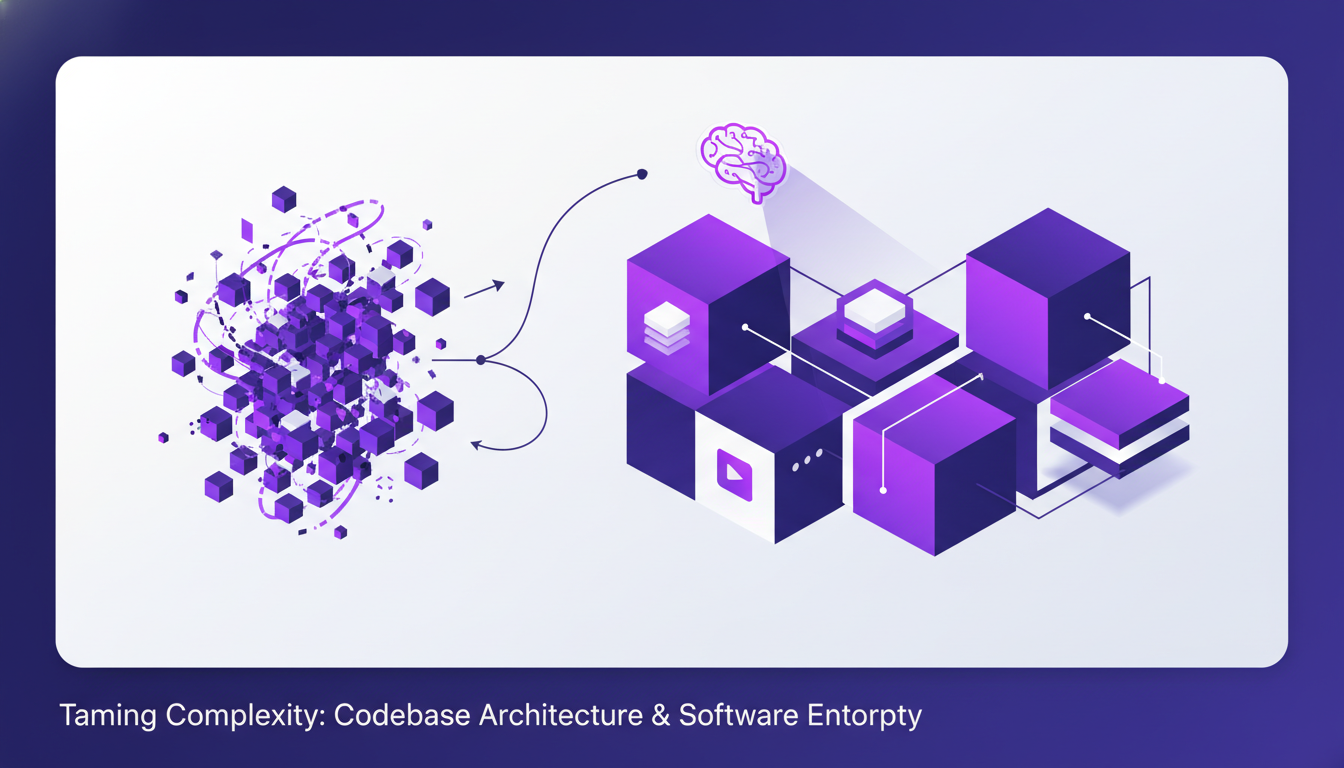
Taming Complexity: Codebase Architecture and Software Entropy
Software entropy is what happens when code becomes so complex that it's nearly impossible to change without breaking everything. I've seen projects where adding a simple feature required reworking entire modules. This is where deep modules versus shallow modules come into play. Deep modules encapsulate a lot of functionality behind a simple interface, making maintenance easier. I've learned the hard way that lacking strategic oversight can lead to chaos. For instance, in a large-scale project, not planning for this architecture turned every update into a nightmare.
Building a Shared Language: Design Concepts and Feedback Loops
In AI development, ubiquitous language plays a key role. It's a way to create a shared understanding among developers and AI systems. Design concepts help build this shared language. Take feedback loops and automated testing, for instance. They're crucial for refining and verifying the shared understanding. In my practice, I've set up regular sessions where the AI and human team review design decisions, significantly reducing misunderstandings.
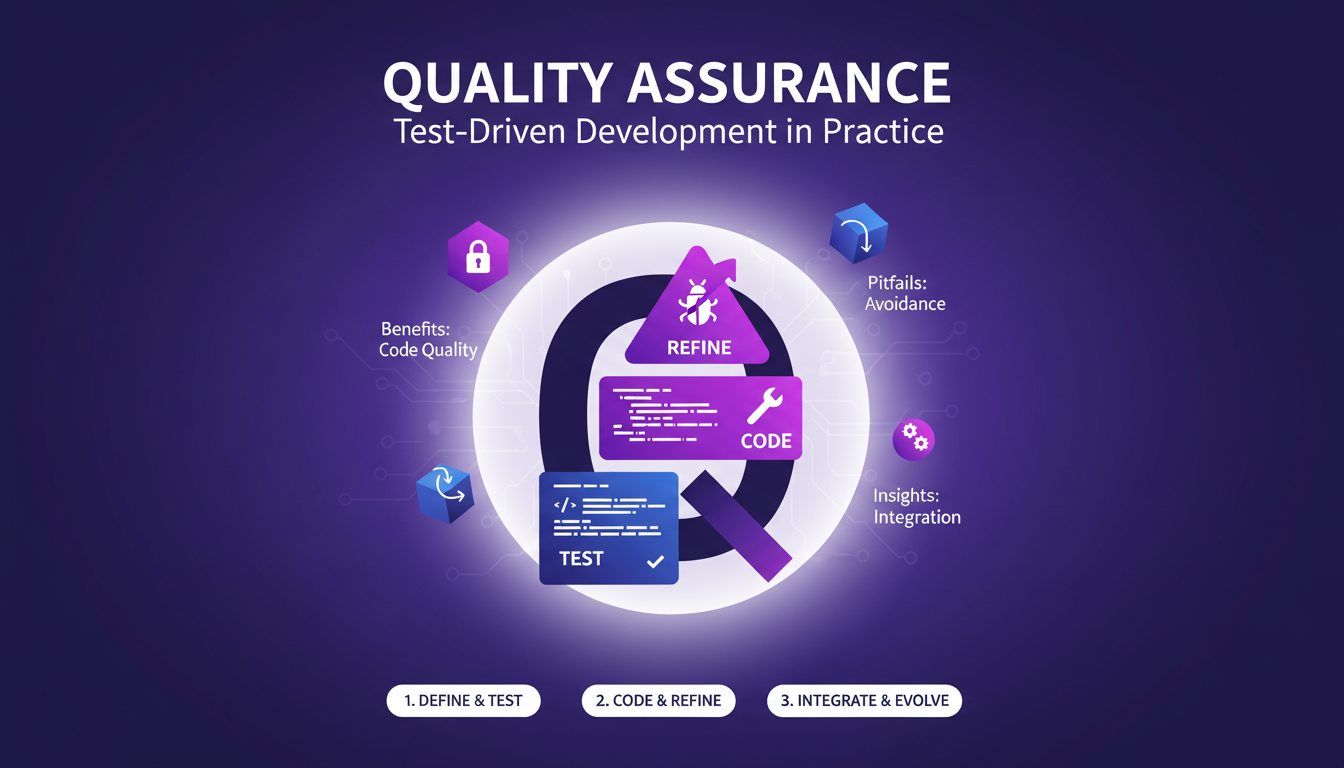
Quality Assurance: Test-Driven Development in Practice
Test-Driven Development (TDD) is a methodology that emphasizes code quality. It encourages taking small, deliberate steps in development, which improves code quality. But watch out, pitfalls exist. For example, if you don't write precise tests, you might miss critical bugs. Personally, I've integrated TDD into my processes by ensuring every team member understands its importance. The result? Notable improvement in code quality and a direct business impact due to a more reliable final product.
- Software fundamentals are essential for robust AI systems.
- The 'Specs to Code' movement can lead to software entropy.
- Deep modules make codebases easier to maintain.
- Ubiquitous language and feedback loops enhance AI-human communication.
- TDD significantly improves code quality.
Software fundamentals are the unsung heroes in AI development. By sticking to these core principles, I’ve found that not only do we build better systems, but we also save time and resources. First off, the 'grill me' repo with 13,000 stars shows how crucial an engaged community is. Then, AI asks 40, 60, or even 100 questions to achieve shared understanding, highlighting communication challenges. Finally, remember TDD—tip number three is a must. Looking ahead, let's not underestimate the power of basics—they’re a true game changer in the ever-evolving AI landscape. Take a step back and evaluate your current practices. If you're not leveraging the power of software fundamentals, it's time to make them a priority. For a deeper dive, watch Matt Pocock's full video on YouTube. It's like sitting down with a colleague who really gets the ropes.
Frequently Asked Questions

Thibault Le Balier
Co-fondateur & CTO
Coming from the tech startup ecosystem, Thibault has developed expertise in AI solution architecture that he now puts at the service of large companies (Atos, BNP Paribas, beta.gouv). He works on two axes: mastering AI deployments (local LLMs, MCP security) and optimizing inference costs (offloading, compression, token management).
Related Articles
Discover more articles on similar topics
AI's Impact: Challenges and Solutions in Dev
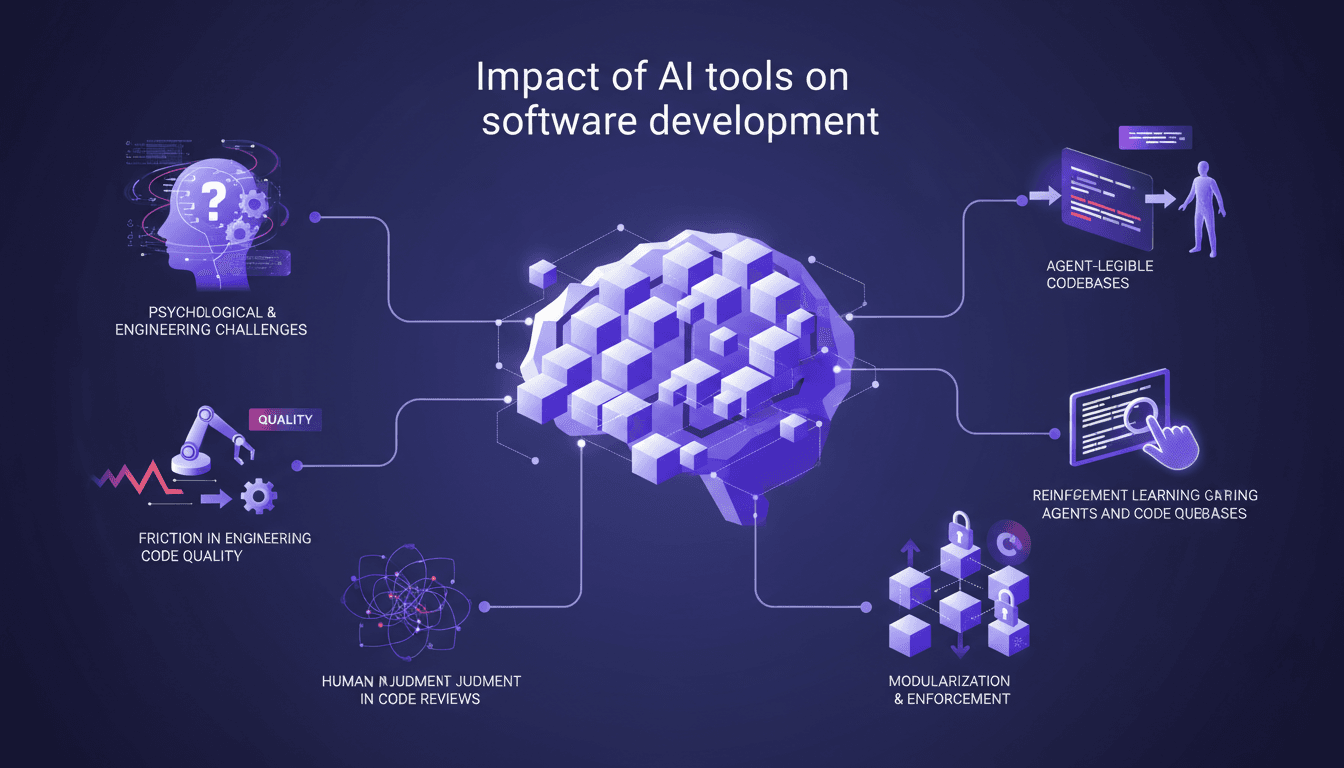
With over 20 years in software development, my last 12 months immersed in AI agents have been eye-opening. The friction isn't just technical—it's personal. It's about making judgment calls when AI tools suggest code changes that don't sit right. Armin Ronacher and Cristina Poncela Cubeiro illuminate AI's impact on development, covering both psychological and technical challenges. Their insights are crucial for integrating AI into your workflow while preserving human judgment.
End of Apps: Evolution with Benji and AI
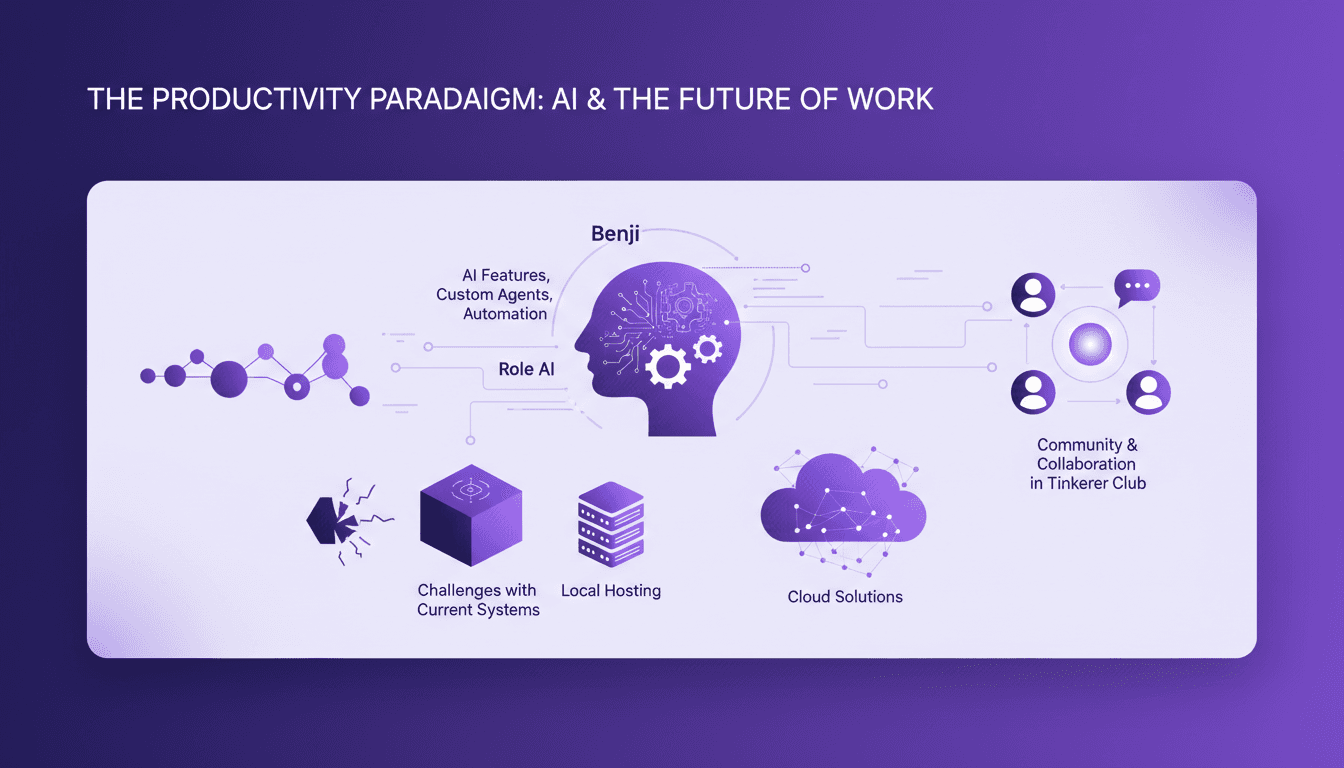
I've been obsessed with productivity tools since I was 10. Fast forward to today, I'm 34 and still chasing the perfect system. I built Benji to simplify and redefine how we work. This isn't just another app—it's a new approach to productivity that challenges the very concept of apps. Benji incorporates AI, local hosting, and custom agents to automate our workflows. The challenges with current systems are plenty, but by approaching them differently, we can maximize efficiency. Join me as we explore how Benji and the Tinkerer Club community are making a difference.
AI Agents for Analysis: Challenges and Solutions
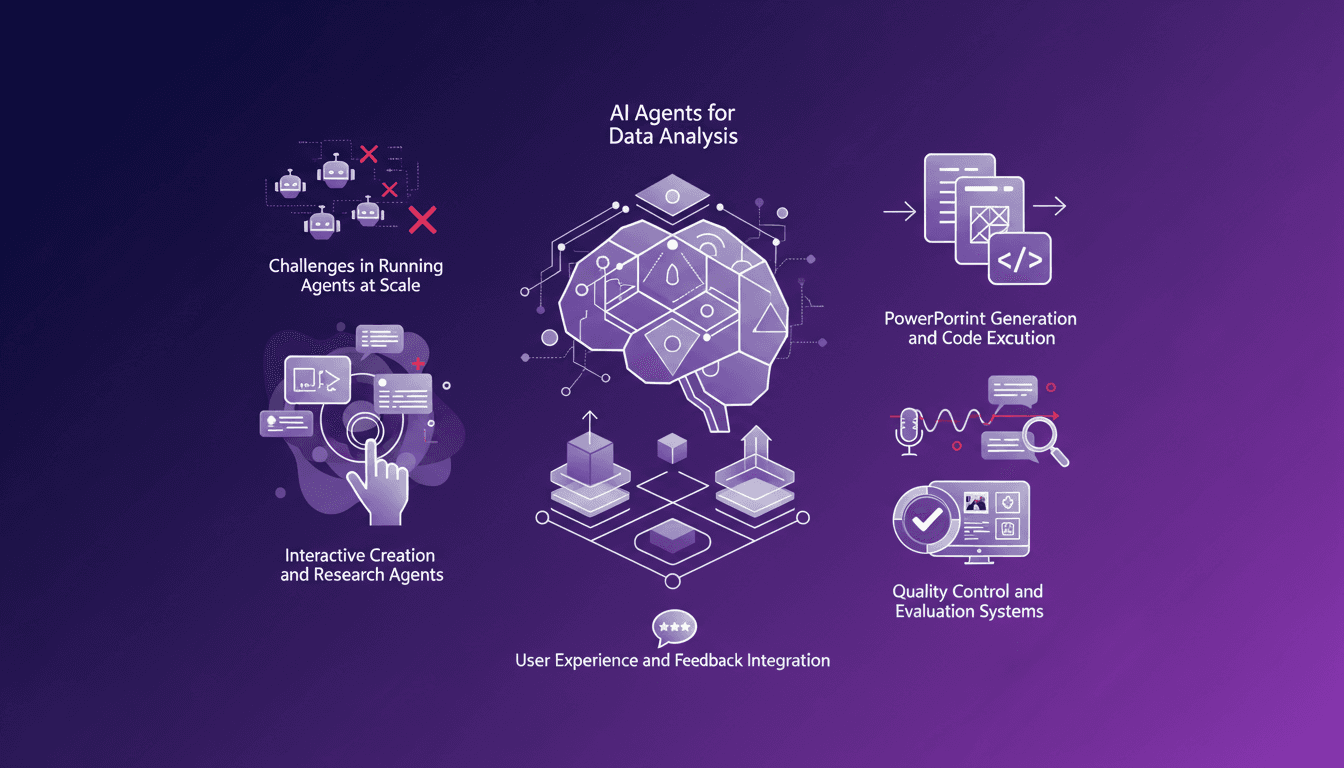
When I say I've spent hours in the trenches orchestrating AI agents for data analysis, I mean it. Generic agents look great in demos, but in real life, you have to juggle robust architectures, integrate user feedback, and more. Take the challenge of spawning 500 agents for a specific tool, for instance—it's a puzzle. Plus, a single analysis run can easily take 30 minutes, and trust me, those minutes add up fast. I'm sharing my solutions, my mistakes, and what truly works.
Sell Property Fast: AI and Quick Cash
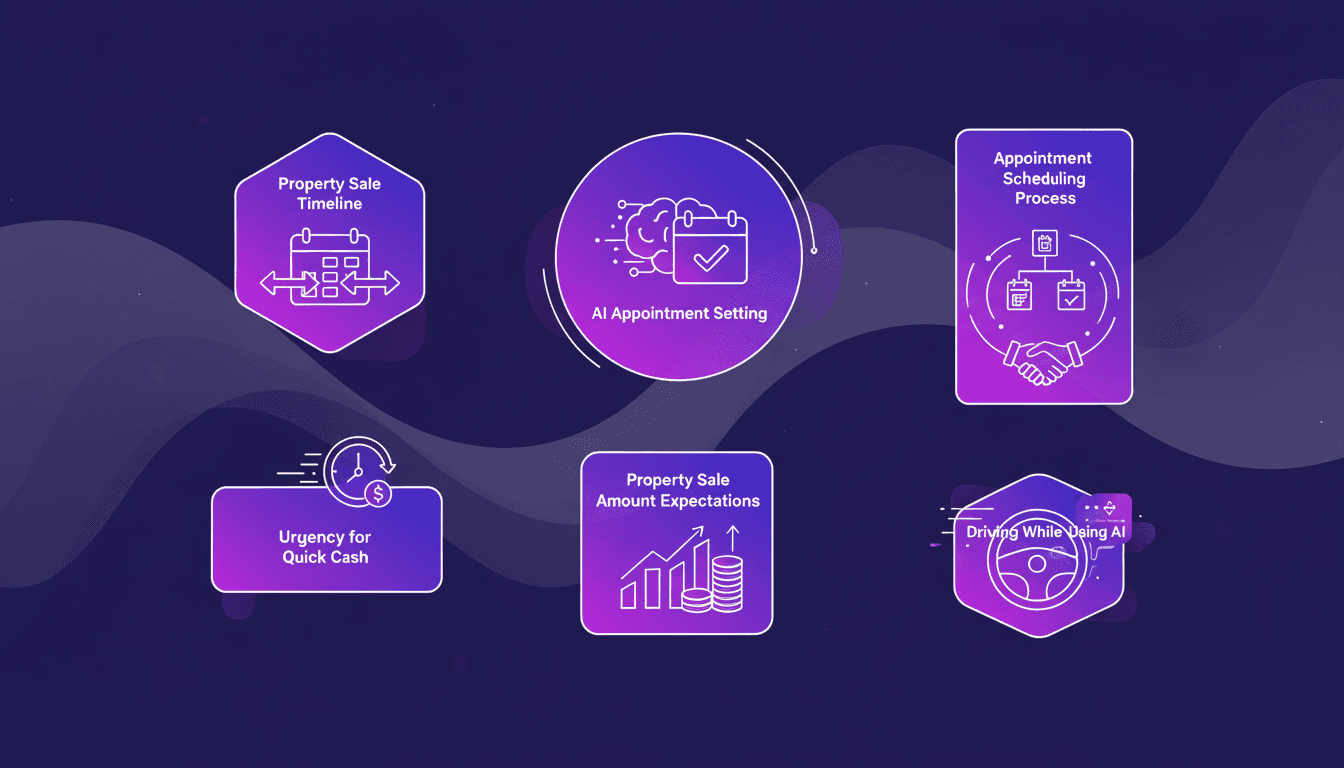
I've been in property sales for years, and when I first started using AI to schedule appointments while driving, it was a game changer. No theoretical talk here—just the real deal: I connect my tools and orchestrate tasks without losing track on the road. In a market where every second counts, AI becomes crucial for optimizing the sales process. But watch out, you need to balance quick cash urgencies and sale amount expectations. I'll show you how I sell property in a matter of weeks, aiming to walk away with a couple hundred thousand dollars.

Helping Family Through Content Creation
A few years ago, I learned the hard way that a four-year-old phone can be a real barrier when trying to help family. In a world where content creation can be a game changer, choosing the right tech isn't a luxury, it's a must. This is the story of a young man determined to support his mom through content creation. It's also about the unexpected kindness of a stranger and the critical impact of a good camera on content quality. Sometimes, a simple tech upgrade can change a life.