AI Agents for Analysis: Challenges and Solutions
When I say I've spent hours in the trenches orchestrating AI agents for data analysis, I mean it. Generic agents look great in demos, but in real life, you have to juggle robust architectures, integrate user feedback, and more. Take the challenge of spawning 500 agents for a specific tool, for instance—it's a puzzle. Plus, a single analysis run can easily take 30 minutes, and trust me, those minutes add up fast. I'm sharing my solutions, my mistakes, and what truly works.
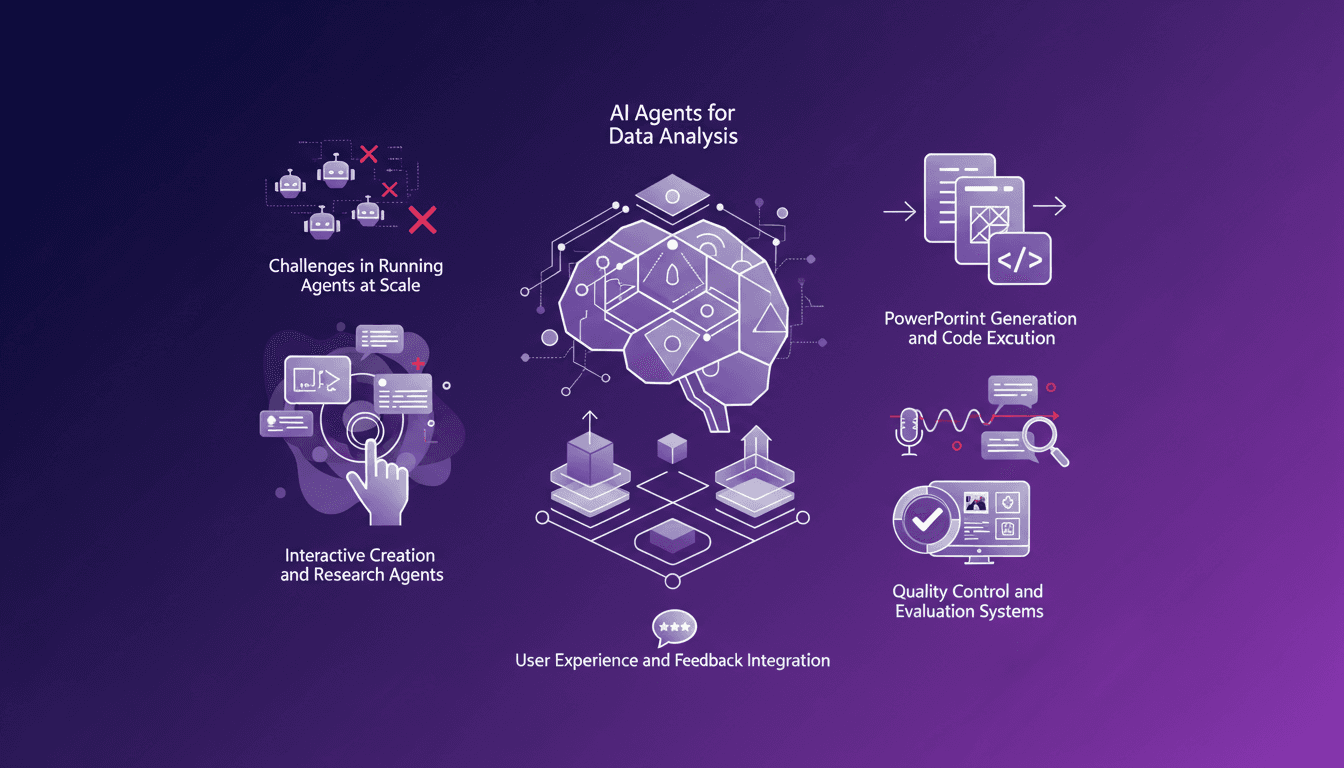
I've spent countless hours in the trenches, orchestrating AI agents for data analysis. Believe me, it's not just about flipping a switch. Generic agents look great in presentations, but once they're in production, the reality is different. Take for instance deploying 500 agents for a specific tool—it's a real puzzle. And when one analysis run can take 30 minutes, your resources deplete quickly. Then there's the constant attention required for user feedback integration and agent architecture. In this article, I reveal how I go about it, from code execution to PowerPoint generation, speech-to-text pipelines, and multimodal interfaces. I share my mistakes, my successes, and how I ensure my agents don't fall into common traps.
Setting Up AI Agents for Data Analysis
Here's the deal with AI agents: using generic ones in complex data environments is like trying to fit a square peg in a round hole. It just doesn't work. First, I configure the contextual prompt engineering to tailor responses. This makes all the difference. You start by identifying the key points in your dataset, then refine your prompts to ensure the agent responds precisely to the specific nuances.

Then, there's the power of semantic search. It's a game changer for refining data queries. I use it regularly to ensure that the results I get are not just relevant but actionable. But watch out for the sandbox environment. It's crucial for testing your agents without risks. I've been burned a few times by not using it, and trust me, you don't want to crash a production system by mistake.
Challenges in Running Agents at Scale
Now, when it comes to running 500 agents at once, it's not just about increasing computing power. That's the first mistake I made. One analysis run can take 30 minutes. So, efficiency matters. I've had to learn how to manage millions of devices, and bandwidth quickly becomes a bottleneck.
There are always trade-offs: speed versus accuracy, resource allocation. Sometimes it's better to sacrifice a bit of speed to ensure the results are accurate. I learned to break up tasks to parallelize them, which optimized the process in ways I hadn't anticipated initially.
Interactive Creation and Multimodal Interfaces
I've started integrating speech-to-text pipelines. They're great for quick interactions, but watch out—they can stumble over accents or noisy environments. To enhance user interaction, I leverage multimodal interfaces. This has really transformed how we work. For example, combining text and images helps capture users' attention and improve their understanding.
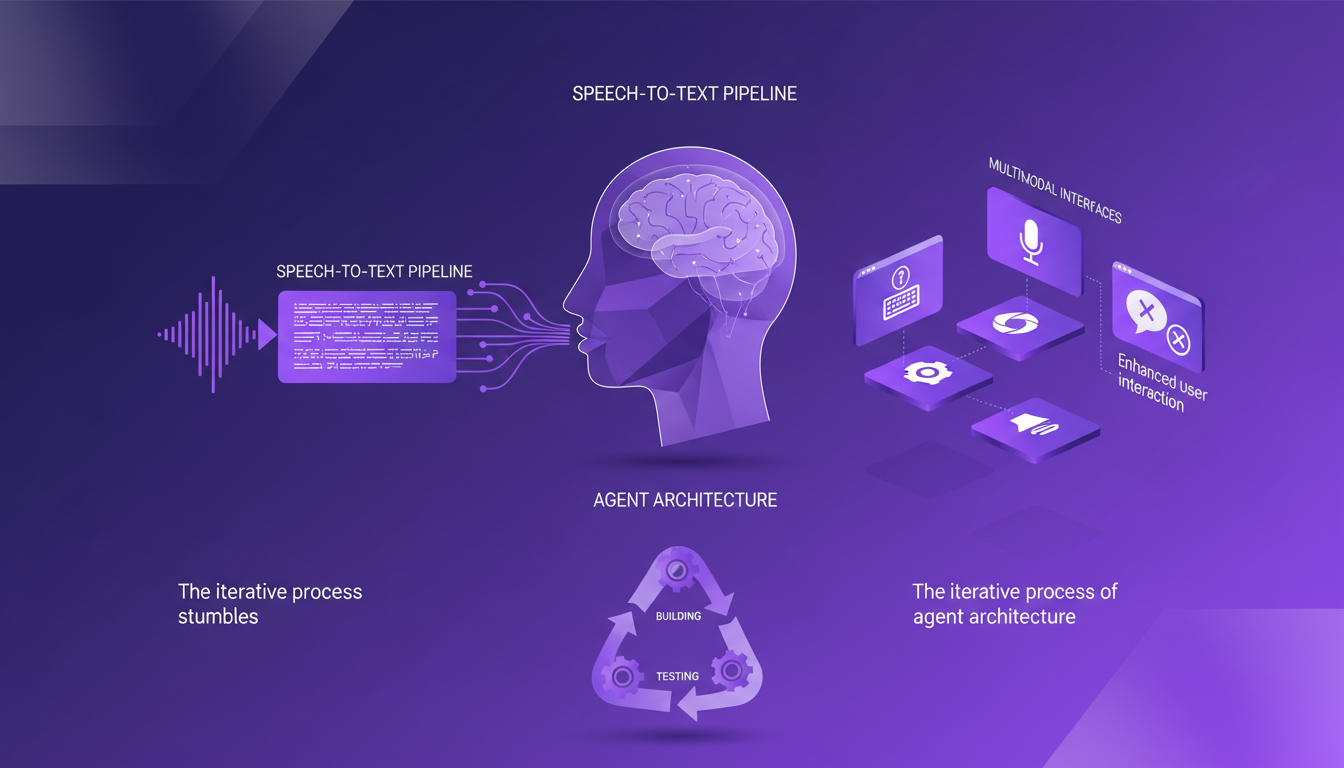
The process of agent architecture is iterative: I build, test, and refine. It's a never-ending cycle, but user feedback is a goldmine for iterative improvements. Sometimes, a simple change inspired by feedback can have a huge impact.
Quality Control and Evaluation Systems
To ensure quality results, I've set up robust quality control systems. My go-to techniques include evaluation by sub-agents that know exactly what a good report looks like. These evaluation systems aren't just for show; they're essential to ensure the accuracy of analyses.
As for evaluation metrics, there's a lot of noise that's unnecessary. Rerunning the analysis after 20 interviews can be a game changer because you often gain deeper insights. Real-world impact is measured beyond the numbers, and that's where I've learned to truly gauge success.
User Experience and Feedback Integration
Integrating user feedback into the development loop is crucial. Here's how I do it: I gather feedback, prioritize changes, and integrate them into the next iteration. A 20% shift in user approval completely changed my approach.
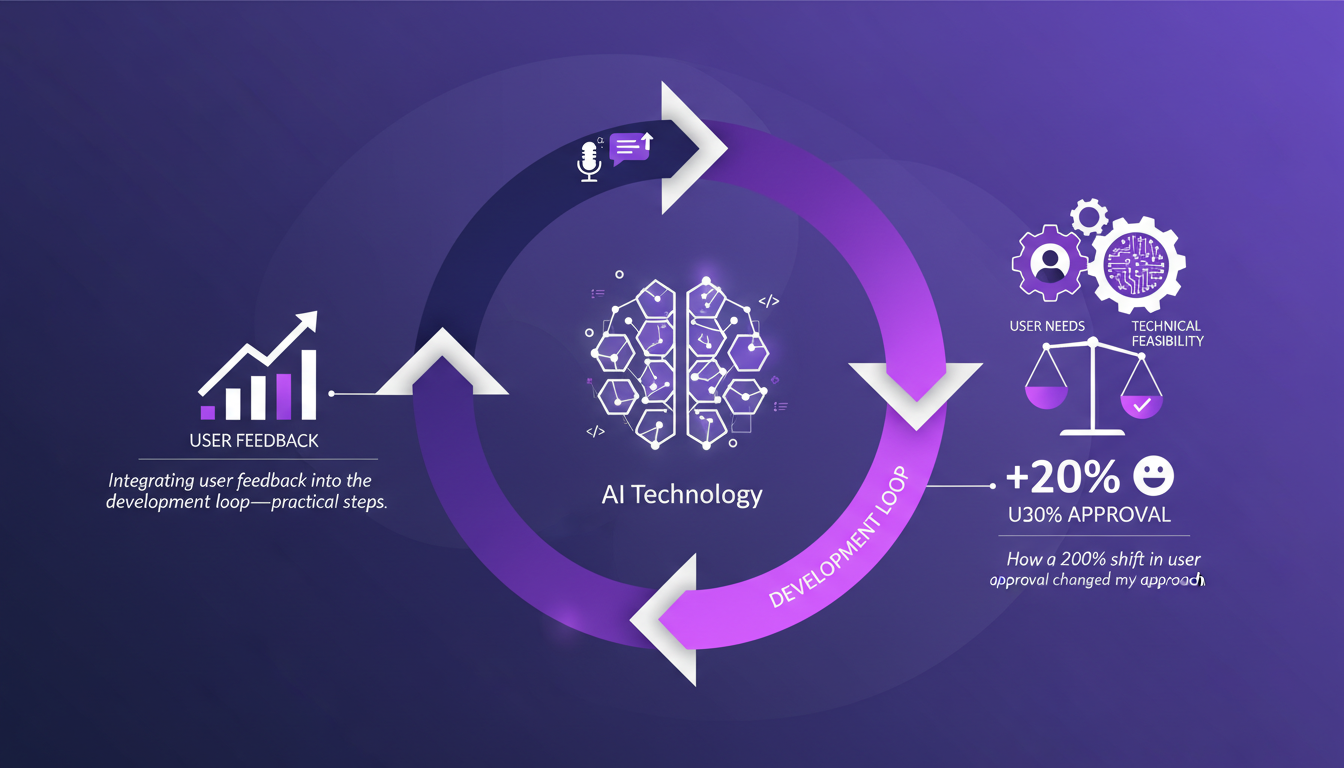
Balancing user needs with technical feasibility is key. Sometimes it's faster to go for quick wins, but long-term benefits are often worth the attention. And it's through iterating on feedback that you find the right balance.
Deploying AI agents isn’t just about tech—it's about orchestrating systems, integrating feedback, and constant iteration. The real world is messy, but that's where the magic happens. I've seen 500 agents spawned for a specific tool, and managing that scale is a real challenge. One analysis run can take about 30 minutes upfront, but when it's running on millions of people's devices, that's a game changer.
- Orchestration and constant iteration are key to making AI agents work.
- Scale challenges: managing 500 agents is no small feat.
- Analysis time: 30 minutes upfront is a reality to anticipate.
- Massive impact: millions of interview runs on devices, that’s solid.
Looking forward, it's about understanding how these agents adapt to the complex realities on the ground. Ready to dive deeper? Let's connect and share insights on making AI work in the real world. I highly recommend watching Florian Juengermann's original video, it's worth it.
YouTube link: https://www.youtube.com/watch?v=YTTH-0XXEBE
Frequently Asked Questions

Thibault Le Balier
Co-fondateur & CTO
Coming from the tech startup ecosystem, Thibault has developed expertise in AI solution architecture that he now puts at the service of large companies (Atos, BNP Paribas, beta.gouv). He works on two axes: mastering AI deployments (local LLMs, MCP security) and optimizing inference costs (offloading, compression, token management).
Related Articles
Discover more articles on similar topics

AI in Action: Transforming Stripe's Web Design
I spent over a year redesigning Stripe's homepage—a task that was more than just a facelift. It required rethinking our entire approach to web design. We leveraged AI, design systems, and user experience principles to craft a site that's both beautiful and functional. With 78% of the Forbes AI 50 using Stripe, the stakes were high. Let me walk you through how we orchestrated this transformation, using iterative design processes and prototyping while maintaining cohesion across our products. I'll also share the pitfalls to watch out for—I've been burned before. Ready to dive into the world of modern web design?
Designing Large-Scale Systems: GitHub Engineer Insights
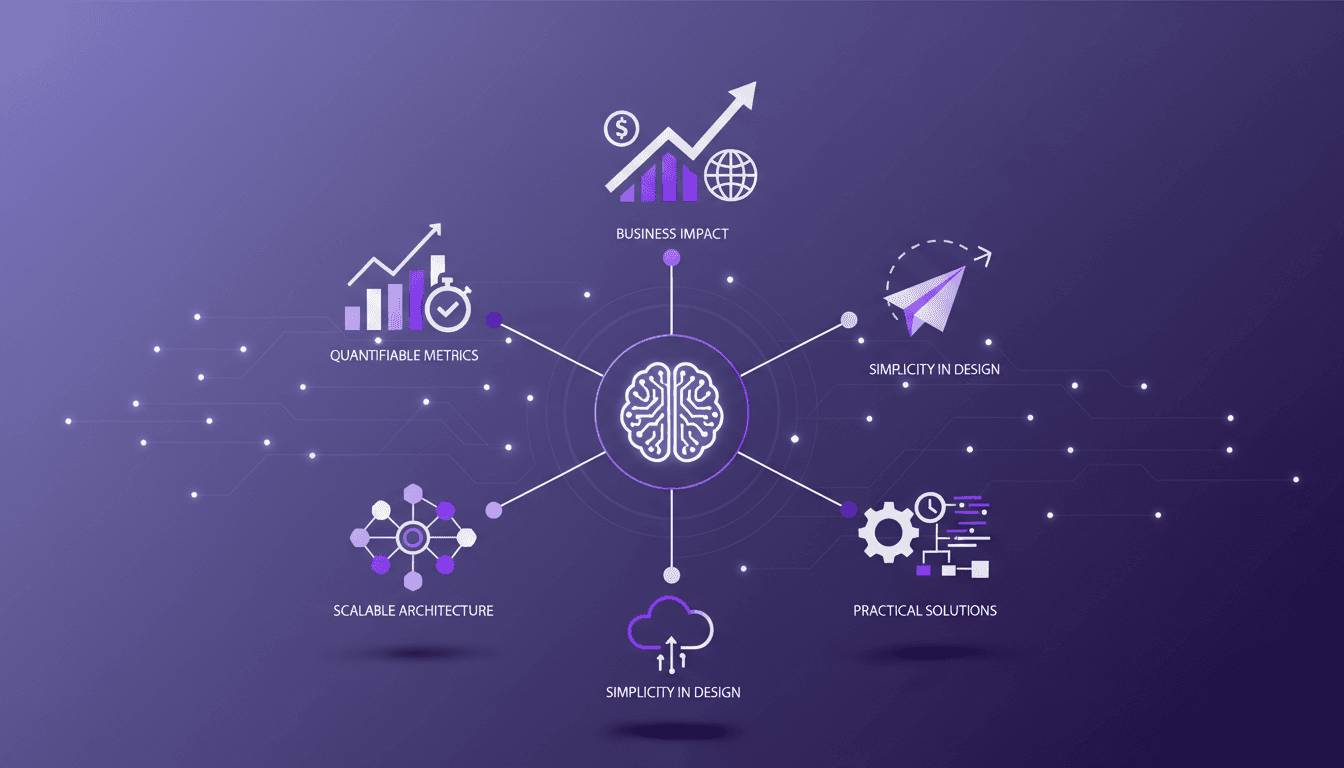
I remember my first large-scale system design project—overwhelming, right? But then I realized, it's all about metrics, simplicity, and impact. In this article, I share how I approach it now as an engineer at GitHub. We'll dive into the importance of quantifiable metrics, the real business impact, and the necessity of keeping things simple. Designing large-scale systems requires a careful balance between technical complexity and business needs. I'll show you how I use concrete data to guide my design decisions and maximize business impact.
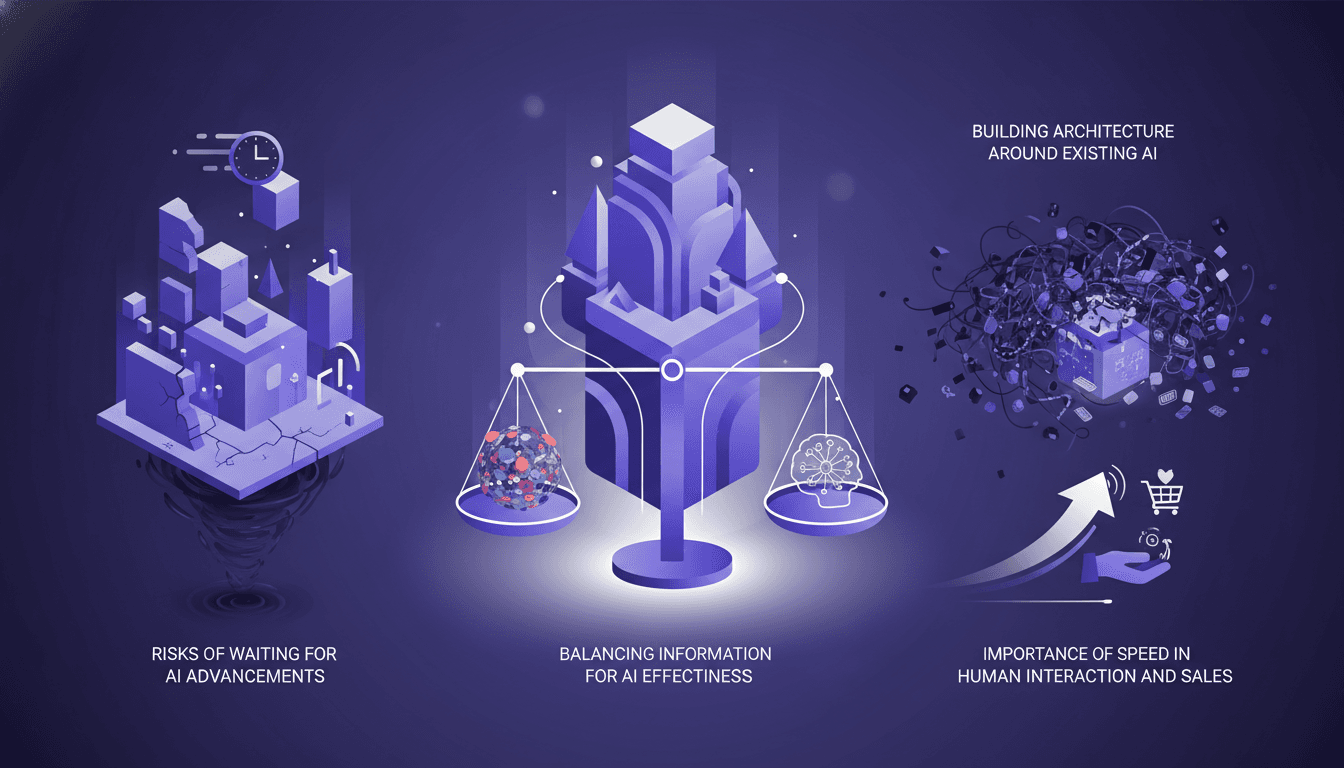
Balancing Info for AI Effectiveness
I've been deep in the trenches with AI systems, and if there's one thing I've learned, it's that waiting for the 'perfect' AI is a fool's game. I build around what we have now, balancing information input to optimize performance. In this episode, I share how this approach can transform your workflow. AI is evolving at breakneck speed, but sitting on our hands waiting for the next big breakthrough is a mistake. By leveraging existing AI capabilities effectively, we can achieve significant gains in efficiency and performance today. We'll dive into balancing information for AI effectiveness, building architecture around existing AI, the risks of waiting for AI advancements, the impact of excessive data on AI performance, and the importance of speed in human interaction and sales.
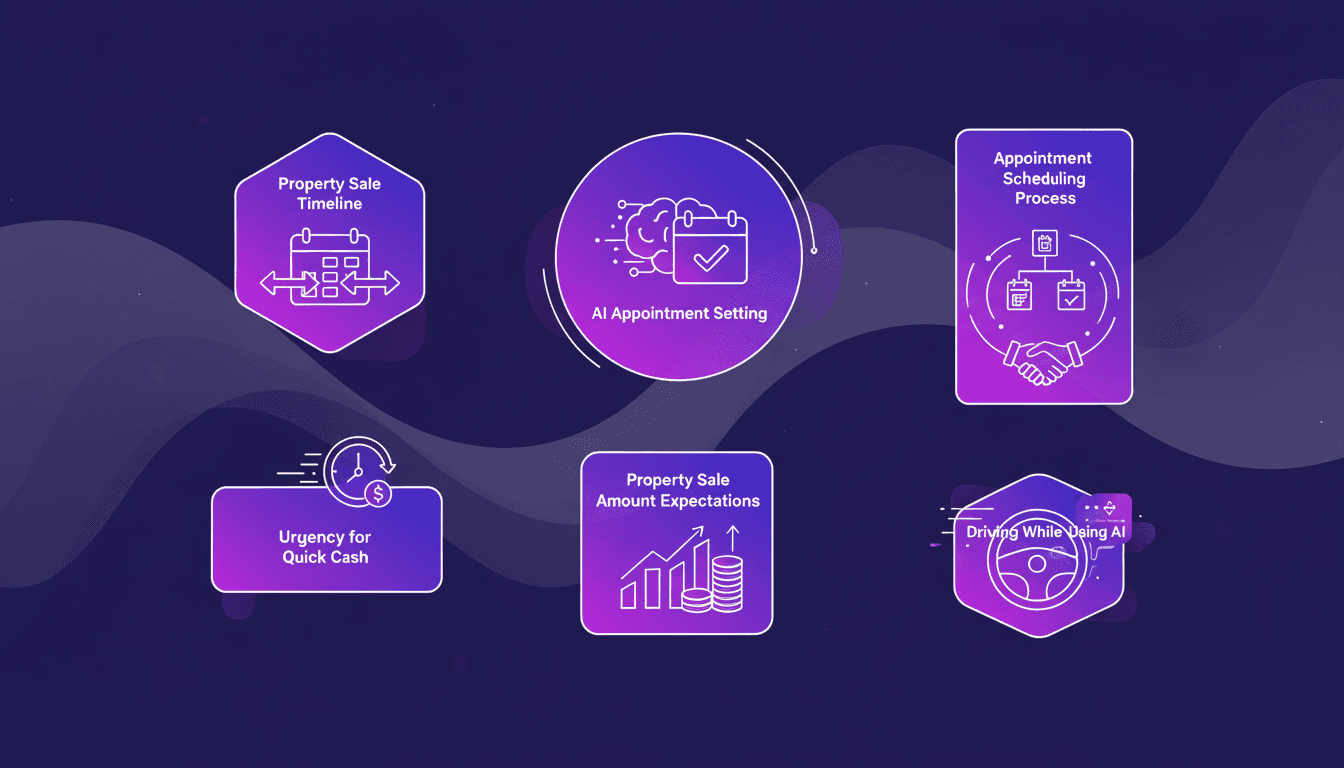
Sell Property Fast: AI and Quick Cash
I've been in property sales for years, and when I first started using AI to schedule appointments while driving, it was a game changer. No theoretical talk here—just the real deal: I connect my tools and orchestrate tasks without losing track on the road. In a market where every second counts, AI becomes crucial for optimizing the sales process. But watch out, you need to balance quick cash urgencies and sale amount expectations. I'll show you how I sell property in a matter of weeks, aiming to walk away with a couple hundred thousand dollars.

Helping Family Through Content Creation
A few years ago, I learned the hard way that a four-year-old phone can be a real barrier when trying to help family. In a world where content creation can be a game changer, choosing the right tech isn't a luxury, it's a must. This is the story of a young man determined to support his mom through content creation. It's also about the unexpected kindness of a stranger and the critical impact of a good camera on content quality. Sometimes, a simple tech upgrade can change a life.