Intelligent Agents: Revolutionizing Personalized Medicine
I've seen firsthand how intelligent agents are transforming personalized medicine. It's not just theory anymore; it's happening in real clinics, and it's cutting costs like never before. We're at a tipping point where technology and medicine converge. From genome sequencing to mRNA delivery, the landscape is rapidly evolving. Let me walk you through how this is reshaping healthcare. With Moore's Law in play, genome sequencing costs are plummeting, and N-of-1 genetic medicines are becoming more affordable than ever. Startups are playing a pivotal role in this ecosystem, and even the FDA is opening up to personalized procedures. As a practitioner, I'll take you behind the scenes of what's really happening.
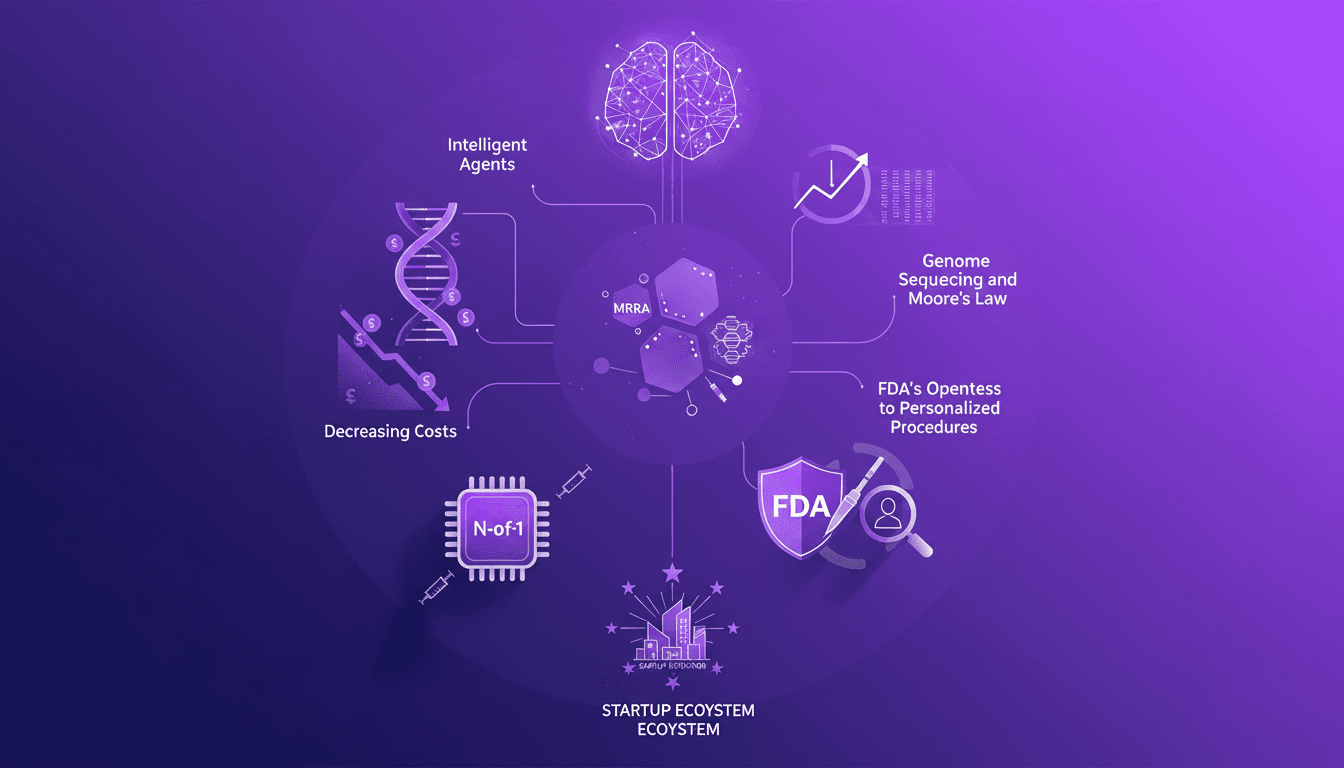
I remember the first time I saw an intelligent agent in action in a real medical setting. It's a game-changer. We're not talking about abstract concepts anymore; these are real tools transforming personalized medicine right before our eyes. The costs? They're dropping, and fast. We're at a pivotal moment where technology meets medicine. Genome sequencing is riding Moore's Law, making personalized diagnostics more accessible. I've orchestrated projects where mRNA is delivered directly, and let me tell you, startups are stepping up, pushing the FDA to open up to more personalized procedures. N-of-1 genetic medicines are seeing their printing costs plummet. We're in the thick of it, and I'm here to show you how it's really happening, no filters.
Harnessing Intelligent Agents in Medical Care
Integrating intelligent agents into medical care isn't just a buzzword—it's actionable. I leverage these agents to streamline diagnostics and treatment plans. They enable unprecedented personalization, turning diagnostic tests, genomic scans, and even wearables data into patient-specific recommendations.
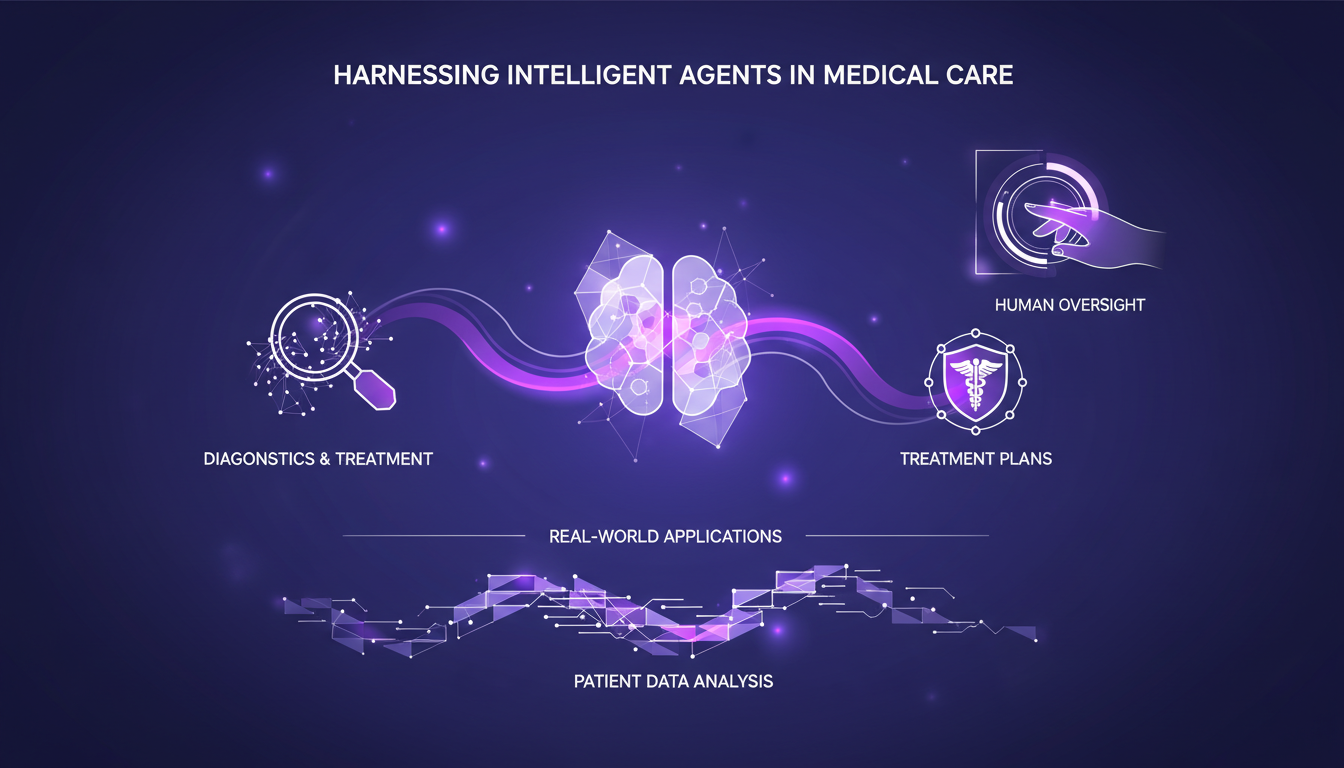
In practice, this translates to faster and more accurate patient data analysis. But watch out, automation shouldn't replace human expertise. I ensure there's proper oversight to avoid potential pitfalls. Ethical concerns arise as soon as we talk about AI-driven medicine: which data can be used, and how?
- AI enhances the speed and accuracy of diagnostics.
- The need for human oversight remains crucial.
- Ethical concerns must be addressed.
Cutting Costs with Personalized Diagnostics
AI's impact isn't confined to personalization; it's also hitting wallets. Diagnostic costs are plummeting thanks to AI technologies. For instance, diagnostic tools like Phen-Gen, which integrate genomic and phenotypic data, reduce costs while increasing accuracy by 52%.
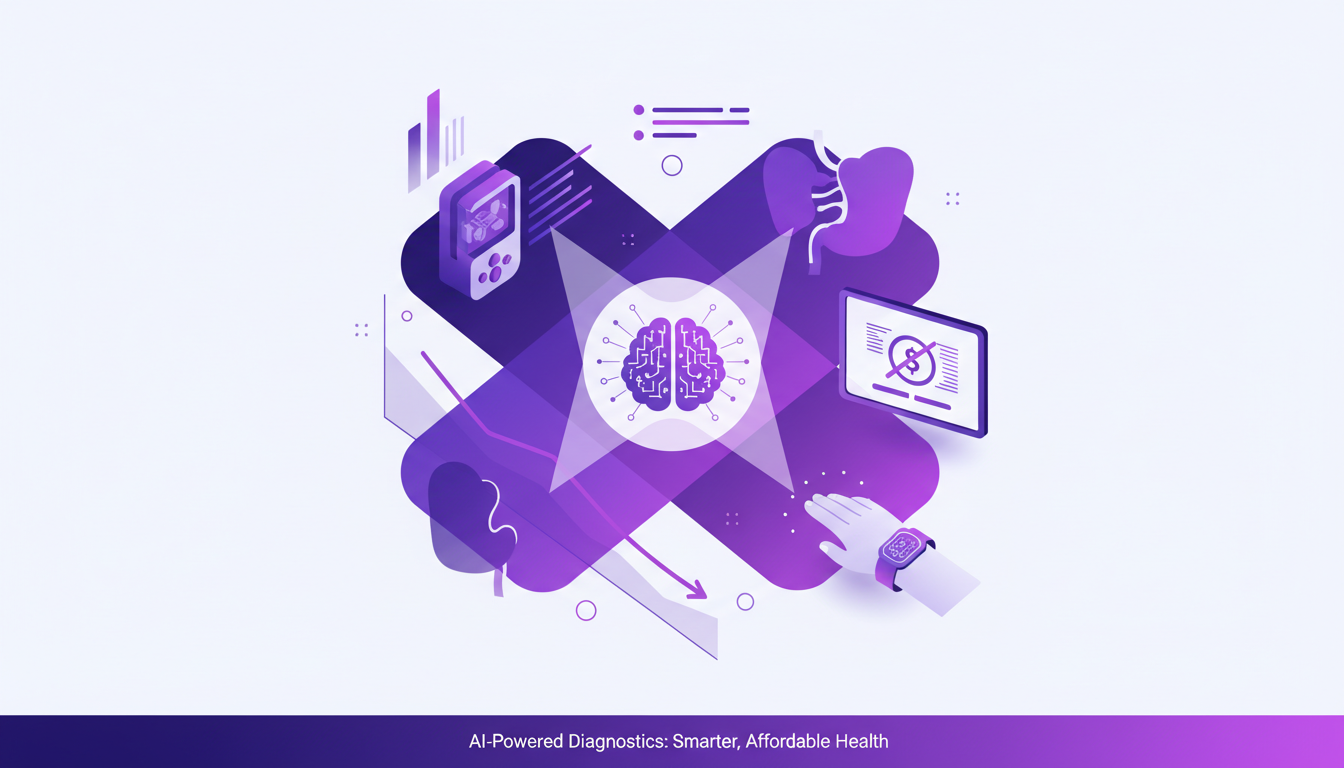
However, don't be fooled into thinking that cutting costs means sacrificing precision. I've seen innovative startups pushing the boundaries, offering economical diagnostics without compromising quality. Yet, there's always a trade-off between cost and accuracy.
- Diagnostic costs are rapidly decreasing.
- Innovative startups are transforming the sector.
- A balance between cost and accuracy is essential.
Genome Sequencing: Beyond Moore's Law
We're in an era where genome sequencing is advancing faster than Moore's Law predicted. Sequencing costs have dropped dramatically, making personalized medicine more accessible. It's a paradigm shift where every patient can potentially benefit from bespoke medical care.
However, scaling and data management remain major challenges. I've seen how managing massive volumes of genomic data can throttle efficiency if not orchestrated properly. But with the right tools and a structured approach, these obstacles can be overcome.
- Sequencing costs are rapidly decreasing.
- Challenges of scale and data management persist.
- The implications for personalized medicine are profound.
N-of-1 Genetic Medicines and mRNA Delivery
N-of-1 genetic medicines represent a major step forward in individualized care. The ability to print these medicines cost-effectively is a game-changer. But that's not all: mRNA delivery vectors are at the forefront, enabling effective administration of these personalized treatments.
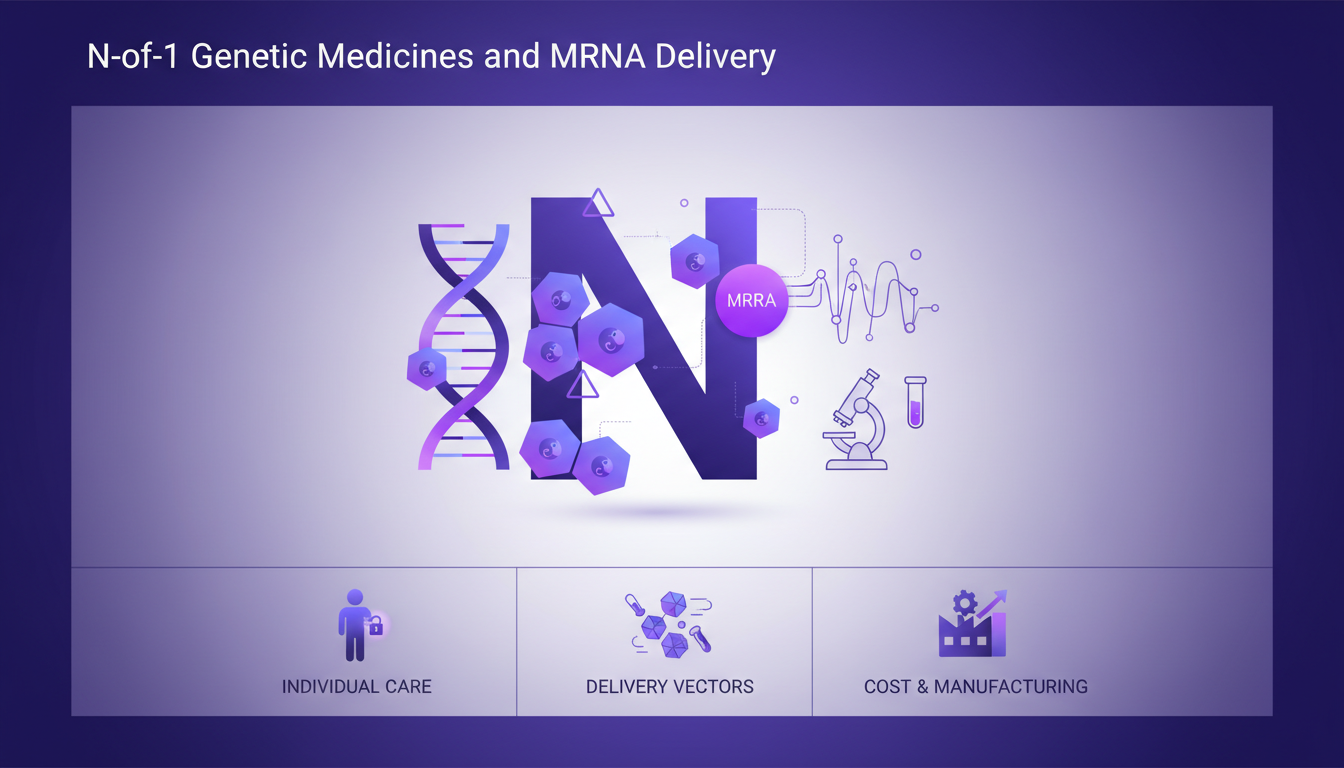
However, the journey isn't without hurdles. Potential risks and regulatory hurdles are numerous. I've seen promising projects falter due to these barriers, but with a clear strategy and understanding of regulations, it's possible to navigate this complex landscape.
- The cost of printing N-of-1 medicines is decreasing.
- mRNA vectors facilitate treatment delivery.
- Regulatory hurdles are challenges to overcome.
The Role of Startups and FDA's Openness
Startups are at the forefront of personalized medicine, bringing new ideas and technologies to the table. The FDA is showing greater openness to personalized procedures, which is a positive signal for innovation.
Navigating the regulatory landscape is no small feat. I've found that a clear understanding of FDA expectations is crucial for success. The future of personalized medicine is promising, but it's peppered with challenges that need to be overcome to realize its full potential.
- Startups play a key role in driving innovation.
- The FDA is more open to personalized procedures.
- Regulatory challenges must be considered.
Personalized medicine is no longer just a distant dream. With intelligent agents and falling costs, we're seeing real-world impacts today. But remember, navigating the complexities of regulation and ethics remains a challenge. Here's what I took away:
- Moore's Law: The rate at which the cost of genome sequencing has fallen is spectacular. It's a real game changer for making these diagnostics accessible.
- N-of-1 genetic medicines: The cost of printing is dropping like a rock, almost comically low.
- mRNA: Delivery vectors for personalized medicines are becoming increasingly efficient.
The future of medicine is personalized, and it’s happening now. The impact it can have on our daily practices is huge, but we need to be mindful of the ethical and regulatory implications that might slow down the progress.
I highly recommend checking out the original video "AI-Personalized Medicine" to get a deeper understanding of how these elements are coming together. Watch here.
Frequently Asked Questions

Thibault Le Balier
Co-fondateur & CTO
Coming from the tech startup ecosystem, Thibault has developed expertise in AI solution architecture that he now puts at the service of large companies (Atos, BNP Paribas, beta.gouv). He works on two axes: mastering AI deployments (local LLMs, MCP security) and optimizing inference costs (offloading, compression, token management).
Related Articles
Discover more articles on similar topics
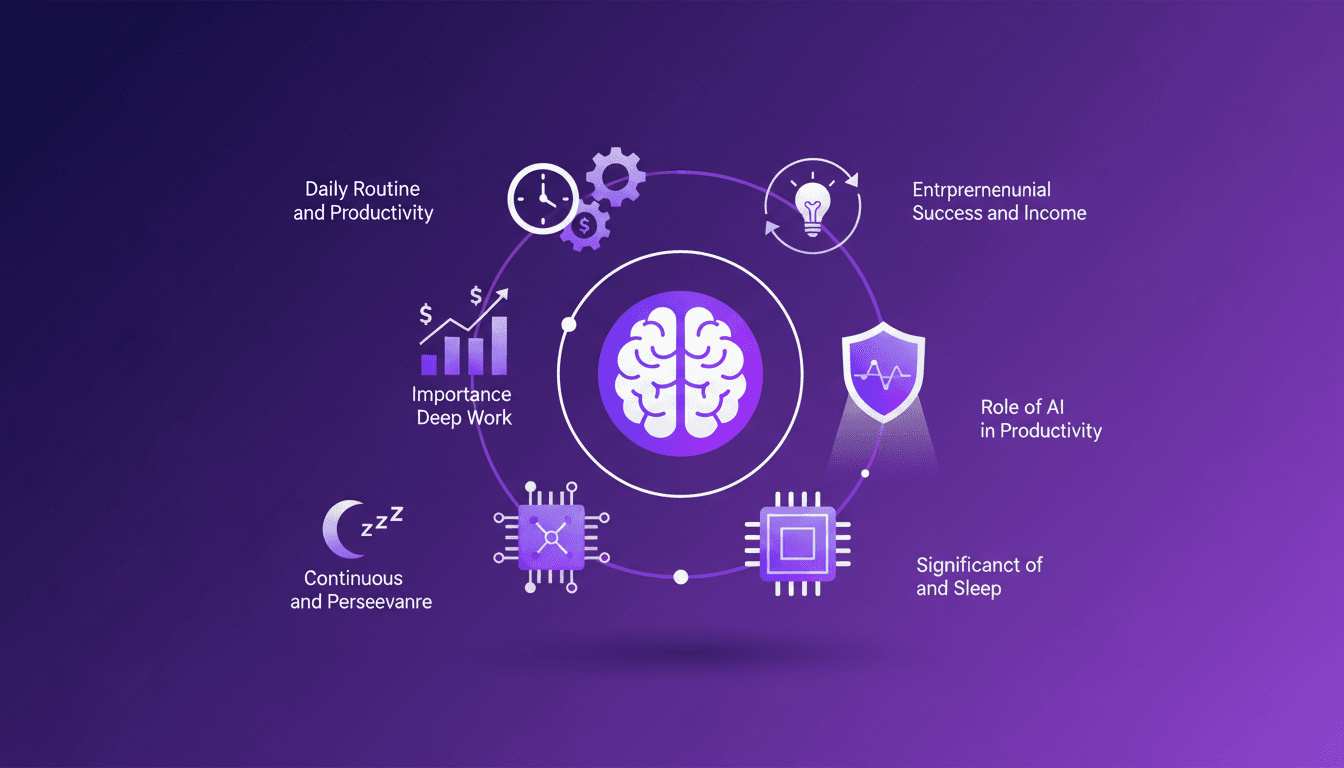
Solopreneur Routine: Earning $77K a Month
I wake up around 6 a.m., ready to tackle the day as a solopreneur. Earning $77K a month doesn't just happen—it's a mix of deep work, smart use of AI, and relentless iteration. First, I orchestrate my priorities using automation tools (saves a ton of time). Then, I dive into the creative work, where AI helps me speed up processes without compromising quality. My secret? Never getting stuck. I test, tweak, and continuously innovate while safeguarding my sleep. In a world where hustle is glorified, smart strategies make the difference. Let me show you how I orchestrate my daily routine to maximize productivity and innovation.
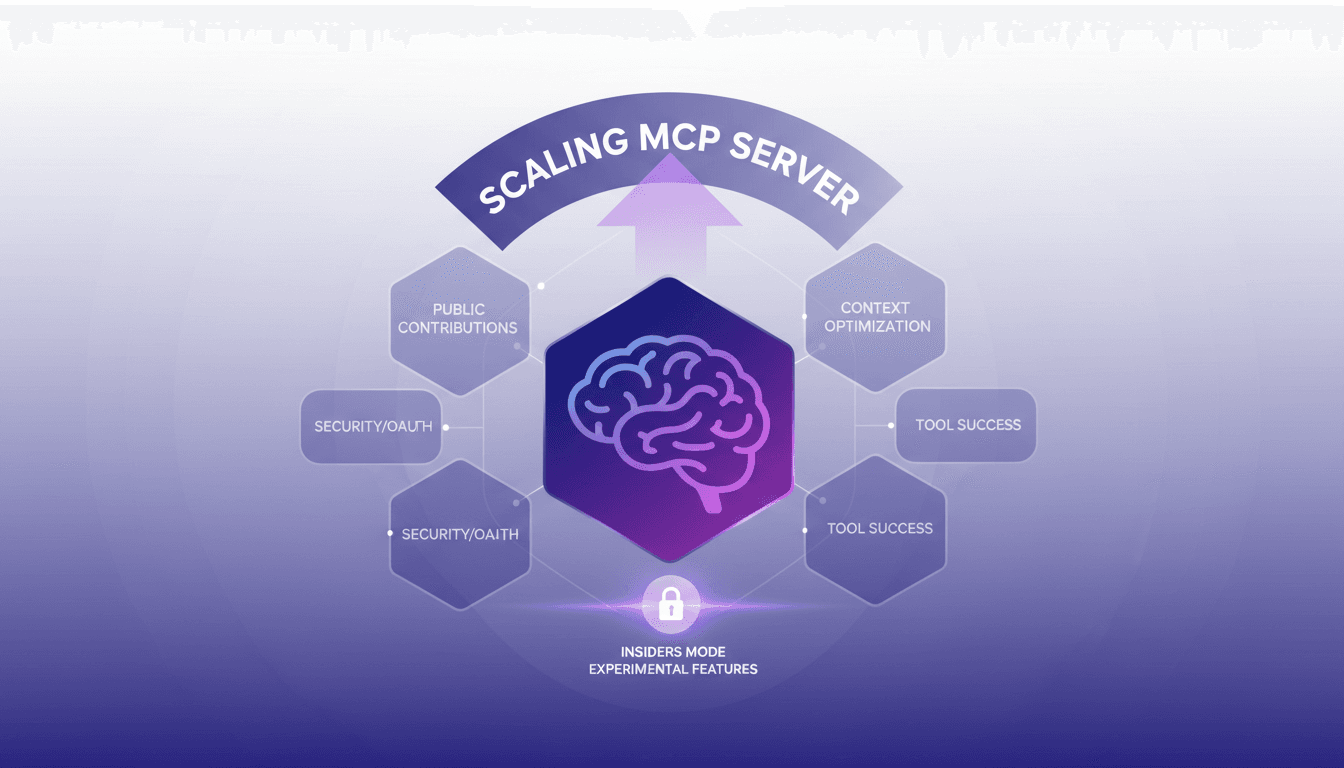
Scaling GitHub's MCP Server: Key Lessons
I remember the first time I scaled GitHub's MCP server. It was a beast of a task, but through trial and error, I learned what works, what doesn't, and where the real value lies. In this article, I'll walk you through the journey of scaling GitHub's MCP Server, highlighting the challenges, optimizations, and security enhancements that made the difference. We'll dive into public contributions, context overload, OAuth implementation, and using Redis for stateless server setups. If you've ever juggled over 100 tools but want to cut it down by 49%, keep reading. This is field insight, not abstract theory.
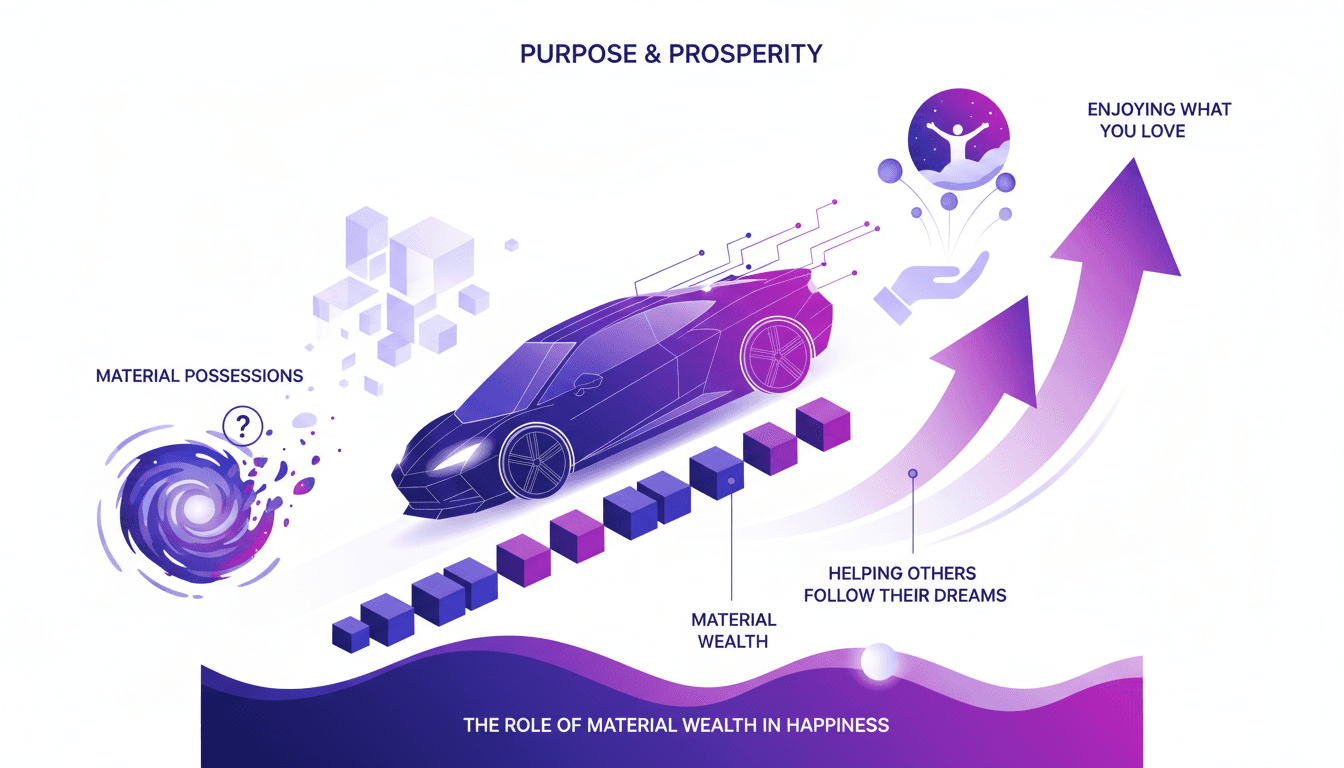
Buying a Dream Car: The Real Cost
I bought my $200,000 dream car, but it wasn't the victory lap I expected. Let me share how this material obsession led me to discover a deeper purpose. We all think a purchase like this will change everything, but the real journey starts afterward. I share the story of building and selling my company, and how I found true meaning by helping others follow their dreams. This experience taught me that happiness doesn't come from material possessions, but from truly enjoying what we love to do.
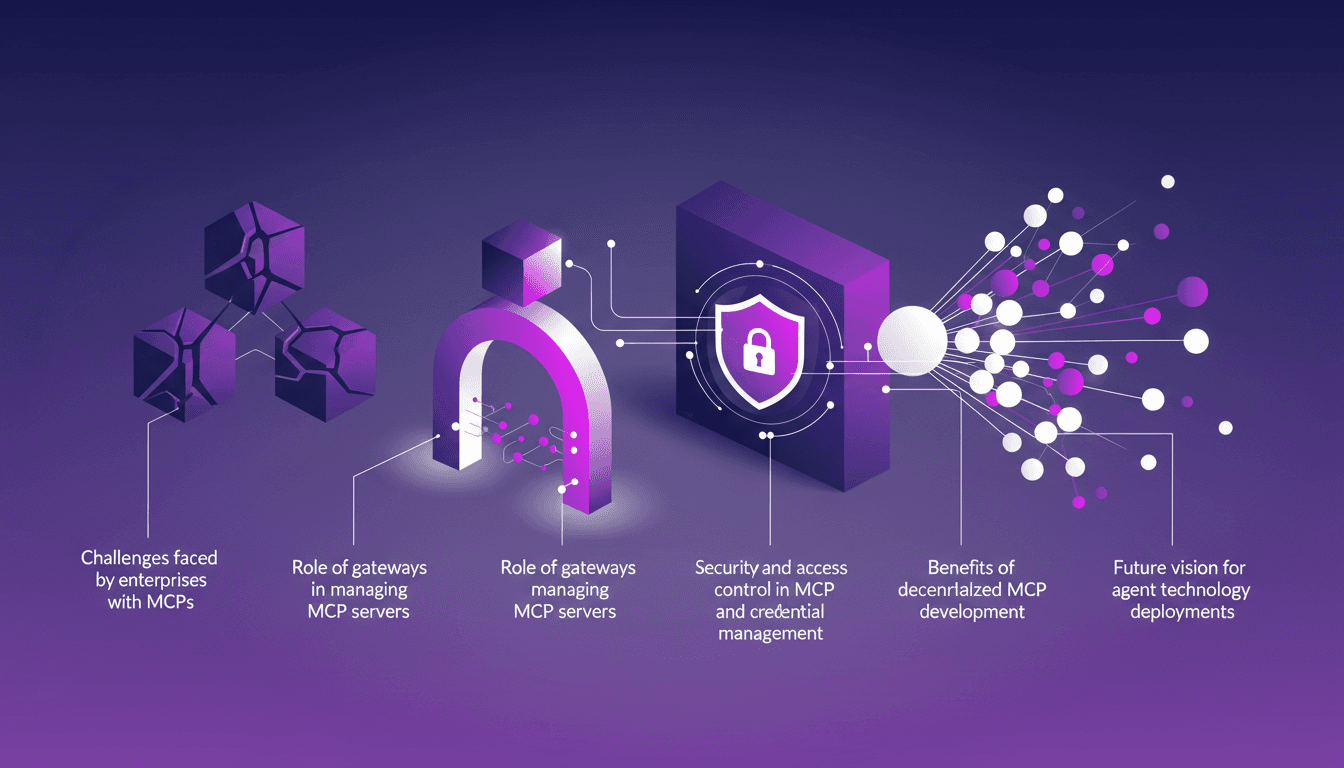
Enterprise MCP Challenges: Practical Solutions
I remember the first time I had to scale MCP servers for an enterprise client. It was utter chaos — but once I found the right orchestration, everything clicked. Enterprises face unique challenges with MCPs, from scalability to security. In this article, let's break down how to tackle these challenges using gateways and other strategies. We'll also dive into security and access control, the importance of observability and credential management, and not to forget the future vision for agent technology deployment.
AI Native Services: Revolutionizing Industries
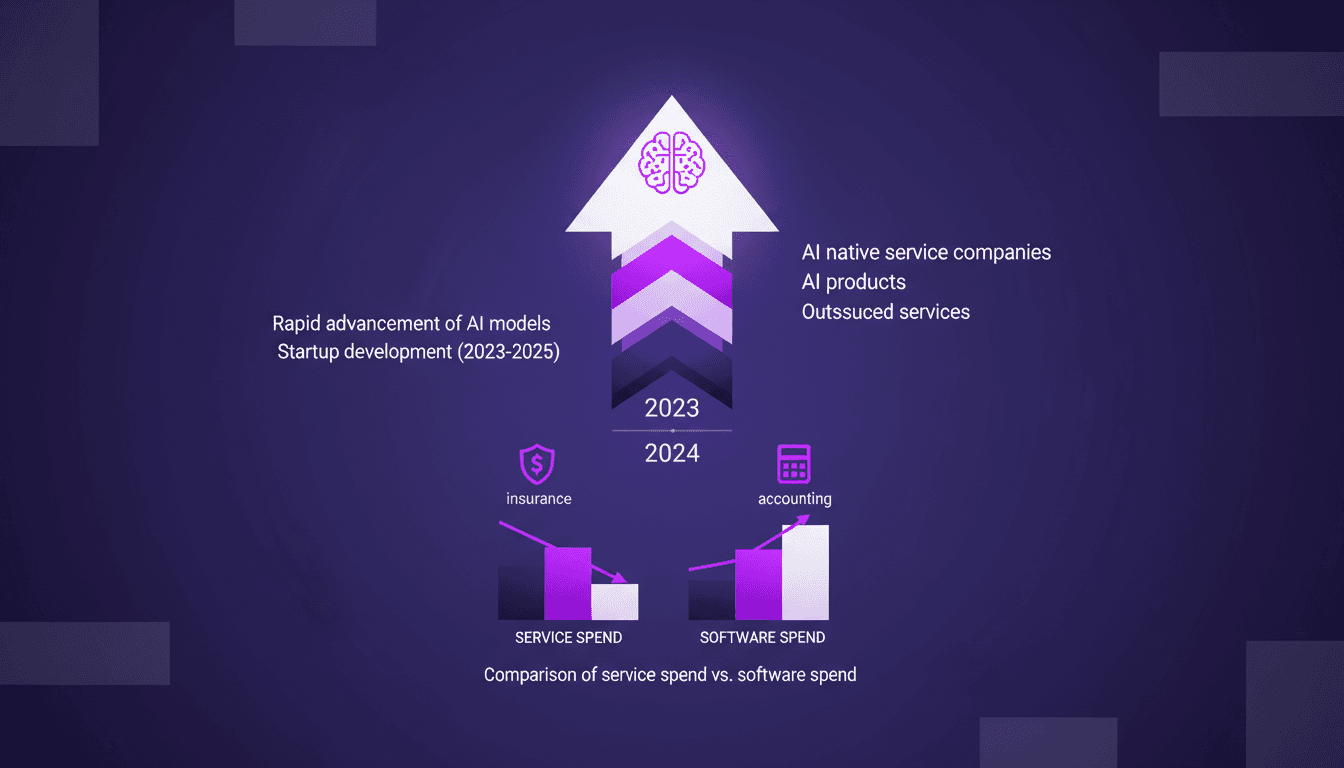
I've been knee-deep in AI for years, watching tools evolve into full-fledged AI native services. This isn't just a trend—it's a revolution. With AI models advancing at breakneck speed, we're witnessing a shift from traditional software tools to AI-native services. These aren't just buzzwords—real companies are emerging that leverage AI to replace entire service sectors. Industries like insurance and accounting are already feeling the impact. Let me walk you through how this unfolds and why it's a game changer. It's not just hype, it's happening.