Enterprise MCP Challenges: Practical Solutions
I remember the first time I had to scale MCP servers for an enterprise client. It was utter chaos — but once I found the right orchestration, everything clicked. Enterprises face unique challenges with MCPs, from scalability to security. In this article, let's break down how to tackle these challenges using gateways and other strategies. We'll also dive into security and access control, the importance of observability and credential management, and not to forget the future vision for agent technology deployment.
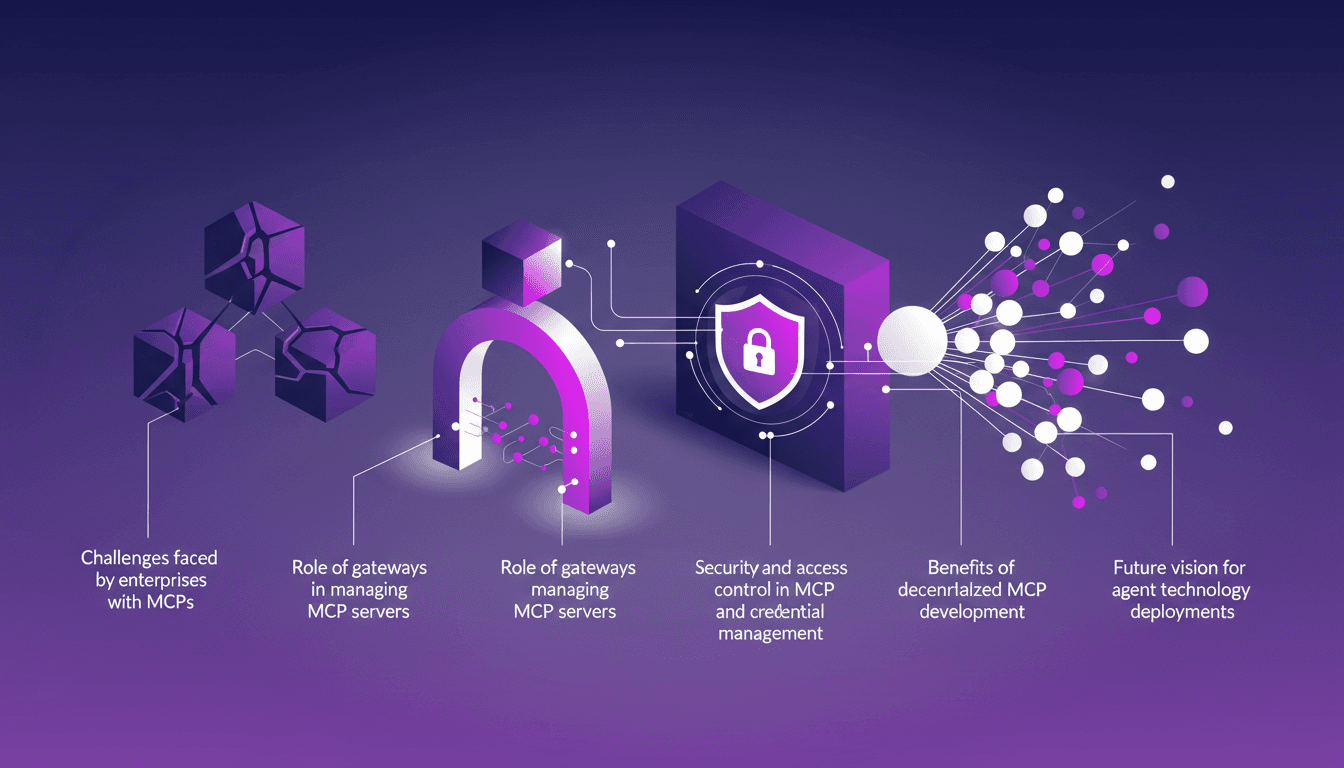
I vividly remember the first time I had to scale MCP servers for an enterprise client. It was chaos — between security issues, integration needs, and managing thousands of servers, I was on the brink of meltdown. Then, I found the right orchestration. First, I had to get a grip on gateways to manage those MCP servers. Next, rigorous access control was a must. The challenges are plenty: scalability, decentralized development, credential management... But with the right solutions, you can turn a nightmare into success. Let's talk about how to secure these deployments and why observability is key. MCPs can be a real game changer for enterprises, but you need to know how to navigate. Let's dive into the details together.
Understanding MCP Challenges in Enterprises
Let's get straight to it: MCPs (Message Control Protocols) are crucial for modern enterprises, but they bring their fair share of headaches, especially when it comes to scalability. You've probably heard about the extensibility issues and the need for robust security and access control. Absolutely non-negotiable. Over the years, I've seen enterprises stumble due to observability gaps that can create blind spots in system performance. And don't even get me started on credential management, which quickly becomes a nightmare as systems scale.
To give you an idea, we're talking about 40 MCP servers that need to scale from tens to thousands of agents. Rapid growth, but watch out for bottlenecks.
- Scalability: Often a nightmare if mismanaged.
- Security: No room for compromise.
- Observability: Blind spots are a major risk.
- Credential management: Complexity grows exponentially with scale.
The Role of Gateways in MCP Architecture
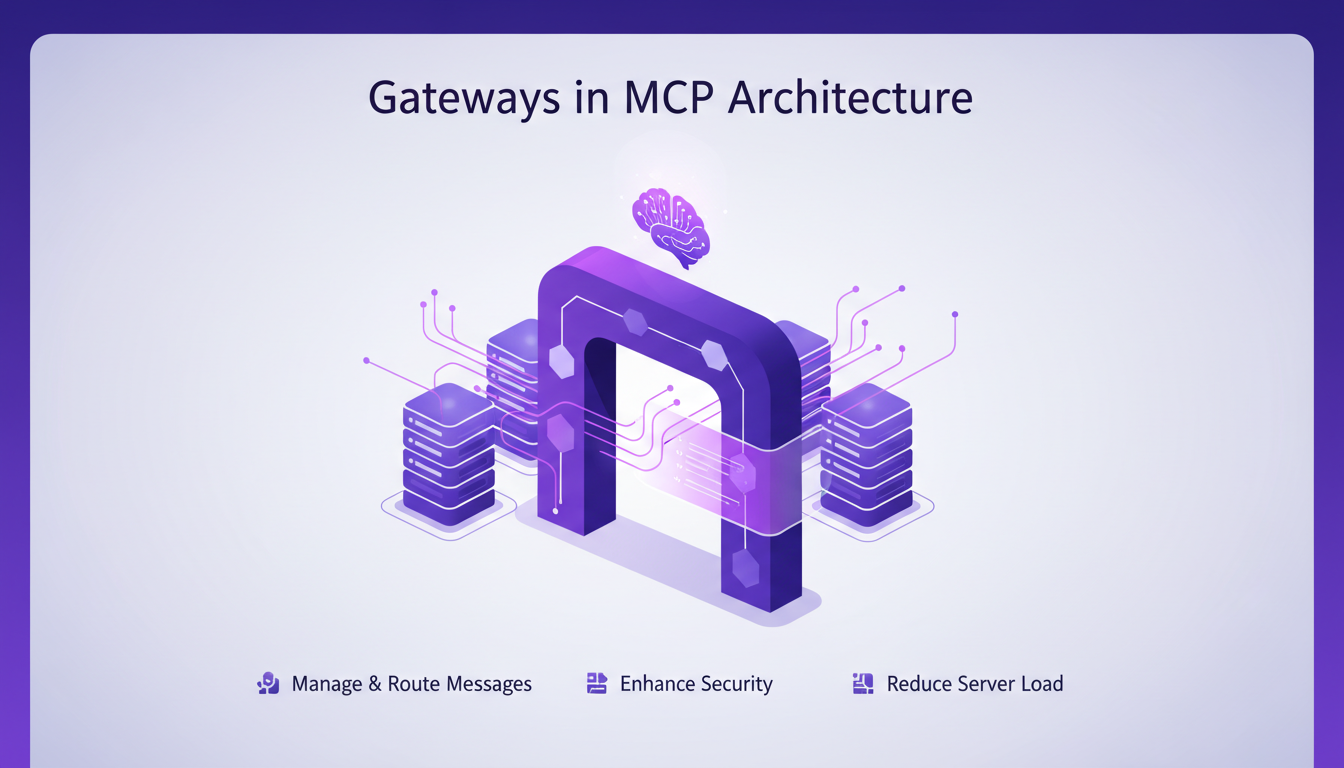
Let's get practical: gateways in MCP architecture. These tools are your best friends for efficiently managing and routing messages. I often see them as a barrier that enhances security and access control. By implementing a gateway, you significantly reduce the load on MCP servers. But watch out, don't let the gateway itself become a point of failure.
I've seen projects fail due to poorly configured gateways. A real nightmare! Yet, when orchestrated correctly, gateways allow teams to focus on business logic without worrying about security and connectivity issues.
- Typical components: authentication, access control, routing, secure connections.
- Benefits: secured connections, faster iteration, centralized access control.
- Risks: misconfiguration can lead to failures.
Scaling MCPs: From Tens to Thousands
When it comes to scaling, you need a strategic approach. Cloud integration offers a welcome elasticity, but beware of cost spikes. I've been caught off guard by cloud bills that skyrocket overnight. Not a pleasant memory!
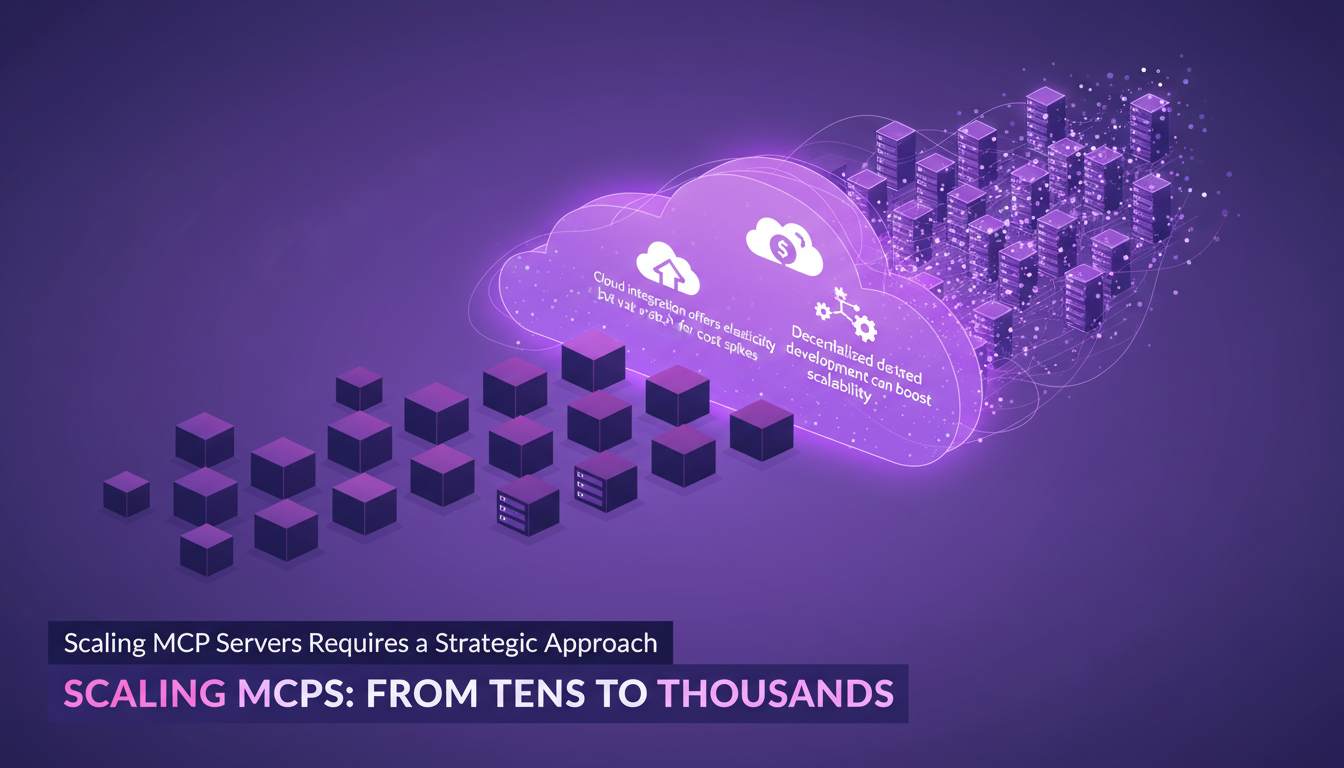
Decentralized development is another powerful lever for boosting scalability. But to avoid overloads, it's crucial to continuously monitor server performance.
- Cloud integration benefits: elasticity and flexibility.
- Drawbacks: unpredictable costs.
- Decentralized development: more agility, but needs close monitoring.
Observability and Credential Management
Observability tools are indispensable for keeping an eye on system health. I've often seen teams left in the dark due to inadequate tools. It's like flying a plane without a dashboard.
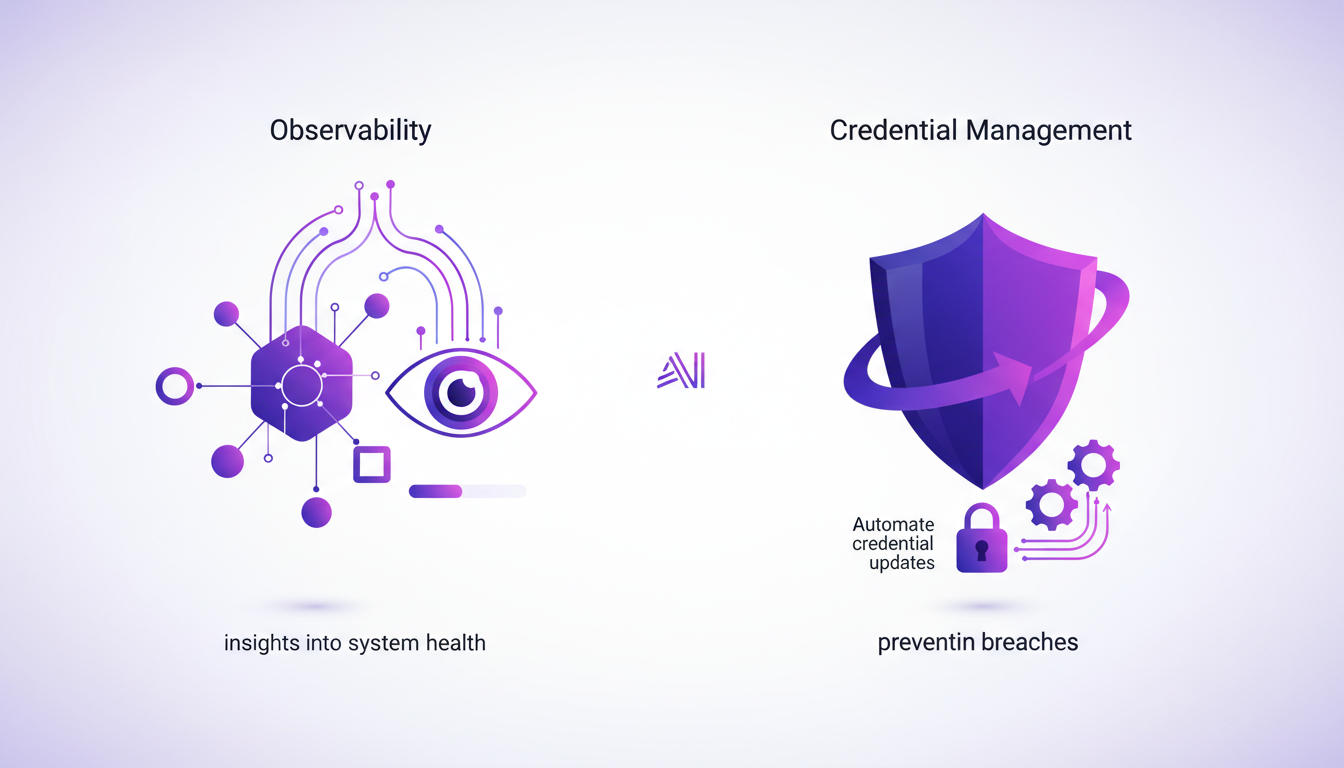
As for credential management, it must be streamlined to prevent security breaches. Automating credential updates is a time-saving boon and reduces human errors.
- Observability tools: indispensable insights for system health.
- Credential management: automation reduces errors.
- Balance between security and usability.
Future Vision for MCP and Agent Technology
Agent technology is evolving at breakneck speed. To keep pace, continuous learning is crucial. I foresee increased integration with AI and machine learning in the near future. Prepare for a shift towards more decentralized architectures.
Stay alert to emerging standards and protocols. Keep an eye on resources like the hidden challenge of MCP adoption and enterprise challenges with MCP adoption. These can offer valuable insights for anticipating future developments.
- Agent technology: constant vigilance is necessary.
- AI and machine learning integration: expect more innovations.
- Decentralized architecture: prepare for this shift.
- Keep an eye on emerging standards.
Navigating the MCP landscape in enterprises is no small feat, but with the right tools and strategies, you can turn challenges into opportunities. First, the role of gateways is crucial for managing MCP servers — that's where it all starts. Then, security and access control need to be rock-solid to avoid nasty surprises. Finally, scalability is key: moving from tens to thousands of agents must be seamless. We're talking about 40 MCP servers needing to scale from hundreds to thousands of agents, that's where the real work begins.
Honestly, with thousands of servers already in the official registry and rapid growth last year, it can quickly become a game changer for those who plan well. Ready to optimize your MCP deployment? Start by reviewing your gateway setup and scaling strategy today.
For a deeper dive, check out the full video by Karan Sampath from Anthropic. It's worth it!
Frequently Asked Questions

Thibault Le Balier
Co-fondateur & CTO
Coming from the tech startup ecosystem, Thibault has developed expertise in AI solution architecture that he now puts at the service of large companies (Atos, BNP Paribas, beta.gouv). He works on two axes: mastering AI deployments (local LLMs, MCP security) and optimizing inference costs (offloading, compression, token management).
Related Articles
Discover more articles on similar topics
Tackling MCP: Managing Context with Cloudflare
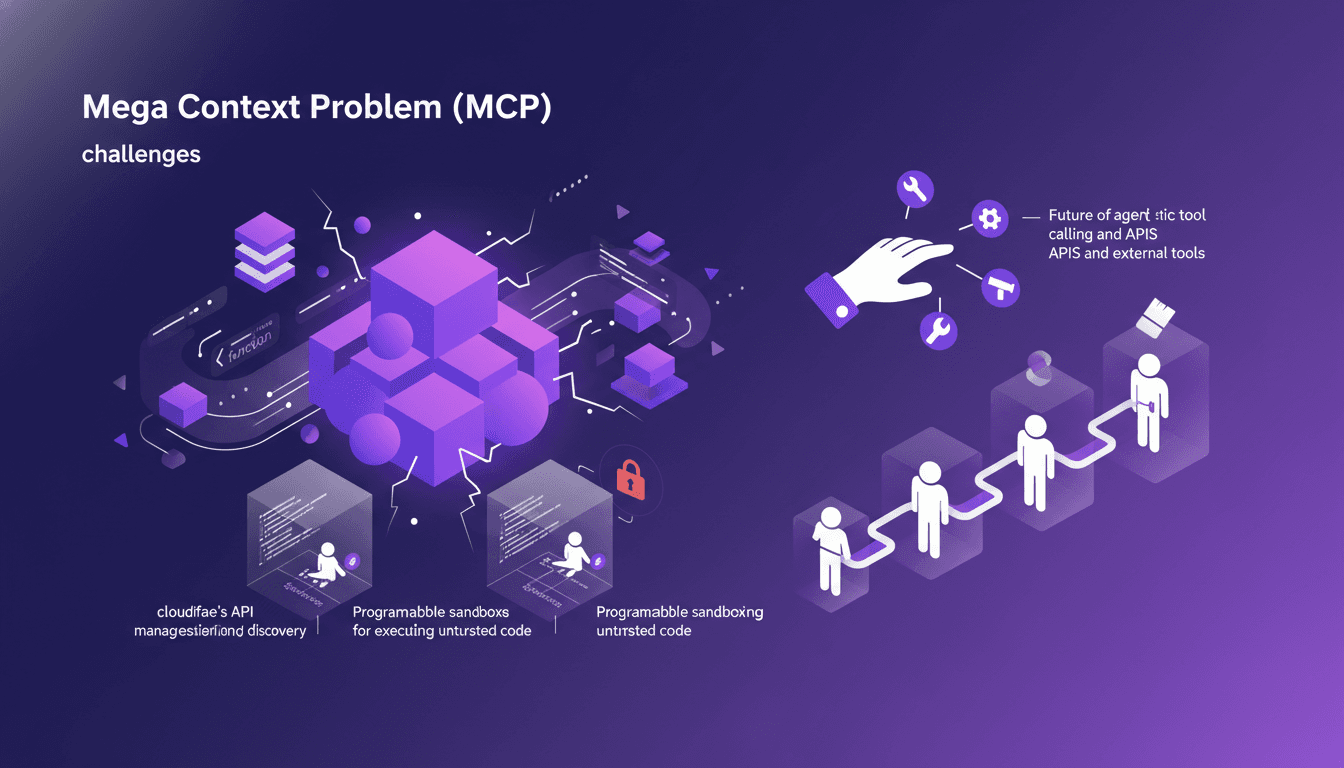
I remember the first time I hit the Mega Context Problem (MCP) head-on. I was knee-deep in API calls, and my context window was overflowing. That's when I realized managing context isn't just a technical challenge; it's a strategic one. With tools like Cloudflare's API management and TypeScript, we can tackle this beast head-on. I dive into these tumultuous waters daily, and I'll share the lessons I've learned. We'll discuss MCP challenges, the evolution of MCP clients, and the implications of programmatic tool calling. It's not just about technology but strategic orchestration.
AI Agents for Analysis: Challenges and Solutions
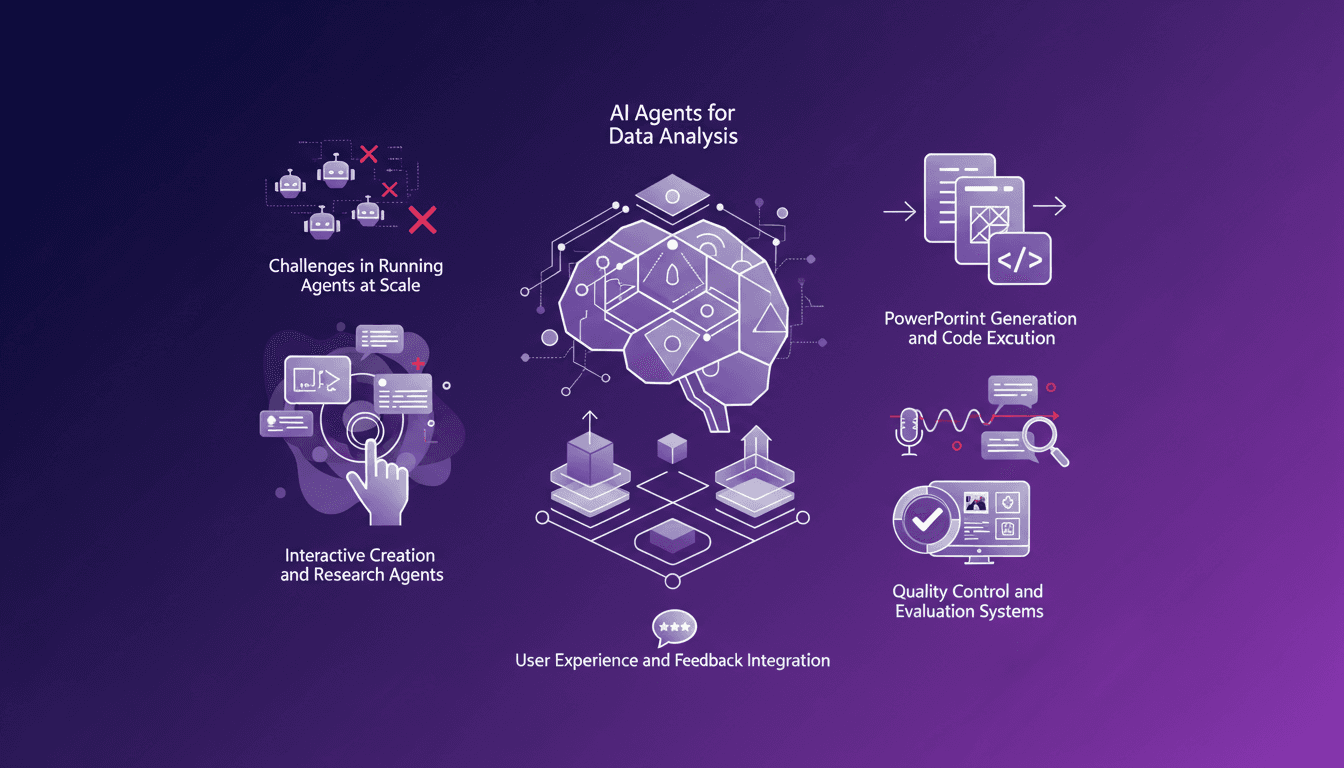
When I say I've spent hours in the trenches orchestrating AI agents for data analysis, I mean it. Generic agents look great in demos, but in real life, you have to juggle robust architectures, integrate user feedback, and more. Take the challenge of spawning 500 agents for a specific tool, for instance—it's a puzzle. Plus, a single analysis run can easily take 30 minutes, and trust me, those minutes add up fast. I'm sharing my solutions, my mistakes, and what truly works.
Setting Up GStack: My Experience with Claude Code
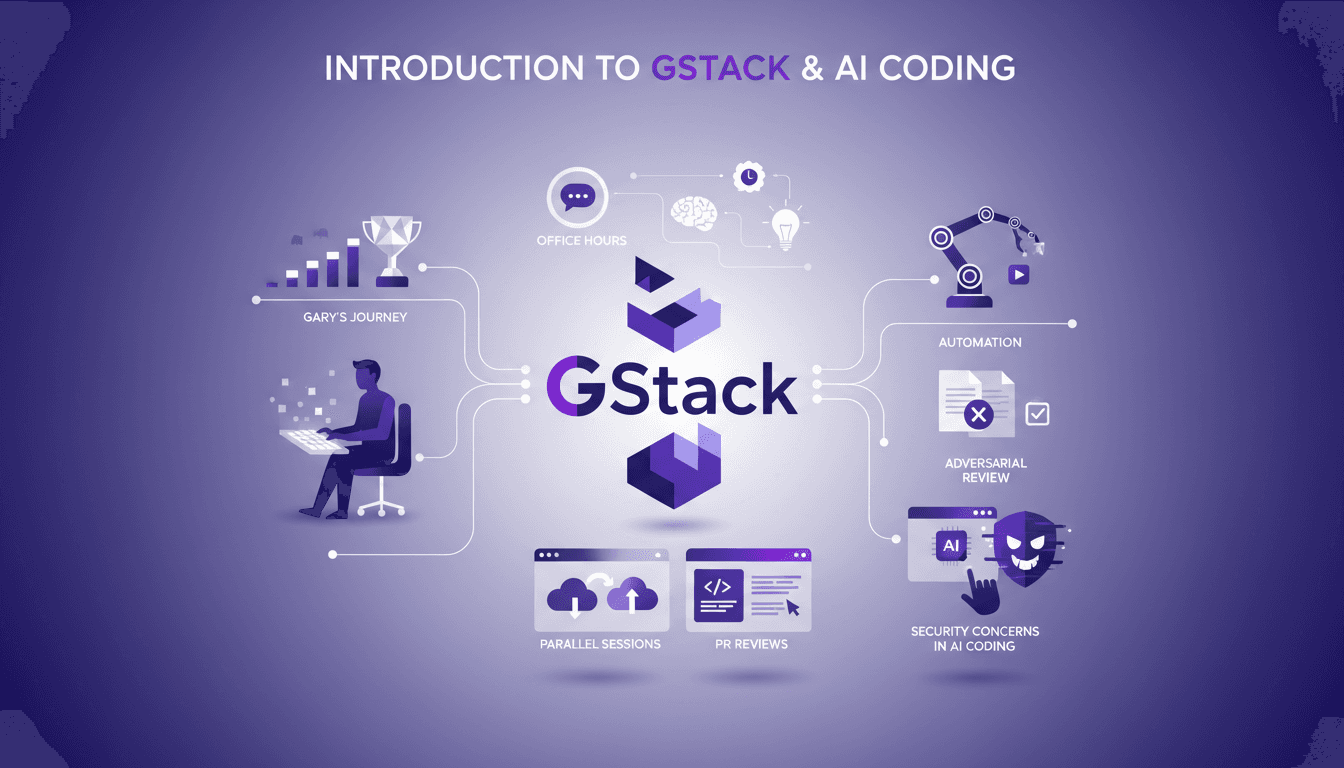
I've been deep in the trenches with GStack and Claude Code, and let me tell you, the way Garry Tan orchestrates his workflow is something else. From coding marathons to leveraging office hours for refining startup ideas, there’s a lot to unpack here. GStack is a powerhouse for automation in software development, and Garry has taken it to new heights. In this article, we dive into his tools, his methods, and the lessons we can all learn. We'll explore his use of GStack for automation, parallel cloud code sessions, and how he integrates AI into his process. But watch out, there are security concerns not to overlook.
AI Native Services: Revolutionizing Industries
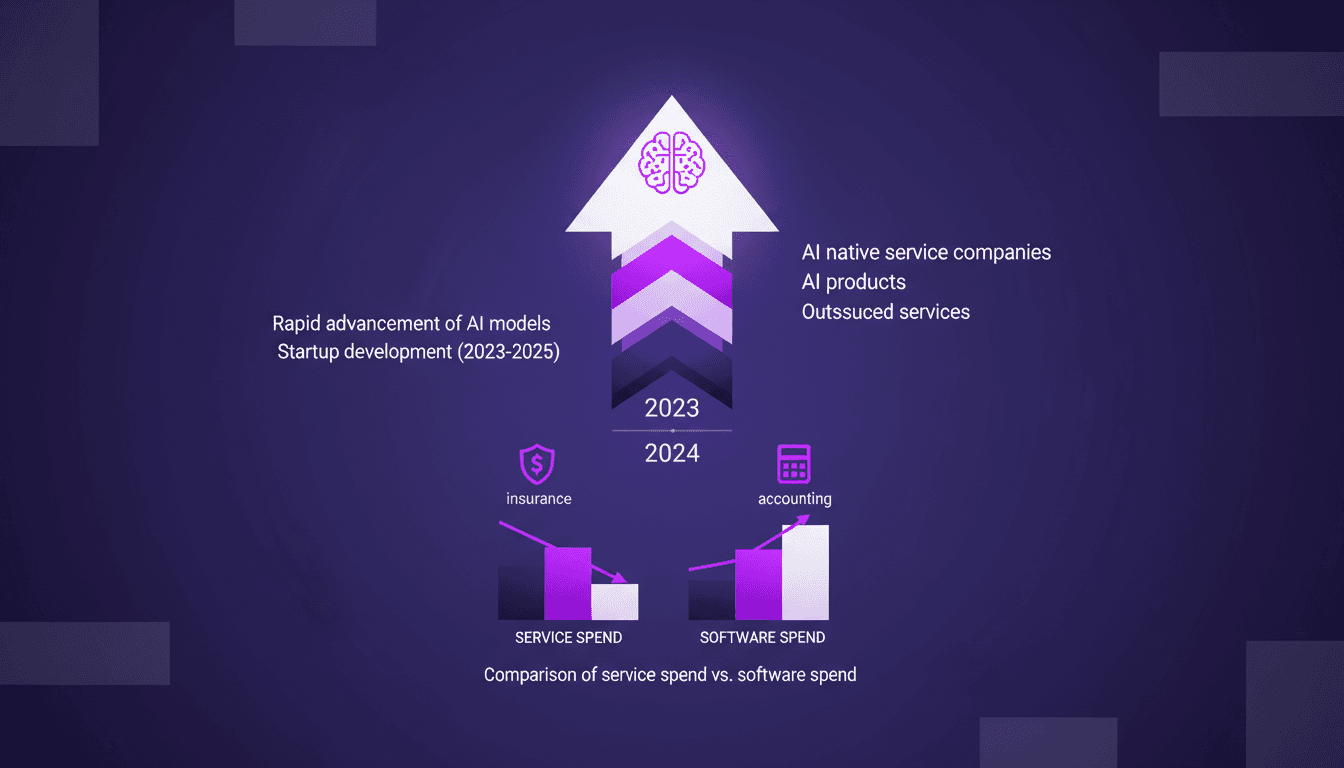
I've been knee-deep in AI for years, watching tools evolve into full-fledged AI native services. This isn't just a trend—it's a revolution. With AI models advancing at breakneck speed, we're witnessing a shift from traditional software tools to AI-native services. These aren't just buzzwords—real companies are emerging that leverage AI to replace entire service sectors. Industries like insurance and accounting are already feeling the impact. Let me walk you through how this unfolds and why it's a game changer. It's not just hype, it's happening.
AI in Agriculture: Cutting Pesticide Use
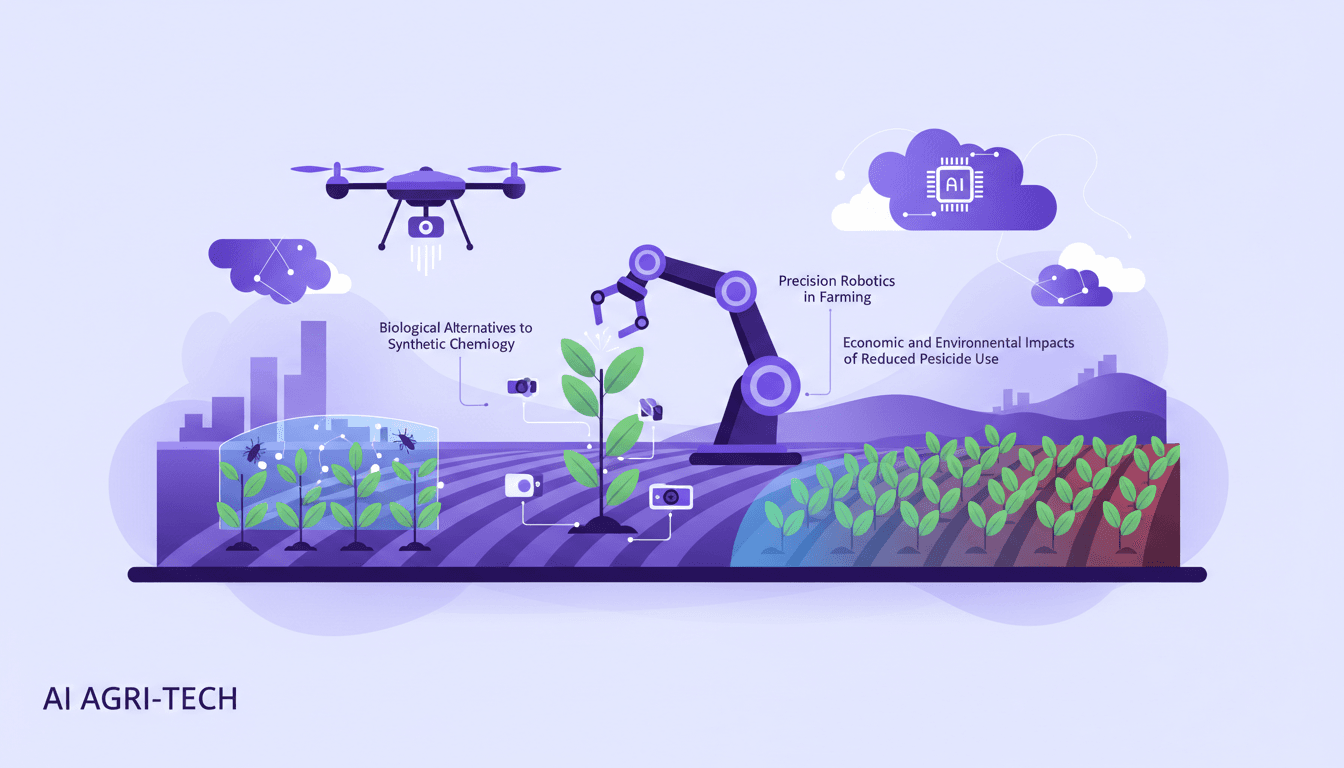
I remember standing in a field, enveloped by the pungent smell of pesticides, thinking, 'There must be a smarter way.' That's when I started integrating AI solutions to cut down on pesticide use. Today, farmers are caught between maintaining yields and reducing chemical use. AI provides a promising path forward, utilizing precision technology to identify and target pests more efficiently. With advancements in sensors, camera technology, and precision robotics, along with biological alternatives, we can slash pesticide usage by up to 90%. The economic and environmental impact is massive. The future of pesticide-free agriculture is within reach, and I'm here to show you how we are getting there.