Setting Up GStack: My Experience with Claude Code
I've been deep in the trenches with GStack and Claude Code, and let me tell you, the way Garry Tan orchestrates his workflow is something else. From coding marathons to leveraging office hours for refining startup ideas, there’s a lot to unpack here. GStack is a powerhouse for automation in software development, and Garry has taken it to new heights. In this article, we dive into his tools, his methods, and the lessons we can all learn. We'll explore his use of GStack for automation, parallel cloud code sessions, and how he integrates AI into his process. But watch out, there are security concerns not to overlook.
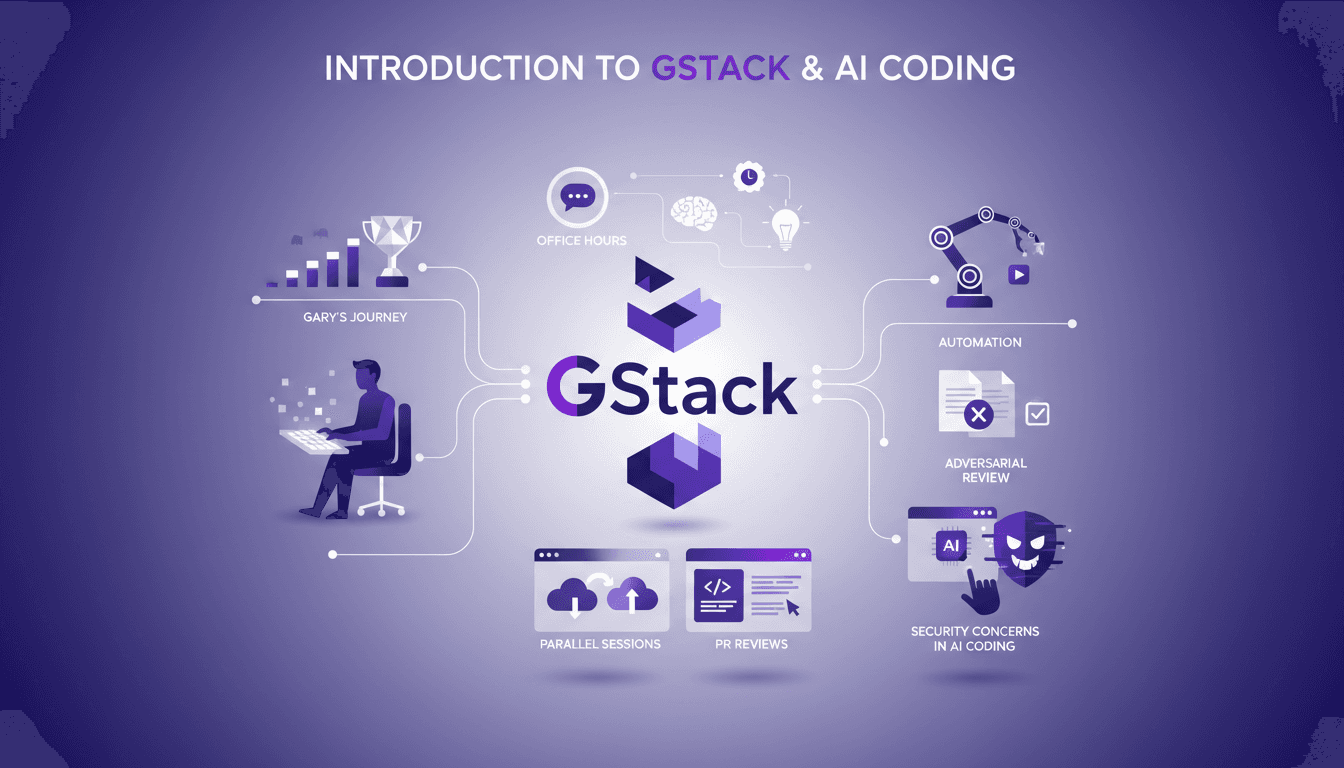
I connected my GStack with Claude Code, and ever since, I've been in the thick of it. Watching Garry Tan orchestrate his workflow, you realize he's playing a different game. He's coded more in the past two months than in all of 2013, with GStack as the powerhouse behind this surge. But it's not just about the code; there's a well-oiled strategy at play. His office hours aren't just for show; they refine startup ideas. In this article, I dismantle how Garry uses GStack to automate processes, how he integrates parallel cloud code sessions and PR reviews, and what we can all learn from his approach. And a word of caution, don't overlook the security concerns when integrating AI into your code.
Getting Started with GStack and Claude Code
GStack is truly a game changer for those of us looking to optimize software development. I remember setting up my GStack environment for the first time. I had to overcome a few hurdles, like the initial setup which wasn't as intuitive as I hoped. But once in place, I realized why it's such a game changer. Garry Tan, the brain behind GStack, coded more in two months than he did in the entire year of 2013. When I realized that, I knew I had to dive in. And having over 70,000 stars on GitHub is a strong testament to its value in the community.
Refining Startup Ideas: The Role of Office Hours
Office hours are crucial for refining ideas and preparing for CEO reviews. At Y Combinator, 80 to 90% of the time is spent on this. This focus is essential. I've learned that these sessions, perfected over 16 years by YC partners, are a major asset. They allow us to challenge our ideas with fresh perspectives. To effectively integrate them into your own workflow, you should first structure your sessions well. Ask the right questions and be open to constructive criticism. This has saved me from many costly mistakes.
"YC office hours allow you to reframe your product before you even start building."
Automation and Adversarial Review with GStack
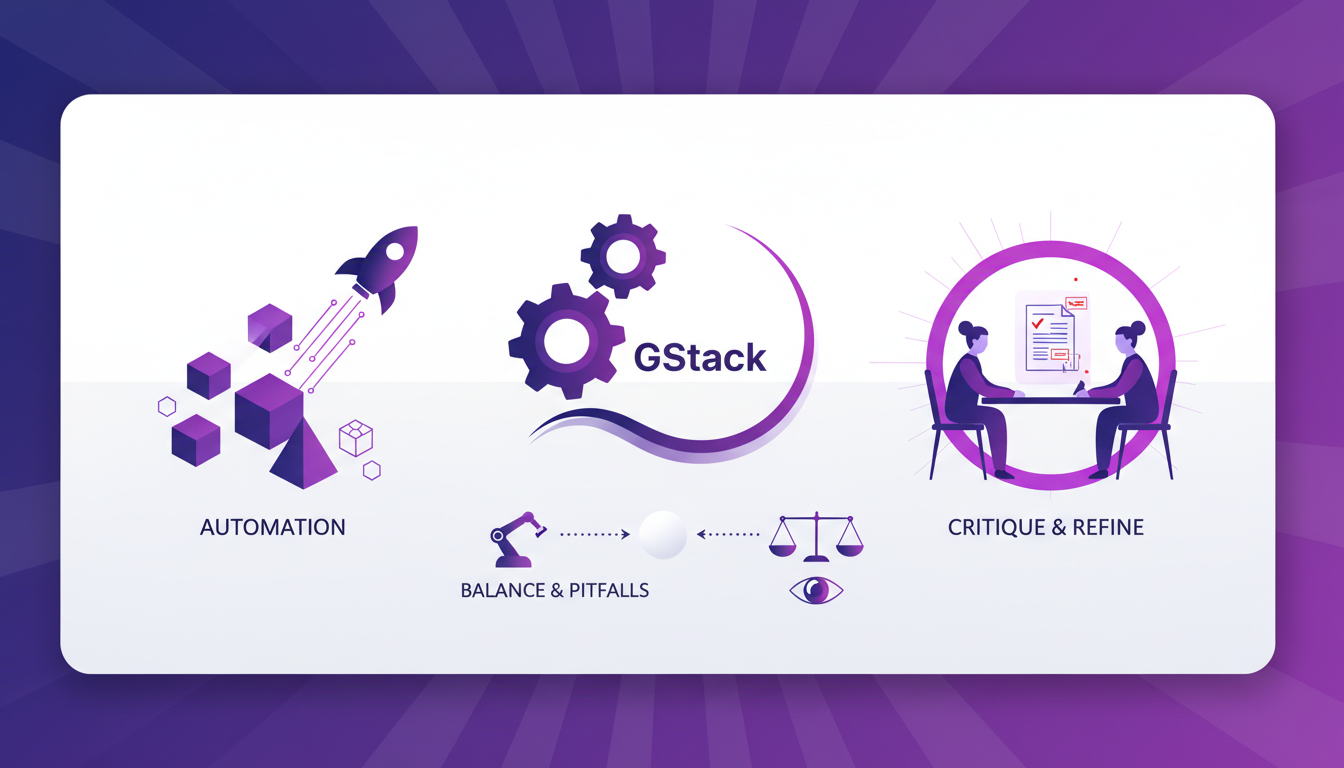
Automation through GStack accelerates software development, but not everything should be automated. The adversarial review process improves design docs through constructive critique. I've seen design scores go from 6 to 8 out of 10 thanks to this method. But watch out, too much automation can lead to subtle errors. In my experience, finding the right balance between automation and manual oversight is crucial. For instance, I've seen automations fail because manual tests weren't robust enough.
Parallel Cloud Code Sessions and Browser Automation
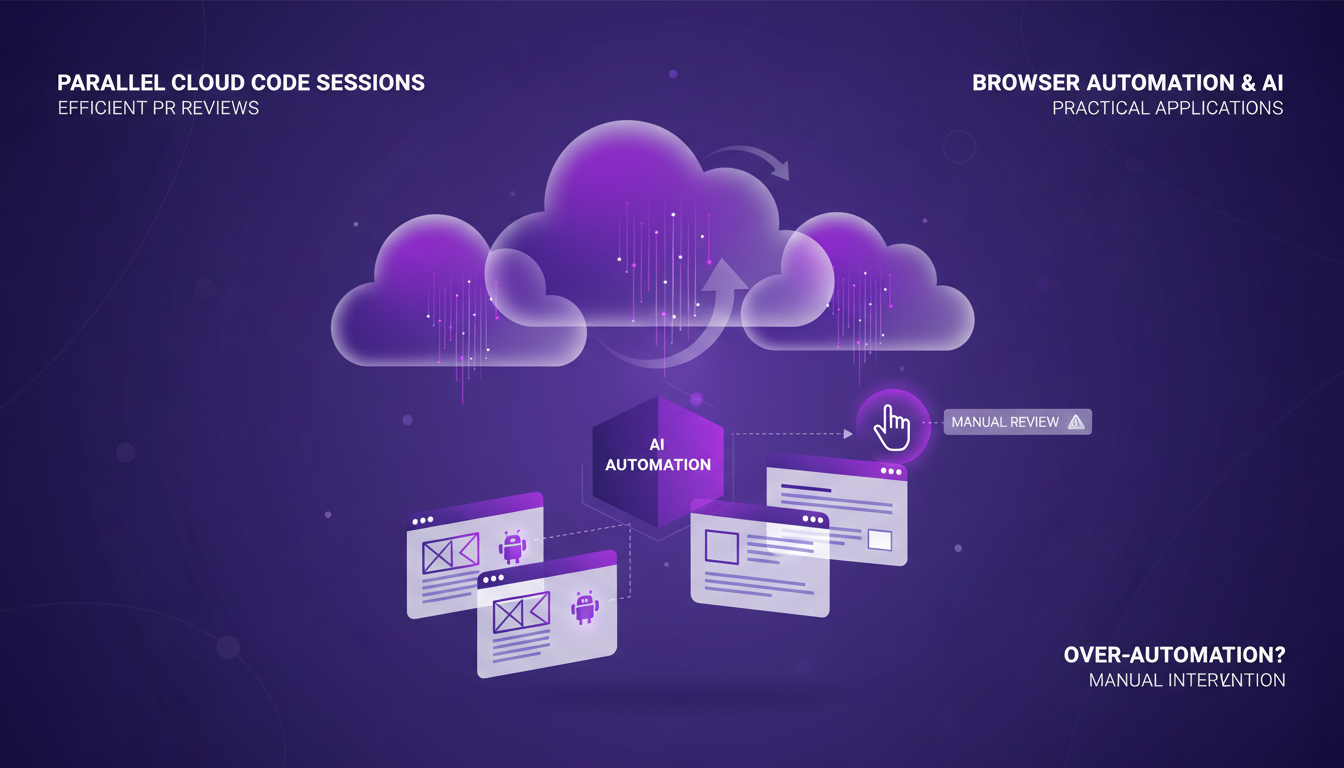
Parallel cloud code sessions are powerful for efficient PR reviews. Integrating browser automation with AI has incredible practical applications. However, don't overuse automation, as some manual interventions remain necessary. I've observed browser automation projects succeed brilliantly, but others hit unforeseen limits. In reality, each project has its own challenges, and you need to tailor your approach accordingly.
Addressing Security Concerns in AI Coding
Understanding supply chain attacks in AI coding is essential today. Garry Tan, with his approach, has managed to mitigate risks. He uses tools and practices to secure the AI development pipeline. Innovation must be balanced with security, and that's a trade-off every developer must manage. I've often had to adjust my processes to avoid potential vulnerabilities, keeping in mind that security should never be compromised for convenience.
In conclusion, GStack is a powerful tool that, when used correctly, can transform how we approach software development. But like any tool, it has its limits and pitfalls. By being aware of the trade-offs and adapting your approach, you can make the most of this revolutionary technology.
- Set up your GStack environment with your specific needs in mind.
- Use office hours to refine your product ideas.
- Find the right balance between automation and manual oversight.
- Integrate browser automation with caution.
- Never underestimate the importance of security in your AI projects.
For more, check out this article on GStack or explore Garry Tan's documentation on GitHub.
Garry Tan's approach to coding with GStack and Claude Code isn't just about the tools—it's about the mindset. First, I started leveraging office hours to refine startup ideas, and it's amazing how much it streamlines coding time. Then, automation with GStack is a real game changer, but watch out for over-automation or you might lose control. And of course, built-in security is crucial, though it can slow down deployment a bit—better safe than sorry. Garry coded more in the last two months than all of 2013, which shows the potential of the right mindset. Ready to optimize your own coding workflow? Start experimenting with GStack and see where it takes you. For a deeper dive, I highly recommend watching the original video 'Inside Garry Tan's Claude Code Setup'. It's definitely worth it!
Frequently Asked Questions

Thibault Le Balier
Co-fondateur & CTO
Coming from the tech startup ecosystem, Thibault has developed expertise in AI solution architecture that he now puts at the service of large companies (Atos, BNP Paribas, beta.gouv). He works on two axes: mastering AI deployments (local LLMs, MCP security) and optimizing inference costs (offloading, compression, token management).
Related Articles
Discover more articles on similar topics
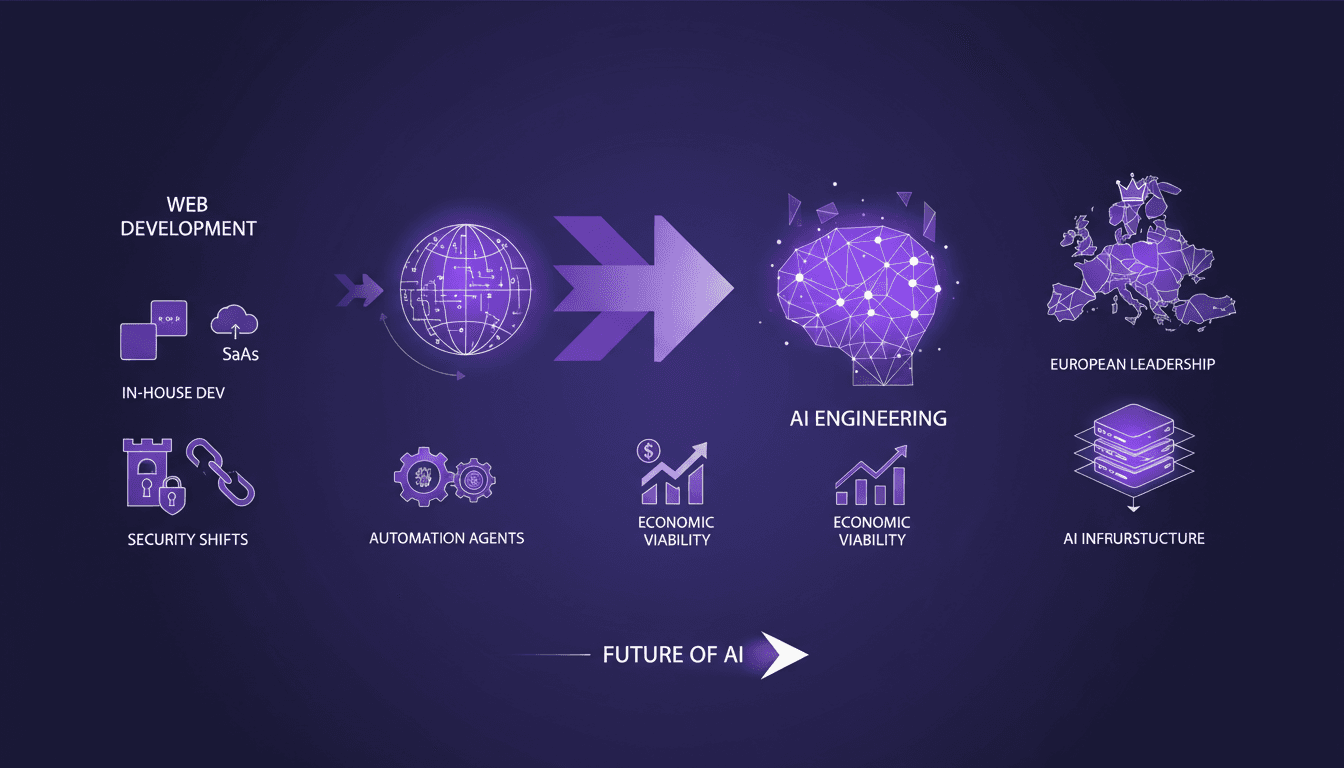
AI Engineering: Successor to Web Development
Having spent over 25 years in the trenches of software engineering, I can tell you that AI engineering is far more than just a buzzword—it's revolutionary. If you're still treating AI as a passing trend, you're missing the point. AI engineering is reshaping the tech landscape, succeeding web development with its automation agents, new security challenges, and transformative impact on software development. In this talk, let's dive into what this new application layer really means and why it's a game changer.
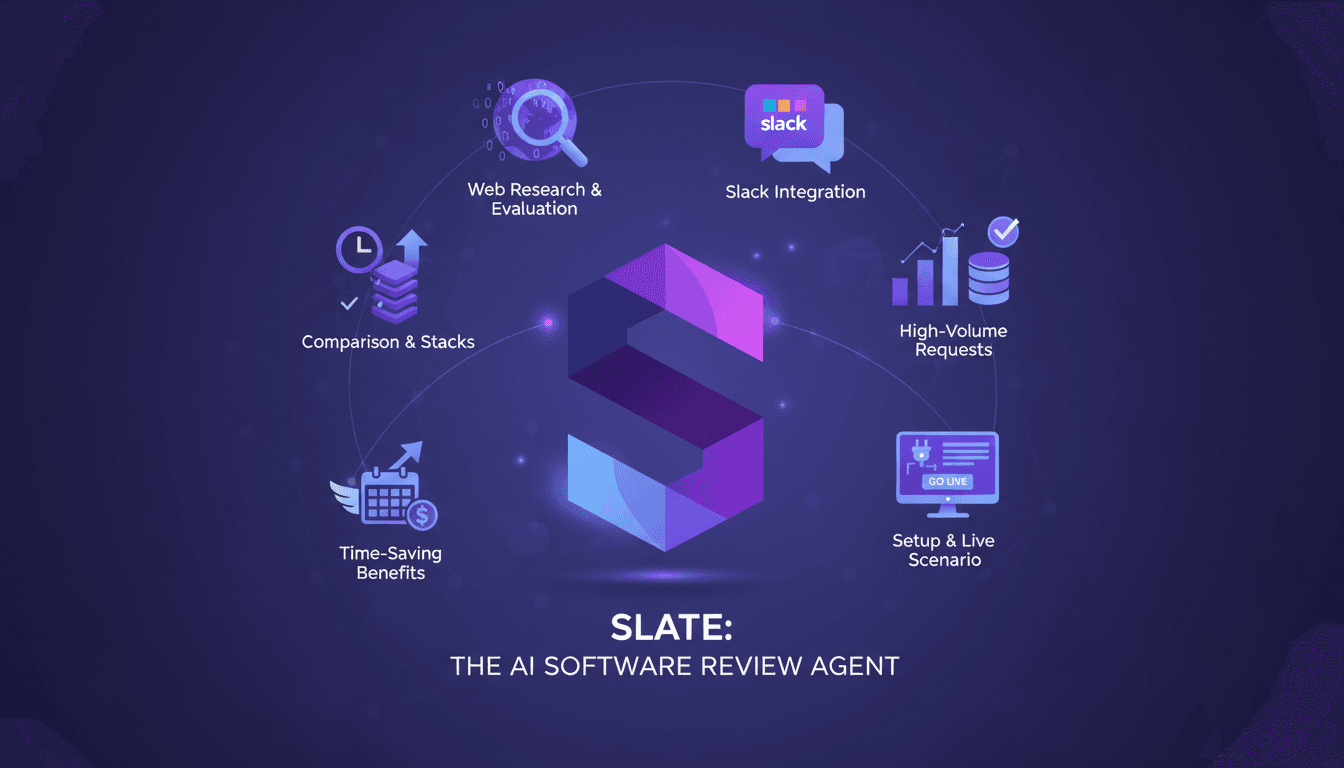
Slate: Software Review Agent in Action
I've spent years in the trenches of IT procurement, juggling endless software requests and trying to keep everyone happy. Then I discovered Slate, a software review agent, and it was a real game-changer. Slate doesn't just perform web research; it evaluates software based on our approved stacks. And the best part? Its seamless integration with Slack makes it a powerhouse for IT and procurement teams. In this article, I'll walk you through how I set up Slate and how it has revolutionized our request management, especially during high-volume periods. Time savings, stress reduction: I'm sharing my experience with you.
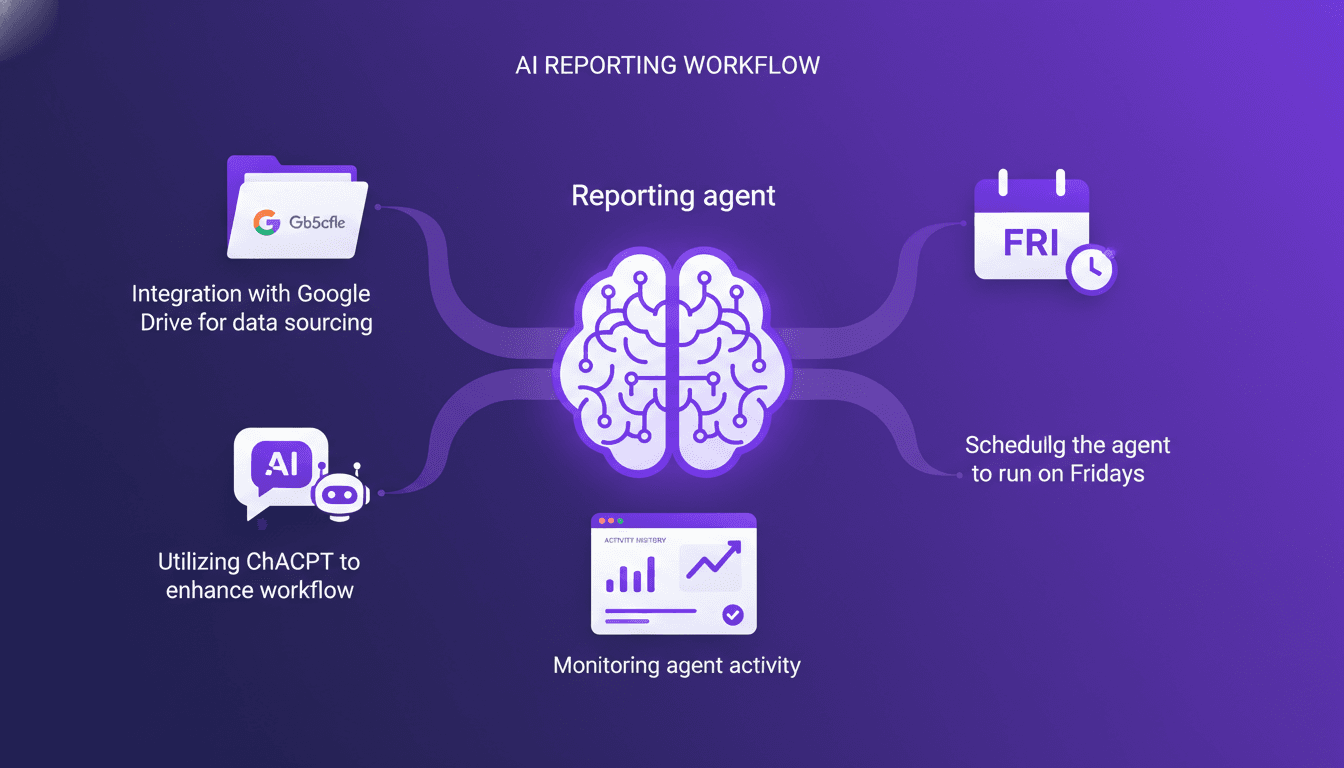
Optimize Reporting: Agent, ChatGPT, Google Drive
Every Friday, like clockwork, my reporting agent kicks into gear. I set up this system to pull data from Google Drive, crunch numbers with ChatGPT, and deliver a slick weekly report. I hit some snags along the way, as any builder does, but I'll walk you through how I pieced it all together. You'll see how I tackled challenges, streamlined workflows, and how you can do the same to automate your reporting. On the agenda: integrating Google Drive for data sourcing, leveraging ChatGPT to enhance processing, and weekly scheduling to keep everything running smoothly.
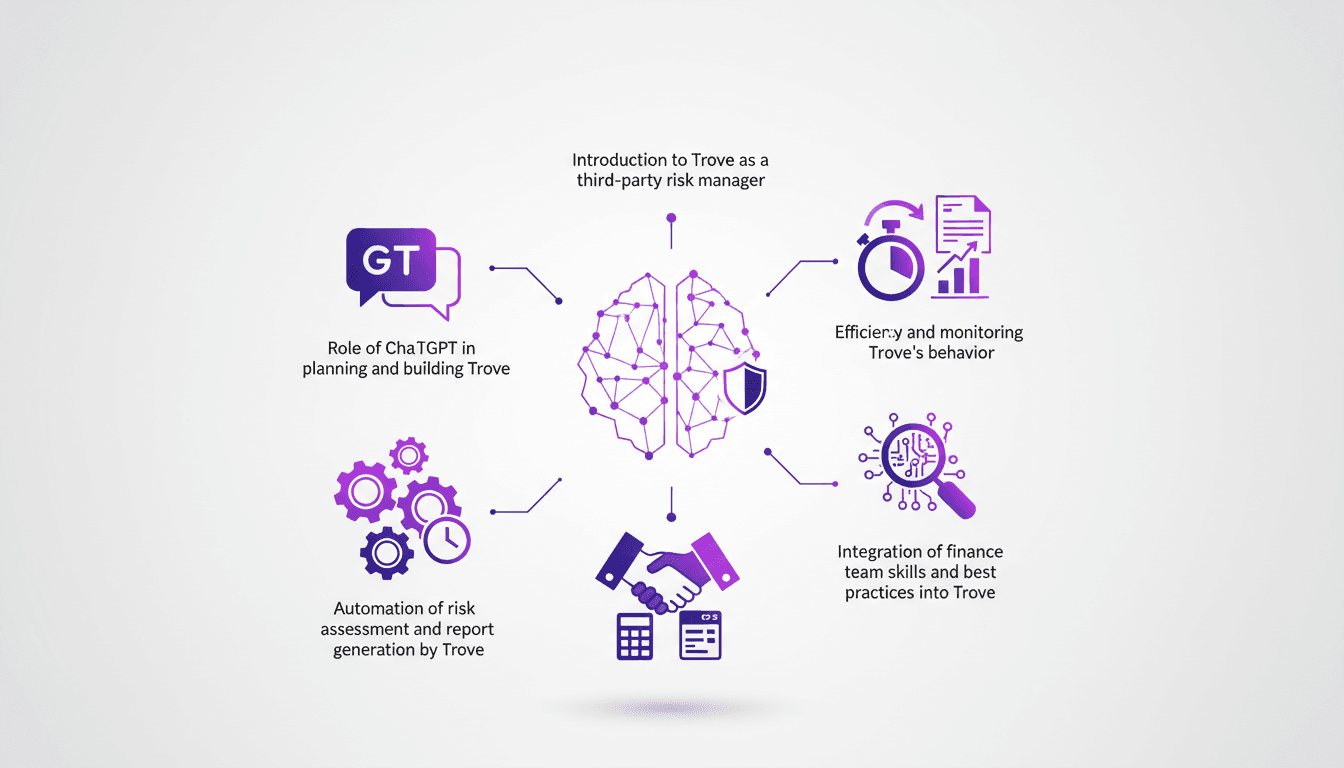
Managing Third-Party Risks with Trove and ChatGPT
I've been in the trenches of risk management for years, and when I first stumbled upon Trove, I knew it could change the game. Trove, paired with ChatGPT, offers a fresh approach to handling vendor due diligence with automation at its core. First, I connect Trove to our risk management system, then I integrate ChatGPT to automate risk assessment and report generation. In a matter of minutes, Trove completes what used to take hours. But watch out, you need to monitor its behavior and align it with our finance team's best practices. I'll walk you through how I orchestrated this integration and the efficiency gains I've seen.
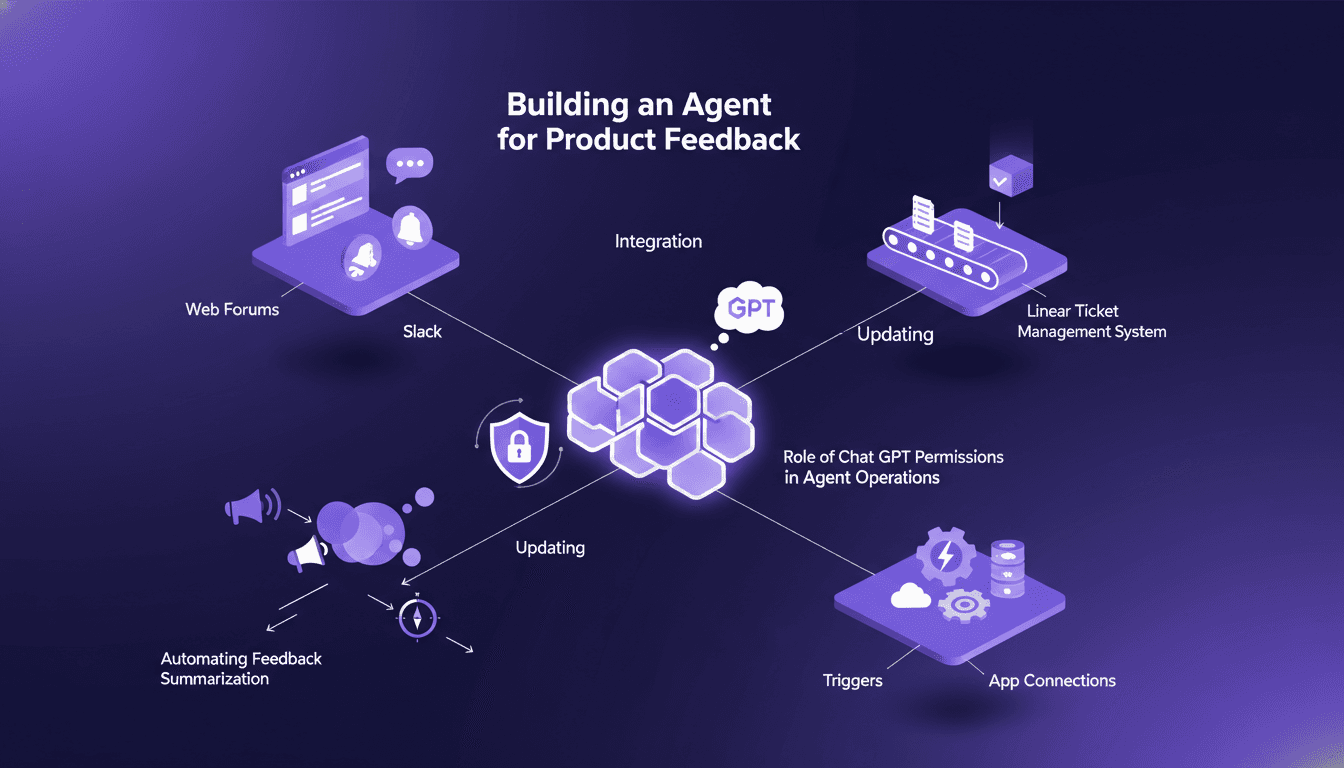
Building a Product Feedback Agent: Step-by-Step
I've been knee-deep in the chaos of product feedback, trying to streamline how we handle it. Building an agent to automate this process was a game changer for me. Picture this: by integrating Chat GPT with platforms like Linear, I managed to automate the entire workflow, saving enormous time and boosting accuracy. I'll walk you through how I built this product feedback routing agent, pitfalls to watch out for, and how you can do the same to transform your feedback management.