Building a Product Feedback Agent: Step-by-Step
I've been knee-deep in the chaos of product feedback, trying to streamline how we handle it. Building an agent to automate this process was a game changer for me. Picture this: by integrating Chat GPT with platforms like Linear, I managed to automate the entire workflow, saving enormous time and boosting accuracy. I'll walk you through how I built this product feedback routing agent, pitfalls to watch out for, and how you can do the same to transform your feedback management.
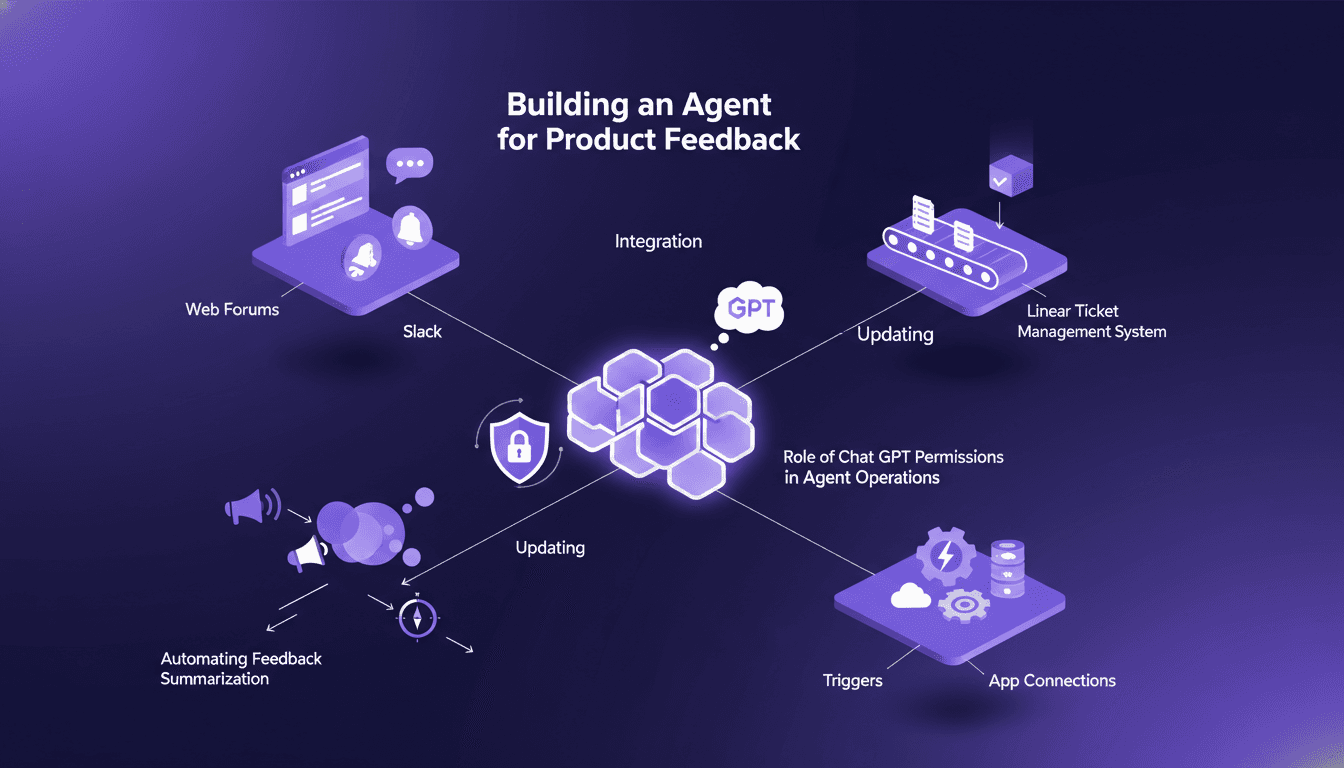
I've been knee-deep in the chaos of product feedback, trying to streamline how we handle it. Building an agent to automate this process was a game changer for me. Imagine this: every piece of product feedback collected manually is a time sink. By integrating Chat GPT with platforms like Linear and automating the entire workflow, I was able to not only save precious time but also boost accuracy. Here’s how I built this product feedback routing agent. First, I set up app connections and triggers, then I route feedback to the right channels. Watch out for permissions in agent operations—they're crucial. Finally, I update our Linear ticket management system to track requests. I’ll take you behind the scenes, where mistakes happened (and how I fixed them), so you too can transform your feedback management.
Setting Up the Feedback Agent: First Steps
When I embarked on the journey of building a feedback agent, the first thing I did was clearly define its purpose. What did I want it to achieve? An agent capable of reading product feedback, summarizing recurring issues, and creating follow-up work items. This is where Chat GPT comes into play. I used Chat GPT to structure the agent’s logic, and that’s where the magic happens. By describing in plain language what I wanted, Chat GPT turned it into a structured plan.
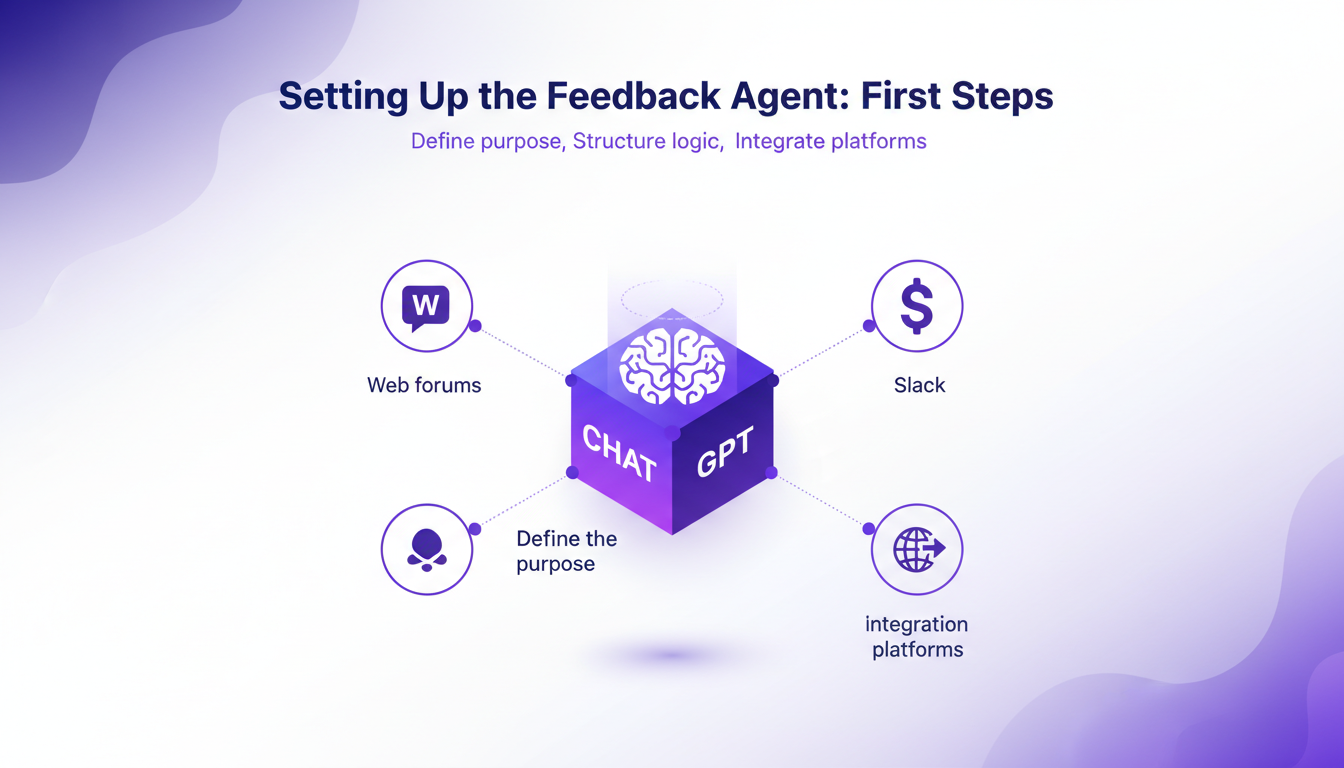
Next, I identified key platforms for integration, such as web forums and Slack. Watch out for over-complicating the initial setup. There's a temptation to add too many features right off the bat, but it’s better to start simple and build as you go.
- Define the objective of your agent clearly.
- Utilize Chat GPT to structure the logic.
- Identify key platforms for integration.
- Keep the setup simple to avoid complications.
Integrating Chat GPT: Structuring the Agent
Chat GPT is not just a conversational tool. It’s a powerful resource for defining the conversational flow and logic of the agent. I used it to parse and understand feedback from various sources. But be mindful, managing token usage and context limits are crucial aspects. You need to optimize prompts to avoid exceeding limits.
I tested different scenarios to ensure the agent’s robustness. This is a key point: it’s not enough to set it up; you need to ensure it works across all possible situations.
- Use Chat GPT to define the conversational flow.
- Parse feedback from various sources.
- Optimize prompts to manage token usage.
- Test different scenarios for robustness.
Connecting with Web Forums and Slack
To connect my agent to web forums and Slack, I had to correctly configure connections and permissions. Why are permissions so important? Because the agent can only use the tools and data it has access to. Without that, it's blind.
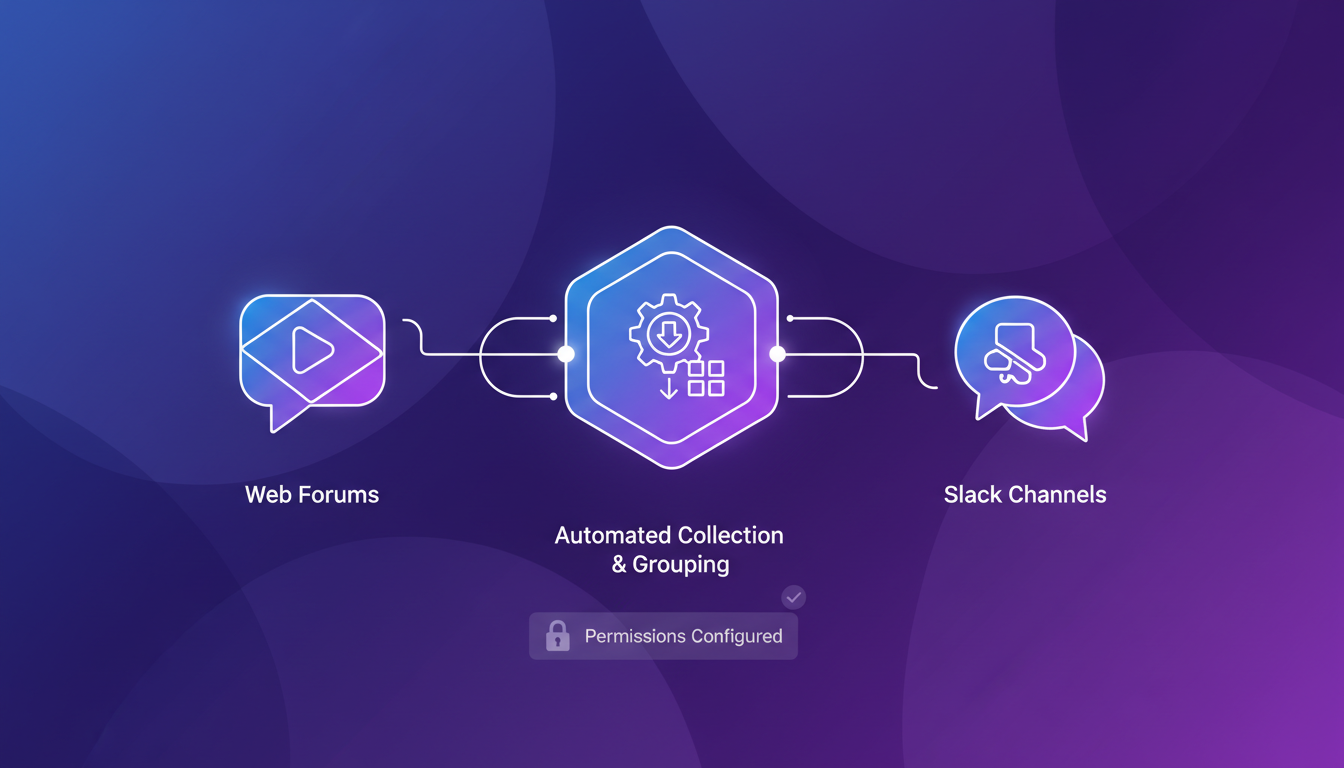
One major challenge was automating the collection of recurring issues. I had to balance automation with manual checks to ensure the quality of the information collected.
- Correctly configure permissions for data access.
- Automate the collection of recurring issues.
- Balance automation with manual checks.
Automating Feedback Summarization and Routing
The next step was to use summarization techniques to condense feedback into actionable insights. These summaries were then routed to the product leadership via Slack for quick visibility. I also set triggers for automatic updates in Linear based on new feedback.
But be aware, the risk of information overload is real. It’s crucial to prioritize effectively to avoid drowning teams in a flood of unnecessary information.
- Use summarization techniques to condense feedback.
- Route summaries to product leadership via Slack.
- Set automatic triggers for updates.
- Prioritize to avoid information overload.
Updating Linear: Ticket Management Integration
Finally, I integrated Linear to efficiently manage feedback tickets. This allowed for the automatic creation of new tickets when new data points arose. Monitor the system for any bottlenecks or inefficiencies. Linear enabled me to keep track of updates and ensure all relevant teams were informed.
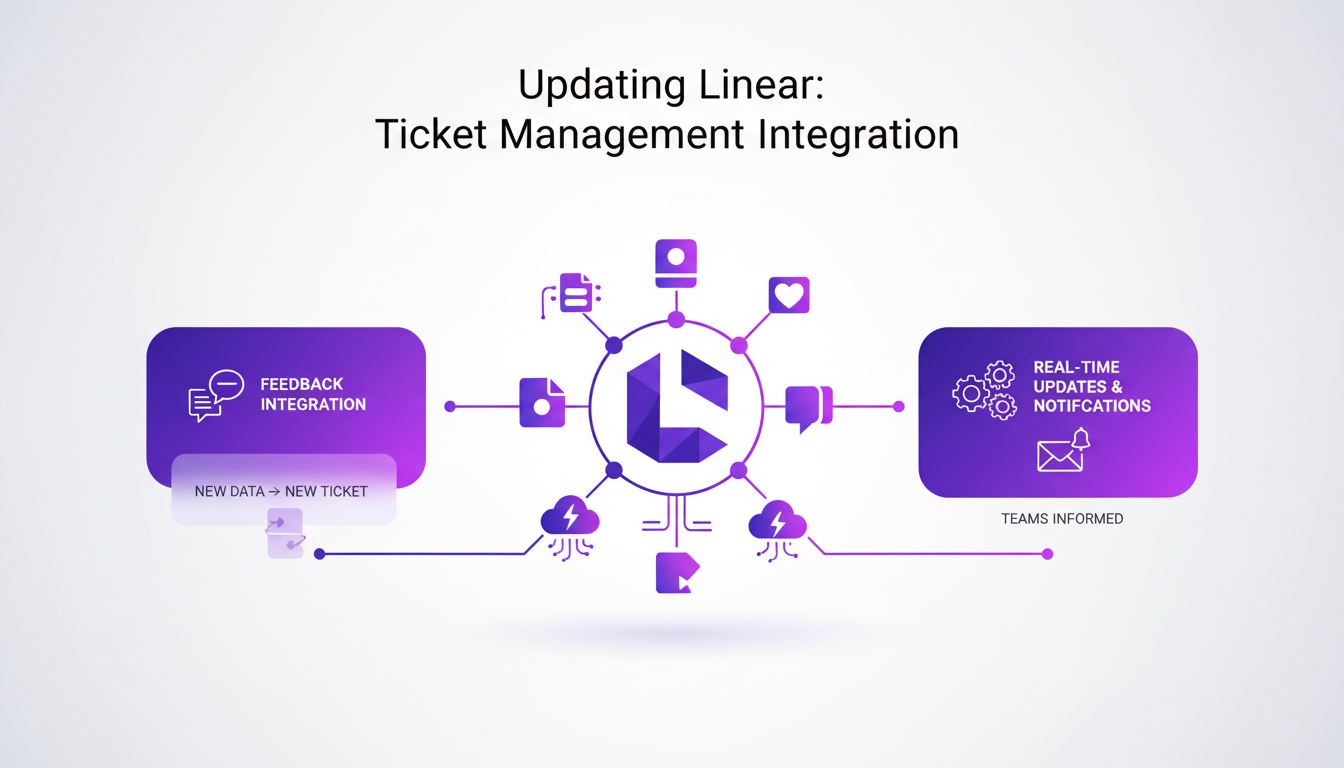
This is where I really saw the direct business impact. Three new tickets were automatically created thanks to the integration with Linear, each enriched with rich context on what the customer was observing and how to fix it.
- Integrate Linear for efficient feedback ticket management.
- Automatically create new tickets with new data.
- Track updates to inform relevant teams.
- Monitor the system for inefficiencies.
Ultimately, the agent I built efficiently processed product feedback, synthesized it into concrete actions, and routed it quickly to the right teams. It's a real asset for any business looking to leverage customer feedback in a structured and efficient manner.
To learn more, check out our article on Automating Technical Content Creation in AI or discover how Imagen 2.0 is Revolutionizing Image Generation.
I just built a product feedback agent, and it's a real game changer for my workflow! First, I integrated Chat GPT to structure the agent, which helped me centralize all the feedback discussions. Then, I connected it to web forums and Slack, streamlining the collection of critical insights. But watch out, managing permissions is crucial to avoid any privacy issues. My agent has already created three new tickets thanks to the linear integration, which shows the direct impact. Looking forward, imagine automating even more repetitive tasks while refining your decisions with faster insights. I strongly recommend you try setting up your own feedback agent today. Start small and scale as you learn. For more details, check out the full "Product feedback routing agent" video on YouTube. It's worth a watch to really grasp all the ins and outs.
Frequently Asked Questions

Thibault Le Balier
Co-fondateur & CTO
Coming from the tech startup ecosystem, Thibault has developed expertise in AI solution architecture that he now puts at the service of large companies (Atos, BNP Paribas, beta.gouv). He works on two axes: mastering AI deployments (local LLMs, MCP security) and optimizing inference costs (offloading, compression, token management).
Related Articles
Discover more articles on similar topics
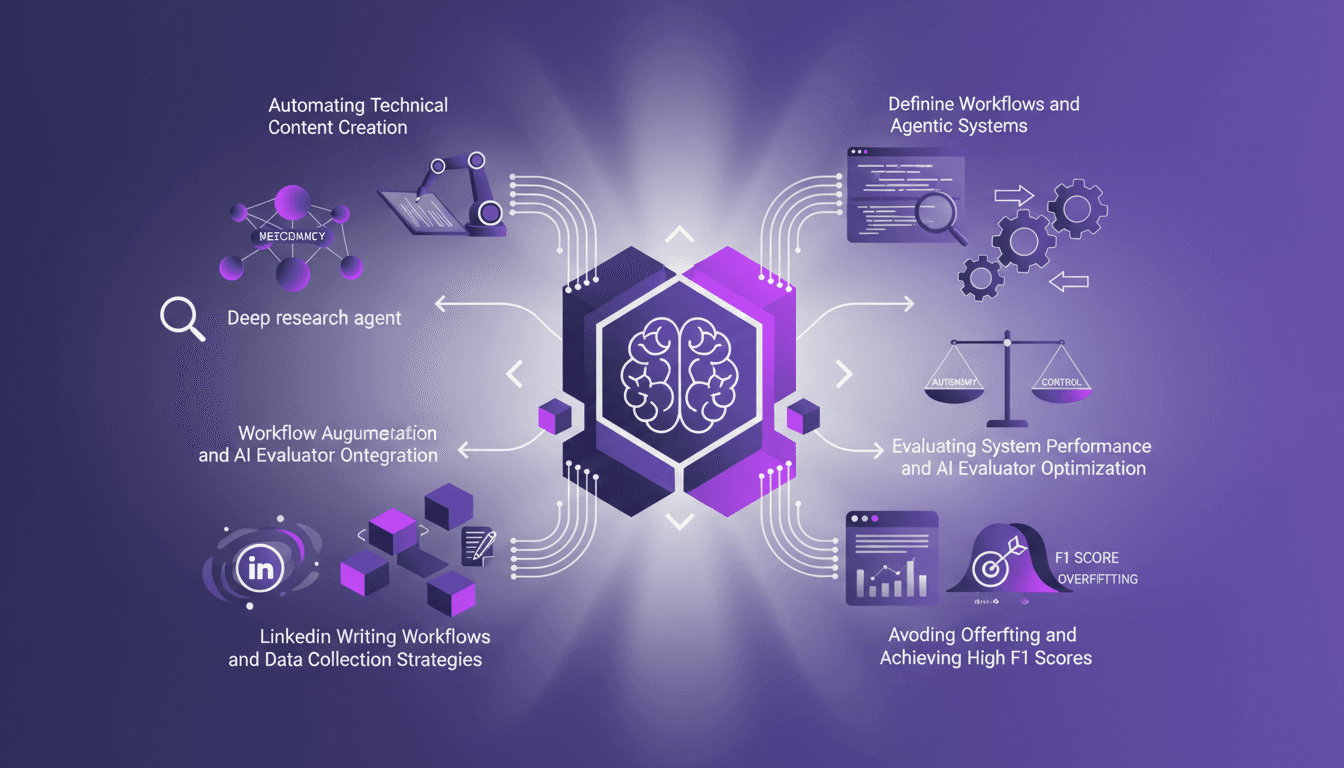
Automate Technical Content Creation in AI
I've been teaching AI for over four years, and if there's one thing I've learned, it's that building your own deep research agents can be a game changer. But it's not just about slapping together some code; it's about crafting workflows that make sense and deliver results. In this article, I'll take you behind the scenes of my research agents, the strategies to avoid overfitting, and how to achieve high F1 scores, all while integrating these systems into your daily operations. We'll also dive into automating technical content creation and optimizing AI evaluators. It's a balance of autonomy and control, and I'll show you how I achieved it.
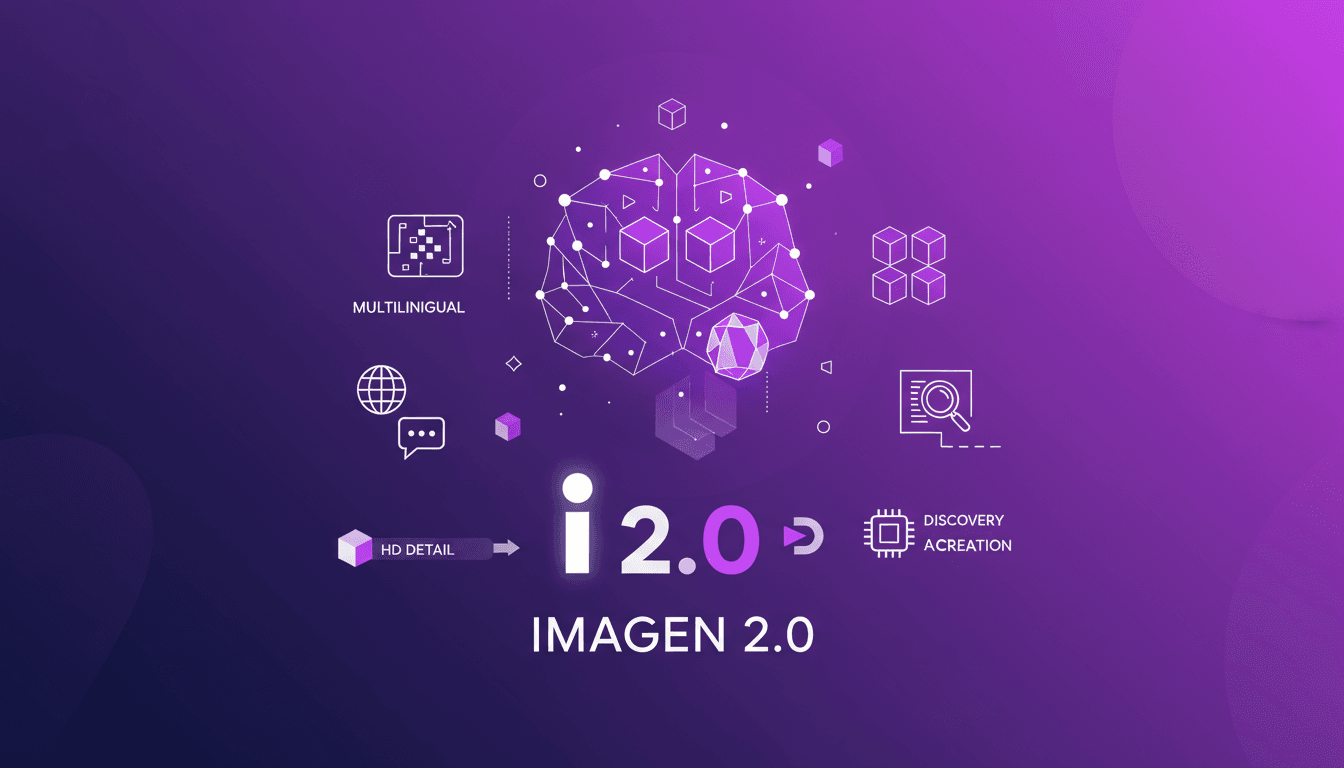
Imagen 2.0: Revolutionizing Image Generation
When I first got my hands on Imagen 2.0, I was blown away by its potential. We're talking about generating 2K resolution images with multilingual support. The first thing I did was integrate it into my workflow, and the improvement is tangible. The advancement in resolution and detail is a real game changer, but watch out for technical limits in multi-image generation. Compared to previous models and DALL-E, Imagen 2.0 really stands out. This isn't about theory; I'm talking about daily impact on my practice. If you're aiming to innovate, this is the tool to explore.
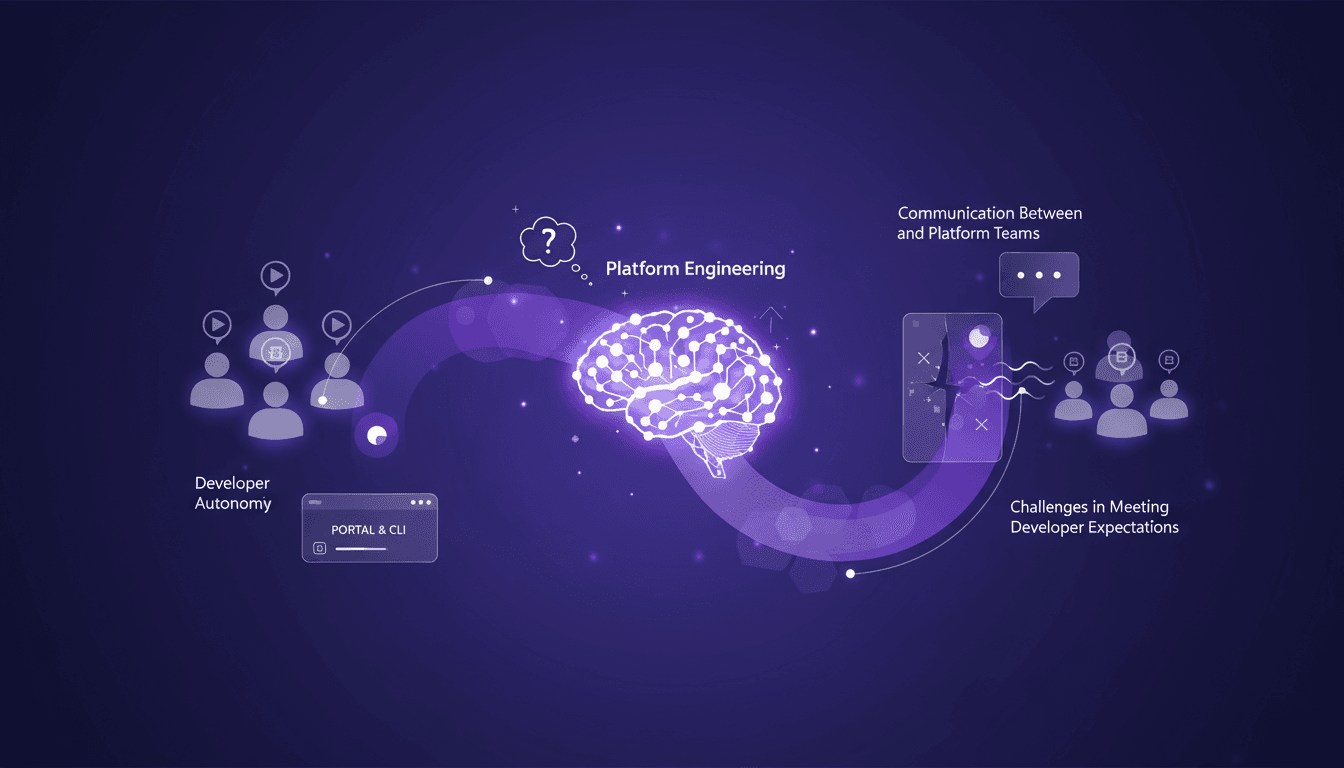
Platform Engineering's Impact on Developer Autonomy
I remember the first time our platform team rolled out a new self-service portal. It felt like a game changer. But soon, I realized it was nibbling away at our autonomy. Platform engineering is reshaping how we deliver capabilities, often enhancing efficiency but sometimes at the cost of developer autonomy. Let's dive into the impact this has on our daily work. I'll walk you through self-service capabilities, the communication between developers and platform teams, and the challenges in meeting developer expectations. We'll also look at tools like portals and CLI interfaces for delivering these capabilities.
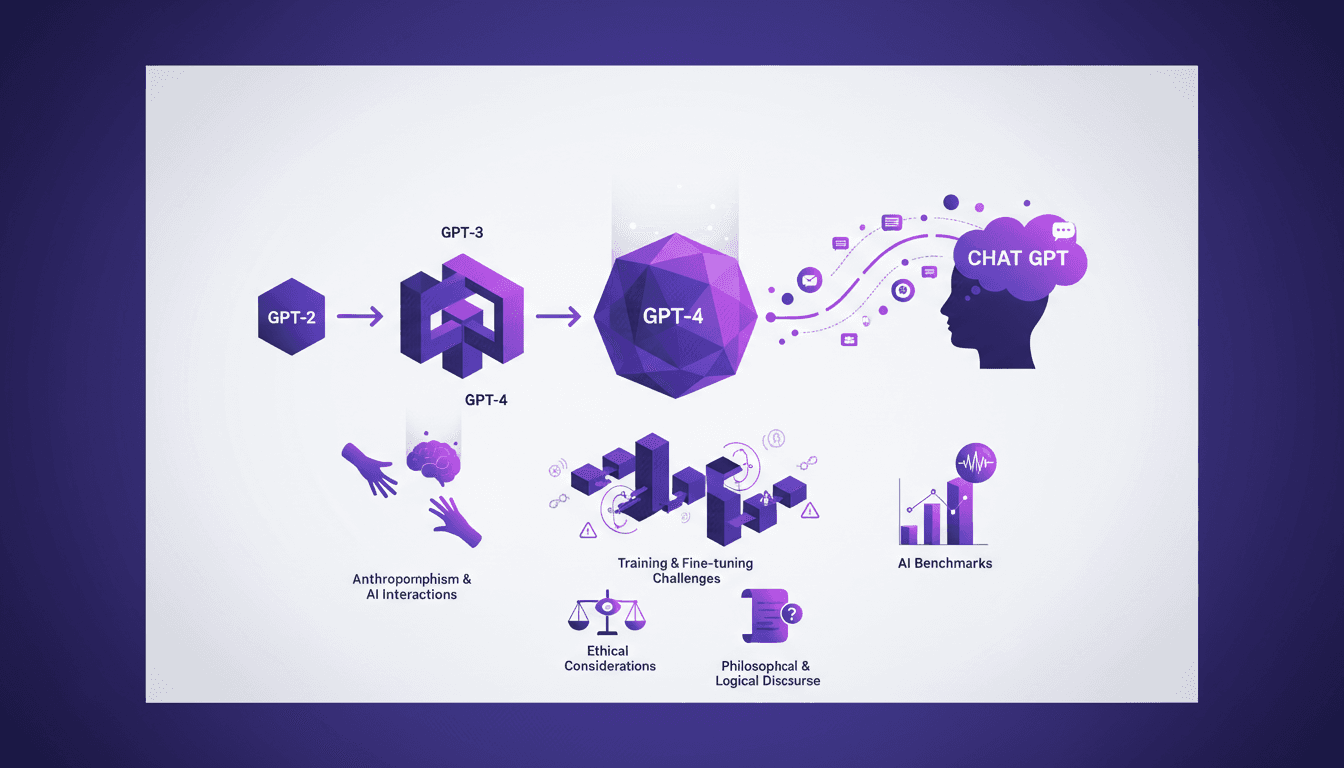
LLMs Evolution: 8 Years of AI Progress
I remember when GPT-2 first hit the scene. It was a game changer, but not without its quirks. Fast forward a few years, and we're knee-deep in LLMs that are reshaping our interaction with technology. So, let's dive into what these models are really about, what they can do, and where they might trip you up. From GPT-2 to GPT-4, these models have transformed text generation and public perception of AI. But with great power comes great complexity. We'll explore the evolution, training challenges, anthropomorphism, and ethical considerations, while dissecting the impact of LLMs on philosophical and logical discourse.
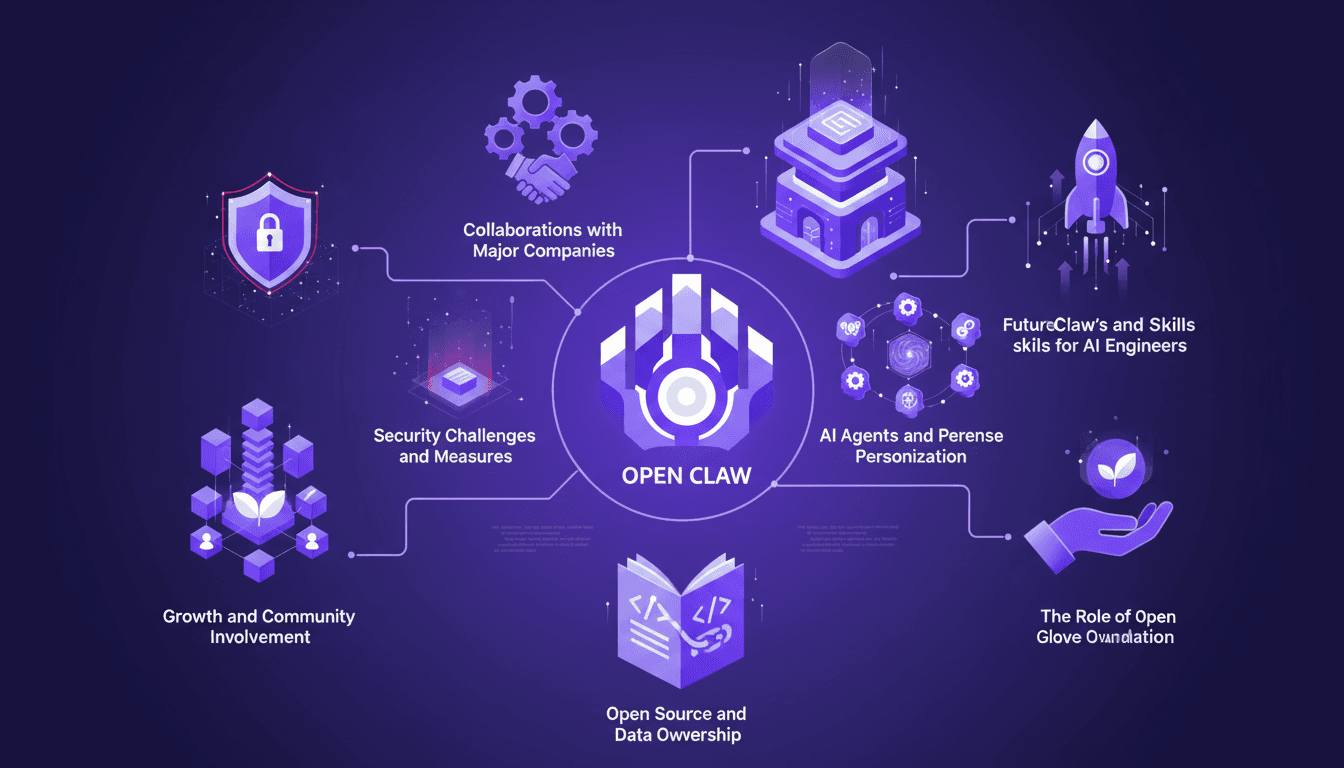
Open Claw Growth & Security: Practical Insights
I jumped into Open Claw five months ago, and it's been a whirlwind ride! This open-source project, boasting 30,000 GitHub stars, isn't just another project—it's a movement. But with growth come challenges, especially in security. I've been in the trenches tackling vulnerabilities (like that Gshjp issue with a CVSS score of 10). Collaborating with major companies also brought its own set of complexities. In this article, I share what's working, what's not, and where we're headed. Get ready for the real story, straight from the trenches.