AI in Agriculture: Cutting Pesticide Use
I remember standing in a field, enveloped by the pungent smell of pesticides, thinking, 'There must be a smarter way.' That's when I started integrating AI solutions to cut down on pesticide use. Today, farmers are caught between maintaining yields and reducing chemical use. AI provides a promising path forward, utilizing precision technology to identify and target pests more efficiently. With advancements in sensors, camera technology, and precision robotics, along with biological alternatives, we can slash pesticide usage by up to 90%. The economic and environmental impact is massive. The future of pesticide-free agriculture is within reach, and I'm here to show you how we are getting there.
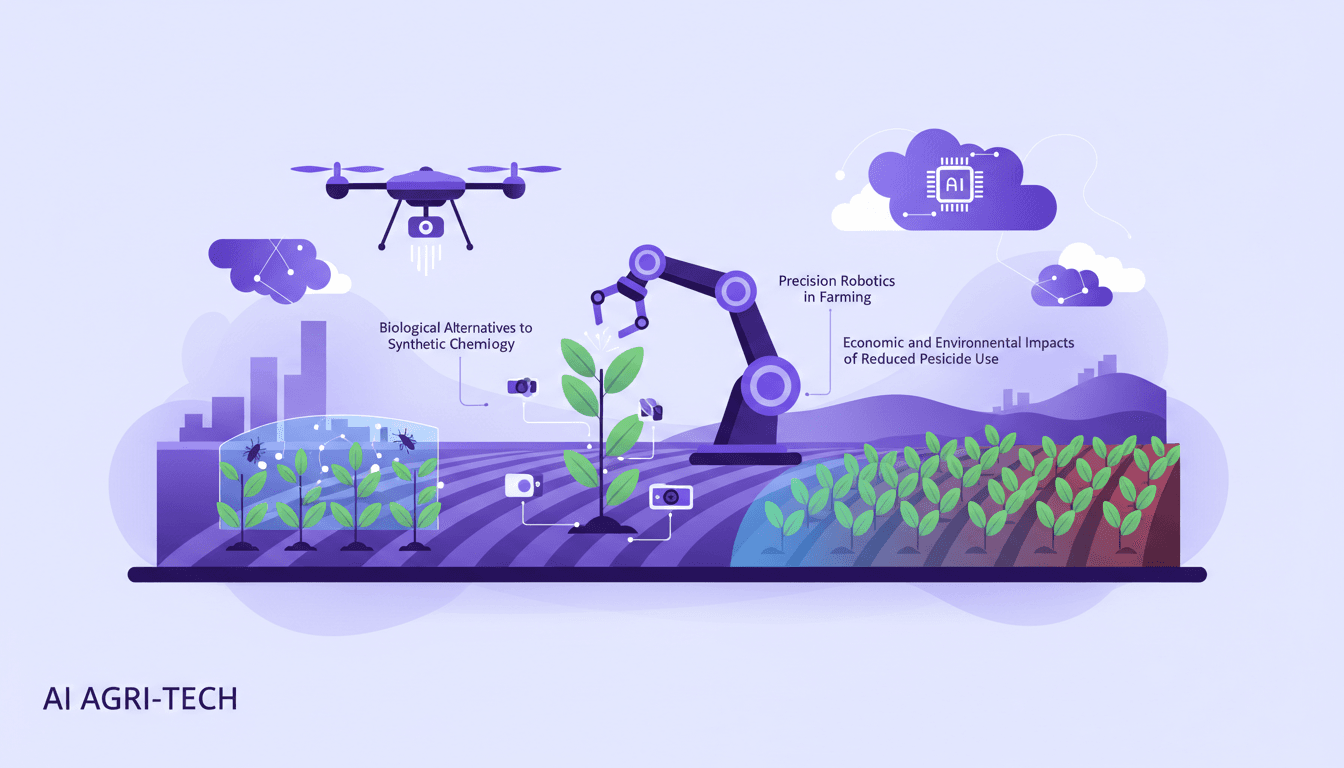
I remember the first time I realized the potential of AI in agriculture. Standing in a field, surrounded by the smell of pesticides, I thought, 'There has to be a better way.' That's when I started integrating AI solutions to cut down pesticide use. Today, farmers face the dual challenge of maintaining crop yields while reducing pesticide use. AI offers a path forward, leveraging precision technology to identify and target pests more efficiently. We've seen major advancements in sensor and camera technology, and precision robotics in farming is taking off. Add in biological alternatives to synthetic chemicals, and we're looking at a 90% reduction in pesticide use. The economic and environmental impacts are profound. In this talk, I'll walk you through how I've orchestrated this shift towards sustainable farming and share the pitfalls I've avoided along the way.
Understanding the Pesticide Challenge
Pesticides are like a double-edged sword. On one hand, they protect our crops from pests, which is essential for feeding a growing global population. On the other hand, they pose significant health risks. Take glyphosate, for instance, a widely used yet controversial pesticide. I've seen farmers turn to it out of necessity, despite the health concerns. This is where AI steps in. By leveraging artificial intelligence, we can gradually move away from reliance on harmful chemicals.
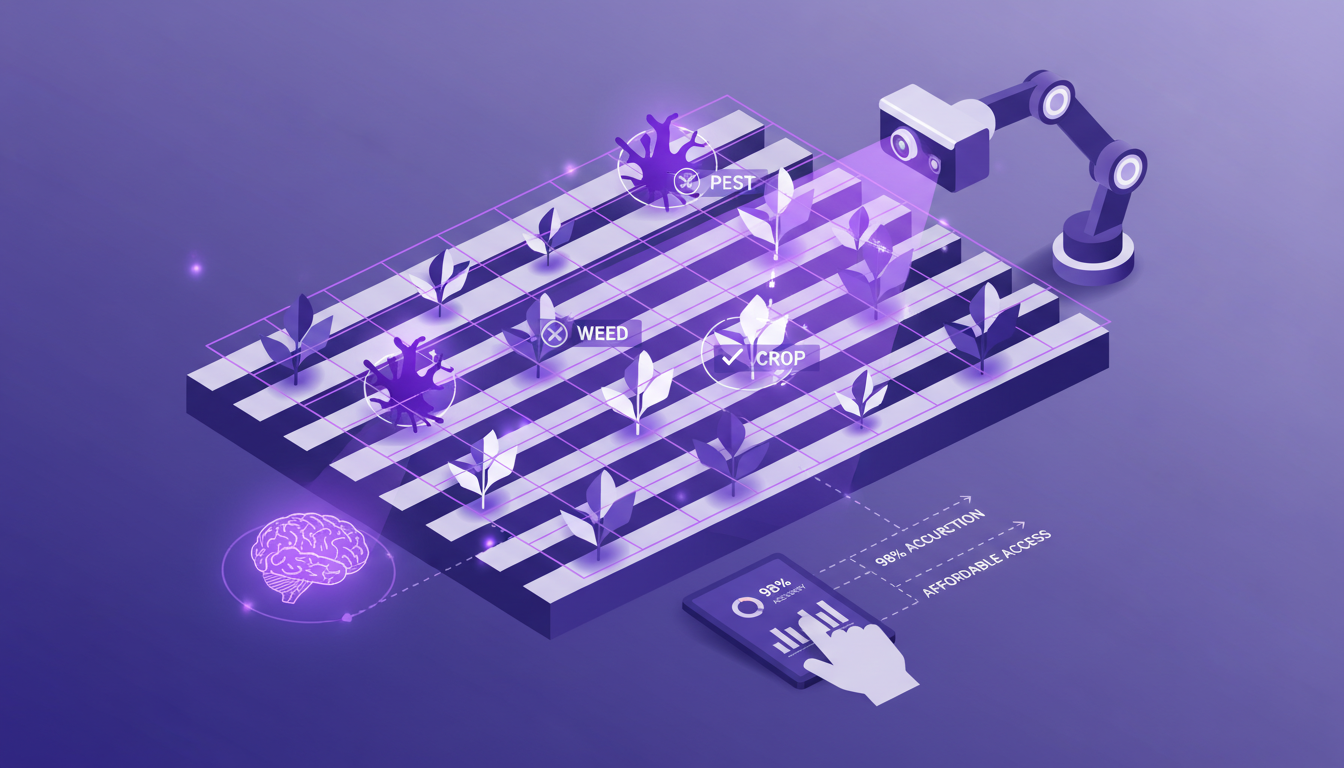
But it's not just a health issue. The economic and environmental impacts of reducing pesticide use are substantial. Sometimes, it means significant savings for farmers and a reduction in soil and water pollution. I've seen studies showing that 64% of global agricultural land is at risk of pesticide pollution. That's huge! And if we could cut pesticide use by 90%, it would be a game changer for the agriculture industry. Learn more about glyphosate risks.
AI Technology in Action: Identifying Weeds and Pests
At this point, AI has really started to show its potential. We're talking about systems capable of differentiating between crops and weeds with impressive accuracy. Imagine being able to target specific pests rather than spraying pesticides over entire fields. That's exactly what I'm doing with these technologies. And the good news? It's becoming more affordable for farmers.
Sensors and cameras have become democratized, and their deployment is key to precision agriculture. These tools have become so cheap that even small farms can afford them. We're talking about reducing crop losses by detecting plant diseases earlier. How AI is used to detect pests.
Precision Robotics: Targeting Specific Plants
AI-equipped robots are truly the future of agriculture. I've seen robots capable of targeting and treating individual plants, significantly reducing chemical use and increasing efficiency. Imagine a field where each plant is treated according to its specific needs. I've already implemented this in some farms, and the results are spectacular.
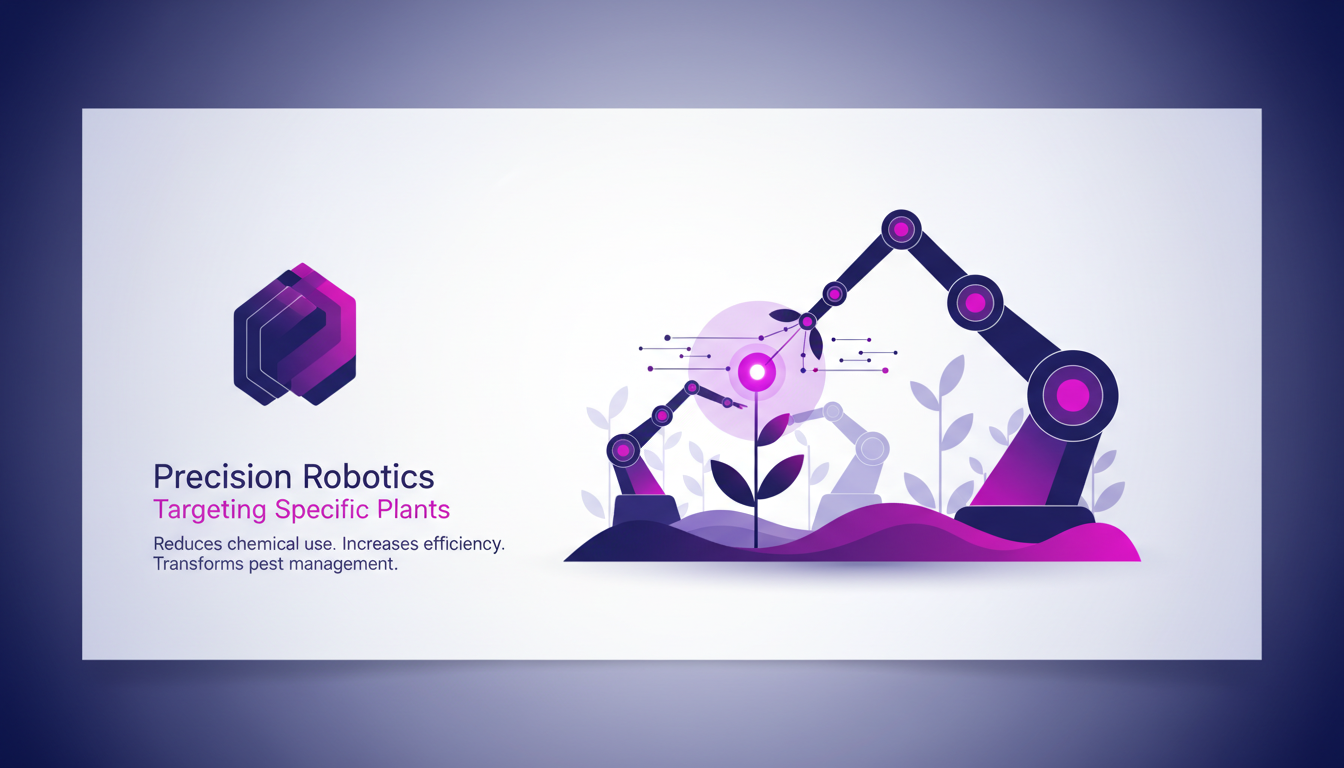
Of course, there are limits. The technology isn't perfect yet, and there are always challenges to overcome like navigating difficult terrains. But advancements continue, and I'm confident we'll see significant improvements in the coming years. AI in agriculture: smarter crops.
Biological Alternatives: Microbes, Peptides, and RNA
Biological solutions are a rapidly evolving field. Microbes can act as natural deterrents against pests. As for peptides, they open a new frontier in pest control, targeting specific pests without chemicals. I've seen these peptides in action, and I can tell you it's promising.
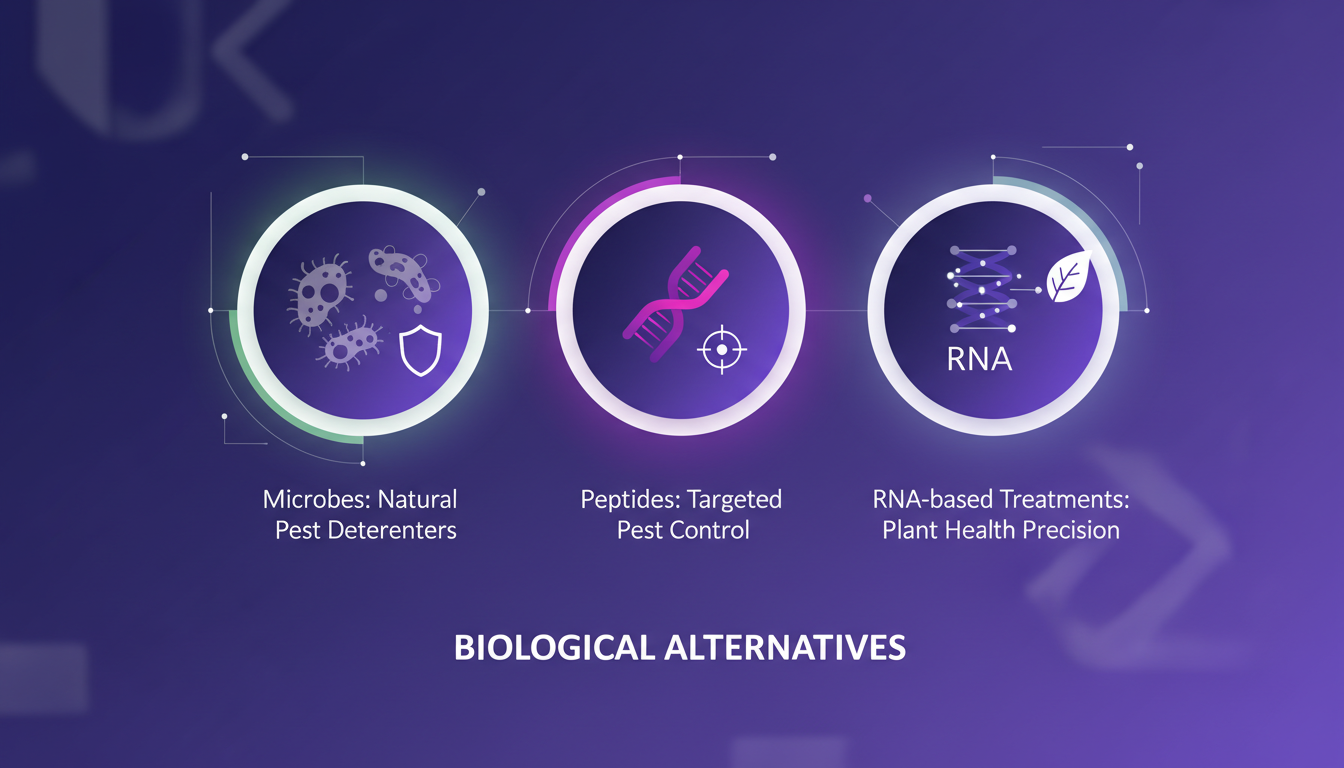
RNA-based treatments offer precise solutions for plant health. These alternatives can potentially reduce pesticide use by 90%. That's huge and could disrupt the agricultural industry. Sustainable alternatives to glyphosate.
Economic and Environmental Impacts
Reducing pesticide use can have positive economic effects. It translates to lower costs and increased crop value. Plus, environmental benefits include healthier ecosystems and reduced pollution. But there are trade-offs to consider.
Adopting these new technologies involves an initial investment, but the long-term gains are worth it. I've seen farmers hesitate because of the upfront costs, but once they take the plunge, the results speak for themselves. It's a balance to strike, but the potential is there. AI in agriculture: reducing pesticide use.
Integrating AI into agriculture isn't just about tech; it's about completely transforming how we farm. First, we're cutting down pesticide use by 90%, which is not just good for our health—it's crucial for a sustainable agricultural future. Next, with advanced sensors and cameras, we're reaching incredible precision in detecting diseases and pests. Finally, precision robots are reshaping farmers' daily lives by making many repetitive, time-consuming tasks obsolete. But watch out, integration needs to be smart, not rushed—assess needs and impacts carefully before diving in. To really grasp how this can be a game changer for you, check out the original video 'AI for Low-Pesticide Agriculture'. It's worth it. Ready to explore AI solutions for your farm? Start by assessing your current pesticide use and consider how precision technology can make a big difference.
Frequently Asked Questions

Thibault Le Balier
Co-fondateur & CTO
Coming from the tech startup ecosystem, Thibault has developed expertise in AI solution architecture that he now puts at the service of large companies (Atos, BNP Paribas, beta.gouv). He works on two axes: mastering AI deployments (local LLMs, MCP security) and optimizing inference costs (offloading, compression, token management).
Related Articles
Discover more articles on similar topics
Solopreneur Routine: Earning $77K a Month
I wake up around 6 a.m., ready to tackle the day as a solopreneur. Earning $77K a month doesn't just happen—it's a mix of deep work, smart use of AI, and relentless iteration. First, I orchestrate my priorities using automation tools (saves a ton of time). Then, I dive into the creative work, where AI helps me speed up processes without compromising quality. My secret? Never getting stuck. I test, tweak, and continuously innovate while safeguarding my sleep. In a world where hustle is glorified, smart strategies make the difference. Let me show you how I orchestrate my daily routine to maximize productivity and innovation.
Optimizing a 70-Engineer Team: Challenges
I remember the day we decided to shift our 70-engineer team to a four-day work week. It sounded like a dream, but the reality was a mix of efficiency gains and unexpected challenges. Running a €100M company with a lean engineering team requires sharp productivity strategies. In this article, I walk you through how we implemented new methodologies, standardized our tech stack, and navigated the sometimes choppy waters of the four-day work week. Discover how we structured our team, optimized productivity, and used the Scrum framework to maneuver through these changes.
Collaborative AI Engineering: Challenges and Solutions
I dove into the world of collaborative AI engineering with Maggie Appleton's insights, and it was a real game changer. Imagine orchestrating a team of two dozen agents to streamline your development process—sounds ambitious, right? But here's how it plays out in the real world. We often talk about alignment and communication as major hurdles. Current coordination tools aren't always up to the task, especially when managing a continuous cycle of planning and building. The introduction of the ACE prototype shifts the game with real-time collaboration between developers and coding agents. Yet, the real challenge lies in the importance of context and decision-making to reclaim time for critical thinking and quality software. As we move toward the future of agentic development, software craftsmanship remains essential. It's not just about technology, but about redefining our approach to development.
Tackling MCP: Managing Context with Cloudflare
I remember the first time I hit the Mega Context Problem (MCP) head-on. I was knee-deep in API calls, and my context window was overflowing. That's when I realized managing context isn't just a technical challenge; it's a strategic one. With tools like Cloudflare's API management and TypeScript, we can tackle this beast head-on. I dive into these tumultuous waters daily, and I'll share the lessons I've learned. We'll discuss MCP challenges, the evolution of MCP clients, and the implications of programmatic tool calling. It's not just about technology but strategic orchestration.
Teaching AI to Close: 6 Months of Insights
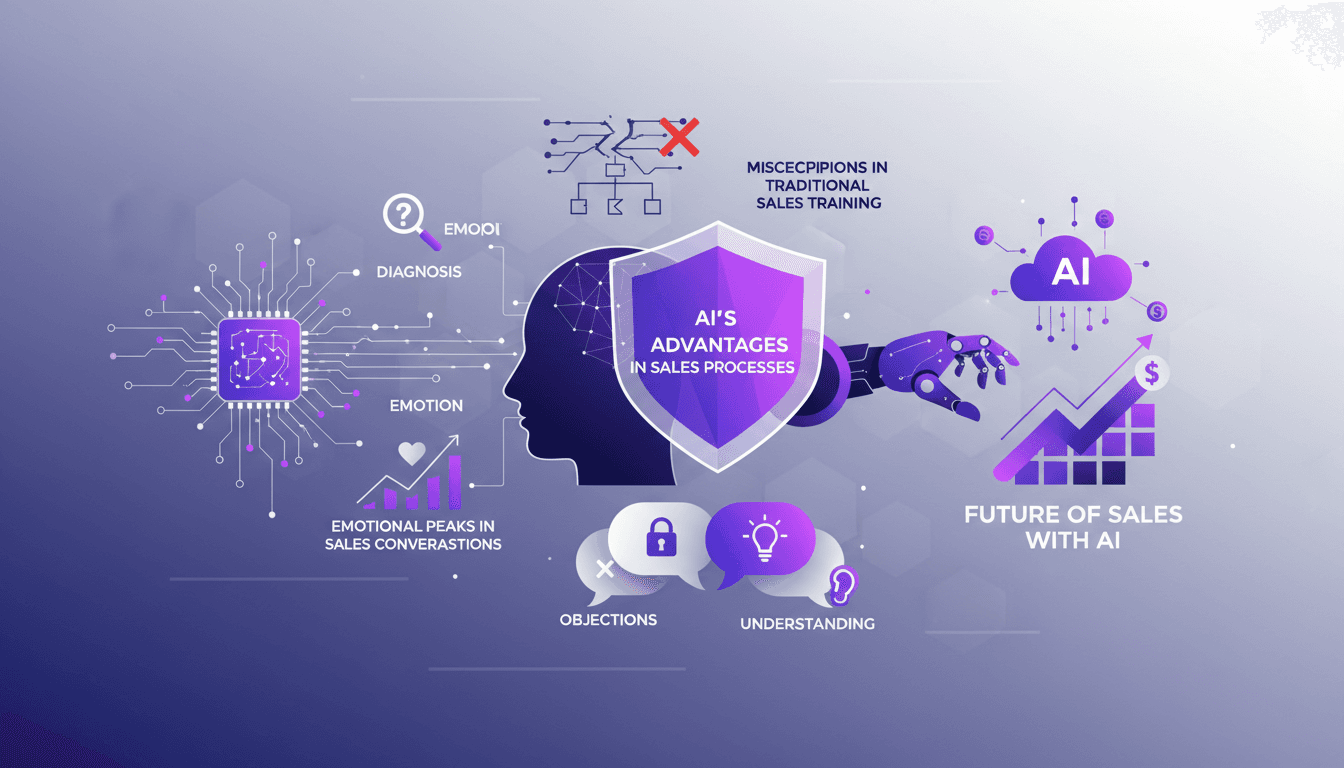
I spent six months training an AI to close deals—230 real estate investors and wholesalers later, I learned that AI's edge isn't speed, but its lack of ego. This journey reshaped my understanding of sales, challenging traditional training methods. In a field that's been taught the same way for a century, AI is changing the game. Let's dive into how AI can optimize sales processes and redefine how we approach prospects. Topics include AI's role in sales, misconceptions in traditional sales training, the importance of diagnosing prospects, and the future of sales with AI. Get ready for a deep dive into the future of sales, where AI might just become your best ally.