Collaborative AI Engineering: Challenges and Solutions
I dove into the world of collaborative AI engineering with Maggie Appleton's insights, and it was a real game changer. Imagine orchestrating a team of two dozen agents to streamline your development process—sounds ambitious, right? But here's how it plays out in the real world. We often talk about alignment and communication as major hurdles. Current coordination tools aren't always up to the task, especially when managing a continuous cycle of planning and building. The introduction of the ACE prototype shifts the game with real-time collaboration between developers and coding agents. Yet, the real challenge lies in the importance of context and decision-making to reclaim time for critical thinking and quality software. As we move toward the future of agentic development, software craftsmanship remains essential. It's not just about technology, but about redefining our approach to development.
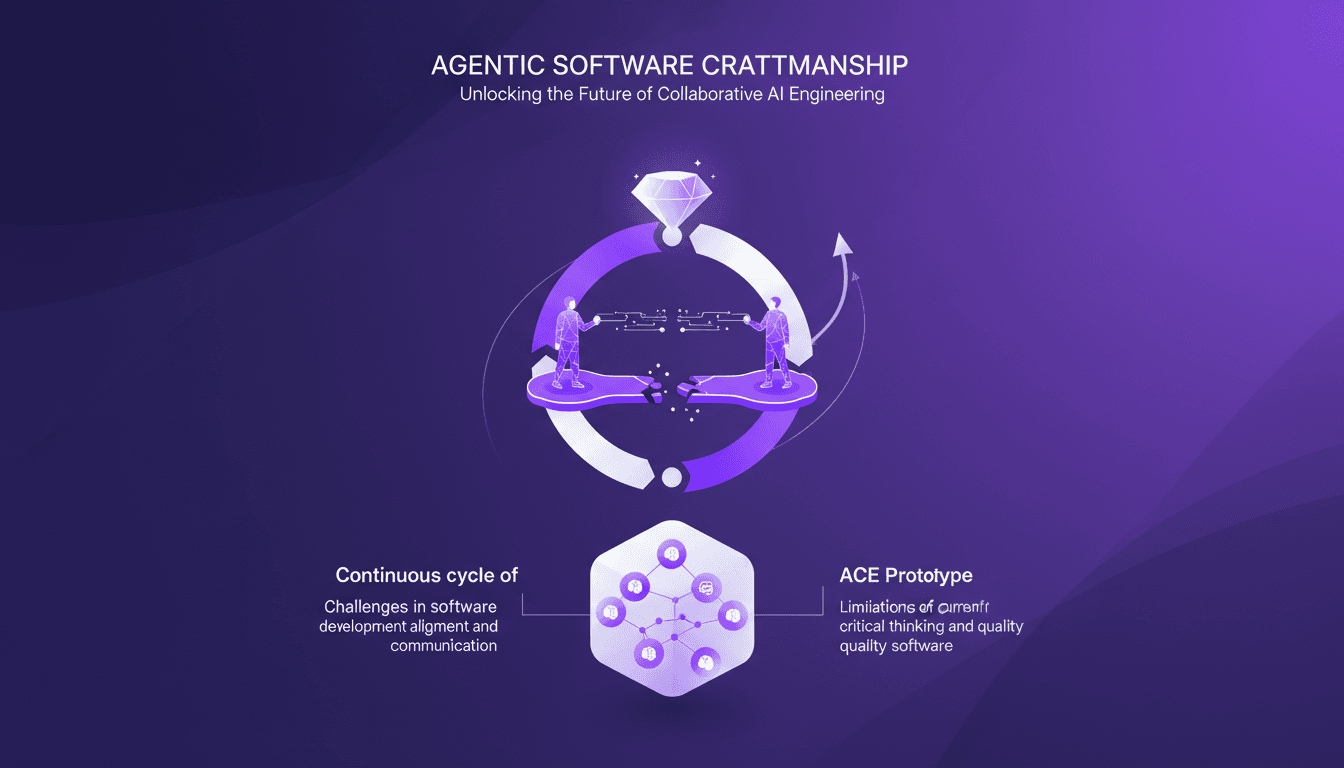
I dove into the world of collaborative AI engineering with Maggie Appleton's insights, and let me tell you, it was a real game changer. Picture this: orchestrating a team of two dozen agents to streamline your development process. Sounds ambitious? Yes, but it's totally doable, and here's why. In our field, alignment and communication are often the major headaches. Current coordination tools, frankly, they're not always up to the task, especially when dealing with a continuous cycle of planning and building. This is where the ACE prototype comes in, offering real-time collaboration not just between humans, but with coding agents. But watch out, the real challenge lies in the importance of context and decision-making—this allows us to reclaim time for critical thinking and produce quality software. As we move toward the future of agentic development, software craftsmanship remains a core piece. It's not just about the technology, but about redefining our approach to development.
Tackling the Alignment Challenge
I've often found myself frustrated by the singular focus on individual productivity in software development. In a team setting, this focus is not just inefficient; it can be downright counterproductive. Take the analogy of "nine women making a baby in one month." You can't rush a process requiring continuous coordination and communication. GitHub, Slack, and Jira—while essential—often fall short of maintaining the necessary alignment in a collaborative environment.
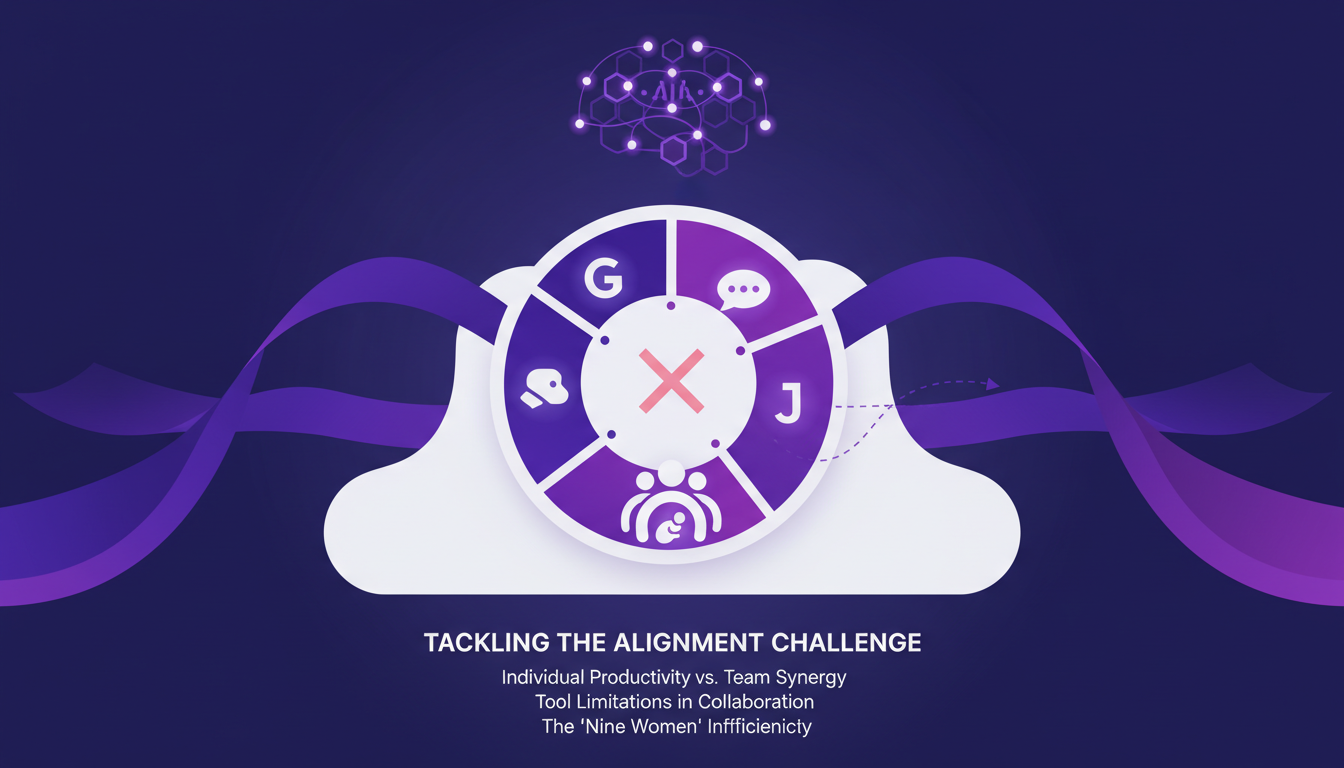
In my daily practice, I've frequently faced misaligned team goals. Poorly integrated AI agents can destabilize an entire project. The belief that boosting individual productivity will solve these issues only exacerbates them. According to Gartner, up to 85% of AI projects fail to deliver business value, often due to inadequate planning.
Software development is a team sport that requires alignment and communication among team members.
Continuous Cycle: Planning and Building
In the past, development followed distinct phases: planning, building, and reviewing. Nowadays, I've integrated a continuous cycle into my workflow. This means planning and building are no longer separate but interconnected. A key tool here is the MicroVM, which allows for isolated work while supporting this continuous cycle.
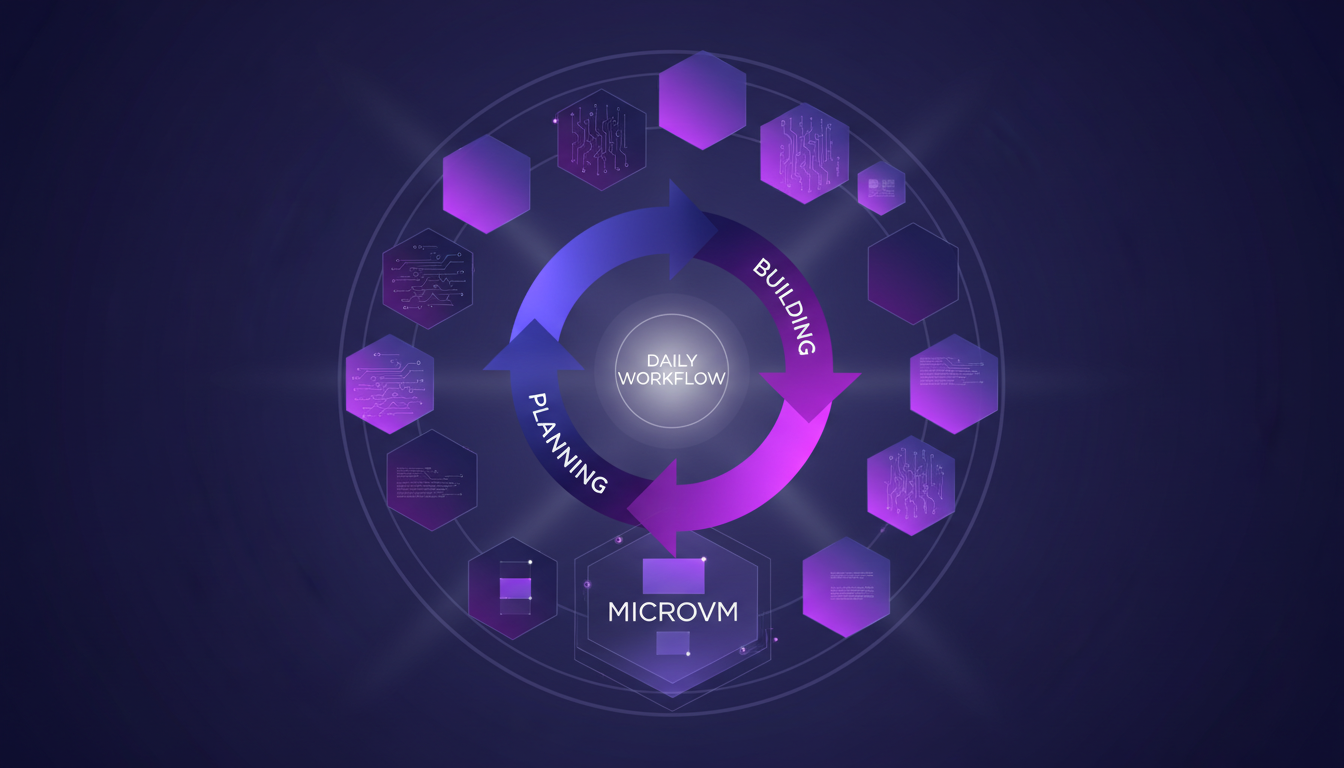
But watch out, this model has its limits. Flexibility can sometimes lead to chaos if not well orchestrated. I've found myself in situations where a lack of alignment points created inconsistencies in the produced code. Yet, with proper orchestration, this continuous cycle optimizes efficiency and responsiveness—two precious assets in a dynamic environment.
- Elimination of distinct phases
- MicroVM integration for isolation
- Watch out: risk of chaos without proper orchestration
Introducing the ACE Prototype
ACE is a real boon for real-time collaboration. Its features of real-time collaborative editing and isolated work stand out clearly. In my experience, ACE has allowed us to reclaim valuable time for critical thinking and quality improvement by reducing the need for excessive reviews.
However, ACE is not without its pitfalls. Deploying ACE without a clear strategy can lead to feature overload. It's important not to overlook the initial alignment of team objectives. Ultimately, ACE should be used as a support tool, not a silver bullet.
- Real-time collaborative editing
- Isolated work in a secure environment
- Reclaiming time for critical thinking
- Watch out: risk of feature overload
Real-time Collaboration with Coding Agents
Real-time collaboration with AI agents is a fascinating mechanic I've integrated into my projects. Using ACE, I can manage context and decision-making effectively. Moving from logging an issue to an agent opening a PR in minutes is a game changer.
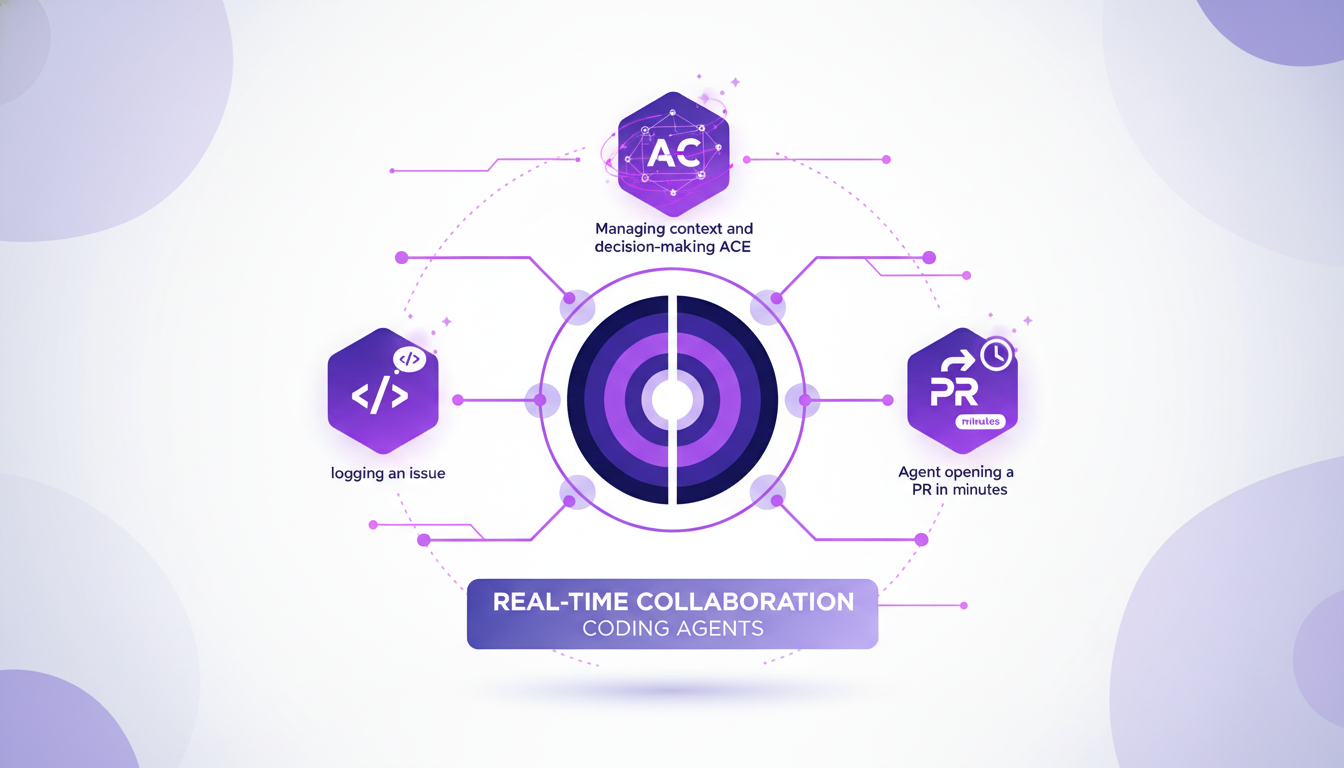
However, it's crucial not to lose sight of the fact that agentic development has its limits. Sometimes, human oversight is indispensable to ensure quality and alignment of objectives. Approximately 80% of developers now use AI coding agents in their workflows, yet trust in AI accuracy has dropped from 40% to 29% year-over-year.
- Effective context management with ACE
- Quick transition from issue to PR
- Watch out: necessity of human oversight
Future of Agentic Development and Software Craftsmanship
Agentic development has the potential to transform software craftsmanship. Testing ACE with a few thousand users, we learned that balancing cost and efficiency is crucial. It's not just about "cheap" production. According to a study, autonomous agents merge 60% more PRs than those requiring constant supervision.
In my vision, the future lies in the seamless coexistence of AI agents and human developers. This means leveraging the strengths of each party to create exceptional software products. AgentCraft, for instance, explores how to efficiently orchestrate these agents to maximize impact.
- Transformation of software craftsmanship
- Learning from user testing
- Seamless coexistence between AI and humans
Ultimately, it's not just about the technology, but how we, as humans, integrate these tools into our daily practices. And that's where the real future of software development lies.
By integrating tools like ACE, we're not just boosting efficiency, we're actually freeing up time for innovation and quality improvement. First, I've observed that alignment in software development is often chaotic, and ACE is a game changer for orchestrating efforts better. Then, the limitations of current coordination tools become glaringly obvious, especially when managing two dozen agents. ACE, with its continuous planning and building cycles, helps me navigate around this issue. But watch out, just like the 'nine women make a baby in one month' logic, adding more agents doesn't necessarily speed up the process. Production costs are cheap, but staying aligned is crucial. Ready to transform your development workflow? Dive into agentic development and see the difference for yourself. Check out the full video to see how all these elements fit into practice: YouTube link.
Frequently Asked Questions

Thibault Le Balier
Co-fondateur & CTO
Coming from the tech startup ecosystem, Thibault has developed expertise in AI solution architecture that he now puts at the service of large companies (Atos, BNP Paribas, beta.gouv). He works on two axes: mastering AI deployments (local LLMs, MCP security) and optimizing inference costs (offloading, compression, token management).
Related Articles
Discover more articles on similar topics
AgentCraft: Scaling Agent Orchestration Efficiently
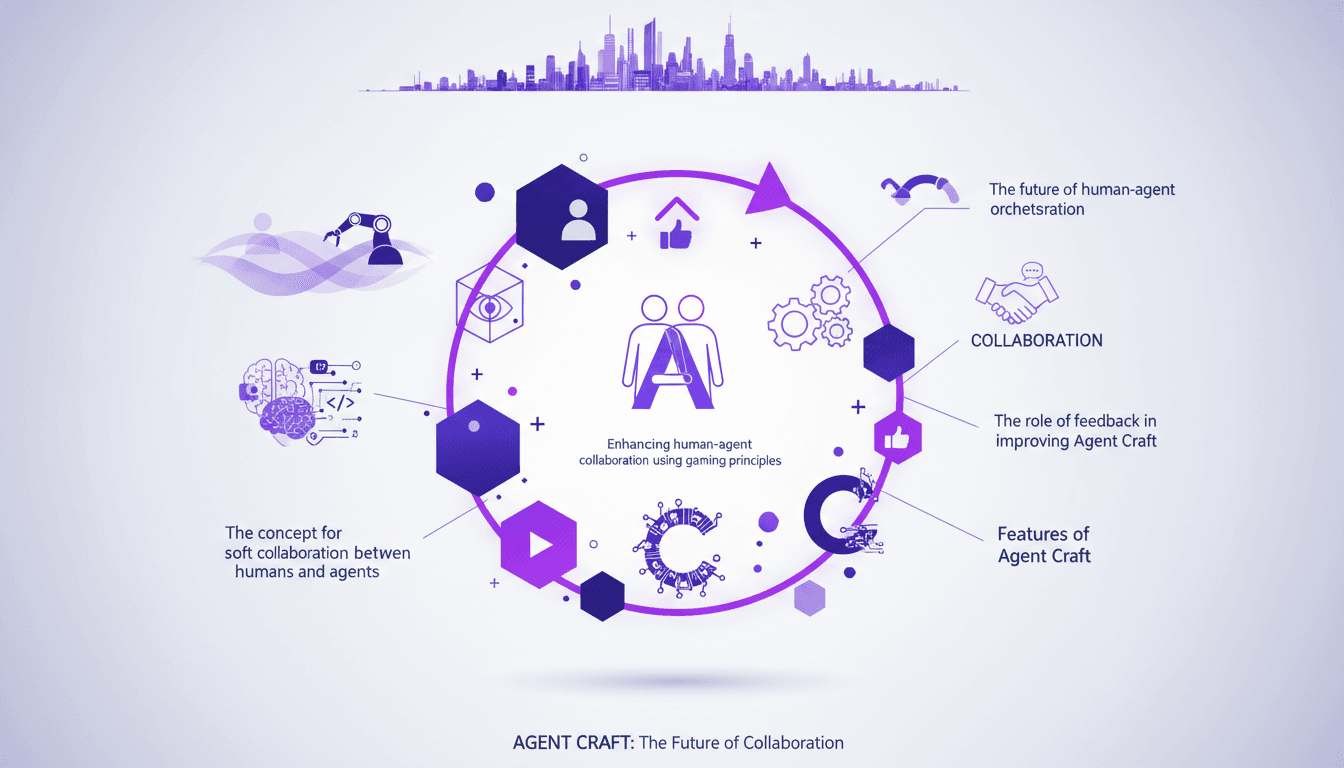
I dove into AgentCraft headfirst, driven by the need to orchestrate our agents more efficiently. It's like putting the 'orc' in orchestration. Right off the bat, the scale was both daunting and exhilarating. AgentCraft employs gaming principles to enhance collaboration between humans and AI agents. In this article, I share my journey implementing AgentCraft, the challenges faced, and the solutions I found. We dive into visibility, automation, collaboration, and the crucial role of feedback. Trust me, I got burned a few times before nailing the right approach. If you're serious about mastering human-agent orchestration, keep reading.
Replit: Democratizing App Development
I've been in the trenches with Replit, and trust me, the way they're reshaping software development is something you need to see. With their mission to democratize app creation, they're opening up a future where programming becomes accessible to all. Their recent $400 million funding, boosting them to a $9 billion valuation, is just the start. Replit isn't just reinventing development for seasoned devs, they're driving towards a future where non-developers and AI-native devs can shine. It's a true paradigm shift, and you'll want to witness it firsthand.
AI Studio & Gemini: Revolutionizing Development
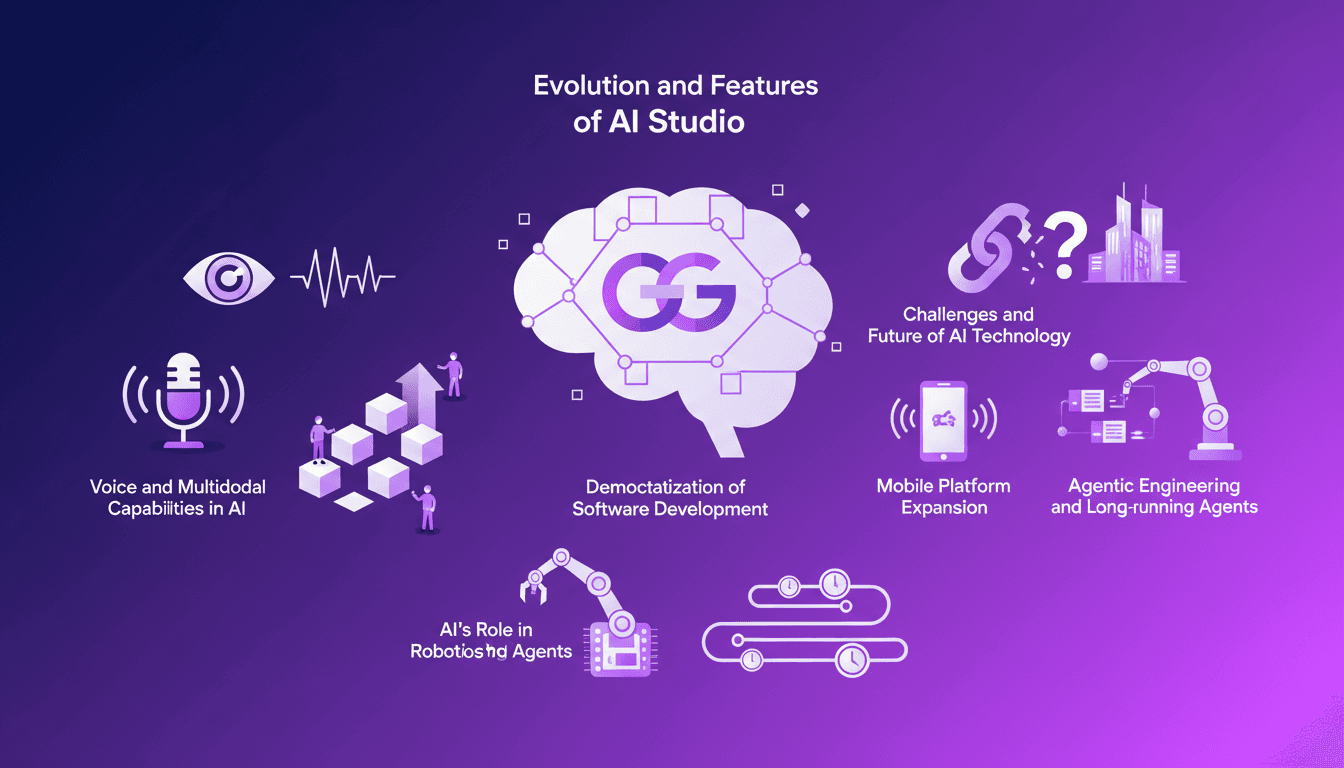
I remember when AI Studio was just a whisper in the tech corridors. Fast forward to today, it's a game changer—especially with Gemini models in the mix. In just 18 months, AI Studio has crossed critical milestones, integrating cutting-edge features like multimodal capabilities. This isn't just for the tech elite; it's democratizing development for everyone. Let me walk you through how this evolution isn't just hype, but a real shift in how we build and innovate. I've connected Gemini models, orchestrated complex projects, and avoided some pitfalls that I share here. We also talk about mobile platform expansion, agentic engineering, and AI's role in robotics. In short, AI Studio is no longer a dream; it's our reality.
Boosting Developer Productivity with GPT-5.5
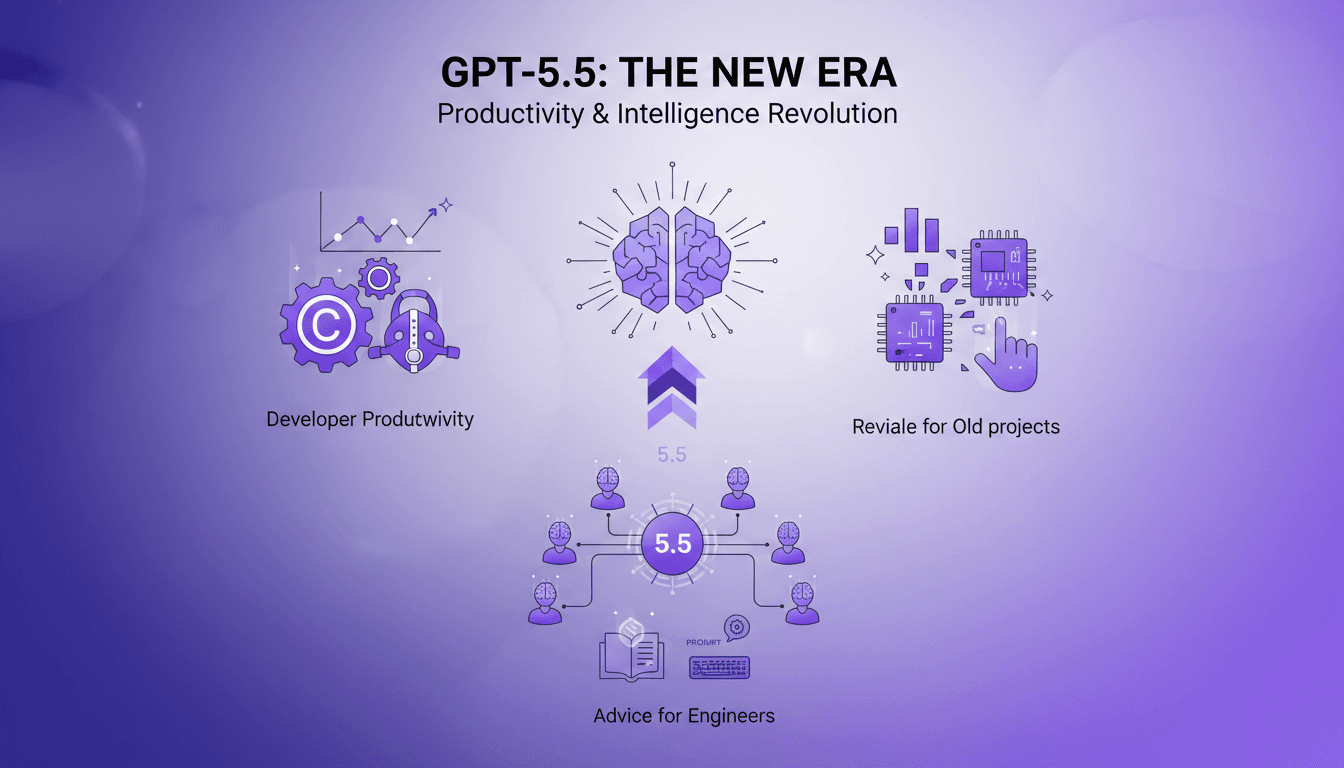
I was knee-deep in a decade-old codebase when I first unleashed GPT-5.5. And wow, what a game changer! With its Codex harness, this model isn't just about speed; it redefines how we tackle software development. From breathing life into forgotten projects to streamlining new ones, GPT-5.5 is transforming the landscape. Let me take you behind the scenes of this transformation and show you how this AI literally boosts our productivity and intelligence. Watch out for context limits, but when used right, it's a game changer for developers.
First Impressions of GPT-5.5 by Claire Vo
I remember when I first dove into GPT-5.5. It felt like opening a toolkit with a new, sharper tool, ready to redefine how I handle coding tasks. Claire Vo shares her first impressions of this model that seems to push the boundaries of AI in software development. From autonomous code execution to bug fixing, there's a lot to explore. And with a 98% accuracy in fixing bugs, it's no empty promise. In this interview, Claire takes us through her discoveries, comparing GPT-5.5 with previous models and assessing its potential impact on the software development process.