Replit: Democratizing App Development
I've been in the trenches with Replit, and trust me, the way they're reshaping software development is something you need to see. With their mission to democratize app creation, they're opening up a future where programming becomes accessible to all. Their recent $400 million funding, boosting them to a $9 billion valuation, is just the start. Replit isn't just reinventing development for seasoned devs, they're driving towards a future where non-developers and AI-native devs can shine. It's a true paradigm shift, and you'll want to witness it firsthand.
I've been in the trenches with Replit, and let me tell you, the way they're reshaping software development is something you need to see. They're on a mission to democratize app creation, and it's not just lip service. With their recent $400 million funding pushing them to a $9 billion valuation, they're set to make waves. What I found really intriguing is their approach to development not just for seasoned devs but also for non-developers and AI-native developers. Picture a world where coding becomes as natural as breathing, where tools are there to propel you, not hold you back. But watch out, there are challenges: orchestrating modern tools isn't always as seamless as it seems. Nonetheless, the opportunities are immense, especially for those outside traditional tech hubs. Replit isn't just playing the game, they're redefining the rules. So let's dive into this fascinating space and see how they're transforming the software development landscape.
Replit's Mission: Breaking Down Barriers
Replit is more than just a tool; it's a game changer in the app development landscape. Their mission? To democratize development for those who traditionally lack technical skills. I remember my early days when every line of code felt like climbing Everest. Today, Replit is removing those barriers. With the rise of AI-native developers, domain experts like physical therapists can build sophisticated software. In 2023, Replit explicitly shifted focus to non-developers, a move that disrupts traditional tech hubs like Silicon Valley.
"Replit's mission is to make app development accessible to everyone."
Technology is no longer reserved for a select few. Imagine a pool maintenance company or a sports club developing their own software without hiring a legion of engineers. That's the revolution Replit offers. Traditional hubs might need to revise their strategies in light of this decentralization of tech expertise.
Funding and Valuation: Fueling the Revolution
We're not just talking about a few million thrown around lightly. Replit raised $400 million in a Series D funding round, reaching a colossal $9 billion valuation. That, to me, signals a clear belief from investors in their mission to broaden access to software development. The impact of Y Combinator (YC) on this journey is undeniable—they've nurtured this project from the start. See more on FNEX.
This funding isn't just about numbers. It's about redefining the rules of the game. With this capital, Replit is equipped to continue expanding and offering its tools to a wider audience. The software development world will never be the same.
Replit's Product: Features and AI Integration
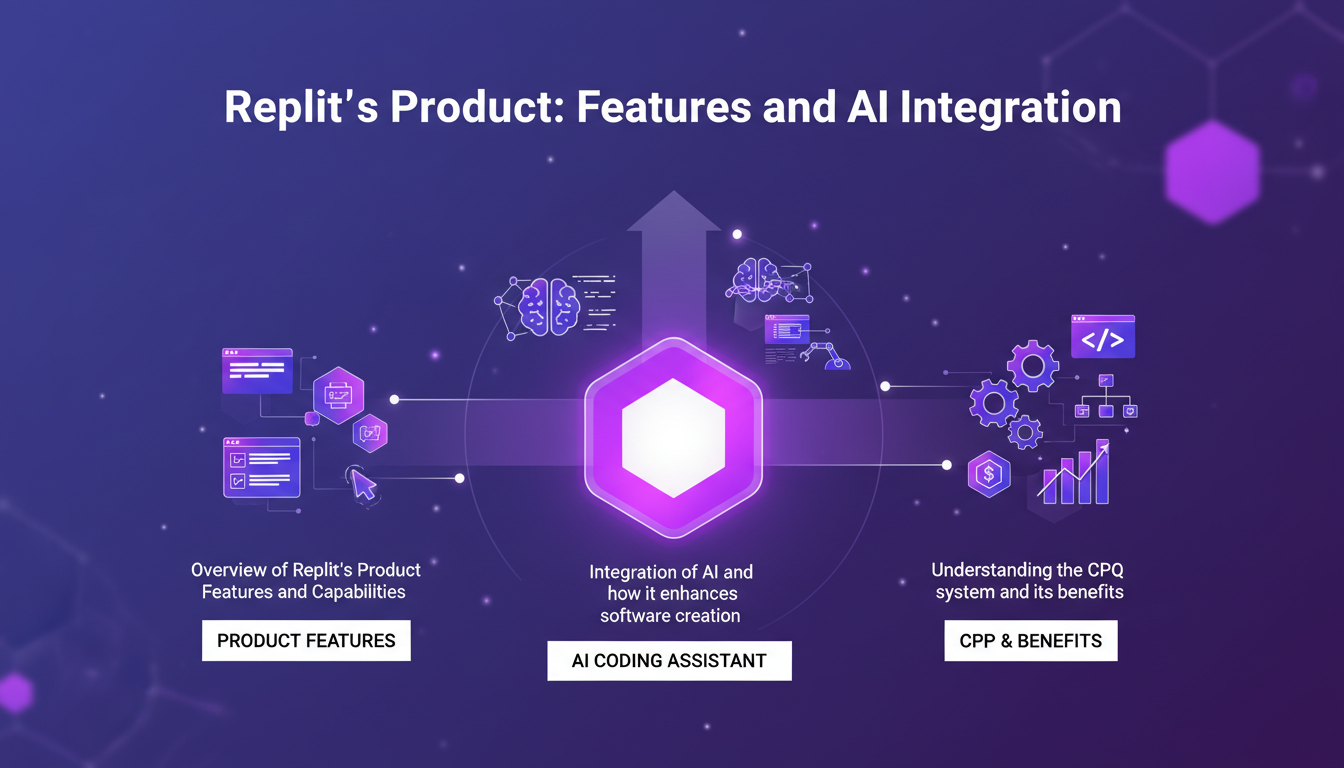
Replit is much more than a simple IDE. Features include real-time collaborative editing and AI integration that transforms the software creation experience. I've tested their CPQ (Configuration, Pricing, Quoting) system and it's a masterpiece. Parallel and asynchronous agents allow for handling multiple tasks without disrupting workflow. It's like having a team of developers working simultaneously without the associated costs.
The AI integrations aren't just flashy gimmicks. They deliver real value. Software development is accelerated, prototypes come to life in no time, and errors are minimized. It's a tool I highly recommend, especially for those wanting to leverage AI without getting lost in complex setups.
Business Models and Future Structures
Replit isn't just about technology; their business model is equally innovative. Based on Product-Led Growth (PLG), Replit allows users to discover and adopt the product organically. Automation and AI are transforming how companies are structured. Challenges abound: compatibility with existing tools and adapting to new user expectations are major concerns.
But the opportunities are just as exciting. Replit paves the way for innovative approaches that might well redefine what it means to be a tech company today. Imagine structures where employees focus on creative problem-solving rather than repetitive, time-consuming tasks.
Practical Takeaways: Efficiency and Cost Savings
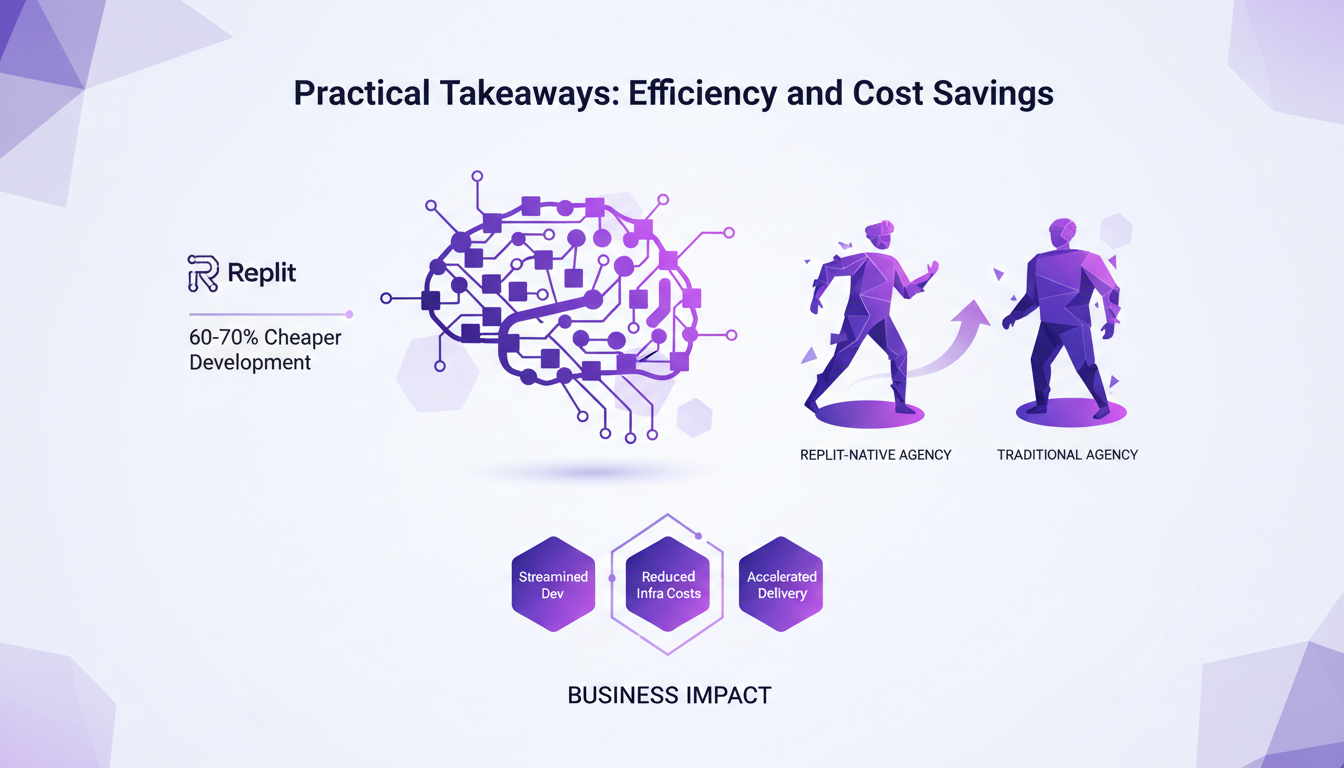
When it comes to costs, Replit's approach is simply revolutionary. Replit-native agencies are 60 to 70% more effective and cheaper than traditional agencies. For any business looking to optimize expenses, it's a boon. How to leverage Replit for direct business impact? Here are some concrete steps:
- Integrate Replit into existing processes to reduce development times.
- Train teams on using parallel agents to maximize productivity.
- Adapt to new technologies to stay competitive.
In the end, Replit isn't just a tool; it's a work philosophy that changes the game. It allows anyone, regardless of technical level, to create and innovate. But as with anything, there are limits and trade-offs to watch out for.
With Replit, I'm not just seeing another tool; I'm witnessing a movement toward democratizing software development. First up, it's accessibility — think of the ease of VB6, but with today's power. Then, there's efficiency: Replit is 60 to 70% cheaper and more effective than traditional agencies. And finally, AI integration. It's a gateway not just for developers but also for those who've never coded. But beware, there are limits to watch out for, especially concerning AI dependency.
I'm convinced Replit is going to transform our development practices, but it's up to us to explore it and maximize its potential. So dive into Replit and see how it can transform your development process today. And for a deeper understanding, check out the original video to grasp the Replit CEO's vision on the future of work: Replit's CEO On The Only Two Jobs Left In The Company Of The Future.
Frequently Asked Questions

Thibault Le Balier
Co-fondateur & CTO
Coming from the tech startup ecosystem, Thibault has developed expertise in AI solution architecture that he now puts at the service of large companies (Atos, BNP Paribas, beta.gouv). He works on two axes: mastering AI deployments (local LLMs, MCP security) and optimizing inference costs (offloading, compression, token management).
Related Articles
Discover more articles on similar topics
Building with GPT 5.5 and Codex: Cut the Third Parties
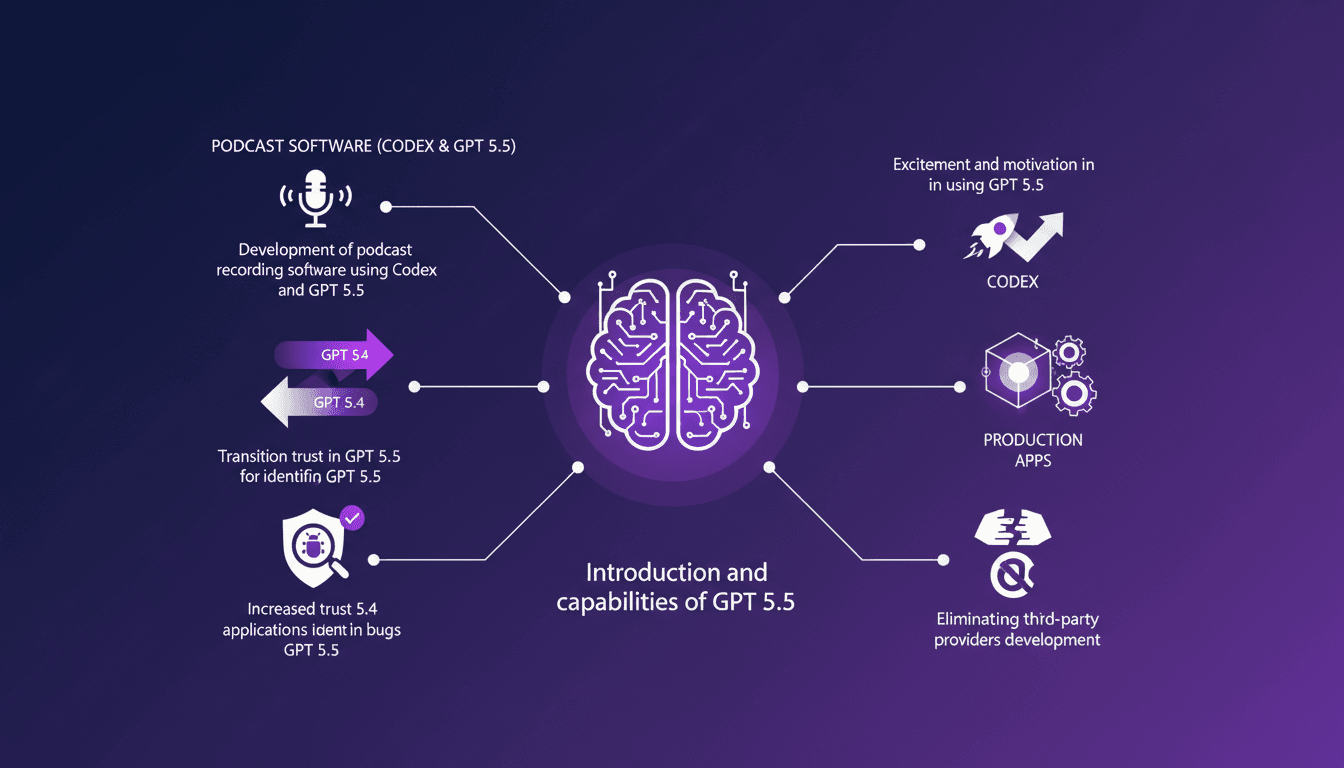
I dove headfirst into GPT 5.5, and what a ride it's been! From building podcast software to cutting out third-party providers, this version has changed the game for me. With GPT 5.5, we're not just talking upgrades; we're talking a whole new level of trust and capability. First, I integrated Codex to develop a podcast app and cut the middlemen out. Then, bugs? GPT 5.5 spots them like a pro. Tired of third-party solutions bogging down your productivity? This tool might just be your new secret weapon. Let's dive into some real-world applications together.
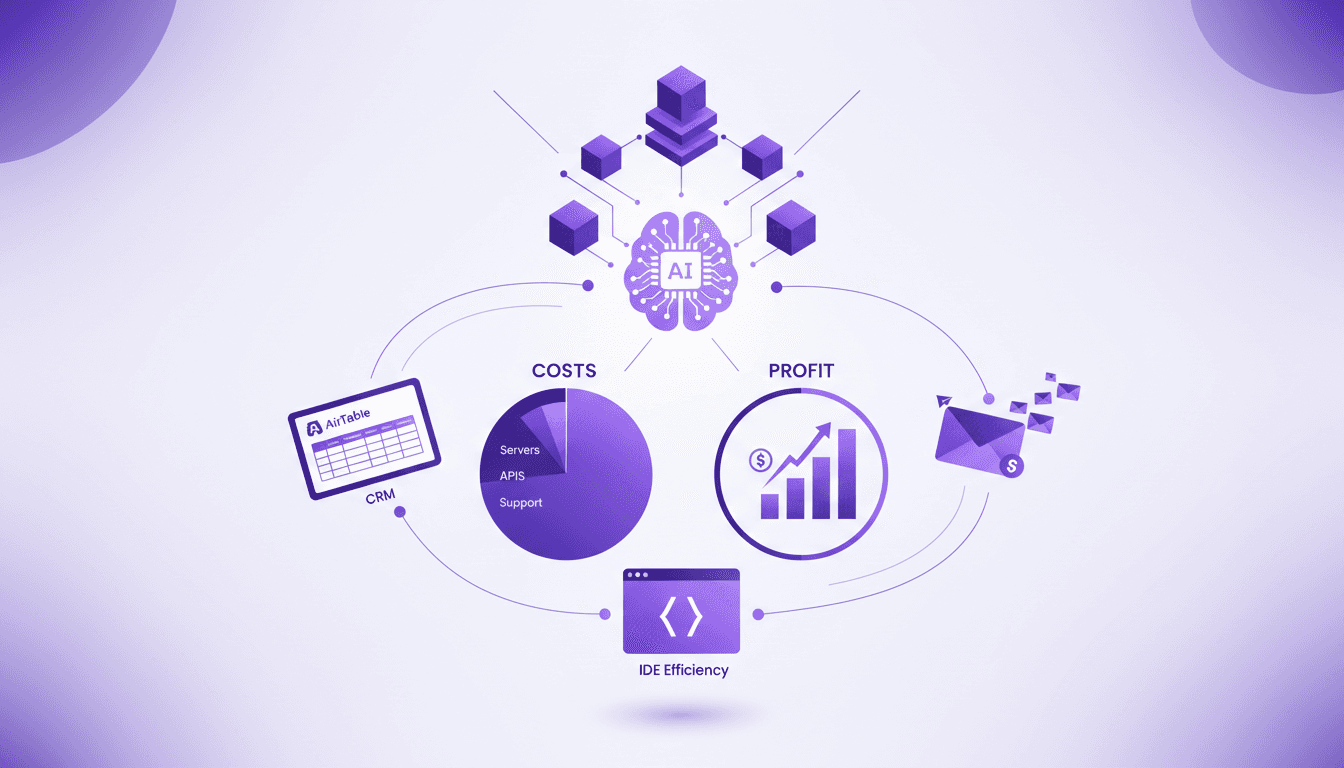
Tech Stack: Building a $25K/Month App
I remember the moment I realized my timer app was pulling in $25K a month. Not a dream, but a reality. Let me walk you through the tech stack that made this possible. In this article, I break down the tools, costs, and strategies powering my app, focusing on efficiency and cost management. Discover why Air Table is my go-to CRM, how Postmark handles our email communications, and the game-changing impact of an optimized development environment. We're talking real numbers here: $280 for servers, $250 on tools, and $1,400 on ads. No abstract theories—just concrete insights for those ready to build something profitable.

AI Studio & Gemini: Revolutionizing Development
I remember when AI Studio was just a whisper in the tech corridors. Fast forward to today, it's a game changer—especially with Gemini models in the mix. In just 18 months, AI Studio has crossed critical milestones, integrating cutting-edge features like multimodal capabilities. This isn't just for the tech elite; it's democratizing development for everyone. Let me walk you through how this evolution isn't just hype, but a real shift in how we build and innovate. I've connected Gemini models, orchestrated complex projects, and avoided some pitfalls that I share here. We also talk about mobile platform expansion, agentic engineering, and AI's role in robotics. In short, AI Studio is no longer a dream; it's our reality.
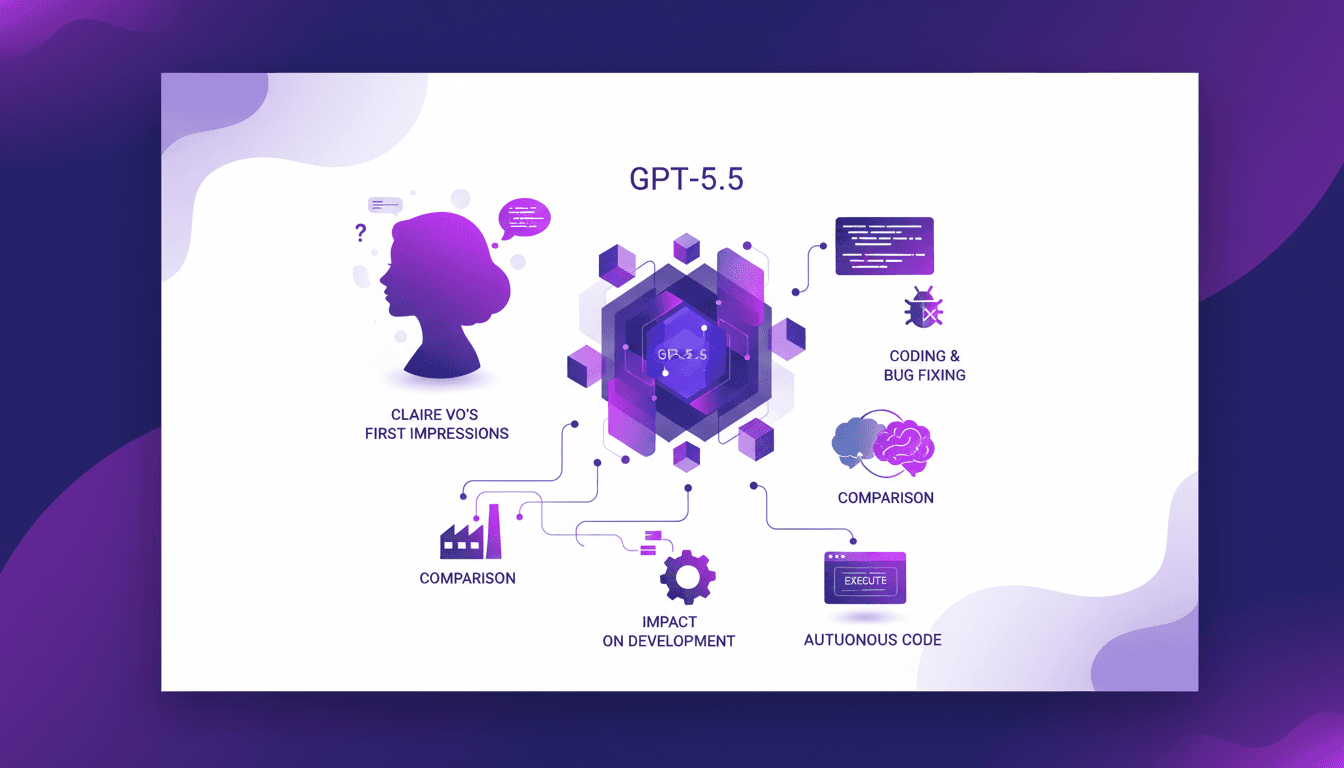
First Impressions of GPT-5.5 by Claire Vo
I remember when I first dove into GPT-5.5. It felt like opening a toolkit with a new, sharper tool, ready to redefine how I handle coding tasks. Claire Vo shares her first impressions of this model that seems to push the boundaries of AI in software development. From autonomous code execution to bug fixing, there's a lot to explore. And with a 98% accuracy in fixing bugs, it's no empty promise. In this interview, Claire takes us through her discoveries, comparing GPT-5.5 with previous models and assessing its potential impact on the software development process.
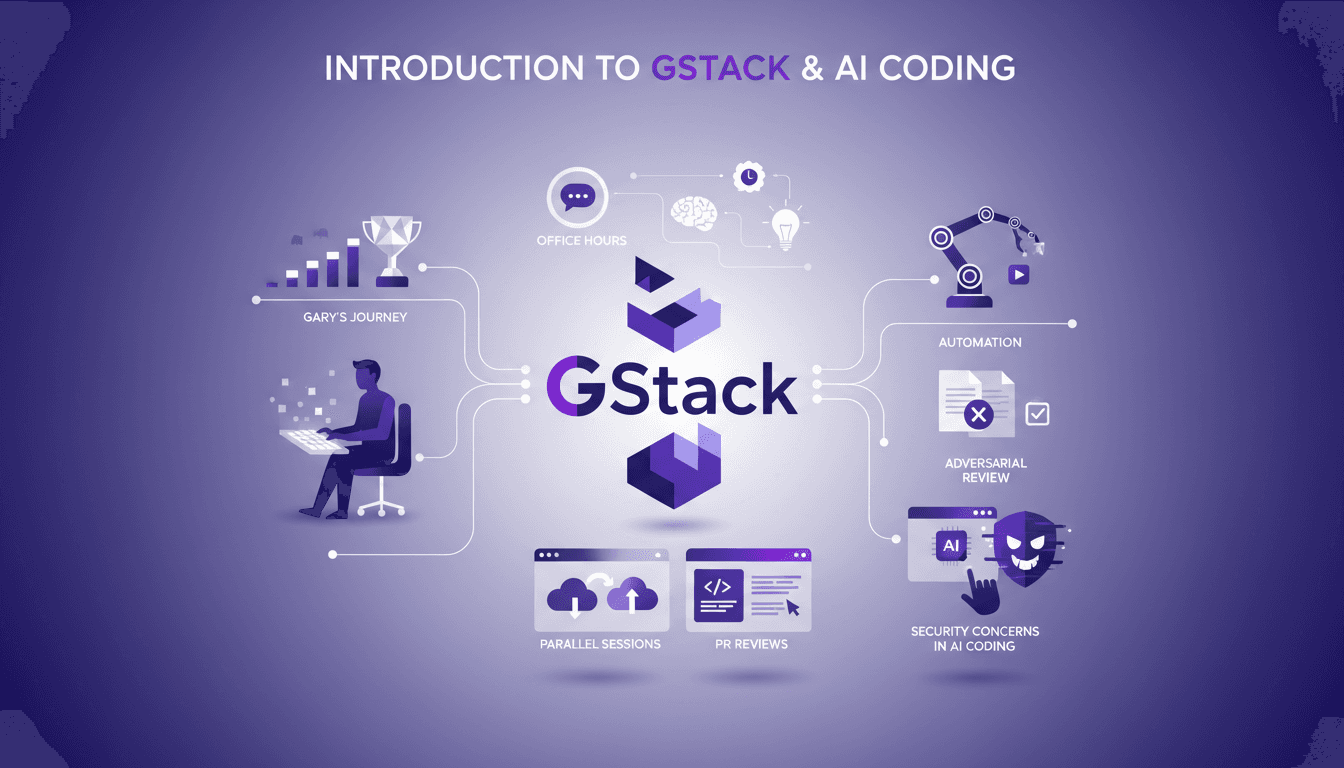
Setting Up GStack: My Experience with Claude Code
I've been deep in the trenches with GStack and Claude Code, and let me tell you, the way Garry Tan orchestrates his workflow is something else. From coding marathons to leveraging office hours for refining startup ideas, there’s a lot to unpack here. GStack is a powerhouse for automation in software development, and Garry has taken it to new heights. In this article, we dive into his tools, his methods, and the lessons we can all learn. We'll explore his use of GStack for automation, parallel cloud code sessions, and how he integrates AI into his process. But watch out, there are security concerns not to overlook.