AgentCraft: Scaling Agent Orchestration Efficiently
I dove into AgentCraft headfirst, driven by the need to orchestrate our agents more efficiently. It's like putting the 'orc' in orchestration. Right off the bat, the scale was both daunting and exhilarating. AgentCraft employs gaming principles to enhance collaboration between humans and AI agents. In this article, I share my journey implementing AgentCraft, the challenges faced, and the solutions I found. We dive into visibility, automation, collaboration, and the crucial role of feedback. Trust me, I got burned a few times before nailing the right approach. If you're serious about mastering human-agent orchestration, keep reading.
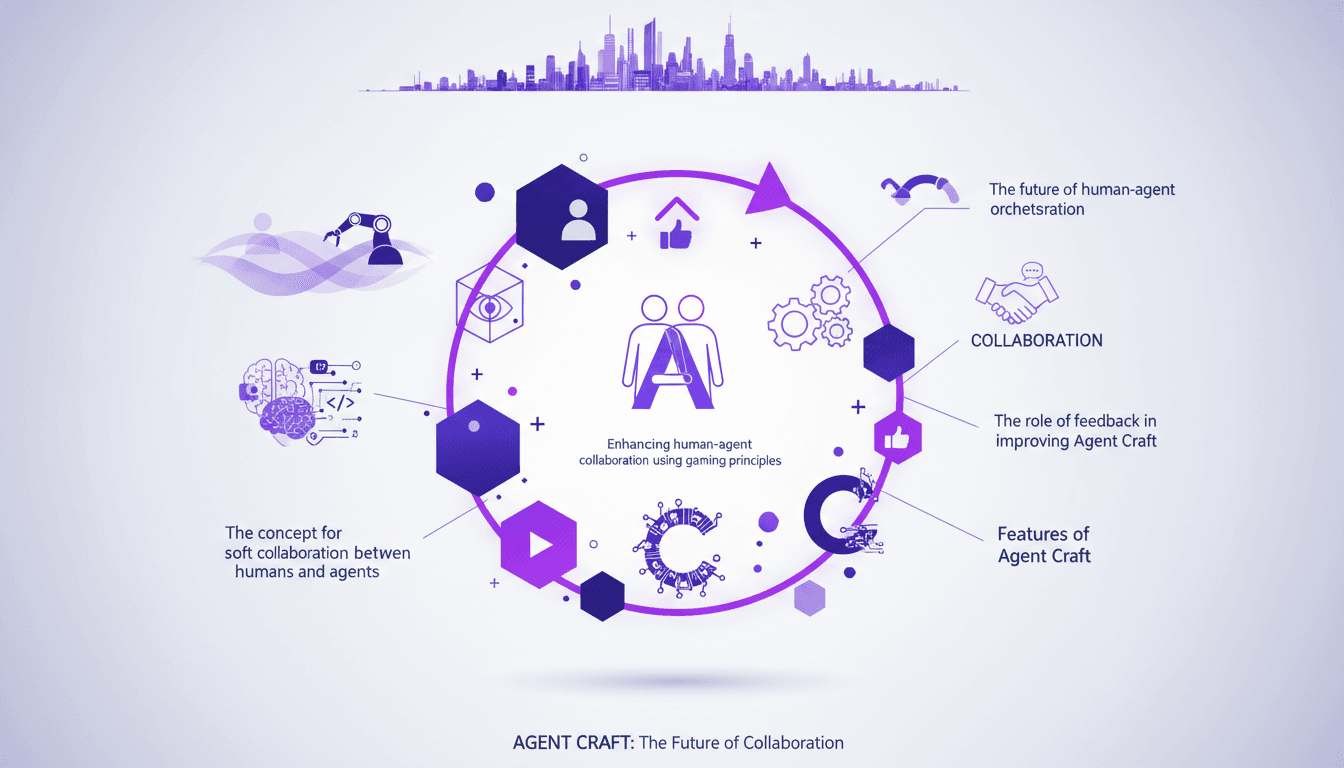
I dove headfirst into AgentCraft, driven by the urgent need to optimize our agent orchestration. Picture it: putting the 'orc' in orchestration. From the get-go, the task was both overwhelming and exhilarating. AgentCraft leverages gaming principles to enhance human-AI agent collaboration. Initially, I was caught by the complexity—between automation, visibility, and this idea of soft collaboration. I had to recalibrate my approach several times, especially when I realized I'd underestimated the importance of feedback loops. In this article, I lay out the concrete steps I took to integrate AgentCraft, the challenges faced, and how I overcame them. If you're genuinely looking to elevate human-agent orchestration, follow along on my journey.
Understanding AgentCraft and Its Purpose
AgentCraft is built for scaling agent orchestration, addressing both visibility and automation. When I started using it, my first step was mapping out our existing agent processes to see where AgentCraft could fit in. It was like laying the foundation stones for a new construction. What intrigued me were the gaming principles the tool promised to incorporate to facilitate collaboration. But the real challenge was integrating 10 to 100 different agents seamlessly.
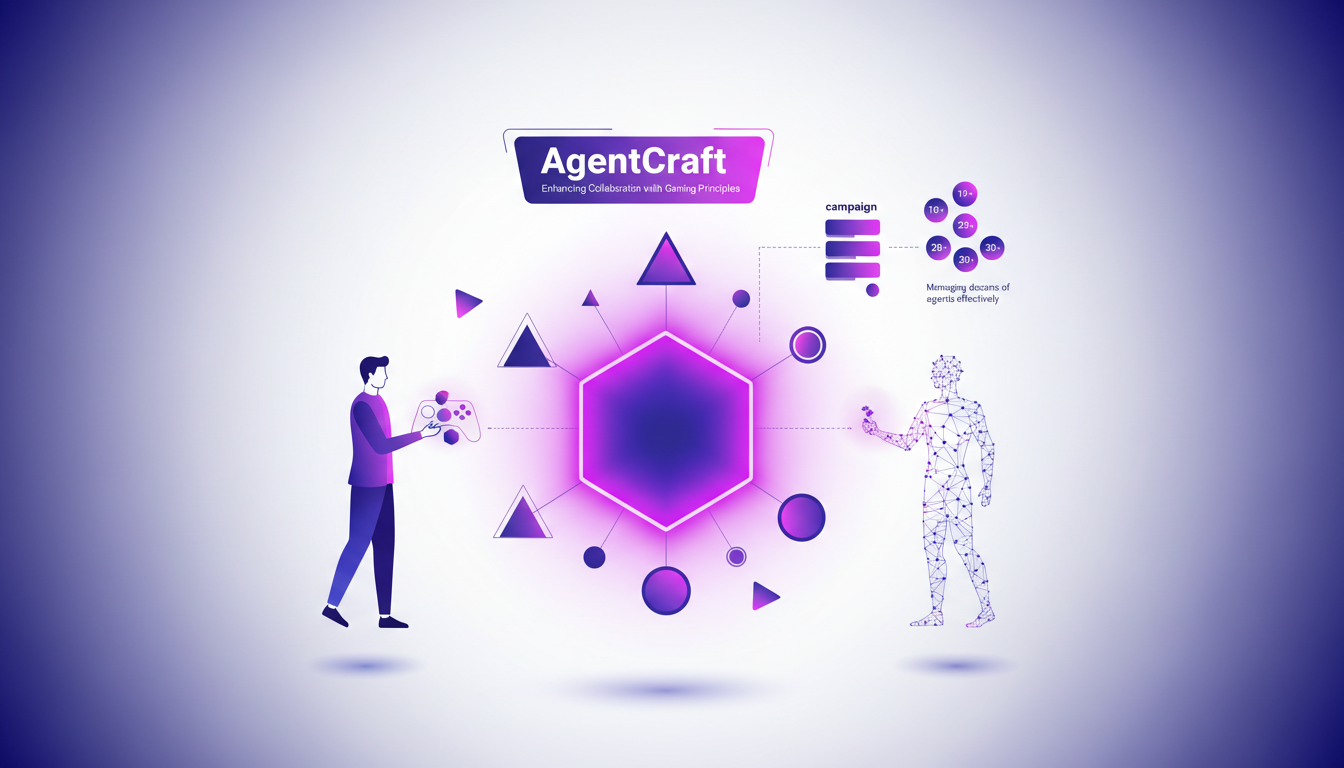
What I discovered is that AgentCraft, created by Ido Salomon, uses lessons from gaming to elevate the level of collaboration between humans and agents. It's a tool that allows visualizing agent activities in a tangible way, on a map, and tracking their mission status.
"AgentCraft raises the ceiling of human-agent collaboration by transferring learnings from gaming into productivity."
- AgentCraft facilitates orchestration of 10 to 100 agents.
- Gaming principles promise better collaboration.
- Mapping and visibility are essential for integrating the tool.
Enhancing Collaboration with Gaming Principles
AgentCraft uses these gaming principles to improve human-agent interactions. I leveraged these principles to foster a soft collaboration environment. The campaign feature was crucial in managing dozens of agents effectively. It felt like orchestrating a symphony where each instrument plays its part seamlessly.
However, watch out for over-reliance on automation. It can lead to oversight. I've learned that, even in an automated world, manual checks sometimes remain faster and safer.
- Gaming principles foster soft collaboration.
- The campaign feature manages multiple agents in parallel.
- Don't overuse automation to avoid oversight.
Features of AgentCraft: Visibility and Automation
Visibility through heat map visualization was a real game changer for me. It allowed us to see where agents were active and optimize operations. Automation helped us scale operations 100 times more effectively. But don't overuse automation; sometimes manual checks are faster and safer.
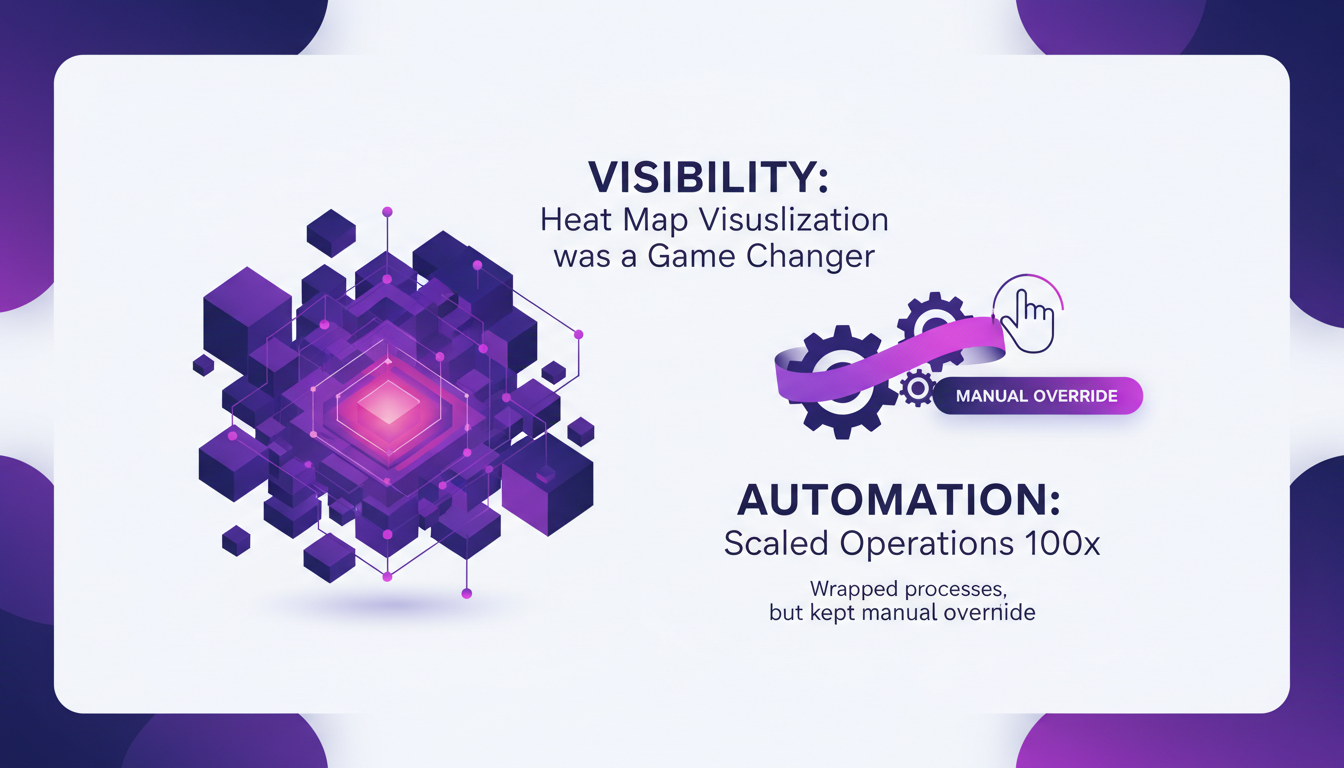
I wrapped our processes in AgentCraft's automation features while keeping a manual override. This allowed me to react quickly to changes and maintain quality control.
- The heat map provides unrivaled visibility.
- Automation multiplied efficiency by 100.
- Manual checks remain essential for certain tasks.
Feedback Loop and Future Improvements
Feedback is crucial in refining AgentCraft's orchestration capabilities. I set up a continuous feedback loop with my team to spot issues early. This allowed us to foresee future improvements, like more intuitive interfaces and better integration.
Balancing feedback with action is key. Too much feedback can stall progress, while too little can lead to rushed solutions.
- Continuous feedback improves the tool.
- Foresee more intuitive interfaces.
- Balance feedback and action to avoid stagnation.
Skills Needed for Effective Use of AgentCraft
Understanding both technical and human aspects is essential. I developed skills in data visualization and process management. But soft skills like communication and adaptability are just as important. Training is ongoing; there's always a new feature or update to master.
AgentCraft also encourages its users to provide feedback for further improvements, highlighting the importance of collaboration and feedback loops in optimizing human-agent interactions.
- Develop technical and human skills.
- Soft skills are crucial.
- Training is perpetual with AgentCraft.
Ultimately, understanding and using AgentCraft requires a balanced mix of technical and human skills. It's a powerful tool that, when used effectively, can transform the way we orchestrate and collaborate with agents.
AgentCraft has genuinely transformed how I orchestrate agents. First, its visibility and automation turn human-agent collaboration into a real symphony. Then, I can scale from 10 to 100 agents without losing efficiency – it’s 100 times more amazing. But watch out, managing feedback is crucial to avoid pitfalls.
- Smooth and collaborative orchestration through automation.
- Impressive scalability: from 10 to 100 agents with ease.
- The importance of feedback to continuously improve.
AgentCraft is a real game changer in my daily operations, but don't underestimate the technical challenges along the way. If you're looking to truly scale your agent operations, dive into AgentCraft. Start small, learn fast, and watch your orchestration become a masterpiece.
For a complete view and further insights, I highly recommend watching the original video "AgentCraft: Putting the Orc in Orchestration" by Ido Salomon on YouTube. It’s a real treat for anyone looking to go further.
Frequently Asked Questions

Thibault Le Balier
Co-fondateur & CTO
Coming from the tech startup ecosystem, Thibault has developed expertise in AI solution architecture that he now puts at the service of large companies (Atos, BNP Paribas, beta.gouv). He works on two axes: mastering AI deployments (local LLMs, MCP security) and optimizing inference costs (offloading, compression, token management).
Related Articles
Discover more articles on similar topics
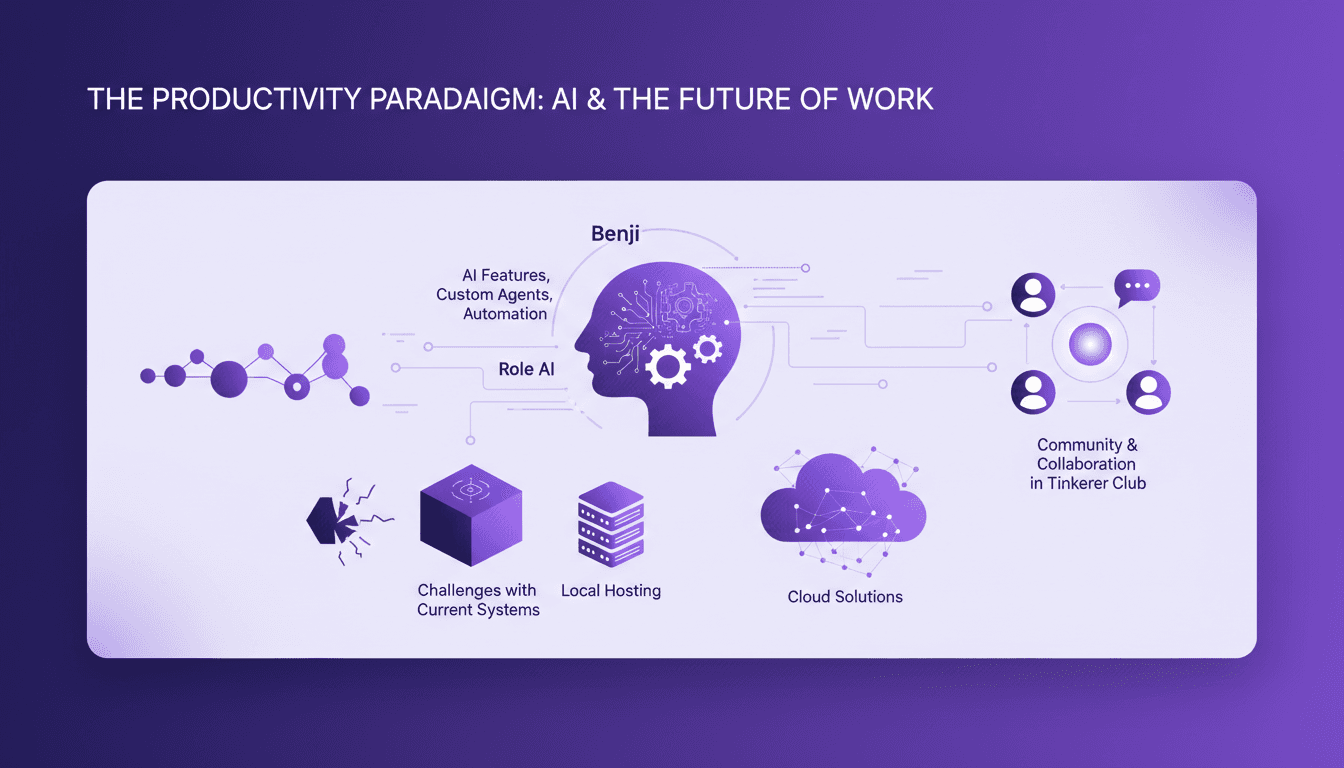
End of Apps: Evolution with Benji and AI
I've been obsessed with productivity tools since I was 10. Fast forward to today, I'm 34 and still chasing the perfect system. I built Benji to simplify and redefine how we work. This isn't just another app—it's a new approach to productivity that challenges the very concept of apps. Benji incorporates AI, local hosting, and custom agents to automate our workflows. The challenges with current systems are plenty, but by approaching them differently, we can maximize efficiency. Join me as we explore how Benji and the Tinkerer Club community are making a difference.
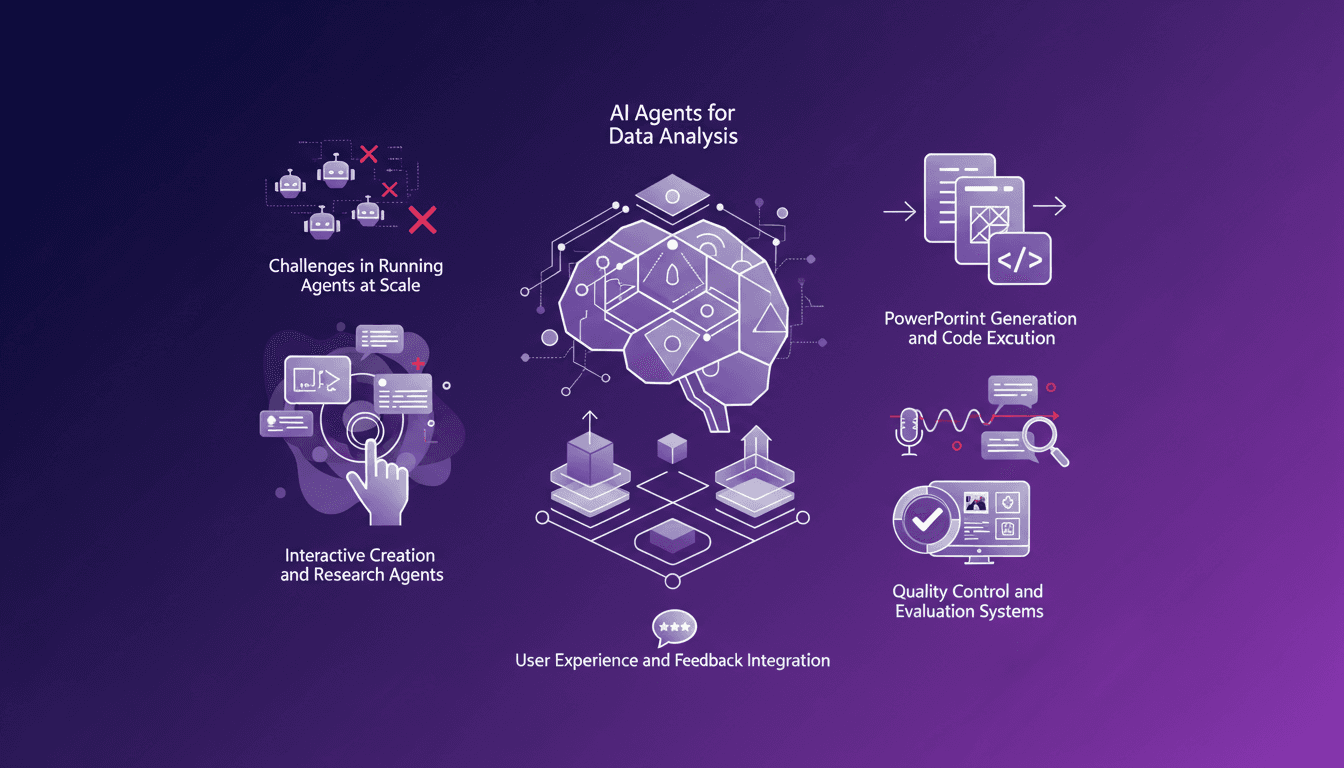
AI Agents for Analysis: Challenges and Solutions
When I say I've spent hours in the trenches orchestrating AI agents for data analysis, I mean it. Generic agents look great in demos, but in real life, you have to juggle robust architectures, integrate user feedback, and more. Take the challenge of spawning 500 agents for a specific tool, for instance—it's a puzzle. Plus, a single analysis run can easily take 30 minutes, and trust me, those minutes add up fast. I'm sharing my solutions, my mistakes, and what truly works.
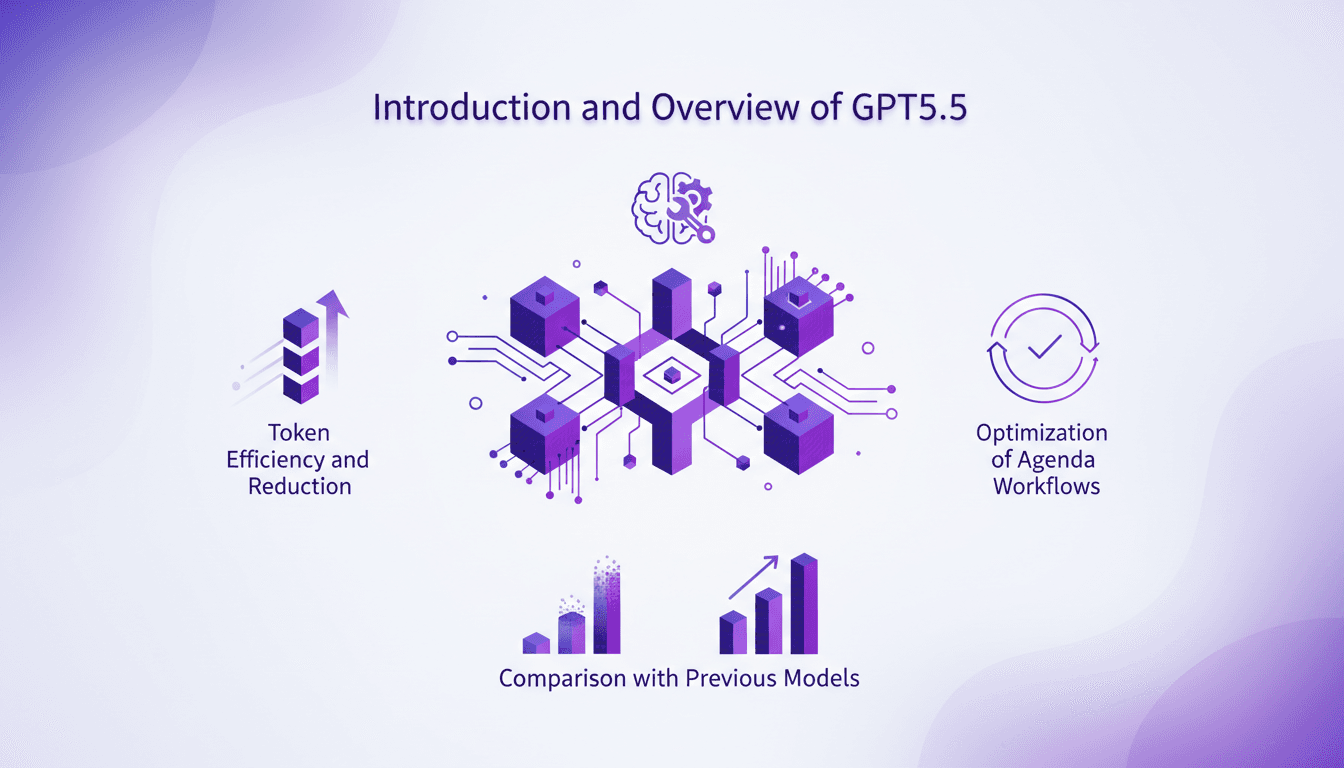
Introducing GPT5.5: Efficiency and Tools
I remember vividly the first time I integrated GPT5.5 into my workflow. It wasn't just an upgrade; it was a complete game changer. This model reshaped my daily operations, from token efficiency to building internal tools. With GPT5.5, I managed to cut down token usage by 56%, significantly impacting costs and execution speed. I even built an internal tool in just one hour, a personal record. Let's dive into the practical applications of GPT5.5 and see how it optimized my workflows compared to previous models. Get ready to discover the benefits of this new AI generation.
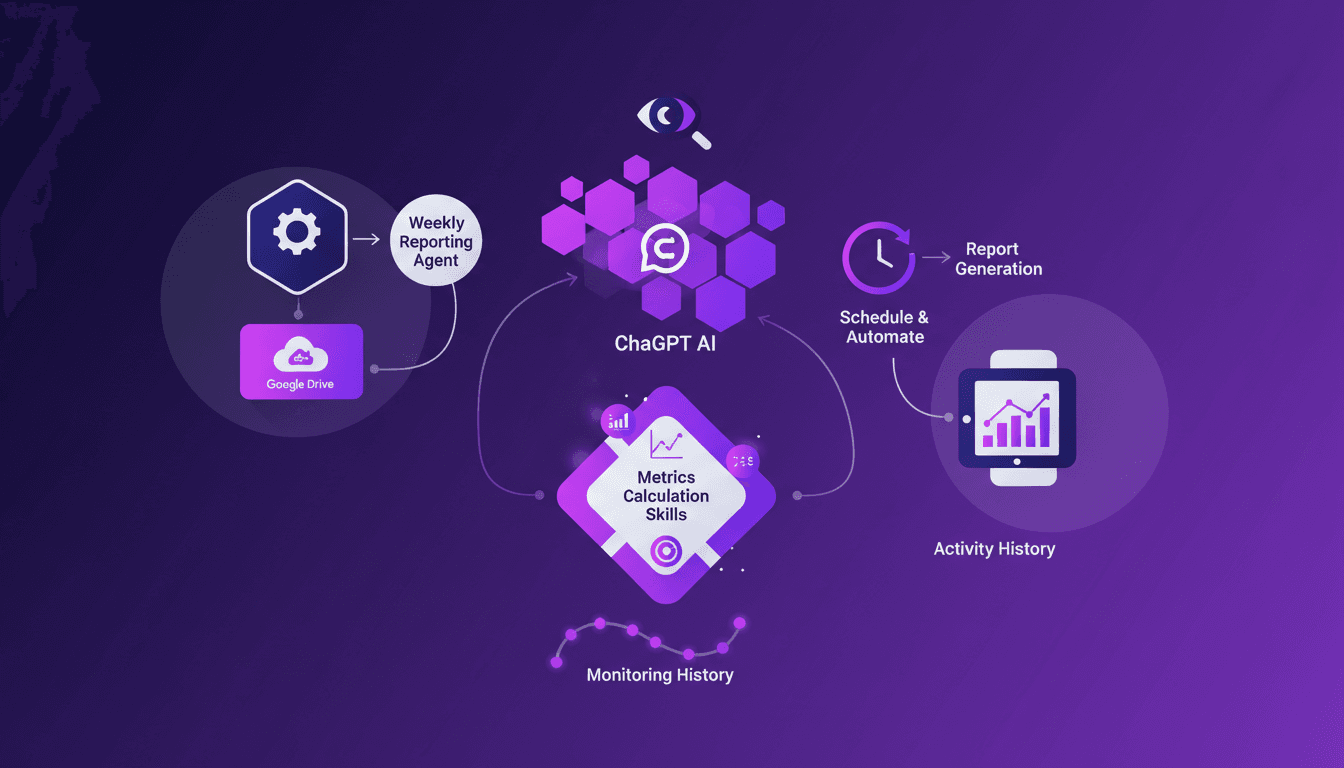
Set Up Weekly Reporting Agent in ChatGPT
Does your Friday feel like a battle with spreadsheets trying to gather weekly metrics? I was in the same situation until I built a ChatGPT agent to handle it. In this article, I'll walk you through automating your weekly reports by leveraging Google Drive and smart AI integration. Setting up a reporting agent involves first connecting your data, orchestrating its processing with ChatGPT, and finally automating everything so that every Friday, your report is ready without lifting a finger. Plus, I'll share how I monitor the agent's activities to ensure everything runs smoothly. When efficiency meets innovation, results align. Don't let numbers overwhelm you; optimize your workflow!
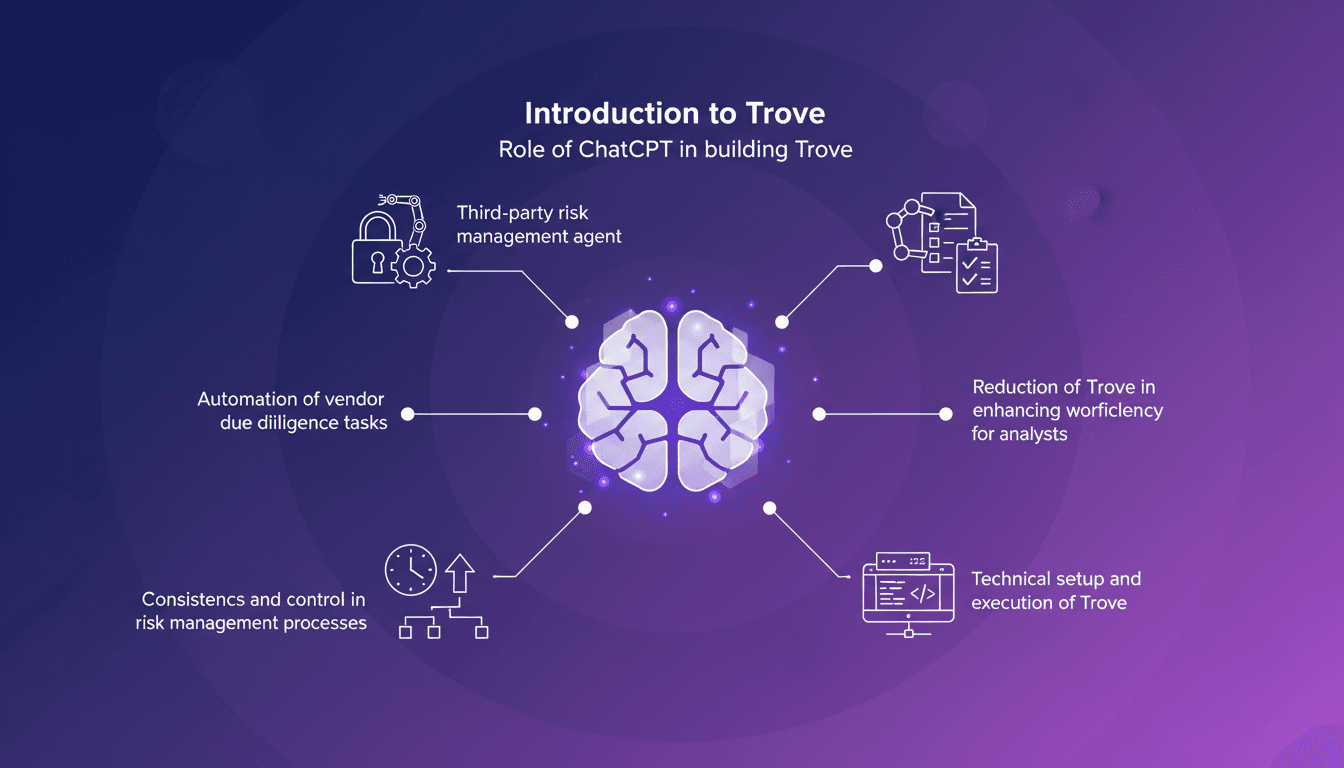
Managing Third-Party Risks with Trove and ChatGPT
I remember when managing third-party risks felt like wrestling with spreadsheets. Then I discovered Trove, and everything changed. With ChatGPT, I built a game-changing tool that slashes manual work and boosts efficiency. Trove automates vendor due diligence, making the process faster and more consistent. Let me walk you through how I integrated ChatGPT into Trove to automate these tasks. Throughout this journey, I learned how to orchestrate everything — from the technical setup to execution — saving a ton of time and providing unmatched consistency in risk management.