Managing Third-Party Risks with Trove and ChatGPT
I remember when managing third-party risks felt like wrestling with spreadsheets. Then I discovered Trove, and everything changed. With ChatGPT, I built a game-changing tool that slashes manual work and boosts efficiency. Trove automates vendor due diligence, making the process faster and more consistent. Let me walk you through how I integrated ChatGPT into Trove to automate these tasks. Throughout this journey, I learned how to orchestrate everything — from the technical setup to execution — saving a ton of time and providing unmatched consistency in risk management.
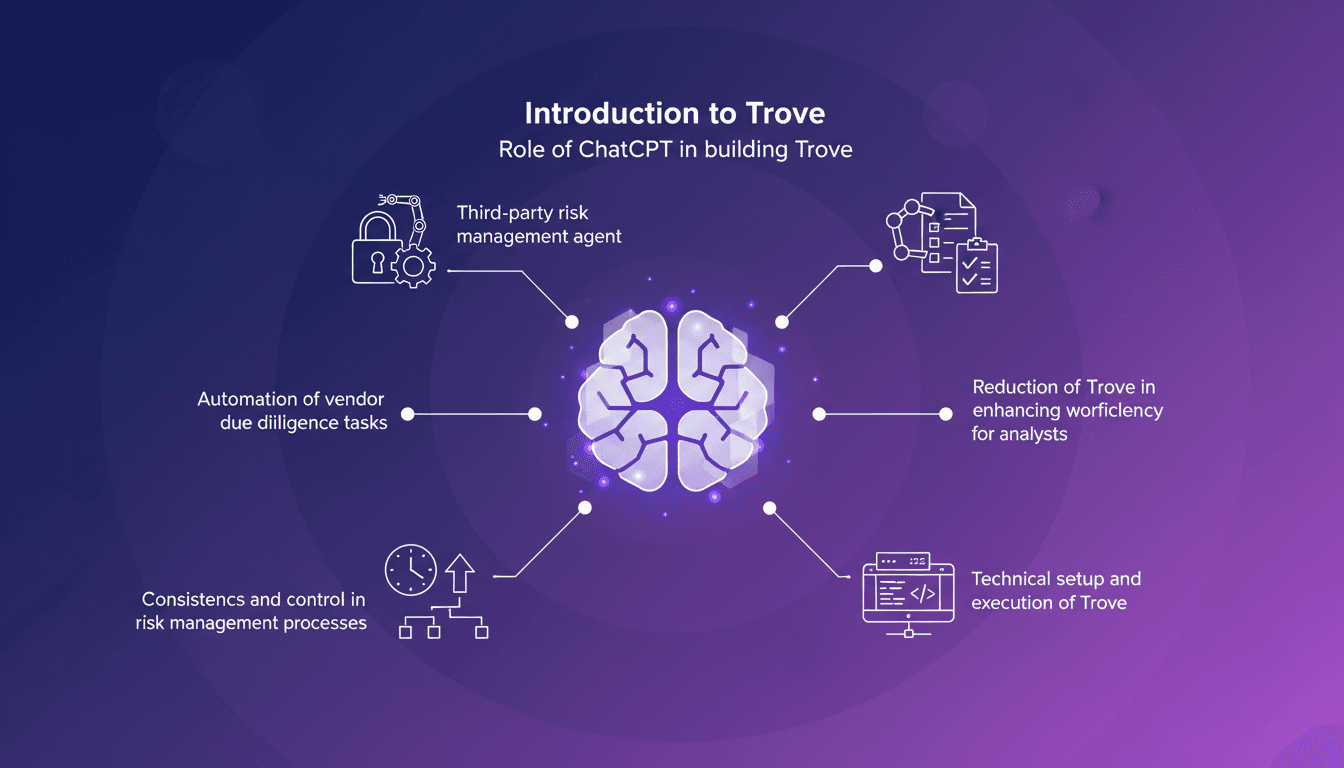
I still remember the days when managing third-party risks felt like I was waging war against endless spreadsheets. Then I discovered Trove, and everything changed. With the help of ChatGPT, I built a tool that truly revolutionized how I work — slashing manual labor and boosting efficiency. Trove is like having a due diligence expert working for you in a matter of seconds. Let me show you how I integrated ChatGPT into Trove to automate these vital tasks. With this technology, the process takes just minutes. By orchestrating the technical setup and execution of Trove, I've not only saved precious time but also enhanced the consistency and control of my risk management processes. No more surprises, no more inconsistencies. Just smooth, efficient management.
Setting the Stage: What is Trove?
When I first came across Trove, it felt like a breath of fresh air in the cluttered world of third-party risk management. Trove is essentially a third-party risk management agent that automates vendor due diligence tasks. Built on the capabilities of ChatGPT, it streamlines processes by tackling complex risk assessments swiftly and accurately. I use it to handle risk assessments that would otherwise take days. In short, Trove is like magic for those of us deep in the trenches of risk management.
The most fascinating part is how Trove fits into our daily workflow. It accelerates time-intensive vendor due diligence with more consistency and control. But don't be fooled by its apparent simplicity; monitoring its behavior and adjusting it according to your team's best practices is crucial.
Building Trove with ChatGPT: A Step-by-Step Guide
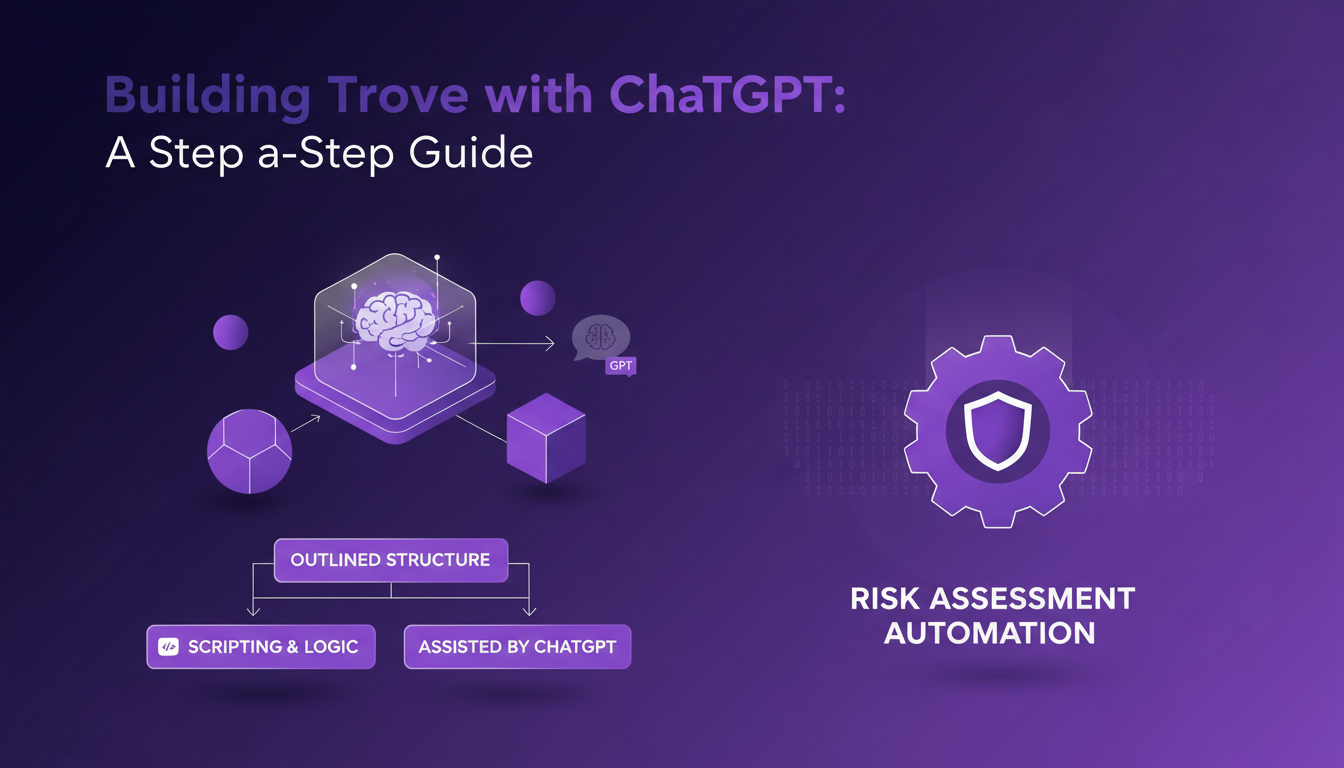
Initially, I outlined Trove's structure with the help of ChatGPT. This is where the magic begins. Using ChatGPT, I defined the script and logic behind the agent. It allowed me to build a solid architecture without needing complex technical engineering resources. Trove leverages ChatGPT's natural language processing capabilities, which is a major asset for automating risk assessment tasks.
However, there's a critical aspect not to overlook: context limits. When dealing with complex queries, you have to watch token usage. I got burned a few times before realizing that pushing these limits too far could lead to poor performance.
Here's the concrete process I followed:
- Define Trove's goals and needs with ChatGPT.
- Write the script and logic for risk assessments.
- Test context limits to avoid poor performance.
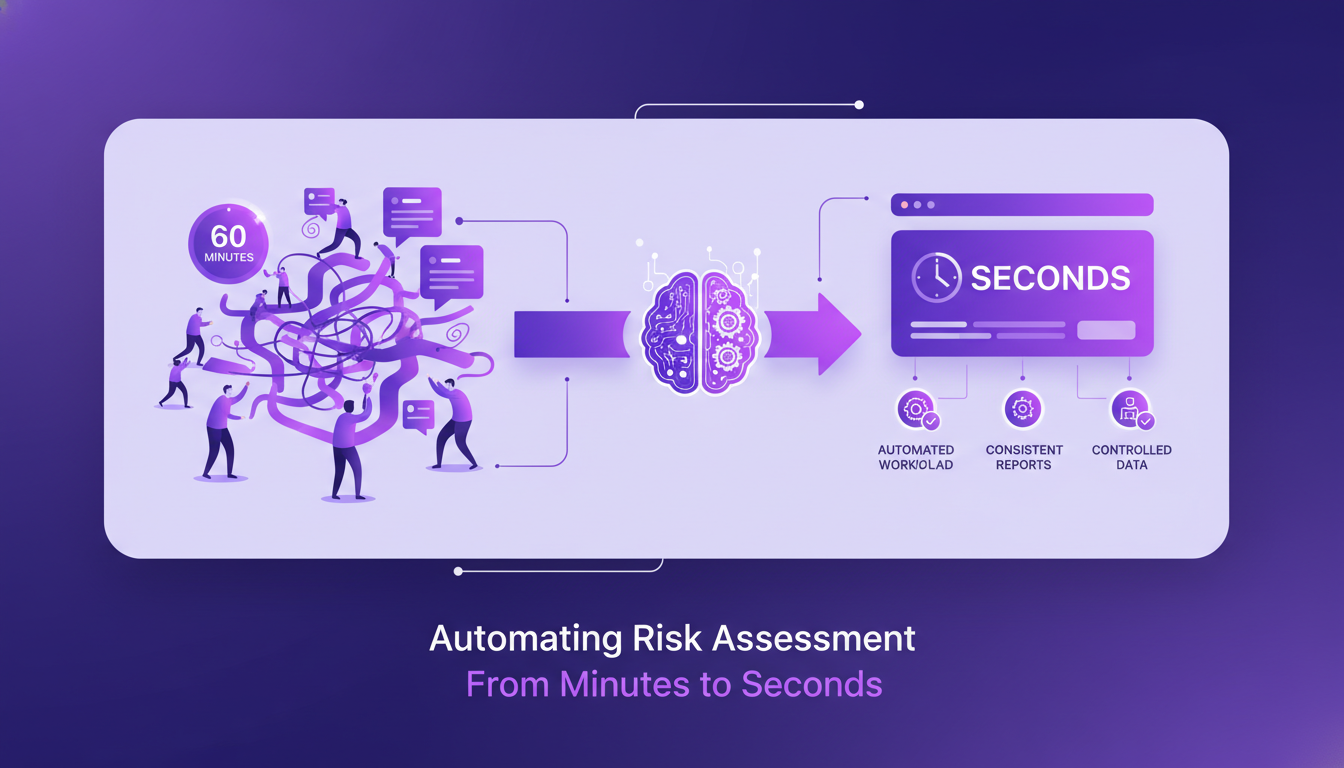
Automating Risk Assessment: From Minutes to Seconds
With Trove, tasks that used to take minutes (if not hours) are now executed in seconds. It's a quantum leap in terms of time savings. Automation has significantly reduced the manual workload, allowing me to focus on higher-value tasks.
One of the most valuable aspects is the consistent and controlled report generation. Before Trove, each report was a journey in itself. Now, everything is structured and ready for quick human review. But watch out, you must always check data quality and input accuracy. Errors can creep in quickly if you're not vigilant.
Testing and Previewing: Ensuring Trove's Functionality
I tested Trove with real-world scenarios to ensure its reliability. Previewing functionality is essential to guarantee the agent works as intended. Each iteration of testing allowed me to refine the outputs.
However, don't rely too much on automated results. Even with a tool this powerful, human validation is necessary to avoid costly mistakes. Continuous iteration is key to improving outputs and avoiding pitfalls.
Benefits and Trade-offs: The Real Impact of Trove
Trove has truly transformed our workflow efficiency. It reduces manual errors and increases process consistency. However, there are trade-offs, especially concerning initial setup time. Between structuring with ChatGPT and testing, there's a non-negligible time investment.
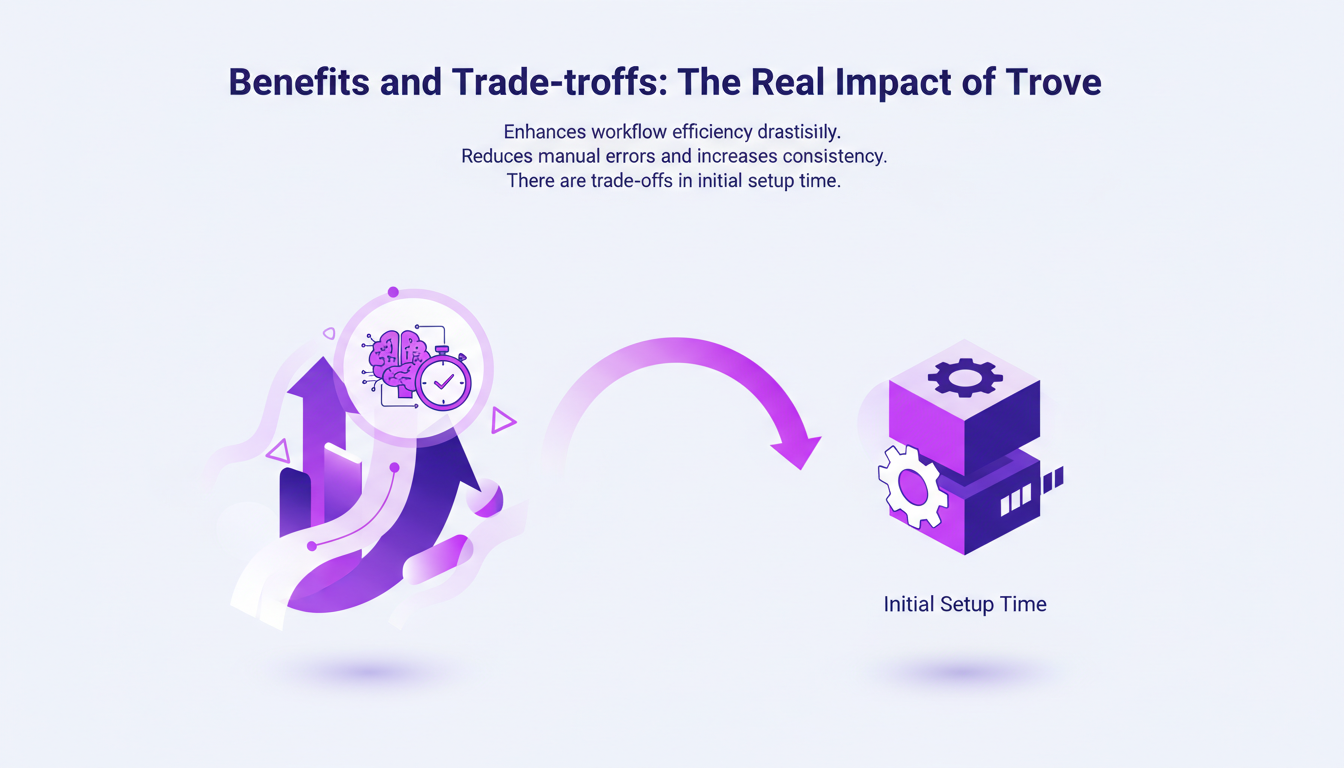
However, the long-term benefits far outweigh the initial costs. Automating tedious tasks frees up time to focus on critical analysis and innovation. In the end, Trove is not just a tool; it's a catalyst for efficiency within our team.
Trove has really transformed how I handle third-party risks. Automating vendor due diligence not only saves me time but also reduces errors. Sure, setting it up takes some effort, but the efficiency payoff is undeniable.
- Trove automates vendor due diligence tasks in seconds, freeing up time for other priorities.
- The integration with ChatGPT boosts Trove's capability to handle complex tasks in minutes.
- While the initial setup is a challenge, the time savings and error reduction are worth it.
Looking ahead, I see Trove as an essential tool for any business looking to optimize risk management. Ready to revolutionize your risk management process? Dive into Trove and experience the change for yourself. For a deeper understanding and practical insights, I'd suggest watching the original video on YouTube. It's a must-watch for anyone serious about mastering this tool.
Frequently Asked Questions

Thibault Le Balier
Co-fondateur & CTO
Coming from the tech startup ecosystem, Thibault has developed expertise in AI solution architecture that he now puts at the service of large companies (Atos, BNP Paribas, beta.gouv). He works on two axes: mastering AI deployments (local LLMs, MCP security) and optimizing inference costs (offloading, compression, token management).
Related Articles
Discover more articles on similar topics
Managing Third-Party Risks with Trove and ChatGPT
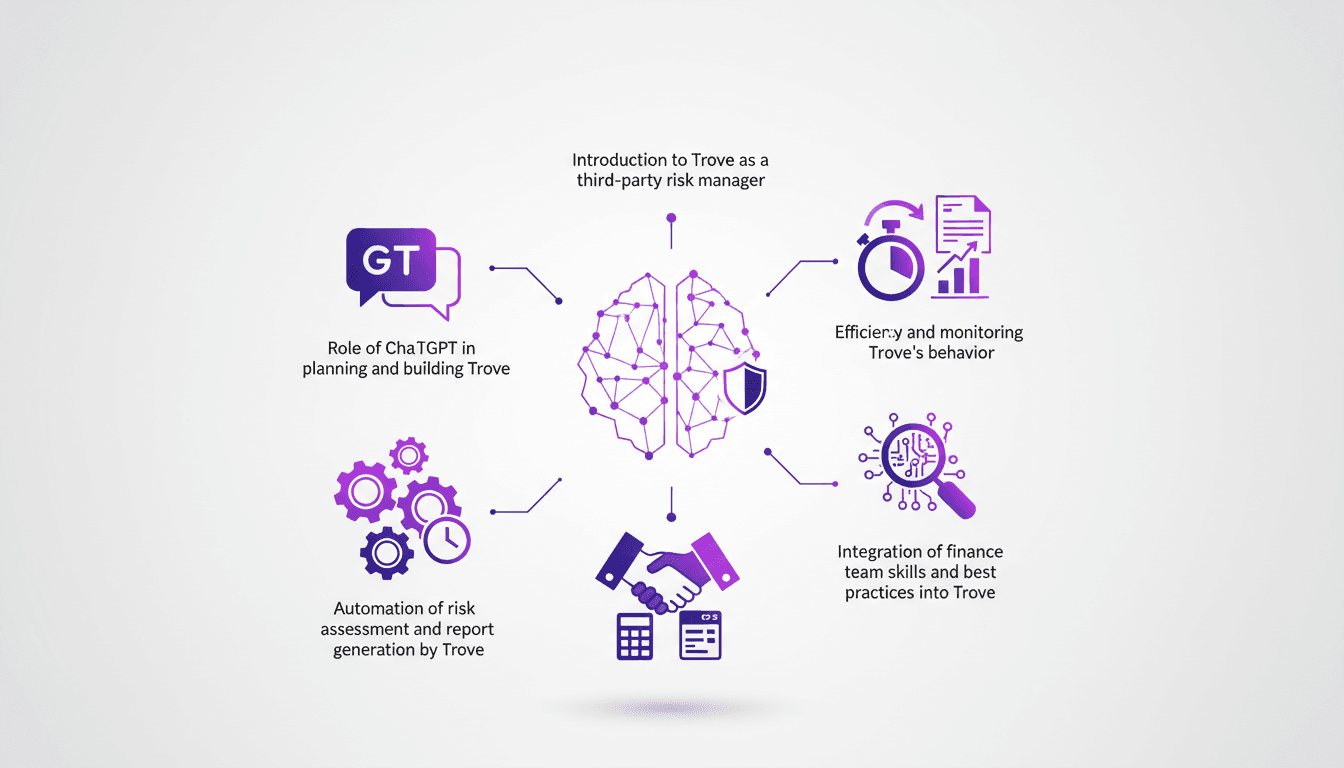
I've been in the trenches of risk management for years, and when I first stumbled upon Trove, I knew it could change the game. Trove, paired with ChatGPT, offers a fresh approach to handling vendor due diligence with automation at its core. First, I connect Trove to our risk management system, then I integrate ChatGPT to automate risk assessment and report generation. In a matter of minutes, Trove completes what used to take hours. But watch out, you need to monitor its behavior and align it with our finance team's best practices. I'll walk you through how I orchestrated this integration and the efficiency gains I've seen.
Slate: Software Review Agent in Action
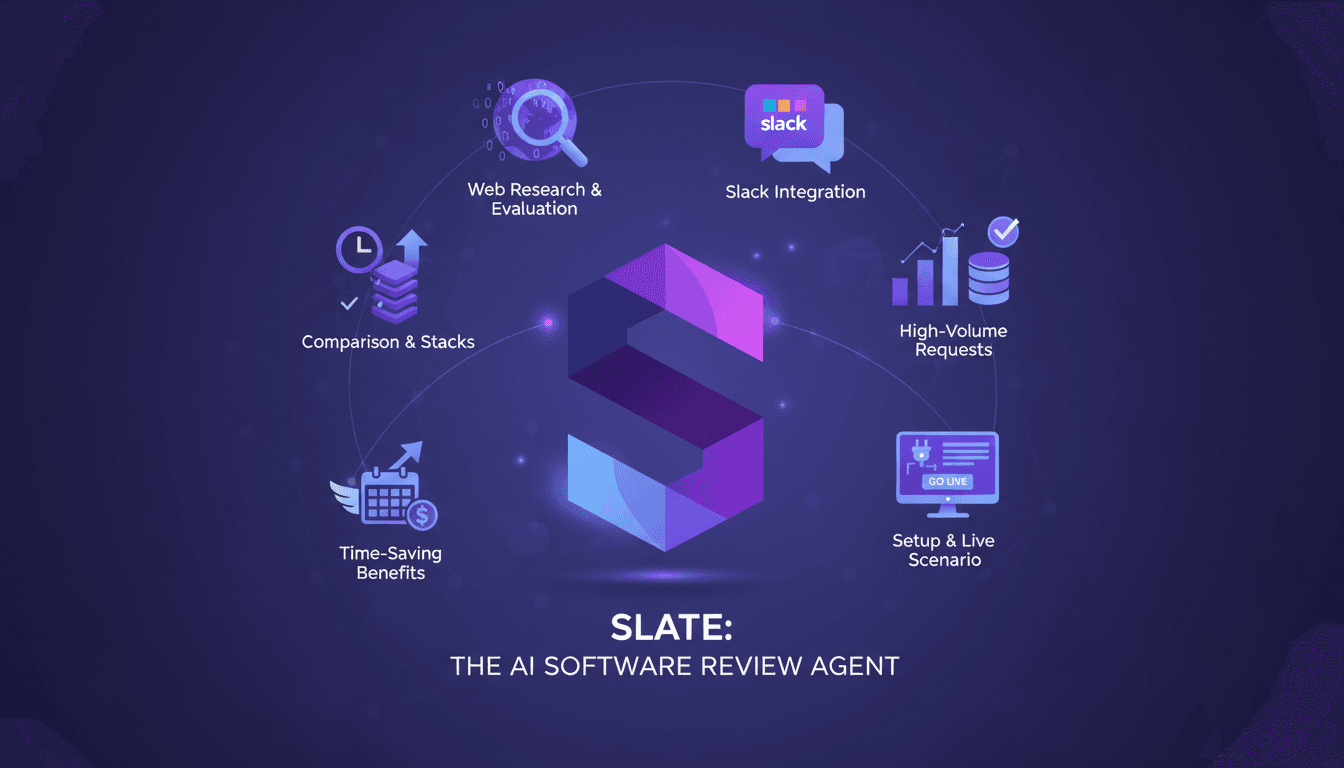
I've spent years in the trenches of IT procurement, juggling endless software requests and trying to keep everyone happy. Then I discovered Slate, a software review agent, and it was a real game-changer. Slate doesn't just perform web research; it evaluates software based on our approved stacks. And the best part? Its seamless integration with Slack makes it a powerhouse for IT and procurement teams. In this article, I'll walk you through how I set up Slate and how it has revolutionized our request management, especially during high-volume periods. Time savings, stress reduction: I'm sharing my experience with you.
Optimize Reporting: Agent, ChatGPT, Google Drive
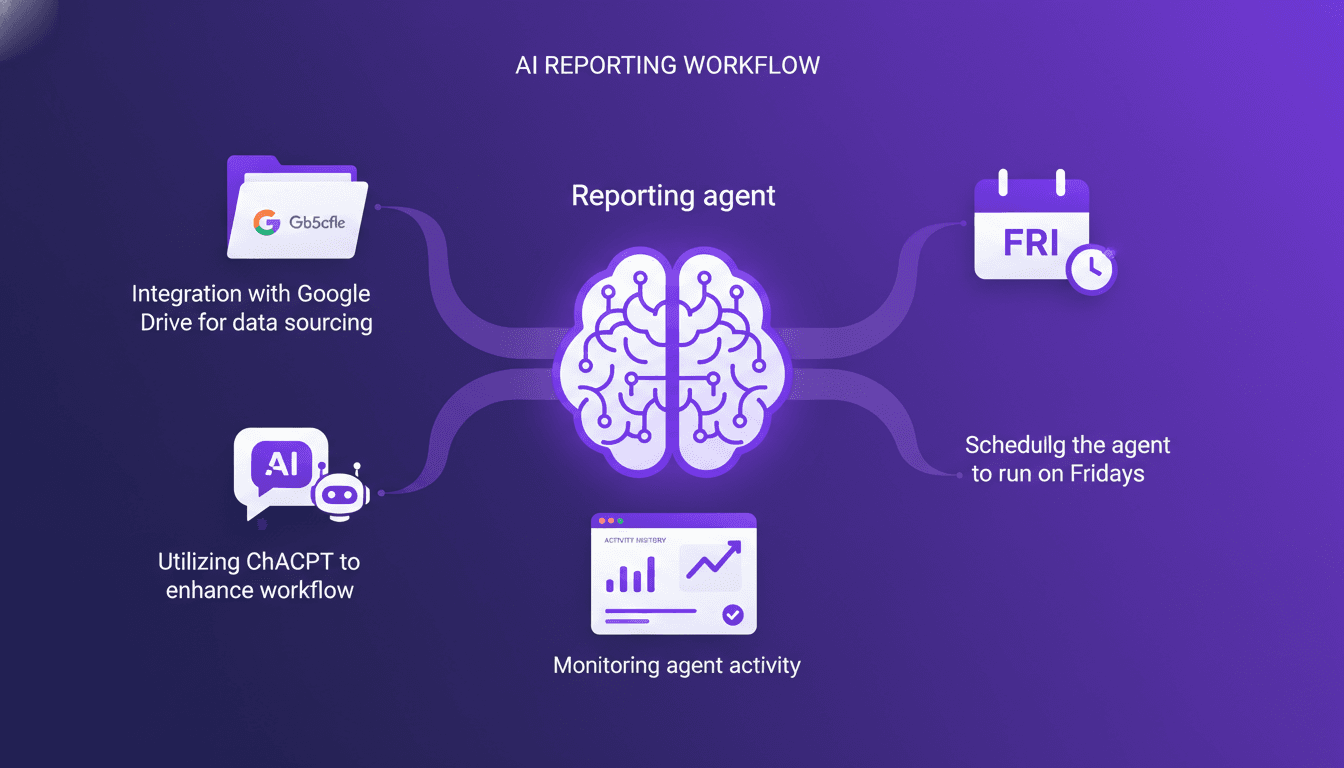
Every Friday, like clockwork, my reporting agent kicks into gear. I set up this system to pull data from Google Drive, crunch numbers with ChatGPT, and deliver a slick weekly report. I hit some snags along the way, as any builder does, but I'll walk you through how I pieced it all together. You'll see how I tackled challenges, streamlined workflows, and how you can do the same to automate your reporting. On the agenda: integrating Google Drive for data sourcing, leveraging ChatGPT to enhance processing, and weekly scheduling to keep everything running smoothly.
Building a Product Feedback Agent: Step-by-Step
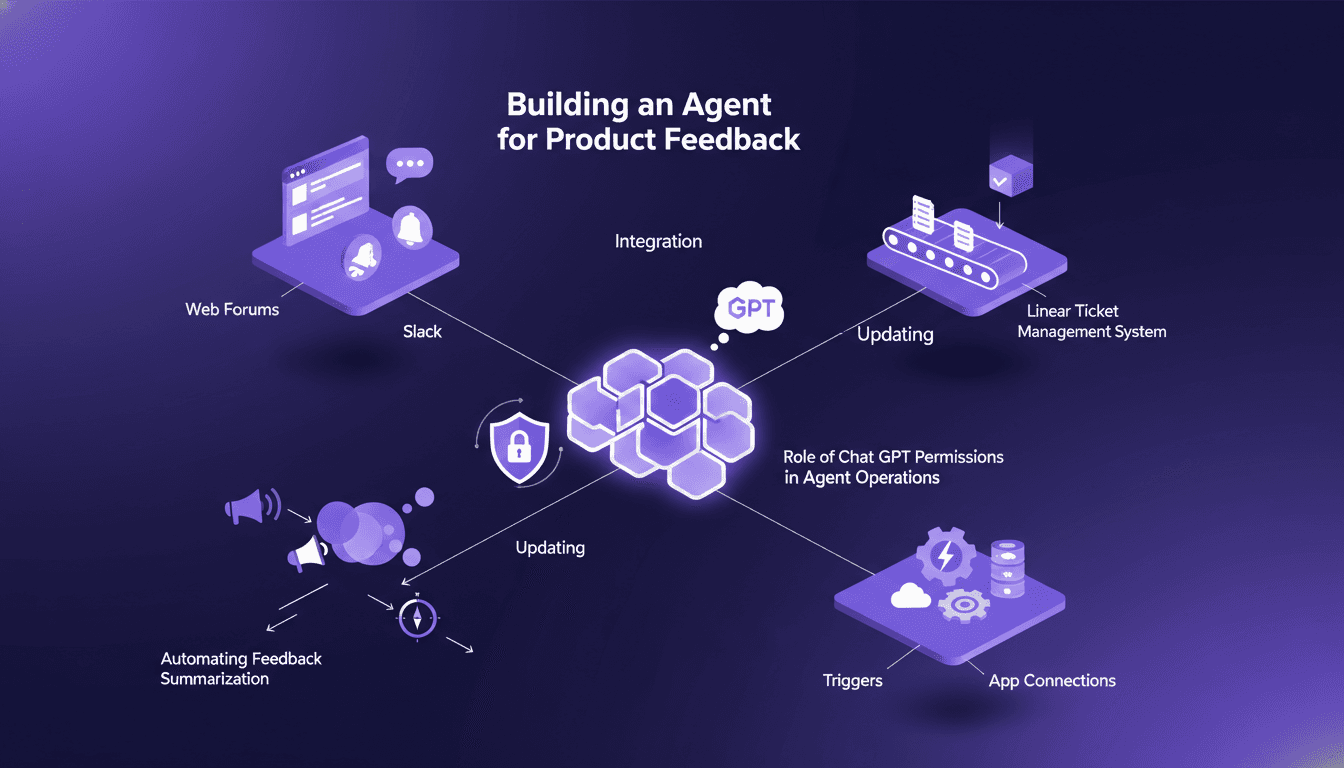
I've been knee-deep in the chaos of product feedback, trying to streamline how we handle it. Building an agent to automate this process was a game changer for me. Picture this: by integrating Chat GPT with platforms like Linear, I managed to automate the entire workflow, saving enormous time and boosting accuracy. I'll walk you through how I built this product feedback routing agent, pitfalls to watch out for, and how you can do the same to transform your feedback management.
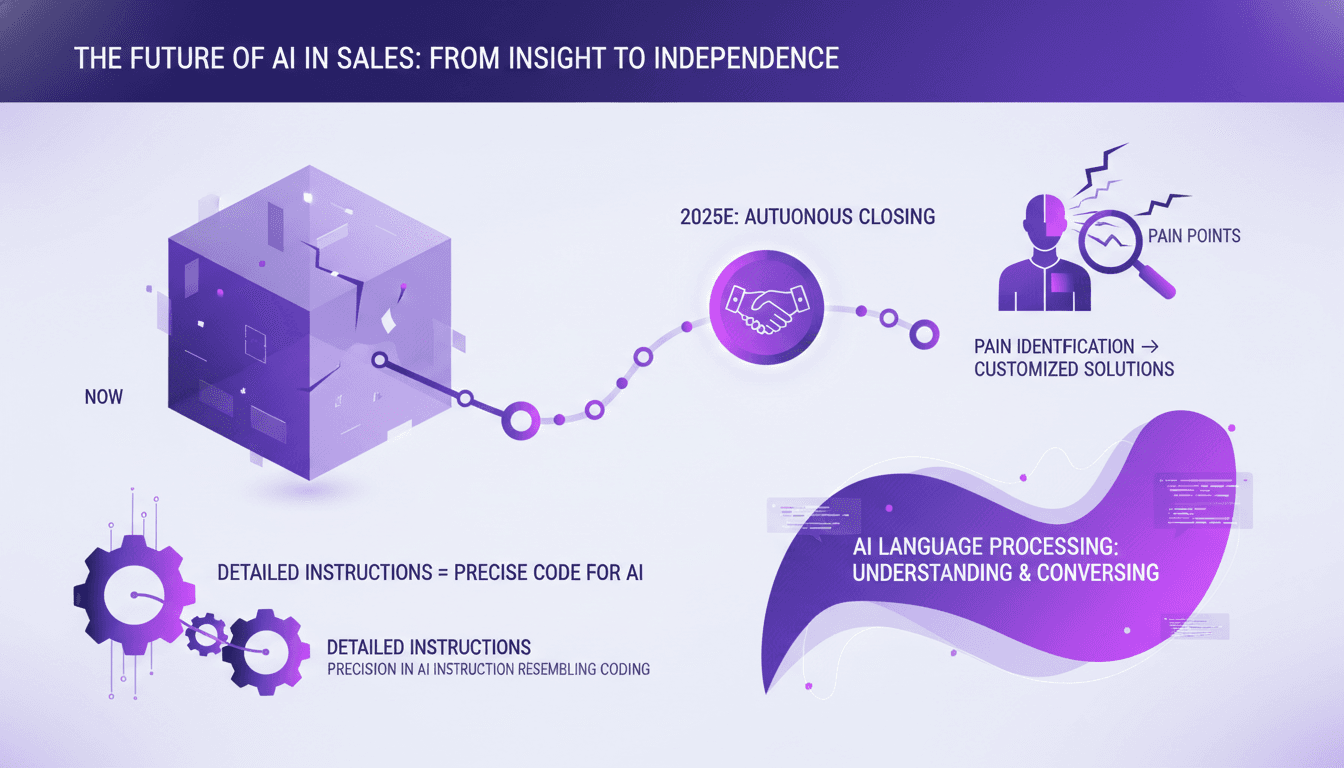
Building an AI Closer: Busting Sales Training Myths
I've spent countless hours trying to get AI to close sales for me, and let me tell you, we're not there yet. But I've learned what it can do now and how to make it work effectively. In the sales world, AI is the shiny tool everyone talks about. Yet, it can't close a deal on its own—yet. What it can do is transform our approach to sales training and execution, especially in identifying and addressing customer pain points. We might be five years away from AI closing a sale, but with the right instructions, it can already recommend 80% of solutions based on pain identification. Follow along, and I'll show you how to orchestrate this for direct impact.