Tackling MCP: Managing Context with Cloudflare
I remember the first time I hit the Mega Context Problem (MCP) head-on. I was knee-deep in API calls, and my context window was overflowing. That's when I realized managing context isn't just a technical challenge; it's a strategic one. With tools like Cloudflare's API management and TypeScript, we can tackle this beast head-on. I dive into these tumultuous waters daily, and I'll share the lessons I've learned. We'll discuss MCP challenges, the evolution of MCP clients, and the implications of programmatic tool calling. It's not just about technology but strategic orchestration.
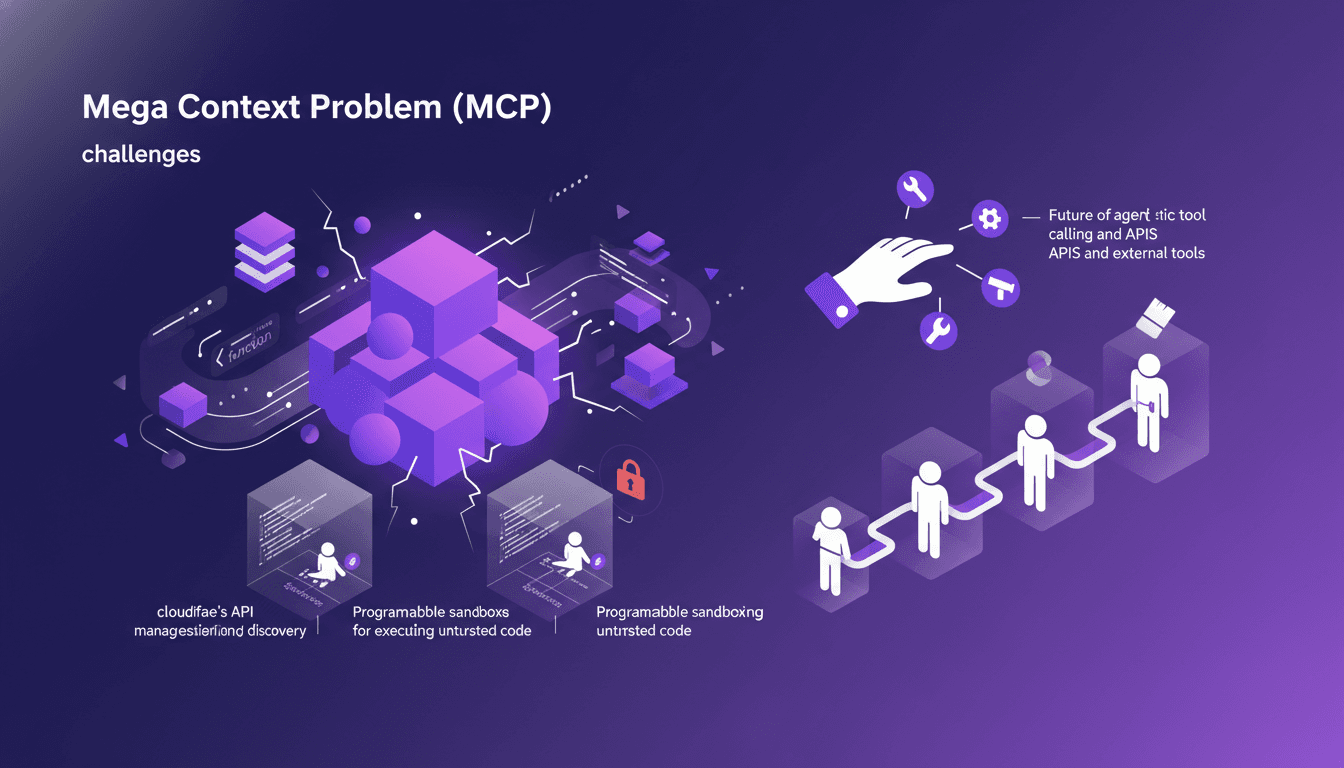
I remember the first time I hit the Mega Context Problem (MCP) head-on. I was knee-deep in API calls, and my context window was overflowing. That's when I realized managing context isn't just a technical challenge; it's a strategic one. In the world of AI and APIs, MCP is a massive hurdle. With tools like Cloudflare's API management and TypeScript, we can tackle this beast head-on. Here, I share how I navigate these waters daily, the mistakes that taught me valuable lessons (I got burned more than once), and how I approach it differently today to have a direct business impact. We'll dive into the challenges of MCP, the evolution of MCP clients, and how programmatic tool calling is a game changer. And let's not forget the security implications when running untrusted code. It's a blend of technical tools and strategy that, when orchestrated well, can make all the difference.
Understanding the Mega Context Problem
The Mega Context Problem (MCP) is a beast that directly impacts AI model performance. It's akin to trying to fit an elephant through the eye of a needle—developers often feel this way when managing the limited context windows of AI models. These context windows define how much information a model can process at once, and trust me, these limits are quickly reached when you try to leverage Cloudflare's 2,600 API endpoints.
The CLI (command-line interface) debates are relevant here. Should we integrate them or not? With Cloudflare, I have often seen agents attempting to access the entire API, only to hit overloaded context windows. Cloudflare split its API into 16 MCP services, but this wasn't enough to solve the problem. Discussions revolve around the best way to manage these tools without exploding context limits.
Progressive Discovery: A Solution to Context Overload
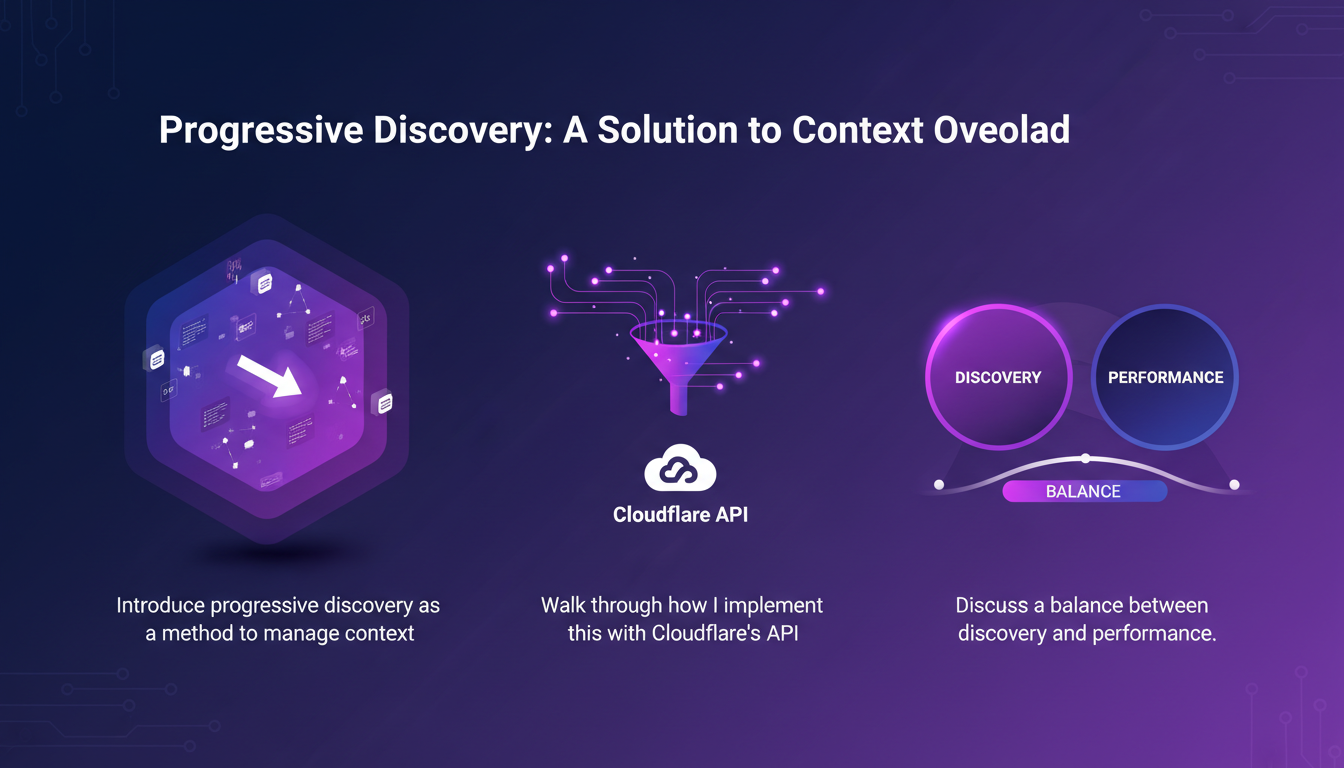
Progressive discovery is my go-to method for managing context overload. Instead of loading everything at once, I introduce tools as needed. With Cloudflare's API, I've orchestrated access points using TypeScript, which facilitates API interaction through concise input and output representations.
First, I configure API interactions by segments, then I progressively integrate the necessary tools. This balances discovery and performance. But don't overuse this technique—too many requests can quickly degrade performance. Here are some practical tips to avoid context overload:
- Use TypeScript to manage API calls concisely.
- Orchestrate access points by functional groups.
- Regularly check call efficiency to adjust accordingly.
Programmable Sandboxes and Security Concerns
Cloudflare introduced a programmable sandbox, a feature that allows executing untrusted code safely. For me, it's an indispensable tool for managing security without sacrificing functionality. I've been burned by a security breach due to malicious code before. Since then, I haven't made the mistake of not using a sandbox.
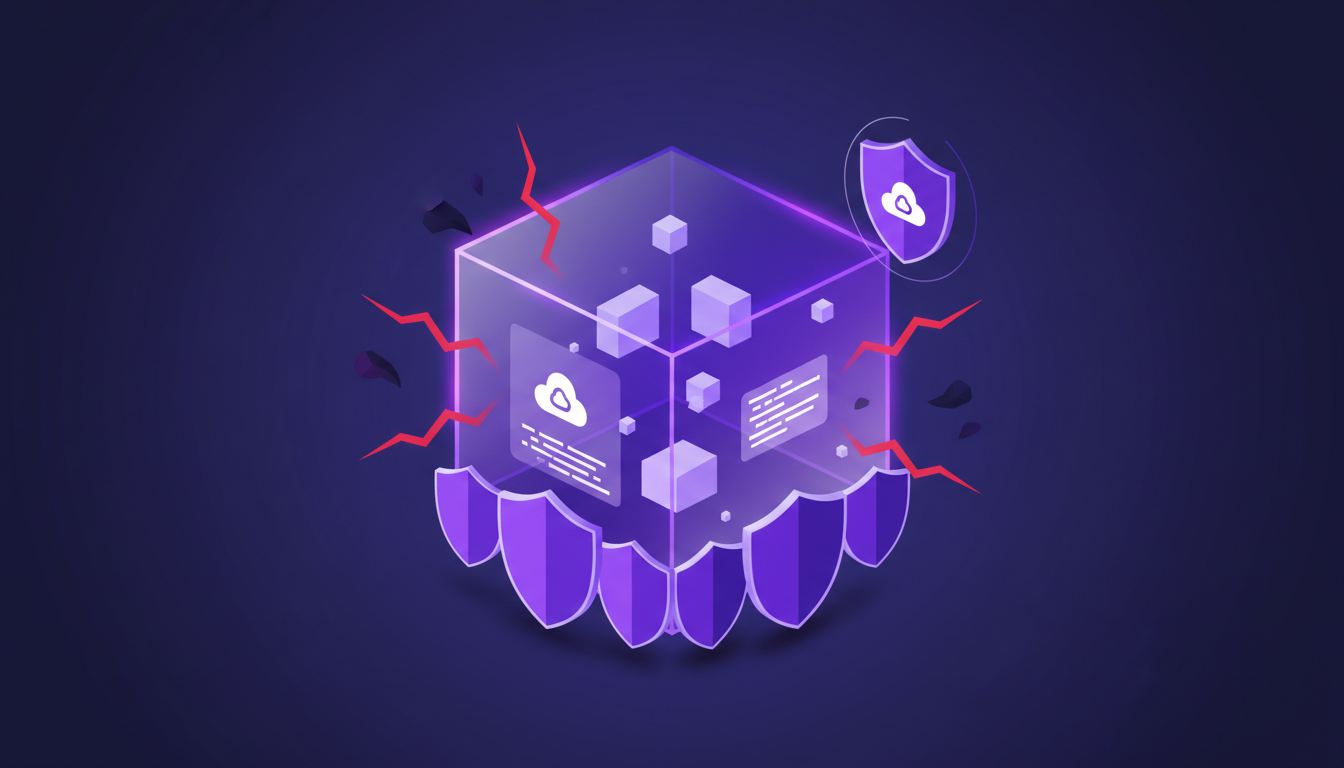
Security is paramount, especially when running potentially dangerous code. Here's how I ensure everything goes smoothly:
- Test all scripts in an isolated environment before deployment.
- Implement strict access controls to limit interactions.
- Monitor logs for any suspicious activity.
But watch out, you need to find the right balance between security and functionality—too many restrictions can stifle innovation.
The Future of API Interaction and MCP Clients
MCP clients are evolving at a rapid pace. With improved SDKs, agents can now access external tools more easily. But beware, this involves new challenges, particularly managing the 1.1 million tokens used for tools.
As a developer, I must stay alert to evolutions to avoid falling behind. Isolated web environments are a promising avenue—they allow executing code with more freedom. Think about the impact of programmatic tool access—it's a game changer, but it requires precise orchestration to avoid issues.
Cloudflare has published 16 MCP services, but there's still a lot to do to integrate these tools smoothly. Challenges are numerous, but evolution is inevitable.
Practical Takeaways: Efficiency and Orchestration
To manage MCP effectively, balance efficiency, cost, and orchestration. This involves optimizing API calls and reducing token usage. Here are some tips:
- Analyze the performance of each API call.
- Limit unnecessary loads to reduce costs.
- Adopt a proactive approach to context management.
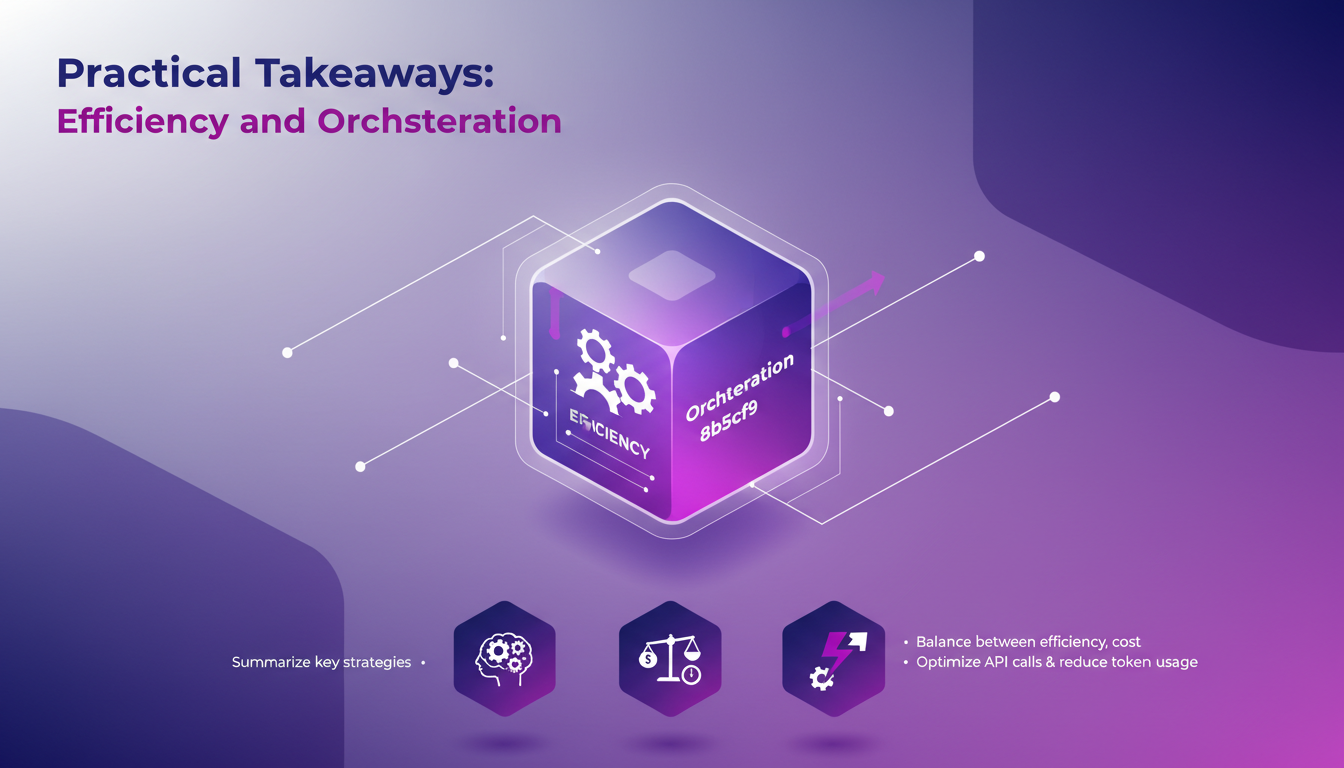
Watch out for common mistakes: context overload, redundant calls, etc. I strongly recommend adopting well-defined context management strategies. For more insights, check out AgentCraft: Scaling Agent Orchestration Efficiently for additional tips.
Tackling the Mega Context Problem (MCP) head-on has shown me that it requires a blend of strategic thinking and practical tools. First, leveraging progressive discovery helps me segment and manage context without letting my Cloudflare API become a token sinkhole — there's 2.3 million tokens on the line here. Second, TypeScript is my go-to for securing API interactions, and it's saved me more than once. Third, programmable sandboxes are a boon for executing untrusted code safely. They're powerful, but you have to manage them wisely to avoid budget blowouts. Looking ahead, refining our MCP management with these strategies could be a real game changer, but we need to stay wary of technical limits. So, dive into your own MCP challenges with these strategies in mind. Share your experiences and let's refine our approach together. For deeper insights, I suggest watching Matt Carey's original video on MCP: watch the video.
Frequently Asked Questions

Thibault Le Balier
Co-fondateur & CTO
Coming from the tech startup ecosystem, Thibault has developed expertise in AI solution architecture that he now puts at the service of large companies (Atos, BNP Paribas, beta.gouv). He works on two axes: mastering AI deployments (local LLMs, MCP security) and optimizing inference costs (offloading, compression, token management).
Related Articles
Discover more articles on similar topics
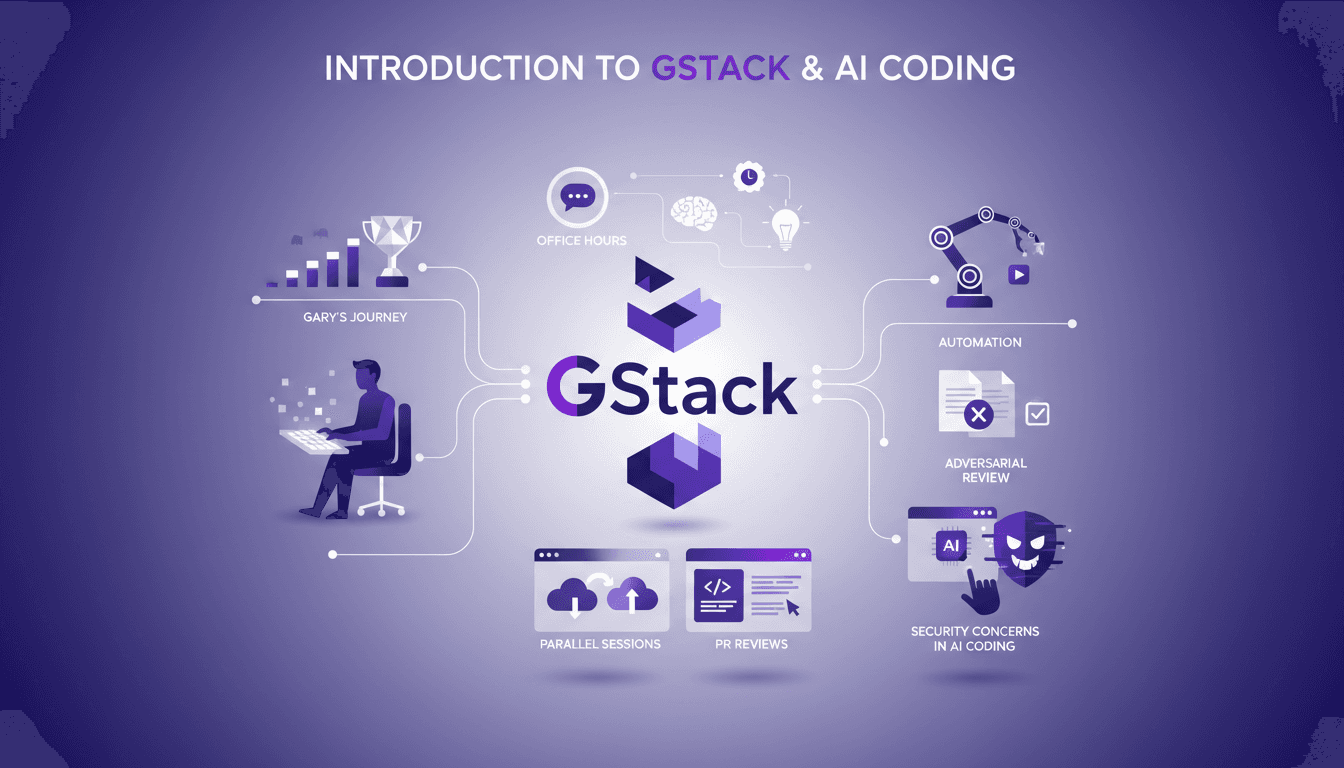
Setting Up GStack: My Experience with Claude Code
I've been deep in the trenches with GStack and Claude Code, and let me tell you, the way Garry Tan orchestrates his workflow is something else. From coding marathons to leveraging office hours for refining startup ideas, there’s a lot to unpack here. GStack is a powerhouse for automation in software development, and Garry has taken it to new heights. In this article, we dive into his tools, his methods, and the lessons we can all learn. We'll explore his use of GStack for automation, parallel cloud code sessions, and how he integrates AI into his process. But watch out, there are security concerns not to overlook.
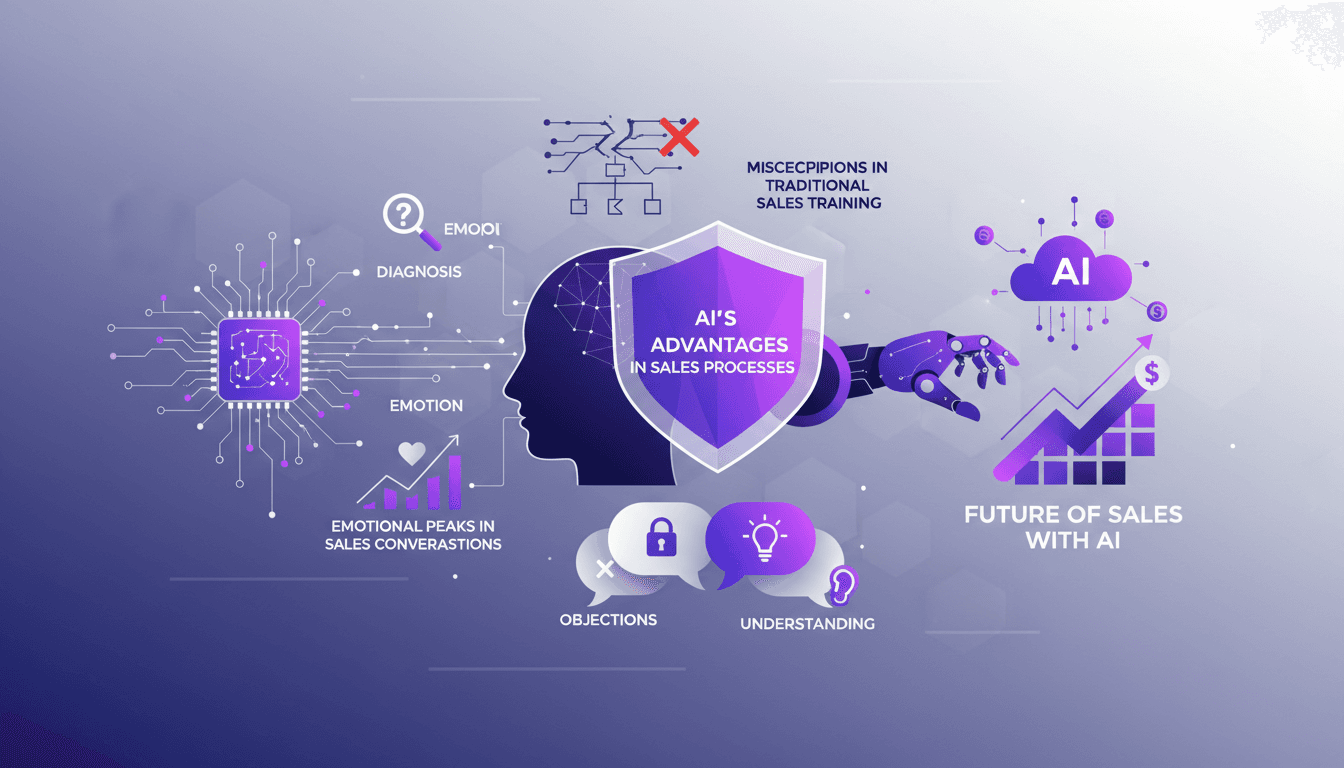
Teaching AI to Close: 6 Months of Insights
I spent six months training an AI to close deals—230 real estate investors and wholesalers later, I learned that AI's edge isn't speed, but its lack of ego. This journey reshaped my understanding of sales, challenging traditional training methods. In a field that's been taught the same way for a century, AI is changing the game. Let's dive into how AI can optimize sales processes and redefine how we approach prospects. Topics include AI's role in sales, misconceptions in traditional sales training, the importance of diagnosing prospects, and the future of sales with AI. Get ready for a deep dive into the future of sales, where AI might just become your best ally.
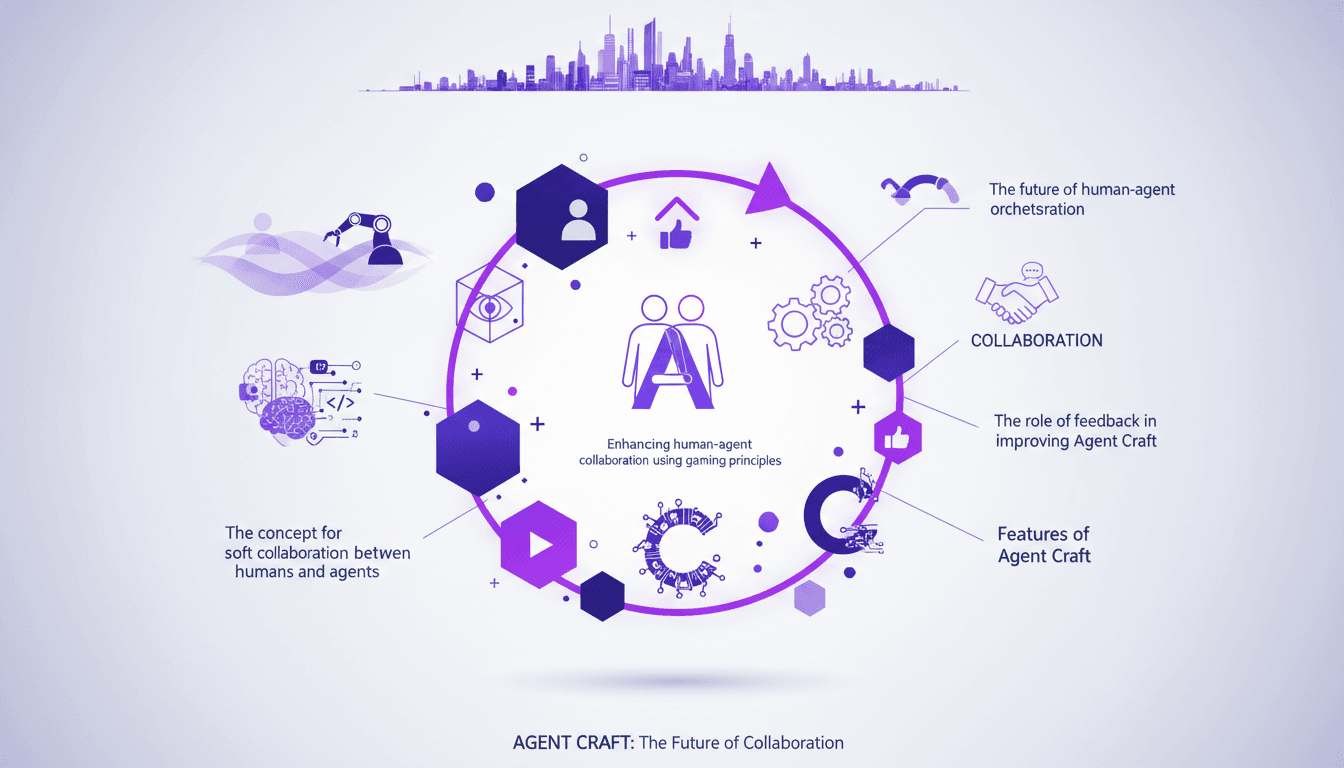
AgentCraft: Scaling Agent Orchestration Efficiently
I dove into AgentCraft headfirst, driven by the need to orchestrate our agents more efficiently. It's like putting the 'orc' in orchestration. Right off the bat, the scale was both daunting and exhilarating. AgentCraft employs gaming principles to enhance collaboration between humans and AI agents. In this article, I share my journey implementing AgentCraft, the challenges faced, and the solutions I found. We dive into visibility, automation, collaboration, and the crucial role of feedback. Trust me, I got burned a few times before nailing the right approach. If you're serious about mastering human-agent orchestration, keep reading.
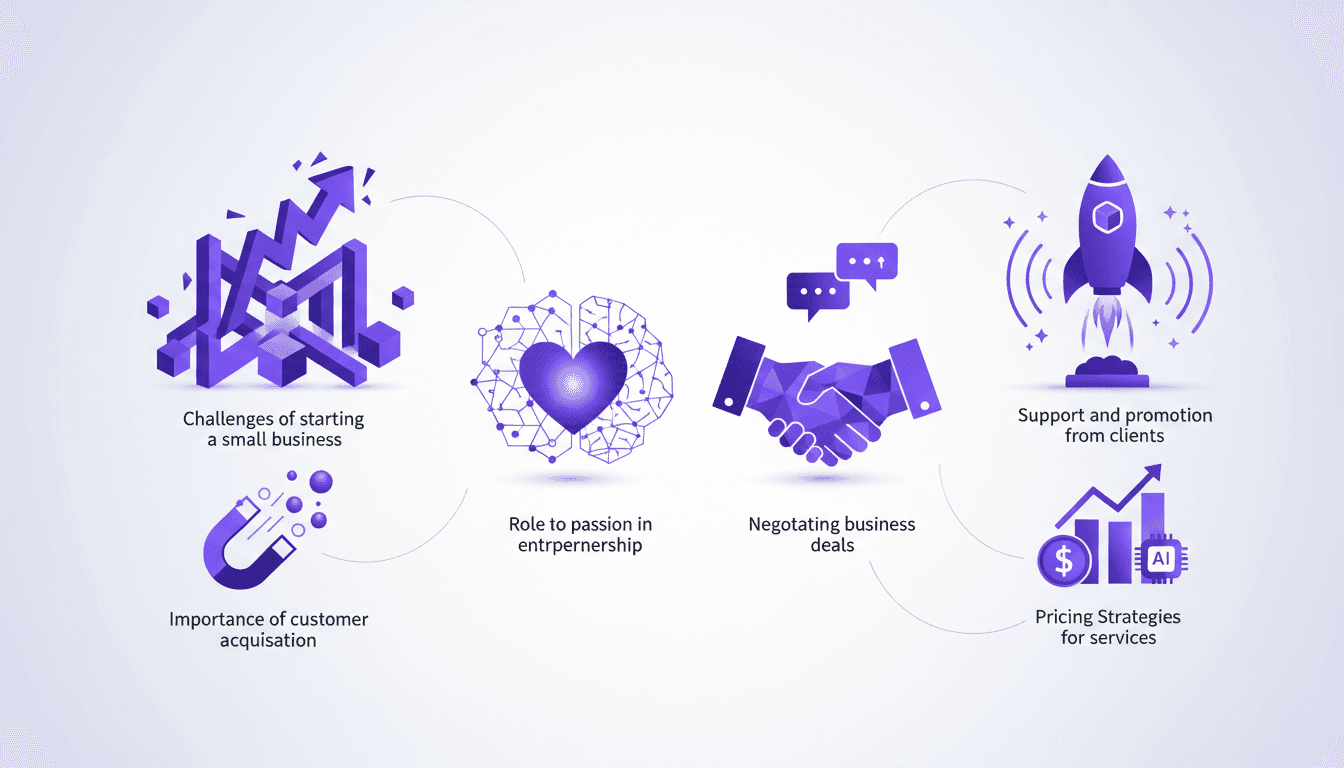
Facing Challenges: Launching My Balloon Business
I started my balloon business with a simple idea and a boatload of passion. But passion alone doesn't pay the bills. I had to juggle customer acquisition and a pricing strategy that made sense. Imagine this: I initially charged £100 for my creations, but ended up getting paid £200 by a client. How? With a bit of luck and a lot of negotiation. Let me walk you through how I managed to land my first big client and double my initial offer. It's not just about artistry but also about solid business strategy. Ready to dive into the behind-the-scenes of my journey?
Replit: Democratizing App Development
I've been in the trenches with Replit, and trust me, the way they're reshaping software development is something you need to see. With their mission to democratize app creation, they're opening up a future where programming becomes accessible to all. Their recent $400 million funding, boosting them to a $9 billion valuation, is just the start. Replit isn't just reinventing development for seasoned devs, they're driving towards a future where non-developers and AI-native devs can shine. It's a true paradigm shift, and you'll want to witness it firsthand.