Optimizing a 70-Engineer Team: Challenges
I remember the day we decided to shift our 70-engineer team to a four-day work week. It sounded like a dream, but the reality was a mix of efficiency gains and unexpected challenges. Running a €100M company with a lean engineering team requires sharp productivity strategies. In this article, I walk you through how we implemented new methodologies, standardized our tech stack, and navigated the sometimes choppy waters of the four-day work week. Discover how we structured our team, optimized productivity, and used the Scrum framework to maneuver through these changes.
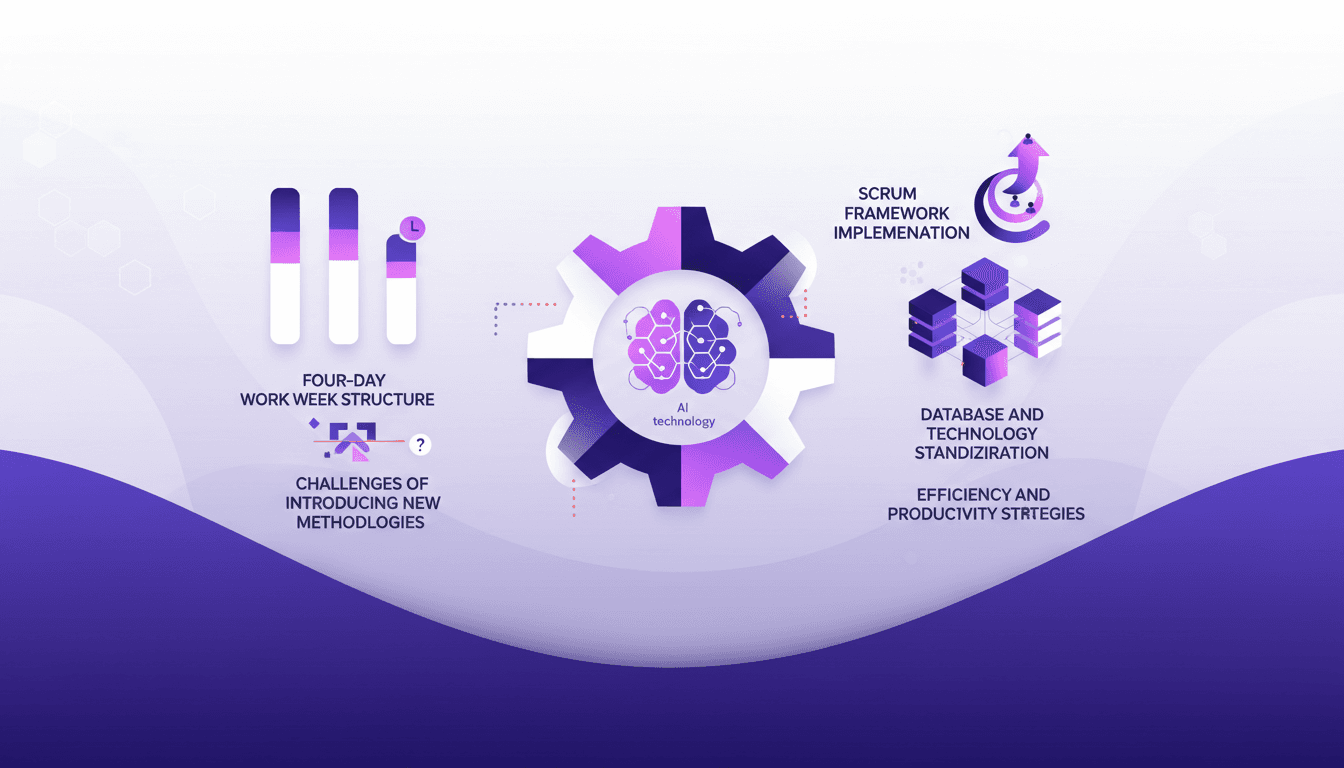
I still remember the moment we made the bold decision: shift our team of 70 engineers to a four-day work week. On paper, it was idyllic—a promise of efficiency and improved work-life balance. But in practice, it was a cocktail of opportunities and surprises (not always pleasant). Running a €100M company with such a lean engineering team is like precision juggling. We had to rethink our workflows, standardize our tech stack, and adopt the Scrum framework to orchestrate it all. And let's not even get started on the unexpected challenges that pop up when you shake up the status quo like that. But don't worry, it can work—if you know how to anticipate the pitfalls. Here, I share our roadmap, successes, and the pitfalls to avoid so that your team stays agile and high-performing.
Engineering Workforce Composition: The 10% Rule
At our company, the engineering team makes up only 10% of our total workforce, yet it drives our core innovations. Yes, just 70 engineers in total. This might seem limiting, but it's this very ratio that pushes us to be hyper-efficient and maximize each team member's impact.
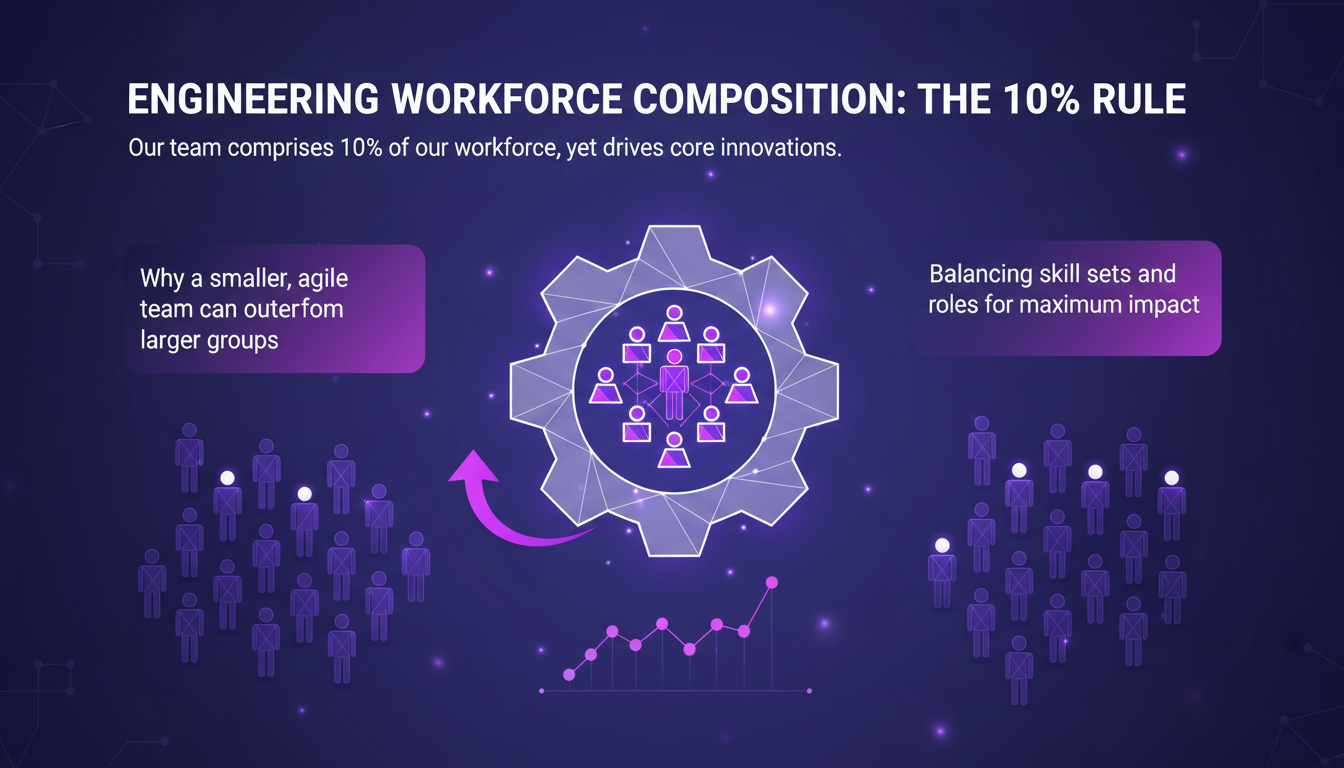
First, we've learned to balance skill sets and roles for maximum impact. Instead of over-specializing, we focus on versatile profiles capable of moving between projects. However, this comes with trade-offs: deep specialization can be lost, but the agility and speed of execution are undeniable gains.
As we scaled our team to 70 engineers, we realized that adding personnel isn't linear in terms of productivity. Today's 70 engineers are organized to maximize collaboration and reduce bottlenecks.
Efficiency and Productivity Strategies: What's Worked
To ensure our team performs at its best, I've implemented productivity tools that have truly proven their worth. I orchestrate our workflows for seamless collaboration and avoid the traps of over-meeting that kill action.
- Utilizing Jira for real-time task tracking.
- Integrating real-time data to inform decision-making.
- Adopting internal tools for time savings.
The balance between autonomy and accountability is crucial. We trust our engineers to lead their projects, but we also set clear, measurable goals. This prevents drift while fostering creativity.
Four-Day Work Week: Structure and Impact
Designing a four-day work schedule without losing momentum is a challenge we've successfully tackled. The impact on morale is huge, but adjustments are necessary.
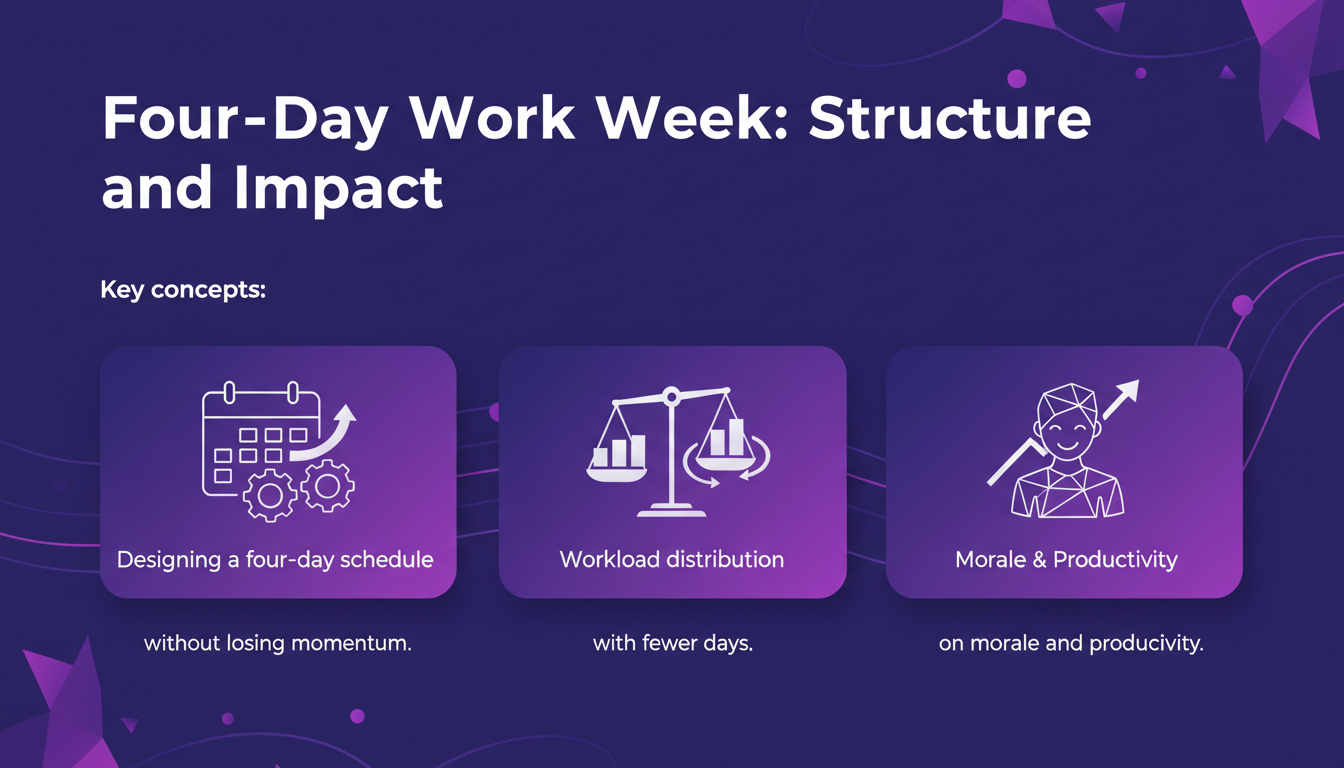
We've opted for a model where three days off allow for better recharging. However, this requires careful task distribution. For instance, heavy tasks are grouped to optimize workdays.
The four-day work week isn't just about cutting work time, it's about reinventing our productive approach.
Be cautious of pitfalls: the temptation to overload workdays can be strong, but that defeats the purpose.
Challenges of Introducing New Methodologies
Adopting new methodologies like Scrum isn't without challenges. Resistance to change is common. I navigate these team dynamics carefully, ensuring each member understands the how and why.
Leadership's role is crucial: without visible and constant support, the transformation can fail. That's why I always test iteratively before full-scale rollout.
Common mistakes include rushing too fast and inadequate communication. Yet, success relies on clear and ongoing communication.
Database and Technology Standardization: A Game Changer
Standardizing our tech stack has been a radical change for our efficiency. By limiting tech sprawl, we've cut costs and increased consistency.
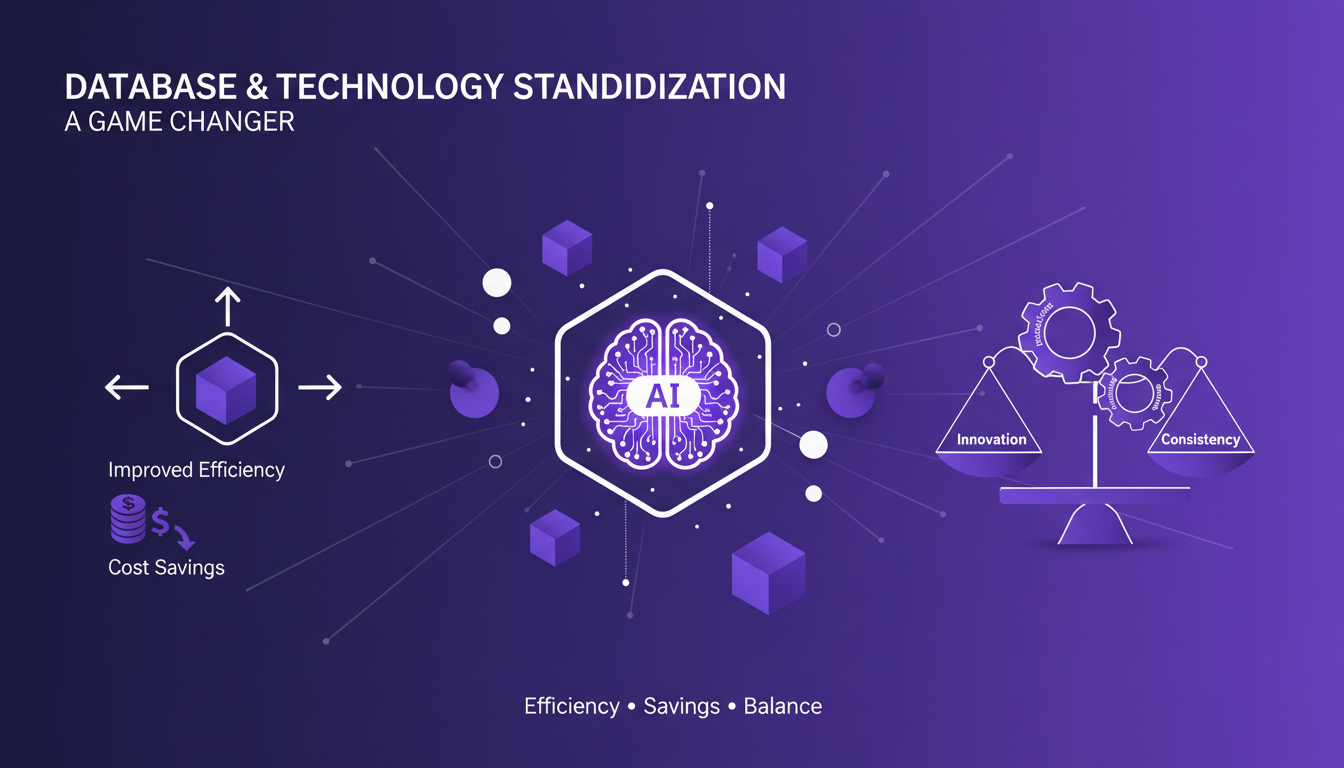
This process isn't without risks, notably vendor lock-in. To avoid this, we've carefully chosen flexible and interoperable tools. Consistency shouldn't kill innovation.
Ultimately, standardization isn't about stifling creativity, but channeling it effectively and sustainably.
Transitioning to a four-day work week and standardizing our tech stack were real game changers, but let's be honest, they came with their own sets of challenges. First, we had to stay agile and focused to navigate these adjustments. Then, we saw morale and productivity shoot up, which directly reflects the impact of these changes. Look, with 70 engineers, we managed a 10% efficiency boost by implementing these strategies. But remember, there are hurdles to introducing new methodologies.
Looking forward, I believe these practices could redefine how engineering teams operate. There's a real opportunity here, but we can't overlook the necessary trade-offs.
So, think about your own team's structure and methodologies. What small changes could drive big improvements in efficiency? Check out the full video "€100M company. 70 engineers." for deeper insights: YouTube.
Frequently Asked Questions

Thibault Le Balier
Co-fondateur & CTO
Coming from the tech startup ecosystem, Thibault has developed expertise in AI solution architecture that he now puts at the service of large companies (Atos, BNP Paribas, beta.gouv). He works on two axes: mastering AI deployments (local LLMs, MCP security) and optimizing inference costs (offloading, compression, token management).
Related Articles
Discover more articles on similar topics
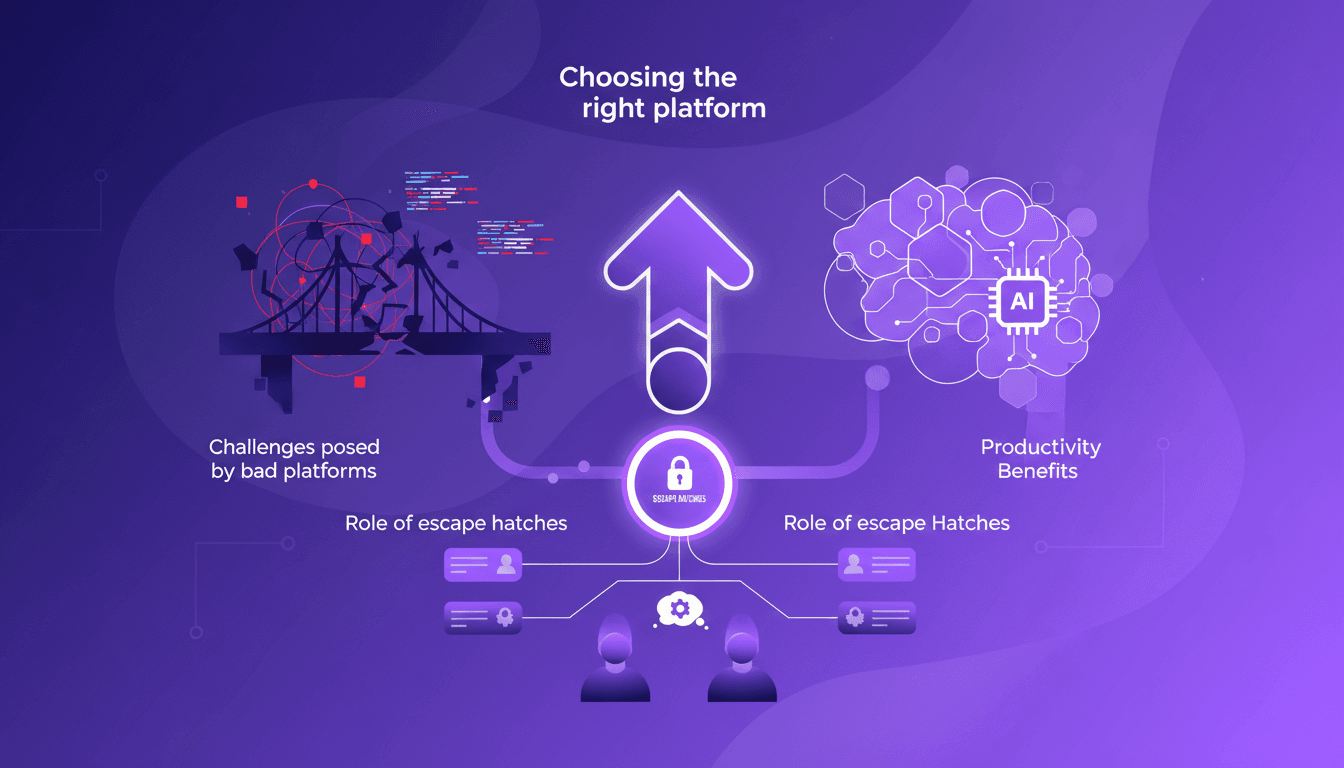
Choosing the Right Platform: Productivity and Pitfalls
I've been burned by bad platforms more times than I care to admit. But when you find a good one, it's a game changer. In development, platforms can make or break your workflow. A good platform boosts productivity, while a bad one bogs you down with weird abstractions. Let's dive into why choosing the right platform is crucial and explore how to navigate these tricky decisions.
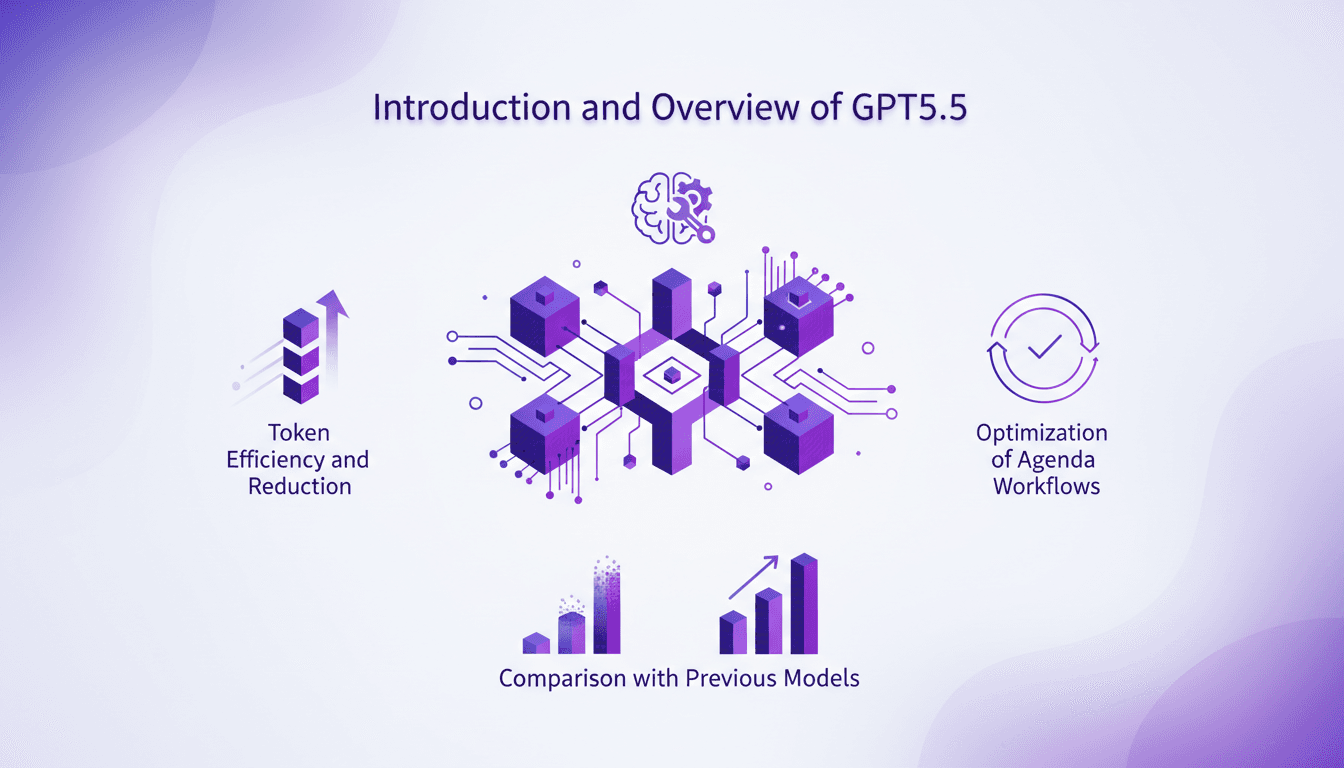
Introducing GPT5.5: Efficiency and Tools
I remember vividly the first time I integrated GPT5.5 into my workflow. It wasn't just an upgrade; it was a complete game changer. This model reshaped my daily operations, from token efficiency to building internal tools. With GPT5.5, I managed to cut down token usage by 56%, significantly impacting costs and execution speed. I even built an internal tool in just one hour, a personal record. Let's dive into the practical applications of GPT5.5 and see how it optimized my workflows compared to previous models. Get ready to discover the benefits of this new AI generation.
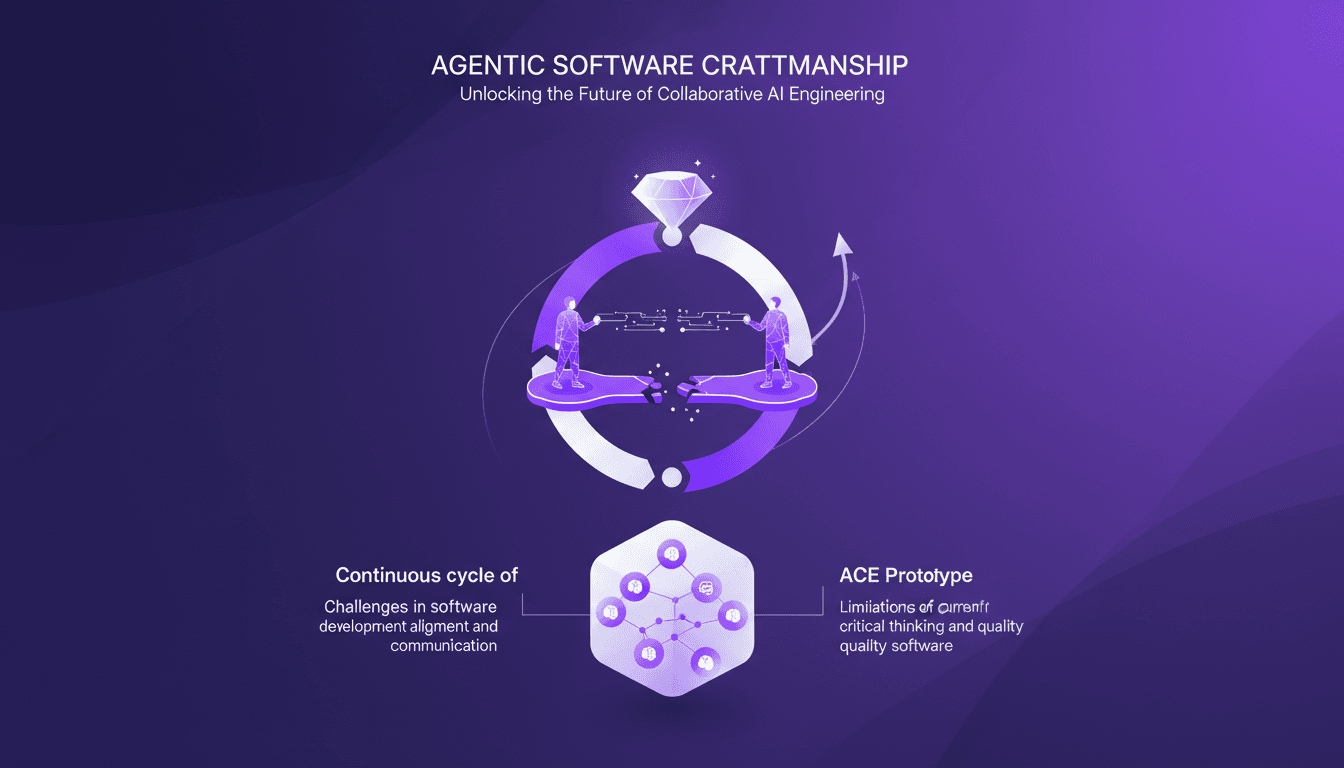
Collaborative AI Engineering: Challenges and Solutions
I dove into the world of collaborative AI engineering with Maggie Appleton's insights, and it was a real game changer. Imagine orchestrating a team of two dozen agents to streamline your development process—sounds ambitious, right? But here's how it plays out in the real world. We often talk about alignment and communication as major hurdles. Current coordination tools aren't always up to the task, especially when managing a continuous cycle of planning and building. The introduction of the ACE prototype shifts the game with real-time collaboration between developers and coding agents. Yet, the real challenge lies in the importance of context and decision-making to reclaim time for critical thinking and quality software. As we move toward the future of agentic development, software craftsmanship remains essential. It's not just about technology, but about redefining our approach to development.
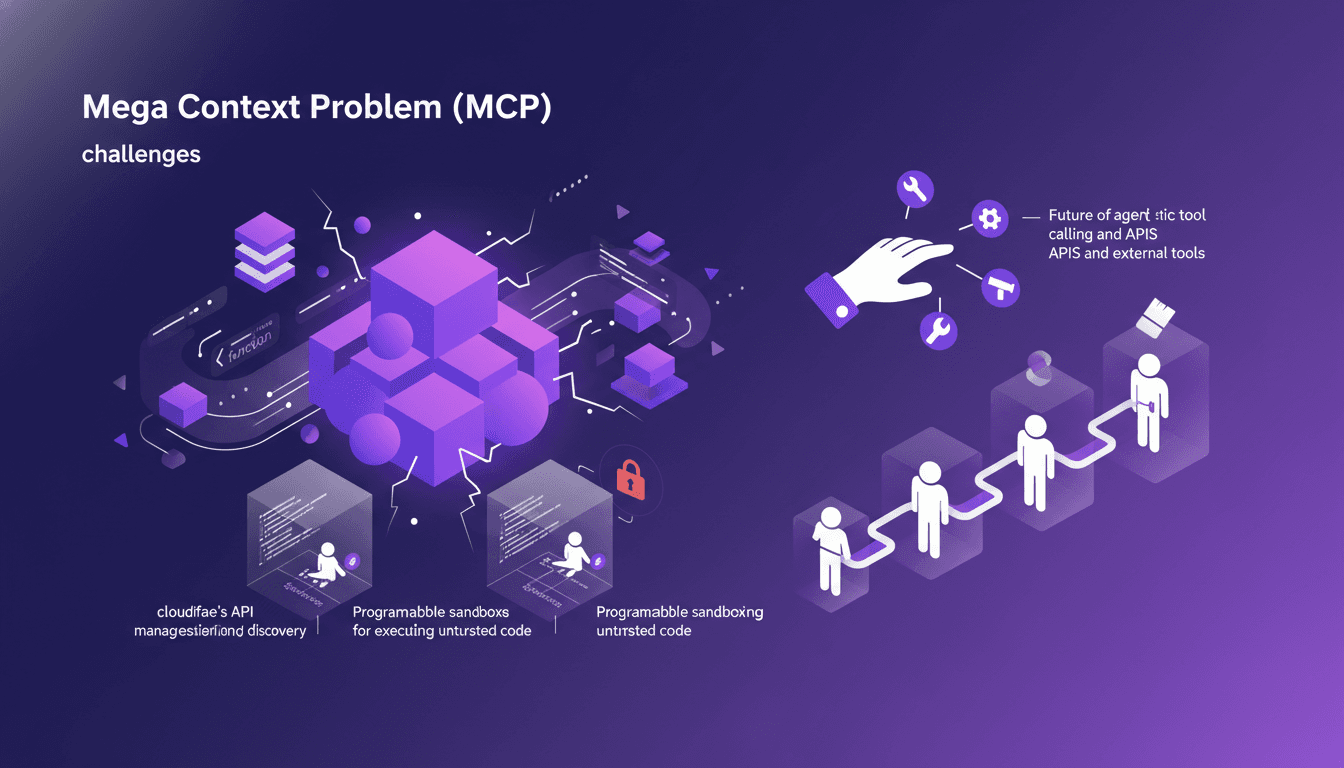
Tackling MCP: Managing Context with Cloudflare
I remember the first time I hit the Mega Context Problem (MCP) head-on. I was knee-deep in API calls, and my context window was overflowing. That's when I realized managing context isn't just a technical challenge; it's a strategic one. With tools like Cloudflare's API management and TypeScript, we can tackle this beast head-on. I dive into these tumultuous waters daily, and I'll share the lessons I've learned. We'll discuss MCP challenges, the evolution of MCP clients, and the implications of programmatic tool calling. It's not just about technology but strategic orchestration.
Teaching AI to Close: 6 Months of Insights
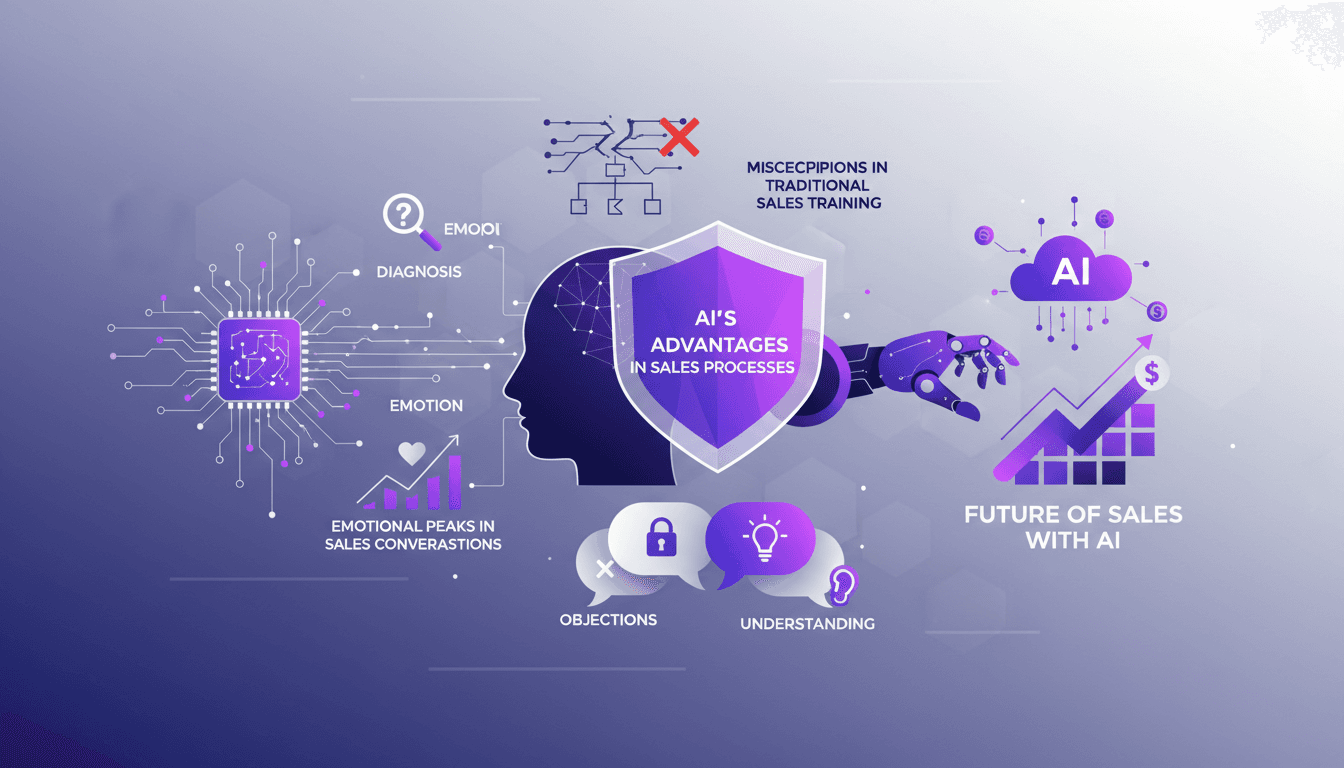
I spent six months training an AI to close deals—230 real estate investors and wholesalers later, I learned that AI's edge isn't speed, but its lack of ego. This journey reshaped my understanding of sales, challenging traditional training methods. In a field that's been taught the same way for a century, AI is changing the game. Let's dive into how AI can optimize sales processes and redefine how we approach prospects. Topics include AI's role in sales, misconceptions in traditional sales training, the importance of diagnosing prospects, and the future of sales with AI. Get ready for a deep dive into the future of sales, where AI might just become your best ally.