Choosing the Right Platform: Productivity and Pitfalls
I've been burned by bad platforms more times than I care to admit. But when you find a good one, it's a game changer. In development, platforms can make or break your workflow. A good platform boosts productivity, while a bad one bogs you down with weird abstractions. Let's dive into why choosing the right platform is crucial and explore how to navigate these tricky decisions.
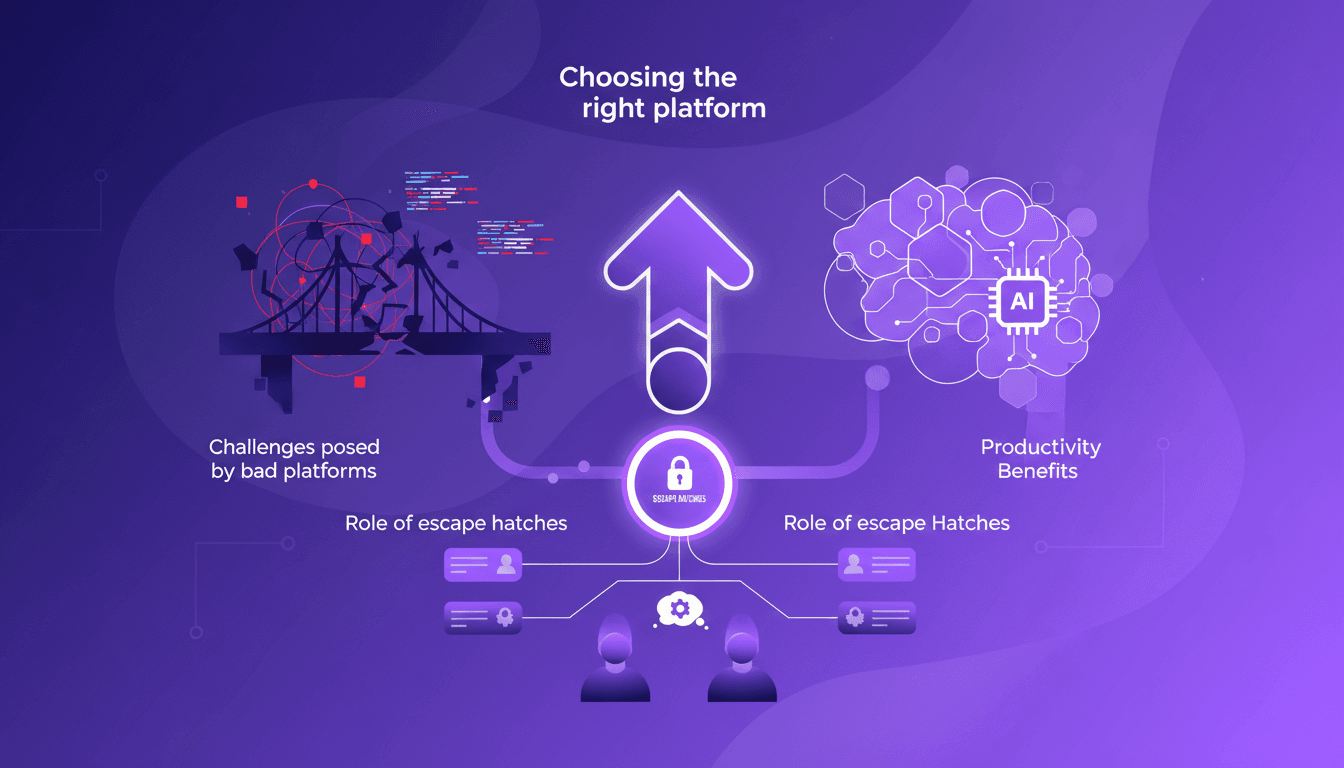
I've been burned by bad platforms more times than I care to admit. But when I stumbled upon one that actually worked, I finally understood what a "game changer" feels like. In our world as developers, choosing the right platform can mean the difference between a productive day and one where everything is slow and convoluted. First off, let's acknowledge that a solid platform reshuffles everything: it boosts your productivity and frees up your time. But a bad platform? That's a mess of weird abstractions and features that never quite work as expected. Together, we'll explore how to avoid these traps, discuss the importance of "escape hatches" to maneuver out, and make the right decisions. As a developer, every platform decision can directly impact your ability to deliver quality work. Let's dig into this together.
Understanding Platforms: The Basics
A platform in the development context is like a playground that brings together various tools and services to simplify complex tasks. Think of it as a toolbox, where each tool has a specific function but can be combined to accomplish something greater. This is where the magic of platforms lies: they allow us to abstract technical details and focus on the essentials. But beware, this abstraction can become a trap. When you rely too much on a single platform, you risk losing sight of the bigger picture. Workflows can be streamlined, yes, but only if you don't fall into the trap of over-reliance. I've seen teams get stuck, unable to evolve because they put all their eggs in one basket. And then, the cost of change becomes exorbitant.
"It's better to have no platform at all than a bad platform."
The Perks of a Good Platform
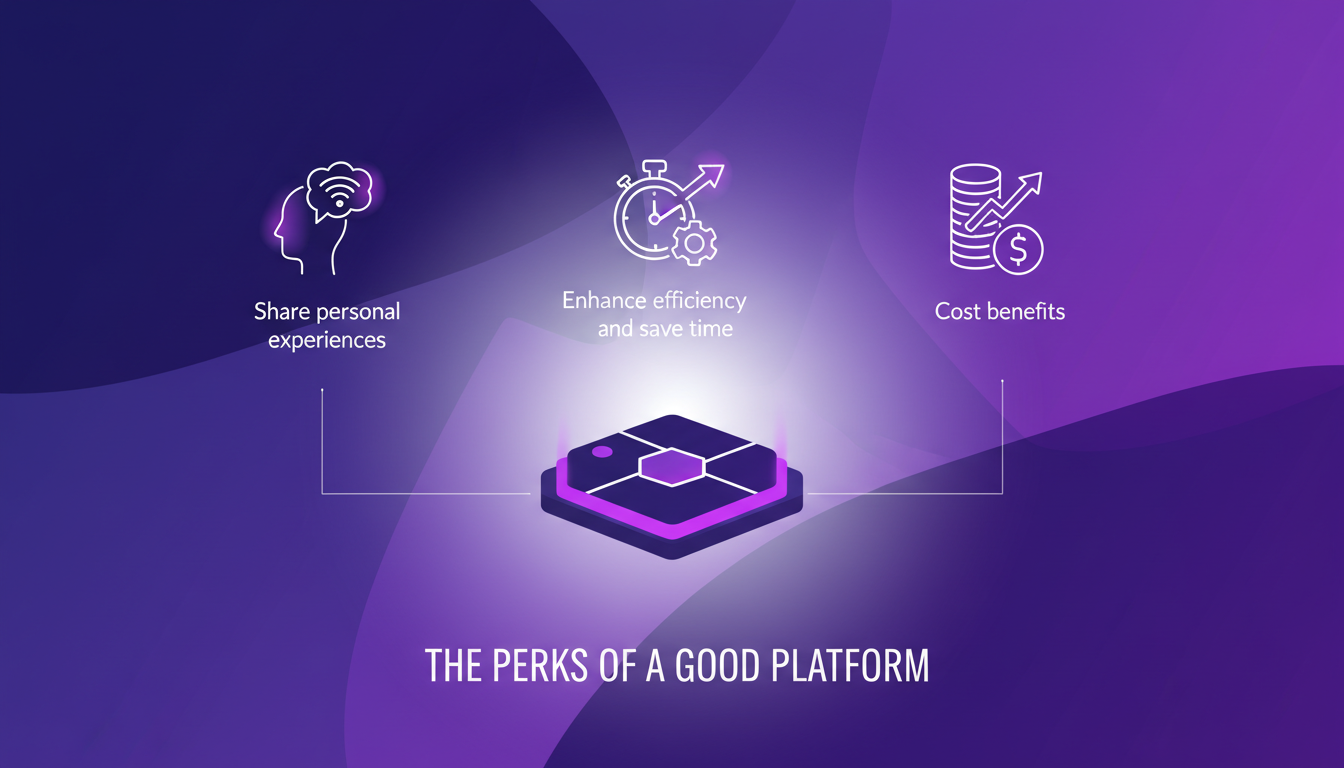
I've used platforms that have truly boosted my productivity. A good platform gives you the right tools, like an exoskeleton that amplifies your capabilities without weighing you down. Efficiency comes from being able to orchestrate the right resources at the right time. And let's talk costs—with a well-designed platform, you can save by avoiding redundancies and optimizing resource use. But watch out for hidden costs! I've been caught off guard by unexpected fees related to overuse of certain features. A good platform offers this flexibility.
The Pitfalls of a Bad Platform
A poorly designed platform can be a real nightmare. I've seen workflows turn into real mazes, losing all efficiency due to bad abstractions. These platforms add unnecessary layers that complicate work instead of simplifying it. Once, I lost hours trying to work around limitations that should never have existed. The worst is when you have to switch platforms. It's frustrating, costly, and can paralyze your productivity for weeks. To avoid these pitfalls, be on the lookout for red flags: insufficient documentation, inactive community, and non-obvious limitations.
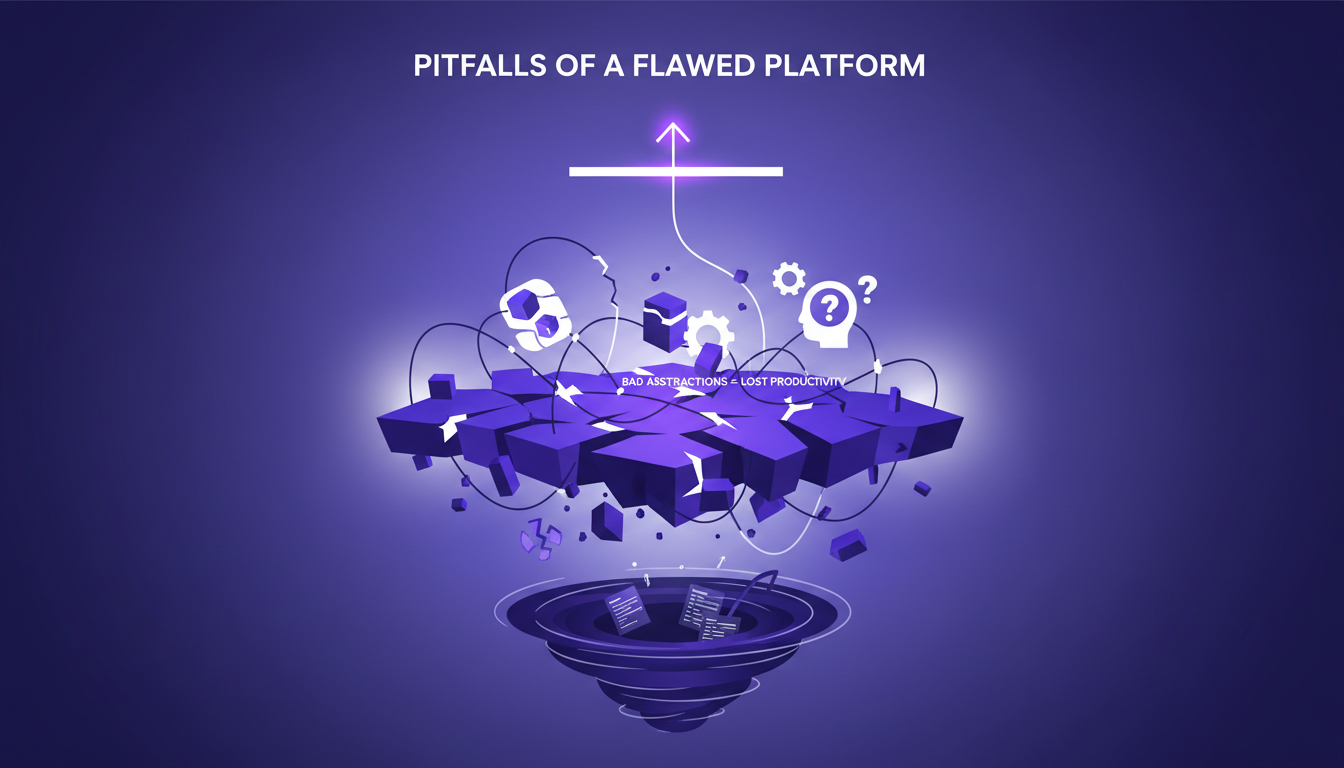
- Non-intuitive abstractions
- Insufficient documentation
- Inactive community
- Hidden costs
Escape Hatches: Your Safety Net
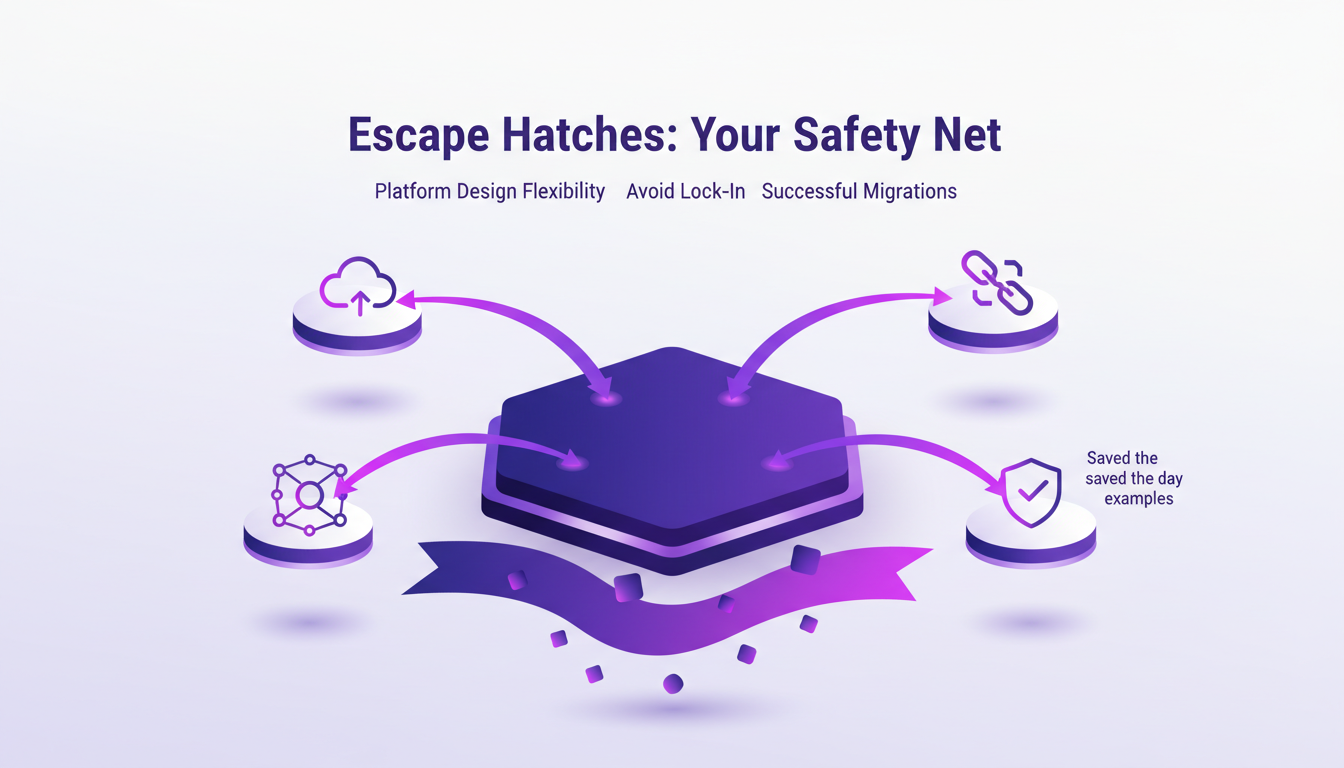
Escape hatches are essential in platform design. They offer you the flexibility needed to avoid vendor lock-in. Imagine finding yourself at a dead end, but with a hidden door that frees you. That's exactly what escape hatches allow you to do—integrate your own tools when the provided ones no longer suffice. I've often relied on these escape hatches to overcome platform limitations. But beware, they can add complexity if misused. Balance is key: use built-in features when they're sufficient, but don't hesitate to take the escape hatches for specific cases.
Making the Right Choice: Developer Tips
Choosing the right platform is like finding the right dance partner. You need to evaluate the documentation, community support, and the platform's ability to evolve with your needs. I've often rushed into decisions, but with experience, I've learned not to underestimate the importance of trial and error. Make sure to test the platform in your own context before committing. Prioritize flexibility and adaptability. And remember, good documentation is your best ally.
- Check documentation and support
- Test before committing
- Assess scalability and adaptability
- Prioritize flexibility
In conclusion, a good platform is one that liberates you, not one that locks you in. Be vigilant and choose wisely to maximize your efficiency and that of your team.
Choosing the right platform isn't just a technical choice, it's setting yourself up for long-term success. I've learned to dodge the traps of bad platforms by focusing on flexibility, efficiency, and keeping those escape hatches handy. Here are my key takeaways:
- First, skip platforms without escape hatches. Without an exit option, you'll end up tangled in weird abstractions.
- Next, pick platforms that truly boost your productivity. A good platform will make your daily operations smoother.
- Finally, never underestimate the power of flexibility. It's often the game changer, but watch out for performance trade-offs.
Looking ahead, always keep the long game in mind. Make an informed decision now to avoid headaches later. Ready to make a smarter platform choice? Start evaluating your options today with these tips in mind. And seriously, watch the original video for a deeper understanding of all this: YouTube link.
Frequently Asked Questions

Thibault Le Balier
Co-fondateur & CTO
Coming from the tech startup ecosystem, Thibault has developed expertise in AI solution architecture that he now puts at the service of large companies (Atos, BNP Paribas, beta.gouv). He works on two axes: mastering AI deployments (local LLMs, MCP security) and optimizing inference costs (offloading, compression, token management).
Related Articles
Discover more articles on similar topics
Boosting Developer Productivity with GPT-5.5
I was knee-deep in a decade-old codebase when I first unleashed GPT-5.5. And wow, what a game changer! With its Codex harness, this model isn't just about speed; it redefines how we tackle software development. From breathing life into forgotten projects to streamlining new ones, GPT-5.5 is transforming the landscape. Let me take you behind the scenes of this transformation and show you how this AI literally boosts our productivity and intelligence. Watch out for context limits, but when used right, it's a game changer for developers.
First Steps with GPT-5.5: Boosting Efficiency
When I first integrated GPT-5.5 into my daily workflow, I wasn't just looking for a new tool—I was looking for a game changer. And let me tell you, it didn't disappoint. As an engineer, I'm always hunting for ways to streamline processes and boost productivity. GPT-5.5 promises to do just that by handling ambiguous prompts and autonomously completing tasks. Early tests showed increased efficiency, a direct impact on my engineering workflows, and noticeable improvements in decision-making and code writing. But watch out, the unexpected surge in pull requests caught me off guard. Here, I share my first impressions and how GPT-5.5 can transform our workways.
Token Maxing: AI's Revolution in Engineering
I've been in the AI trenches, and let me tell you, the way AI is reshaping software engineering is nothing short of a game changer. But beware, it's not all smooth sailing. In our field, AI tool adoption brings its own set of challenges, like token maxing and the evolving role of engineers. At a recent conference, experts like Gergely Orosz shared valuable insights on these transformations, from productivity impacts to cultural shifts in team management. We will need to navigate these opportunities and challenges to make the most of this technological revolution.
AI Studio & Gemini: Revolutionizing Development
I remember when AI Studio was just a whisper in the tech corridors. Fast forward to today, it's a game changer—especially with Gemini models in the mix. In just 18 months, AI Studio has crossed critical milestones, integrating cutting-edge features like multimodal capabilities. This isn't just for the tech elite; it's democratizing development for everyone. Let me walk you through how this evolution isn't just hype, but a real shift in how we build and innovate. I've connected Gemini models, orchestrated complex projects, and avoided some pitfalls that I share here. We also talk about mobile platform expansion, agentic engineering, and AI's role in robotics. In short, AI Studio is no longer a dream; it's our reality.
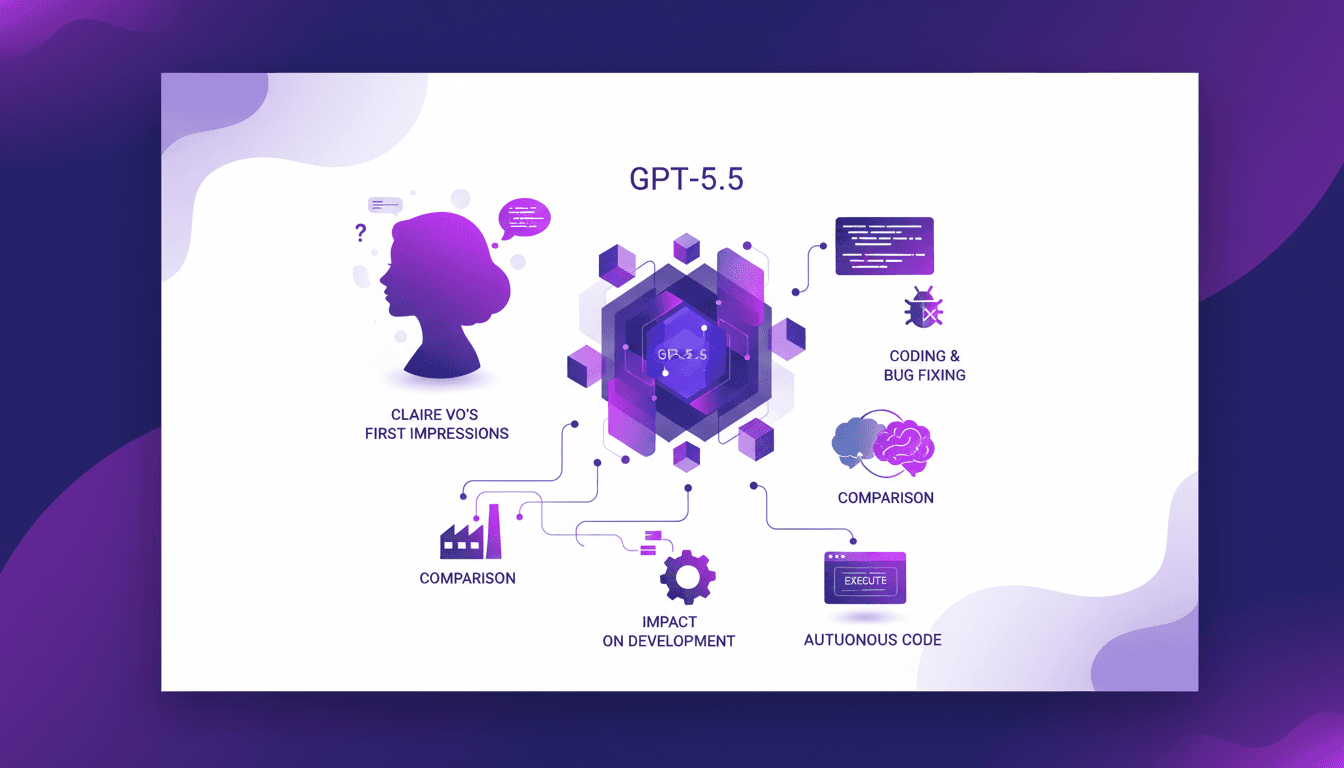
First Impressions of GPT-5.5 by Claire Vo
I remember when I first dove into GPT-5.5. It felt like opening a toolkit with a new, sharper tool, ready to redefine how I handle coding tasks. Claire Vo shares her first impressions of this model that seems to push the boundaries of AI in software development. From autonomous code execution to bug fixing, there's a lot to explore. And with a 98% accuracy in fixing bugs, it's no empty promise. In this interview, Claire takes us through her discoveries, comparing GPT-5.5 with previous models and assessing its potential impact on the software development process.