Scaling GitHub's MCP Server: Key Lessons
I remember the first time I scaled GitHub's MCP server. It was a beast of a task, but through trial and error, I learned what works, what doesn't, and where the real value lies. In this article, I'll walk you through the journey of scaling GitHub's MCP Server, highlighting the challenges, optimizations, and security enhancements that made the difference. We'll dive into public contributions, context overload, OAuth implementation, and using Redis for stateless server setups. If you've ever juggled over 100 tools but want to cut it down by 49%, keep reading. This is field insight, not abstract theory.
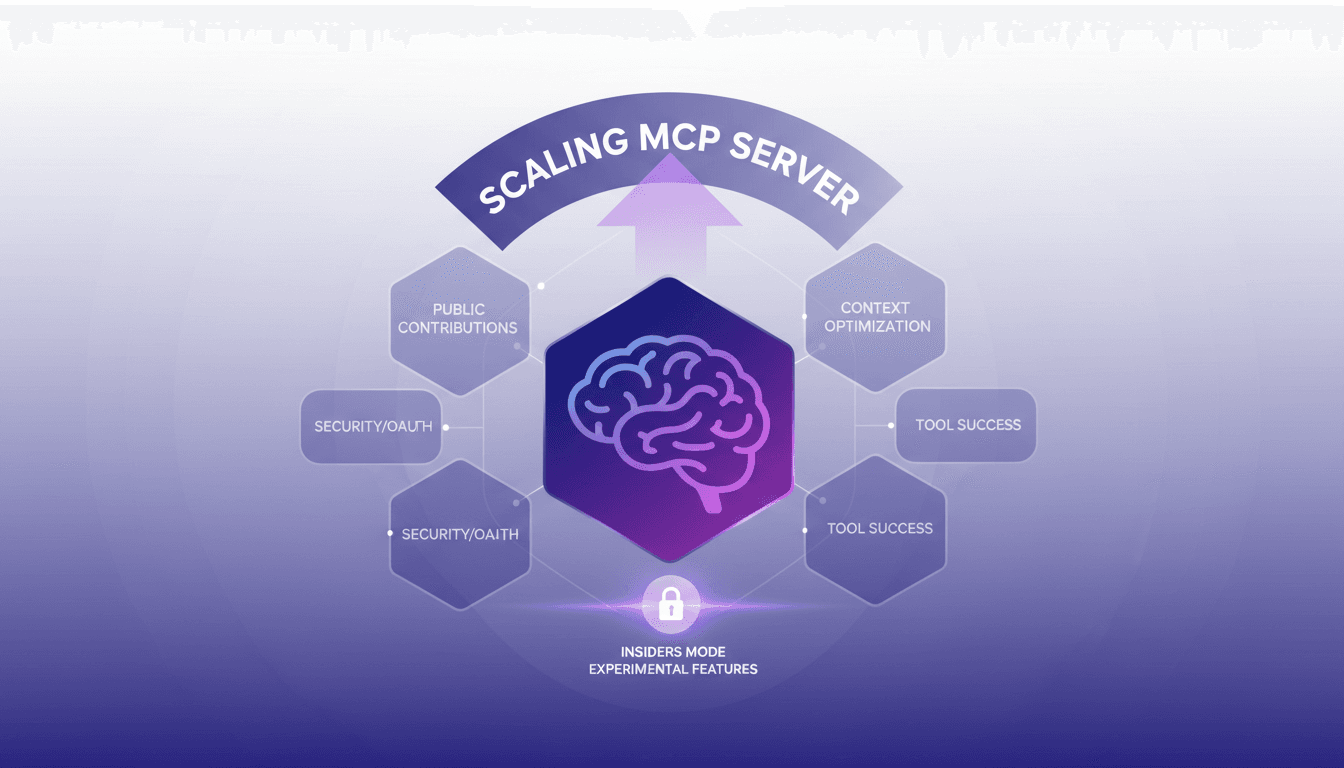
I remember a time when scaling GitHub's MCP server felt like tackling a beast. You're balancing OAuth implementation, optimizing against context overload, and sometimes getting burned by tools that just don't deliver. But, as they say, practice makes perfect, and I eventually figured out where the real value lies. In this article, I share the journey of scaling, touching on public contributions and stateless server setups using Redis. We managed to cut the initial load by 49% by better targeting tools. If you're the kind of person who experiments with over 100 tools only to settle with 40 in default configuration, then this hands-on experience is for you. It's concrete, lived experience, not just conference room theory.
Understanding GitHub's MCP Server Journey
When I started working on GitHub's MCP server, it felt like jumping on a speeding train. The initial challenges with scaling were enormous. Picture this: our journey began publicly last April with the open-sourcing of the local MCP. We quickly faced a high volume of public contributions. This created gaps in platform coverage, which directly impacted user experience.
"More contributions do not always mean better quality."
A unique problem was context overload. Initially, we introduced tool sets to manage this overload. But watch out, it's not as simple as stacking everything together. Each added tool consumes part of the agent's context window. This forced us to optimize and reduce excessive context usage, reducing our initial load by 49%.
Optimizing Tool Selection and Reducing Load
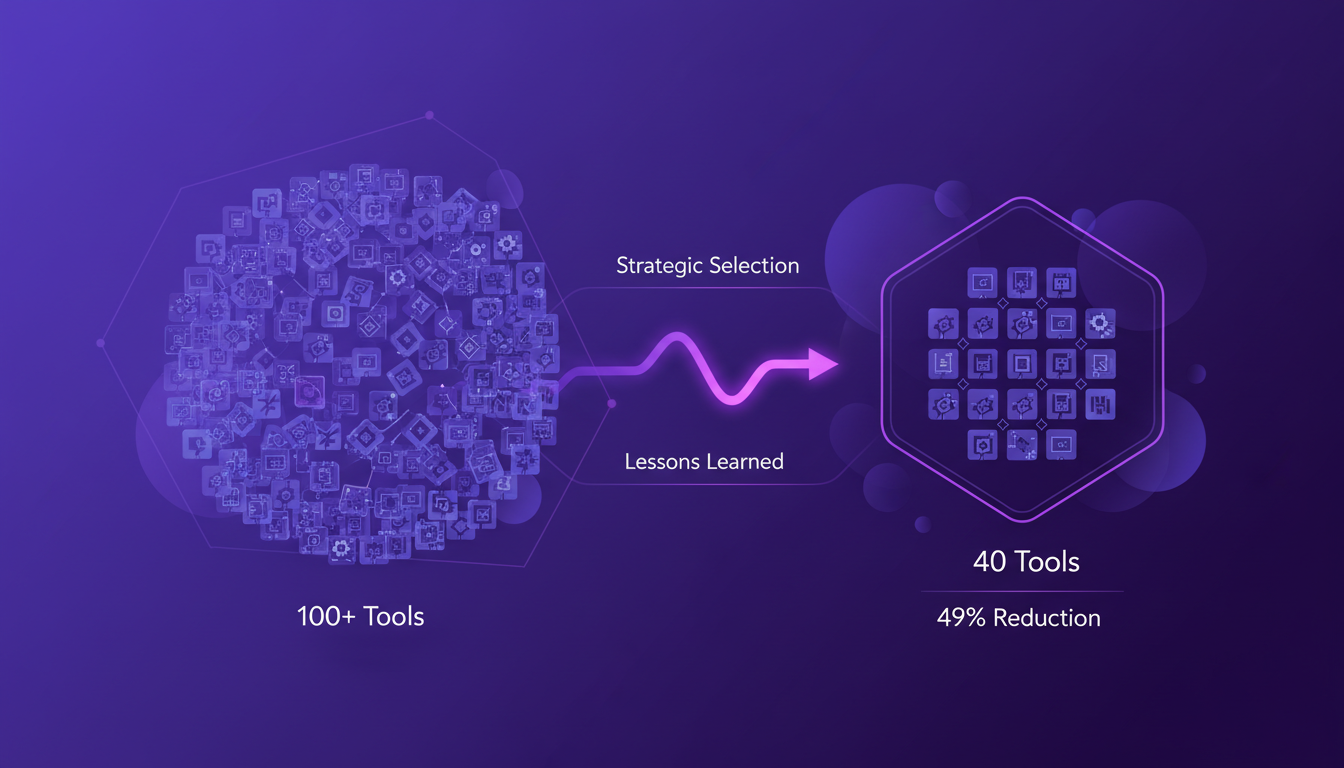
Strategic tool selection is crucial. Initially, we had over 100 tools, but this made agents confused and forgetful. More tools don't always mean better performance.
Reducing this number to 40 in default configurations was a major turning point. By using dynamic tool sets, we managed to improve the success rate by over 95%. This was a valuable lesson: fewer, more targeted tools are better.
- Strategic selection reduced initial load by 49%
- 40 tools in default configuration often suffice
- Improved success rate to 95%
Security Enhancements with OAuth 2.1 and PKCE
Security is an area where you can't compromise. Implementing OAuth 2.1 with PKCE has strengthened our security posture. PKCE (Proof Key for Code Exchange) is crucial for securing public applications without compromising user experience.
But watch out, you need to find the right balance between security and performance. For example, we rejected dynamic client registration due to the potential for uncontrolled growth in app databases.
- OAuth 2.1 for enhanced security
- PKCE improves security without affecting user experience
- Balance between security and performance
Stateless Server Setup and Redis Usage
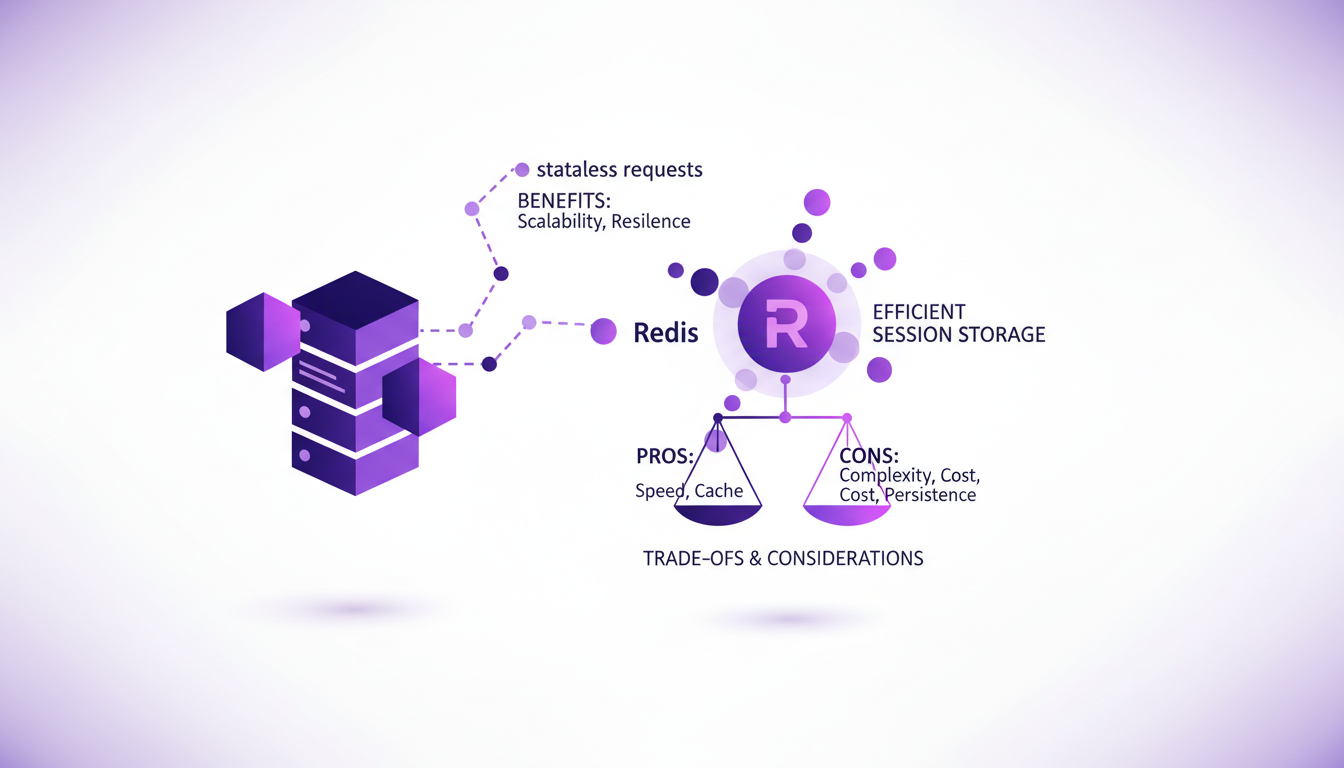
The stateless approach for the MCP server is a game changer. Using Redis for session storage allowed us to efficiently manage around 7 million tool calls a week, without session affinity. But watch out, Redis isn't without trade-offs. Latency can sometimes be an issue, and proper data persistence configuration is crucial.
- Benefits of a stateless server
- Redis for efficient session storage
- Considerations and trade-offs with Redis
Experimenting with Insiders Mode and Dynamic Features
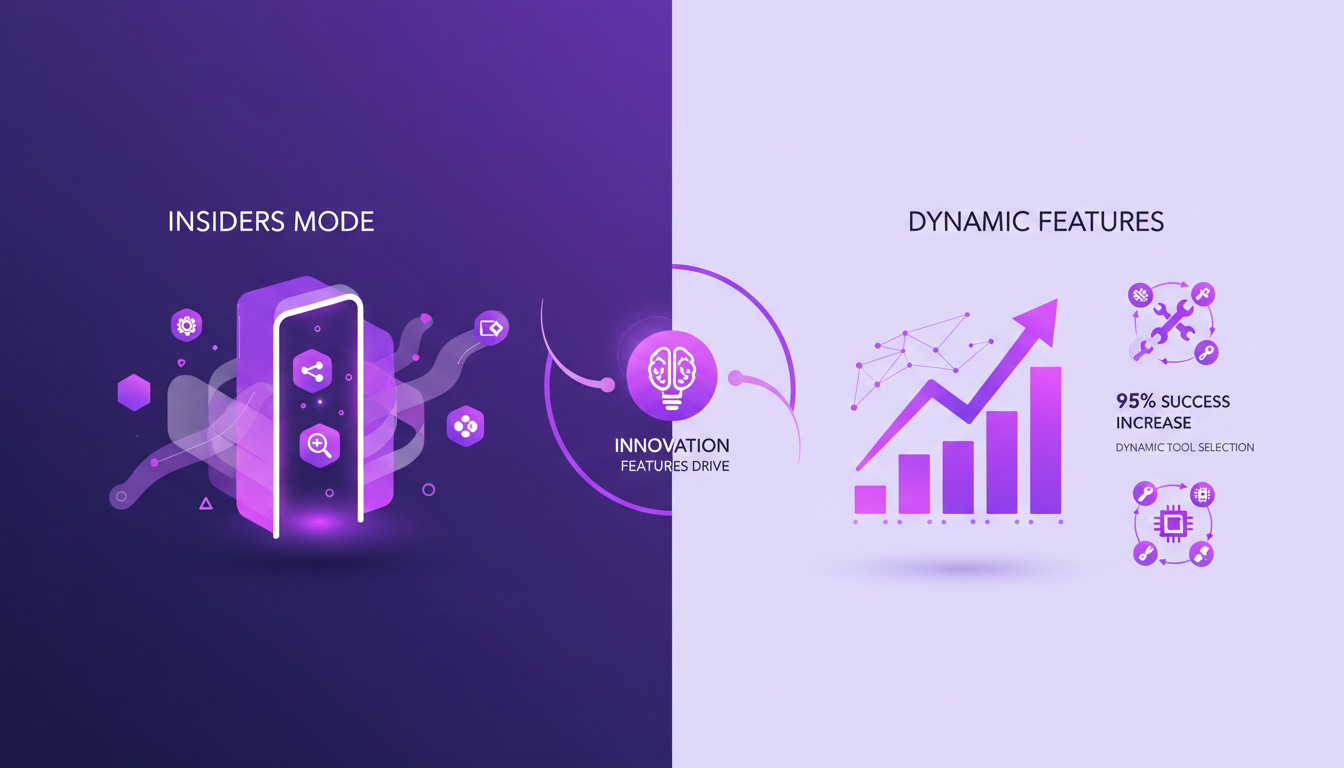
Insiders Mode is our innovation lab. By allowing users to access experimental features, we could test and refine new ideas. With dynamic tool selection, we managed to improve success rates by 95%.
Ultimately, continuous innovation is key to staying ahead of the curve. Experimental features are our testing ground, and we encourage contributions and feedback to continue improving our MCP server.
- Insiders Mode for testing new features
- Improved success rates to 95%
- Continuous innovation through experimental features
Scaling GitHub's MCP server felt like a masterclass in real-world problem solving. First, I fine-tuned the tools, which slashed the initial load by 49%. That's game-changing, but remember, sticking to default configs will limit you to 40 tools. Then, I bolstered security with OAuth—essential to ensure performance isn't sacrificed. Tackling context overload was tricky, but with focused tweaks, I found a balance. Key takeaways:
- Optimize your tools for immediate performance gains.
- Implement OAuth to secure without slowing down.
- Watch out for context overload: balance innovation with performance. Looking forward, these insights are shaping how we approach scaling—innovation shouldn't come at the cost of security. I highly recommend watching the original video for a deeper dive into these challenges and solutions. It’s a genuine learning experience that can guide your own scaling efforts. Video link.
Frequently Asked Questions

Thibault Le Balier
Co-fondateur & CTO
Coming from the tech startup ecosystem, Thibault has developed expertise in AI solution architecture that he now puts at the service of large companies (Atos, BNP Paribas, beta.gouv). He works on two axes: mastering AI deployments (local LLMs, MCP security) and optimizing inference costs (offloading, compression, token management).
Related Articles
Discover more articles on similar topics
Enterprise MCP Challenges: Practical Solutions
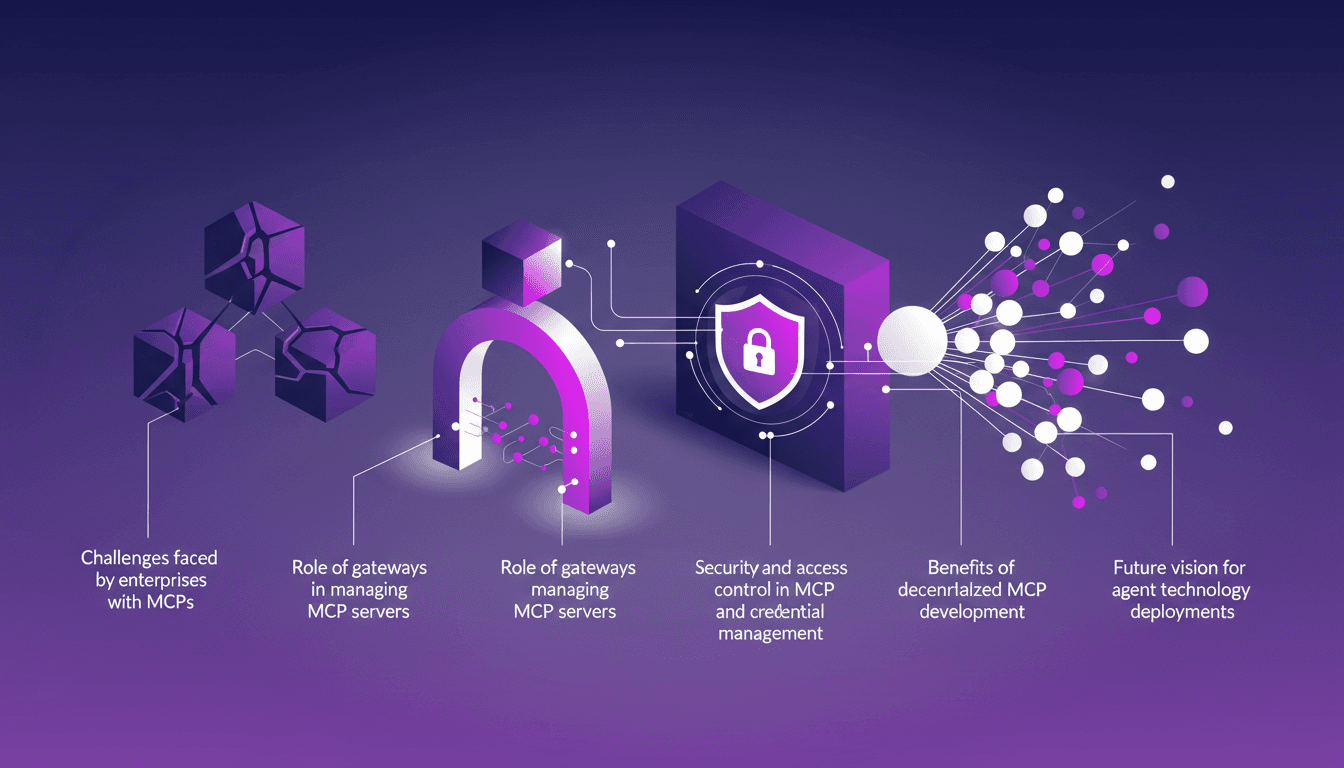
I remember the first time I had to scale MCP servers for an enterprise client. It was utter chaos — but once I found the right orchestration, everything clicked. Enterprises face unique challenges with MCPs, from scalability to security. In this article, let's break down how to tackle these challenges using gateways and other strategies. We'll also dive into security and access control, the importance of observability and credential management, and not to forget the future vision for agent technology deployment.
Tackling MCP: Managing Context with Cloudflare
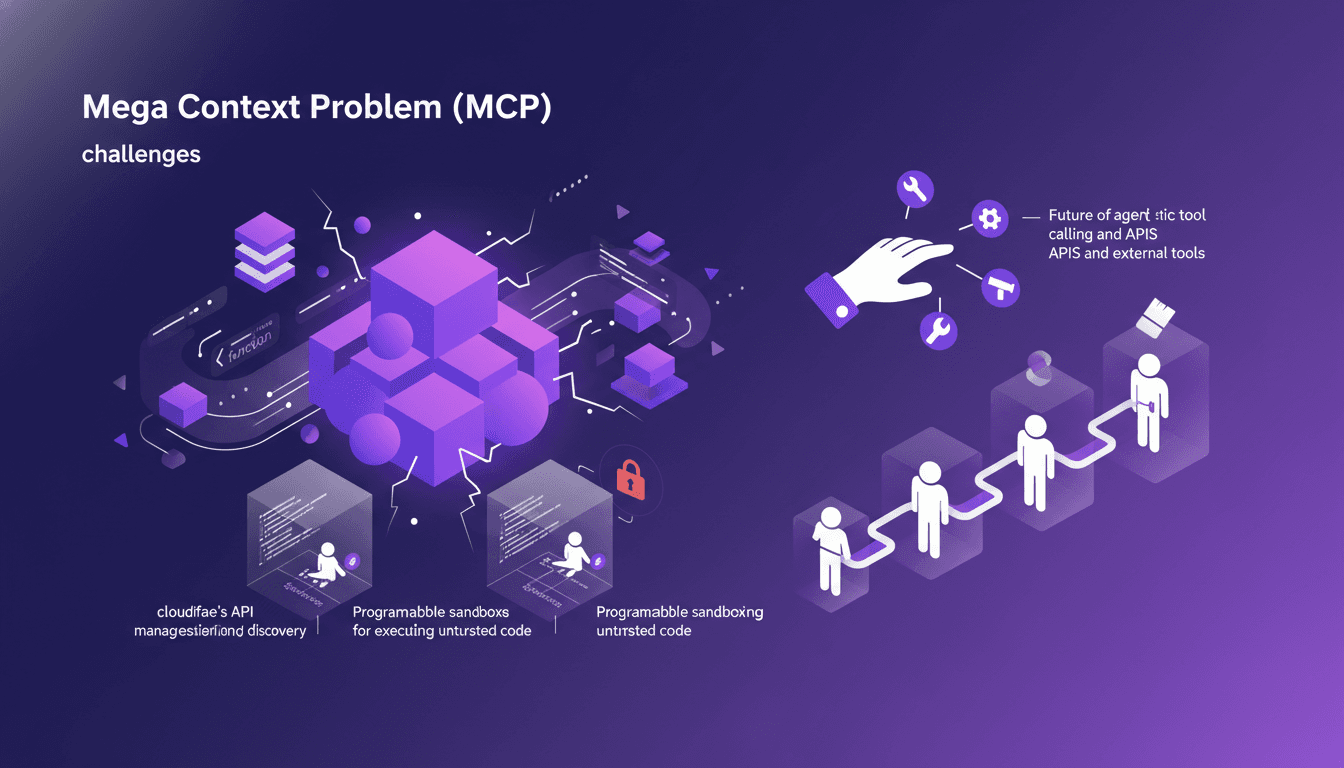
I remember the first time I hit the Mega Context Problem (MCP) head-on. I was knee-deep in API calls, and my context window was overflowing. That's when I realized managing context isn't just a technical challenge; it's a strategic one. With tools like Cloudflare's API management and TypeScript, we can tackle this beast head-on. I dive into these tumultuous waters daily, and I'll share the lessons I've learned. We'll discuss MCP challenges, the evolution of MCP clients, and the implications of programmatic tool calling. It's not just about technology but strategic orchestration.
Setting Up GStack: My Experience with Claude Code
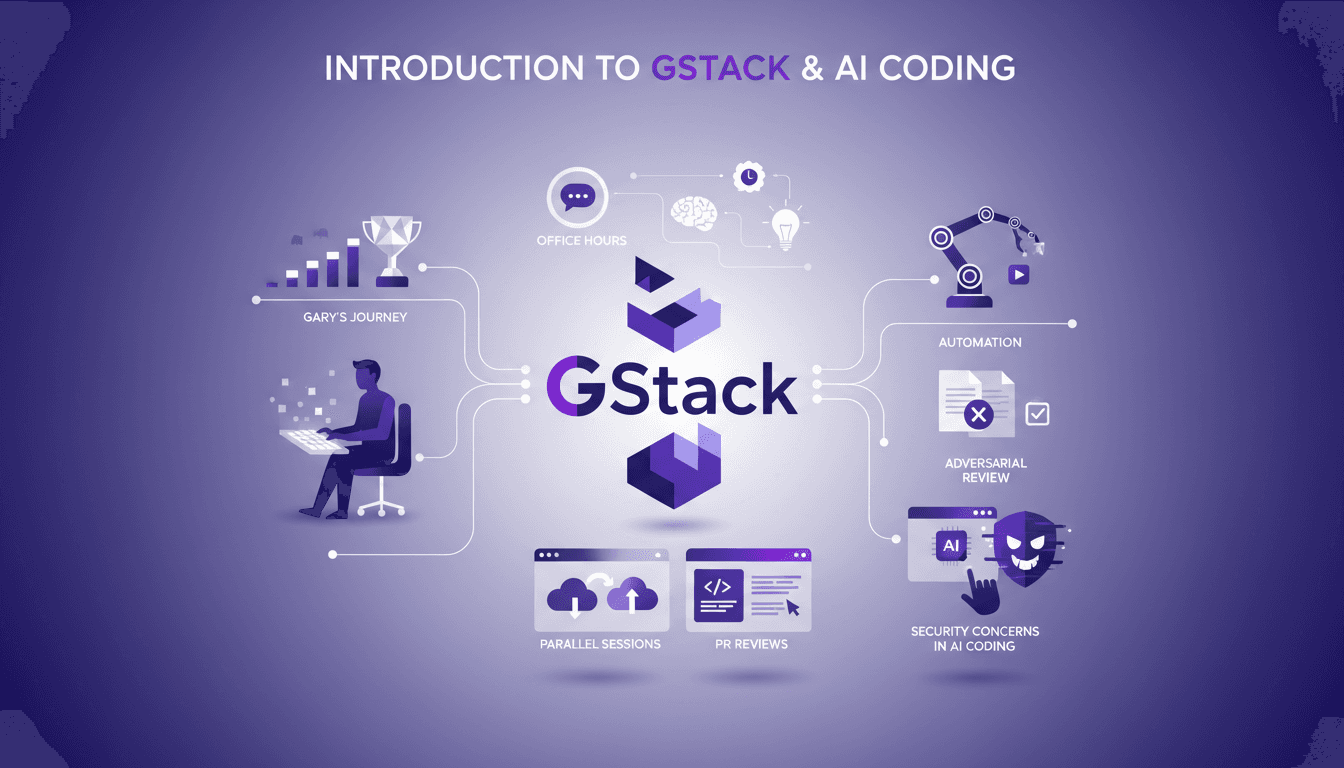
I've been deep in the trenches with GStack and Claude Code, and let me tell you, the way Garry Tan orchestrates his workflow is something else. From coding marathons to leveraging office hours for refining startup ideas, there’s a lot to unpack here. GStack is a powerhouse for automation in software development, and Garry has taken it to new heights. In this article, we dive into his tools, his methods, and the lessons we can all learn. We'll explore his use of GStack for automation, parallel cloud code sessions, and how he integrates AI into his process. But watch out, there are security concerns not to overlook.

Buying a Dream Car: The Real Cost
I bought my $200,000 dream car, but it wasn't the victory lap I expected. Let me share how this material obsession led me to discover a deeper purpose. We all think a purchase like this will change everything, but the real journey starts afterward. I share the story of building and selling my company, and how I found true meaning by helping others follow their dreams. This experience taught me that happiness doesn't come from material possessions, but from truly enjoying what we love to do.
AI Native Services: Revolutionizing Industries
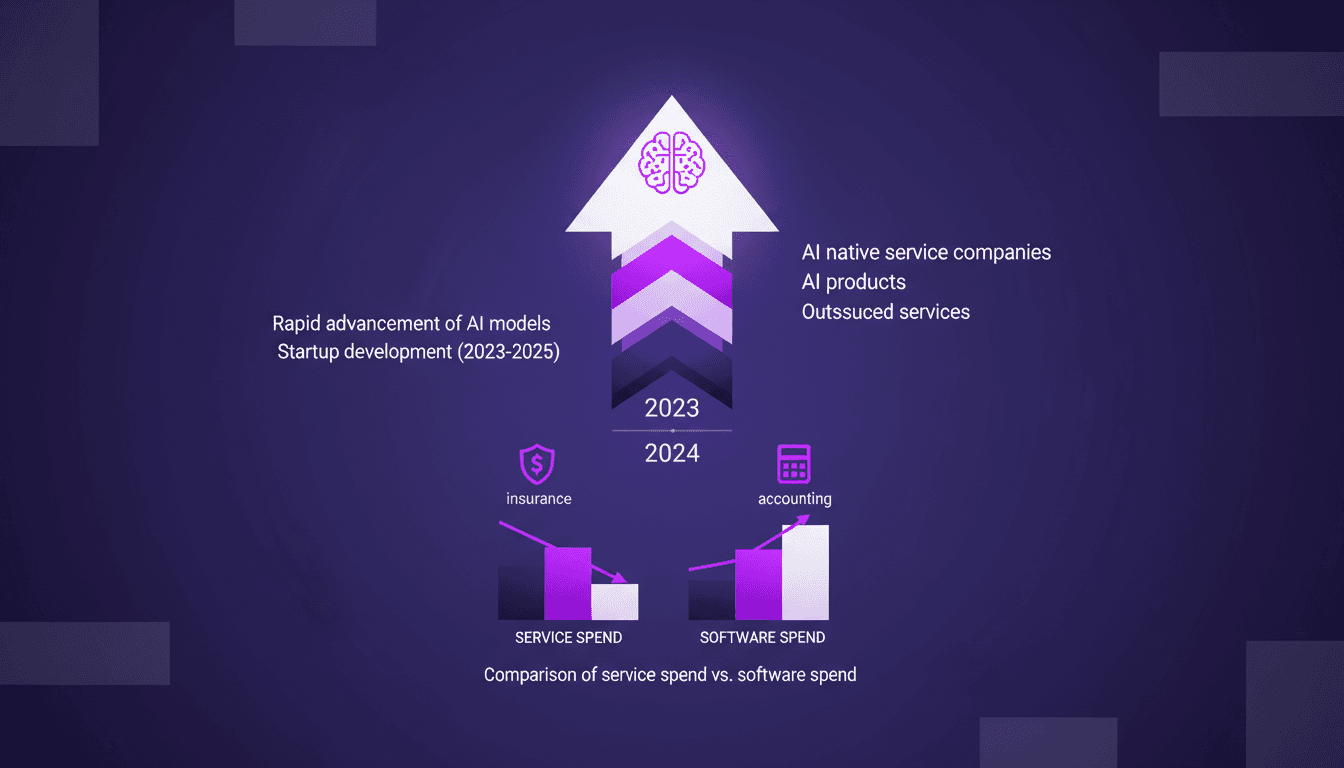
I've been knee-deep in AI for years, watching tools evolve into full-fledged AI native services. This isn't just a trend—it's a revolution. With AI models advancing at breakneck speed, we're witnessing a shift from traditional software tools to AI-native services. These aren't just buzzwords—real companies are emerging that leverage AI to replace entire service sectors. Industries like insurance and accounting are already feeling the impact. Let me walk you through how this unfolds and why it's a game changer. It's not just hype, it's happening.