Quantum Teleportation: China's Game-Changing Move
I remember when quantum teleportation was just a distant dream, a topic we debated for 30 years. But now, with China's staggering $17.5 billion investment, that dream is becoming a reality, and I'm right in the thick of it. Quantum teleportation isn't just a sci-fi concept anymore. Thanks to major breakthroughs in quantum entanglement and noise manipulation, we're seeing real-world applications unfold at breakneck speed. Let's dive into how China is leading the charge and what it means for us tech enthusiasts. With large-scale quantum key distribution networks and AI's role in quantum technology, the global race for quantum supremacy is heating up fast. It's a pivotal moment, and understanding these stakes is crucial if you don't want to be left behind.
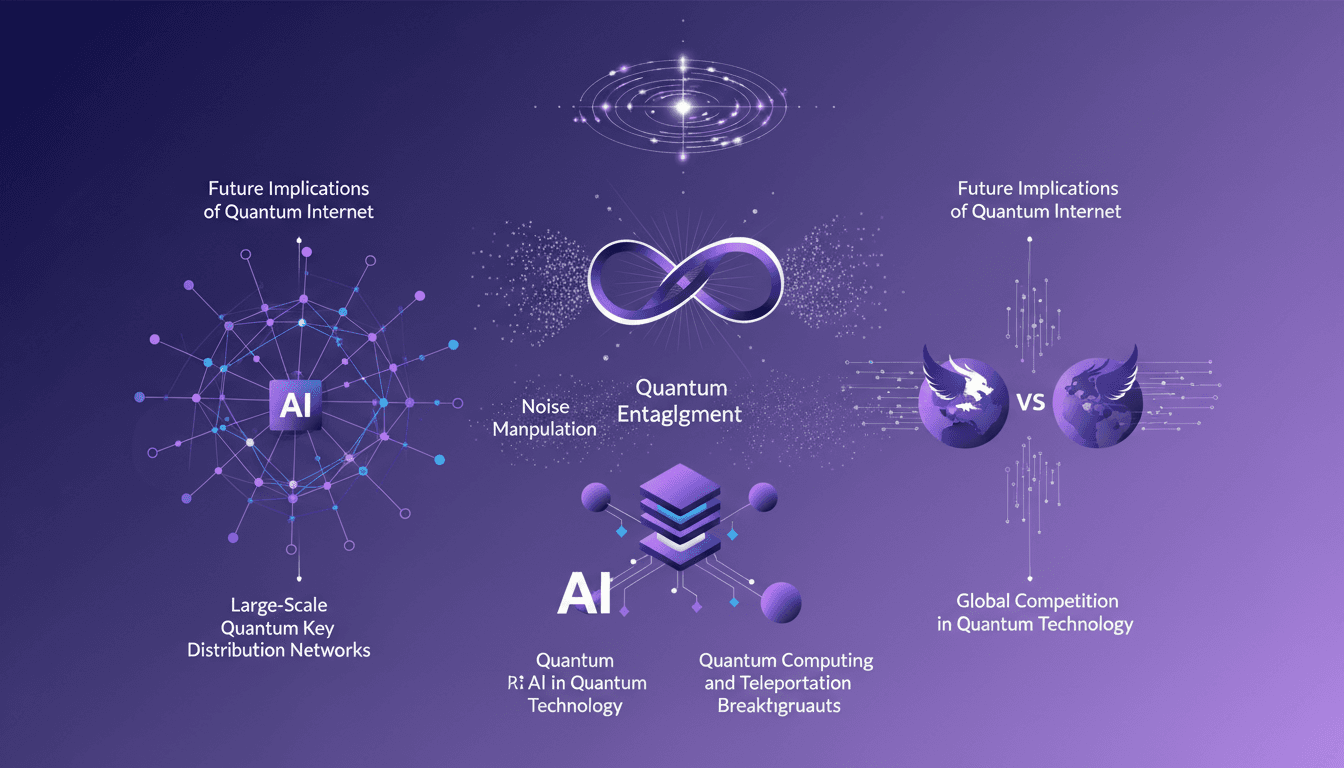
I remember when quantum teleportation was just a distant dream, something we debated for 30 years. Now, with China's massive $17.5 billion investment, that dream is becoming reality, and I'm right in the middle of it. Quantum teleportation isn't just a sci-fi concept anymore. Thanks to significant breakthroughs in quantum entanglement and noise manipulation, we're seeing real-world applications emerge at a rapid pace. China is taking the lead, and this is a game-changer for anyone interested in technology. Consider the development of large-scale quantum key distribution networks and AI's growing role in this field. The global competition for quantum supremacy is heating up, and understanding these stakes is crucial if you don't want to be left behind. Get ready to dive into how these developments are shaping our future and what it means for our everyday lives.
China's Bold Investment in Quantum Teleportation
China's massive $17.5 billion investment in quantum technologies isn't just a number—it's a strategy to dominate the future quantum internet infrastructure. When a country puts down this much cash, they're not playing games; they're playing to win. Compared to global trends, China is way ahead, with the EU at $8.4 billion and the US at a mere $3.7 billion. We're talking about a race for quantum supremacy, and China's clearly in the lead. What does this mean for us beyond just big numbers? Simple: direct impacts on our economies and technologies. Imagine an internet where data travels instantly and is ultra-secure. That's where we're headed.
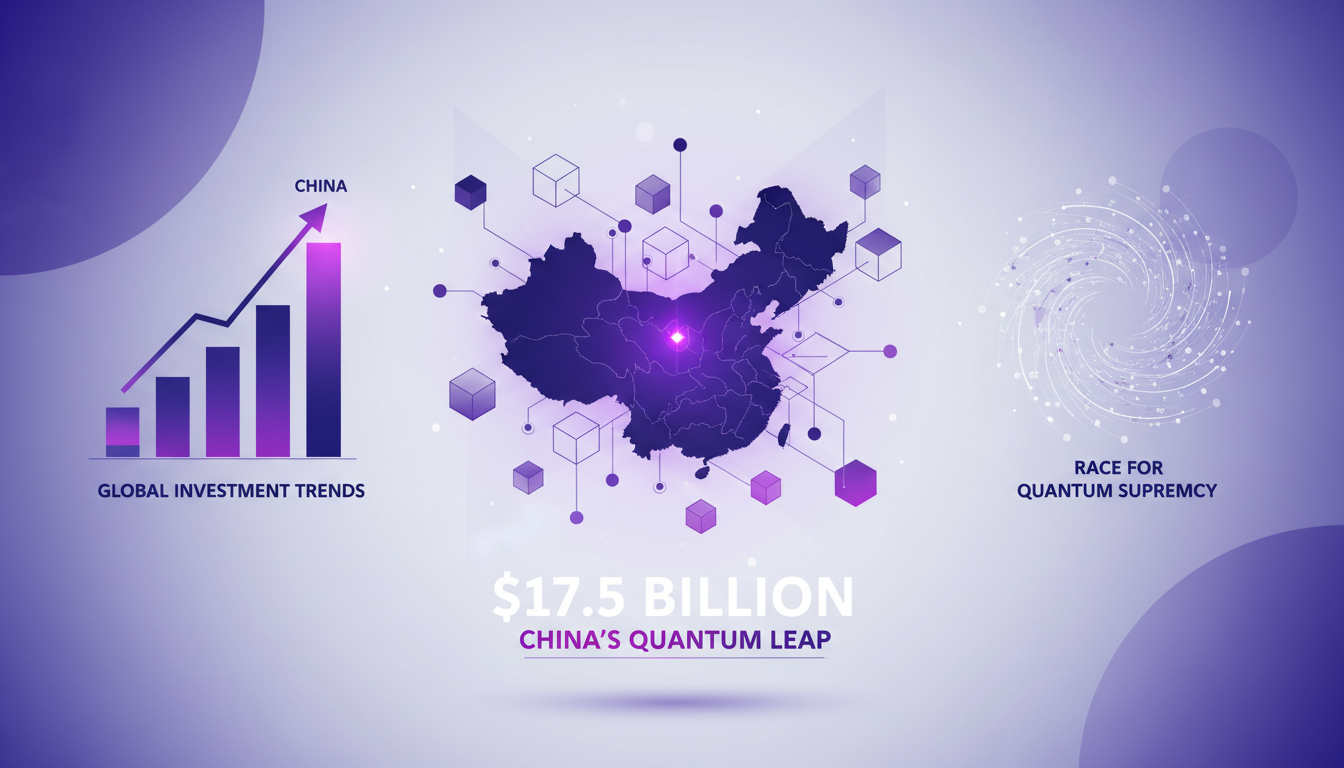
This investment will send ripples across the world. Tech companies will have to adapt or be left behind. China is already leading in terms of research output and the number of patents in quantum technologies. The path is set, and it's paved with innovations and technological breakthroughs.
Understanding Quantum Entanglement and Noise
Now, let's dive into quantum entanglement, the heart of quantum teleportation. Two particles connected so deeply that what happens to one affects the other instantly, even across vast distances. This is how information teleportation works. But watch out, quantum noise has long been the arch-nemesis of this technology. Imagine trying to talk to someone at a rock concert—the noise prevents your words from getting through. It was the same with quantum entanglement until a 2024 breakthrough showed that noise could actually enhance quantum teleportation quality. A revolution!
The breakthroughs at the University of Oxford, where they teleported a logic gate between two quantum processors, marked a giant step toward practical applications. But don't get too excited too quickly. Maintaining entanglement over long distances remains a significant challenge. I got burned thinking it was simple, but the reality is much more complex. As always, the key is understanding and manipulating noise instead of trying to eliminate it entirely.
Quantum Key Distribution Networks: The Backbone
China isn't stopping at teleportation. They're also building large-scale quantum key distribution networks. Why? To secure communications in this new quantum era. Imagine a 12,000 km fiber optic network serving 6.8 million users—this is what China already has in place via China Telecom Quantum. It's huge. But watch out, scaling these networks isn't without challenges. Security is paramount, but you also have to balance the trade-offs in cost and implementation complexity.
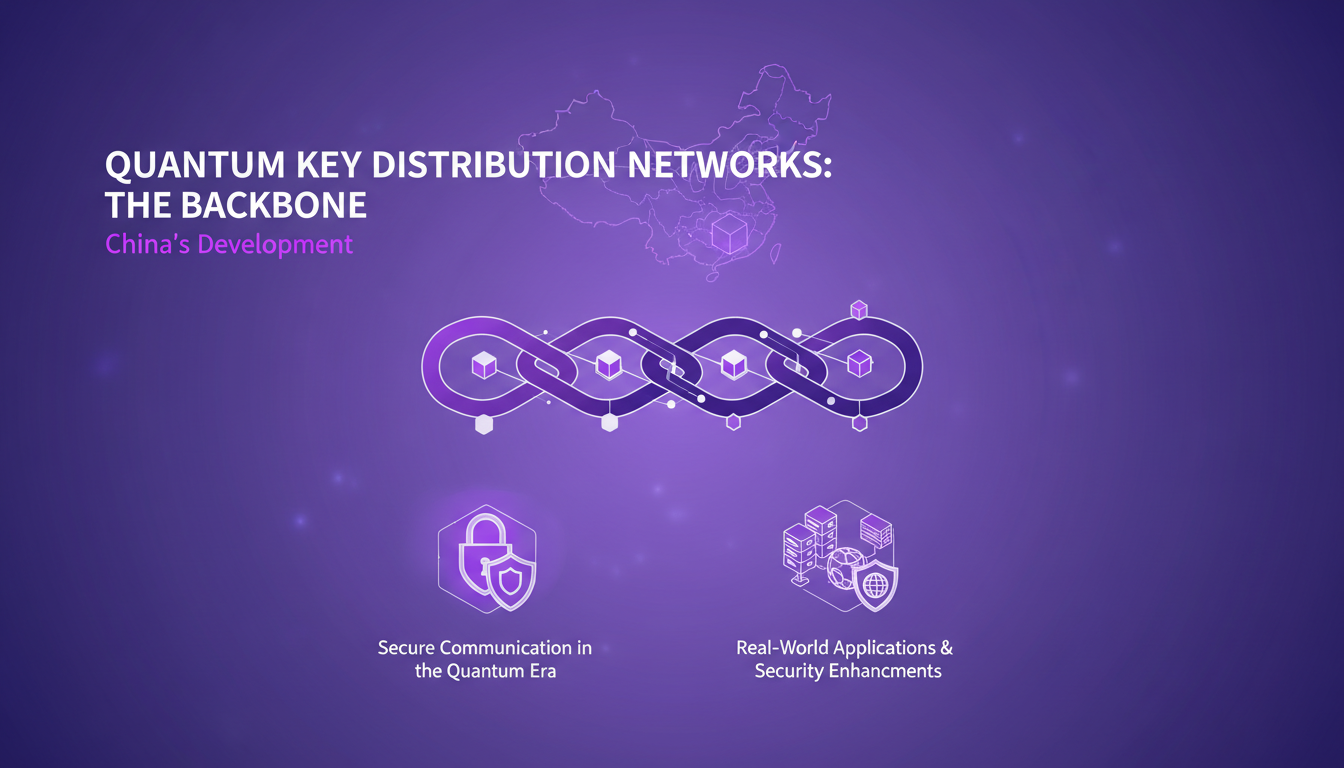
Real-world applications are vast, from ultra-secure financial transactions to government communications. But don't overuse it. Push security too far, and you might slow down the networks.
AI's Role in Quantum Technology Advancement
Now, let's talk about AI and its role in all of this. It's accelerating developments in quantum computing and teleportation by analyzing complex data sets faster than we ever could manually. I have orchestrated projects where AI enabled breakthroughs I could never have imagined on my own. But watch out, AI and quantum systems are complex beasts. Don't get blinded by the promises. It's crucial to balance AI's potential with the complexity of quantum systems. Take the time to master each aspect before diving in.
Examples of breakthroughs include optimizing quantum communication protocols. But again, there are pitfalls. Don't fall into the trap of over-optimization. Sometimes, too much AI complicates more than it helps.
The Global Race and Future of Quantum Internet
Finally, the global race for the future of the quantum internet. The US, Europe, China—all are in the race, but China has taken a strategic lead. With the non-cloning theorem, which prevents copying an unknown quantum state, the security of these communications is unprecedented. Imagine a world where digital espionage is practically impossible. That's the promise of the quantum internet. But watch out, technical challenges remain abundant, and development costs are huge. Yet, the potential impact is massive: unbreakable communication systems, faster distributed computing than ever before.
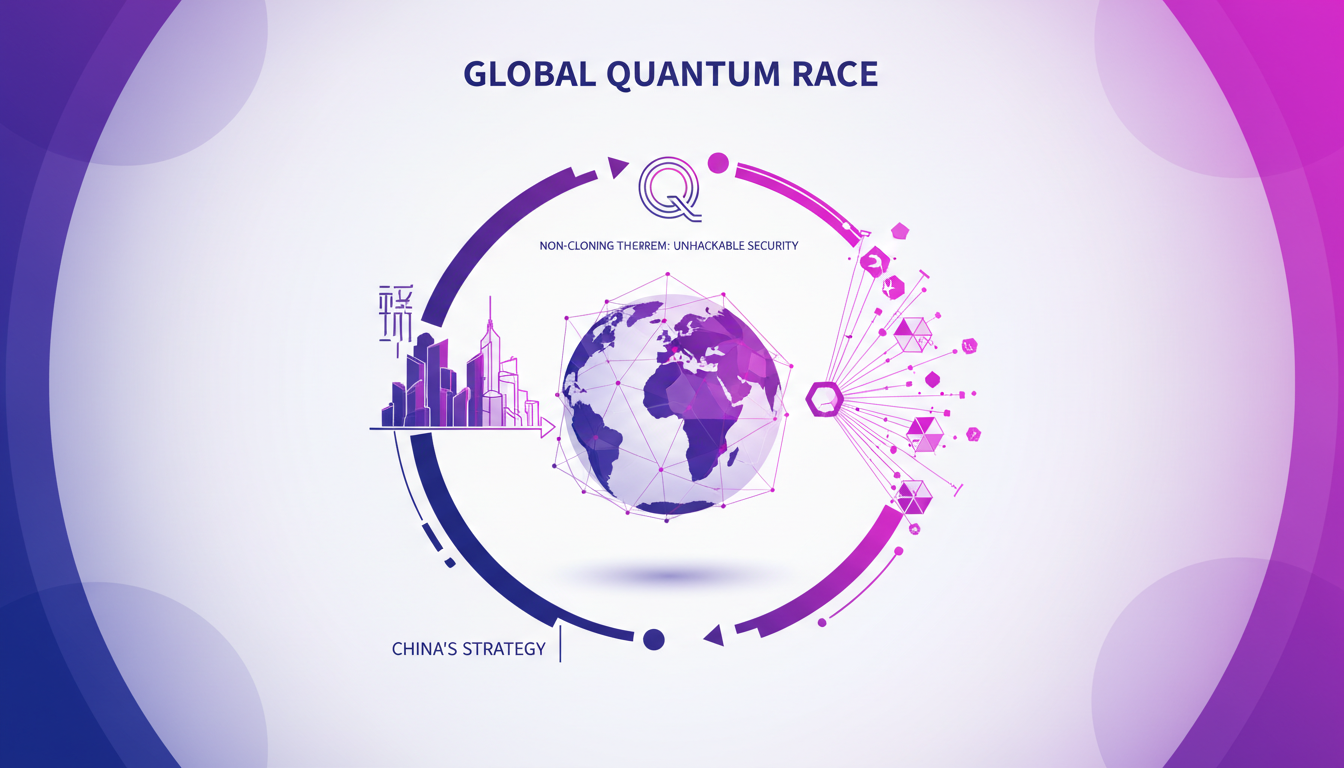
The future is here, and it's quantum. China's quest for quantum advancement is a strategic model for other nations. Stay alert, as the next decade could redefine our notion of the internet and security.
When I look at China's $17.5 billion investment in quantum teleportation, I don't just see a huge number. It's a real shift. We're moving from theory to practice, and that's a game changer. Here’s what I took away:
- For 30 years, we wondered if quantum teleportation could work in the real world. Now we know it does.
- Noise manipulation and quantum entanglement are key tools we need to integrate into our tech strategies.
- Five states passing in parallel offers huge potential for optimizing large-scale quantum key distribution networks. Looking forward, we need to prepare to integrate these technologies into our strategies, or risk being left behind. So, I encourage you to watch the video "China Unveils Its Quantum Teleportation Project." Understanding these developments will keep you in the race.
Frequently Asked Questions

Thibault Le Balier
Co-fondateur & CTO
Coming from the tech startup ecosystem, Thibault has developed expertise in AI solution architecture that he now puts at the service of large companies (Atos, BNP Paribas, beta.gouv). He works on two axes: mastering AI deployments (local LLMs, MCP security) and optimizing inference costs (offloading, compression, token management).
Related Articles
Discover more articles on similar topics
Teaching AI to Close: 6 Months of Insights
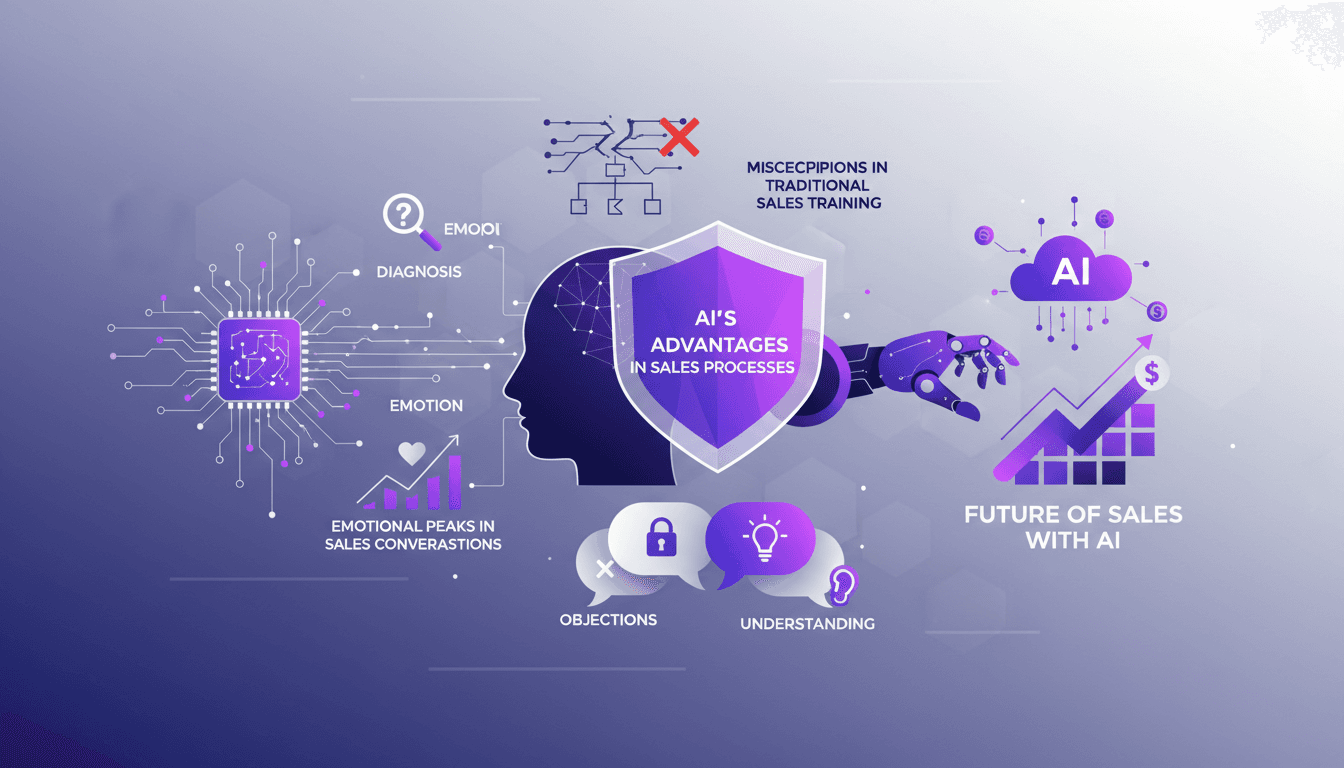
I spent six months training an AI to close deals—230 real estate investors and wholesalers later, I learned that AI's edge isn't speed, but its lack of ego. This journey reshaped my understanding of sales, challenging traditional training methods. In a field that's been taught the same way for a century, AI is changing the game. Let's dive into how AI can optimize sales processes and redefine how we approach prospects. Topics include AI's role in sales, misconceptions in traditional sales training, the importance of diagnosing prospects, and the future of sales with AI. Get ready for a deep dive into the future of sales, where AI might just become your best ally.
Slate: Software Review Agent in ChatGPT
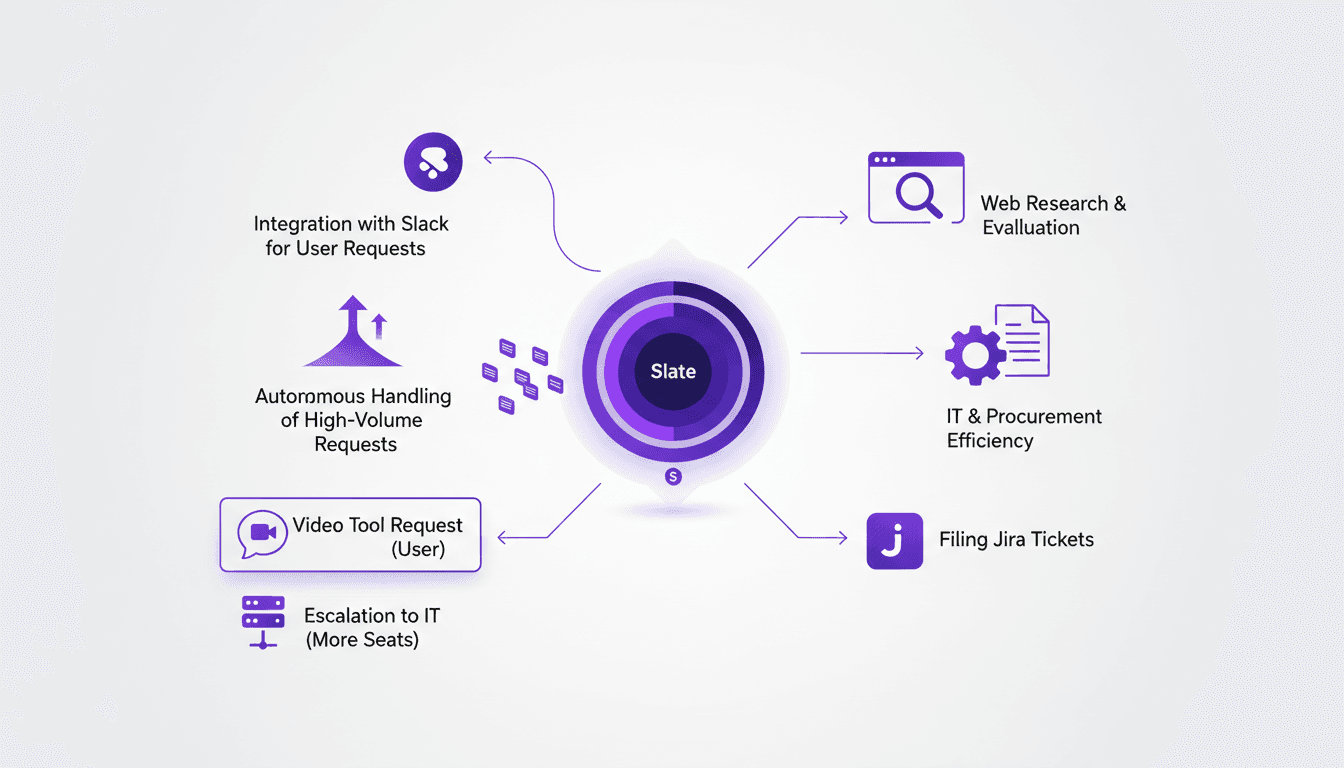
Ever been buried under a pile of software requests and wished for an extra pair of hands? That's where Slate steps in. I integrated Slate with Slack and saw firsthand how it transformed our IT workflow. Slate acts as a software review agent, autonomously handling high-volume requests and integrating seamlessly with Slack. Let's dive into how it streamlines processes and boosts efficiency, from web research to software evaluation, and even managing Jira tickets.
Managing Third-Party Risks with Trove and ChatGPT
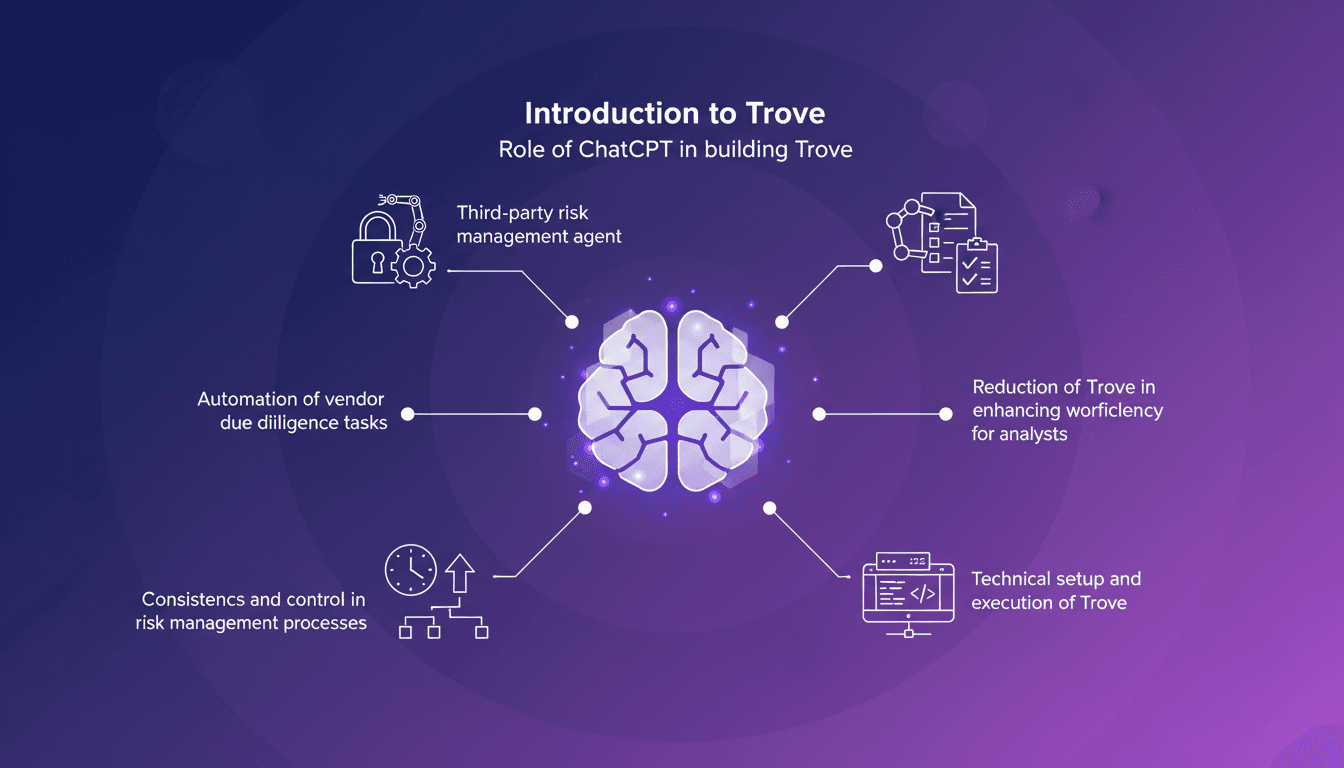
I remember when managing third-party risks felt like wrestling with spreadsheets. Then I discovered Trove, and everything changed. With ChatGPT, I built a game-changing tool that slashes manual work and boosts efficiency. Trove automates vendor due diligence, making the process faster and more consistent. Let me walk you through how I integrated ChatGPT into Trove to automate these tasks. Throughout this journey, I learned how to orchestrate everything — from the technical setup to execution — saving a ton of time and providing unmatched consistency in risk management.
GPT 5.5: Revolutionizing Code and Workflow
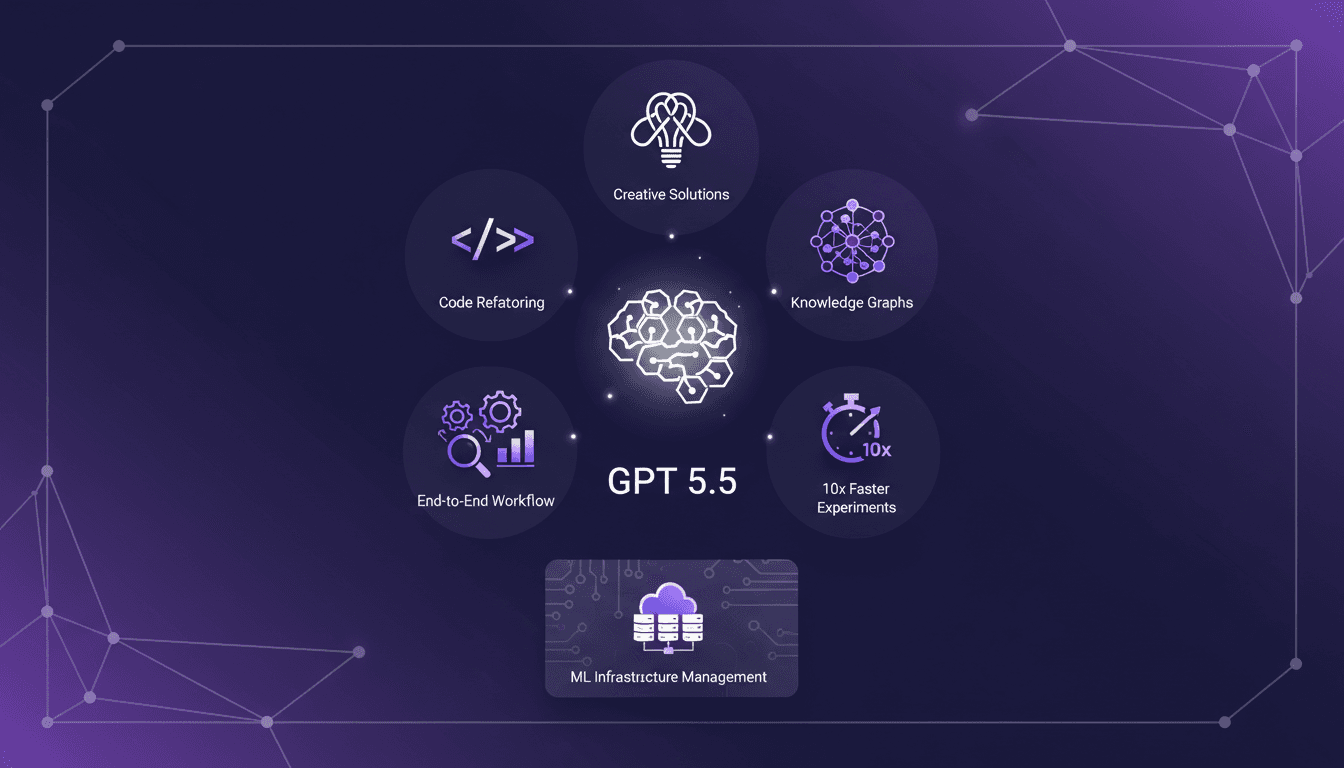
I've been in the AI trenches for years, but GPT 5.5 is truly a game changer. I connected it to my usual workflows, refactored code, and even built knowledge graphs more efficiently than ever. This model isn’t just about incremental improvements; it redefines how AI can tackle complex problems. With a 10x speed improvement in running experiments, I can orchestrate entire projects end-to-end without worrying about the machine learning infrastructure. If you've ever been frustrated by the limits of previous models, now's the time to dive into GPT 5.5.
AI Studio & Gemini: Revolutionizing Development
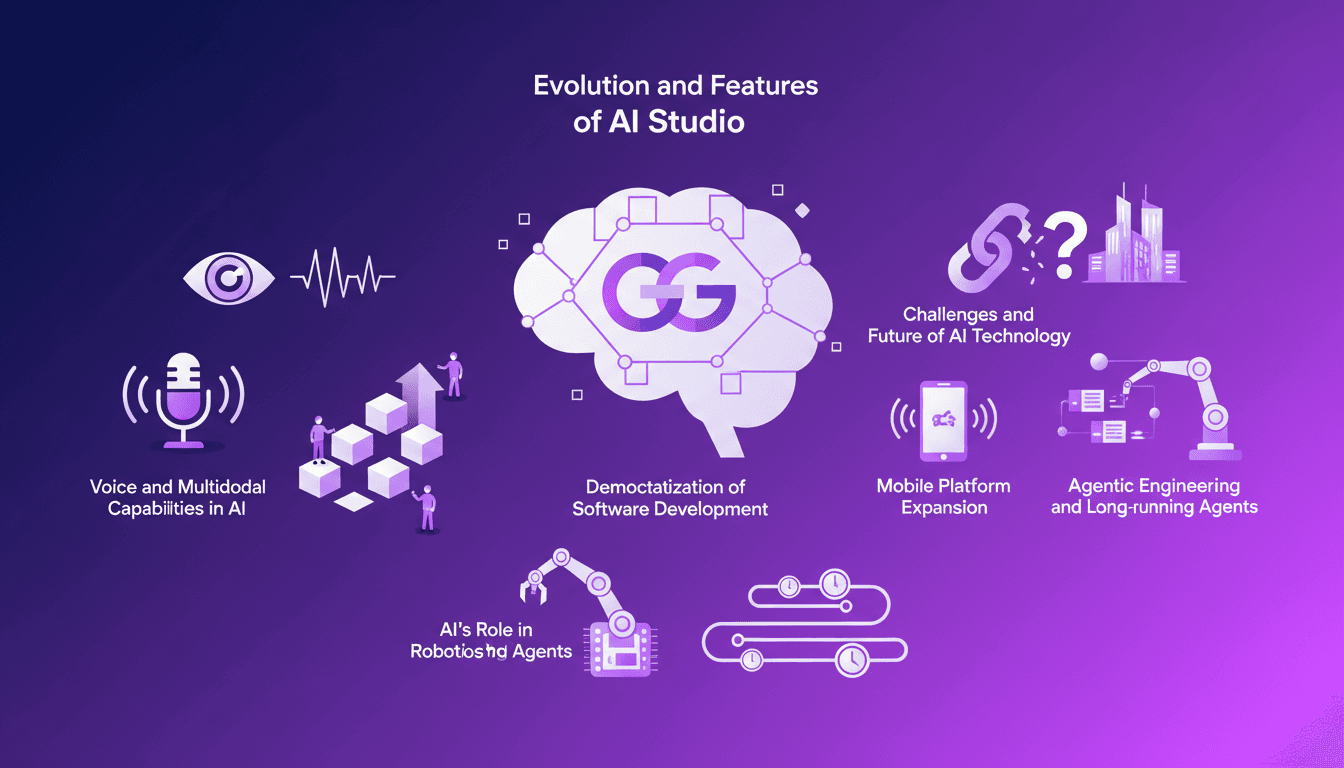
I remember when AI Studio was just a whisper in the tech corridors. Fast forward to today, it's a game changer—especially with Gemini models in the mix. In just 18 months, AI Studio has crossed critical milestones, integrating cutting-edge features like multimodal capabilities. This isn't just for the tech elite; it's democratizing development for everyone. Let me walk you through how this evolution isn't just hype, but a real shift in how we build and innovate. I've connected Gemini models, orchestrated complex projects, and avoided some pitfalls that I share here. We also talk about mobile platform expansion, agentic engineering, and AI's role in robotics. In short, AI Studio is no longer a dream; it's our reality.