Slate: Software Review Agent in ChatGPT
Ever been buried under a pile of software requests and wished for an extra pair of hands? That's where Slate steps in. I integrated Slate with Slack and saw firsthand how it transformed our IT workflow. Slate acts as a software review agent, autonomously handling high-volume requests and integrating seamlessly with Slack. Let's dive into how it streamlines processes and boosts efficiency, from web research to software evaluation, and even managing Jira tickets.
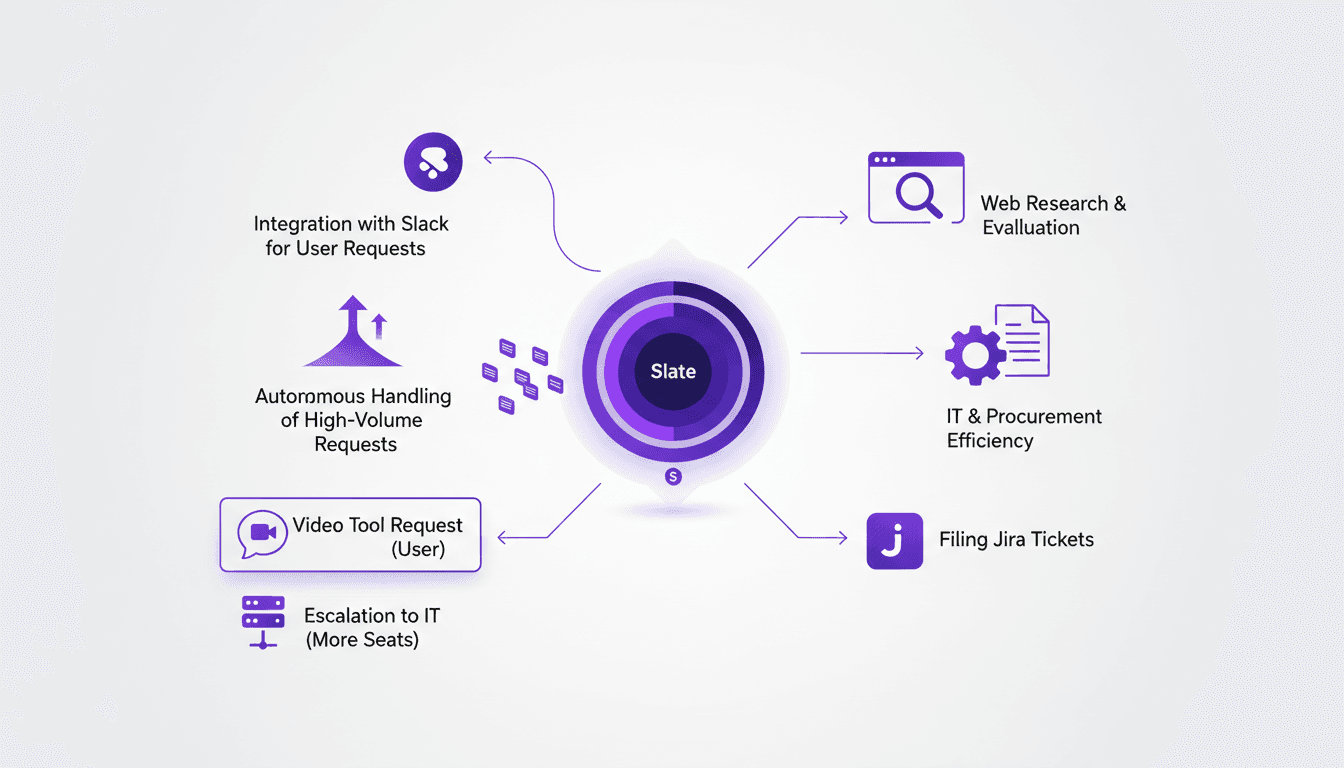
Ever found yourself drowning in software requests, dreaming of an extra pair of hands? Yeah, been there. That's when I decided to integrate Slate with Slack, and it was a game changer for our IT workflow. Slate acts as a software review agent, autonomously handling mountains of requests and seamlessly integrating with Slack. There's no magic, just smart orchestration: Slate performs web research, evaluates software, and can even file Jira tickets. Picture this—you get a request for a high-quality video recording tool. Slate handles it, and if needed, escalates to IT to provision more seats. It's a real boost for IT efficiency and procurement. Let's dive into how all this actually works in practice.
Getting Started with Slate: The Basics
Remember the first time I integrated Slate into our IT system? It was like discovering a new efficiency dimension. Slate is a software review agent integrated into ChatGPT, and it does more than just follow established processes. Initially, setting it up involves integrating it with your existing infrastructure. It might seem daunting, but believe me, once you get the hang of it, it's a breeze.
A key part of this is defining Slate's skills. These skills enable Slate to perform web research, check approved software lists, and evaluate signals to recommend next steps. Slate can autonomously handle requests, but watch out, it's important to know its limits to avoid overloading the system.
Integrating Slate with Slack for Seamless Requests
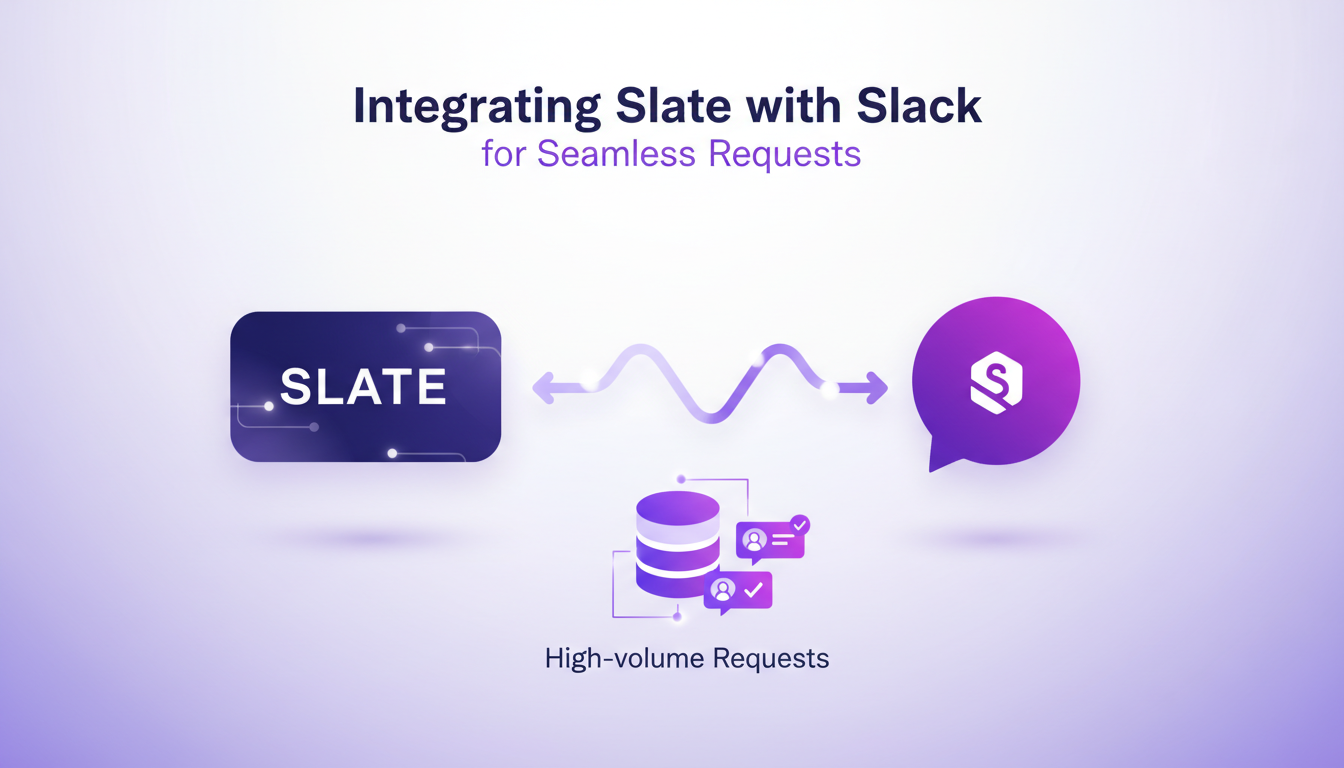
Integrating Slate with Slack transformed how we handle requests. I connected Slate to our main Slack channel, and now users can make real-time requests. It's a real-time saver for everyone. But, ensure that permissions are correctly set up to avoid bottlenecks.
This integration streamlines communication between users and the IT team. Slate efficiently handles high-volume requests, freeing up time for IT and procurement teams. However, be cautious not to overburden Slate with critical tasks solely automatic. Sometimes, a bit of human oversight is necessary.
Slate in Action: Evaluating Software Requests
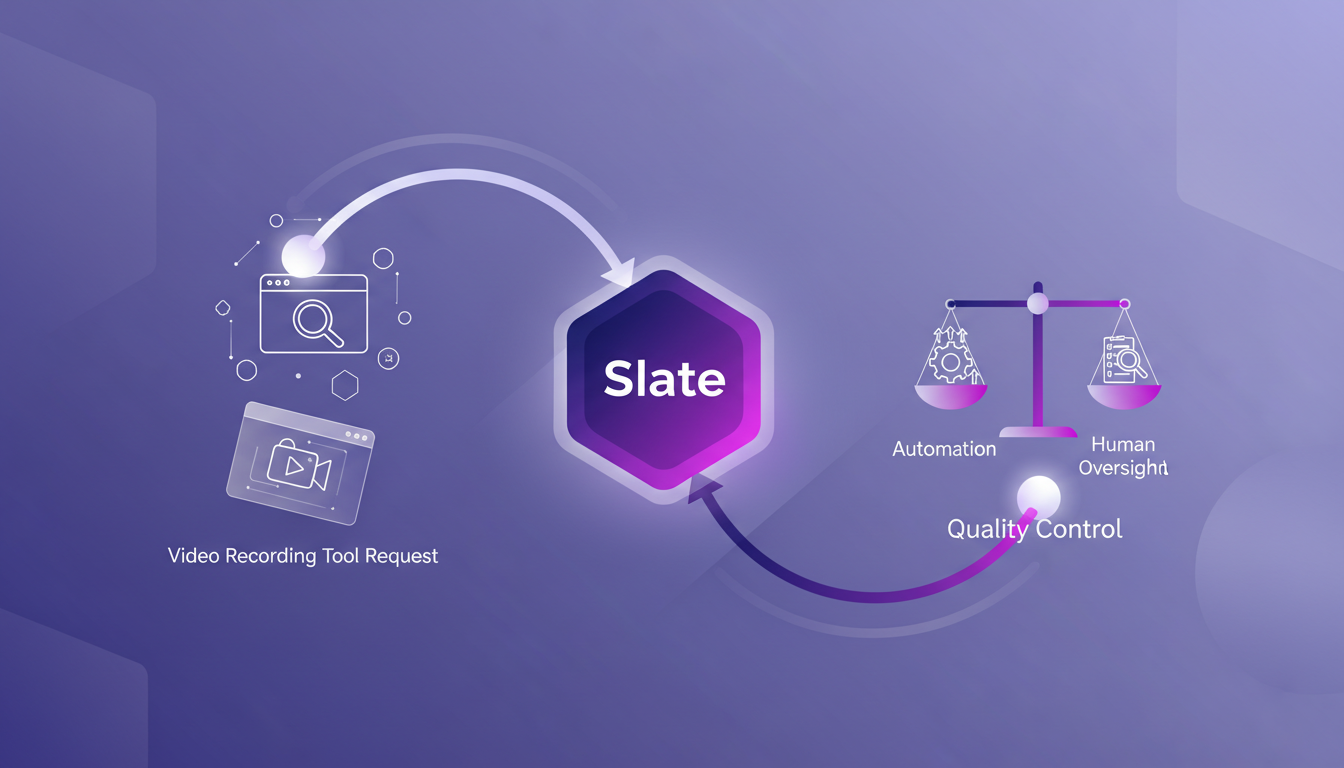
When it comes to evaluating software, Slate truly shows its capabilities. For instance, when an employee requests a high-quality video recording tool via Slack, Slate gets to work. It conducts thorough research, compares tool capabilities, and proposes a recommendation. This is where the balance between automation and human oversight comes into play. Even though Slate is autonomous, knowing when manual intervention is necessary to ensure quality is crucial.
Escalating Requests and Filing Jira Tickets
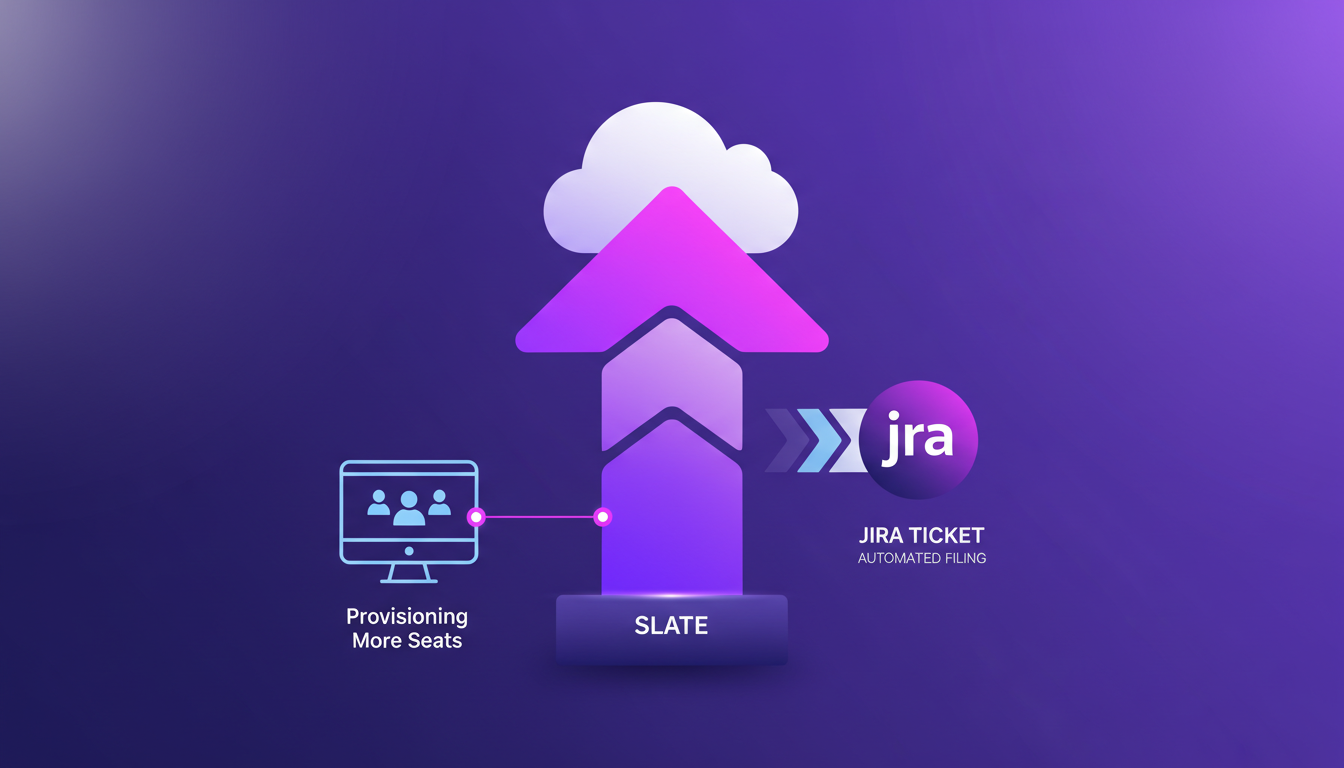
Sometimes Slate needs to escalate a request to the IT team for additional support. For example, if a user needs more seats for a tool, Slate automatically generates a Jira ticket. This ensures seamless and efficient tracking. However, there's a trade-off between speed and accuracy in ticketing. Too much speed can lead to errors, whereas excessive attention can slow down the process.
Boosting IT and Procurement Efficiency with Slate
By orchestrating multiple systems, Slate has transformed our IT and procurement processes. The time savings and efficiency gains are significant. But watch out, don't fall into the trap of relying solely on automation for critical tasks. Sometimes, a human touch is indispensable to avoid costly mistakes.
Slate has become a game changer in our way of working, but it's crucial to remain vigilant about its limits. Like any powerful tool, it must be used judiciously to maximize its positive impact.
Integrating Slate with Slack has been a game changer for our IT workflow. First, I leveraged Slate to automate user requests. Then, Slate autonomously handled high-volume requests. And it's not just automation; it's about smarter, more efficient processes. For instance, Slate can record high-quality videos for software reviews, automatically file a Jira ticket for the user, and even provision more seats for IT support. But watch out, don't get carried away: a poor initial setup can slow down your efficiency gains. Looking ahead, I see this integration becoming a must-have for any IT team looking to optimize operations. Ready to transform your IT operations? Start integrating Slate today and experience the difference. For a deeper understanding, I recommend watching the original video: Workspace agents in ChatGPT: Software review agent.
Frequently Asked Questions

Thibault Le Balier
Co-fondateur & CTO
Coming from the tech startup ecosystem, Thibault has developed expertise in AI solution architecture that he now puts at the service of large companies (Atos, BNP Paribas, beta.gouv). He works on two axes: mastering AI deployments (local LLMs, MCP security) and optimizing inference costs (offloading, compression, token management).
Related Articles
Discover more articles on similar topics
Slate: Software Review Agent in Action
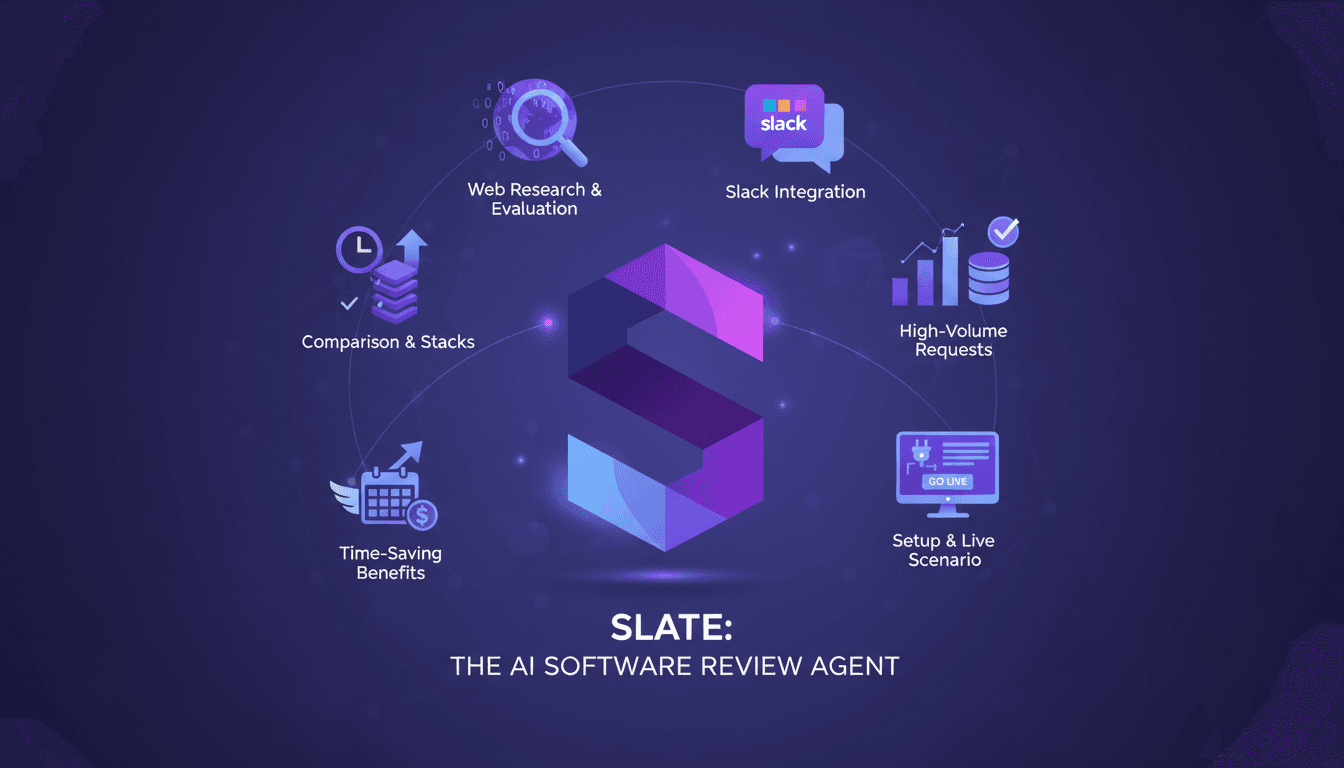
I've spent years in the trenches of IT procurement, juggling endless software requests and trying to keep everyone happy. Then I discovered Slate, a software review agent, and it was a real game-changer. Slate doesn't just perform web research; it evaluates software based on our approved stacks. And the best part? Its seamless integration with Slack makes it a powerhouse for IT and procurement teams. In this article, I'll walk you through how I set up Slate and how it has revolutionized our request management, especially during high-volume periods. Time savings, stress reduction: I'm sharing my experience with you.
Managing Third-Party Risks with Trove and ChatGPT
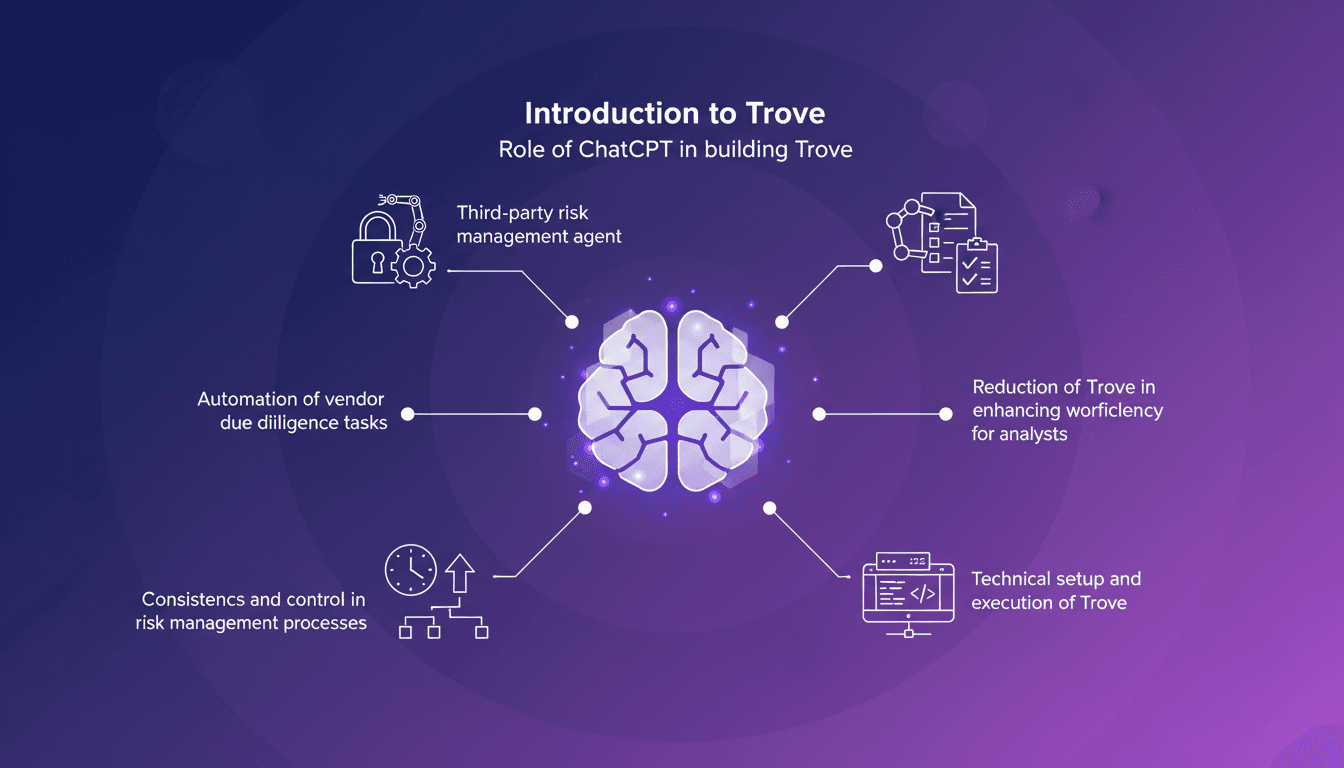
I remember when managing third-party risks felt like wrestling with spreadsheets. Then I discovered Trove, and everything changed. With ChatGPT, I built a game-changing tool that slashes manual work and boosts efficiency. Trove automates vendor due diligence, making the process faster and more consistent. Let me walk you through how I integrated ChatGPT into Trove to automate these tasks. Throughout this journey, I learned how to orchestrate everything — from the technical setup to execution — saving a ton of time and providing unmatched consistency in risk management.
Managing Third-Party Risks with Trove and ChatGPT
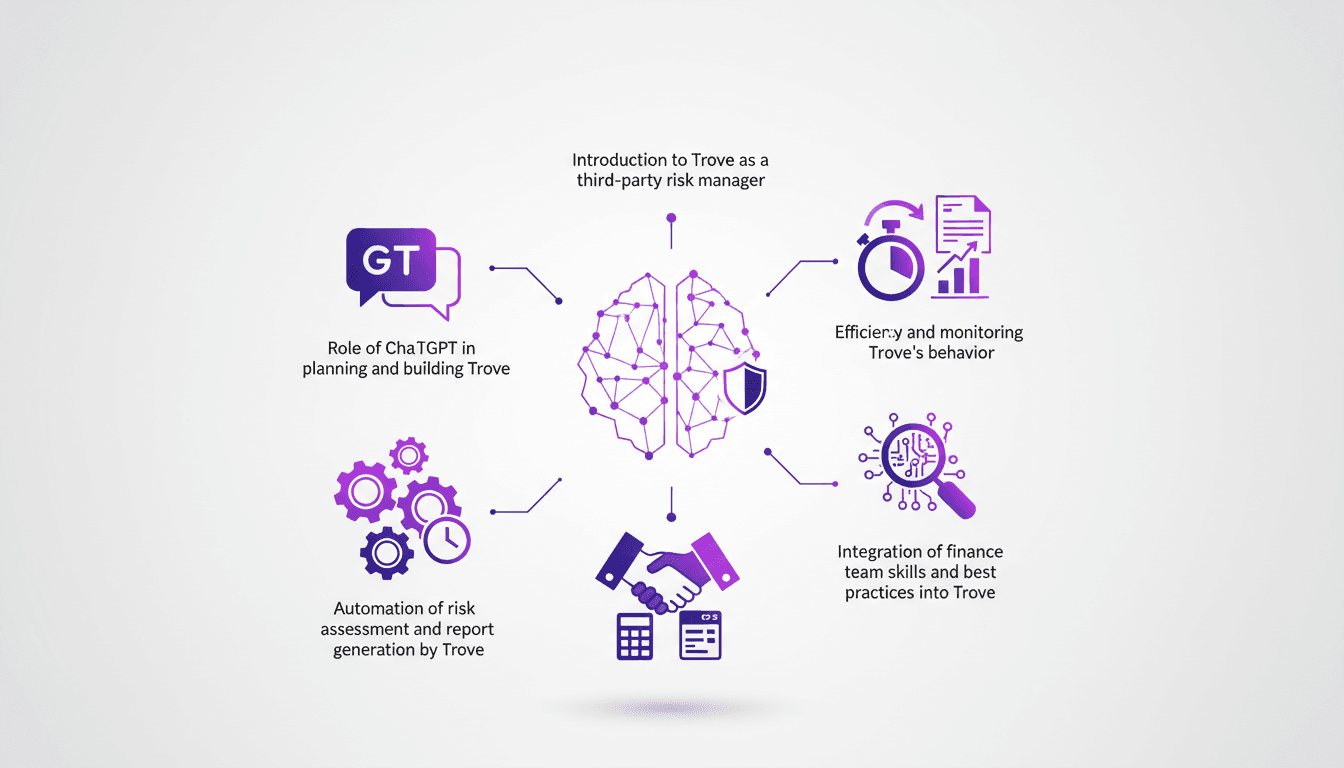
I've been in the trenches of risk management for years, and when I first stumbled upon Trove, I knew it could change the game. Trove, paired with ChatGPT, offers a fresh approach to handling vendor due diligence with automation at its core. First, I connect Trove to our risk management system, then I integrate ChatGPT to automate risk assessment and report generation. In a matter of minutes, Trove completes what used to take hours. But watch out, you need to monitor its behavior and align it with our finance team's best practices. I'll walk you through how I orchestrated this integration and the efficiency gains I've seen.

ChatGPT Workspace Agents: Decoding 'Heat'
Ever stumbled upon an AI concept that seemed elusive? That's exactly where I found myself with 'Heat' in ChatGPT. This term keeps popping up in conversations but remains undefined. I dove into its implications to understand how it affects AI communication patterns. I connect the dots between lack of context and its potential impact on content generation. It's a journey, but one worth taking to truly master ChatGPT's workspace agent.
Building an AI Closer: Busting Sales Training Myths
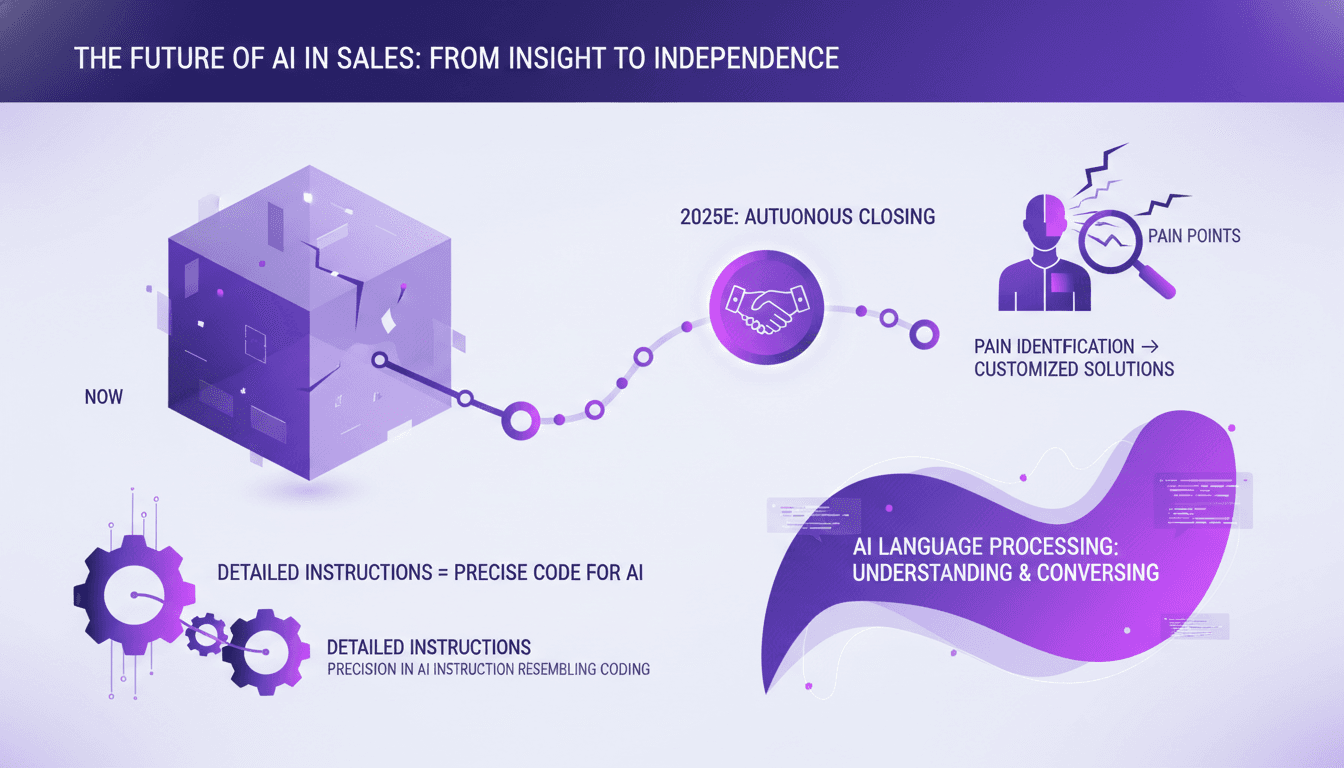
I've spent countless hours trying to get AI to close sales for me, and let me tell you, we're not there yet. But I've learned what it can do now and how to make it work effectively. In the sales world, AI is the shiny tool everyone talks about. Yet, it can't close a deal on its own—yet. What it can do is transform our approach to sales training and execution, especially in identifying and addressing customer pain points. We might be five years away from AI closing a sale, but with the right instructions, it can already recommend 80% of solutions based on pain identification. Follow along, and I'll show you how to orchestrate this for direct impact.