Scaling AI Skills: A Builder's Guide
I've been in the trenches, building AI workflows that don't just work but scale. Let's talk about skills in AI—those discrete units of work that are game-changers if you know how to manage them right. In a world where AI is reshaping industries, understanding how to efficiently develop, manage, and share these skills is crucial. This isn't about theory; it's about real-world application. Nick Nisi and Zack Proser from WorkOS delve into the structure and components of skills, context management, confidence scoring, and how to share them within teams. If you're tired of empty talk and want tools that deliver in day-to-day operations, this is where you want to be.

I still remember the first time I tried to set up an AI workflow that truly scaled. It was a total disaster (I got burned more than once). But practice makes perfect, and today, I'm here to talk about AI skills. These are discrete units of work that, when managed well, turn ordinary projects into real successes. In today's world, where AI is redefining industries, it's crucial to know how to efficiently develop, manage, and share these skills. And this isn't about dusty theory, but real-world application. Nick Nisi and Zack Proser from WorkOS dive into the structure of skills, context management, confidence scoring, and how to share them within teams. If you're looking to avoid pitfalls and truly understand how these skills can have a direct impact on your projects, then this talk is for you. This is concrete, practical, and real.
Understanding AI Skills and Their Importance
AI skills are like building blocks – each one is a discrete unit of work that encodes essential information to avoid redundancy. When I first ventured into this, I realized how these skills could revolutionize workflow management. Imagine having to explain everything from scratch each time you start a task. That's where skills come in, simplifying and speeding up processes. During a conference, the '10 out of 10 skill' concept was discussed – a perfectly optimized skill that does exactly what you need without wasting time. It's an ideal target, but be cautious about over-encoding information that might become redundant.
Skills help encode tasks and crucial information, enhancing process efficiency. For instance, by investing in just 30 lines of markdown, you can achieve extremely specific feedback. That's the tangible impact on workflow. But watch out, don't overcomplicate things, as it can slow down the whole system.
Building Skills: Components and Functions
When constructing a skill, you start with basic components like sub-agents. These are independent agents handling specific tasks without disrupting the main context. In practice, I've often used sub-agents to break down complex tasks into manageable units. For example, a skill might include a static markdown file or be more complex with scripts. The choice depends on the task at hand and the complexity you're willing to manage. But beware, the more complex a skill, the harder it can be to maintain.
It's crucial to strike a balance between skill complexity and functionality. Too much complexity can hinder efficiency. I've learned the hard way that an overly complex skill can quickly become a nightmare to manage. That's why I recommend starting with simple skills and gradually improving them.
Progressive Disclosure and Context Management
Progressive disclosure is an essential method for managing context. The idea is to load necessary information incrementally, rather than all at once. This helps effectively manage context limits, avoiding overloading the system with unnecessary information. In practice, I've often seen situations where poor context management led to costly errors.
When deploying AI skills, context management is crucial. You need to ensure that AI loads information progressively to optimize its performance. But beware, there are pitfalls to avoid. Poor context management can lead to errors or loss of crucial information. I've learned that patience and precision in context management can make all the difference.
Confidence Scoring and Its Role in Skill Development
Confidence scoring is a system that evaluates how well an AI understands a task before executing it. It's like a qualifying exam for AI. Through practical methods, I've integrated this scoring into several of my projects to ensure AI understands what's expected before diving in. During a conference, we discussed the limits of scoring accuracy and how crucial it is not to rely blindly on the results.
It's important to implement practical methods to assess AI understanding. But watch out, there are limits to scoring accuracy. Sometimes, the results can be misleading, and it's essential to keep this in mind during skill development.
Sharing and Managing Skills Within Teams
Sharing skills within a team is crucial for maximizing efficiency. I've often used skill libraries to store and share skills among team members. Sub-agents play a key role in team dynamics, allowing each member to focus on their task without interfering with others. But beware, sharing skills can also pose challenges, particularly with updates and compatibility across different systems.
To effectively manage a skill library, it's essential to have robust management techniques. The '80% artifact' concept is a great way to ensure shared skills are sufficiently developed to be useful, but not so much that they become rigid and difficult to adapt. I've learned that the key to success lies in the flexibility and adaptability of shared skills.
Scaling AI skills isn't just about understanding concepts; it's about putting them into practice and iterating continuously. Here's what I've gathered:
- Master the structure of your skills: A solid AI workflow starts with understanding the structure and components of a skill. It's foundational.
- Manage context effectively: Be mindful of progressive disclosure, as it can significantly enhance the relevance of your outputs.
- Confidence scoring: Use confidence scoring to refine your skills, but don't rely on it blindly. There's always a margin for error.
Looking ahead, mastering these workflows is a real game changer for your team's efficiency and impact. But be ready to adjust constantly.
I highly recommend watching the video "Skills at Scale" by Nick Nisi and Zack Proser (https://www.youtube.com/watch?v=pFsfax19yOM) to deepen your understanding. You'll see how these ideas can transform your day-to-day work.
Frequently Asked Questions

Thibault Le Balier
Co-fondateur & CTO
Coming from the tech startup ecosystem, Thibault has developed expertise in AI solution architecture that he now puts at the service of large companies (Atos, BNP Paribas, beta.gouv). He works on two axes: mastering AI deployments (local LLMs, MCP security) and optimizing inference costs (offloading, compression, token management).
Related Articles
Discover more articles on similar topics
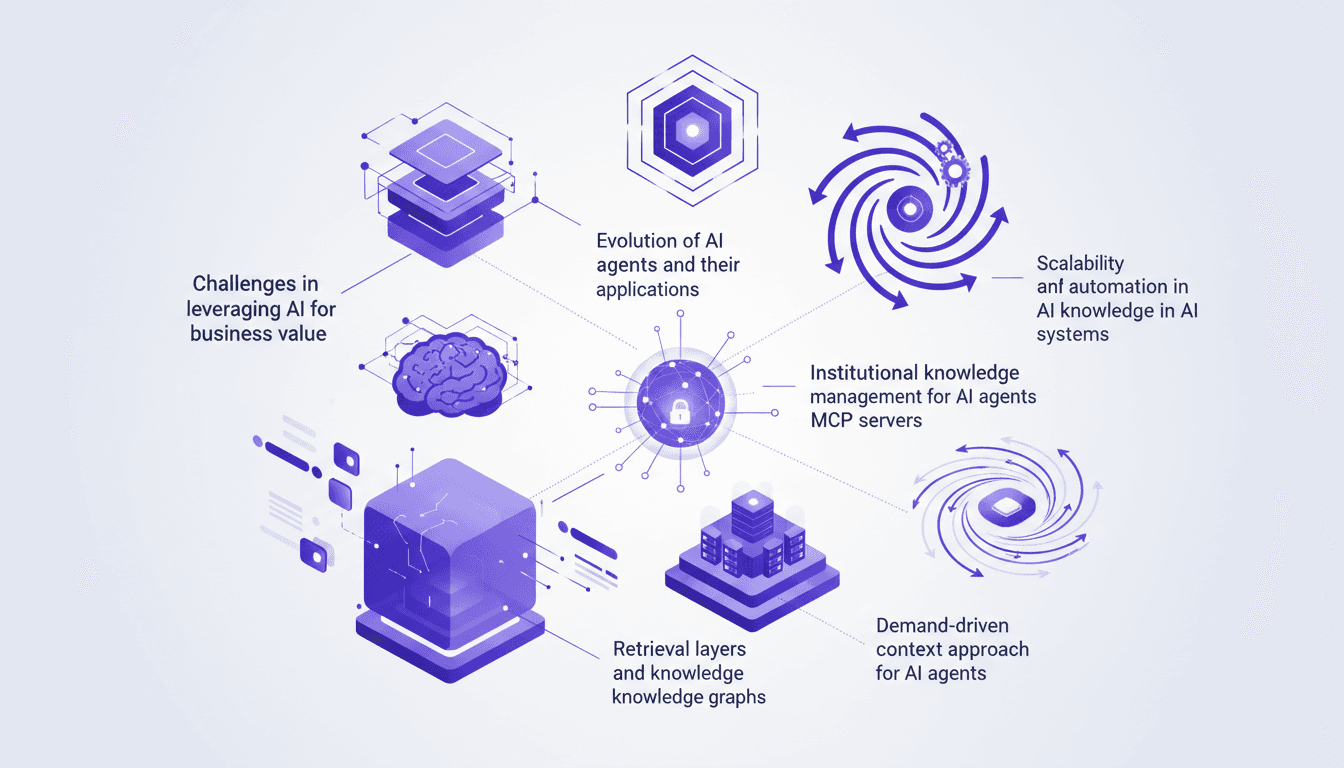
Optimizing AI Agents: Challenges and Solutions
I've been knee-deep in AI agents, wrestling with their intricacies and harnessing their potential. Dive into how I tackled the challenges of integrating AI for real business value. As I explore the evolution of AI agents, their applications, and effective enterprise management, I'm sharing my hands-on experiences. From institutional knowledge management to building MCP servers and a context-driven approach, I'll guide you through optimizing AI agents. Remember: only 20% of your documentation is truly useful, so let's make every word count.
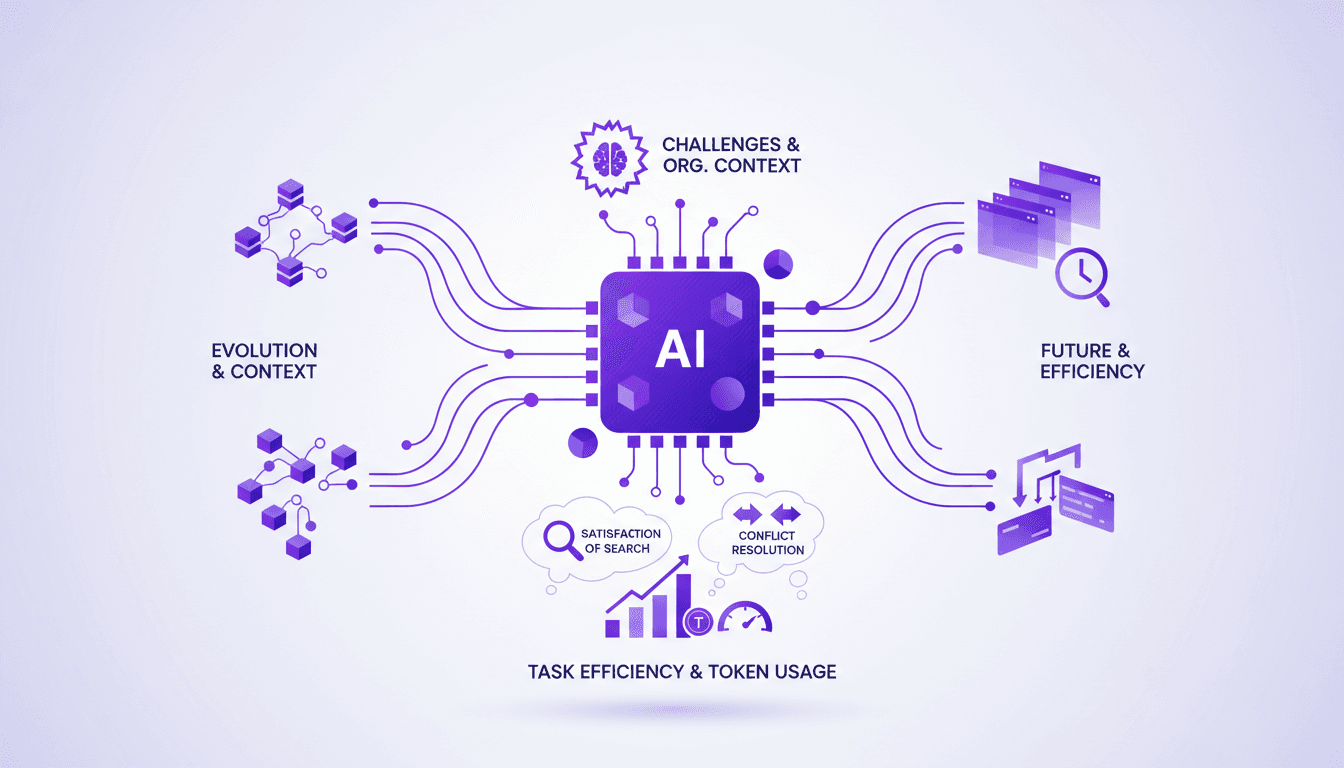
Optimizing AI Context Engines: Save Time and Tokens
Ever spent 90% of your time just collecting context for your AI agents? I have. And it was a nightmare until I started building context engines that actually save time and tokens. Let’s dive into how I did it and what you need to watch out for. In AI development, context engines are game changers. But they're not without challenges. Understanding their historical evolution, technical advancements, and their impact on efficiency and token management is crucial. I'll take you behind the scenes of building these engines, from the significance of organizational context to conflict resolution in AI systems. It's a challenging journey, but the reward is incredible task optimization.
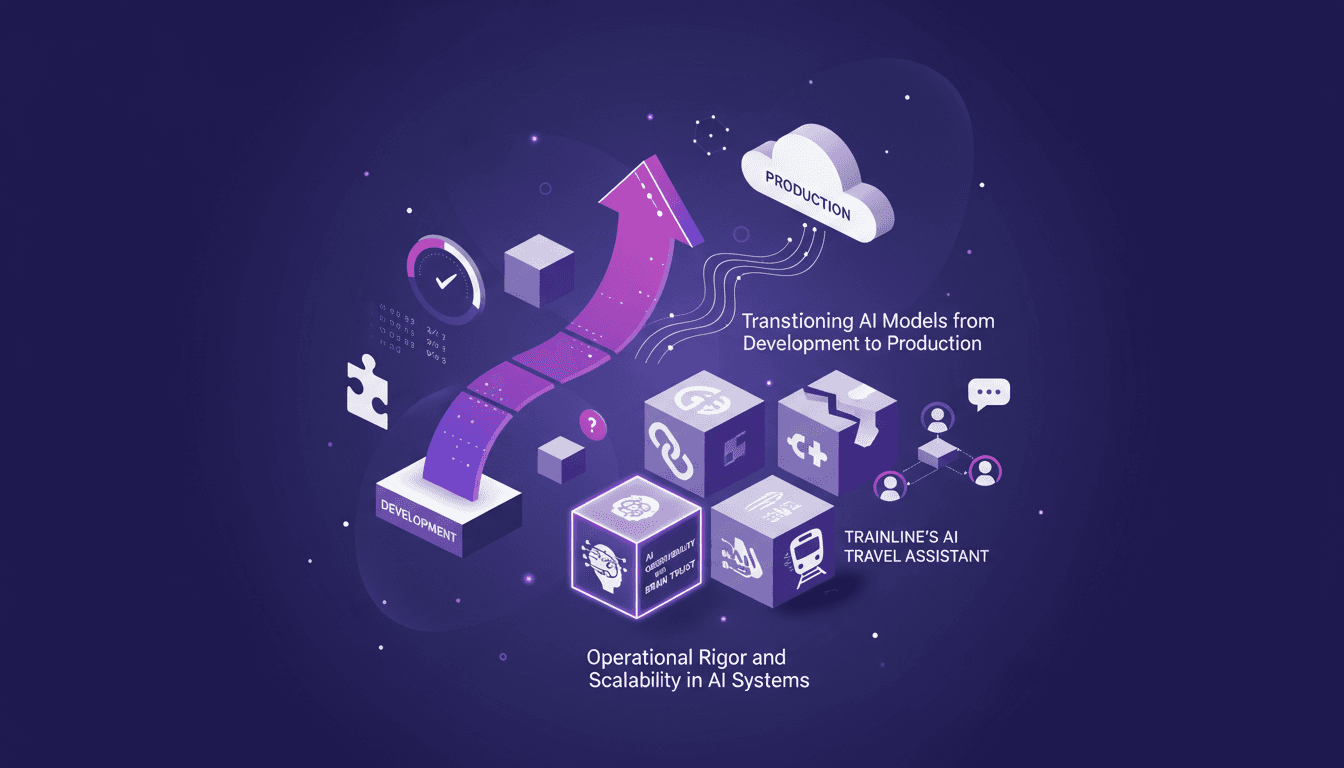
Delivering Quality AI Apps: A Practitioner’s Guide
I've been knee-deep in AI deployment for years, and let me tell you, delivering quality AI applications is no walk in the park. From transitioning models to production to ensuring operational rigor, I've faced—and solved—my fair share of challenges. In this article, I'll walk you through my journey with AI systems, focusing on practical workflows, the tools I rely on, and the pitfalls I've learned to avoid. We'll dive into operational rigor and scalability, transitioning AI models from development to production, and Trainline's AI travel assistant with multi-agent systems. It's a hands-on guide for anyone looking to master the complex art of shipping quality AI apps.
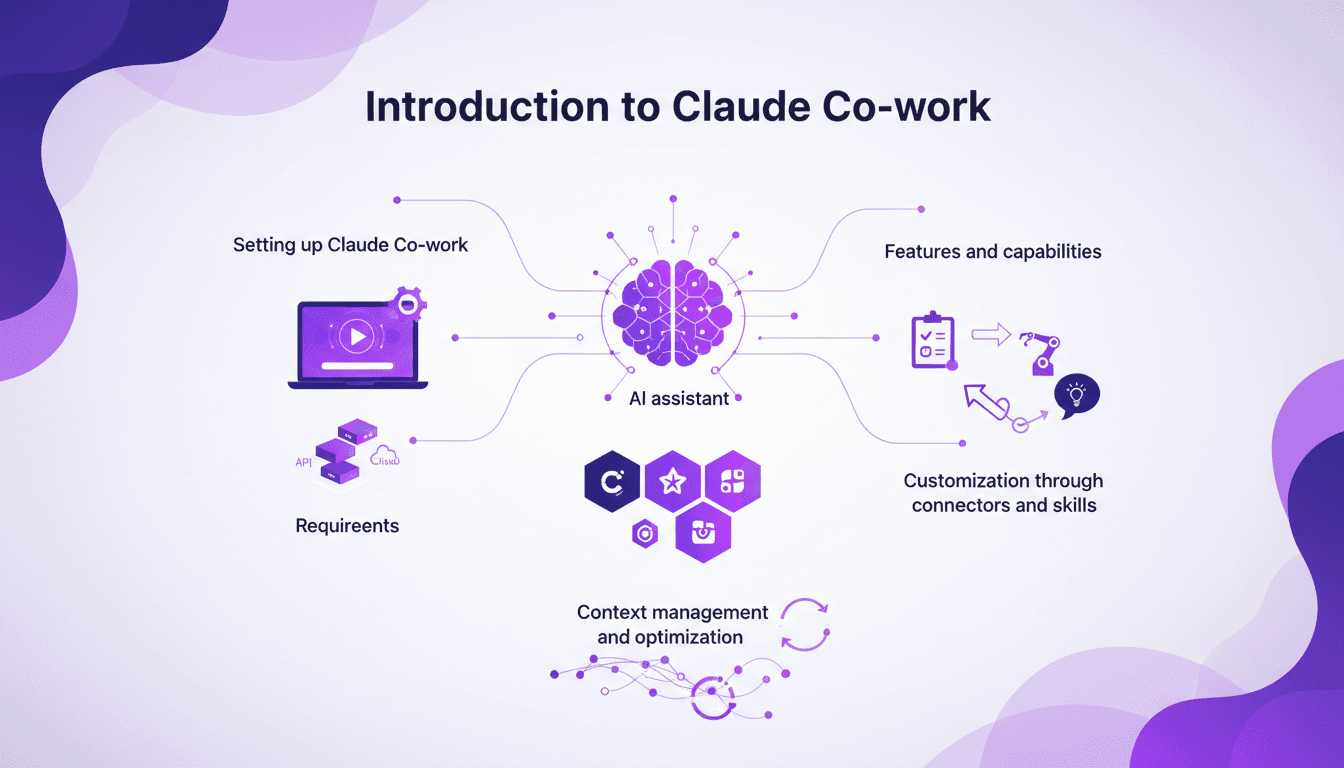
Setting Up Claude Co-work: A Builder's Guide
I still remember the first time I set up Claude Co-work. It was like opening a toolbox with endless possibilities. But let's be honest, it wasn't all smooth sailing. After getting burned a few times, I finally navigated the setup, features, and customization to make Claude Co-work a real asset in my projects. Whether you're a beginner or have some experience, understanding how to make the most of this AI assistant is crucial. Let's dive in, and I'll show you how to turn Claude Co-work into a powerful ally.
Make $100K with AI Influencers on TikTok
I built an app that pulled in $100K in just two months using AI influencers on TikTok. How did I do it? By orchestrating a strategy that blended technical development with innovative marketing. At 19, Raphael Kramer, an experienced developer with over 50 apps under his belt, leveraged artificial intelligence to create virtual influencers that captivate and drive massive revenue. From idea validation to implementation and ethical challenges, let's dive into this unique entrepreneurial journey.