Optimizing AI Agents: Challenges and Solutions
I've been knee-deep in AI agents, wrestling with their intricacies and harnessing their potential. Dive into how I tackled the challenges of integrating AI for real business value. As I explore the evolution of AI agents, their applications, and effective enterprise management, I'm sharing my hands-on experiences. From institutional knowledge management to building MCP servers and a context-driven approach, I'll guide you through optimizing AI agents. Remember: only 20% of your documentation is truly useful, so let's make every word count.
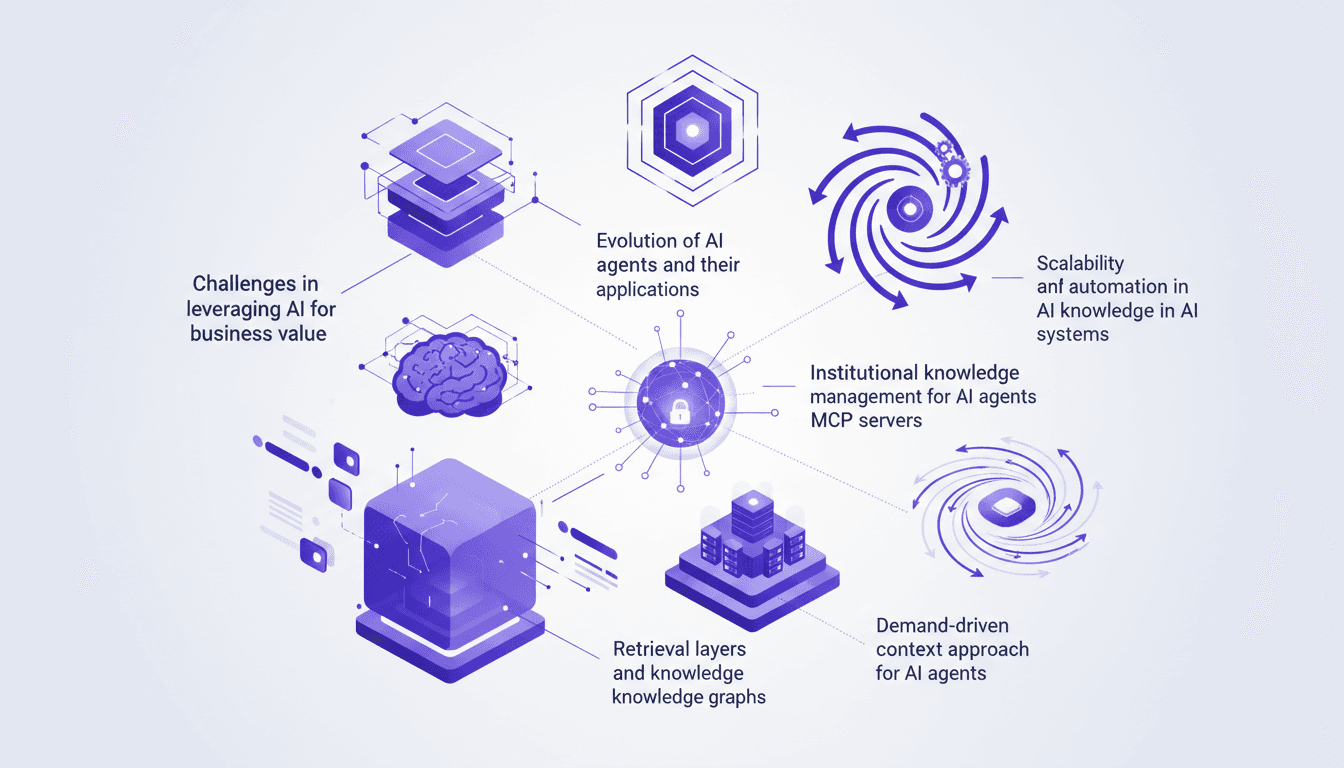
I've been knee-deep in AI agents, wrestling with their intricacies and unlocking their potential. Picture yourself amidst a sea of data, where only 20% of your documentation is genuinely useful. That's when it hit me: to extract real business value from AI, you need a methodical approach. In this article, I'll take you through the evolution of AI agents and their practical applications. First up: institutional knowledge management. I've built around 20 MCP servers to orchestrate this complex architecture. Then, I focused on a demand-driven context approach. And watch out, don’t underestimate retrieval layers and knowledge graphs—they’re vital for scalability and automation. Ultimately, it's a balancing act: using meta models to structure and evaluate AI systems. Join me as I delve into these practical solutions that have transformed how I manage AI agents.
Understanding AI Agents: From Basics to Deep Agents
When I first dabbled in AI, it was all about prompt engineering. Simple, straightforward, but as demands grew, so did the complexity of the systems I worked with. Today, I'm orchestrating deep agents—far more complex systems handling sophisticated interactions. It's thrilling to witness how this evolution mirrors the growing potential in business applications. But watch out, overcomplicating things can be a pitfall when simple solutions suffice. I've learned the hard way that sometimes, going back to basics is the key.
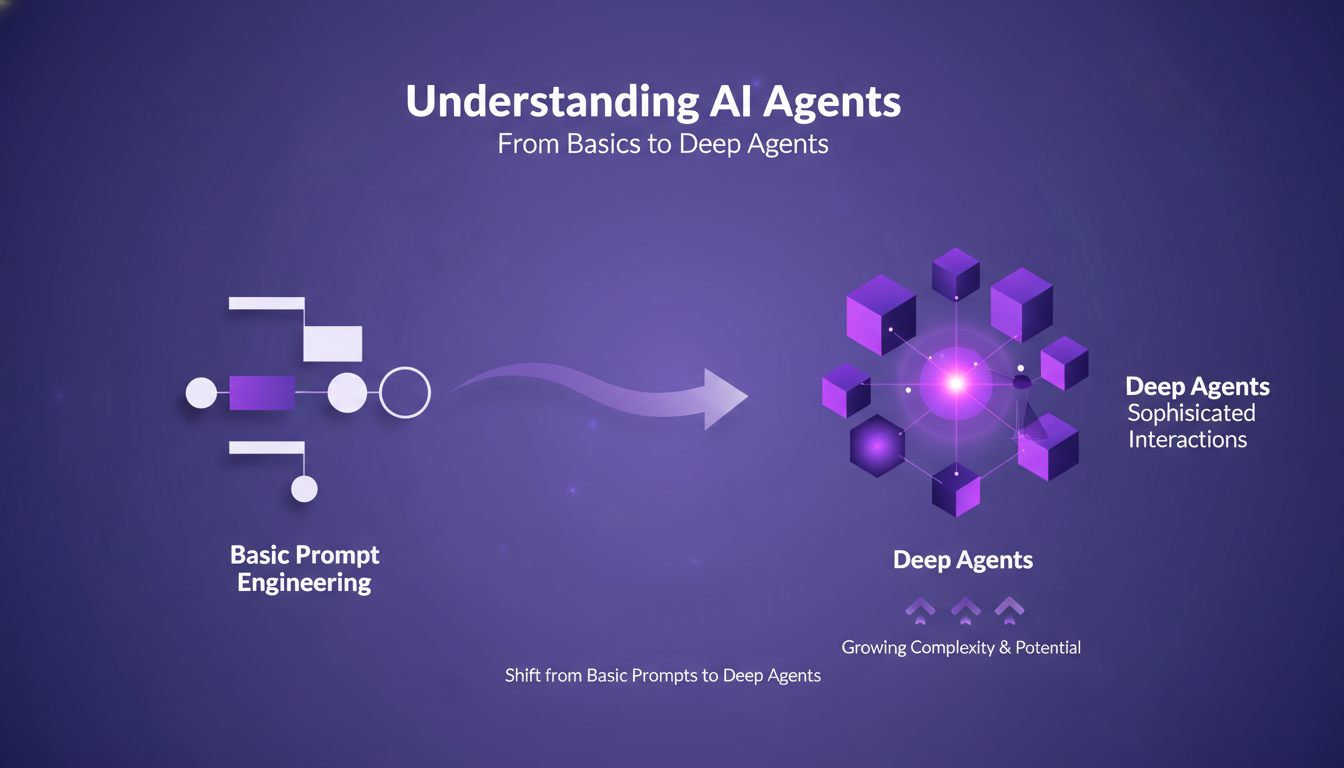
The evolution from basic prompts to deep agents has transformed how we interact with technology. Yet, understanding this shift is crucial to fully leverage the opportunities it presents. As I delve into multi-agents and deep agents, I realize the key often lies in balancing complexity with efficiency. Don't lose sight of the fact that 20% of your documentation is actually useful—focus on that.
Building and Evaluating MCP Servers
I've built no less than 20 MCP servers, each with its unique challenges. MCP servers are central to effectively managing AI agent contexts. The main challenge remains scalability and performance. What you don't want is to see costs spiraling out of control. I've been there before realizing that everything boils down to trade-offs: complexity versus performance, cost versus scalability.
| Aspect | Complexity | Performance | Cost | Scalability |
|---|---|---|---|---|
| Server 1 | Medium | High | Medium | High |
| Server 2 | High | High | High | Medium |
What I take from this experience is the importance of thoroughly evaluating each aspect before diving in. Don't get carried away with complexity if a simpler solution would suffice. You'll save time, money, and avoid a lot of headaches.
Demand-driven Context: A Game Changer
Using demand-driven context to tailor AI agent responses is revolutionary. It allows using the relevant context at the right time. I've seen efficiency boost by only using the 20% of documentation that's truly useful. However, beware of overloading the context—balance is crucial.
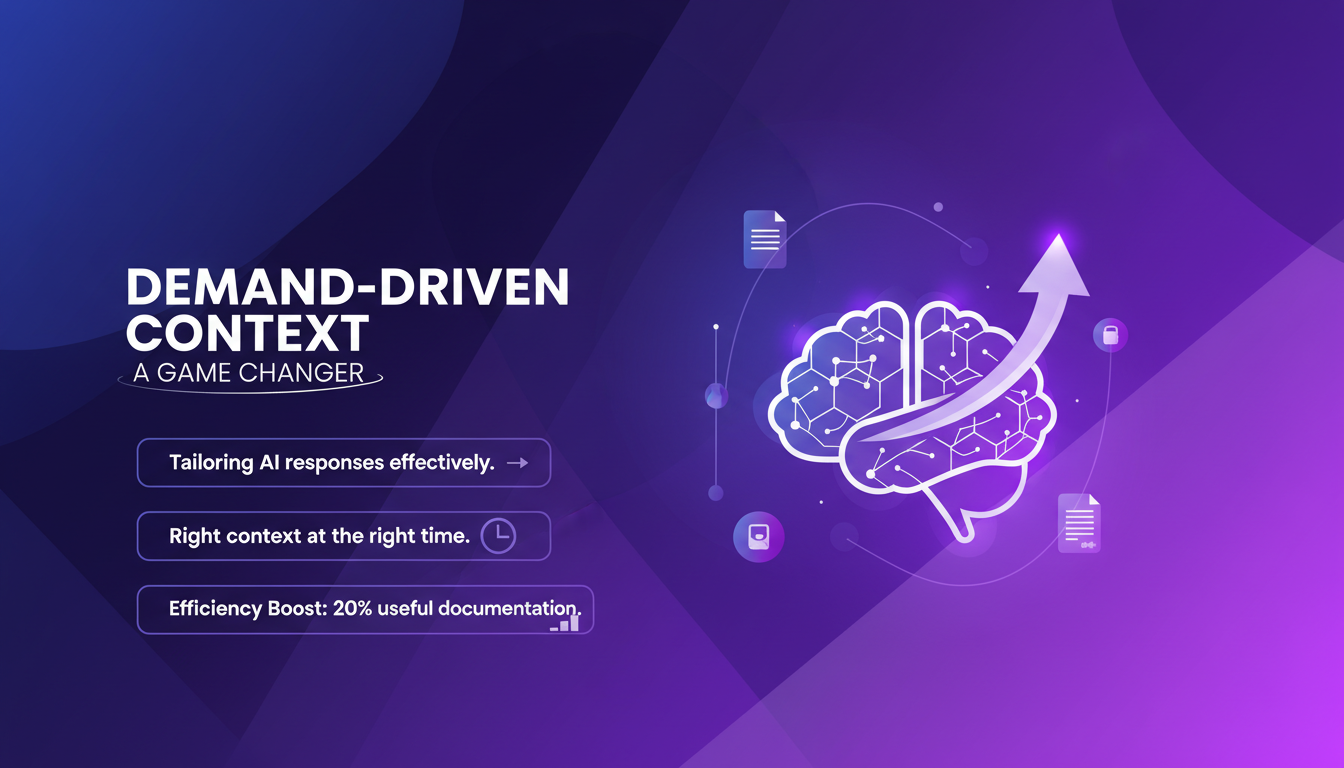
What I've learned is that demand-driven context isn't just a technique—it's a strategy. It involves transforming monolithic knowledge into more usable blocks for agents. It's a real productivity booster, but you have to know how to balance it to maintain accuracy.
Automating Knowledge Management with AI
Automating knowledge management processes is like freeing an entire team from repetitive tasks. With retrieval layers and knowledge graphs, you can achieve up to 40% factual accuracy using RAG techniques. However, scalability remains a major challenge—plan your infrastructure accordingly.
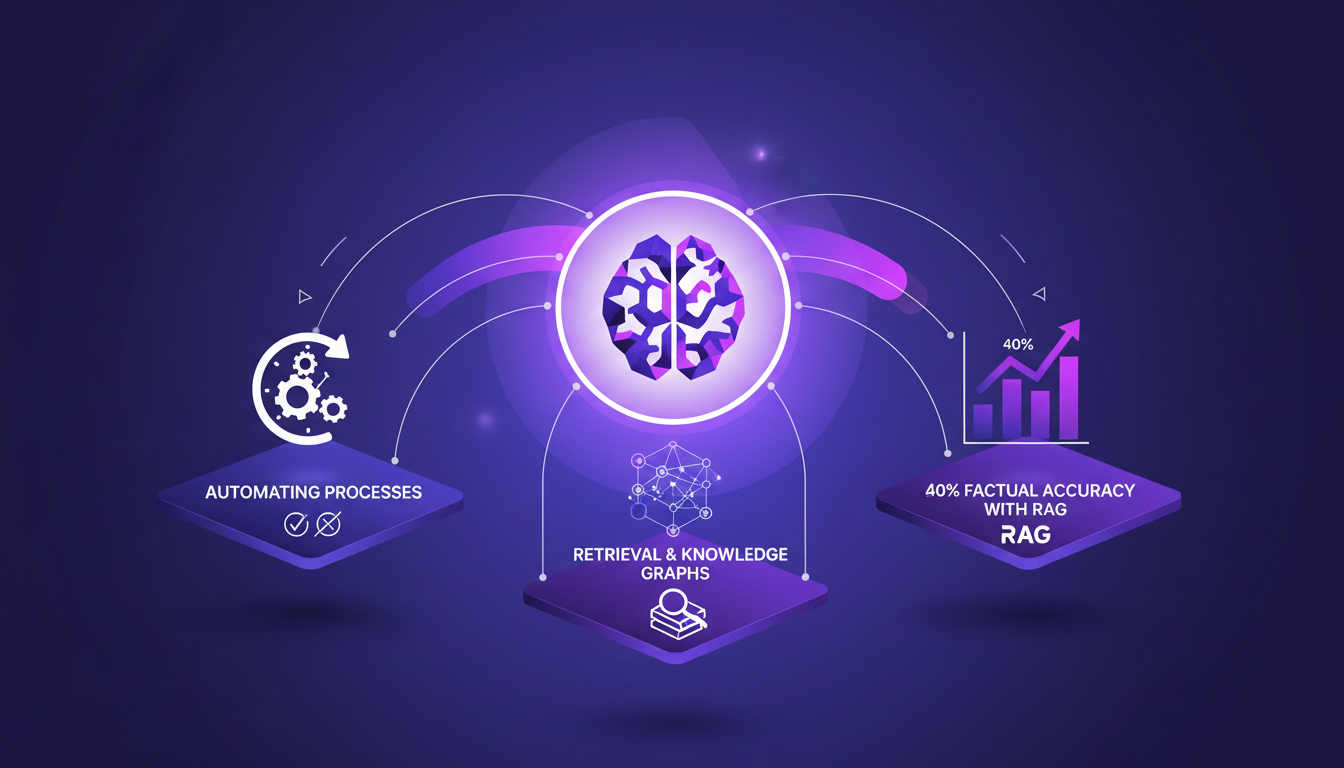
The most complicated part of automation is managing the scale at which you need to operate. I've seen companies underestimate this aspect and end up with slow, inefficient systems. But once everything is in place, the benefits are undeniable.
The Role of Meta Models in AI Systems
Meta models are the backbone of AI system architecture. They help organize and manage institutional knowledge, critical for ensuring AI systems remain adaptable and efficient. Don't neglect the importance of a well-structured meta model.
In my experience, I've often seen AI systems fail due to poorly designed meta models. A good meta model needs to be not only robust but also flexible enough to adapt to technological evolutions. It's like building a house: the foundations must be solid, but they should also allow for future extensions.
In conclusion, implementing effective meta models is crucial for the longevity of AI systems. It ensures not only their current efficiency but also their ability to adapt to future challenges.
Navigating the world of AI agents is like building a plane while flying it — challenging but immensely rewarding. First, focus on efficient context management; remember, 20% of your documentation is where the real value lies. Next, robust MCP servers are your backbone; I’ve built 20 of them, and each time, I learn something new. Finally, effective knowledge automation is key — if you manage like 100 tokens on a daily basis, you’ll see tangible improvements. But watch out, these systems have their limits, especially if workload management isn’t spot on. Now’s the time to start implementing these strategies and see the direct improvements in your AI systems. For a deeper dive, I highly recommend watching the original video by Raj Navakoti from IKEA. Trust me, it’s worth it. Watch the video here.
Frequently Asked Questions

Thibault Le Balier
Co-fondateur & CTO
Coming from the tech startup ecosystem, Thibault has developed expertise in AI solution architecture that he now puts at the service of large companies (Atos, BNP Paribas, beta.gouv). He works on two axes: mastering AI deployments (local LLMs, MCP security) and optimizing inference costs (offloading, compression, token management).
Related Articles
Discover more articles on similar topics
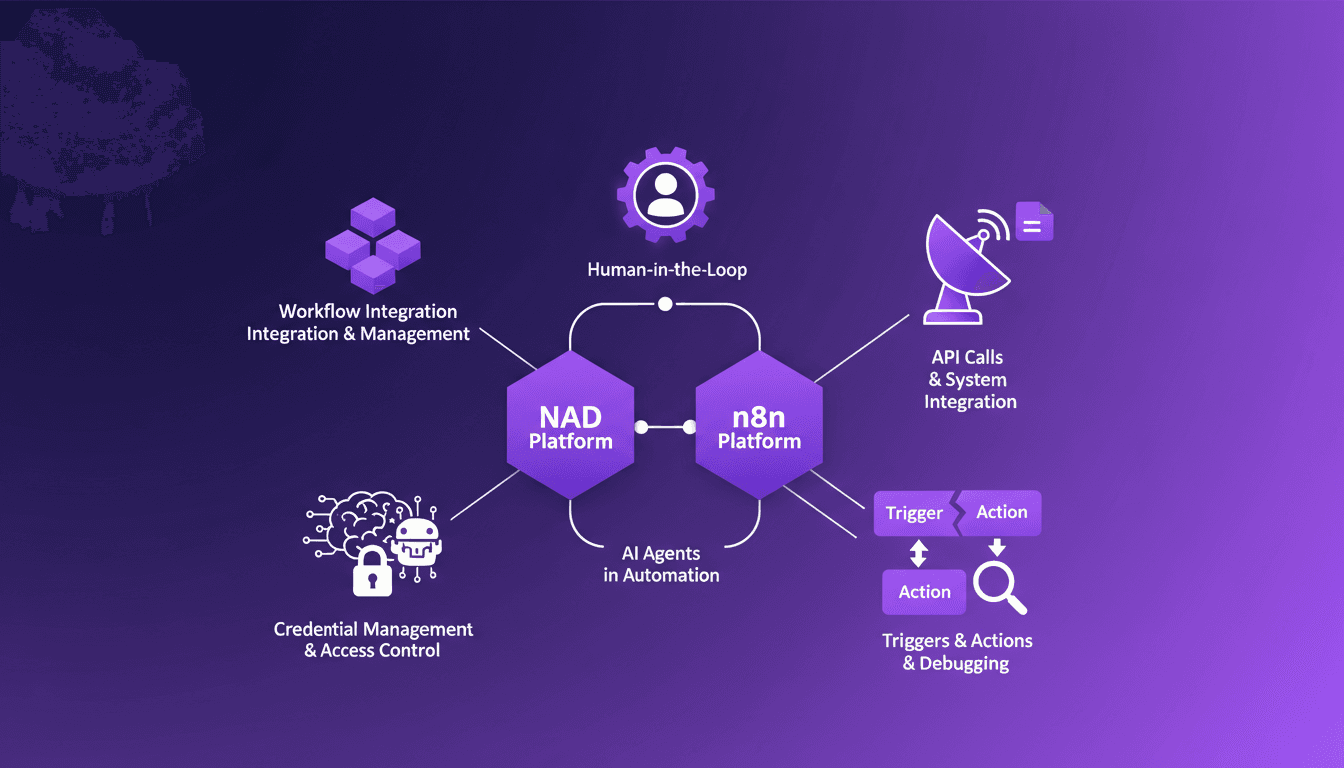
Human-in-the-Loop with n8n: Practical Integration
I dove into n8n and NAD to streamline my workflows, and let me tell you, it's been a game changer. But watch out, every tool has its quirks and limits. In this article, I'll show you how I integrate human-in-the-loop automation using these platforms. Automation isn't just about machines doing all the work. Sometimes you need a human touch to guide the process. That's where human-in-the-loop automation comes in, especially when using platforms like n8n and NAD. We'll explore API integrations, error management, and how to juggle AI agents in your workflows.
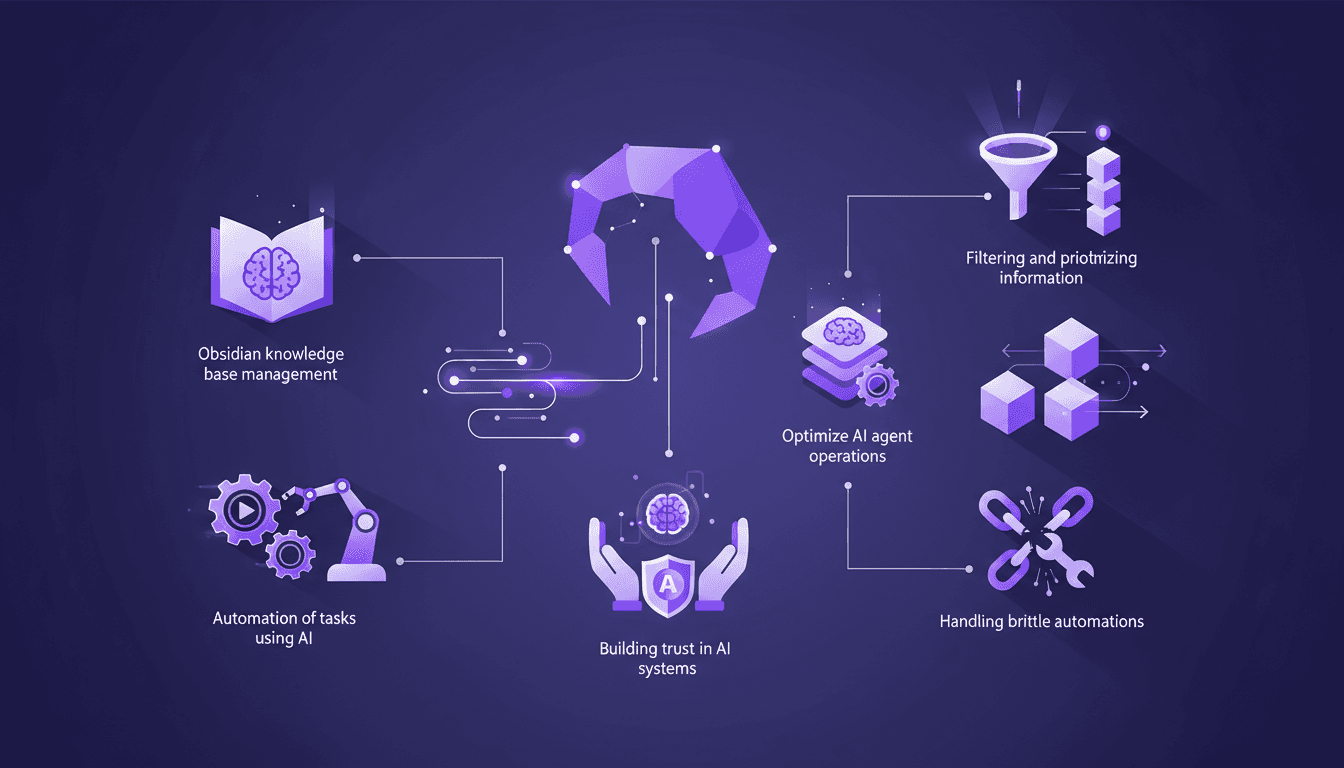
Integrating OpenClaw: Optimizing Daily Life
I handed over the keys to my life to an AI agent. Sounds risky, right? Yet, integrating OpenClaw transformed my daily routine in remarkable ways. Picture managing a 3,000-page Obsidian knowledge base, with tasks kicking off at 4 a.m. I’m sharing how I optimized my life with AI, from data management to building reliable routines. Fixing a Netflix payment failure in five minutes made me realize the potential of these tools. But beware, you need to filter and prioritize information, and handle sometimes brittle automations. Ultimately, it's a fascinating journey toward an AI-optimized life.
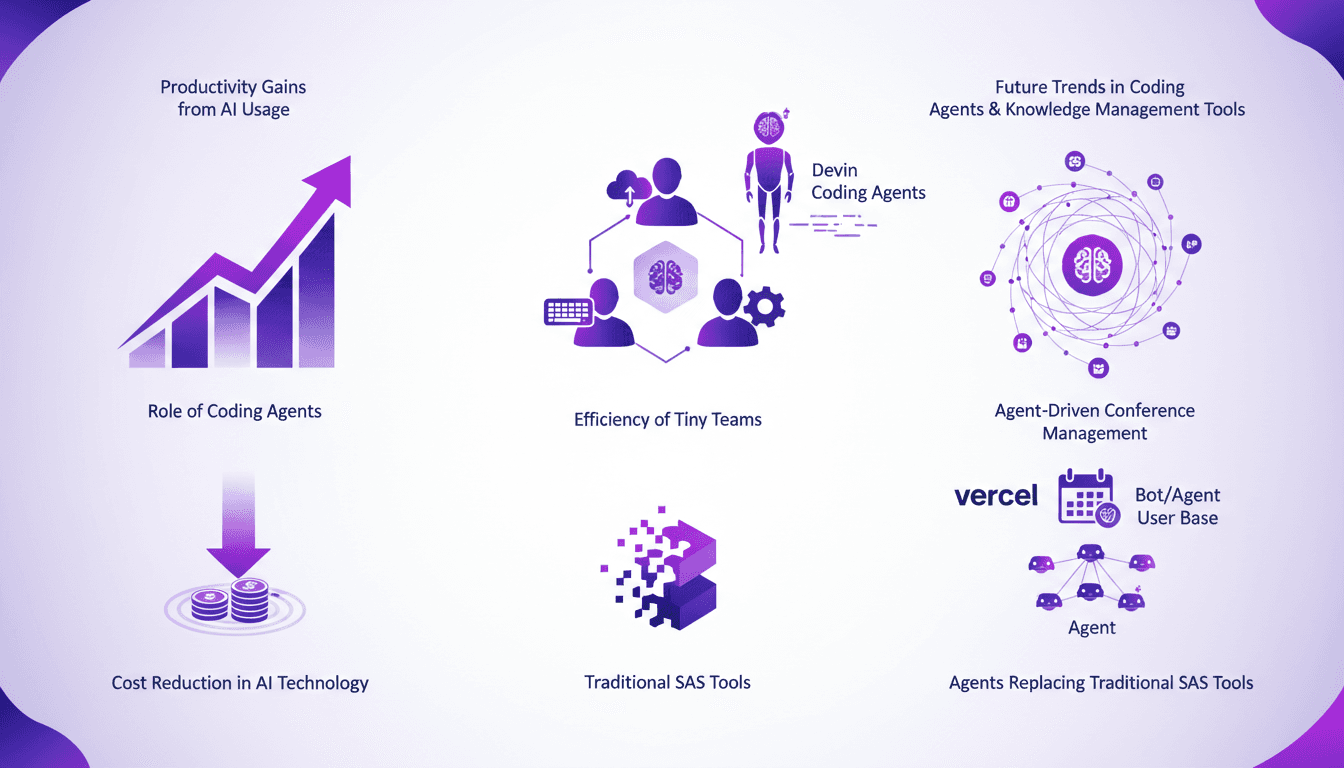
Productivity Gains: AI Agents Empowering Teams
Ever felt like your team's too small to tackle big projects? I did too, until I started leveraging AI coding agents like Devin. These tiny team powerhouses are game-changers. Imagine running a $9 million business with just nine full-timers. With coding agents, it's possible. Let me show you how these tools boost productivity, cut costs, and transform how we work. We're talking about AI costs dropping 100-fold in a few short years. Join me as we explore what Devin and other agents can genuinely do for your team.
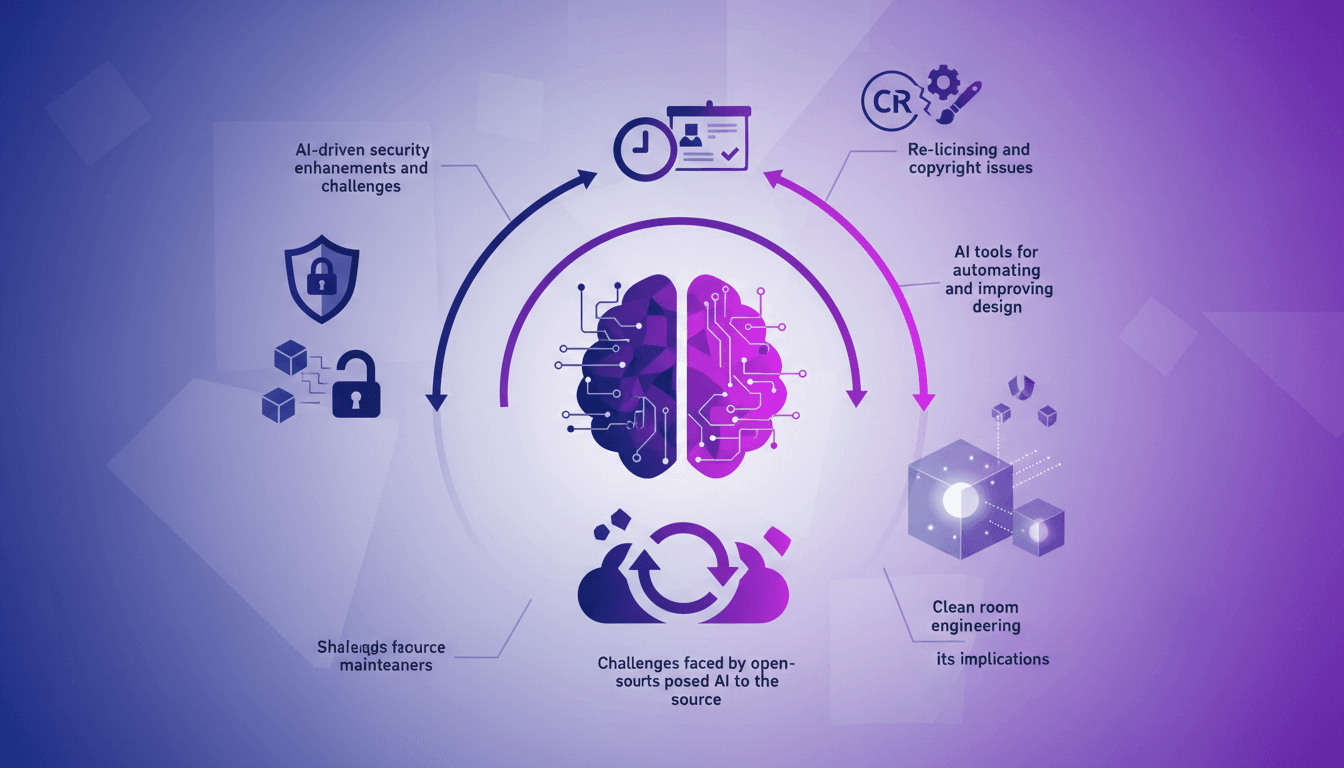
AI's Impact on Open Source: Opportunities
I remember the first time I integrated AI into my open-source project. It was a game changer, but not without its challenges. AI is reshaping the open-source landscape, enhancing security but also threatening traditional business models. Let's discuss the implications of this transformation – from AI tools boosting productivity to re-licensing and copyright issues. Open-source maintainers are facing unprecedented challenges, not to mention threats to existing business models. How is your open-source project adapting to this new era?
Boosting Agents with Supabase Skills: Our Approach
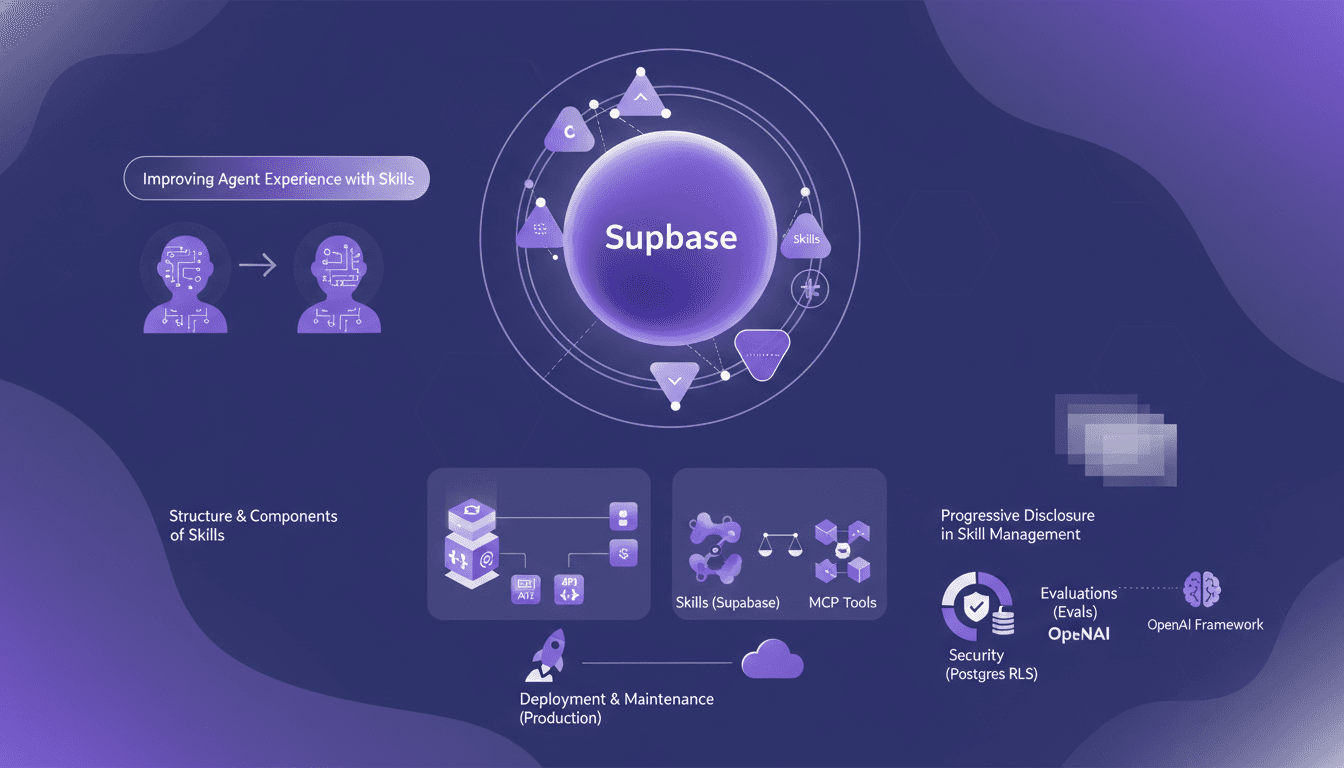
I spent two months knee-deep in Supabase, crafting skills for our AI agents. Let me walk you through how we made them not just good, but actually effective. In this article, I dive into our approach to enhancing agent experience with Supabase, dissecting the structure and components of skills, and comparing them to MCP tools. We've leveraged evaluations to test agent behavior, not to mention the pivotal role OpenAI’s framework played. From RLS in Postgres to deploying in production — each step came with its hurdles. I’ll explain how I orchestrated all of this and, importantly, what I wish I'd known earlier.