Human-in-the-Loop with n8n: Practical Integration
I dove into n8n and NAD to streamline my workflows, and let me tell you, it's been a game changer. But watch out, every tool has its quirks and limits. In this article, I'll show you how I integrate human-in-the-loop automation using these platforms. Automation isn't just about machines doing all the work. Sometimes you need a human touch to guide the process. That's where human-in-the-loop automation comes in, especially when using platforms like n8n and NAD. We'll explore API integrations, error management, and how to juggle AI agents in your workflows.
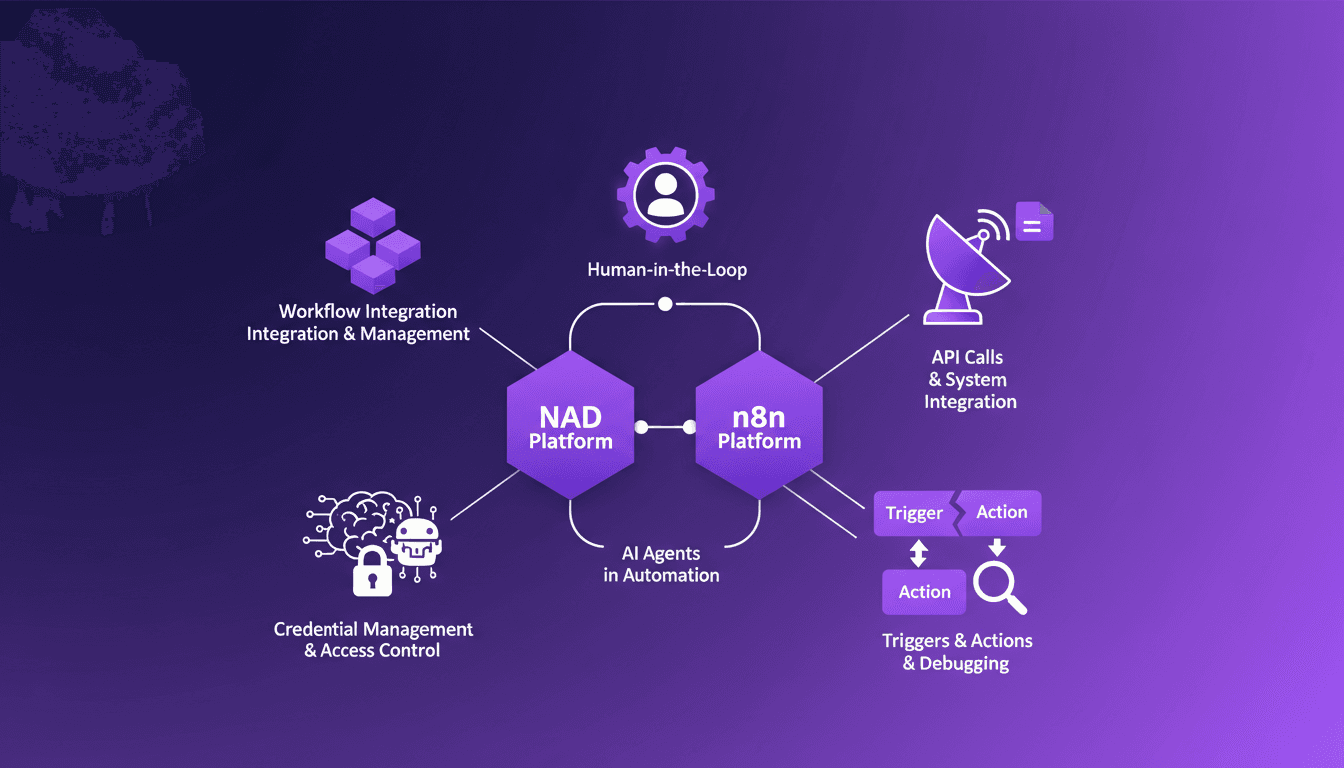
I dove into n8n and NAD to streamline my workflows, and let me tell you, it’s been a game changer. However, like any tool, it has its quirks and limits. Automation isn’t just about pressing a button and walking away. Often, you need a human touch to steer the flow, especially with platforms like n8n. First, I set up my API calls and ensure my credentials are managed properly. Then, I implement triggers and actions in n8n to orchestrate the whole thing. But watch out, I got burned by poor error management before—I’ll show you how to dodge those traps. And if you haven’t tried it yet, a 14-day free trial of the NAD cloud account might just win you over.
Getting Started with NAD and n8n
Back in 2019, I stumbled upon NAD, a tool for workflow automation that has evolved to version 214.2. It was truly a game changer for me, allowing the construction of workflows without coding, yet providing the option to integrate code when necessary. First step for me: setting up my account and exploring the hundreds of triggers available. Watch out, the initial learning curve is steep. But with some persistence, it becomes manageable.
To test the tool, I took advantage of a 14-day free trial of NAD, with the bonus of a free year of Cloud Pro subscription valued at $600. This generosity allowed me to deeply explore all the capabilities that the platform offered.
Implementing Human-in-the-Loop Automation
Human-in-the-loop automation is about integrating human decision-making into automated workflows. With n8n, I was able to create workflows that require human approval at critical points, balancing automation with human oversight to ensure greater accuracy. Be aware though, more human involvement often means slower processes.
- Integrating humans for critical validations
- Balance between automation and oversight
- Need to define clear roles
One key aspect I discovered is the necessity to clearly define roles and steps where human intervention is essential. This avoids confusion and ensures that each step of the process is handled correctly.
Integrating APIs and Managing Workflows
API calls are the backbone of n8n's integration capabilities. I orchestrate my workflows by connecting various services through these API calls. While system integration is seamless, it requires careful credential management. First, I authenticate my services, then I map out the data flow.
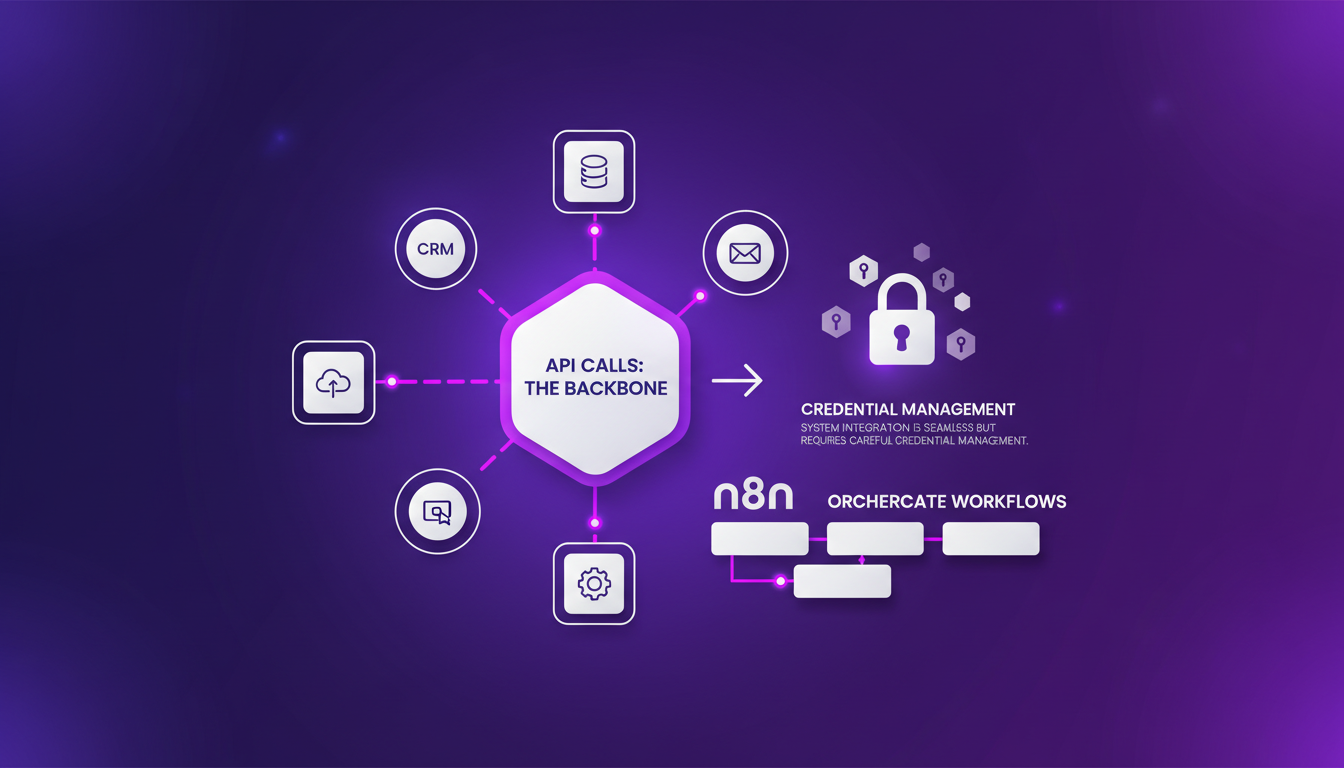
Don't forget to handle API limits and potential downtime. These little details can quickly become obstacles if not anticipated properly.
Leveraging AI Agents in Automation
AI agents can enhance workflow automation by handling repetitive tasks. I integrate AI to process data inputs and trigger actions in n8n. Large Language Models (LLMs) are useful, but watch out for their context limits. Sometimes, it's faster to manually intervene than to overly rely on AI.
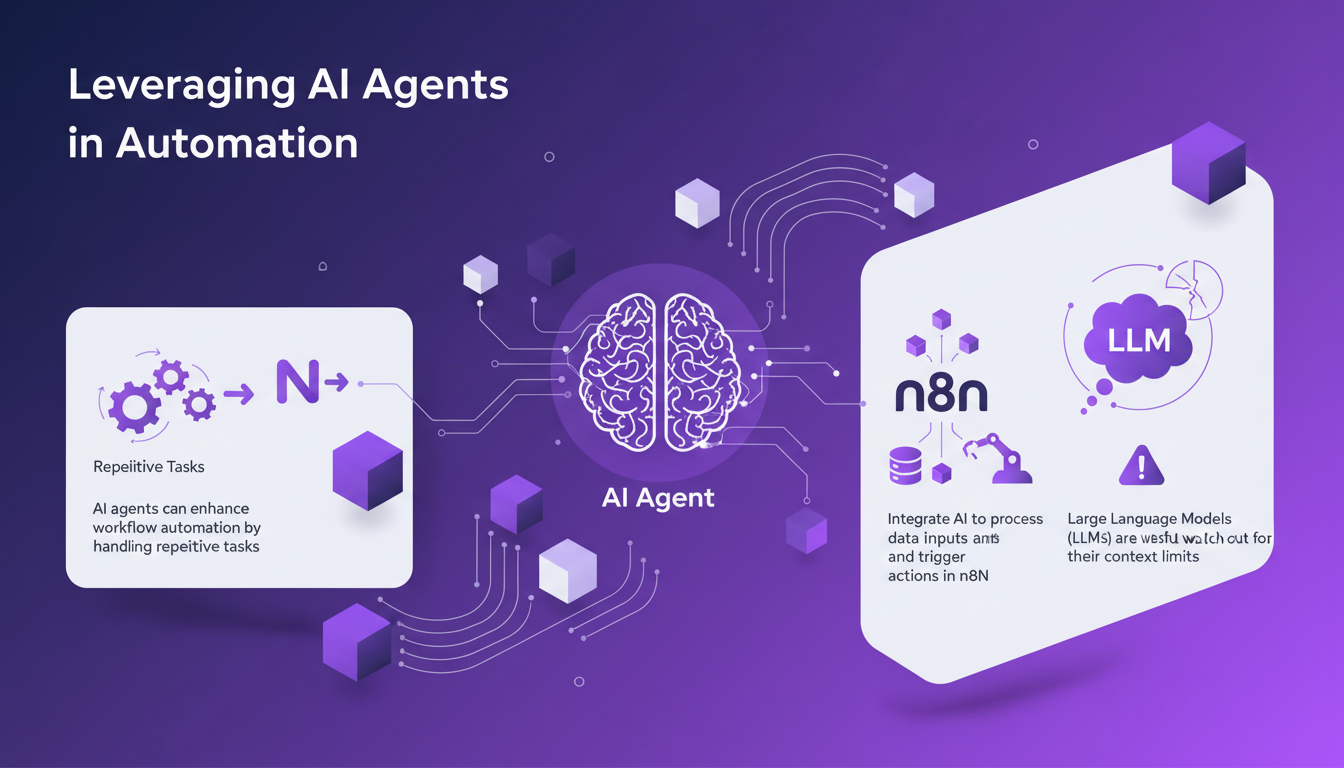
By configuring AI precisely, I've been able to reduce manual errors. However, this balance between automation and human intervention remains crucial to maintain overall efficiency.
Handling Credentials, Triggers, and Debugging
Credential management is critical for secure API calls. n8n offers robust tools for managing access control. I've configured triggers to initiate workflows based on specific events. Debugging in automation is crucial; always test workflows thoroughly.
I've learned to anticipate errors by simulating different scenarios. This has allowed me to strengthen my workflows and ensure they operate reliably, even in unexpected conditions.
In conclusion, automation with n8n and NAD offers incredible flexibility, but requires meticulous attention to detail. Each step, from credential management to API integration, demands thoughtful planning and preparation to anticipate potential hurdles.
So, I've integrated human-in-the-loop automation with n8n and NAD, and let me tell you, it's transformed my workflow efficiency. Here are the key takeaways:
- First, integrating workflows with n8n and NAD really streamlines processes, though managing API calls is a constant challenge.
- Next, credential security is crucial. I had to implement strict protocols to prevent leaks.
- Finally, AI integration is a real game changer, but watch out for API limits.
For those ready to dive in, a 14-day free trial for a NAD cloud account is a great opportunity — and the $600 value of the Cloud Pro subscription is a bonus. Ready to optimize your workflows? Dive into n8n and NAD, and let's automate smarter, not harder.
I encourage you to watch Liam McGarrigle's original video to dive deeper into the topic — it's like chatting with a colleague who's already been through the trenches.
YouTube Link: https://www.youtube.com/watch?v=tDArkCqjA-c
Frequently Asked Questions

Thibault Le Balier
Co-fondateur & CTO
Coming from the tech startup ecosystem, Thibault has developed expertise in AI solution architecture that he now puts at the service of large companies (Atos, BNP Paribas, beta.gouv). He works on two axes: mastering AI deployments (local LLMs, MCP security) and optimizing inference costs (offloading, compression, token management).
Related Articles
Discover more articles on similar topics
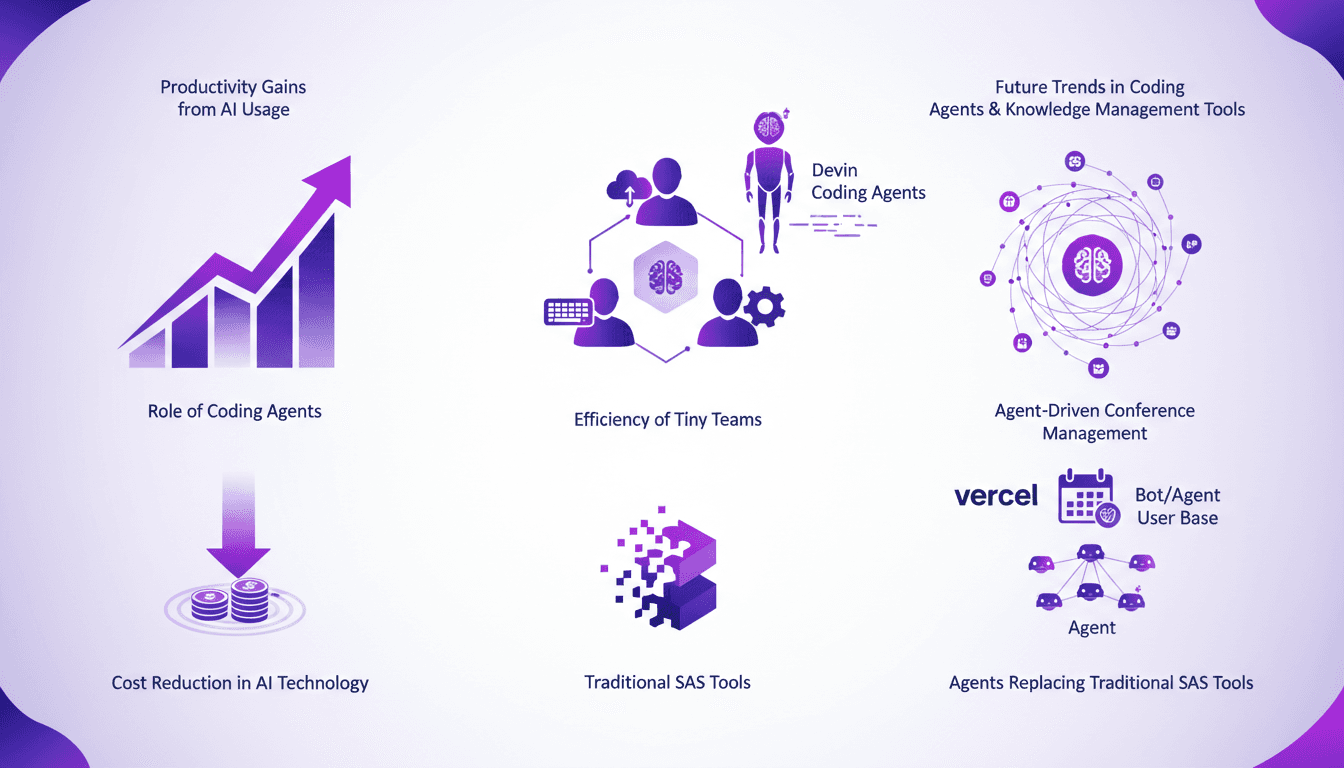
Productivity Gains: AI Agents Empowering Teams
Ever felt like your team's too small to tackle big projects? I did too, until I started leveraging AI coding agents like Devin. These tiny team powerhouses are game-changers. Imagine running a $9 million business with just nine full-timers. With coding agents, it's possible. Let me show you how these tools boost productivity, cut costs, and transform how we work. We're talking about AI costs dropping 100-fold in a few short years. Join me as we explore what Devin and other agents can genuinely do for your team.
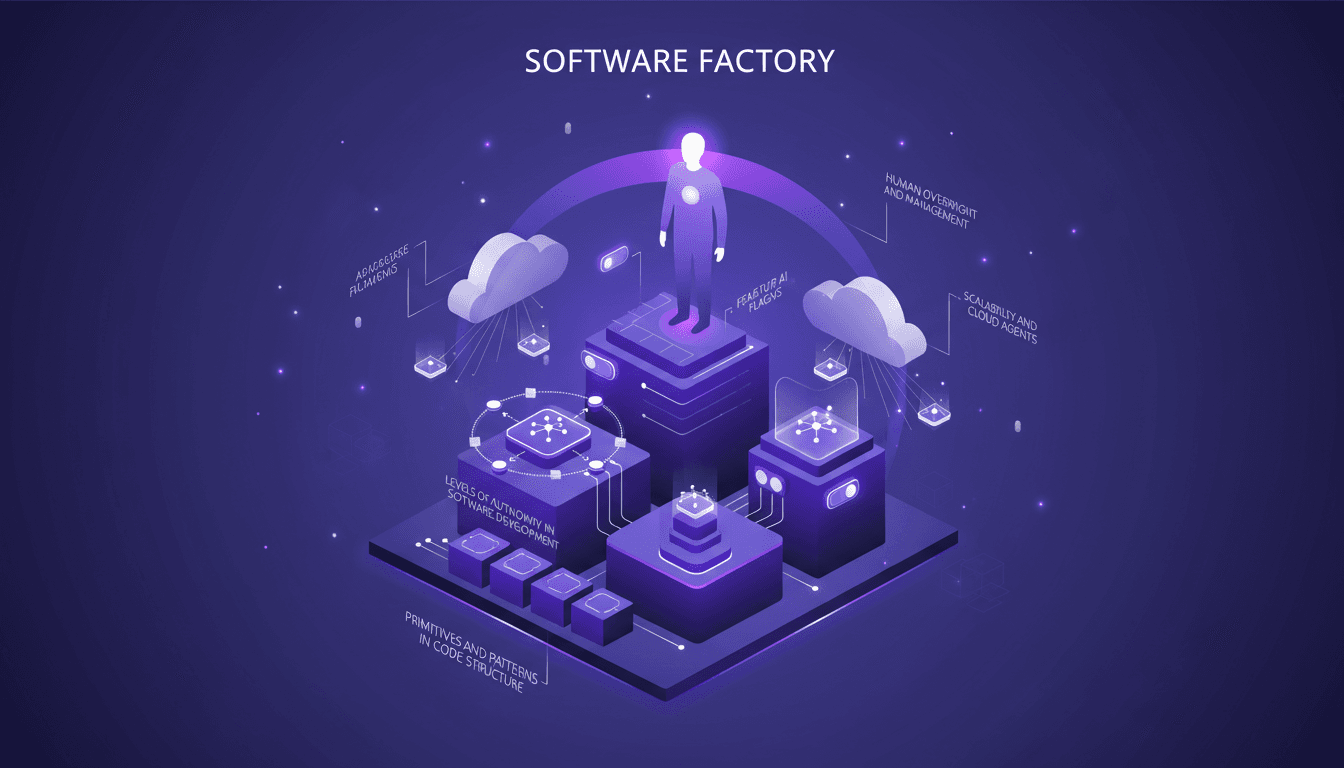
Building Your Software Factory: Key Steps
I remember my first thought about building a software factory. It felt overwhelming, but with a step-by-step approach, it turned manageable. In this article, I walk you through how I set up my own software factory, focusing on efficiency and scalability. We dive into the key components and strategies for success, from the role of AI agents and feature flagging to verification and testing in automated systems. For me, a software factory is more than just automation; it's a paradigm shift that can transform productivity. So how do you pilot this without getting burned? I share my mistakes, successes, and most importantly, the lessons learned.
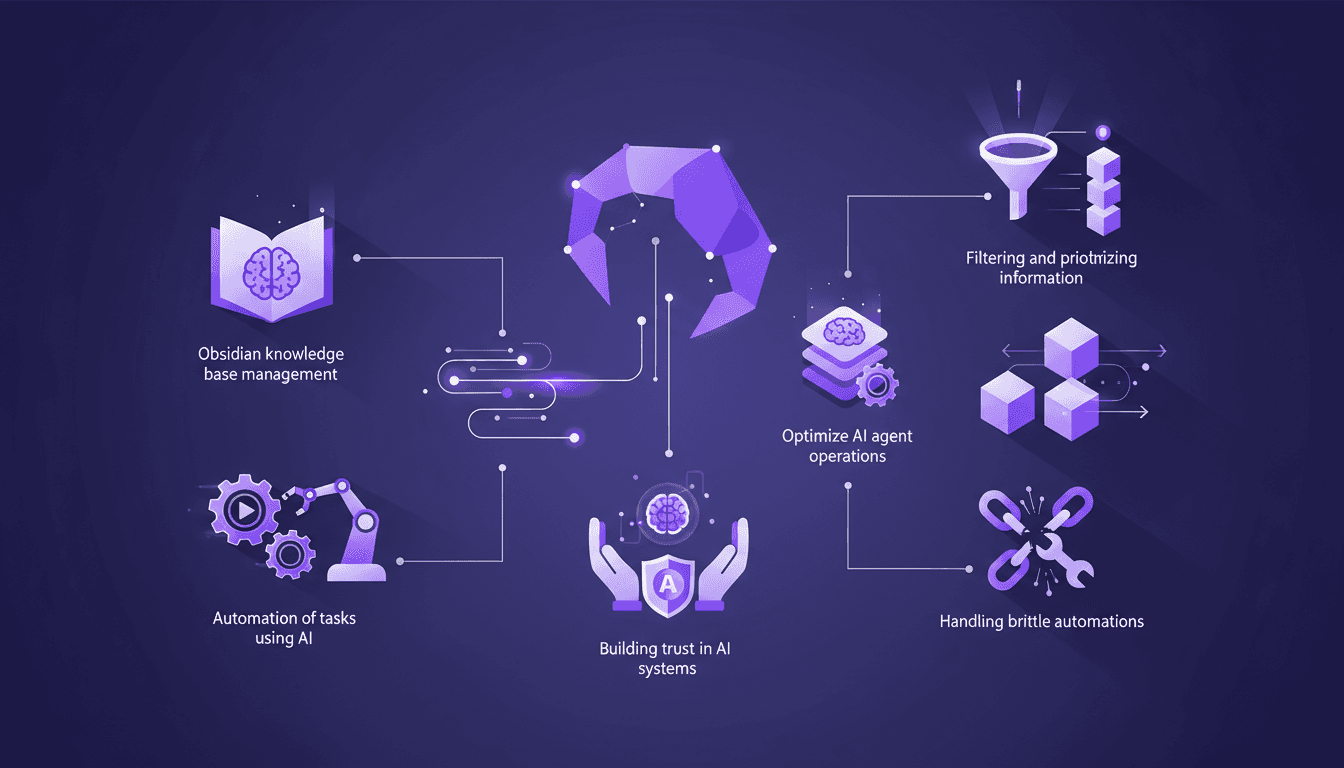
Integrating OpenClaw: Optimizing Daily Life
I handed over the keys to my life to an AI agent. Sounds risky, right? Yet, integrating OpenClaw transformed my daily routine in remarkable ways. Picture managing a 3,000-page Obsidian knowledge base, with tasks kicking off at 4 a.m. I’m sharing how I optimized my life with AI, from data management to building reliable routines. Fixing a Netflix payment failure in five minutes made me realize the potential of these tools. But beware, you need to filter and prioritize information, and handle sometimes brittle automations. Ultimately, it's a fascinating journey toward an AI-optimized life.
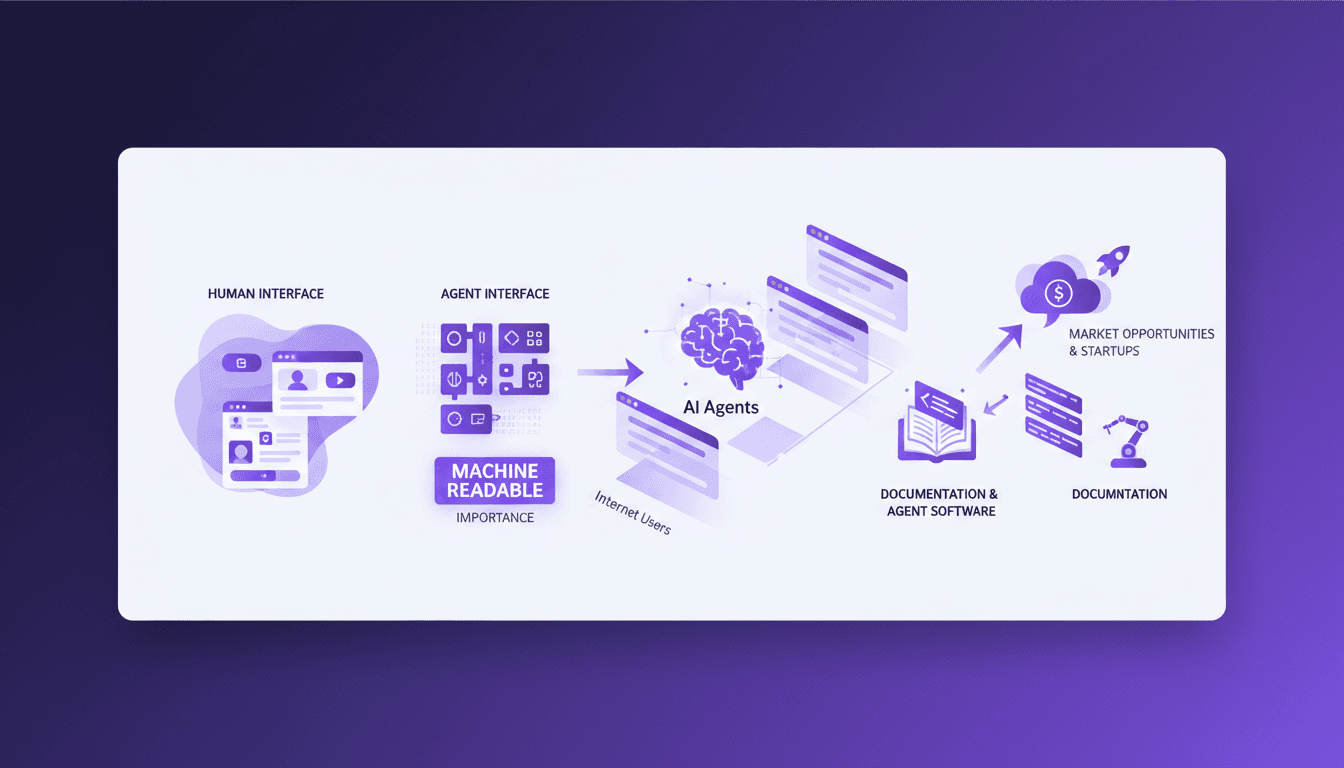
Software for Agents: Designing for the Future
I still remember the moment I realized the next trillion internet users wouldn't be human—it would be AI agents. It hit me during a conference and shifted my whole approach to software design. Gone are the days when human-centric design was enough. Now, it's the era of agents, which means we need to rethink everything—from the interfaces we use to the market opportunities for startups. Machine-readable interfaces like APIs, MCPs, and CLIs are becoming crucial, and clear documentation is no longer optional. If you want to stay ahead, now's the time to pivot and think agent-first. Otherwise, you risk falling behind in this digital revolution.

Boosting Team Velocity with Codex
When I first integrated Codex into our workflow at Virgin Atlantic, I didn't just see a tool; I witnessed a transformation. I started by connecting our systems, and soon enough, the boost in team velocity was remarkable. We slashed our technical debt massively, freeing our teams from unnecessary constraints. But watch out, it's not just about technical performance; our customer experience also took a leap forward. Let's dive into the details of how Codex revolutionized our way of working.