Integrating OpenClaw: Optimizing Daily Life
I handed over the keys to my life to an AI agent. Sounds risky, right? Yet, integrating OpenClaw transformed my daily routine in remarkable ways. Picture managing a 3,000-page Obsidian knowledge base, with tasks kicking off at 4 a.m. I’m sharing how I optimized my life with AI, from data management to building reliable routines. Fixing a Netflix payment failure in five minutes made me realize the potential of these tools. But beware, you need to filter and prioritize information, and handle sometimes brittle automations. Ultimately, it's a fascinating journey toward an AI-optimized life.
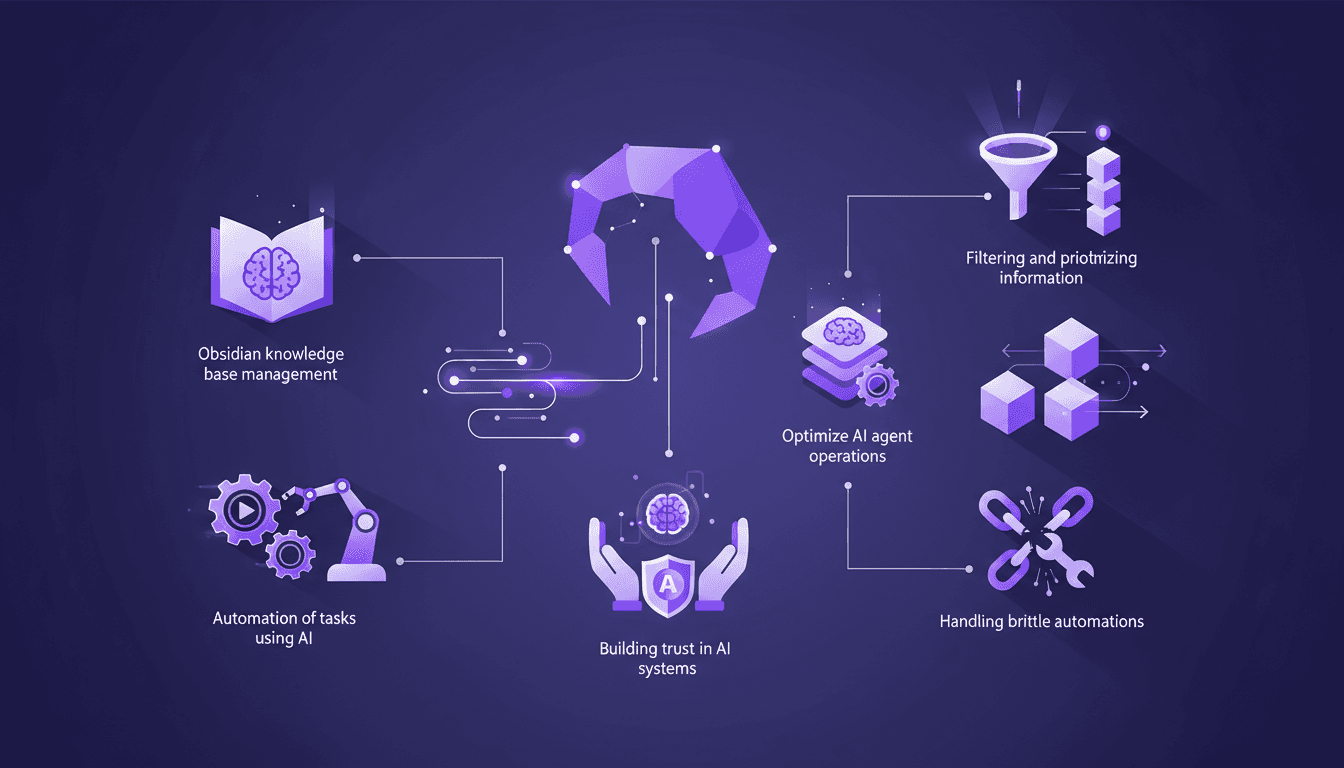
I made a bold move: I handed over the reins of my daily life to an AI agent. Risky, right? But let me walk you through how OpenClaw completely transformed my routine. It starts with a 3,000-page Obsidian knowledge base and ends with automations kicking off at 4 a.m. I learned to manage and optimize my AI operations, from automating mundane tasks to managing data. For instance, when a Netflix payment failed, the AI fixed it in five minutes. Impressive, but not without pitfalls. I had to learn to filter information and prioritize to avoid brittle automations. Ultimately, it’s a journey towards a life where AI becomes a trusted ally.
Setting Up OpenClaw: The Initial Steps
When I decided to integrate OpenClaw with my existing systems, I knew it wouldn't be a walk in the park. But I wasn't prepared for the initial setup complexity. I started by connecting OpenClaw to my Obsidian knowledge base, which already contained about 3,000 pages of notes on work, personal matters, and projects. The first step was configuring the memory vaults and nodes to maximize efficiency. Trust me, you really have to stick with it at the beginning, but it's worth it.
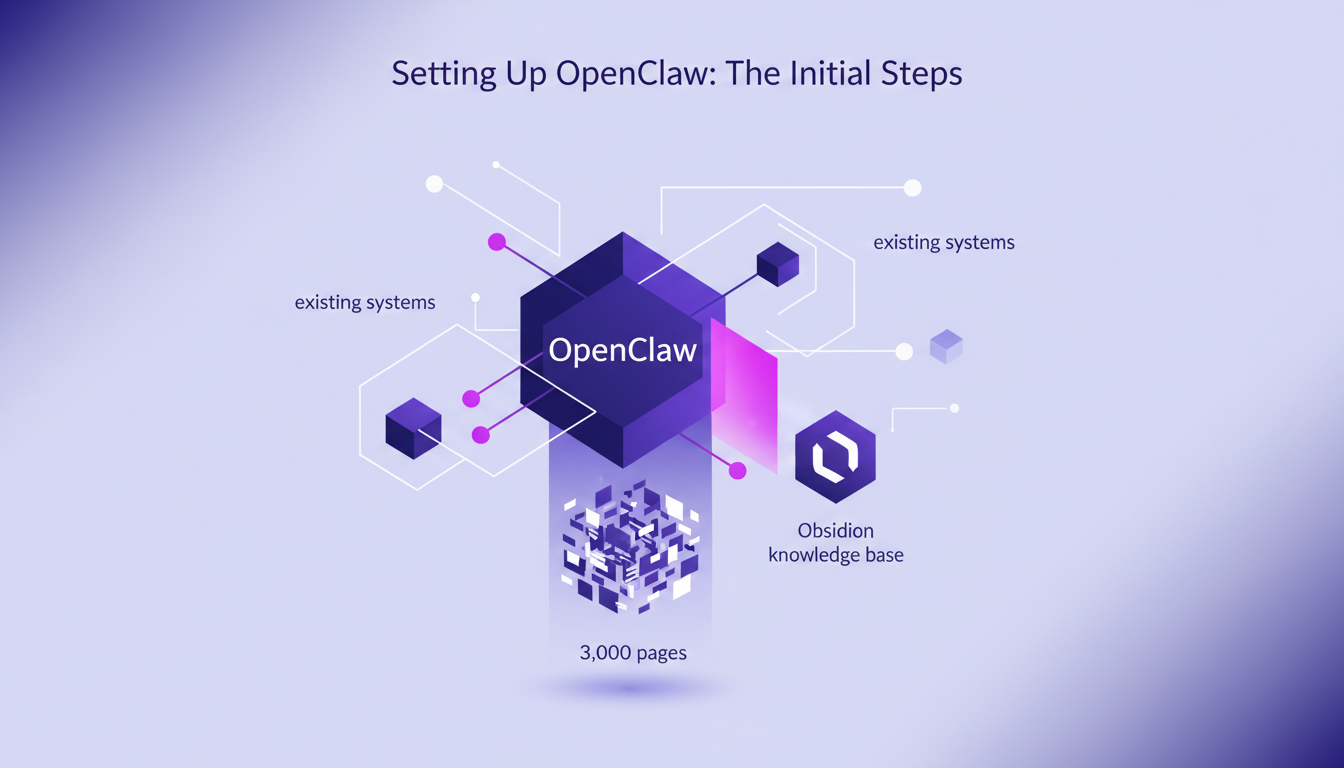
Right from the start, the challenges were numerous. Managing a volume of 3,000 pages is no small feat. It wasn't just about organizing this data, but also ensuring it was easily accessible and usable by OpenClaw. If you're thinking about diving in, prepare for a steep learning curve, but it's necessary.
Managing the Obsidian Knowledge Base
Obsidian became my go-to tool for organizing my thoughts and tasks. The key was maintaining a clean and searchable knowledge base. With 3,000 pages at my disposal, I had to implement a strategy for memory and data management. Each note was indexed and tagged to facilitate access and organization.
It's easy to underestimate the power of a well-organized system. But trust me, it makes all the difference. A good system not only saves you time but also reduces the stress of information management. Never underestimate the importance of good data structuring.
"A well-organized knowledge base is the cornerstone of effective information management."
For more on designing software for agents, check out our article here.
Automating Daily Routines: Efficiency Unlocked
Once the knowledge base was set up, I focused on automating daily tasks. For example, I orchestrated the automatic payment of Netflix at 4 a.m.. It might seem trivial, but this simple automation saved me hours each week, optimizing my schedule.
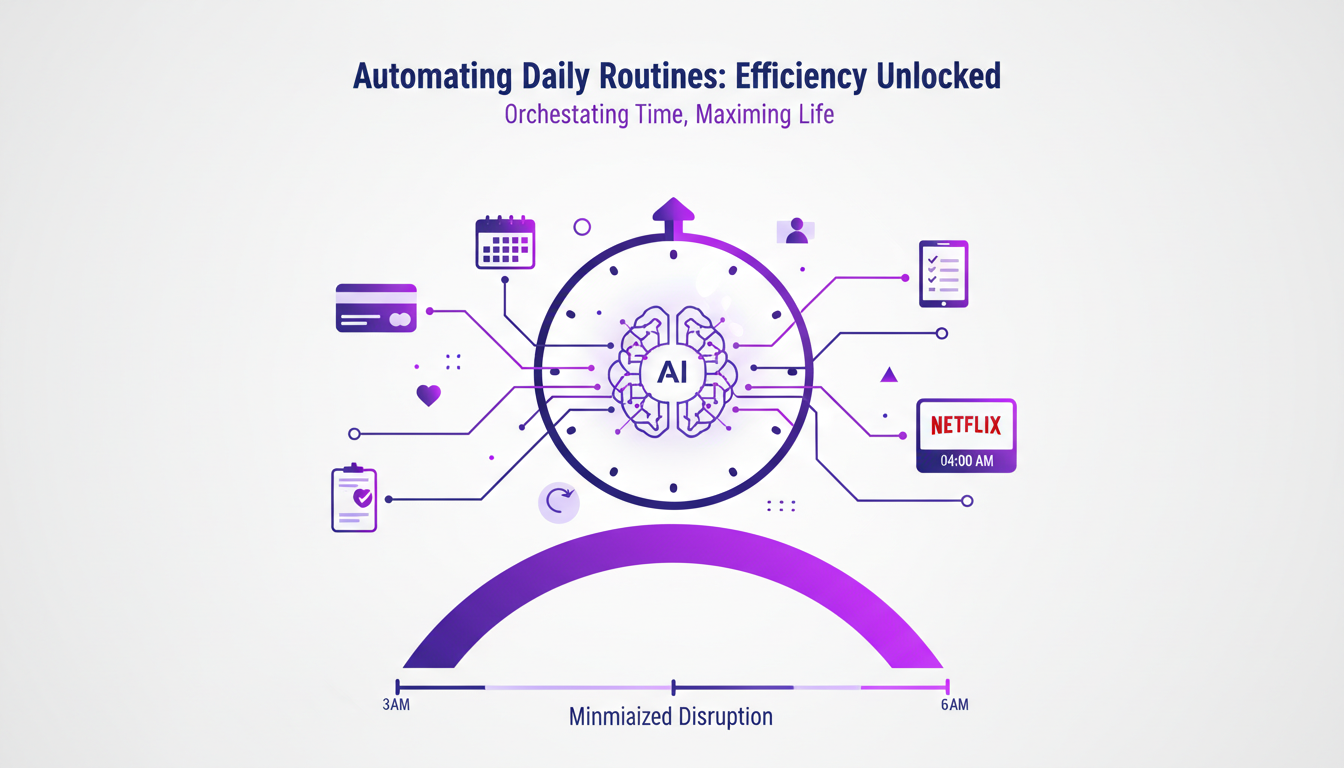
But beware of brittle automations. Sometimes, a 10-step process can break easily. Automation isn't just about time savings; it's about peace of mind. If something fails, like it did with a Netflix payment, it can be fixed in five minutes, but you need to know where to look.
Optimizing AI Operations: Memory and Trust
With OpenClaw, optimizing memory files and critical rules is essential. Building trust in AI systems is a step-by-step process. I started by refining attention filtering, which allowed me to manage noisy nodes. Regular audits are indispensable to ensure AI reliability.
Sometimes, manual intervention is faster. It's crucial to know when to step in to avoid being overwhelmed by technology. AI is a tool, not a magic bullet. Use it wisely.
For productivity gains with AI agents, check out our article here.
Handling Brittle Automations and Building Trust
Brittle automations were a real challenge. But through constant monitoring and tweaking, I've learned to mitigate them. Filtering and prioritizing information to reduce noise was crucial. Incremental improvements were key to maintaining system stability.

Remember, AI is a tool, not a magic bullet. Use it smartly to get the best out of it.
For more on building your software factory, check out our article here.
Integrating OpenClaw into my daily life was a real game changer, but it required careful setup and ongoing optimization. Automating tasks and managing my knowledge base with Obsidian saved me tons of time. I fixed a Netflix payment issue in under five minutes and organized 3000 notes efficiently. But don't forget, skepticism and continuous refinement are your best friends here.
- Automation: Solved tasks like Netflix payments in minutes.
- Efficient management: 3000 pages or notes in Obsidian, all neatly organized.
- Optimized routine: Automated tasks kick off at 4 a.m., guaranteeing a productive start.
Ready to hand over the keys to an AI agent? Start small, optimize, and keep refining. The efficiency gains are well worth the effort. For a deeper dive and to truly grasp the impact, check out Radek Sienkiewicz's full video. Trust me, it's worth it.
Frequently Asked Questions

Thibault Le Balier
Co-fondateur & CTO
Coming from the tech startup ecosystem, Thibault has developed expertise in AI solution architecture that he now puts at the service of large companies (Atos, BNP Paribas, beta.gouv). He works on two axes: mastering AI deployments (local LLMs, MCP security) and optimizing inference costs (offloading, compression, token management).
Related Articles
Discover more articles on similar topics
Software for Agents: Designing for the Future
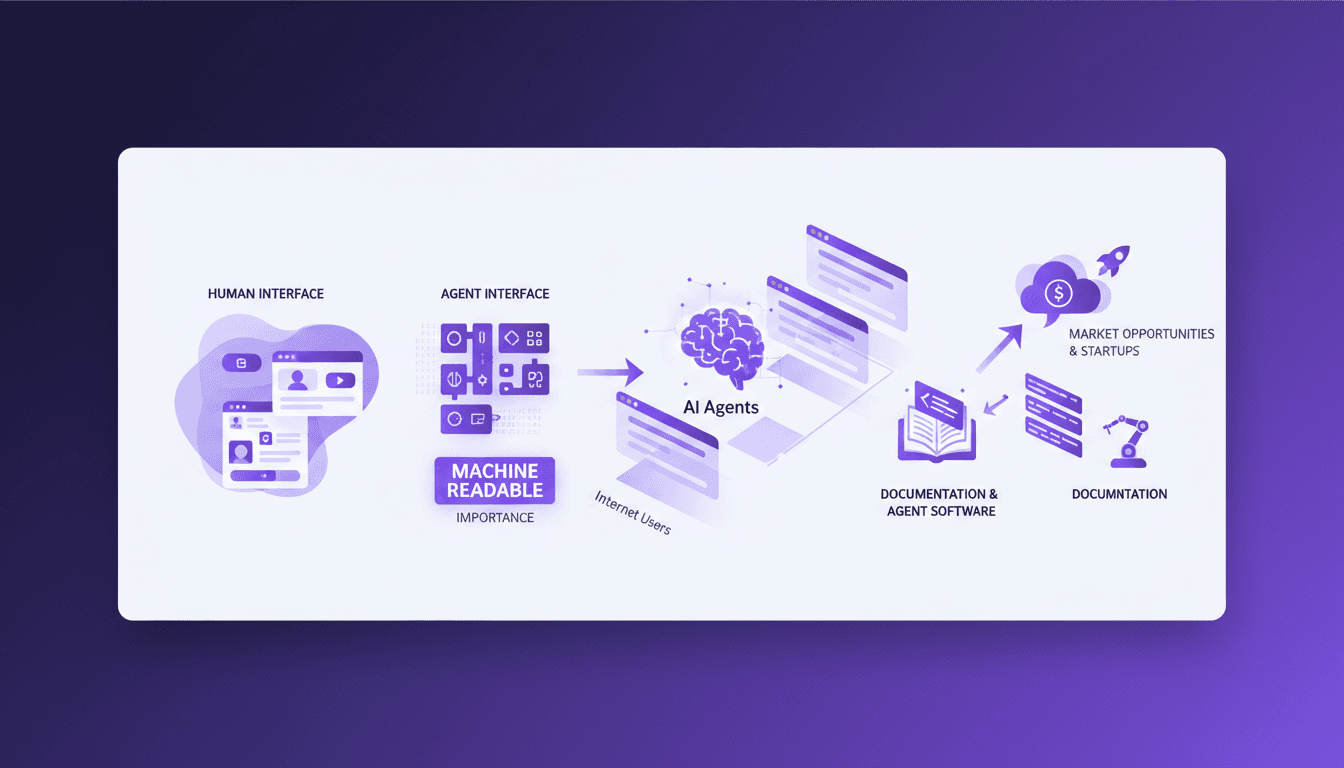
I still remember the moment I realized the next trillion internet users wouldn't be human—it would be AI agents. It hit me during a conference and shifted my whole approach to software design. Gone are the days when human-centric design was enough. Now, it's the era of agents, which means we need to rethink everything—from the interfaces we use to the market opportunities for startups. Machine-readable interfaces like APIs, MCPs, and CLIs are becoming crucial, and clear documentation is no longer optional. If you want to stay ahead, now's the time to pivot and think agent-first. Otherwise, you risk falling behind in this digital revolution.
Productivity Gains: AI Agents Empowering Teams
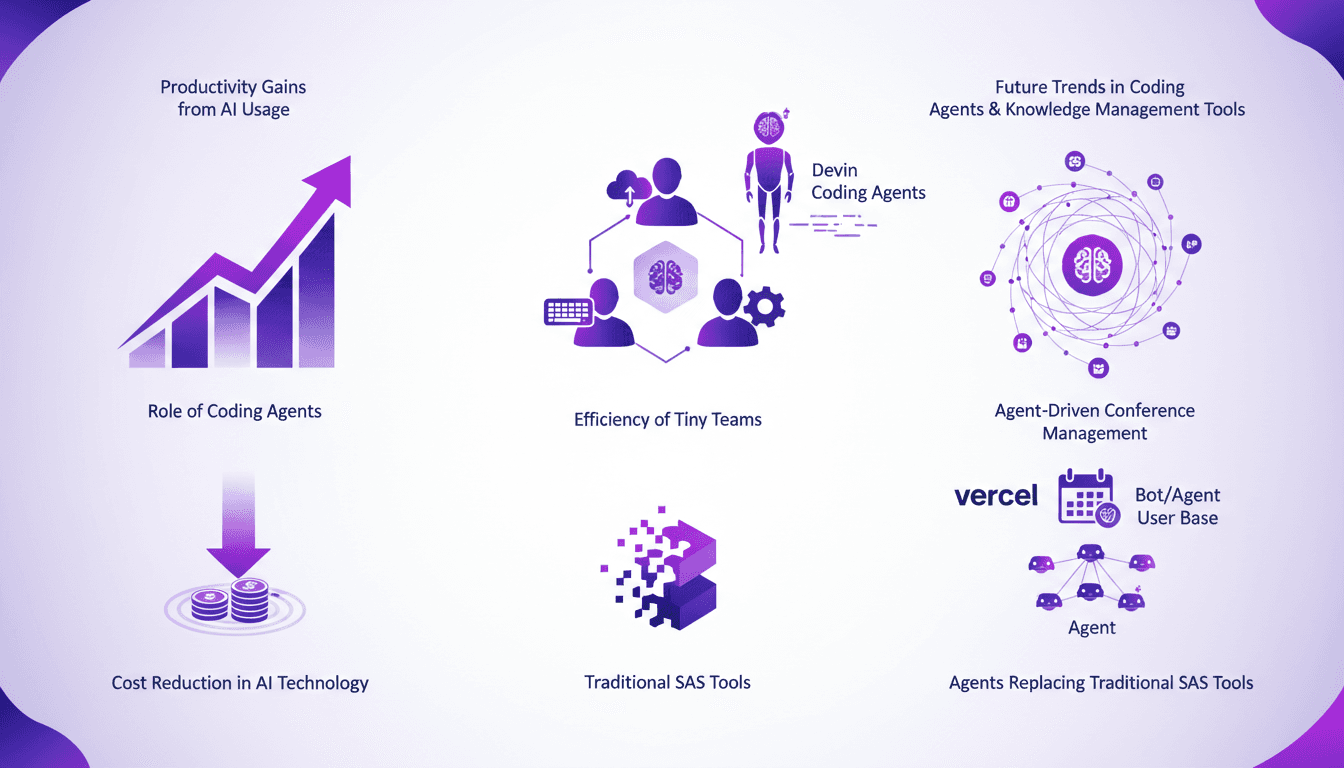
Ever felt like your team's too small to tackle big projects? I did too, until I started leveraging AI coding agents like Devin. These tiny team powerhouses are game-changers. Imagine running a $9 million business with just nine full-timers. With coding agents, it's possible. Let me show you how these tools boost productivity, cut costs, and transform how we work. We're talking about AI costs dropping 100-fold in a few short years. Join me as we explore what Devin and other agents can genuinely do for your team.
Building Your Software Factory: Key Steps
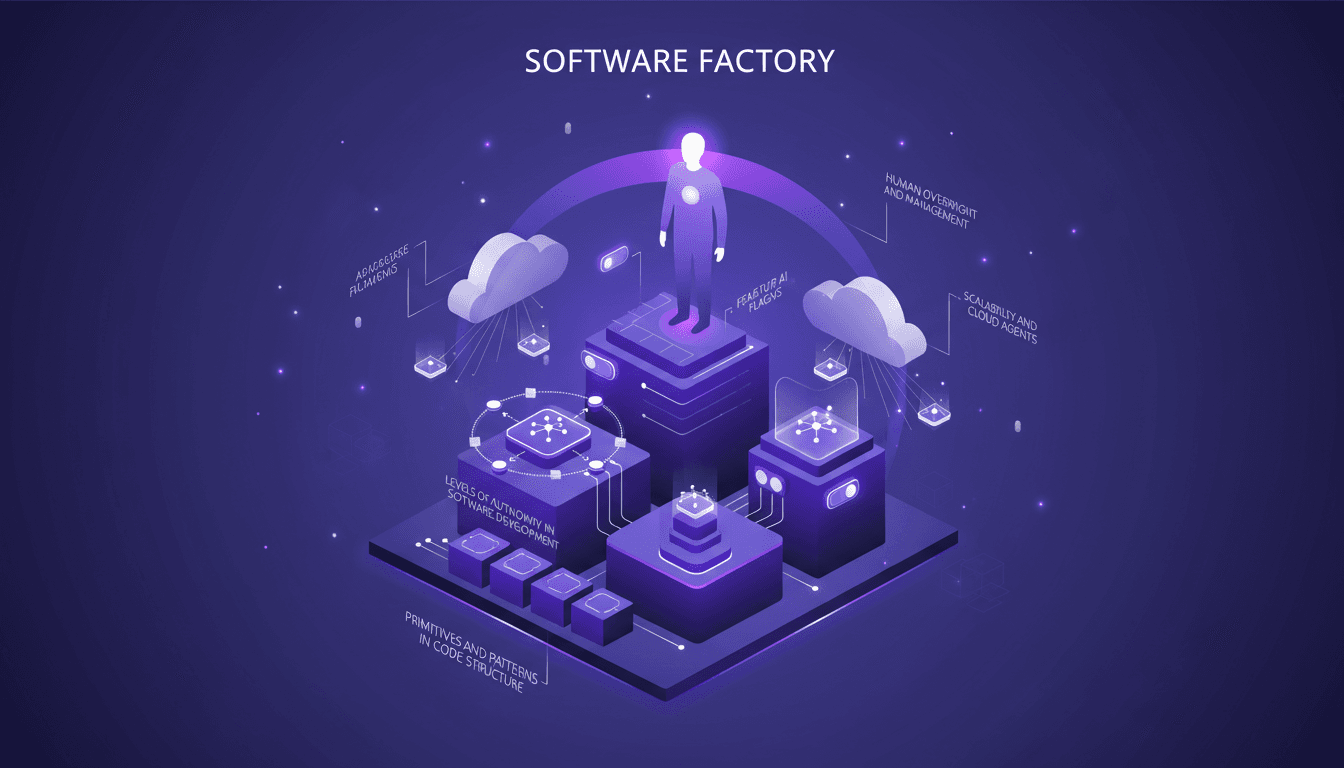
I remember my first thought about building a software factory. It felt overwhelming, but with a step-by-step approach, it turned manageable. In this article, I walk you through how I set up my own software factory, focusing on efficiency and scalability. We dive into the key components and strategies for success, from the role of AI agents and feature flagging to verification and testing in automated systems. For me, a software factory is more than just automation; it's a paradigm shift that can transform productivity. So how do you pilot this without getting burned? I share my mistakes, successes, and most importantly, the lessons learned.
Challenges in Building Eval Platforms
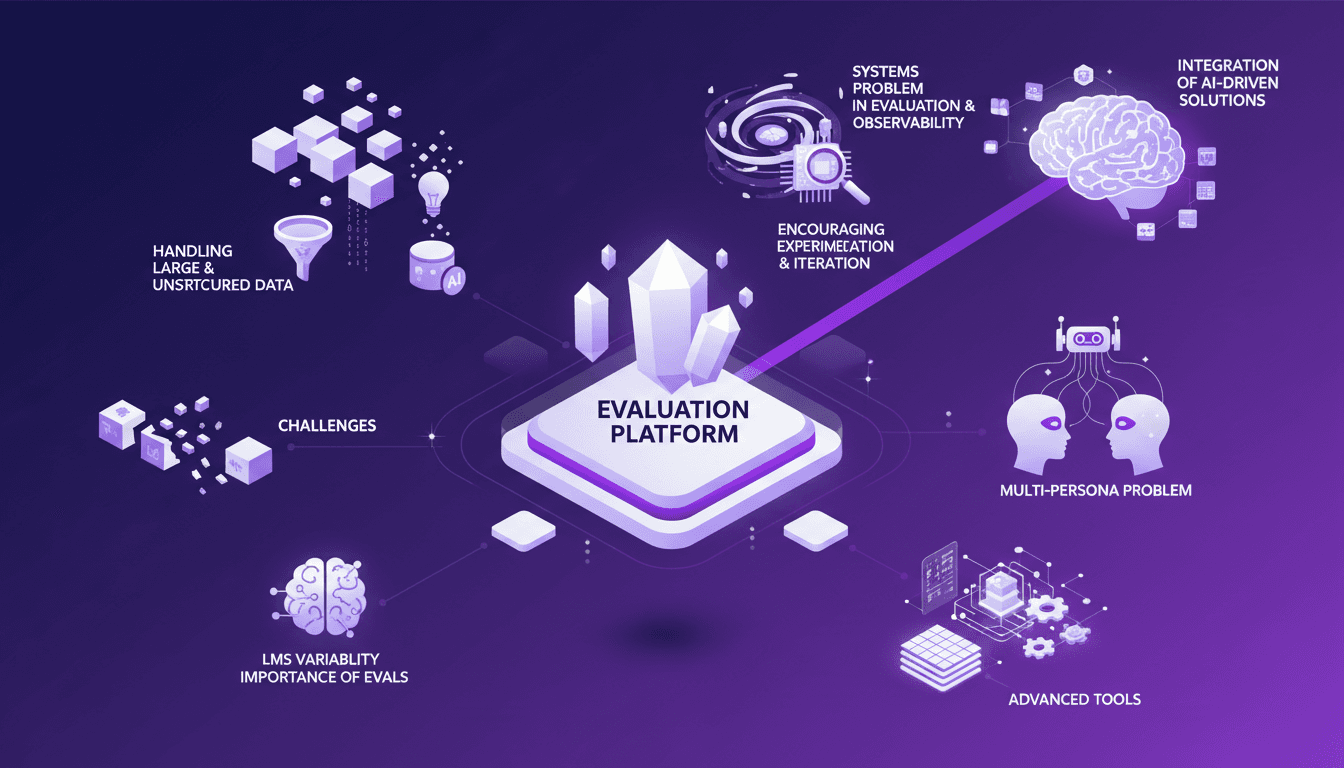
I remember the first time I tried to build an evaluation platform. It felt like trying to fit a square peg into a round hole. The complexity, the moving parts, the constant need for iteration—it's a beast. But once you get it right, the efficiency and insights you gain are game-changing. In today's LMS environments, these platforms are crucial for understanding variability and improving agent quality. Building them is no walk in the park. Let me walk you through the challenges and how I've tackled them. From transitioning from spreadsheets to advanced tools to integrating AI-driven solutions, each step is critical.
AI Agents: Requesting Feedback Efficiently
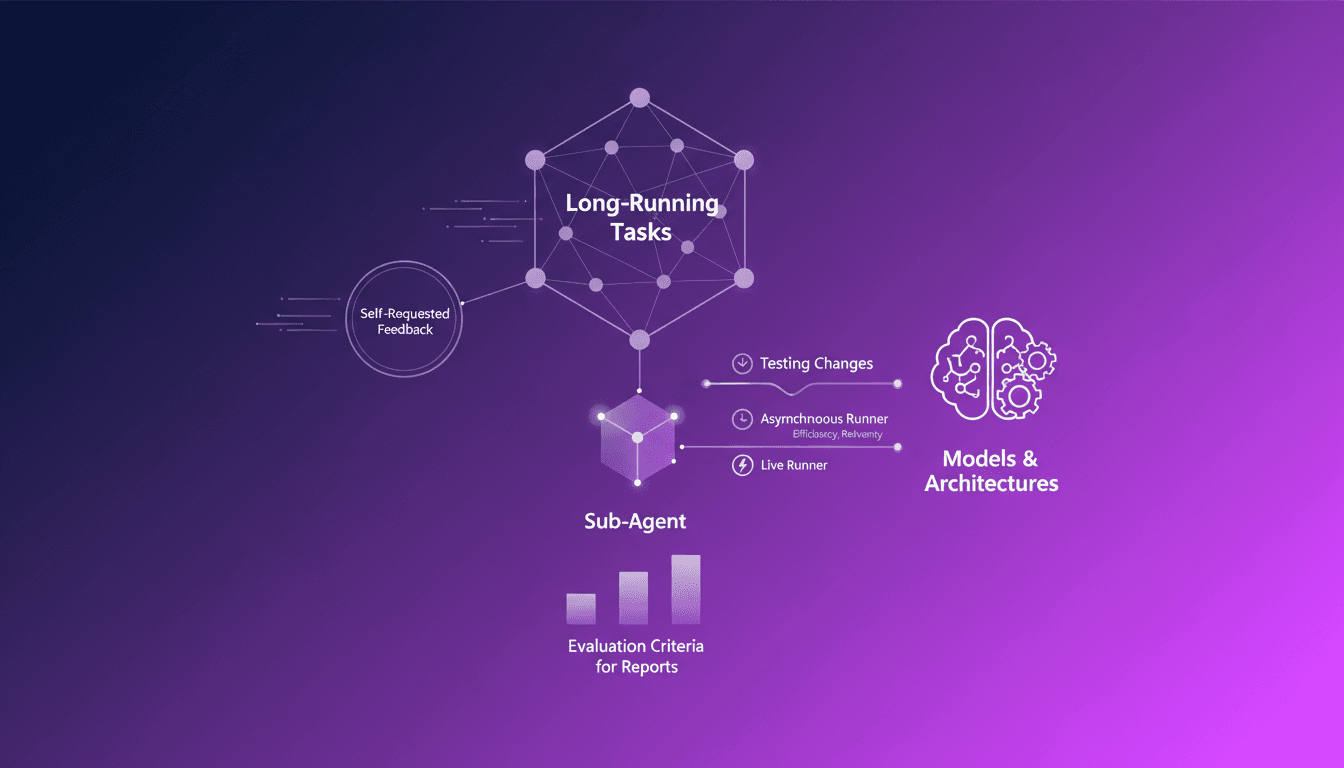
Ever been stuck in a loop of endless tasks, unsure if you're heading in the right direction? I have, and that's where AI agents asking for feedback come into play. In this podcast, I'll walk you through how I orchestrate this process. In the AI world, long-running tasks can be a nightmare without proper feedback mechanisms. Sub-agents really shine here, autonomously requesting feedback, making the process efficient and less error-prone. We'll dive into self-requested feedback for long-running tasks, the role of sub-agents in the feedback process, evaluation criteria for reports, and how I use asynchronous and live runners to test changes in models and architectures.