Building Your Software Factory: Key Steps
I remember my first thought about building a software factory. It felt overwhelming, but with a step-by-step approach, it turned manageable. In this article, I walk you through how I set up my own software factory, focusing on efficiency and scalability. We dive into the key components and strategies for success, from the role of AI agents and feature flagging to verification and testing in automated systems. For me, a software factory is more than just automation; it's a paradigm shift that can transform productivity. So how do you pilot this without getting burned? I share my mistakes, successes, and most importantly, the lessons learned.
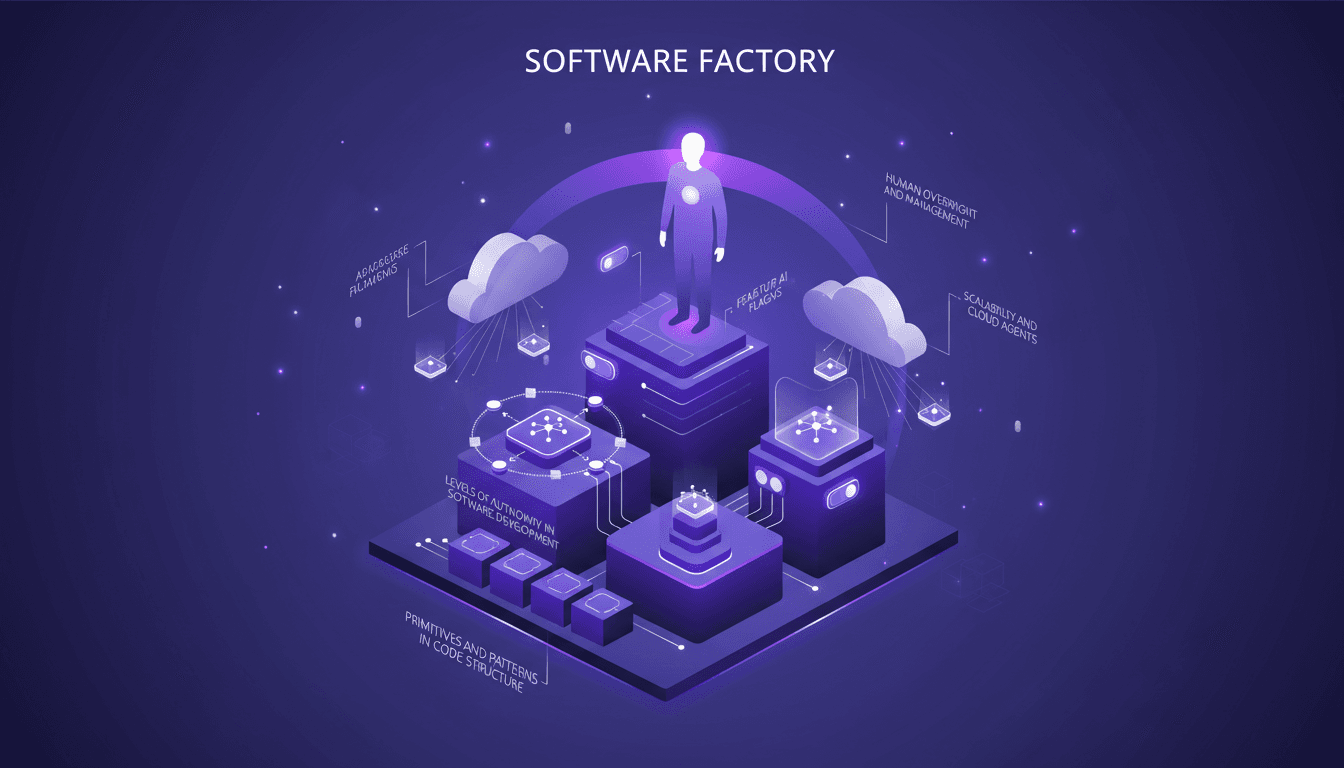
I remember the first time I thought about building a software factory. It felt like a massive, almost insurmountable task. But by breaking it down into steps, it became manageable. In this article, I walk you through how I set up my own software factory, focusing on efficiency and scalability. We're diving into the key components and strategies that make the difference. For instance, how I leveraged AI agents and feature flagging to boost productivity. Also, why verification and testing are critical in automated systems. The goal is to create a structure that runs almost autonomously but with the right level of human oversight to prevent mishaps. I've learned the hard way that it's easy to get burned if you're not careful. So, how do you avoid these pitfalls while maximizing business impact? I share my mistakes, successes, and the lessons learned so you can also build your own software factory.
Laying the Foundation: Building Your Software Factory
When I started crafting what I like to call a "software factory," it was all about creating an environment where code is produced as systematically as in a hardware factory. First thing, I defined what it meant for my projects. For me, this involved establishing a modularized code structure. Each piece of code needed to be an interchangeable brick. This was crucial for flexibility, especially when it comes to adding new features or fixing bugs without breaking everything.
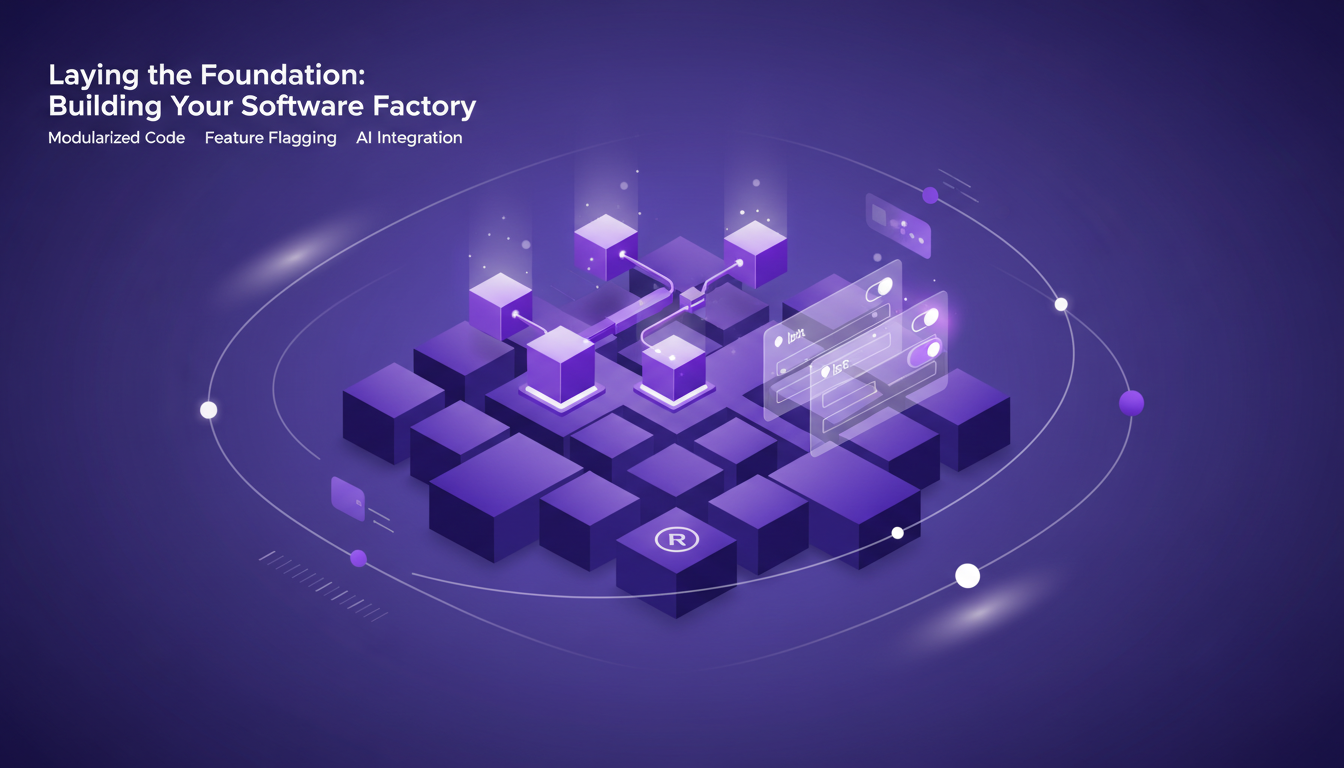
I also integrated feature flagging to test new features without disrupting the entire system. The initial cost estimates were surprisingly low, making it accessible even for smaller teams. But watch out for over-engineering. Keep it simple and scalable.
Understanding Autonomy Levels in Software Development
Next, I explored different levels of autonomy to find the right balance for my team. The goal was to free human resources from repetitive tasks through autonomous agents. However, scaling to 100 or more agents requires robust infrastructure. I experimented with running multiple agents on certain pull requests to optimize the workflow. But beware, over-reliance on automation can be risky — human oversight is still key.
In terms of productivity, autonomous agents can be a real game changer, but they require careful monitoring to avoid drifts.
Primitives and Patterns: Structuring Your Code
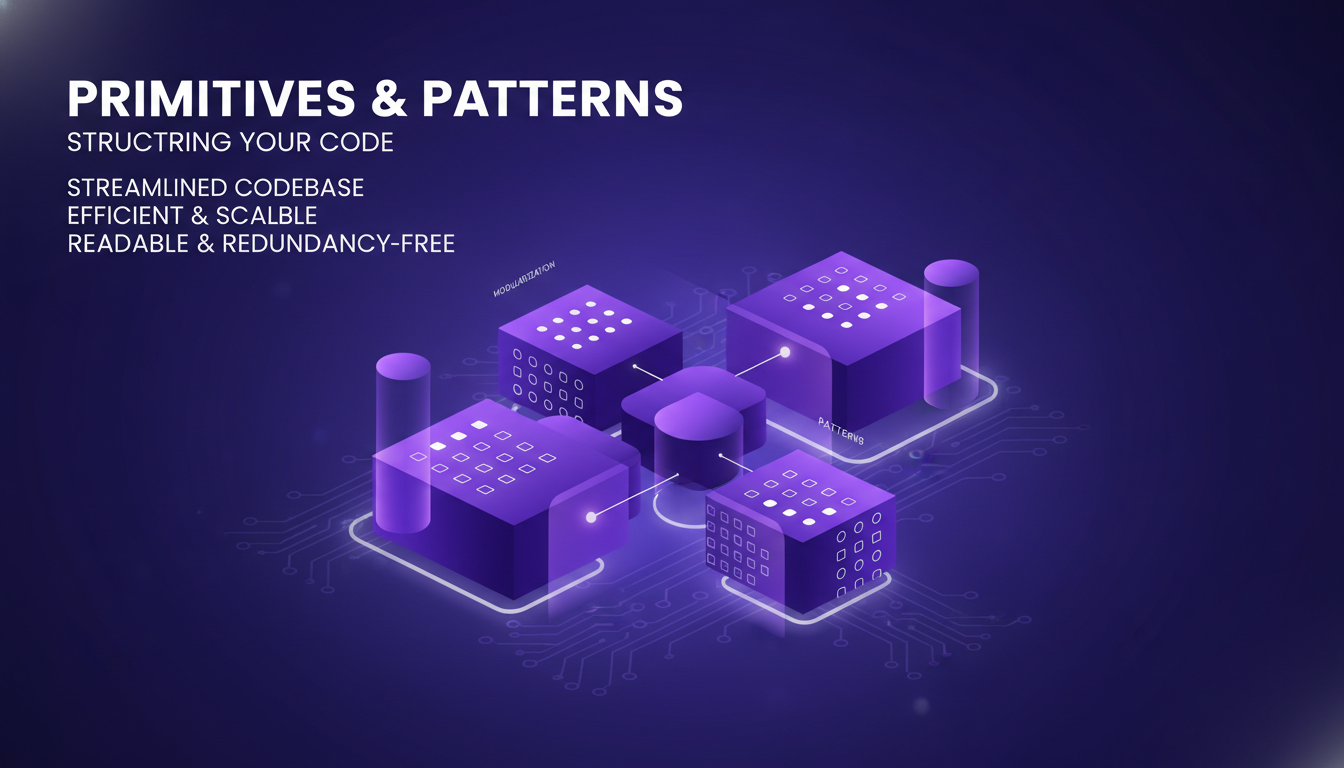
I identified key primitives and patterns that streamlined our codebase. Modularization helped in maintaining and scaling the system efficiently. Using patterns reduced redundancy and improved code readability. But trade-offs include initial setup time versus long-term maintenance savings.
Sometimes it's faster to refactor than to build from scratch. That's a lesson I learned the hard way.
AI Agents and Feature Flagging: Enhancing Automation
In the quest for automation, I integrated AI agents to manage complex tasks autonomously. Feature flagging enabled safe testing and deployment of new features. Running agents 24/7 increased productivity but required careful monitoring. I scaled from 10 to 100 agents, focusing on performance and stability.

Again, don't overuse feature flags to avoid ending up with a bloated code.
Verification, Testing, and Scalability in Automated Systems
Verification processes were automated to catch errors early. Testing frameworks were integrated to ensure reliability and efficiency. Scalability was a priority — cloud agents and VMs played a vital role. Human oversight ensured that automated systems stayed on track.
It's crucial to consider the cost versus benefit when scaling your cloud infrastructure. Sometimes, costs can skyrocket without proportional benefit.
In conclusion, building a software factory is a complex journey, but the gains in efficiency and productivity are well worth it. The challenge is balancing automation with human oversight, using tools like AI Automation wisely.
Key Takeaways:
- Modularization and feature flagging are essential for flexibility.
- Autonomous agents free up time but require robust infrastructure.
- Patterns reduce code redundancy for better readability.
- Don't overuse feature flags to avoid bloated code.
- Automated testing and verification are crucial for reliability.
Building my software factory has been a journey of balancing autonomy, efficiency, and oversight. First, I structure my code with care, leveraging primitives and patterns that make the architecture clear and maintainable. Then, I leverage AI agents to automate efficiently, but watch out—you'll need to manage their number—100 agents is a nice challenge. When it comes to testing, I keep it rigorous to ensure everything stays robust, even when running 10 agents on certain PRs. It's truly a game changer for productivity, but don't underestimate the initial cost, which might seem minimal at a dollar but can quickly climb.
It's an exciting evolution towards a more scalable and productive environment. If you're ready to build your own software factory, start small, iterate, and watch your productivity soar. Share your experiences; let's refine our processes together. For deeper insights, check out the full video—it's a peer-to-peer exchange worth watching.
Frequently Asked Questions

Thibault Le Balier
Co-fondateur & CTO
Coming from the tech startup ecosystem, Thibault has developed expertise in AI solution architecture that he now puts at the service of large companies (Atos, BNP Paribas, beta.gouv). He works on two axes: mastering AI deployments (local LLMs, MCP security) and optimizing inference costs (offloading, compression, token management).
Related Articles
Discover more articles on similar topics
AgentCraft: Scaling Agent Orchestration Efficiently
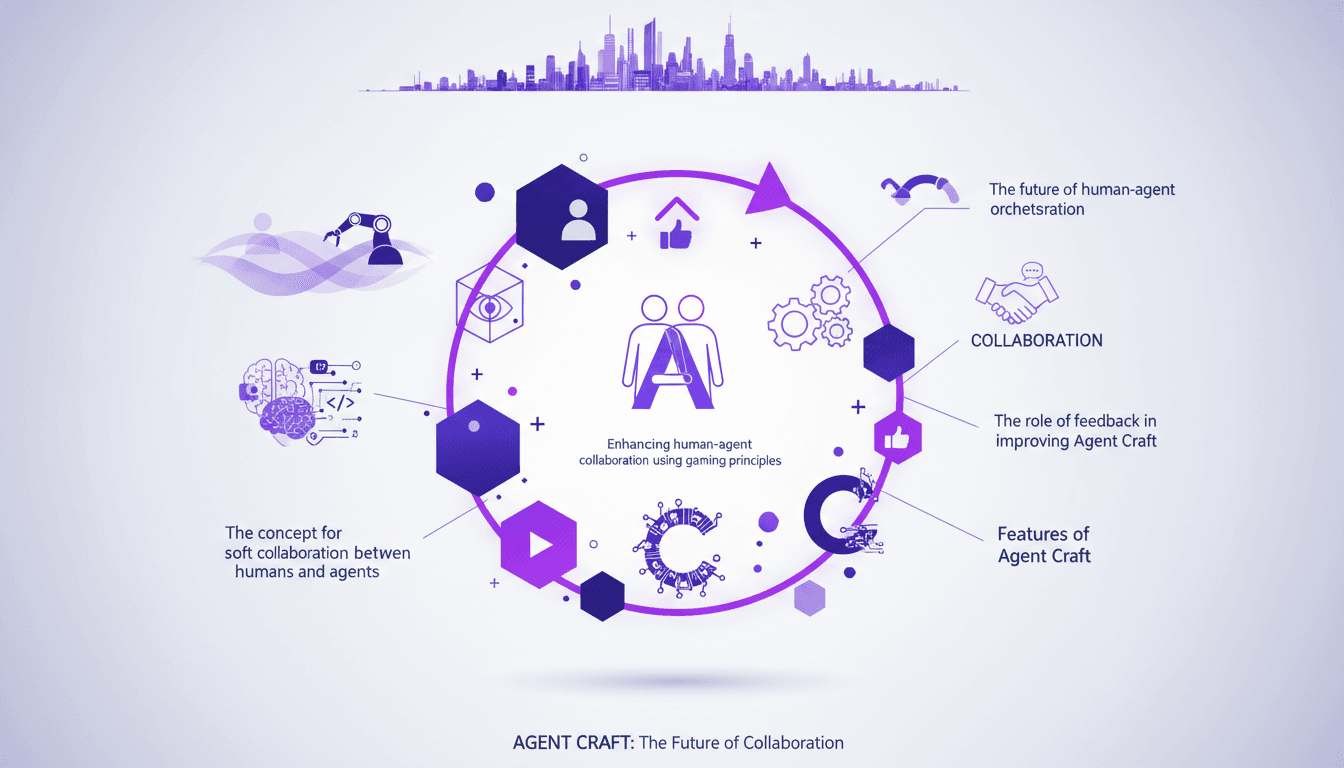
I dove into AgentCraft headfirst, driven by the need to orchestrate our agents more efficiently. It's like putting the 'orc' in orchestration. Right off the bat, the scale was both daunting and exhilarating. AgentCraft employs gaming principles to enhance collaboration between humans and AI agents. In this article, I share my journey implementing AgentCraft, the challenges faced, and the solutions I found. We dive into visibility, automation, collaboration, and the crucial role of feedback. Trust me, I got burned a few times before nailing the right approach. If you're serious about mastering human-agent orchestration, keep reading.
AI Agents: Requesting Feedback Efficiently
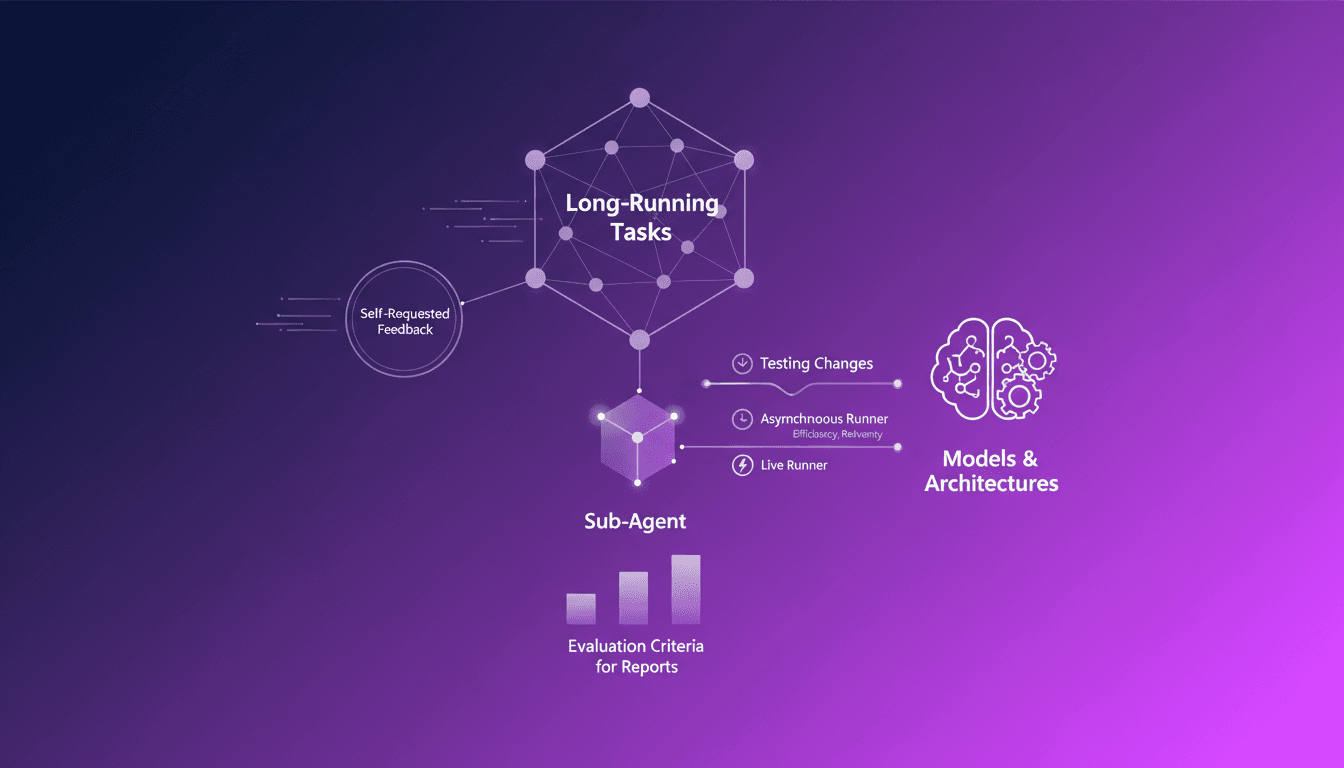
Ever been stuck in a loop of endless tasks, unsure if you're heading in the right direction? I have, and that's where AI agents asking for feedback come into play. In this podcast, I'll walk you through how I orchestrate this process. In the AI world, long-running tasks can be a nightmare without proper feedback mechanisms. Sub-agents really shine here, autonomously requesting feedback, making the process efficient and less error-prone. We'll dive into self-requested feedback for long-running tasks, the role of sub-agents in the feedback process, evaluation criteria for reports, and how I use asynchronous and live runners to test changes in models and architectures.
AI Automation: Challenges and Practical Solutions
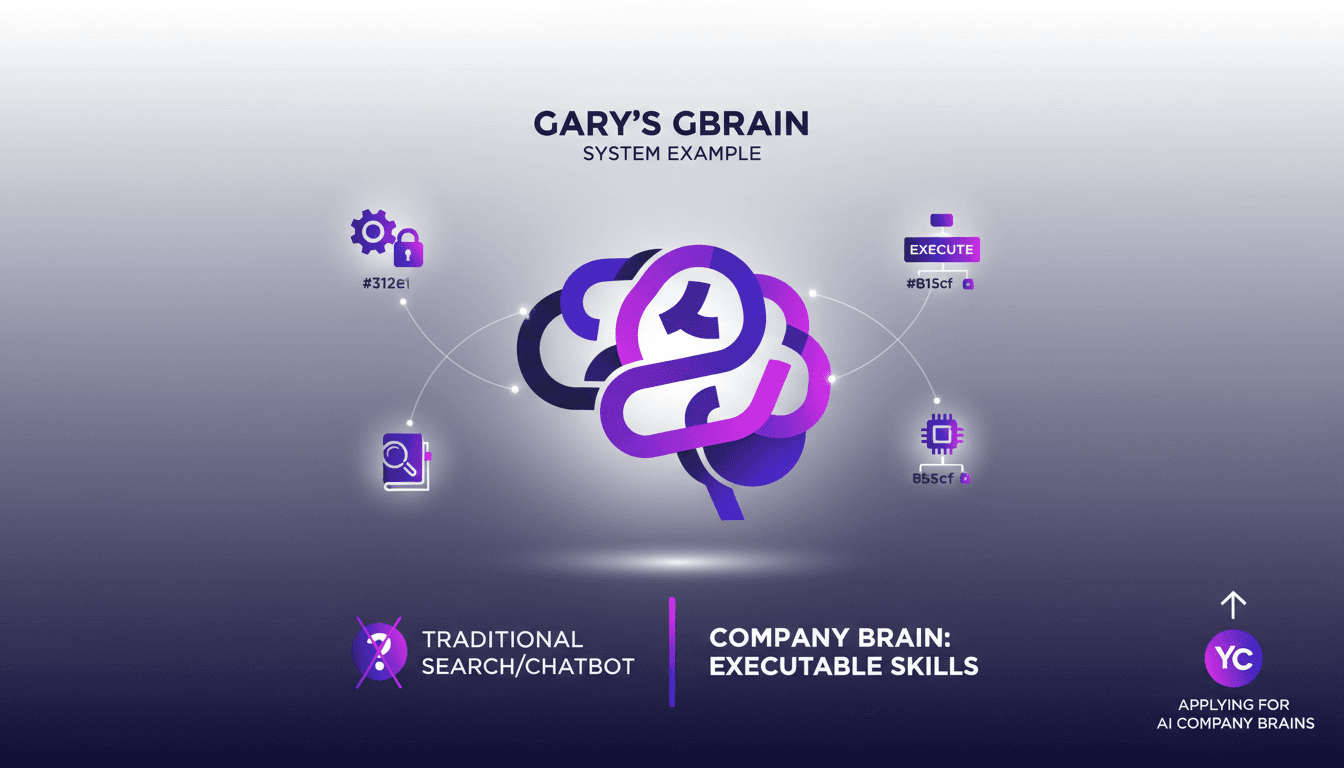
I vividly remember my first attempt at implementing AI automation in my company—what a mess! But once I grasped the importance of domain knowledge and the 'company brain' concept, things started to make sense. In this article, I share how I tackled these challenges using Gary's GBrain as an example. Too often, companies hit a wall with AI because they overlook the real key: domain knowledge. I'll walk you through how I built a company brain and why every business should have one today.
Enterprise MCP Challenges: Practical Solutions
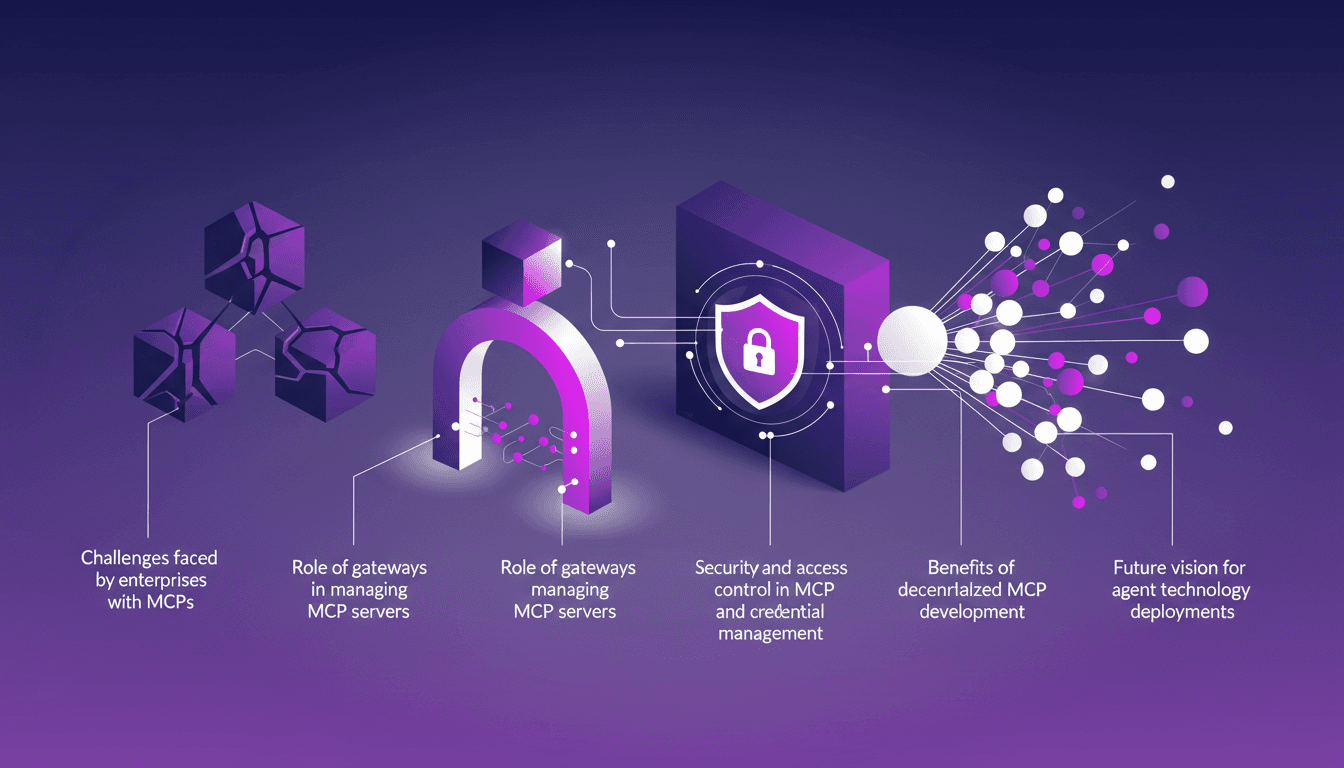
I remember the first time I had to scale MCP servers for an enterprise client. It was utter chaos — but once I found the right orchestration, everything clicked. Enterprises face unique challenges with MCPs, from scalability to security. In this article, let's break down how to tackle these challenges using gateways and other strategies. We'll also dive into security and access control, the importance of observability and credential management, and not to forget the future vision for agent technology deployment.
Solopreneur Routine: Earning $77K a Month
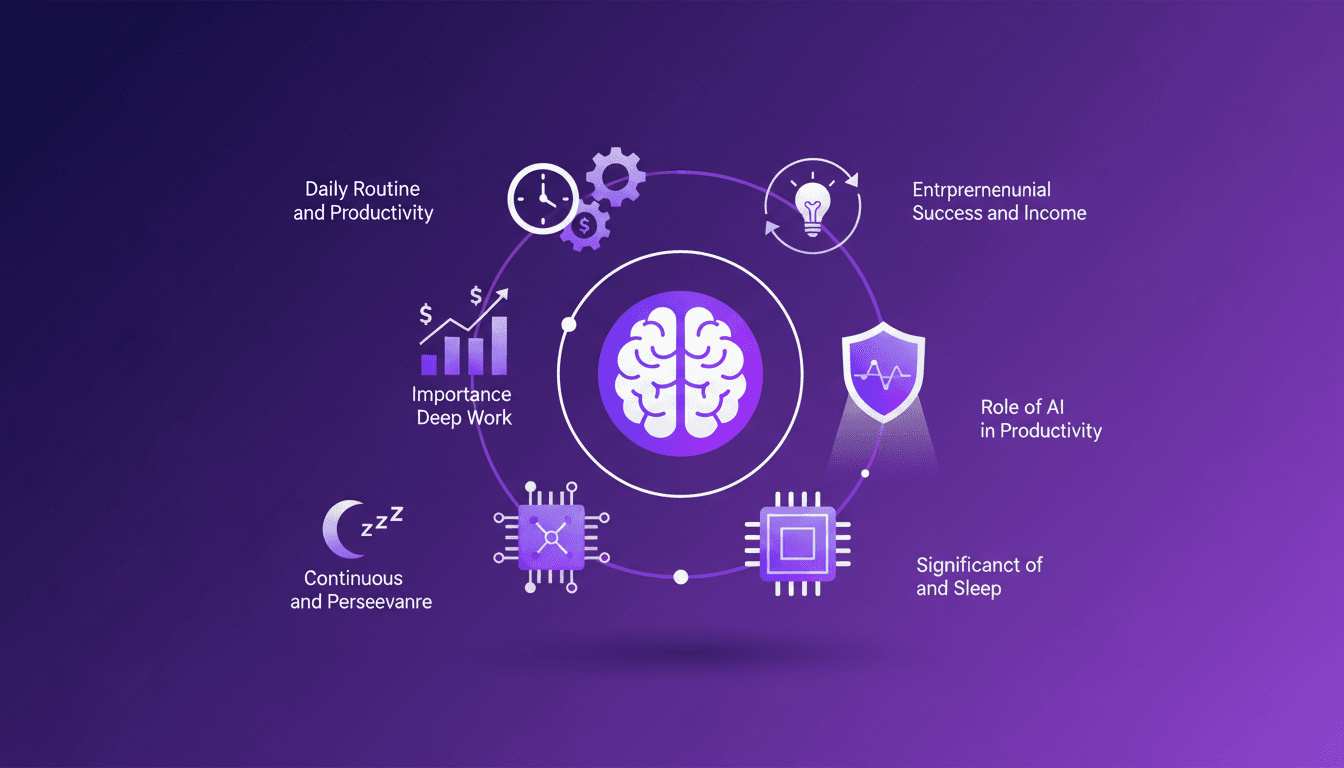
I wake up around 6 a.m., ready to tackle the day as a solopreneur. Earning $77K a month doesn't just happen—it's a mix of deep work, smart use of AI, and relentless iteration. First, I orchestrate my priorities using automation tools (saves a ton of time). Then, I dive into the creative work, where AI helps me speed up processes without compromising quality. My secret? Never getting stuck. I test, tweak, and continuously innovate while safeguarding my sleep. In a world where hustle is glorified, smart strategies make the difference. Let me show you how I orchestrate my daily routine to maximize productivity and innovation.