AI Automation: Challenges and Practical Solutions
I vividly remember my first attempt at implementing AI automation in my company—what a mess! But once I grasped the importance of domain knowledge and the 'company brain' concept, things started to make sense. In this article, I share how I tackled these challenges using Gary's GBrain as an example. Too often, companies hit a wall with AI because they overlook the real key: domain knowledge. I'll walk you through how I built a company brain and why every business should have one today.
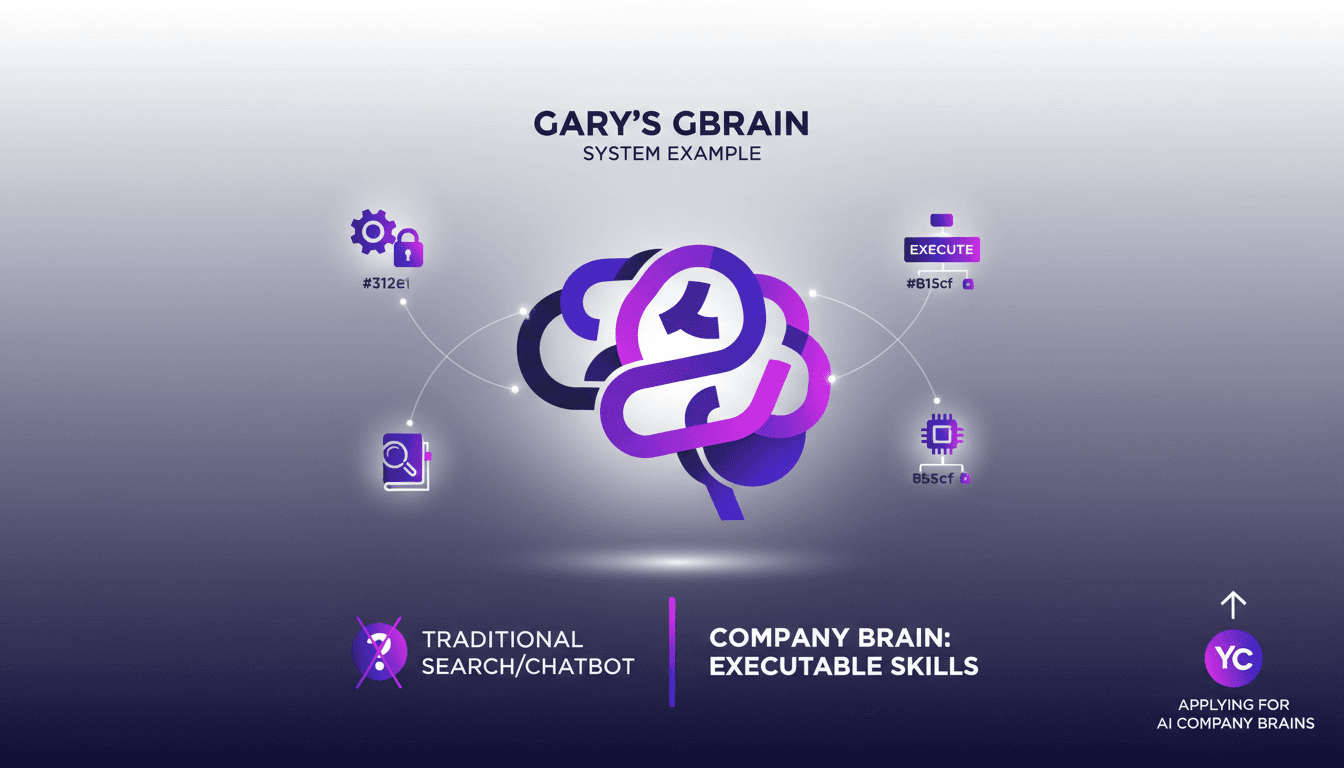
I remember my first attempt at implementing AI automation in my company—what a disaster! I got burned more than once before I understood the real key: domain knowledge. That's where the 'company brain' concept came into play. Using Gary's GBrain as an example, I managed to turn that initial chaos into a smooth system. Let's be blunt: AI automation is all the rage, but let's face it, most companies hit a wall. People often talk about the most advanced algorithms, but forget that without deep domain knowledge, it doesn't go far. In this article, I'll show you how I built a company brain, through executable skills files for AI agents, and why it's essential for every business today. I'll also explain why the 'company brain' goes far beyond just a simple chatbot or traditional search engine. Let's dive into the topic and see how you can implement such a solution in your company too.
Understanding AI Automation Challenges
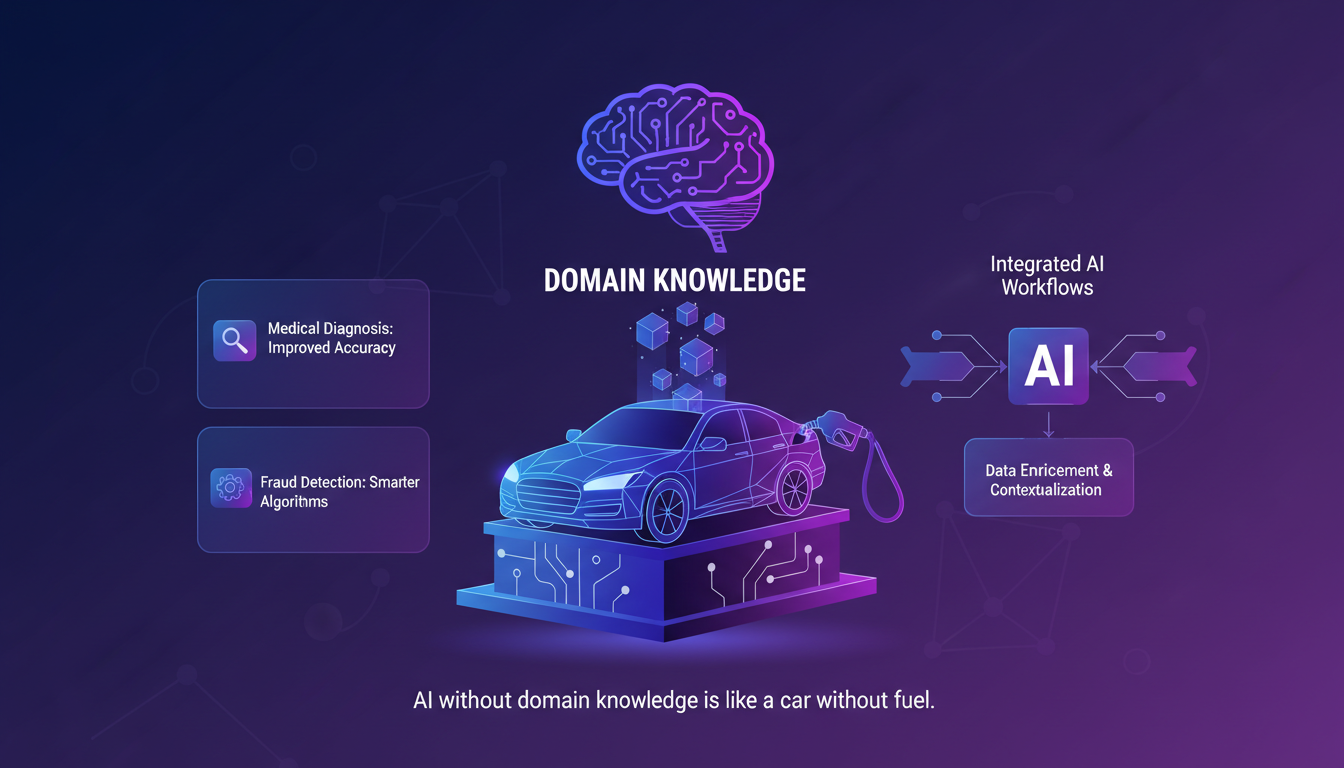
AI is often marketed as a magical fix for automation woes, but the reality in the field is far more nuanced. Sure, models are powerful, but without the right domain knowledge, it's like driving a car without fuel. The biggest blocker to AI automation today isn't the models—they've become incredibly good very quickly. The real challenge is the domain knowledge within companies. AI needs context to be effective; it doesn't work in isolation.
Generic solutions are often overhyped, but they don't cut it. You quickly find yourself tinkering with systems that don't hold up. I've seen too many companies get lost trying to apply generic models to specific situations without success.
Why Domain Knowledge is Crucial
Without domain knowledge, AI is like a car without gas. I've integrated domain knowledge into my AI workflows in concrete ways, and it makes all the difference. For instance, at a company I worked with, we had to extract specific insights from old databases that seemed unusable at first glance. That's where domain knowledge made all the difference.
Watch out for generic datasets that don't fit your business. They can lead to incorrect conclusions and overall inefficiency.
"The biggest blocker to AI automation is domain knowledge, not the models."Anonymous Source
- Avoid using generic data without verification.
- Integrate domain knowledge from the start.
- Monitor potential biases in datasets.
Building a Company Brain
What is a "company brain"? It's not just a buzzword. It's a system that captures and structures scattered company knowledge. Take Gary's GBrain as an example, a practical system that extracts and organizes this knowledge to be usable by AI agents. I've tried to build something similar in my business with impressive results.
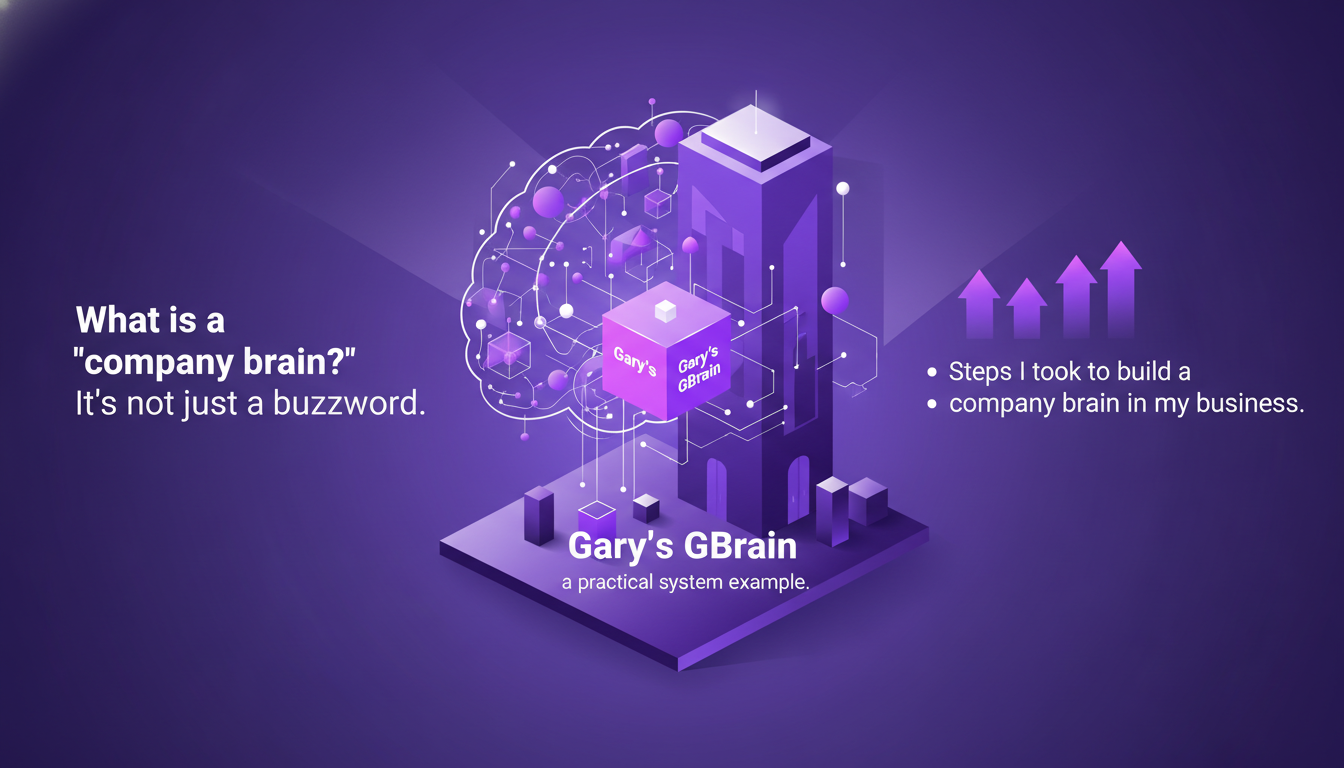
What sets a company brain apart from traditional AI tools is its ability to be a living map of how a company works, not just a search engine or a chatbot over documents.
- Extract knowledge from fragmented sources.
- Structure this knowledge to make it actionable.
- Create executable skills files for AI agents.
Executable Skills Files: The Secret Sauce
Executable skills files are what make AI agents truly useful. I've crafted these files to fit my company's specific needs. This requires a balance between complexity and flexibility. Watch out for common mistakes in creating these files, like overloading with unnecessary information or underutilization.
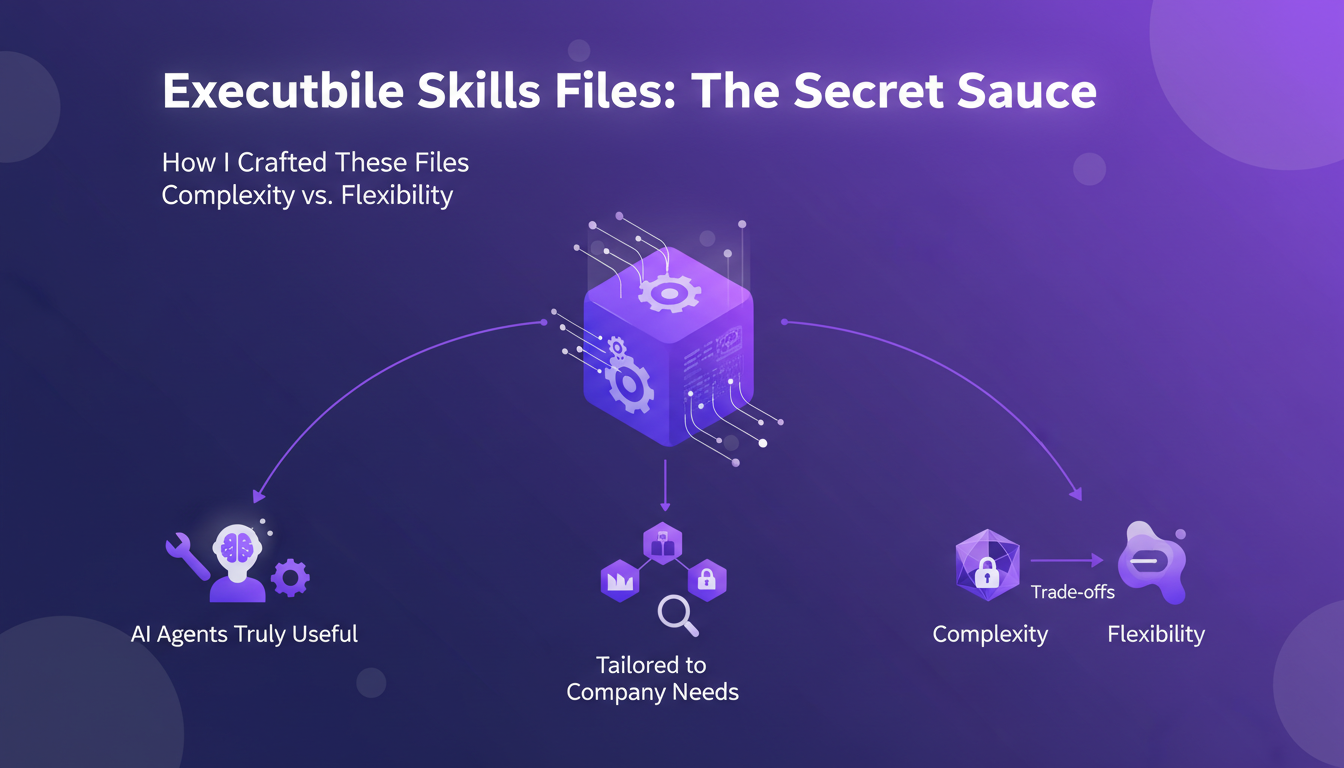
- Tailor skills files to the specific needs of the business.
- Avoid overloading with irrelevant information.
- Balance complexity and flexibility for maximum efficiency.
Applying to YC: Building the Future of Company Brains
Why did I decide to apply to YC with this concept? Because I firmly believe that every company will need a company brain for effective AI automation. The application process was a journey full of lessons. What worked was demonstrating the direct impact on efficiency and cost savings.
The lessons learned allowed for refining the company brain concept. We're talking about gains in efficiency, cost reduction, and much more. If you're building something similar, YC is an opportunity worth considering.
- Show the direct impact on efficiency and costs.
- Learn from each step of the application process.
- Continuously refine your concept based on feedback.
Building a company brain isn't a walk in the park, but trust me, the payoff is massive. First, I dove into integrating domain knowledge, which is crucial because this is where AI automation hits roadblocks. Then, by leveraging executable skills files, I tackled those automation challenges. Gary's GBrain, for instance, serves as a solid example of how to pull and structure that knowledge effectively.
Here are some concrete takeaways:
- AI automation is the biggest blocker for companies.
- Domain knowledge is the real blocker for AI automation.
- Gary's GBrain is a prime system example for extracting knowledge.
Looking forward, those who dive into this process will see their business efficiency soar – but remember to be mindful of the limits. Start crafting your own company brain today and watch your business transform. For deeper insights and practical examples, I highly recommend checking out the full video here: Company Brain.
Frequently Asked Questions

Thibault Le Balier
Co-fondateur & CTO
Coming from the tech startup ecosystem, Thibault has developed expertise in AI solution architecture that he now puts at the service of large companies (Atos, BNP Paribas, beta.gouv). He works on two axes: mastering AI deployments (local LLMs, MCP security) and optimizing inference costs (offloading, compression, token management).
Related Articles
Discover more articles on similar topics
Collaborative AI Engineering: Challenges and Solutions
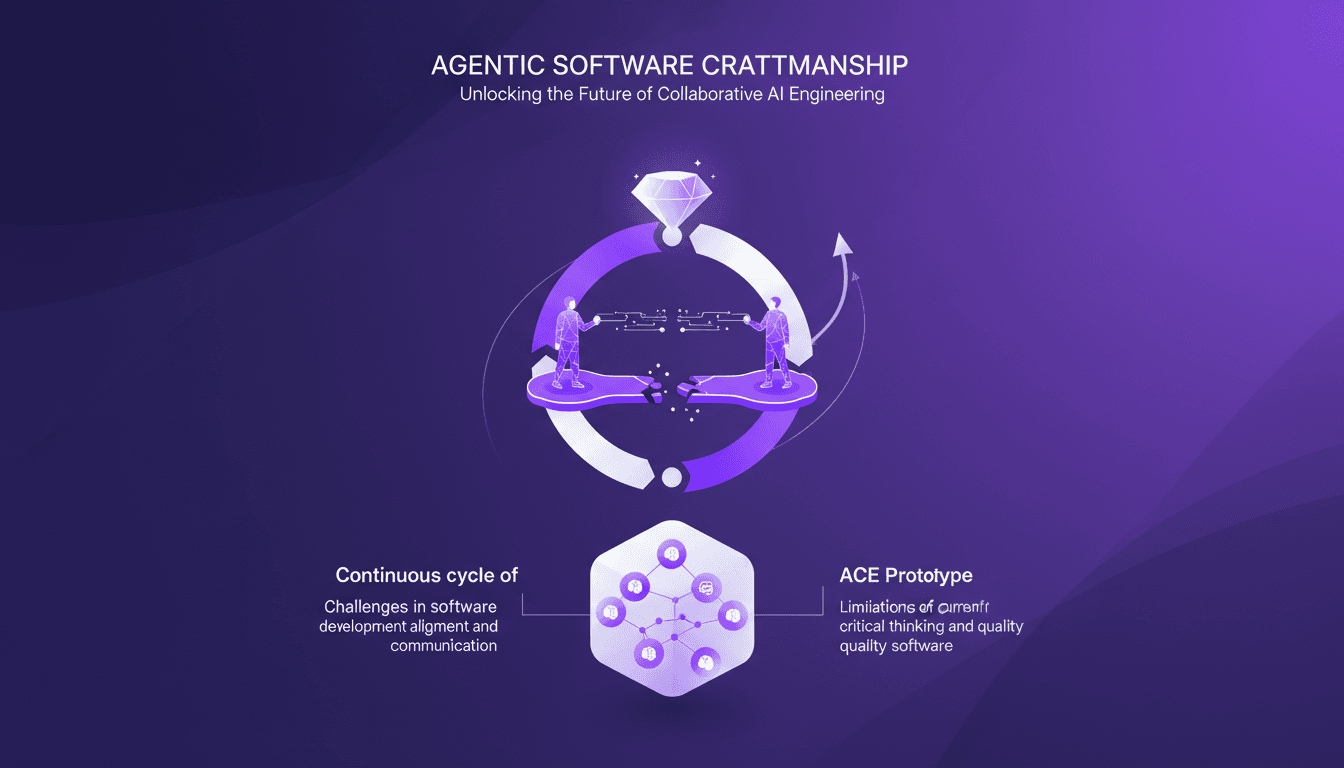
I dove into the world of collaborative AI engineering with Maggie Appleton's insights, and it was a real game changer. Imagine orchestrating a team of two dozen agents to streamline your development process—sounds ambitious, right? But here's how it plays out in the real world. We often talk about alignment and communication as major hurdles. Current coordination tools aren't always up to the task, especially when managing a continuous cycle of planning and building. The introduction of the ACE prototype shifts the game with real-time collaboration between developers and coding agents. Yet, the real challenge lies in the importance of context and decision-making to reclaim time for critical thinking and quality software. As we move toward the future of agentic development, software craftsmanship remains essential. It's not just about technology, but about redefining our approach to development.
AgentCraft: Scaling Agent Orchestration Efficiently
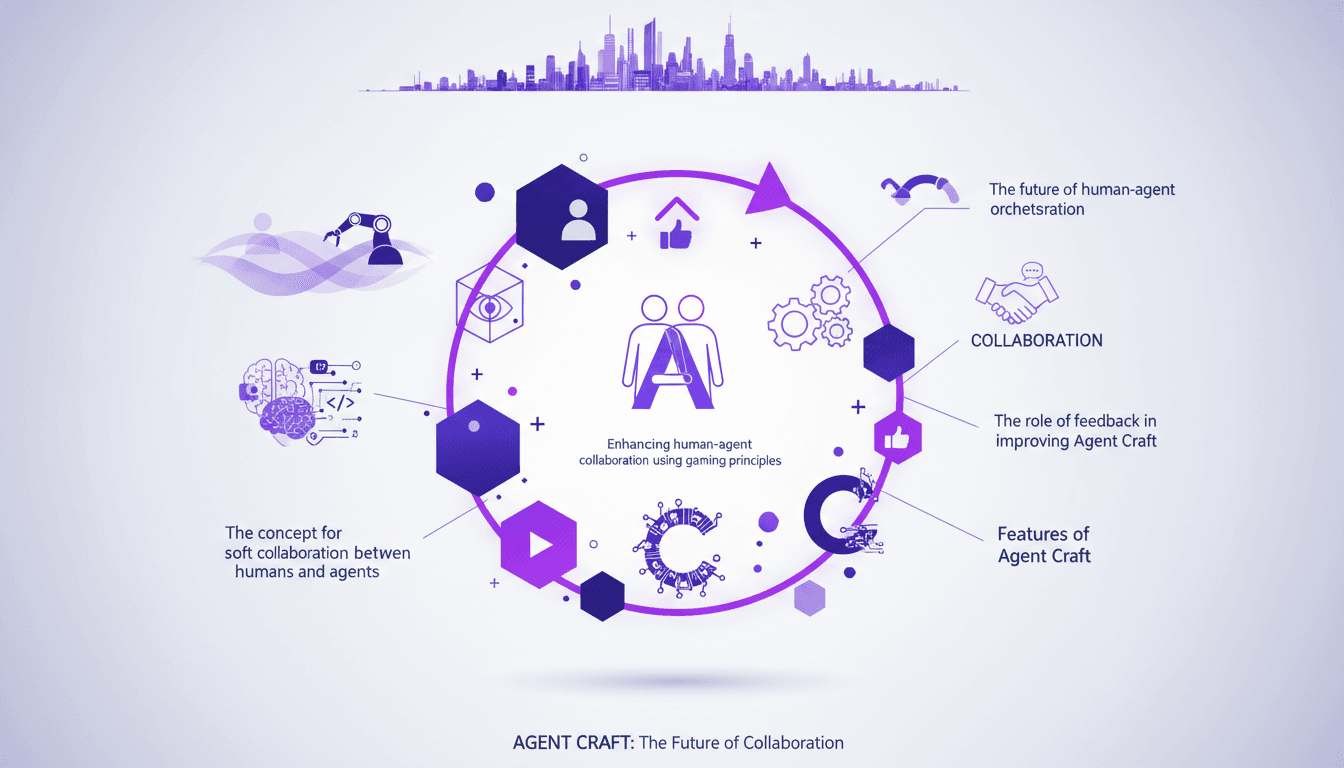
I dove into AgentCraft headfirst, driven by the need to orchestrate our agents more efficiently. It's like putting the 'orc' in orchestration. Right off the bat, the scale was both daunting and exhilarating. AgentCraft employs gaming principles to enhance collaboration between humans and AI agents. In this article, I share my journey implementing AgentCraft, the challenges faced, and the solutions I found. We dive into visibility, automation, collaboration, and the crucial role of feedback. Trust me, I got burned a few times before nailing the right approach. If you're serious about mastering human-agent orchestration, keep reading.
First Steps with GPT-5.5: Boosting Efficiency
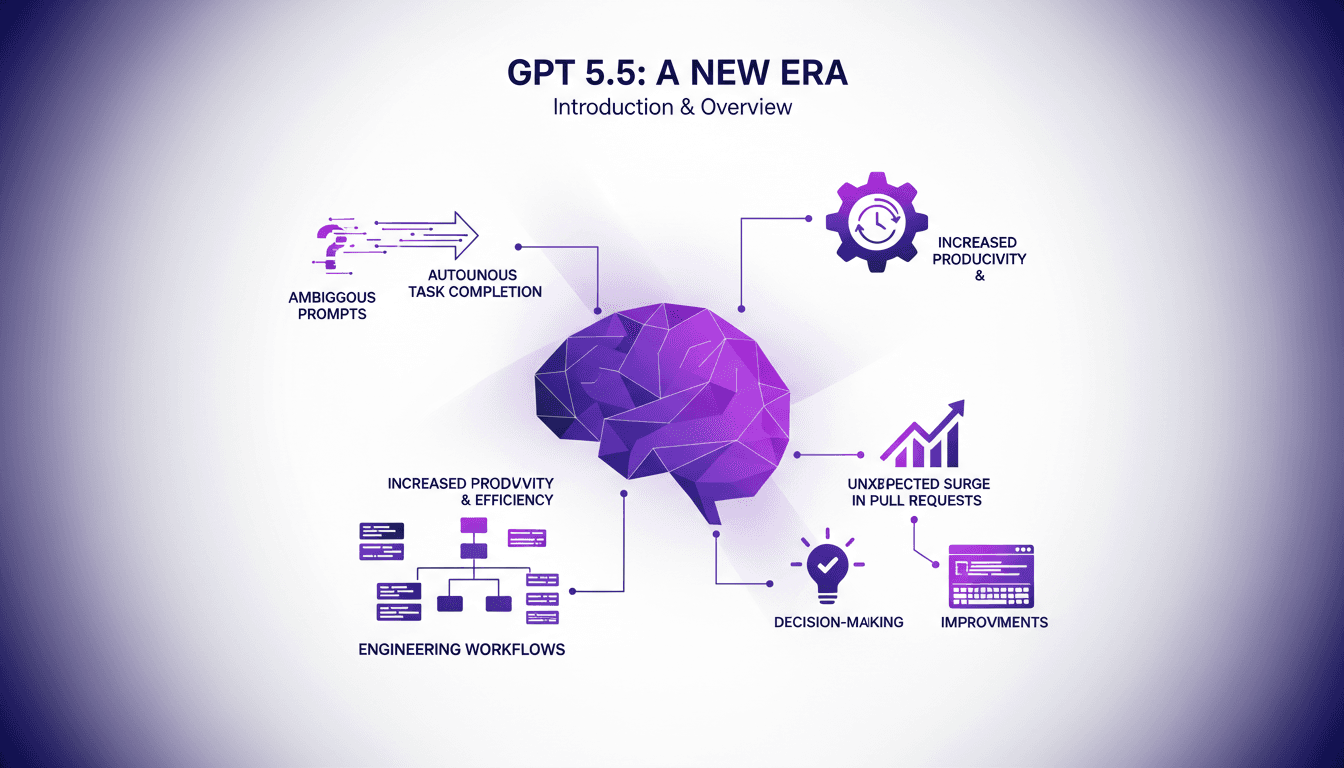
When I first integrated GPT-5.5 into my daily workflow, I wasn't just looking for a new tool—I was looking for a game changer. And let me tell you, it didn't disappoint. As an engineer, I'm always hunting for ways to streamline processes and boost productivity. GPT-5.5 promises to do just that by handling ambiguous prompts and autonomously completing tasks. Early tests showed increased efficiency, a direct impact on my engineering workflows, and noticeable improvements in decision-making and code writing. But watch out, the unexpected surge in pull requests caught me off guard. Here, I share my first impressions and how GPT-5.5 can transform our workways.
AI Agents for Analysis: Challenges and Solutions
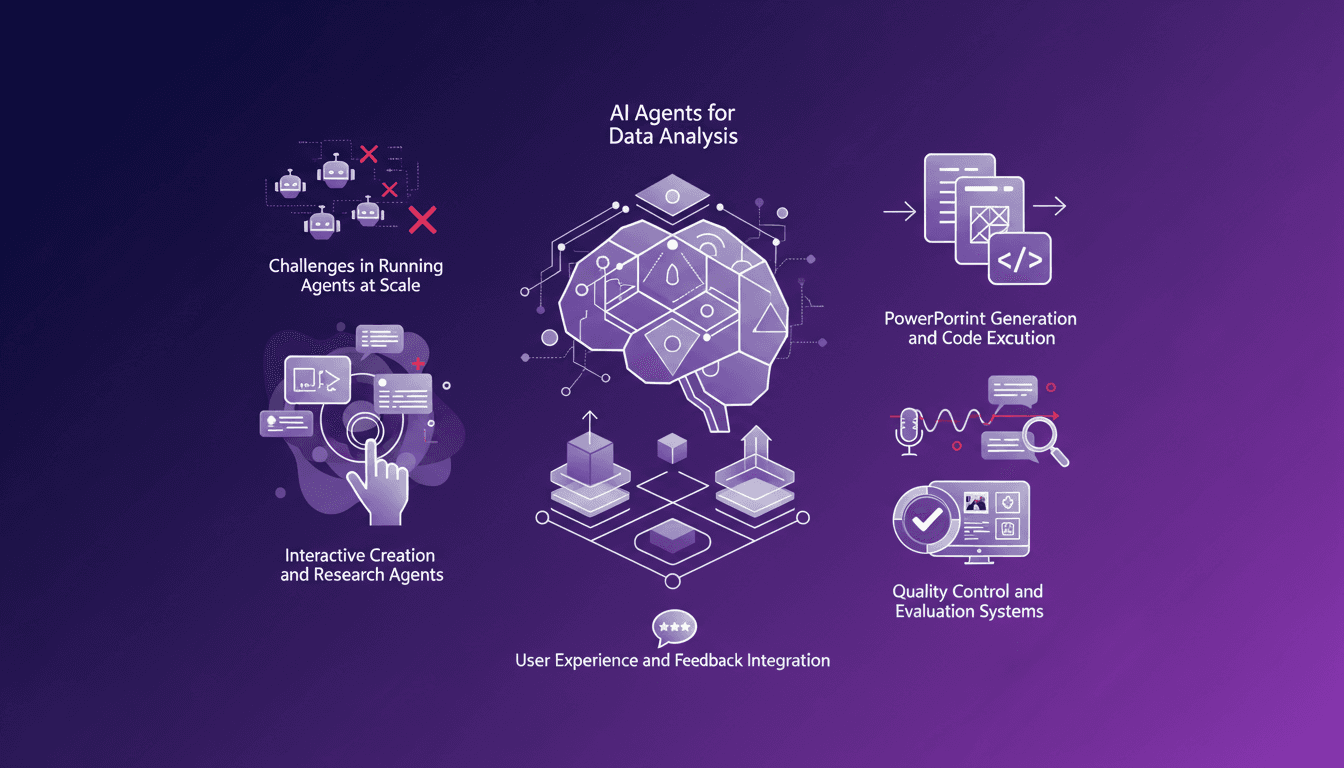
When I say I've spent hours in the trenches orchestrating AI agents for data analysis, I mean it. Generic agents look great in demos, but in real life, you have to juggle robust architectures, integrate user feedback, and more. Take the challenge of spawning 500 agents for a specific tool, for instance—it's a puzzle. Plus, a single analysis run can easily take 30 minutes, and trust me, those minutes add up fast. I'm sharing my solutions, my mistakes, and what truly works.
AI Table Structure: Building Efficiently
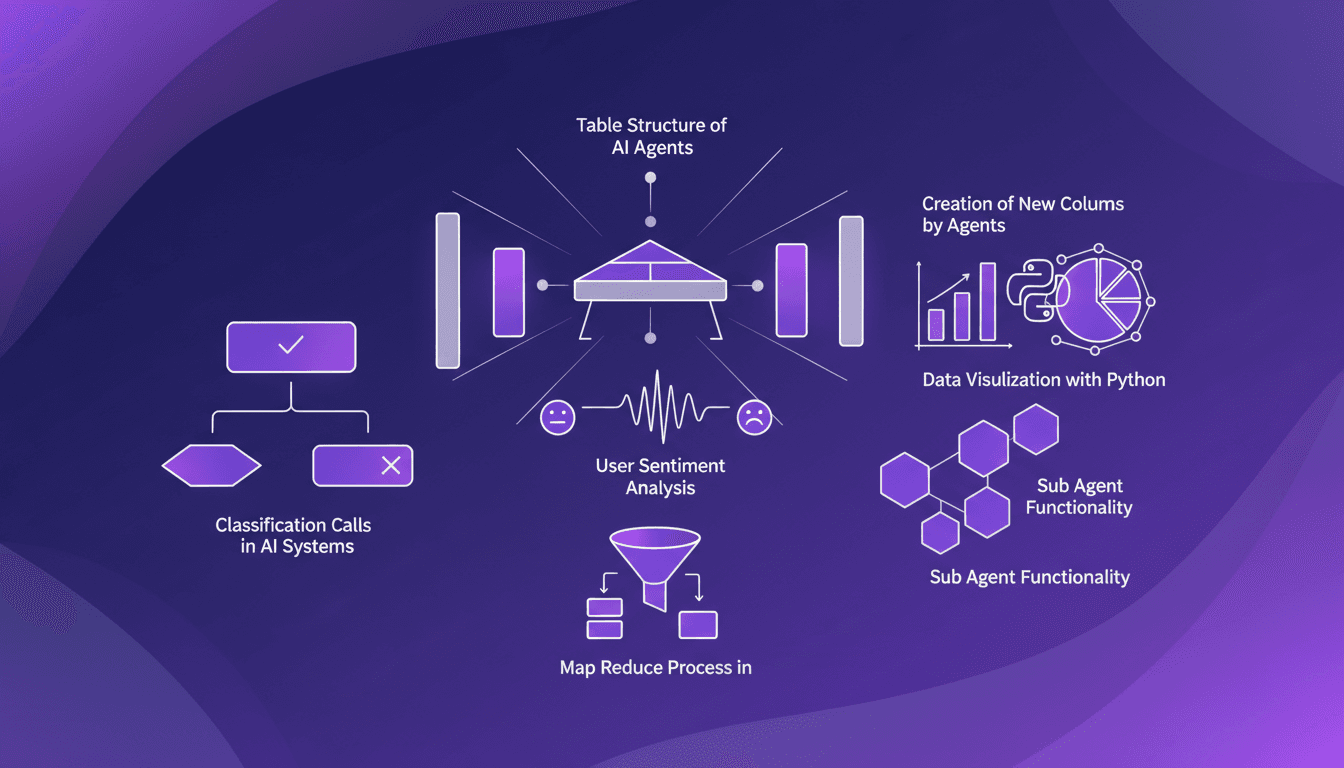
I've been in the AI trenches, building agents that do more than just process data—they create their own structures. Let's talk about how these AI agents build their own data tables and why it's a game changer. In the AI world, creating dynamic data tables is crucial. It's not just about storing data; it's about making it actionable. How do I do it? I connect my agents to Map Reduce processes, create new columns for user sentiment analysis, and use Python for data visualization. But watch out, if you forget to properly structure your classification calls, you'll end up with a real mess.