Software for Agents: Designing for the Future
I still remember the moment I realized the next trillion internet users wouldn't be human—it would be AI agents. It hit me during a conference and shifted my whole approach to software design. Gone are the days when human-centric design was enough. Now, it's the era of agents, which means we need to rethink everything—from the interfaces we use to the market opportunities for startups. Machine-readable interfaces like APIs, MCPs, and CLIs are becoming crucial, and clear documentation is no longer optional. If you want to stay ahead, now's the time to pivot and think agent-first. Otherwise, you risk falling behind in this digital revolution.
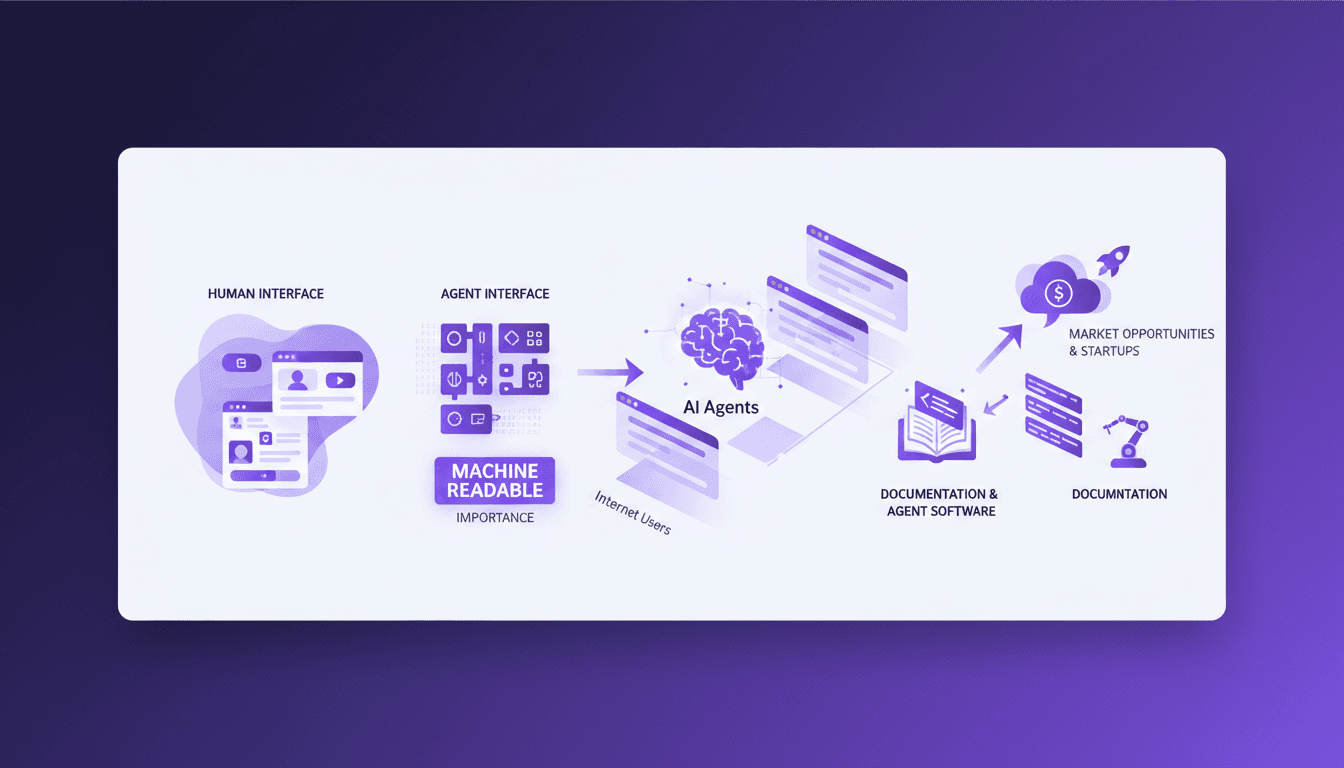
I remember the first time it hit me that the next trillion internet users wouldn’t be people, but AI agents. It was during a conference talk, and it made me pivot my entire approach to software design. We've been designing with human users in mind, but that’s not enough anymore. We need to think agent-first. Why? Because these AI agents aren’t some futuristic prediction—they’re our current reality. For us builders, this changes everything. Interfaces need to be machine-readable—think APIs, MCPs, CLIs—and documentation becomes crucial. And if you're in a startup, the market opportunities are massive. But watch out, don’t get swept up in the hype: there are pitfalls. I've taken a few hits while adapting my designs. So, if you don’t want to get left behind, now’s the time to rethink your approaches. Let’s explore how we can navigate this new digital era together.
Understanding AI Agents: The New Internet Users
AI agents are set to become the next trillion users of the Internet. Yes, that's trillion. It's a seismic shift. These agents don't click buttons like we do. They interact differently, and for them, efficiency and precision are key. I quickly realized that designing for these agents requires a different mindset. We have to ditch our need for visuals and focus on interfaces that machines can understand.
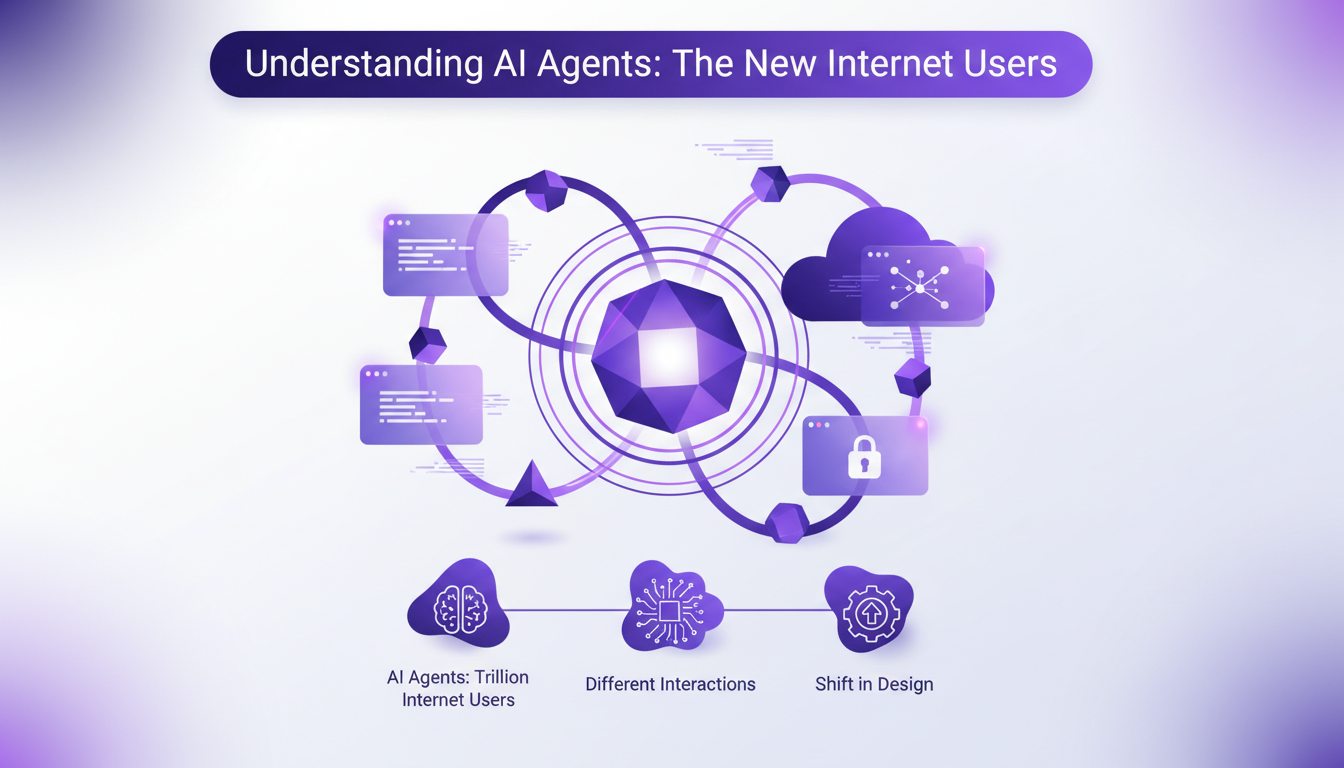
Switching from human-centric design to agent-centric design is like moving from driving a car to piloting a drone. You're not directly controlling anymore; you're configuring, orchestrating. And that changes everything. It's a bit like revolutionizing productivity with AI agents that directly understand your intentions.
Machine-Readable Interfaces: APIs, MCPs, and CLIs
APIs, MCPs, and CLIs are central to how agents interact with software. I embarked on setting up a machine-readable interface for our latest project. First, I integrated our API, then wrapped it in a service. And surprise, token usage exploded. So, I had to re-orchestrate the whole thing.
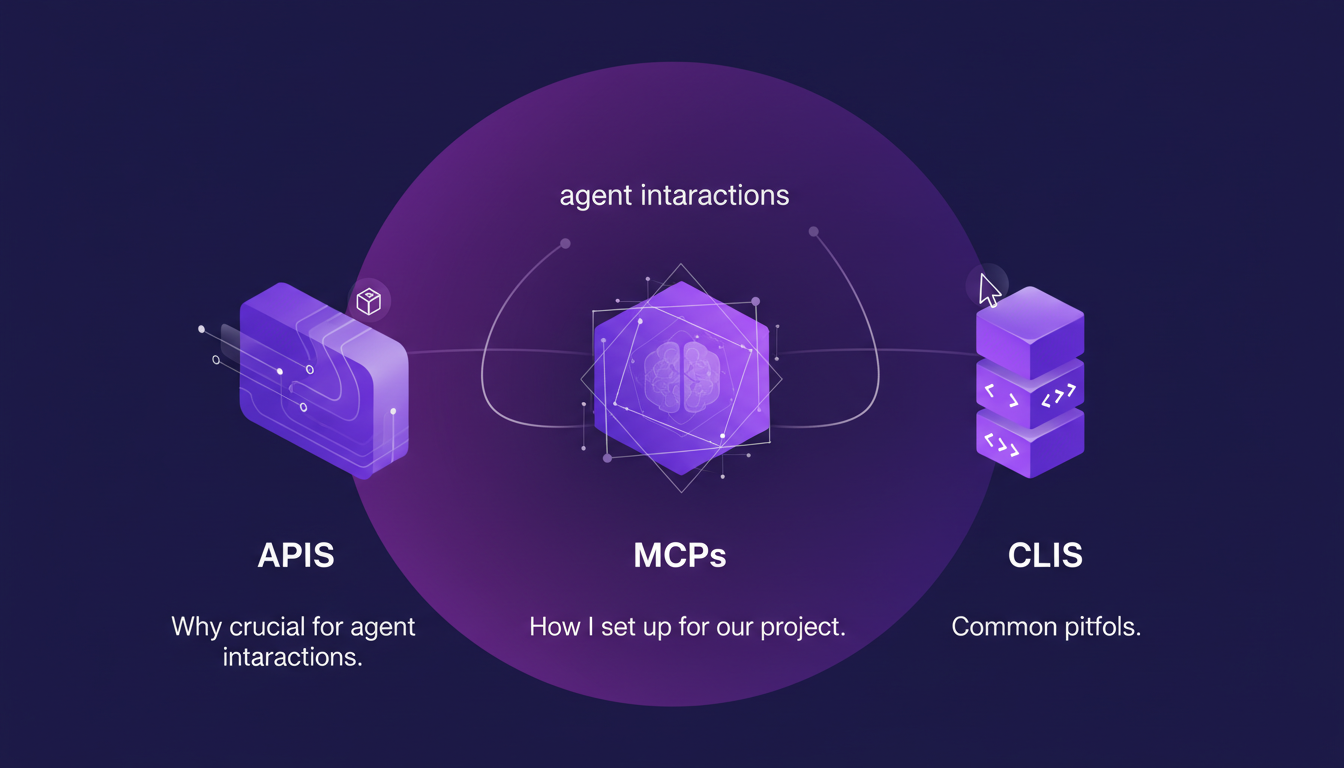
Watch out, when designing these interfaces, don't overdo it. Too much detail, and you lose performance. Too little, and the agent gets lost. It's about striking the right balance between human and machine readability. Once, I left out a detail, and it cost me hours of debugging.
Documentation: The Backbone of Agent Software
Documentation is the backbone of AI agent software. I learned the hard way that incomplete docs lead to failures. It's like building a house without a blueprint. So, I started documenting everything, from start to finish, so agents can navigate without human intervention.
Best practices? Always start with concrete examples. I use tools like Docusaurus to structure documentation, because it saves me tons of time. And ready-made templates, they're a real time-saver. Requesting feedback efficiently through good documentation is possible.
Market Opportunities: Building Agent-First Software
There's massive untapped potential in agent-first software. Startups have a real opportunity here. By building solutions that place agents at the center, we can revolutionize entire sectors. I've seen examples where agent-first applications have changed the game, like in supply chain 2.0.
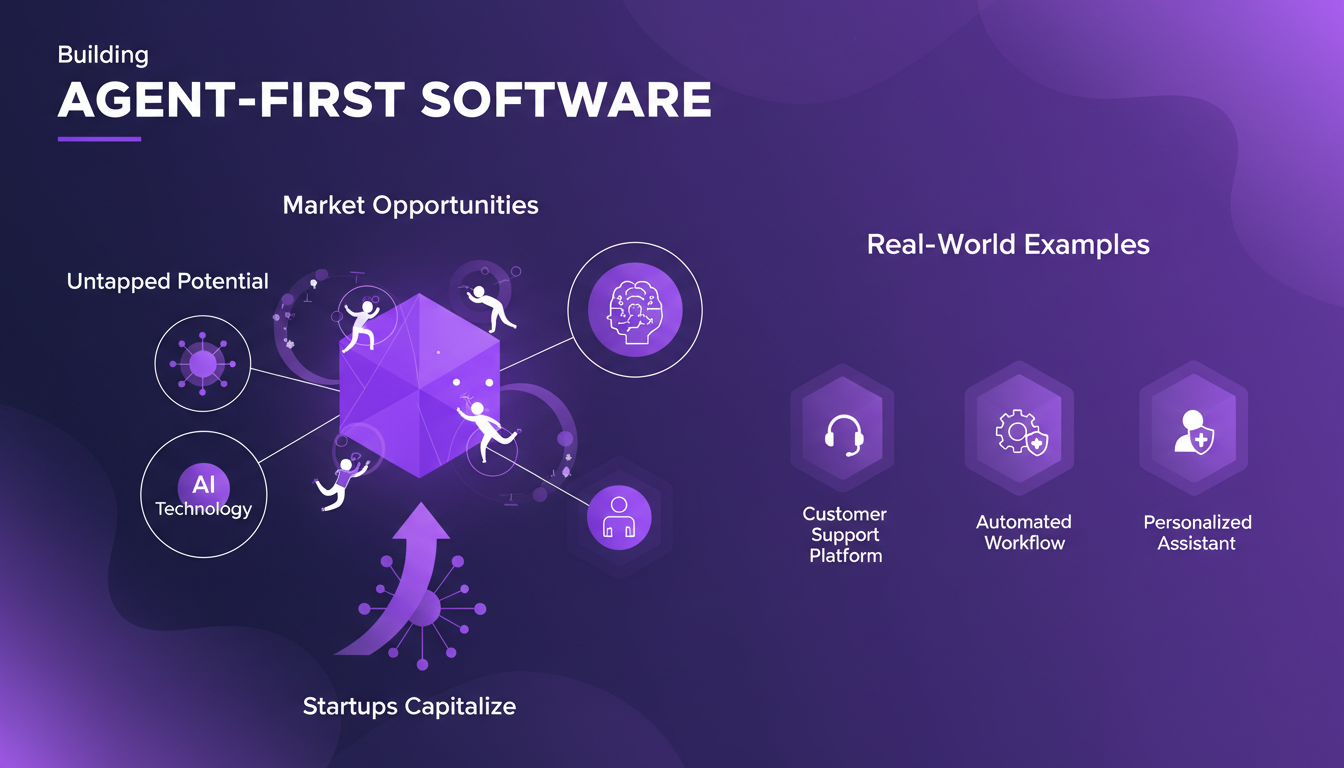
But beware, developing for agents also means facing challenges. Sometimes it's trade-offs on performance or compatibility with existing systems. But with good orchestration, you can do wonders. And there, the business impact is direct.
Practical Takeaways: Designing for Efficiency and Orchestration
Efficiency is king when designing for AI agents. You have to orchestrate multiple interfaces so everything works in harmony. I've found it reduces costs and optimizes workflows.
Some cost-saving strategies:
- Automate testing and deployments as much as possible.
- Use orchestration tools like Kubernetes to manage workloads.
- Avoid common mistakes like code duplication or poorly managed dependencies.
Finally, always keep in mind that optimization is a continuous process. Every small improvement can have a significant impact on your daily operations.
Shifting to an agent-first mindset in software design isn't just about staying trendy; it's about future-proofing our work. First, I focus on machine-readable interfaces, like APIs, MCPs, and CLIs. This unlocks new market opportunities and streamlines operations. Next, documentation is the backbone of any agent software. It needs to be thorough so agents can navigate efficiently. And remember, the next trillion internet users will likely be AI agents. So let's anticipate and adapt our designs for these new players. It's a real game changer, but watch out for the trade-offs: it takes time to get an entire team aligned with this approach. Start integrating these practices today. It will put you ahead of the curve as AI agents become the dominant internet users. For more insights, I recommend watching the video "Software for Agents" on YouTube. It's like a chat between peers and will give you even more concrete ideas.
Frequently Asked Questions

Thibault Le Balier
Co-fondateur & CTO
Coming from the tech startup ecosystem, Thibault has developed expertise in AI solution architecture that he now puts at the service of large companies (Atos, BNP Paribas, beta.gouv). He works on two axes: mastering AI deployments (local LLMs, MCP security) and optimizing inference costs (offloading, compression, token management).
Related Articles
Discover more articles on similar topics
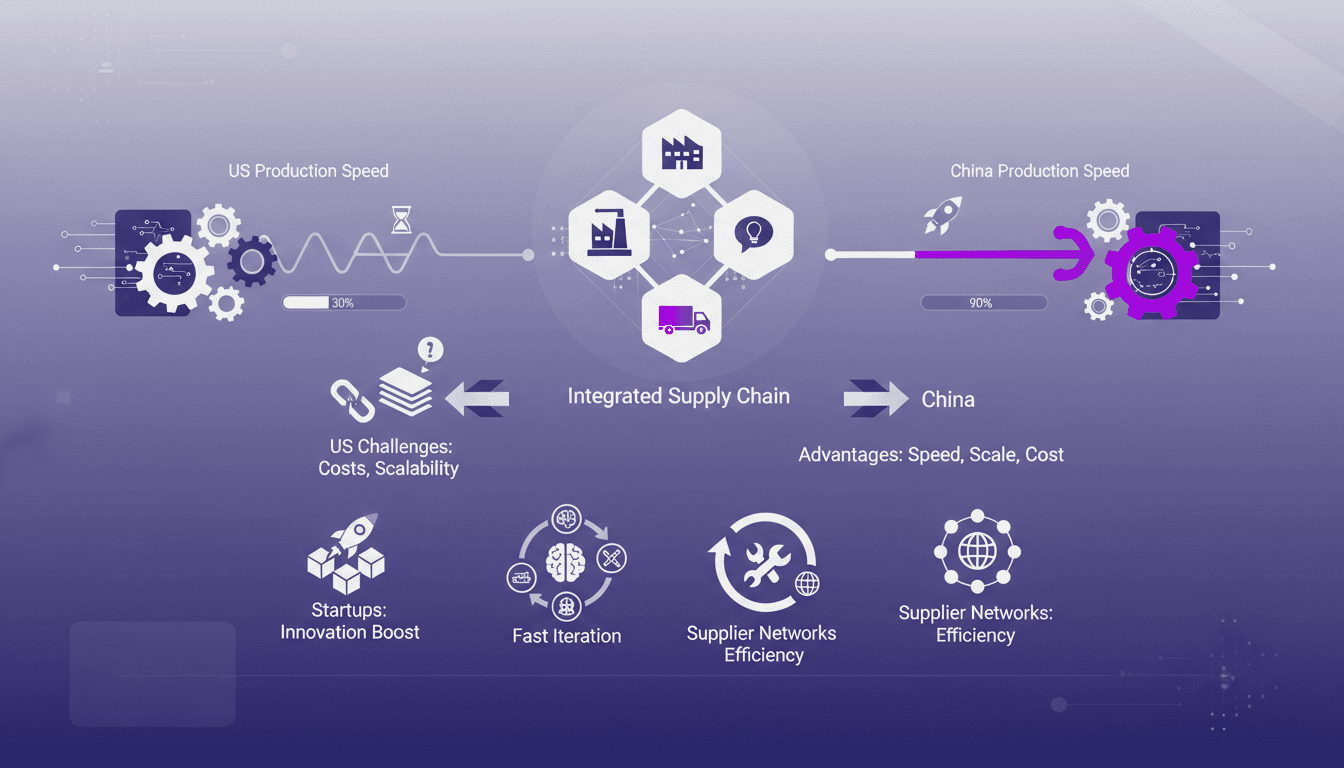
Comparing Hardware Supply Chains
I remember the first time I tried to get a prototype made in the US. It took weeks to see the first physical part. Meanwhile, my colleagues in Shenzhen were turning around designs in a day. That's when I realized the game was different depending on where you played. In the world of hardware production, speed and efficiency are king. Comparing the US and China shows stark differences in how quickly ideas can become reality. Let's dive into what makes China's supply chain tick and how the US can catch up.
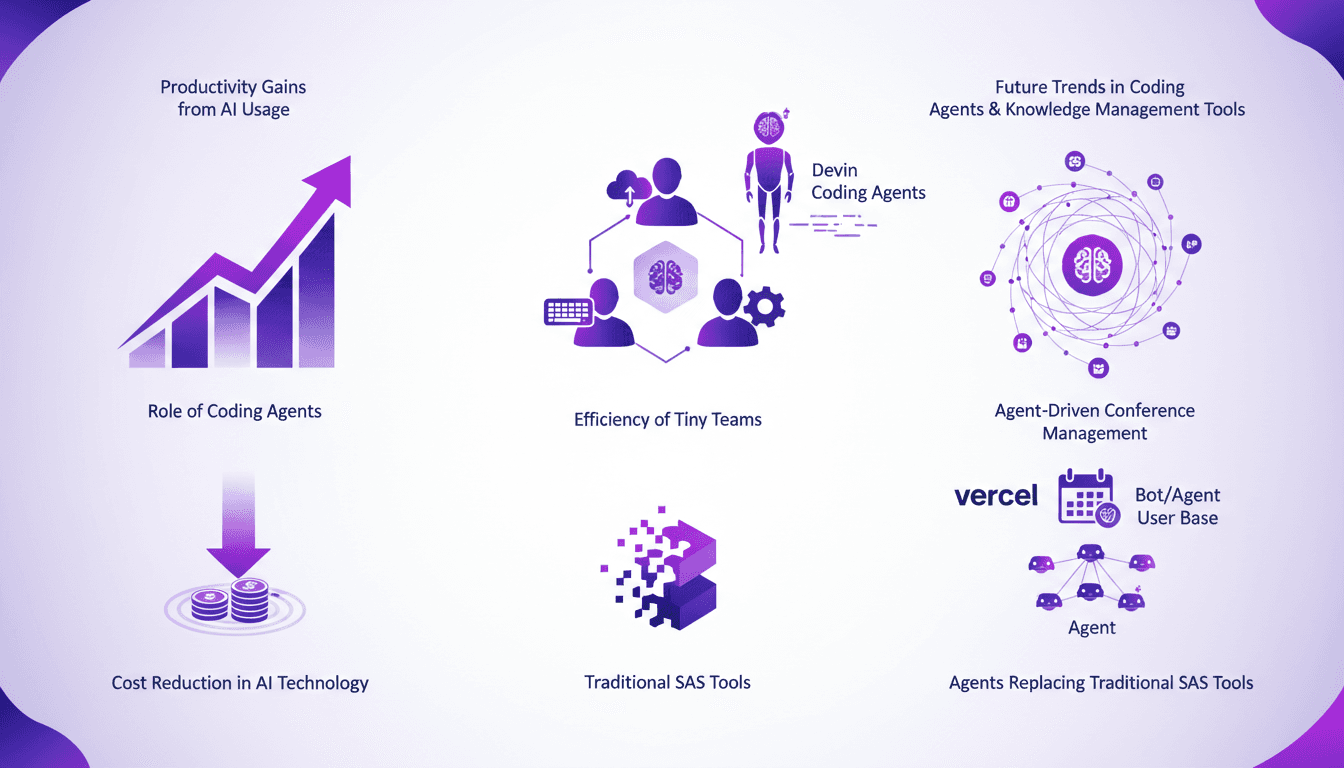
Productivity Gains: AI Agents Empowering Teams
Ever felt like your team's too small to tackle big projects? I did too, until I started leveraging AI coding agents like Devin. These tiny team powerhouses are game-changers. Imagine running a $9 million business with just nine full-timers. With coding agents, it's possible. Let me show you how these tools boost productivity, cut costs, and transform how we work. We're talking about AI costs dropping 100-fold in a few short years. Join me as we explore what Devin and other agents can genuinely do for your team.

Supply Chain 2.0: Revolutionizing Semiconductors
I've been knee-deep in semiconductor supply chains for years, and let me tell you, it's not just about making chips; it's about orchestrating a global symphony. First, you tackle the 1,400 process steps, then you navigate through a dozen countries. But what happens when a $300 chip holds up a $50,000 car? That's when things get real. With AI chips at the forefront, every step from manufacturing to delivery must be optimized. Let's dive into how we're handling these challenges and where the opportunities lie.
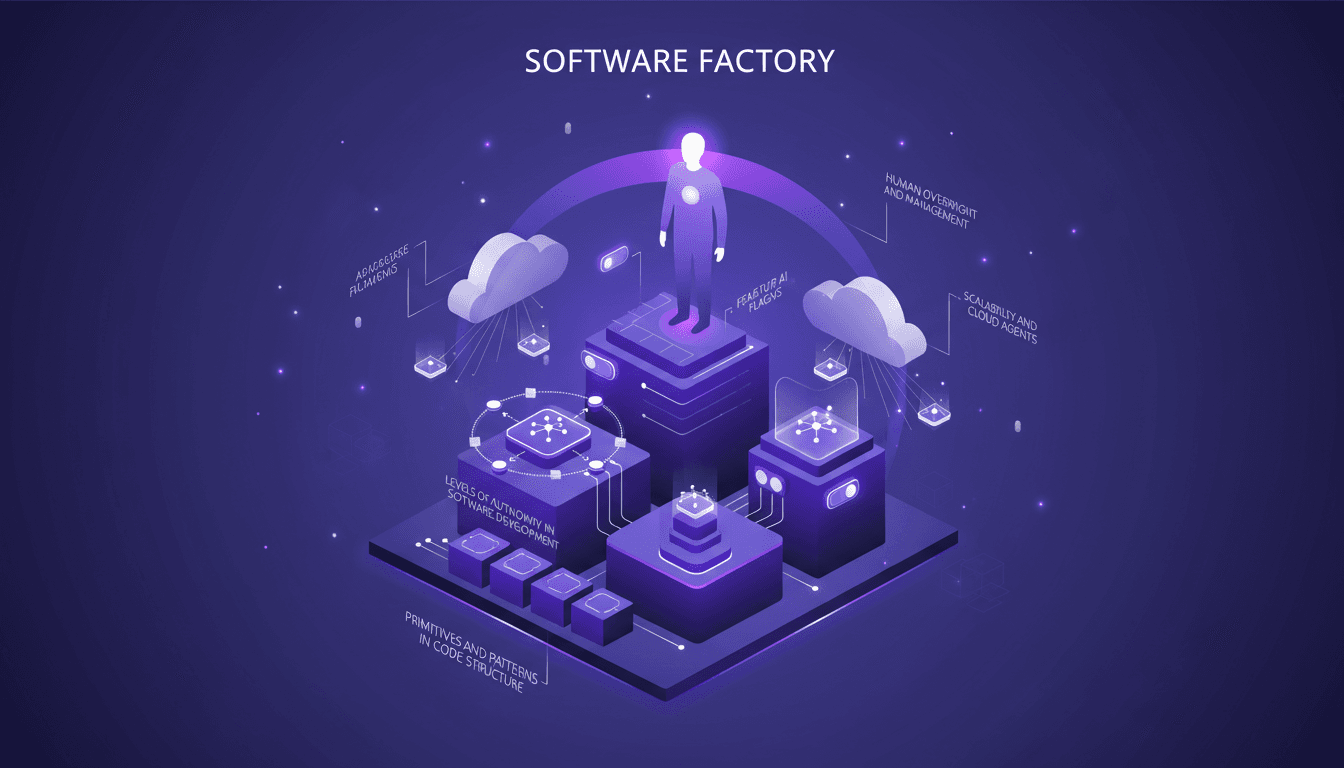
Building Your Software Factory: Key Steps
I remember my first thought about building a software factory. It felt overwhelming, but with a step-by-step approach, it turned manageable. In this article, I walk you through how I set up my own software factory, focusing on efficiency and scalability. We dive into the key components and strategies for success, from the role of AI agents and feature flagging to verification and testing in automated systems. For me, a software factory is more than just automation; it's a paradigm shift that can transform productivity. So how do you pilot this without getting burned? I share my mistakes, successes, and most importantly, the lessons learned.
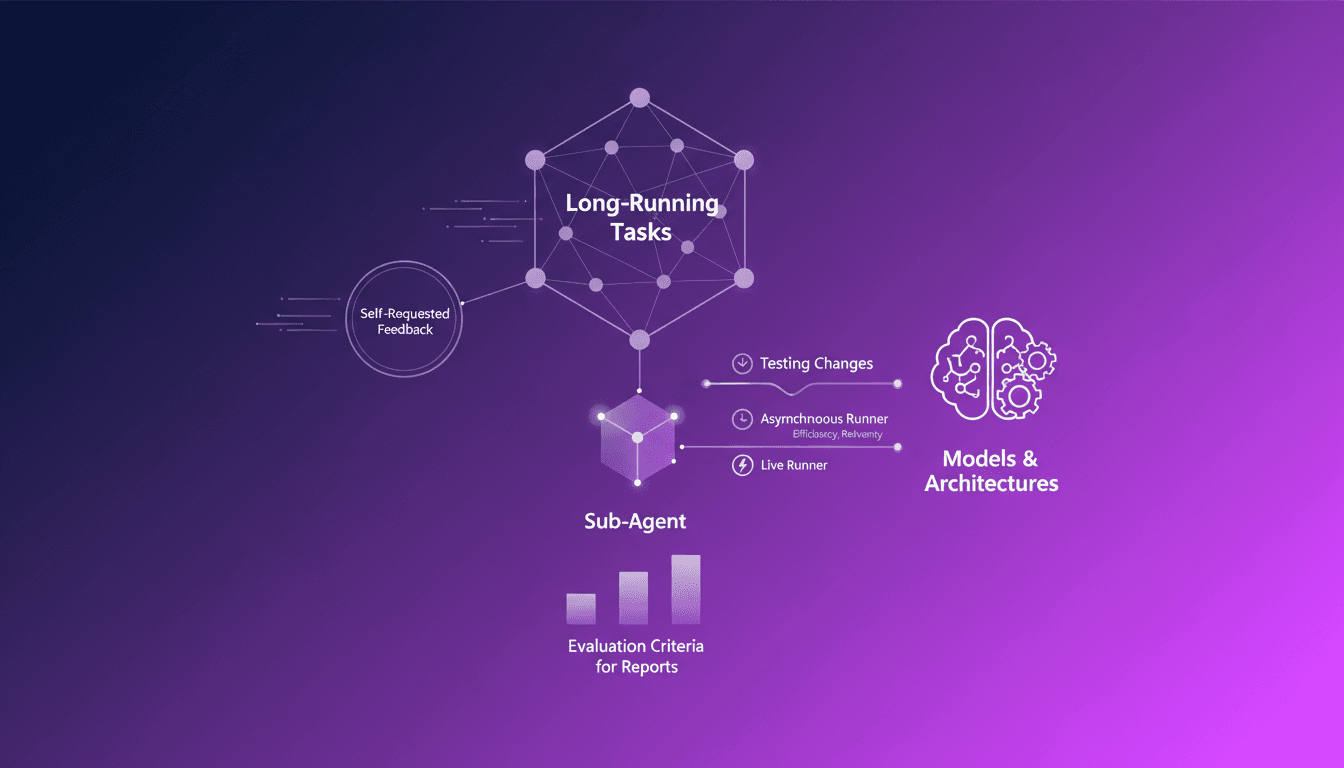
AI Agents: Requesting Feedback Efficiently
Ever been stuck in a loop of endless tasks, unsure if you're heading in the right direction? I have, and that's where AI agents asking for feedback come into play. In this podcast, I'll walk you through how I orchestrate this process. In the AI world, long-running tasks can be a nightmare without proper feedback mechanisms. Sub-agents really shine here, autonomously requesting feedback, making the process efficient and less error-prone. We'll dive into self-requested feedback for long-running tasks, the role of sub-agents in the feedback process, evaluation criteria for reports, and how I use asynchronous and live runners to test changes in models and architectures.