Supply Chain 2.0: Revolutionizing Semiconductors
I've been knee-deep in semiconductor supply chains for years, and let me tell you, it's not just about making chips; it's about orchestrating a global symphony. First, you tackle the 1,400 process steps, then you navigate through a dozen countries. But what happens when a $300 chip holds up a $50,000 car? That's when things get real. With AI chips at the forefront, every step from manufacturing to delivery must be optimized. Let's dive into how we're handling these challenges and where the opportunities lie.

I've been knee-deep in semiconductor supply chains for years, and let me tell you, it's not just about making chips; it's about orchestrating a global symphony. First, you tackle the 1,400 process steps, then you navigate through a dozen countries. But what happens when a $300 chip holds up a $50,000 car? That's when things get real. If you think semiconductor shortages only affect chipmakers, think again. Every step, from the manufacturing process of advanced AI chips to Nvidia's sophisticated packaging at TSMC, needs to be optimized to avoid bottlenecks, especially when high-bandwidth memory is tight. And as the U.S. looks to build new semiconductor supply chains, the challenges of real-time tracking and compliance become crucial. There's also a lot of room for startups to innovate in semiconductor supply chain management. Ready to dive into how we’re tackling these challenges?
Navigating the Complex Manufacturing of AI Chips
I remember the first time I dived into the world of advanced AI chip manufacturing. It's a real maze. Picture this: 1,400 manufacturing steps for just one of these components. These processes span twelve countries and it takes an average of five months to produce a single advanced chip. It's a complex dance where TSMC and Nvidia play key roles.
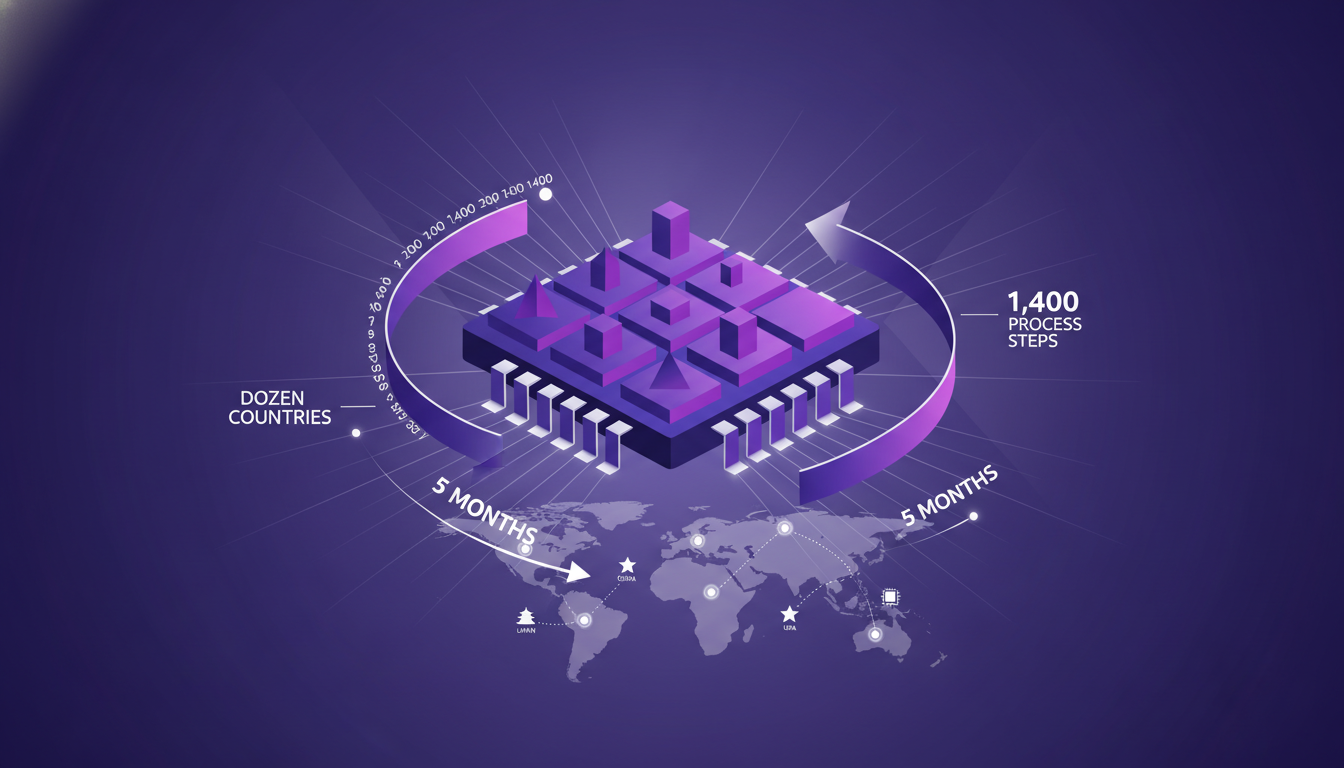
In this journey, balancing speed and precision is crucial. Too fast, and you risk costly defects. Too slow, and the market races past you. TSMC, for instance, must carefully navigate between these extremes, often under the pressure of ever-growing demand. With Nvidia securing over 60% of TSMC's advanced packaging, the strain on production capacity is palpable.
- 1,400 manufacturing steps for an advanced AI chip
- Processes involving twelve countries
- Five-month production time per chip
Impact of Semiconductor Shortages on Industries
One small component, a huge impact. I've seen entire assembly lines come to a halt because of a $300 chip. In 2021, this caused about $200 billion in losses for the automotive industry due to unbuilt vehicles. Imagine a $50,000 vehicle being stalled due to a single integrated circuit. It's crazy, but it's the reality.
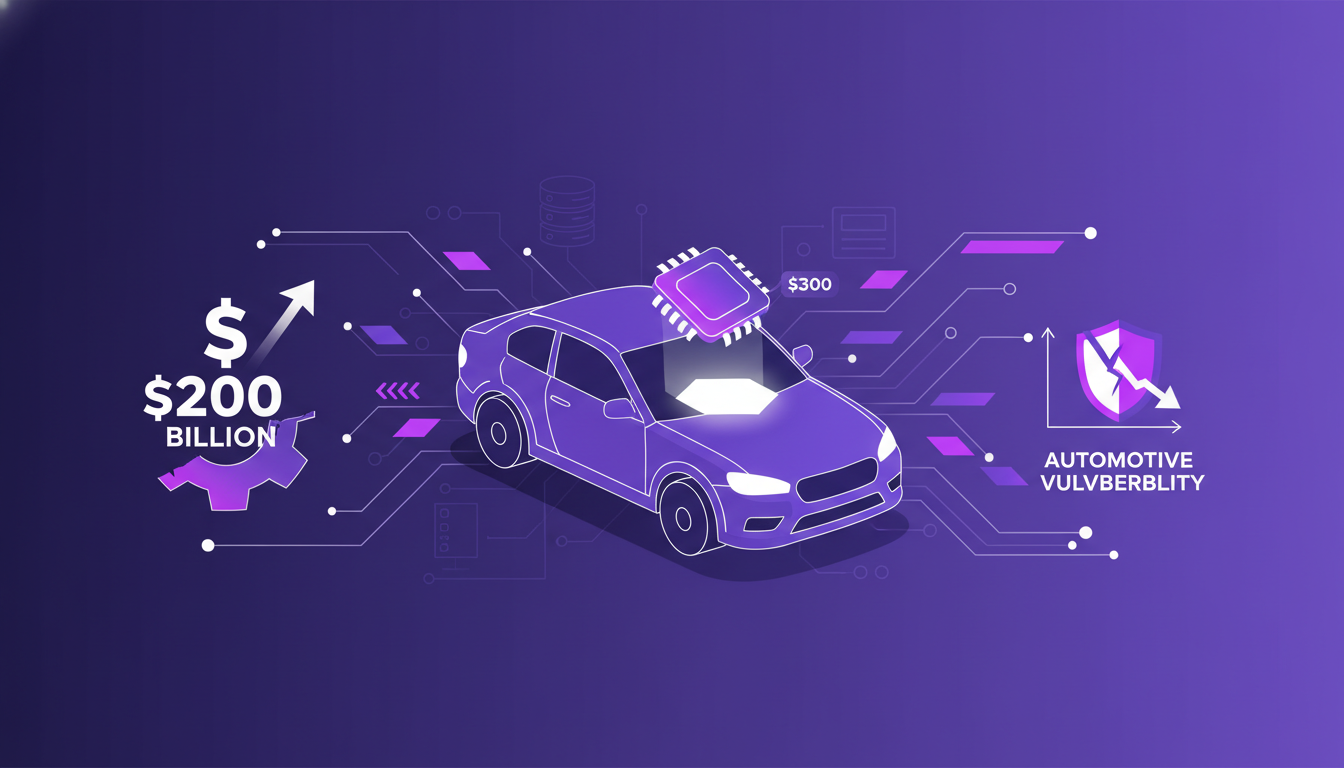
The automotive industry is particularly vulnerable due to its logistical complexity and reliance on specific components. To mitigate these shortages, some companies are reevaluating their inventory management and seeking more flexible alternatives. But watch out, the adaptation of high bandwidth memory is already booked through 2026, complicating the situation further.
- $300 chip stalling $50,000 vehicle production
- $200 billion impact on the automotive industry
- High bandwidth memory booked through 2026
Advanced Packaging: Nvidia and TSMC's Influence
Let's talk about packaging. Nvidia has pushed TSMC to innovate in this area. The benefits? Improved AI chip performance, increased power density. But make no mistake, the challenges are many. Integrating new packaging techniques requires significant investment and meticulous coordination with suppliers.
These innovations also influence supply chain dynamics, sometimes creating bottlenecks. So, how do you balance innovation with cost-effectiveness? It's a strategic game where every decision counts.
- Nvidia influences TSMC for packaging innovations
- Challenges of integrating new techniques
- Impact on supply chain dynamics
Building New Semiconductor Supply Chains in the US
Creating a local supply chain in the US is like building a house without blueprints. The challenges are many, from real-time tracking to export compliance. These elements are crucial to securing the supply chain.
Startups, notably, have a significant role to play in this shifting landscape. With the CHIPS Act supporting the creation of new fabs in Arizona, Texas, Ohio, and New York, opportunities abound for those who can navigate this complex terrain.
But watch out, balancing local production with global demand is essential. Keeping an eye on multi-tier risks is crucial to avoid pitfalls.
- Real-time tracking and export compliance
- Opportunities for startups in a changing landscape
- Balancing local production and global demand
Opportunities and Innovations in Supply Chain Management
When it comes to supply chain management, real-time allocation tracking is a major asset for efficiency. Startups are transforming this field with innovative tools that enhance supply chain resilience. For instance, adopting cutting-edge technologies ensures better resource allocation and faster responses to disruptions.
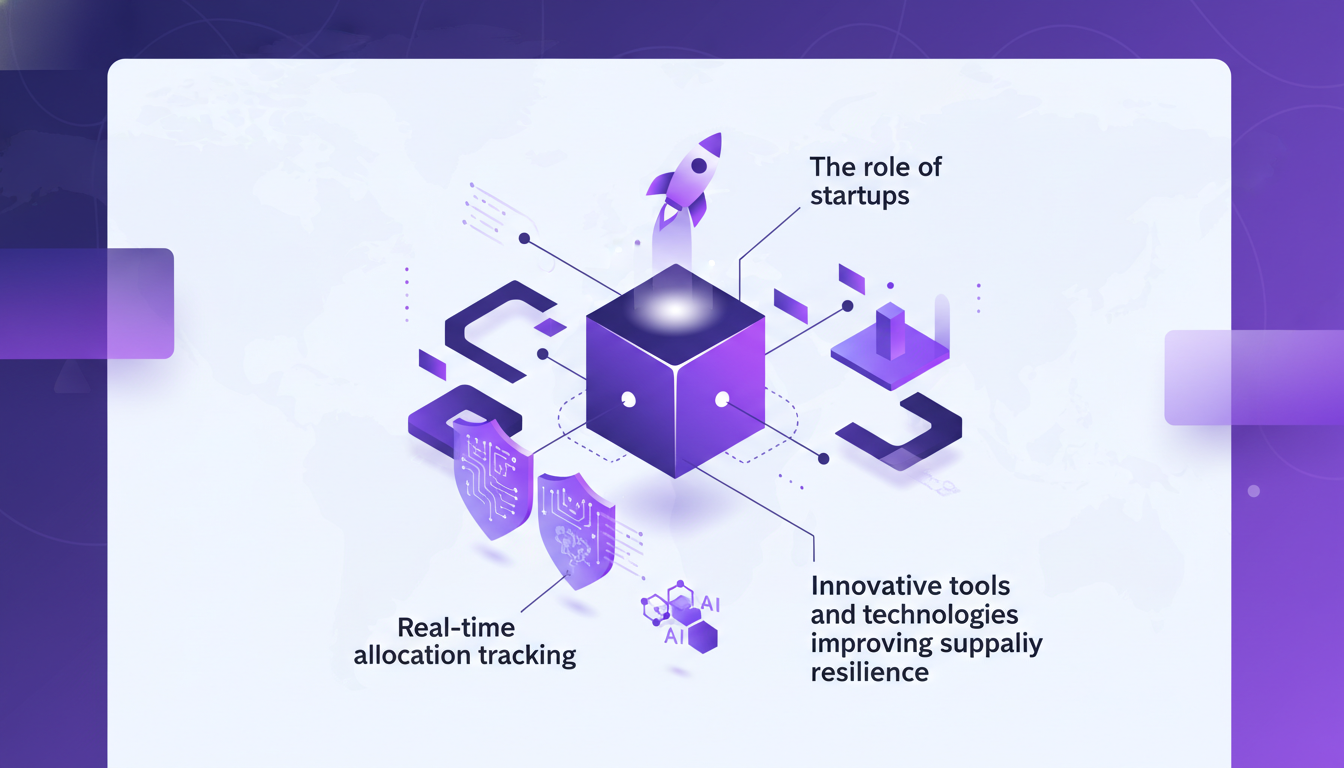
Traditional strategies are not always sufficient to tackle current challenges. Sometimes embracing change and integrating modern solutions is necessary to stay competitive. Future trends include greater automation and increased interconnectivity of systems, true game changers for the industry.
- Real-time tracking for improved efficiency
- Role of startups and innovative technologies
- Traditional vs. modern strategies
- Future trends and industry innovations
When I dive into the semiconductor supply chain, it's not just about parts—it's about orchestrating a complex global operation. With 1,400 process steps and five months for a single advanced AI chip, we're crossing a dozen countries. So, how do we beat shortages? First, integrate real-time tracking—it's a game changer for anticipating and reacting. Next, don't underestimate the impact of industry giants like Nvidia on suppliers like TSMC. But watch out, high bandwidth memory is still a bottleneck.
- Integrate real-time tracking to anticipate shortages.
- Assess the impact of industry giants on suppliers.
- Address high bandwidth memory supply constraints.
The future hinges on our ability to innovate within these chains. It's time to rethink your supply chain strategies. I invite you to watch the "Supply Chain 2.0 for Semiconductors" video for a deeper dive. Here's the link: https://www.youtube.com/watch?v=lw6xcZ9uuuw.
Frequently Asked Questions

Thibault Le Balier
Co-fondateur & CTO
Coming from the tech startup ecosystem, Thibault has developed expertise in AI solution architecture that he now puts at the service of large companies (Atos, BNP Paribas, beta.gouv). He works on two axes: mastering AI deployments (local LLMs, MCP security) and optimizing inference costs (offloading, compression, token management).
Related Articles
Discover more articles on similar topics
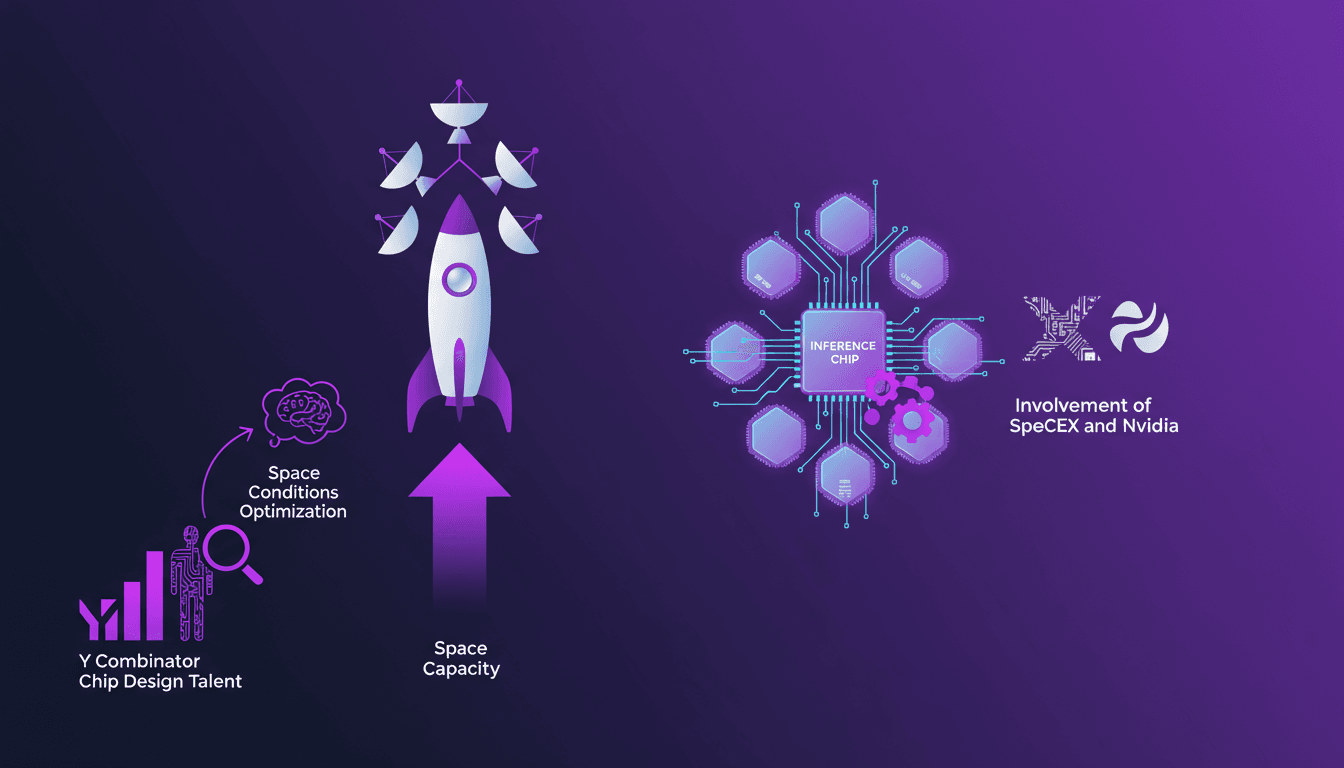
Reusable Rockets: Unlocking Space Capacity
I remember the first time I witnessed a reusable rocket launch. It was a game-changer for space capacity. Now, as we push the boundaries of compute power in space, the demand for specialized chips is skyrocketing. With companies like SpaceX and Stoke Space at the forefront, reusable rockets are transforming our approach to space capacity. But it's not just about getting there—it's about what we do once in orbit. That's where inference chips come into play, optimized for unique space conditions. Let's dive into how we're optimizing electronics for the harsh realities of space.
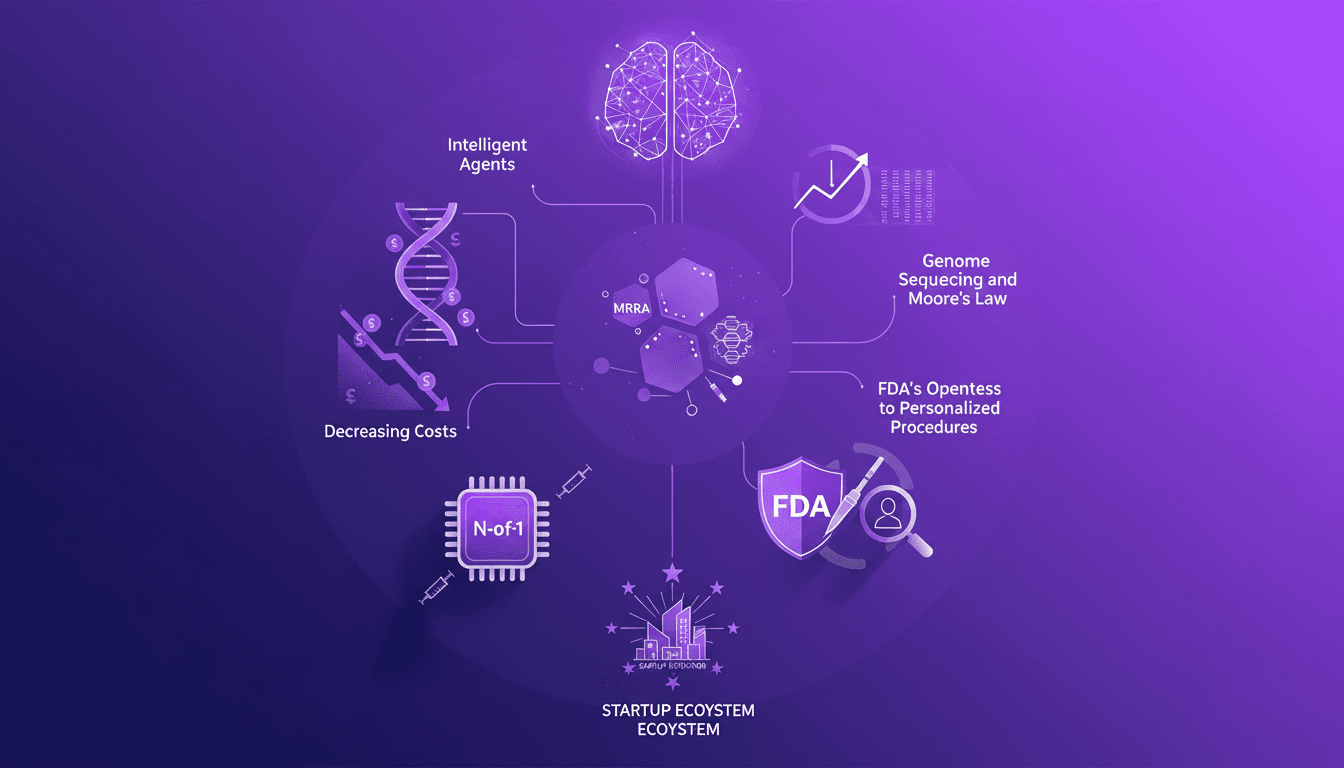
Intelligent Agents: Revolutionizing Personalized Medicine
I've seen firsthand how intelligent agents are transforming personalized medicine. It's not just theory anymore; it's happening in real clinics, and it's cutting costs like never before. We're at a tipping point where technology and medicine converge. From genome sequencing to mRNA delivery, the landscape is rapidly evolving. Let me walk you through how this is reshaping healthcare. With Moore's Law in play, genome sequencing costs are plummeting, and N-of-1 genetic medicines are becoming more affordable than ever. Startups are playing a pivotal role in this ecosystem, and even the FDA is opening up to personalized procedures. As a practitioner, I'll take you behind the scenes of what's really happening.
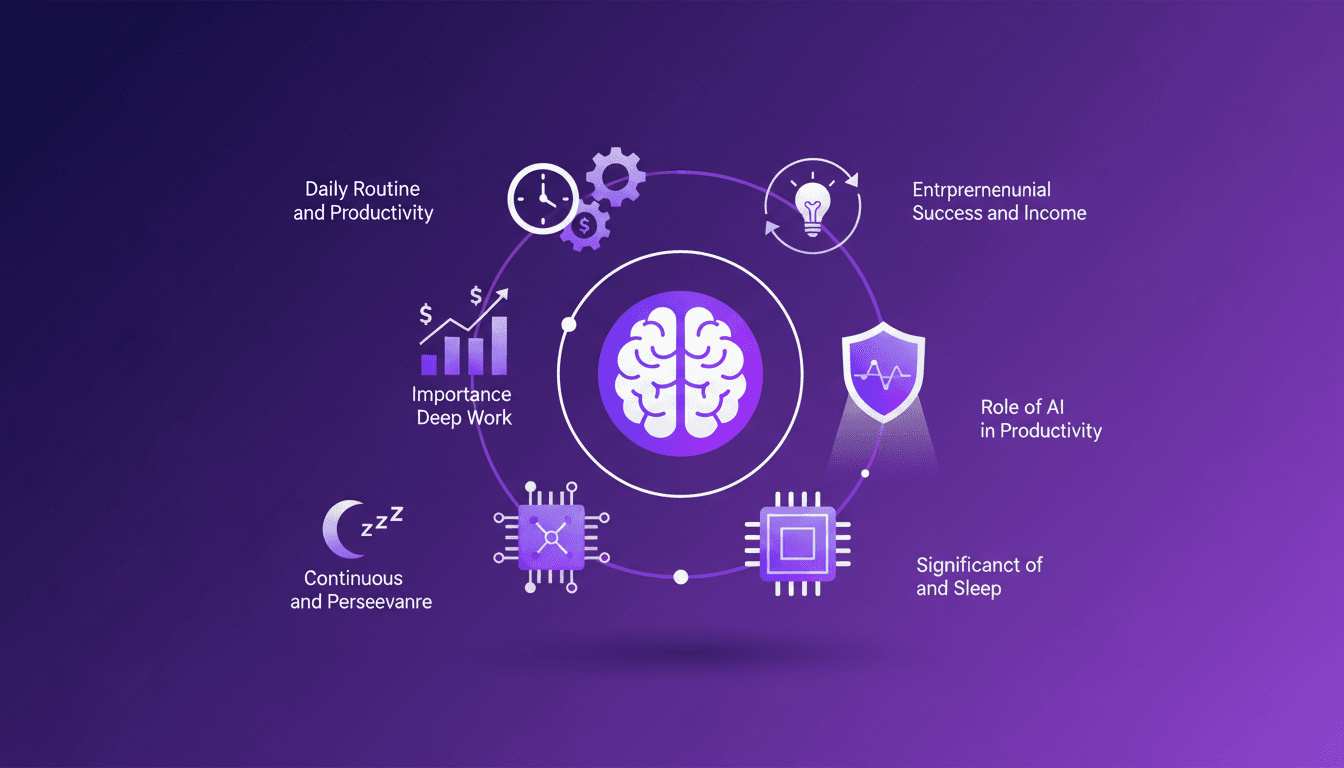
Solopreneur Routine: Earning $77K a Month
I wake up around 6 a.m., ready to tackle the day as a solopreneur. Earning $77K a month doesn't just happen—it's a mix of deep work, smart use of AI, and relentless iteration. First, I orchestrate my priorities using automation tools (saves a ton of time). Then, I dive into the creative work, where AI helps me speed up processes without compromising quality. My secret? Never getting stuck. I test, tweak, and continuously innovate while safeguarding my sleep. In a world where hustle is glorified, smart strategies make the difference. Let me show you how I orchestrate my daily routine to maximize productivity and innovation.
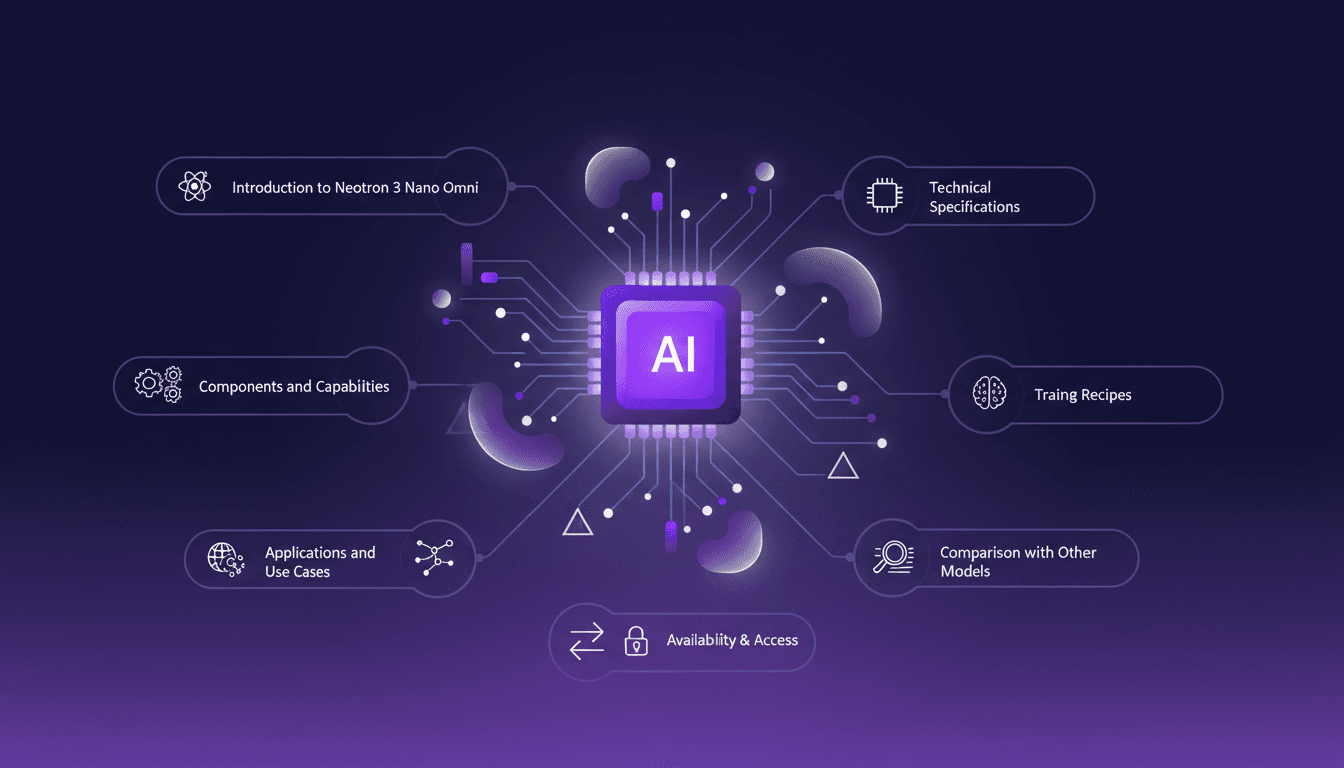
Mastering Neotron 3 Nano Omni: Multimodal Intelligence
I dove into NVIDIA's Neotron 3 Nano Omni and discovered how this powerhouse of multimodal intelligence can redefine our workflows. It's not just hype—it's a game changer, but with some caveats. By combining vision and audio encoding with a transformer mixture of experts model, this tech offers impressive possibilities. I started by connecting the dots between its components, then explored how to harness it effectively and avoid common pitfalls. Whether for software cybersecurity or other applications, Neotron 3 Nano Omni is a powerful tool, but watch out for context limits. I'm sharing my experiences to help you avoid mistakes I made and maximize business impact.
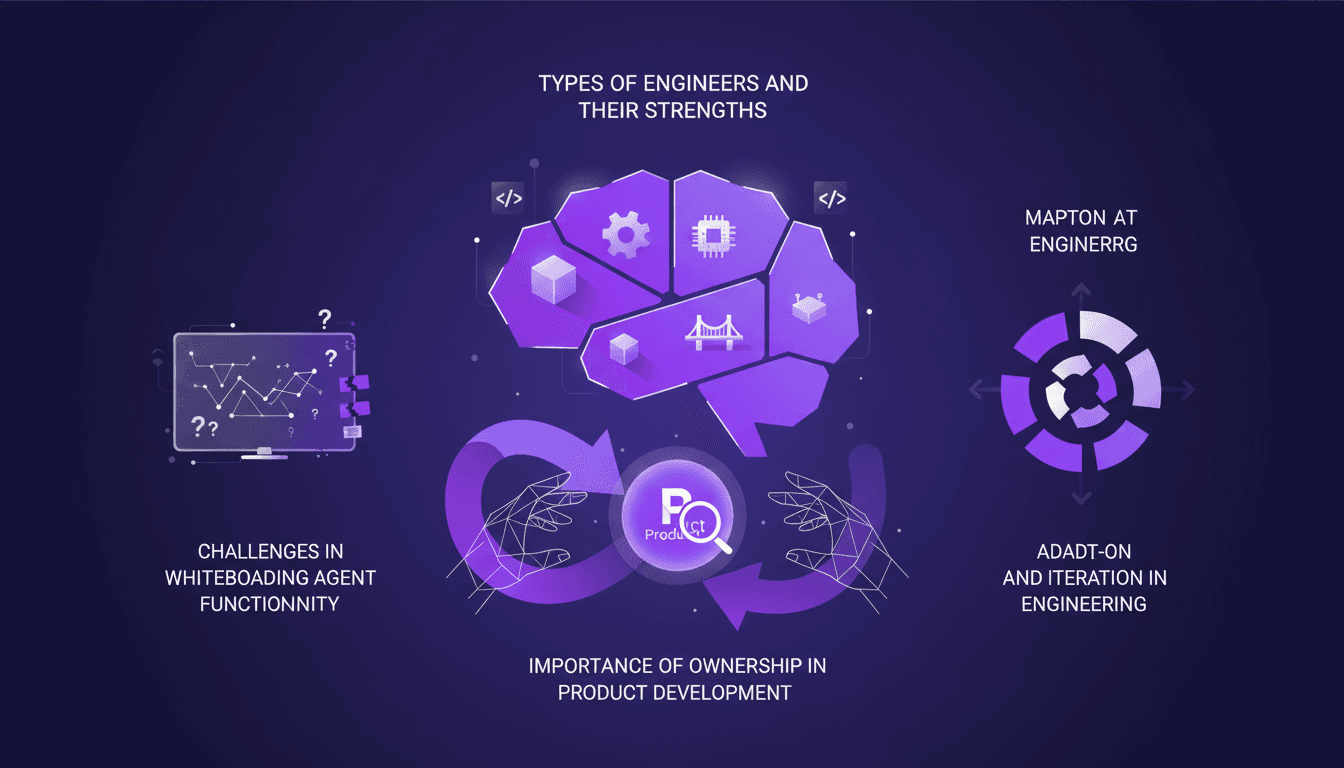
Mastering Product Engineering: Key Strategies
I still remember the first time I had to whiteboard an agent's functionality—super hard, not gonna lie. But that's where the magic of engineering happens: adapting, iterating, and owning the process end-to-end. At Lambs, we distinguish between large-scale system engineers and product engineers. Today, let's dive into the world of product engineers and see why their full ownership is a game changer. We'll discuss the two types of engineers, the challenges of whiteboarding, and the importance of adaptation and iteration in engineering.