Reusable Rockets: Unlocking Space Capacity
I remember the first time I witnessed a reusable rocket launch. It was a game-changer for space capacity. Now, as we push the boundaries of compute power in space, the demand for specialized chips is skyrocketing. With companies like SpaceX and Stoke Space at the forefront, reusable rockets are transforming our approach to space capacity. But it's not just about getting there—it's about what we do once in orbit. That's where inference chips come into play, optimized for unique space conditions. Let's dive into how we're optimizing electronics for the harsh realities of space.
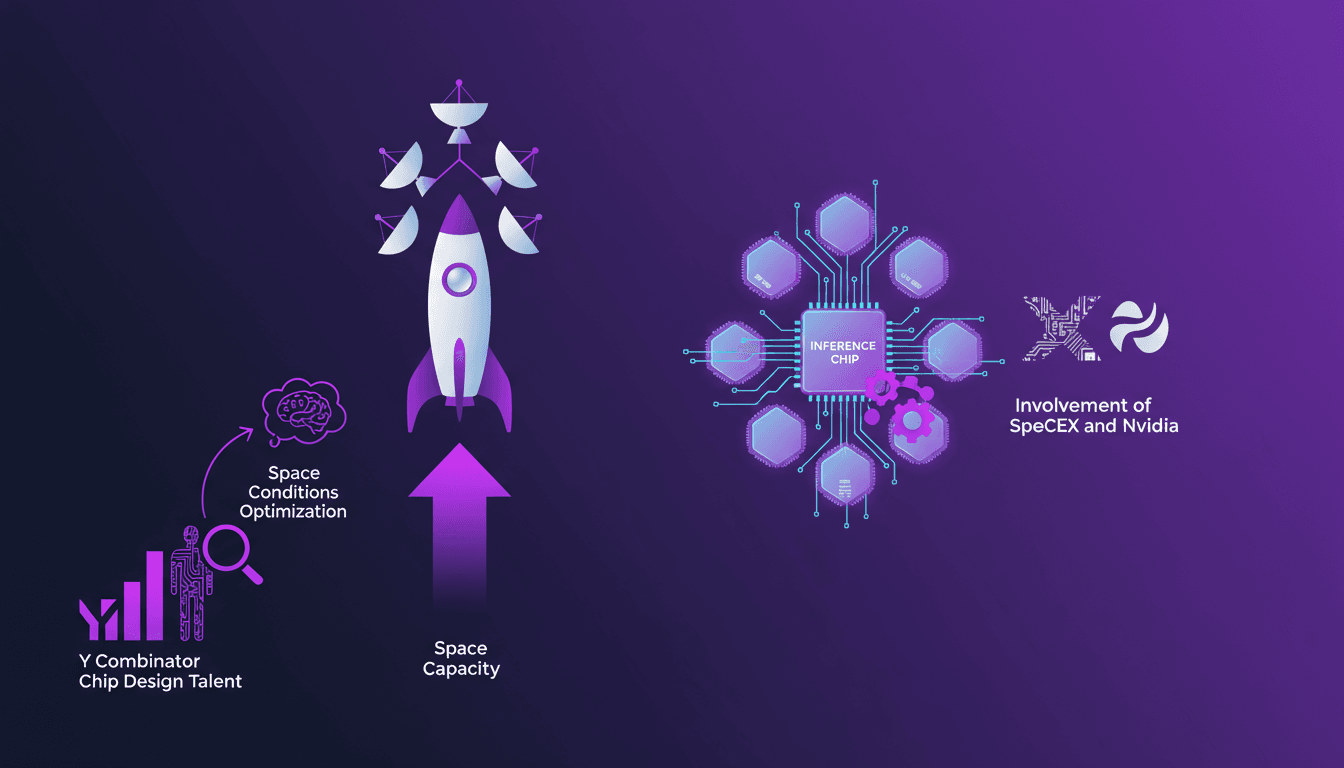
I remember the first time I saw a reusable rocket launch. It was a game-changer for space capacity. Today, with companies like SpaceX and Stoke Space leading the charge, these rockets are transforming our approach to space capacity. But it's not just about getting there—it's about what we do once we're in orbit that really matters. That's where inference chips become crucial. Optimized for the unique conditions of space, they are answering a skyrocketing demand for compute power. I've often wondered how we can optimize our electronics to withstand these harsh realities. With giants like Nvidia involved in chip design and Y Combinator's keen interest in talent, the market is booming. So, how do we orchestrate these innovations without getting burned? Let's dive deeper into this.
Reusable Rockets: Expanding Space Capacity
Reusable rockets are like the Holy Grail of space access. They drastically reduce costs and increase launch frequency. SpaceX and Stoke Space are pioneers in this field, leading to an explosion in available space capacity. This opens the door to much more ambitious projects, including those that require enhanced compute capabilities. But watch out, it's not all sunshine and rainbows. With cost reduction comes increased complexity in managing these reusable systems. I've learned the hard way that every tech advantage comes with its own set of challenges.
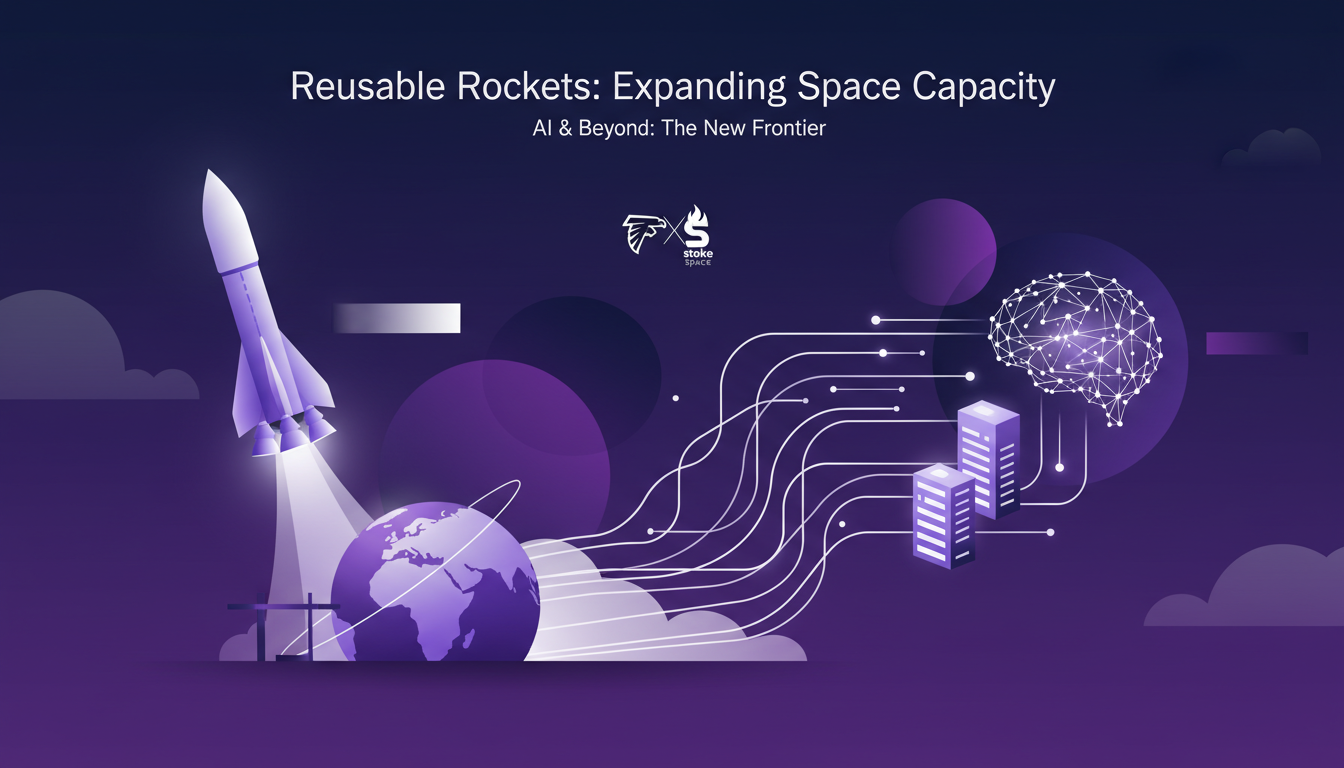
- Reduced launch costs
- Increased space capacity
- Increased management complexity
The Growing Need for Compute Capacity in Space
With the rise in the number of satellites and missions, the demand for increased compute power in space is skyrocketing. It's essential for real-time data processing and decision-making onsite. We're shifting from basic telemetry to advanced analytics and AI-driven insights. But watch out, space is an unforgiving environment. Balancing power consumption and performance is key. I've seen promising projects falter because they didn't anticipate the energy impact.
Philip Johnston, CEO of StarCloud, building data centers in space, highlighted this trend. With the surge of reusable rockets, space capacity will require massive new compute capabilities.
- Increased demand for compute capacity
- Importance of advanced analytics
- Balancing consumption and performance
Inference Chips: The New Frontier in Space Electronics
Inference chips are specialized for processing AI workloads, crucial for space applications. There's a booming market for these chips, driven by the need for onsite data processing. Companies like Nvidia are at the forefront, designing chips that can withstand space conditions. Optimization for thermal and radiation challenges is non-negotiable—failure isn't an option up there.
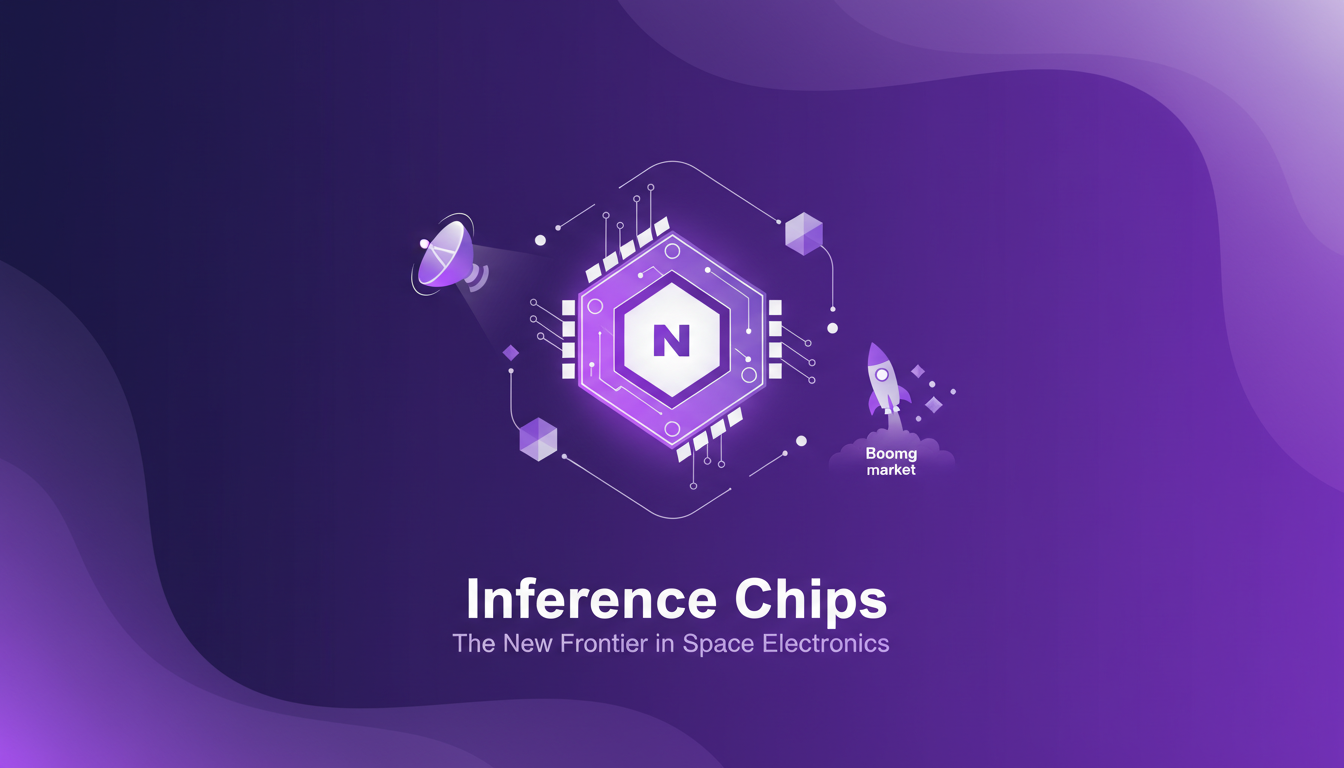
- Booming market for inference chips
- Design for space conditions
- Importance of thermal and radiation optimization
Optimization Challenges: Mass, Thermal, and Radiation
Space electronics must be both lightweight and robust, a tricky balance to strike. Thermal management is critical—space can be extremely hot and cold. Radiation poses a significant risk to electronic components, requiring specialized shielding. Sometimes, it's about choosing the lesser of two evils—sacrificing some performance for reliability.
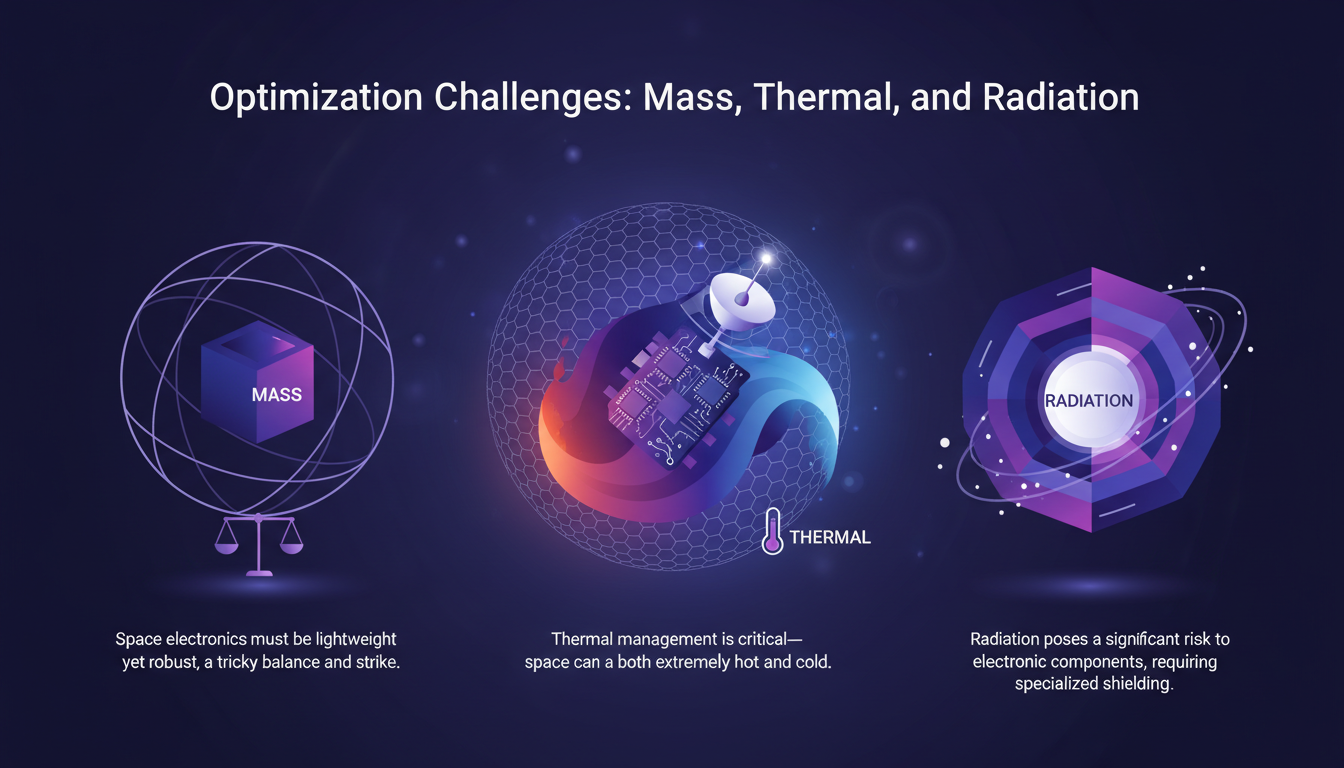
- Balance between lightness and robustness
- Thermal management
- Radiation shielding
Opportunities for Chip Designers: A Y Combinator Perspective
Y Combinator is scouting for talent in chip design, recognizing the industry's growth potential. Designers have a chance to innovate at the intersection of AI and space technology. The challenge is to create chips that are not only powerful but also adaptable to space's unique demands. Expect a steep learning curve but also the opportunity to shape the future of space exploration.
If you work at SpaceX or Nvidia and have experience in chip design, Y Combinator wants to hear from you. Electronics in space, particularly inference chips, will play a crucial role in the future of space technology.
- Seeking talent in chip design
- Innovation at the intersection of AI and space
- Opportunities to shape the future of space exploration
I'm deep into the world of inference chips for space myself, and here's what stands out. First, reusable rockets like those from SpaceX and Stoke Space are totally reshaping our capacity to access space. This creates a massive market for inference chips, which are vital for data processing and AI in these extreme environments. Second, don't underestimate the challenges of mass, thermal, and radiation—this is where we need true innovation. For us chip designers, it's an exciting time to push our boundaries beyond Earth. I'm convinced the future of space electronics is in our hands. So, if you're in chip design, now's the time to dive into this space venture. Let's build the future of space electronics together. I strongly recommend watching the original 'Electronics in Space' video for a deeper understanding. It's a real game changer.
Frequently Asked Questions

Thibault Le Balier
Co-fondateur & CTO
Coming from the tech startup ecosystem, Thibault has developed expertise in AI solution architecture that he now puts at the service of large companies (Atos, BNP Paribas, beta.gouv). He works on two axes: mastering AI deployments (local LLMs, MCP security) and optimizing inference costs (offloading, compression, token management).
Related Articles
Discover more articles on similar topics
GPT 5.5: Revolutionizing Code and Workflow
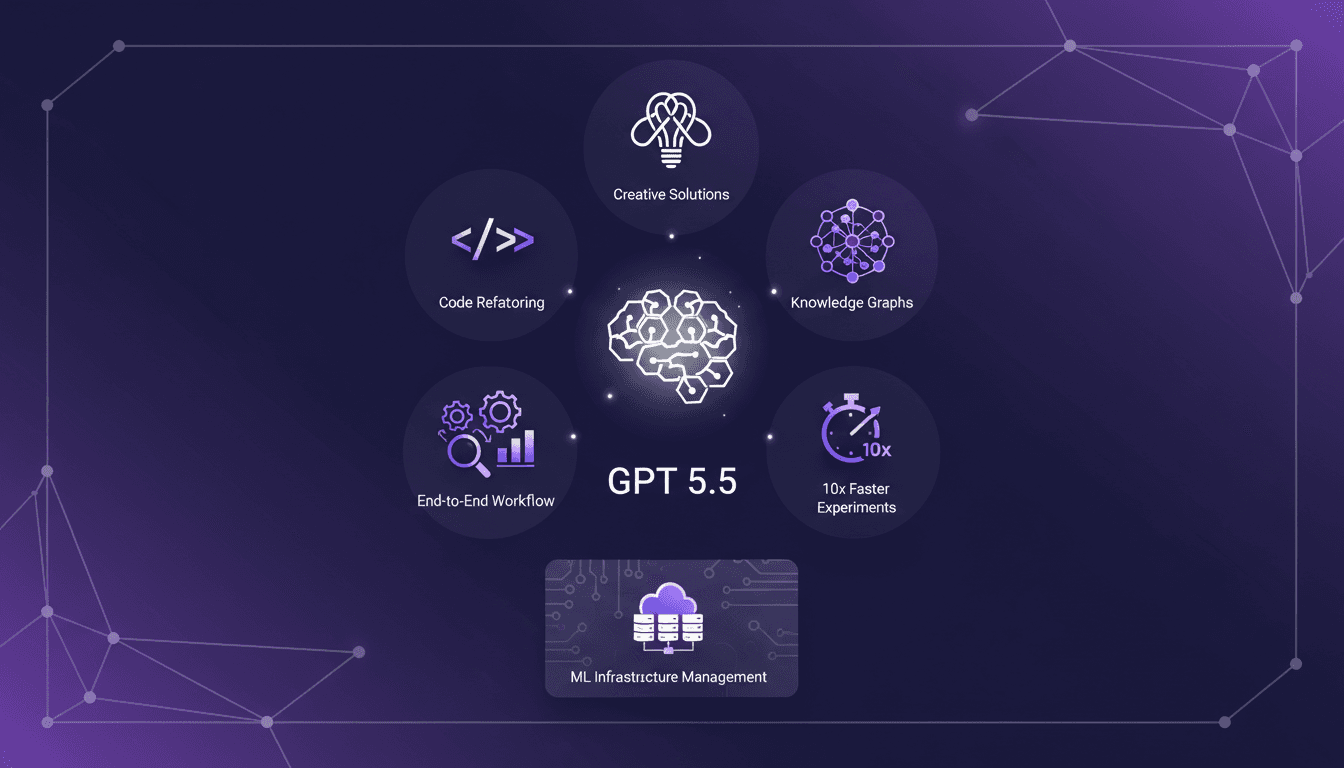
I've been in the AI trenches for years, but GPT 5.5 is truly a game changer. I connected it to my usual workflows, refactored code, and even built knowledge graphs more efficiently than ever. This model isn’t just about incremental improvements; it redefines how AI can tackle complex problems. With a 10x speed improvement in running experiments, I can orchestrate entire projects end-to-end without worrying about the machine learning infrastructure. If you've ever been frustrated by the limits of previous models, now's the time to dive into GPT 5.5.
Building Your Software Factory: Key Steps
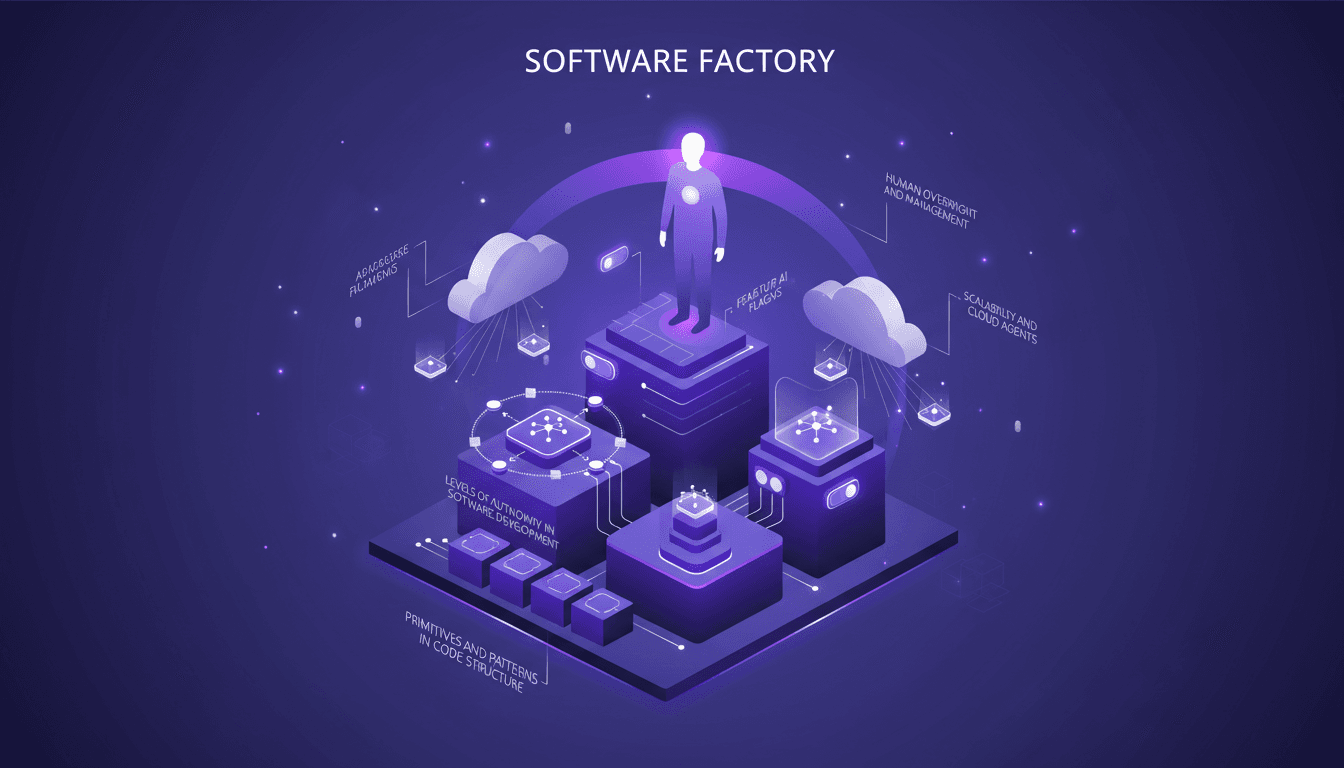
I remember my first thought about building a software factory. It felt overwhelming, but with a step-by-step approach, it turned manageable. In this article, I walk you through how I set up my own software factory, focusing on efficiency and scalability. We dive into the key components and strategies for success, from the role of AI agents and feature flagging to verification and testing in automated systems. For me, a software factory is more than just automation; it's a paradigm shift that can transform productivity. So how do you pilot this without getting burned? I share my mistakes, successes, and most importantly, the lessons learned.
Counter-Swarm Defense: Strategies and Challenges
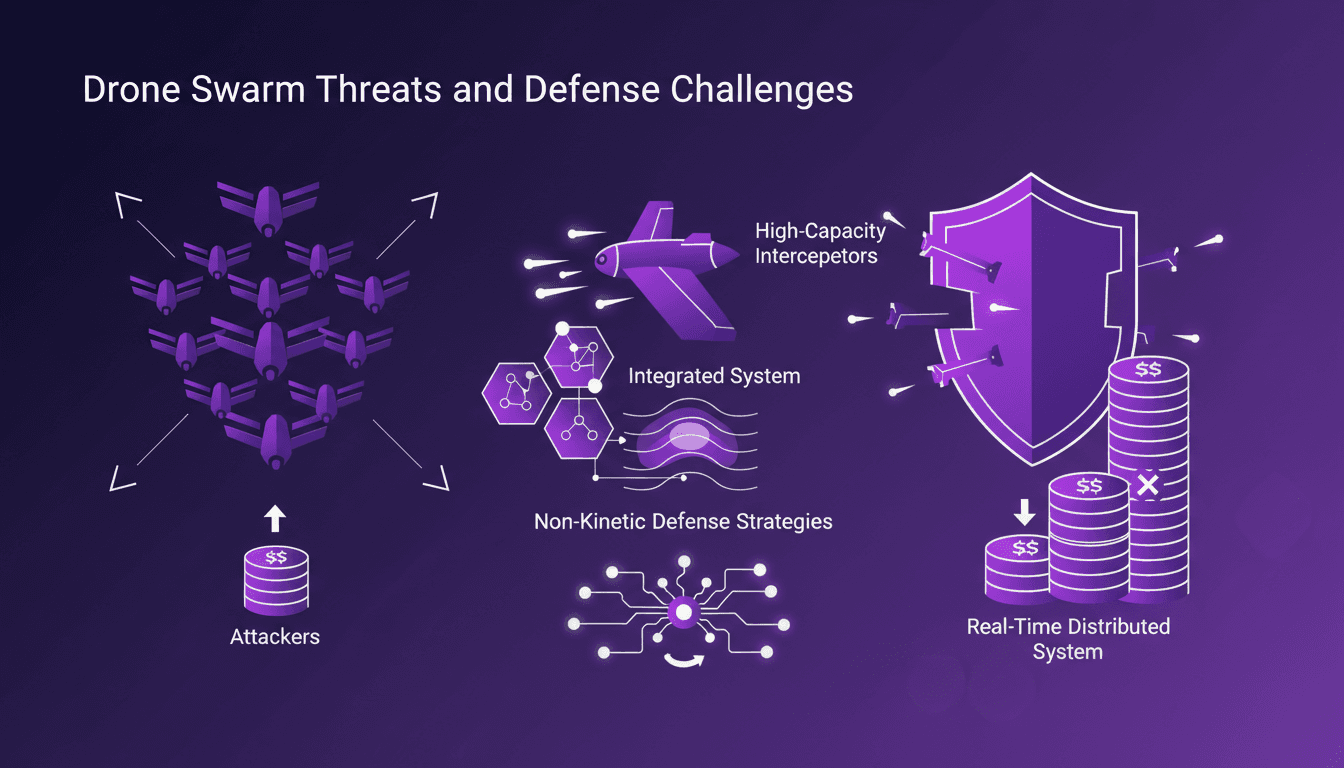
I've been there, staring down a swarm of a thousand drones, each just 500 bucks, while we're stuck using a $3 million Patriot missile to take them down. That's unsustainable. Current defense systems just aren't cutting it against these modern threats. So, let's dive in: how can we truly tackle this with real-world strategies? We'll explore drone swarm threats, the cost disparity between attackers and defenders, and why current systems are ineffective. Then we'll get into the future of drone defense—from high-capacity interceptors and integrated systems to non-kinetic strategies. It's a journey into the evolution of real-time distributed defense systems.
ChatGPT: How I Expanded My Business
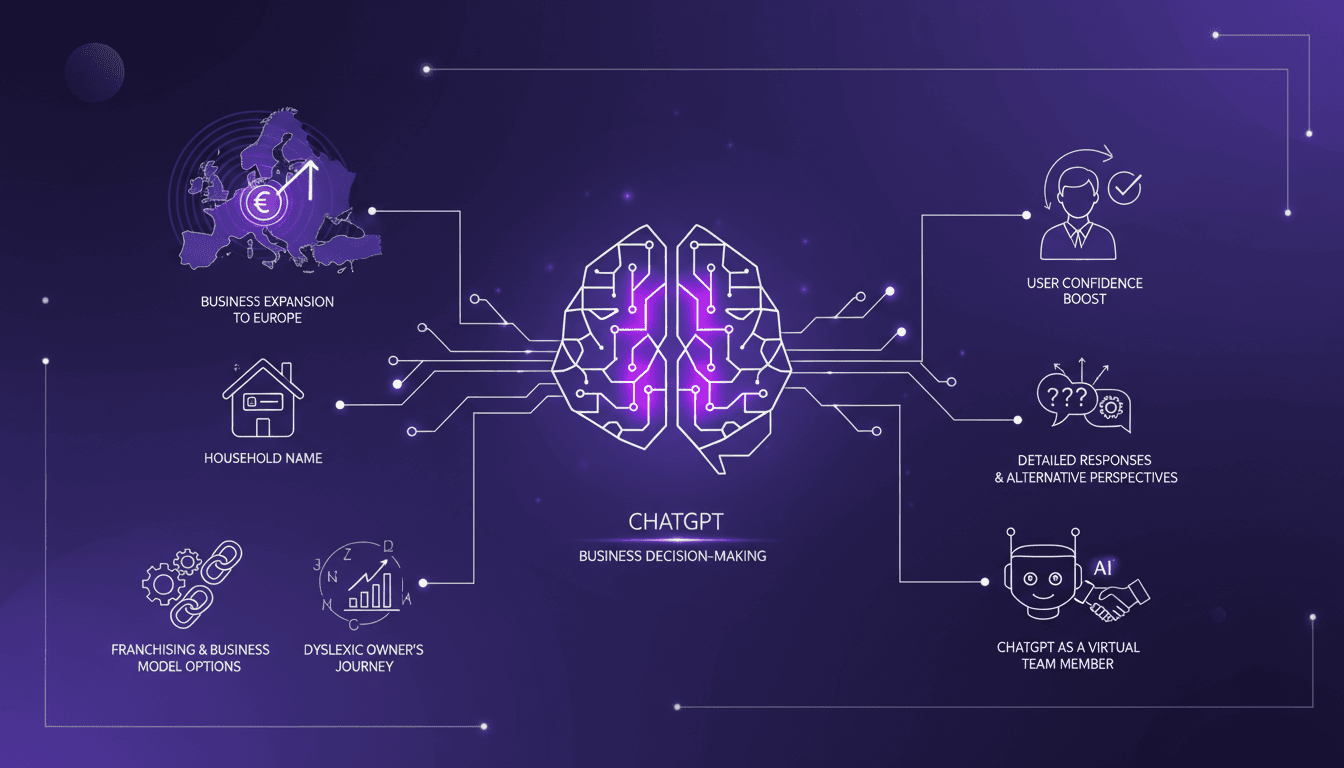
I started with a simple idea: renting wedding flowers. Then I brought ChatGPT into the mix, and everything shifted. Navigating business challenges with dyslexia is no walk in the park, but ChatGPT helped me make more informed decisions and expand my vision. It presented three different strategies for entering the European market and highlighted the importance of becoming a household name first. Acting like a virtual team member, ChatGPT provides detailed responses and alternative perspectives, boosting my confidence and guiding me towards franchising. Here's how AI reshaped my entrepreneurial journey.
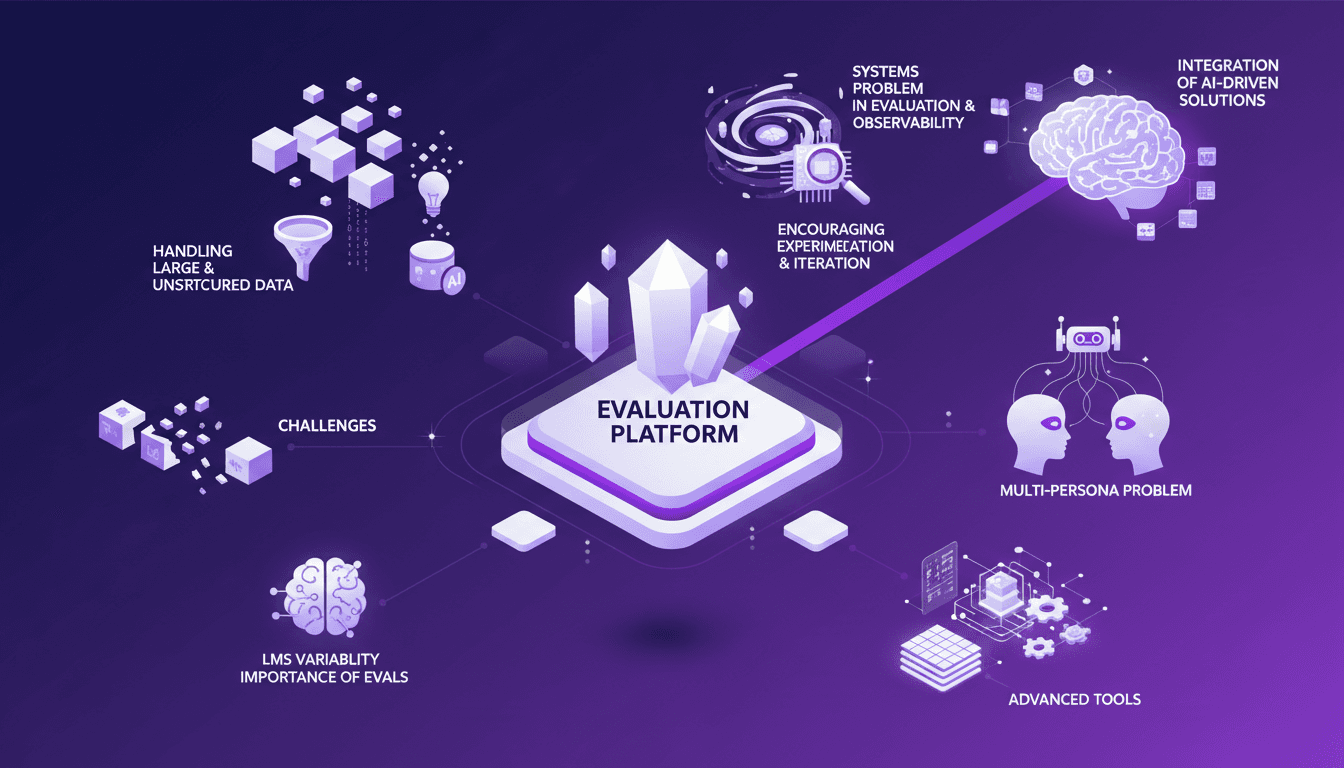
Challenges in Building Eval Platforms
I remember the first time I tried to build an evaluation platform. It felt like trying to fit a square peg into a round hole. The complexity, the moving parts, the constant need for iteration—it's a beast. But once you get it right, the efficiency and insights you gain are game-changing. In today's LMS environments, these platforms are crucial for understanding variability and improving agent quality. Building them is no walk in the park. Let me walk you through the challenges and how I've tackled them. From transitioning from spreadsheets to advanced tools to integrating AI-driven solutions, each step is critical.