Counter-Swarm Defense: Strategies and Challenges
I've been there, staring down a swarm of a thousand drones, each just 500 bucks, while we're stuck using a $3 million Patriot missile to take them down. That's unsustainable. Current defense systems just aren't cutting it against these modern threats. So, let's dive in: how can we truly tackle this with real-world strategies? We'll explore drone swarm threats, the cost disparity between attackers and defenders, and why current systems are ineffective. Then we'll get into the future of drone defense—from high-capacity interceptors and integrated systems to non-kinetic strategies. It's a journey into the evolution of real-time distributed defense systems.
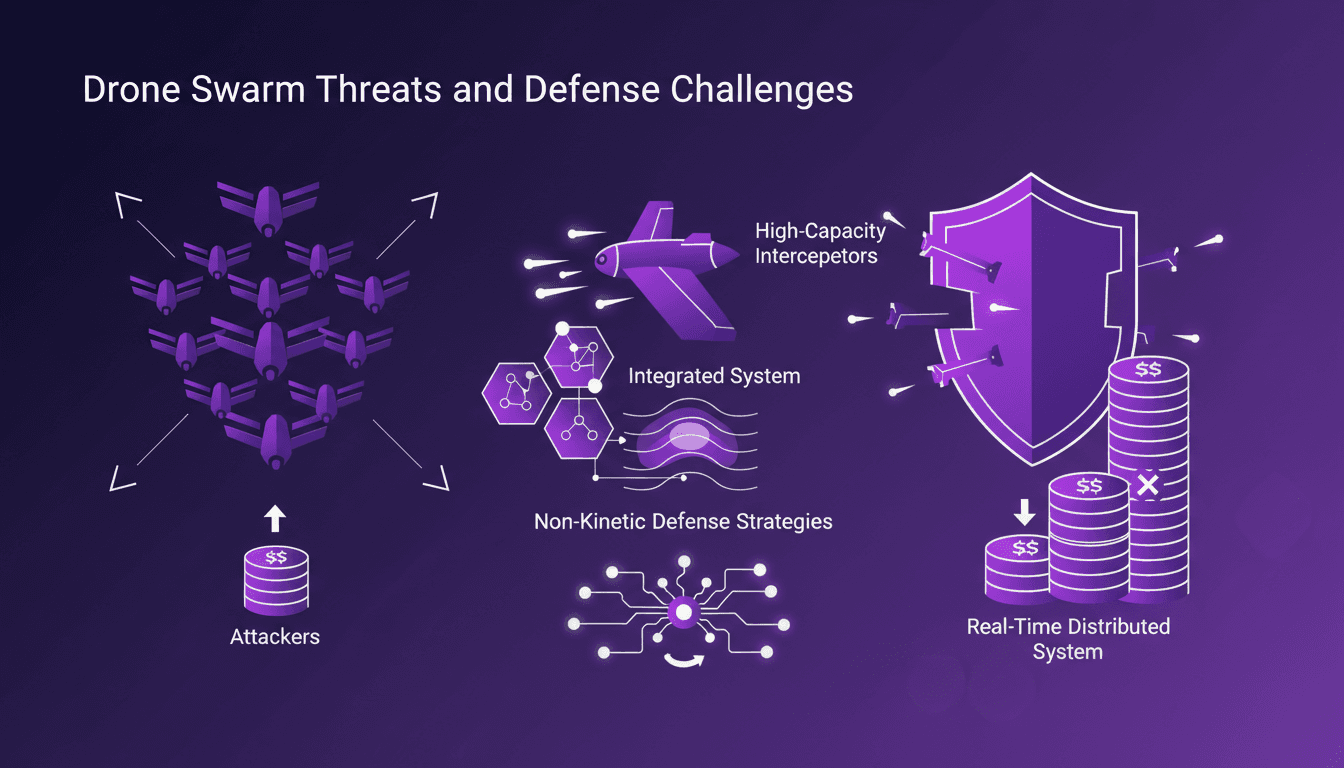
I've been there, staring at an incoming swarm of a thousand drones, each costing just 500 bucks. Meanwhile, we rely on a $3 million Patriot missile to take them down. That's not sustainable. Current defense systems just aren't cutting it against these modern threats. So, how can we actually tackle this with real-world strategies? First, I'll walk you through the threat of drone swarms and the challenges they pose. Then, we'll dive into the cost disparity between attackers and defenders. Current systems are ineffective, and I'll show you why. Finally, we'll look at the future of drone defense—from high-capacity interceptors and integrated systems to non-kinetic strategies. What I’m offering is a journey into the evolution of real-time distributed defense systems.
Understanding Drone Swarm Threats
When I visualize a drone swarm, I see thousands of devices coordinated, each costing as little as $500. These machines, often autonomous and jam-resistant, pose a threat that our current systems can't handle. I've witnessed these swarms in action, and believe me, it's far from theoretical. A coordinated swarm can annihilate critical infrastructures, as recently happened with an AWS data center.
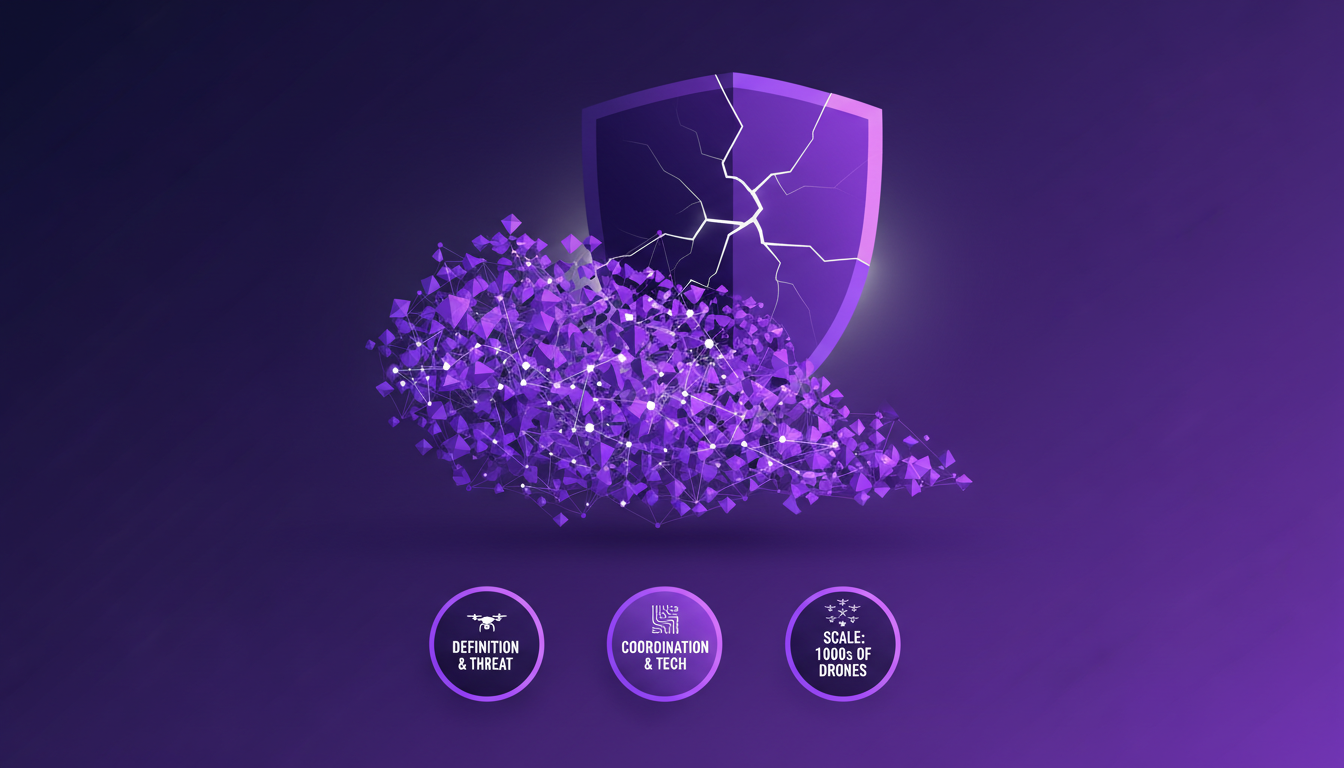
The technology behind these swarms is impressive. Drones communicate with each other, adjusting their trajectory and targets in real-time. But the problem is our detection capability. Current detection systems, often a mix of radars and cameras, struggle to track such a mass. They are designed for single targets, not aerial armies.
"We are not ready. Counter-drone defense is currently a messy pile of radars, cameras, jammers, and systems that don't talk to each other."
But it's a problem we must solve, and fast. The threat is here, and it's only going to increase.
Cost Disparity: Attackers vs. Defenders
Cost is often the deciding factor. A Patriot missile costs $3 million versus a FPV drone at $500, and you quickly see where the economic disadvantage lies. I've seen defense budgets buckle under the weight of these disparities. We cannot continue to spend millions to destroy devices that cost a fraction of that price.
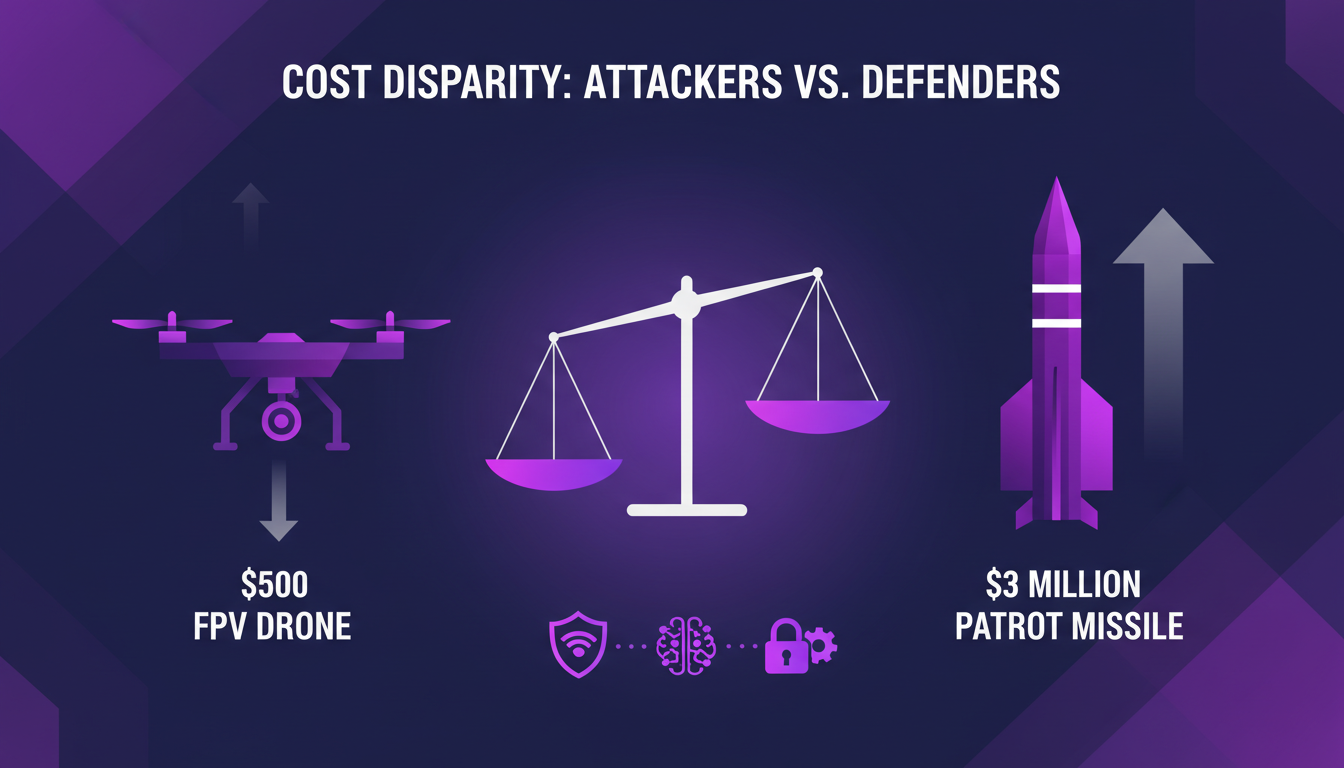
Smarter solutions are needed. I've seen initiatives exploring more affordable defenses, like high-capacity interception systems capable of neutralizing multiple drones at once. It's imperative to rethink our approach, shifting from sheer scale to efficiency.
It's time to innovate and rebalance the cost in favor of the defenders.
Why Current Counter-Drone Systems Fail
Current systems are inefficient. They are designed for individual threats, not coordinated swarms. I've seen efforts fail, not for lack of intent, but due to technological limitations. Radars struggle to detect small targets, and jamming systems are often ineffective against new drone communication technologies.
The speed of response is crucial, yet I often notice a problematic latency. A striking example is the inability to intercept a swarm before it causes damage.
To effectively counter these threats, we need to improve our detection and response systems, integrating more agile technology.
Future Solutions: High-Capacity Interceptors & Integrated Systems
High-capacity interceptors are our best hope. I've tested systems capable of neutralizing dozens of drones simultaneously, and the results are promising. These systems integrate sensors and defenders into a single platform, providing a real-time overview.
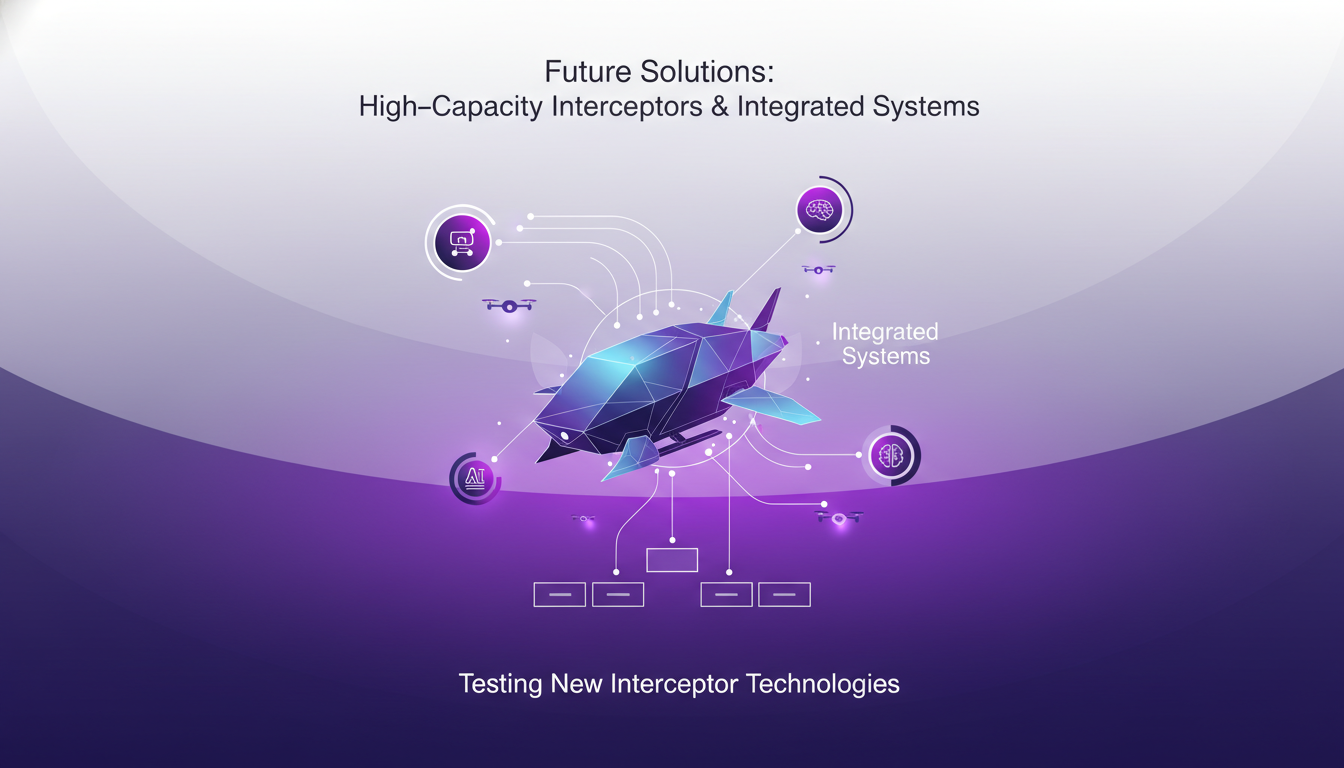
The key lies in integration and coordination. I've seen how real-time data sharing can transform a defense response. But be cautious, there's always a trade-off between cost and effectiveness. Systems must be not only performant but also affordable.
Investing in these technologies is a necessity, but it must be done wisely to avoid squandering valuable resources.
Non-Kinetic Defense: A New Frontier
Non-kinetic defense opens up new possibilities. Think electronic warfare and cyber tactics. They offer solutions that, if well orchestrated, can neutralize threats without physical destruction.
I've experimented with non-kinetic strategies and seen their potential. They require a real-time distributed system, where every defense actor is informed and reactive. However, balancing kinetic and non-kinetic methods is crucial.
"The key is to make drone defense look less like operating a weapon and more like running a real-time distributed system."
It's time to adapt our strategies to leverage these new methods. Drone defense must evolve, just as our understanding and approach must.
In drone defense, we need to be smarter, faster, and most importantly, more cost-effective. I've seen swarms of a thousand coordinated drones overwhelm our defenses with $500 FPV drones, while we're firing $3 million Patriot missiles. First, we need to integrate high-capacity interceptors. Second, non-kinetic strategies are crucial, so I'm implementing systems that respond in real time. But watch out, integration takes time and can be costly. The future is all about continuous innovation and real-time system integration. Let's stay ahead. Experiment with new systems, share your experiences, and together, let's build a more resilient defense network. To dive deeper and see how we can apply this on the ground, I recommend watching the "Counter-Swarm Defense" video on YouTube. It's a goldmine for any pro seriously involved.
Frequently Asked Questions

Thibault Le Balier
Co-fondateur & CTO
Coming from the tech startup ecosystem, Thibault has developed expertise in AI solution architecture that he now puts at the service of large companies (Atos, BNP Paribas, beta.gouv). He works on two axes: mastering AI deployments (local LLMs, MCP security) and optimizing inference costs (offloading, compression, token management).
Related Articles
Discover more articles on similar topics
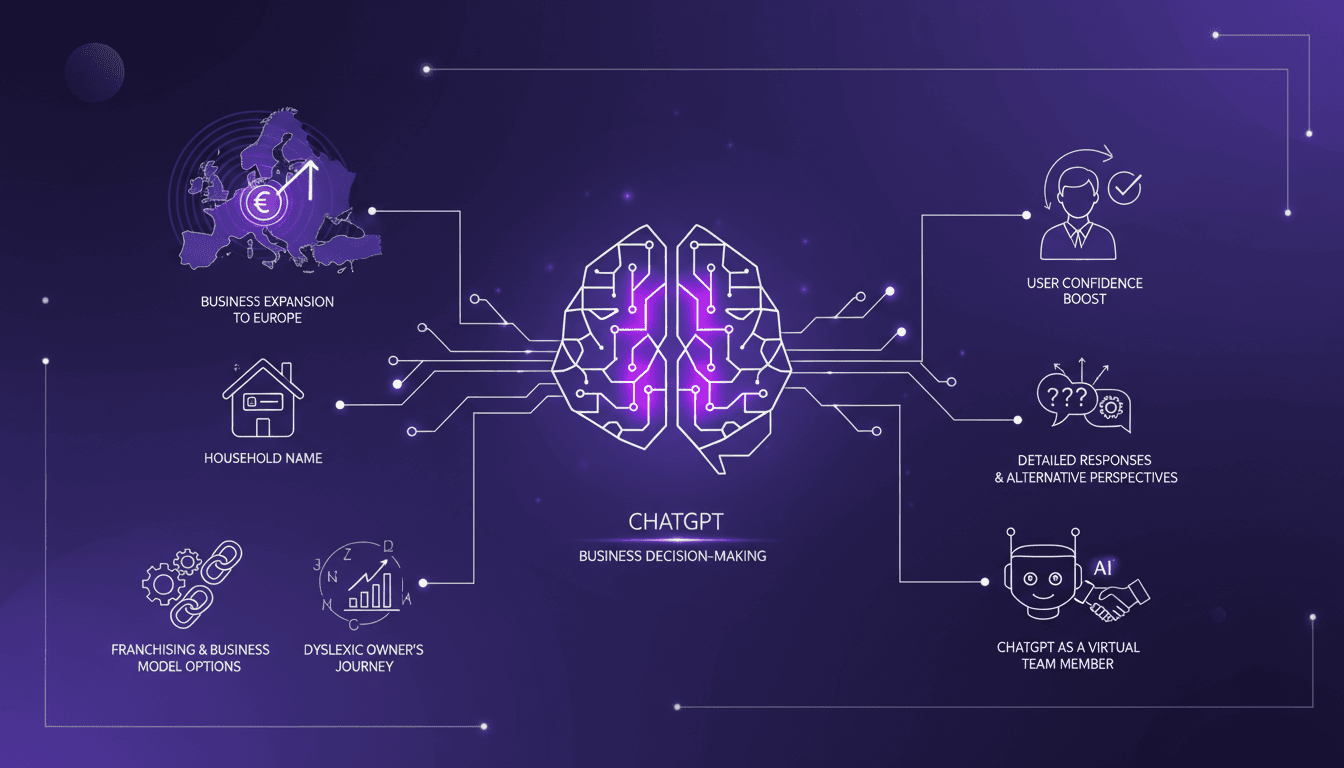
ChatGPT: How I Expanded My Business
I started with a simple idea: renting wedding flowers. Then I brought ChatGPT into the mix, and everything shifted. Navigating business challenges with dyslexia is no walk in the park, but ChatGPT helped me make more informed decisions and expand my vision. It presented three different strategies for entering the European market and highlighted the importance of becoming a household name first. Acting like a virtual team member, ChatGPT provides detailed responses and alternative perspectives, boosting my confidence and guiding me towards franchising. Here's how AI reshaped my entrepreneurial journey.
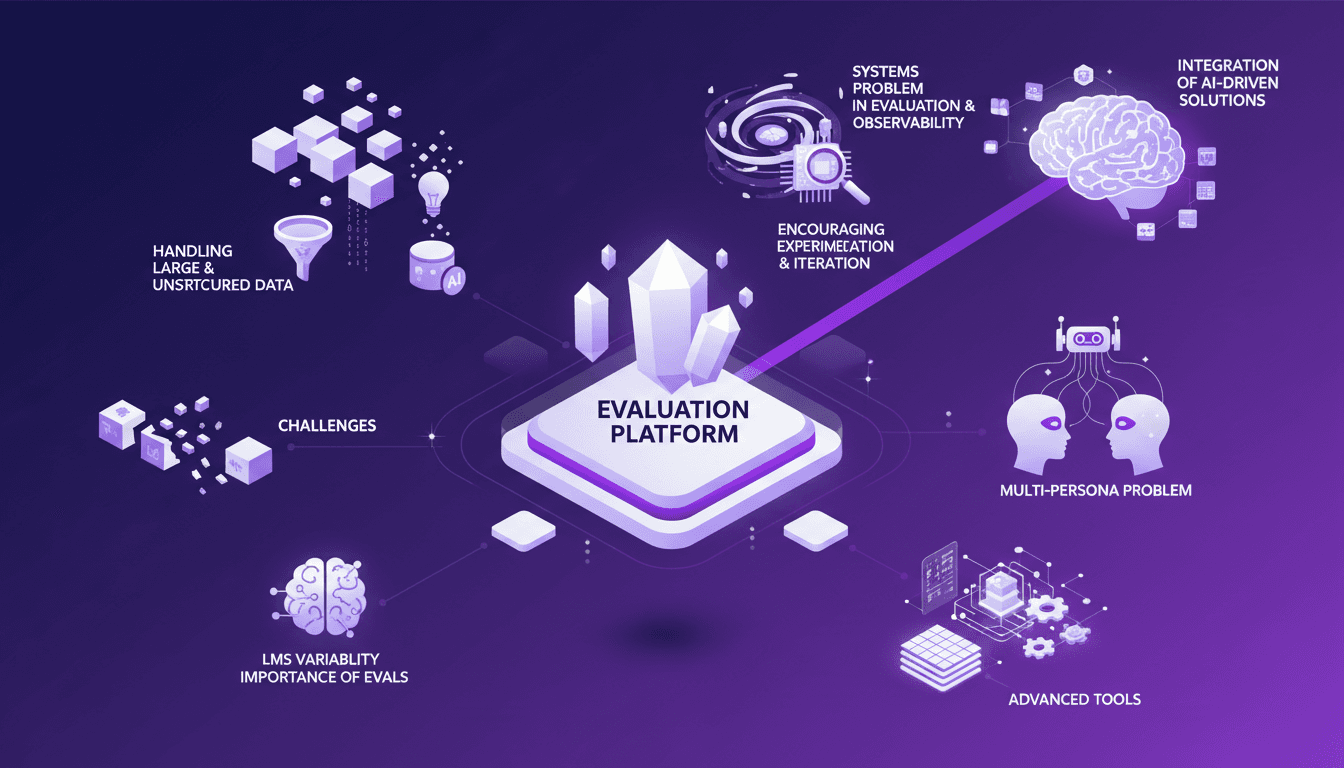
Challenges in Building Eval Platforms
I remember the first time I tried to build an evaluation platform. It felt like trying to fit a square peg into a round hole. The complexity, the moving parts, the constant need for iteration—it's a beast. But once you get it right, the efficiency and insights you gain are game-changing. In today's LMS environments, these platforms are crucial for understanding variability and improving agent quality. Building them is no walk in the park. Let me walk you through the challenges and how I've tackled them. From transitioning from spreadsheets to advanced tools to integrating AI-driven solutions, each step is critical.
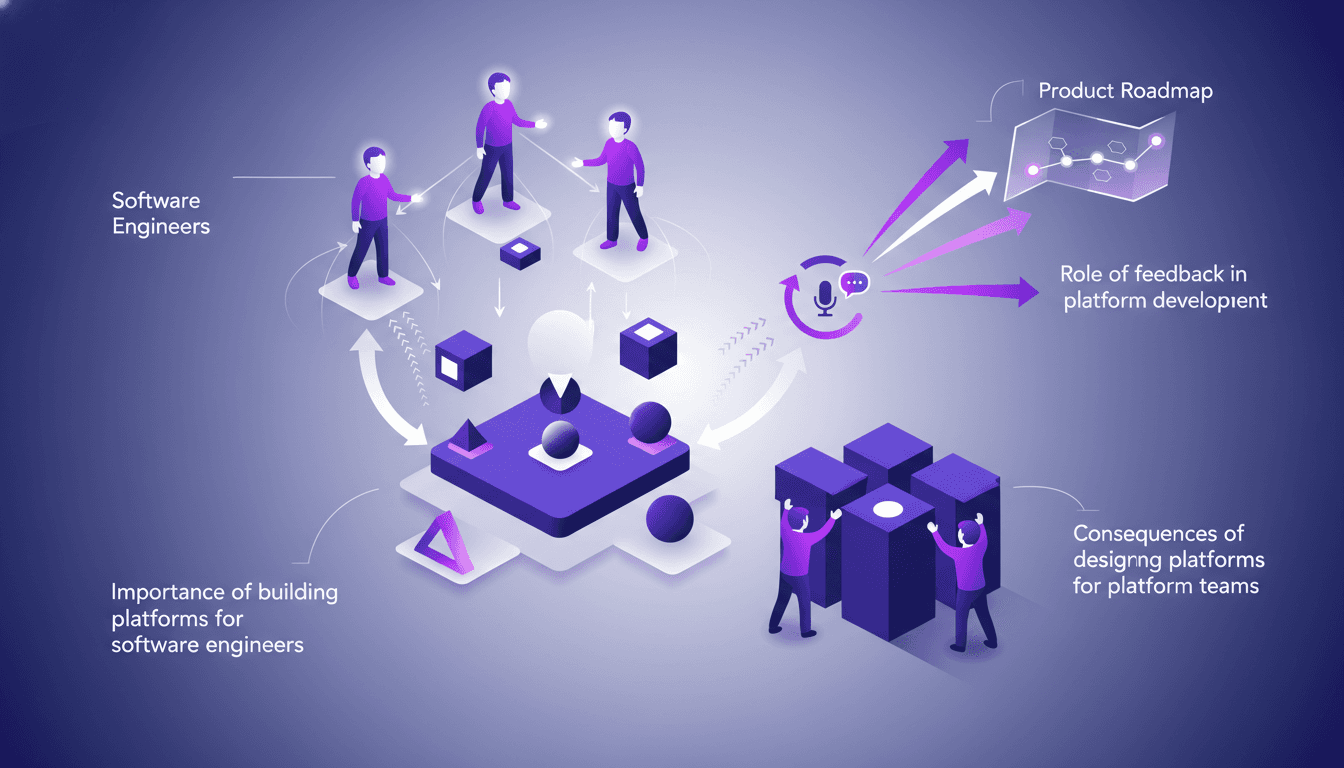
Building Internal Platforms for Engineers
I've been there—stuck in a loop where the platform serves everyone but the folks who actually build with it. Realizing that if your internal platform isn't designed for software engineers means you're missing the mark. In software development, internal platforms are the backbone, but often they're built for the wrong audience. Let's dive into why platforms should cater to software engineers, the pitfalls of designing for platform teams, and how feedback can steer the ship in the right direction. By engineering a platform for those who create and code, we're changing the game. Join me behind the scenes to explore the exchanges between software engineers and platform teams, and see how feedback can reshape a product roadmap.
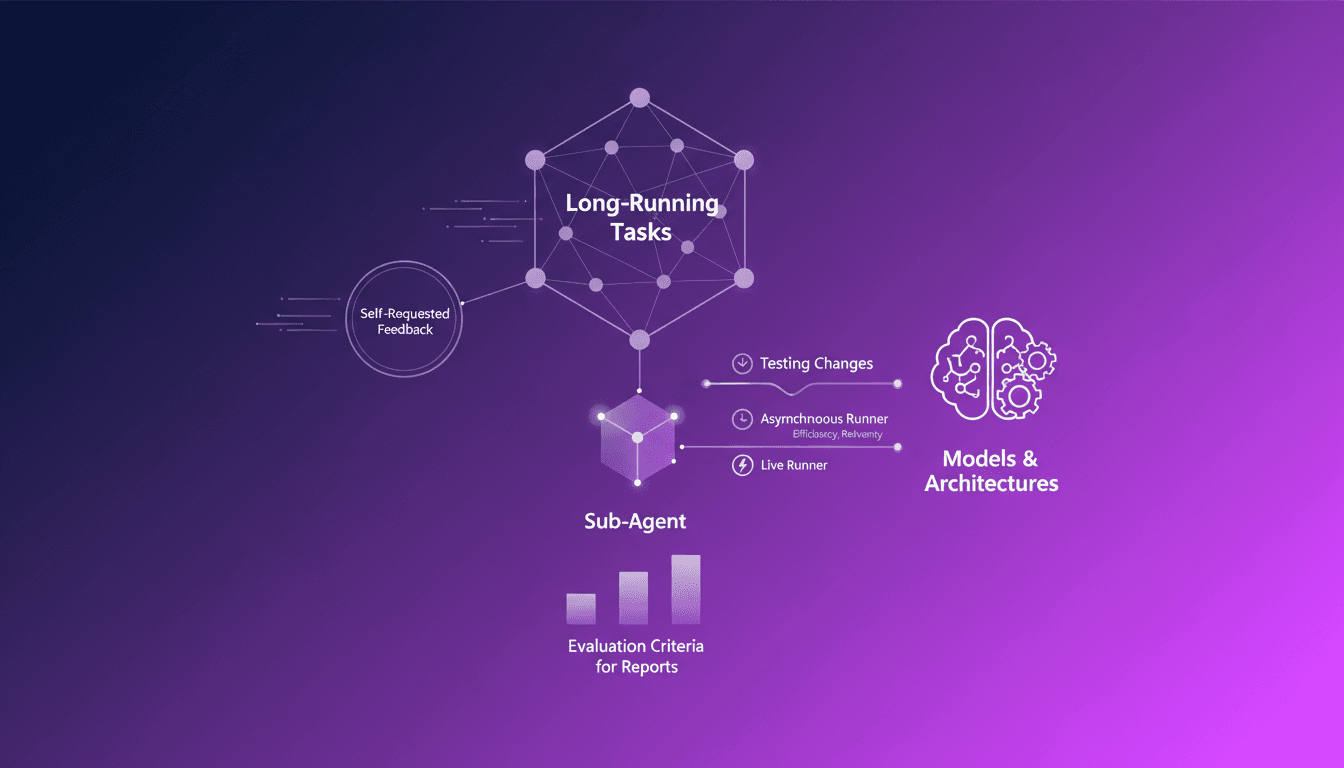
AI Agents: Requesting Feedback Efficiently
Ever been stuck in a loop of endless tasks, unsure if you're heading in the right direction? I have, and that's where AI agents asking for feedback come into play. In this podcast, I'll walk you through how I orchestrate this process. In the AI world, long-running tasks can be a nightmare without proper feedback mechanisms. Sub-agents really shine here, autonomously requesting feedback, making the process efficient and less error-prone. We'll dive into self-requested feedback for long-running tasks, the role of sub-agents in the feedback process, evaluation criteria for reports, and how I use asynchronous and live runners to test changes in models and architectures.
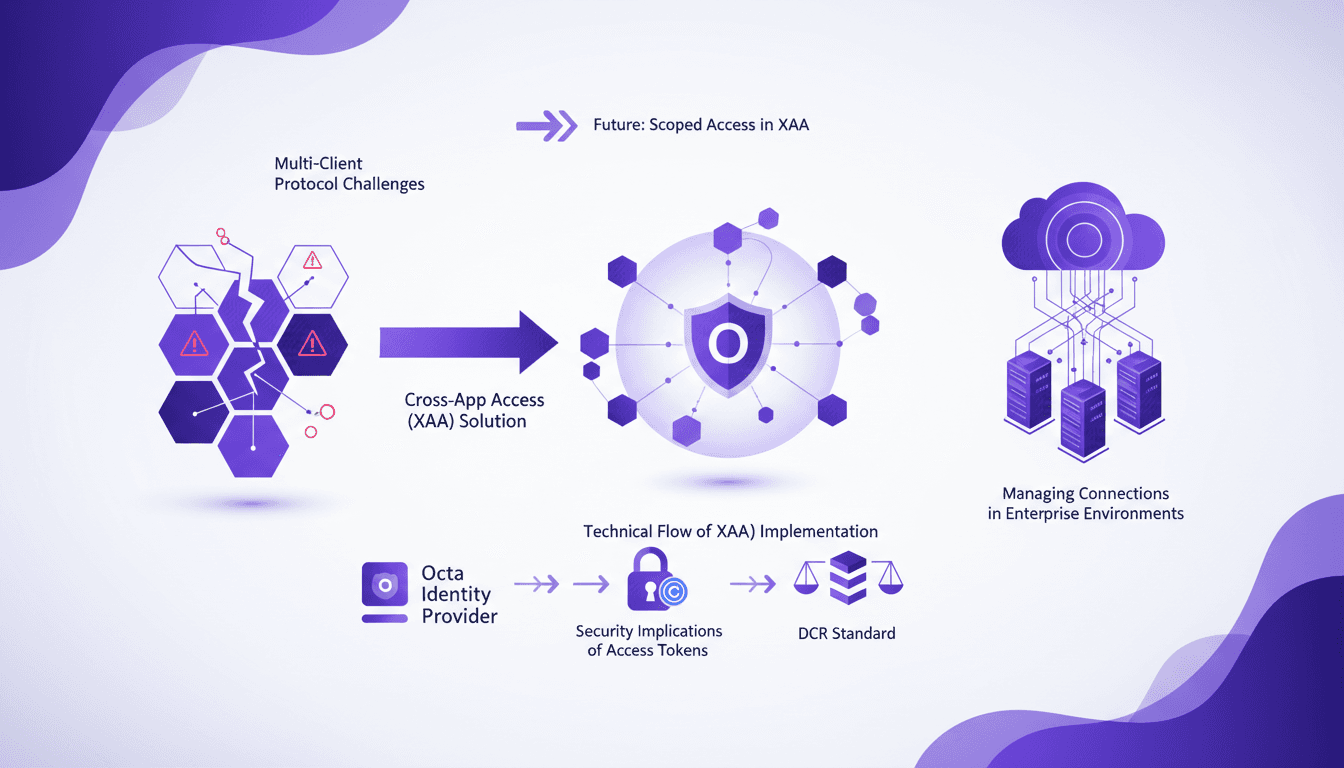
Cross-App Access: Streamlining MCP with XAA
I've been deep in the trenches of enterprise developer platforms for almost 15 years, and trust me, managing Multi-Client Protocol (MCP) is no walk in the park. But there's a way to smooth things out: Cross-App Access (XAA). In this article, I dive into how I tackled these challenges head-on. MCP presents unique challenges, especially in complex enterprise environments. Leveraging identity providers like Octa, XAA simplifies managing cross-app access. We'll explore the implementation of XAA, the security implications of access tokens, and how CIMD and DCR standards compare. Get ready to rethink how you manage connections in enterprise environments.