Building Internal Platforms for Engineers
I've been there—stuck in a loop where the platform serves everyone but the folks who actually build with it. Realizing that if your internal platform isn't designed for software engineers means you're missing the mark. In software development, internal platforms are the backbone, but often they're built for the wrong audience. Let's dive into why platforms should cater to software engineers, the pitfalls of designing for platform teams, and how feedback can steer the ship in the right direction. By engineering a platform for those who create and code, we're changing the game. Join me behind the scenes to explore the exchanges between software engineers and platform teams, and see how feedback can reshape a product roadmap.
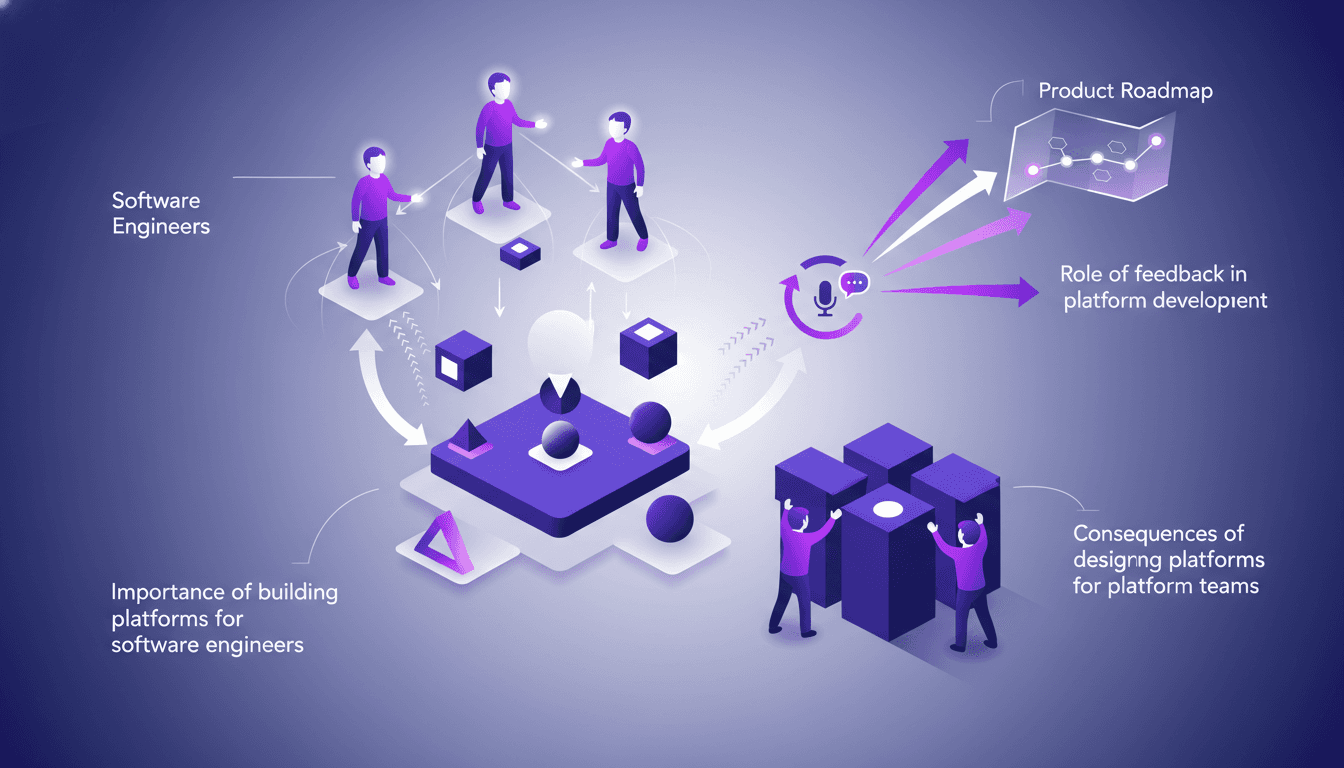
I've been stuck in that loop where the platform seems to serve everyone but the folks who actually build with it. That was my wake-up call: if your internal platform isn't built for software engineers, you're missing the mark. In the software development world, internal platforms are the backbone, but too often they're crafted with the wrong audience in mind. Let's talk about why platforms should be engineered for software engineers, the consequences of designing them for platform teams, and the critical role of feedback. First, you need to really grasp that 100% of the focus should be on engineers, not platform teams. Then, leverage feedback to steer your product direction. Don't get burned by misaligned priorities. Sometimes, it's just about better communication between software engineers and platform teams, and that's a difference that can reshape an entire product roadmap.
Why Build Platforms for Software Engineers?
When I think about building platforms, the first thing that strikes me is the direct impact on engineers' productivity. A well-designed platform should simplify developers' lives, not complicate it. Imagine a well-paved highway: that's exactly what a platform should be. It allows engineers to focus on what they do best: coding and innovating. A poorly designed platform is like a road full of potholes; it slows everyone down and creates frustration.
I've found myself in situations where engineers' needs were ignored, and trust me, it leads to inefficiency and frustration. That's why building for engineers is essential. A platform that doesn't meet their expectations is doomed to fail. For a platform to be effective, it must be designed 100% for software engineers.
- A platform should simplify, not complicate.
- Engineers are the primary users and must be satisfied.
- A bad platform leads to frustration and inefficiency.
- Build for engineers, not just for the platform team.
The Pitfalls of Designing for Platform Teams
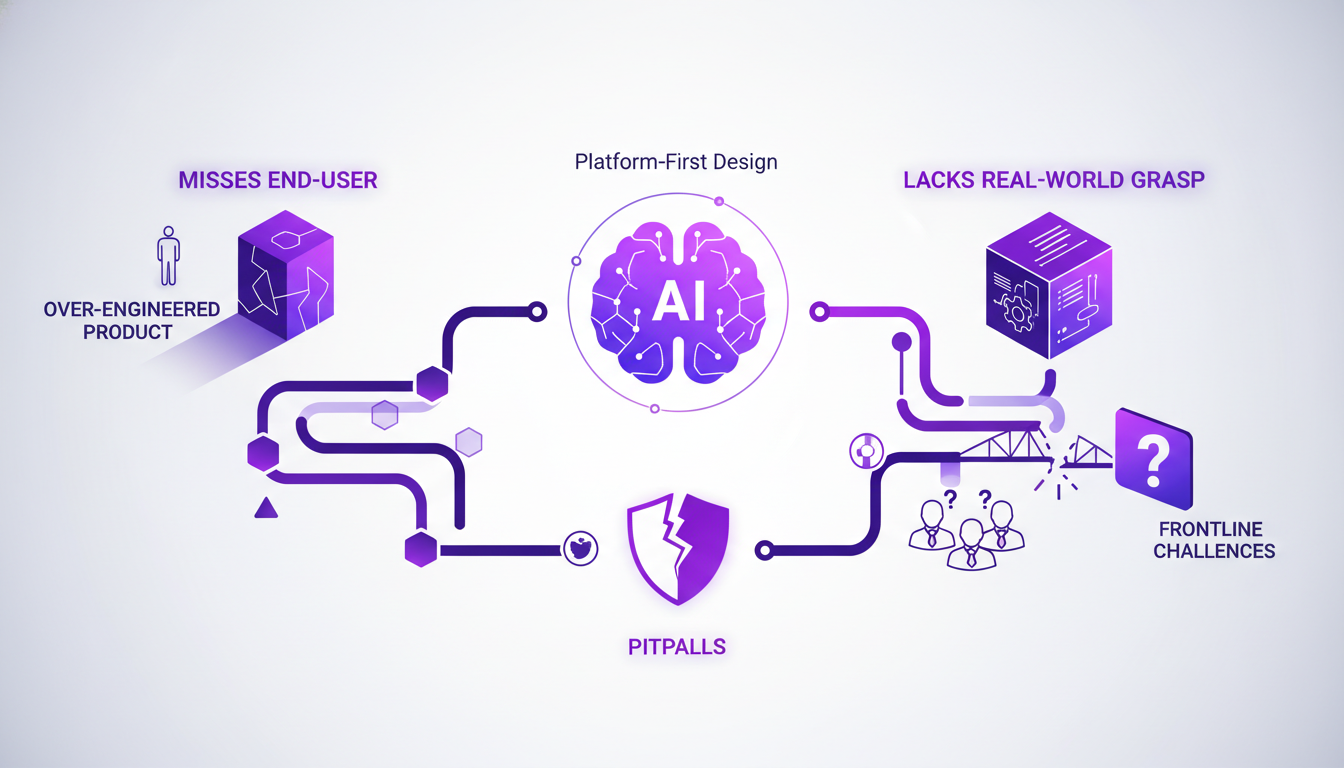
Now, let's dive into a common problem: platform-first design often misses the end-user perspective. I've seen cases where, in the excitement of building "for themselves," platform teams end up over-engineering products. These products are often bloated with unnecessary features that add nothing to end-users.
The reality is that platform teams can sometimes be disconnected from the day-to-day challenges frontline engineers face. This creates a gap between what's built and what's truly needed. So, balancing platform team needs with engineer usability is crucial.
- Platform-first design can ignore end-user needs.
- Over-engineering leads to bloated, inefficient products.
- Platform teams must understand engineers' challenges.
- Balancing team needs with usability is key.
The Role of Feedback in Platform Development
Moving on to the critical role of feedback. I can't stress this enough: feedback loops are essential for a responsive platform. Without feedback, you risk building in a vacuum, not knowing if you're truly meeting user needs.
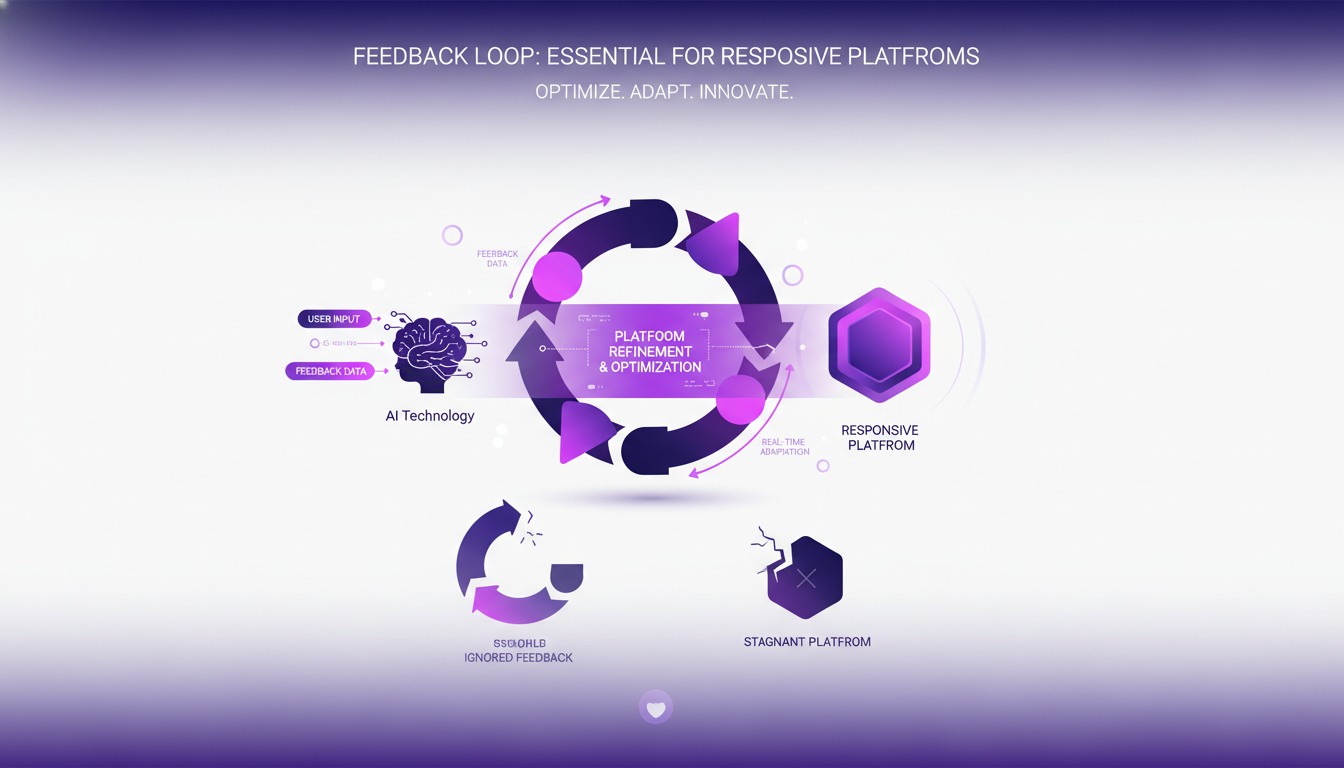
Receiving real-time feedback allows you to refine and optimize platform features. But watch out, ignoring feedback can lead to stagnation or misaligned platforms. I set up structured feedback channels to improve communication and facilitate iteration.
- Feedback loops are key for a responsive platform.
- Real-time feedback optimizes features.
- Ignoring feedback can lead to stagnation.
- Structured feedback channels enhance communication.
Effective Communication Between Engineers and Platform Teams
Open dialogue is the bridge between needs and execution. Without it, you quickly fall into the trap of misaligned priorities. I regularly organize syncs to align platform capabilities with engineer needs. Tools and processes that facilitate clear communication are crucial.
- Open dialogue bridges the gap between needs and execution.
- Regular syncs align capabilities with needs.
- Tools that facilitate communication are key.
- Poor communication leads to misaligned priorities.
How Feedback Shapes Product Roadmaps
Finally, feedback is a cornerstone of strategic decisions in platform development. It helps prioritize features that deliver the most value. For me, a product roadmap must be flexible to accommodate feedback. A feedback-driven roadmap aligns platform evolution with user needs.
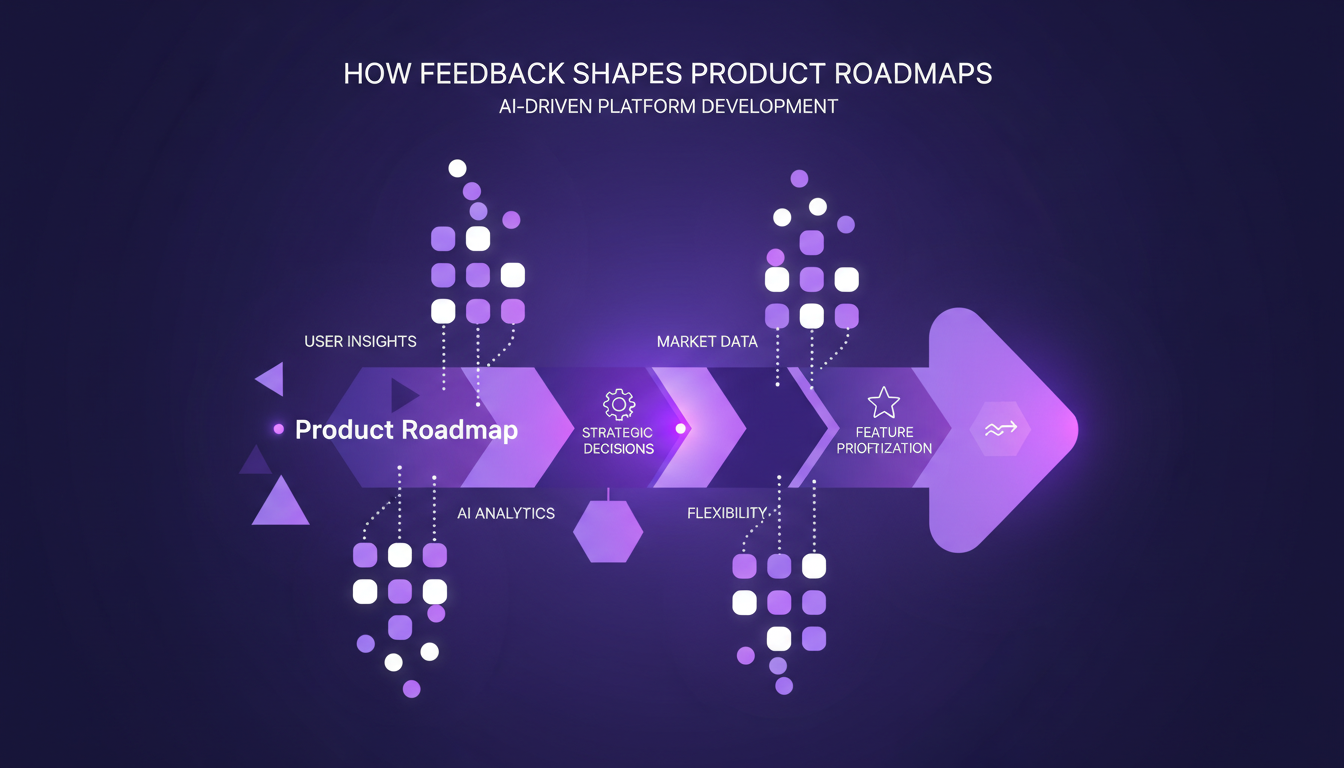
- Feedback informs strategic development decisions.
- It helps prioritize the most valuable features.
- Roadmaps must be flexible to incorporate feedback.
- A feedback-driven roadmap aligns evolution with needs.
For more on the strategic importance of platform engineering, check out this article.
Building platforms with software engineers in mind isn't optional anymore—it's crucial. I've been in the trenches and seen what happens when platforms miss the mark. Here are my concrete takeaways:
- Communicate clearly and often: It seems basic, but it's the linchpin of turning engineer needs into practical platform features.
- Create a robust feedback loop: Without it, you're flying blind. A good platform has to evolve based on real user input.
- Focus on engineers, not platform teams: If the platform isn't built for those who actually build and use it, it will fail.
Looking ahead: If we don't align our efforts with the real users, we're missing the point. A platform that truly supports developer workflows is a real game changer.
Action: Take a hard look at your current platform strategy. Is it serving the right audience? If not, it's time to pivot. For a deeper dive, watch the original video. It's a must-watch for anyone serious about building better.
Frequently Asked Questions

Thibault Le Balier
Co-fondateur & CTO
Coming from the tech startup ecosystem, Thibault has developed expertise in AI solution architecture that he now puts at the service of large companies (Atos, BNP Paribas, beta.gouv). He works on two axes: mastering AI deployments (local LLMs, MCP security) and optimizing inference costs (offloading, compression, token management).
Related Articles
Discover more articles on similar topics
AI Agents: Requesting Feedback Efficiently
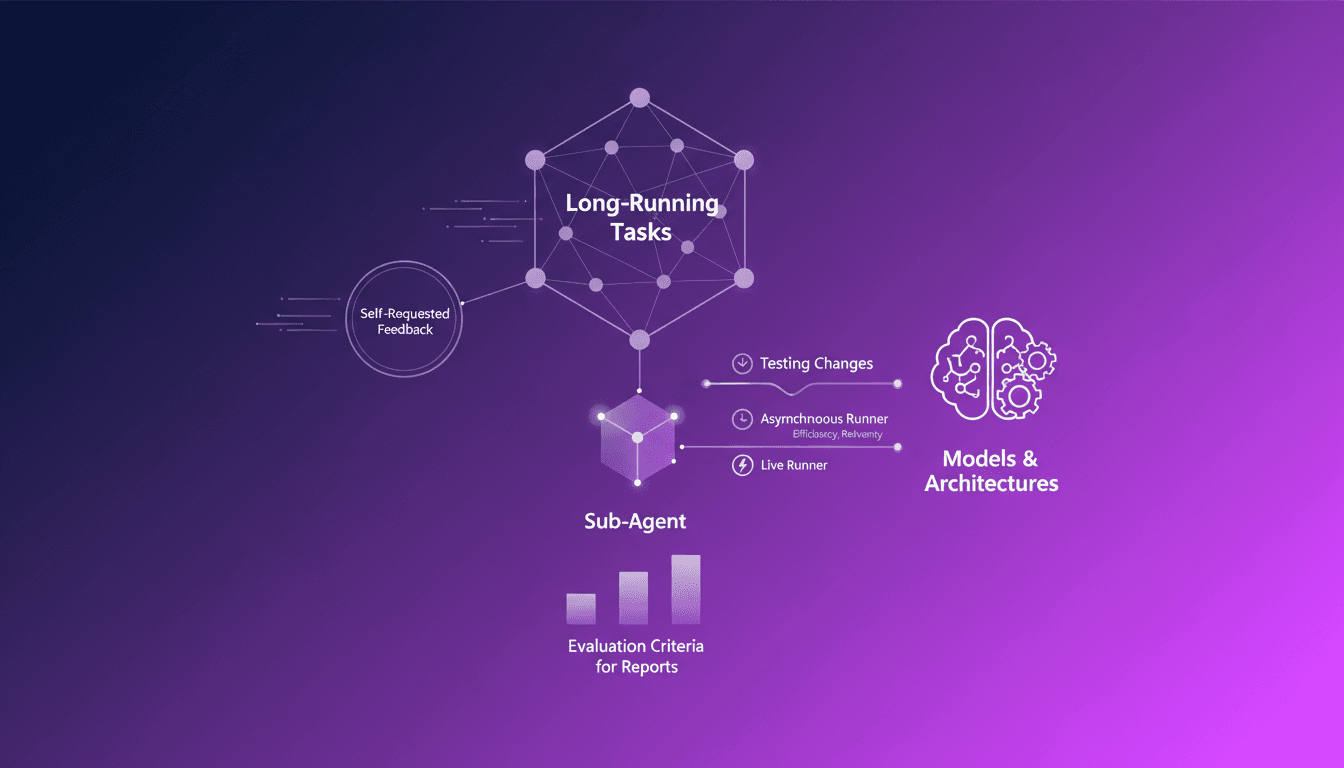
Ever been stuck in a loop of endless tasks, unsure if you're heading in the right direction? I have, and that's where AI agents asking for feedback come into play. In this podcast, I'll walk you through how I orchestrate this process. In the AI world, long-running tasks can be a nightmare without proper feedback mechanisms. Sub-agents really shine here, autonomously requesting feedback, making the process efficient and less error-prone. We'll dive into self-requested feedback for long-running tasks, the role of sub-agents in the feedback process, evaluation criteria for reports, and how I use asynchronous and live runners to test changes in models and architectures.
Cross-App Access: Streamlining MCP with XAA
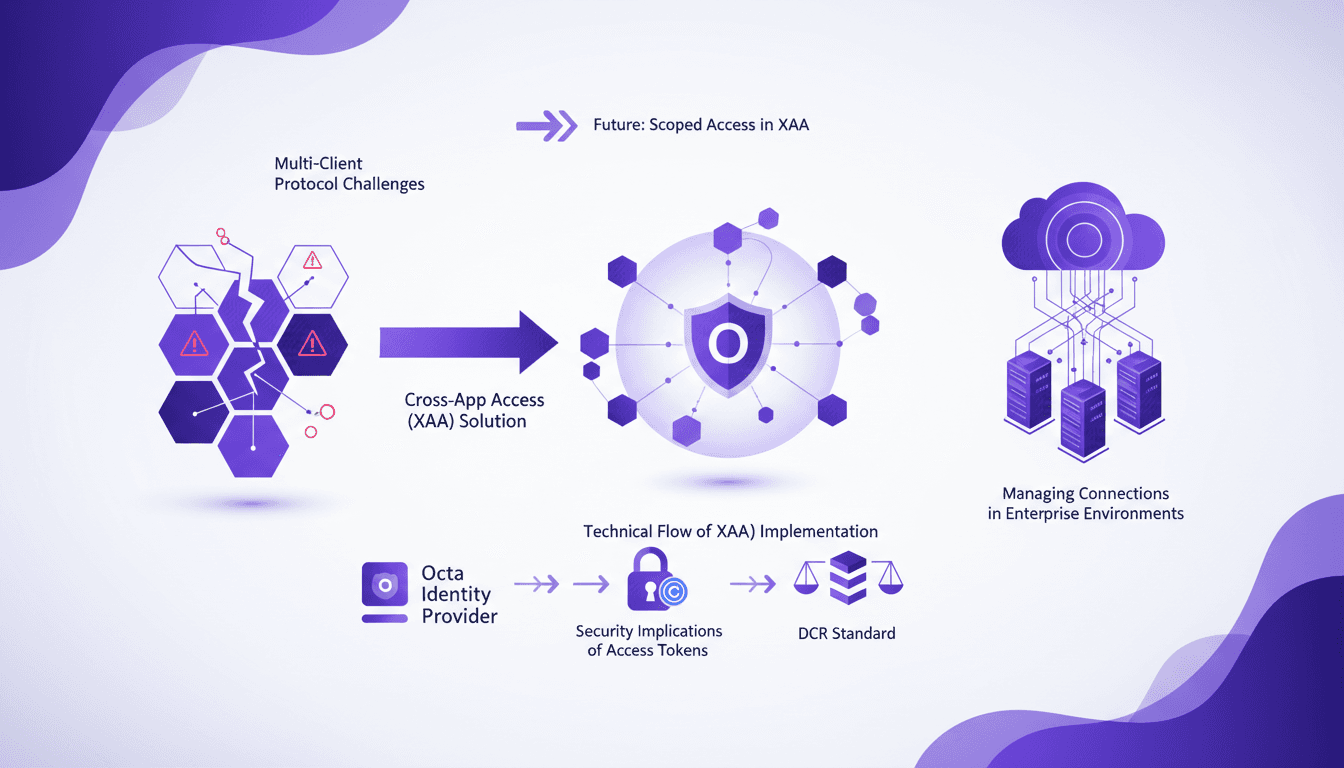
I've been deep in the trenches of enterprise developer platforms for almost 15 years, and trust me, managing Multi-Client Protocol (MCP) is no walk in the park. But there's a way to smooth things out: Cross-App Access (XAA). In this article, I dive into how I tackled these challenges head-on. MCP presents unique challenges, especially in complex enterprise environments. Leveraging identity providers like Octa, XAA simplifies managing cross-app access. We'll explore the implementation of XAA, the security implications of access tokens, and how CIMD and DCR standards compare. Get ready to rethink how you manage connections in enterprise environments.
AI Automation: Challenges and Practical Solutions
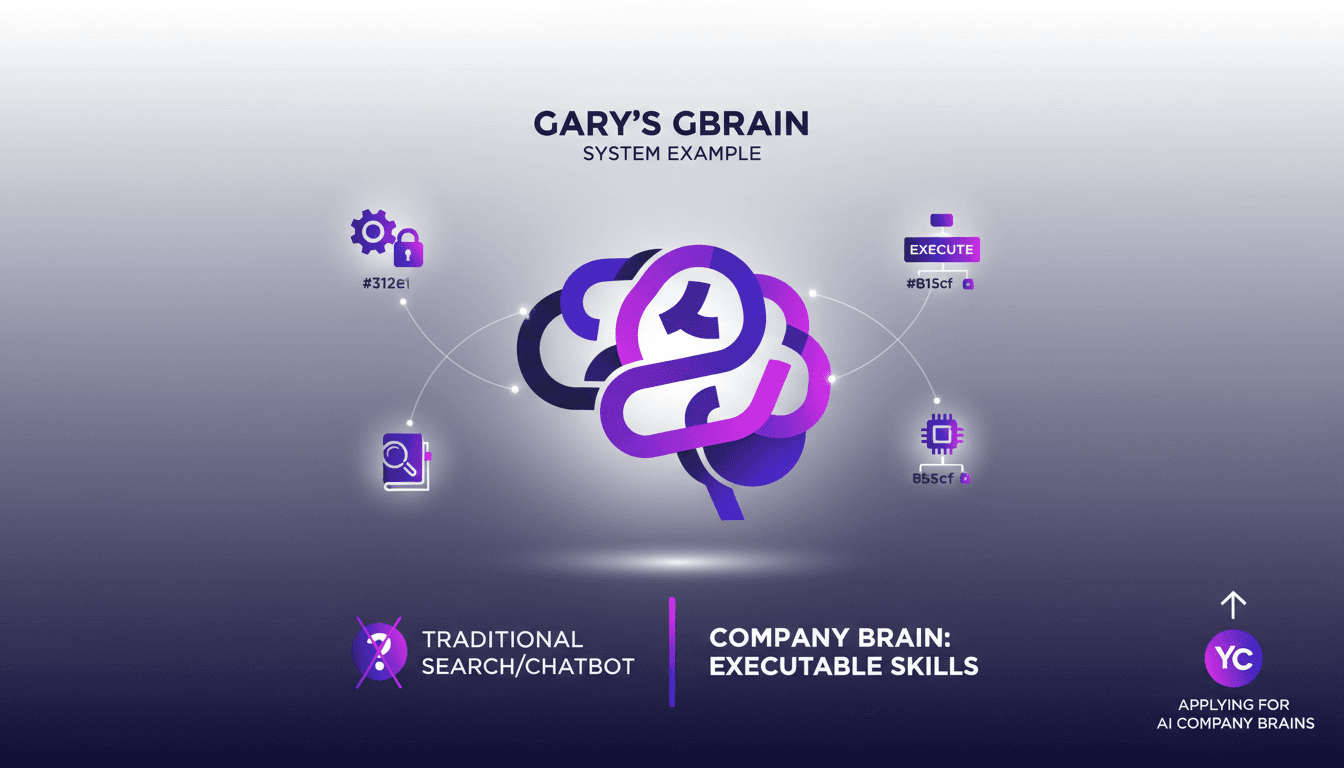
I vividly remember my first attempt at implementing AI automation in my company—what a mess! But once I grasped the importance of domain knowledge and the 'company brain' concept, things started to make sense. In this article, I share how I tackled these challenges using Gary's GBrain as an example. Too often, companies hit a wall with AI because they overlook the real key: domain knowledge. I'll walk you through how I built a company brain and why every business should have one today.
Tech Sovereignty: Rebuilding France's Stack
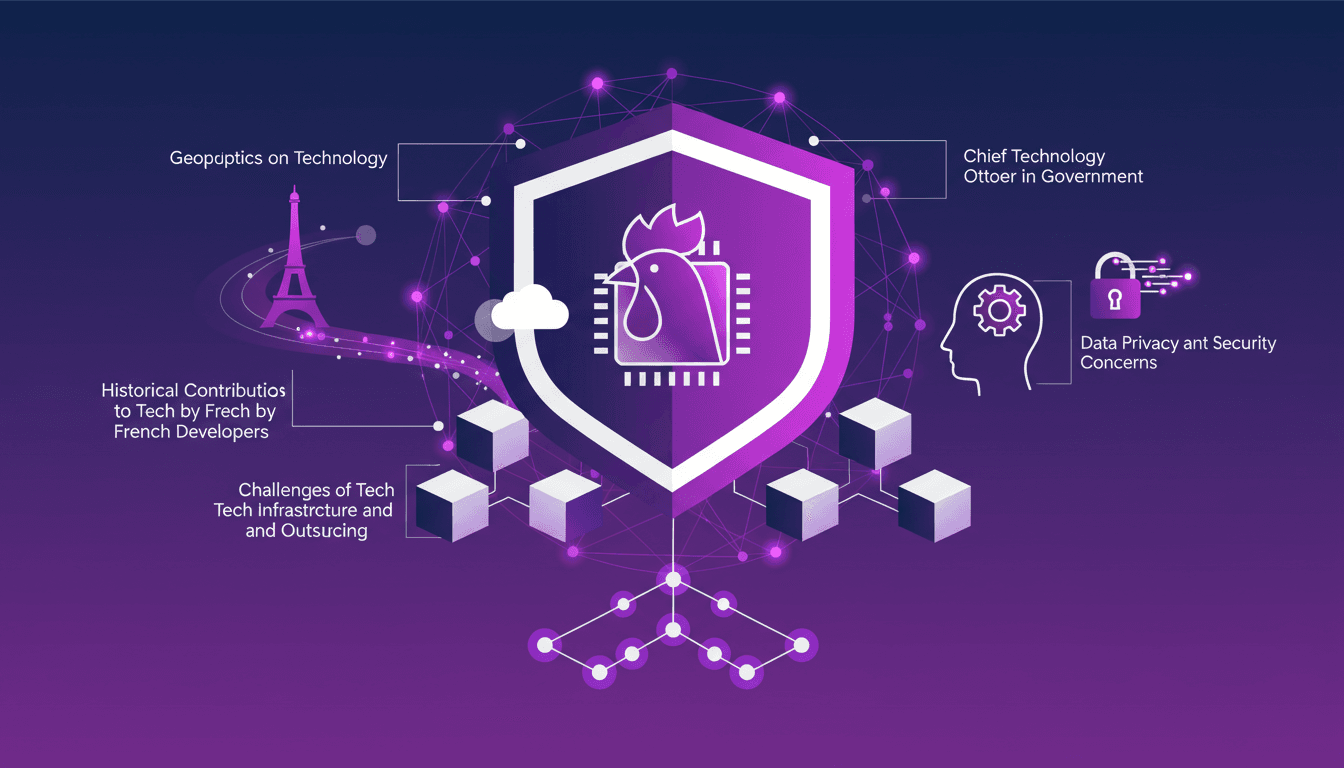
I remember the moment I realized tech sovereignty wasn't just a buzzword. It was when I tried to navigate the maze of outsourced infrastructure and felt the limitations firsthand. France, with its rich history in tech, needs to reclaim its stack. In an age where technology dictates geopolitical power, France stands at a crossroads. With historical contributions to tech and a pressing need for resilient infrastructure, it's time to explore the role of leadership and the future of a decentralized, secure web. Let's dive into why and how we rebuild our stack.
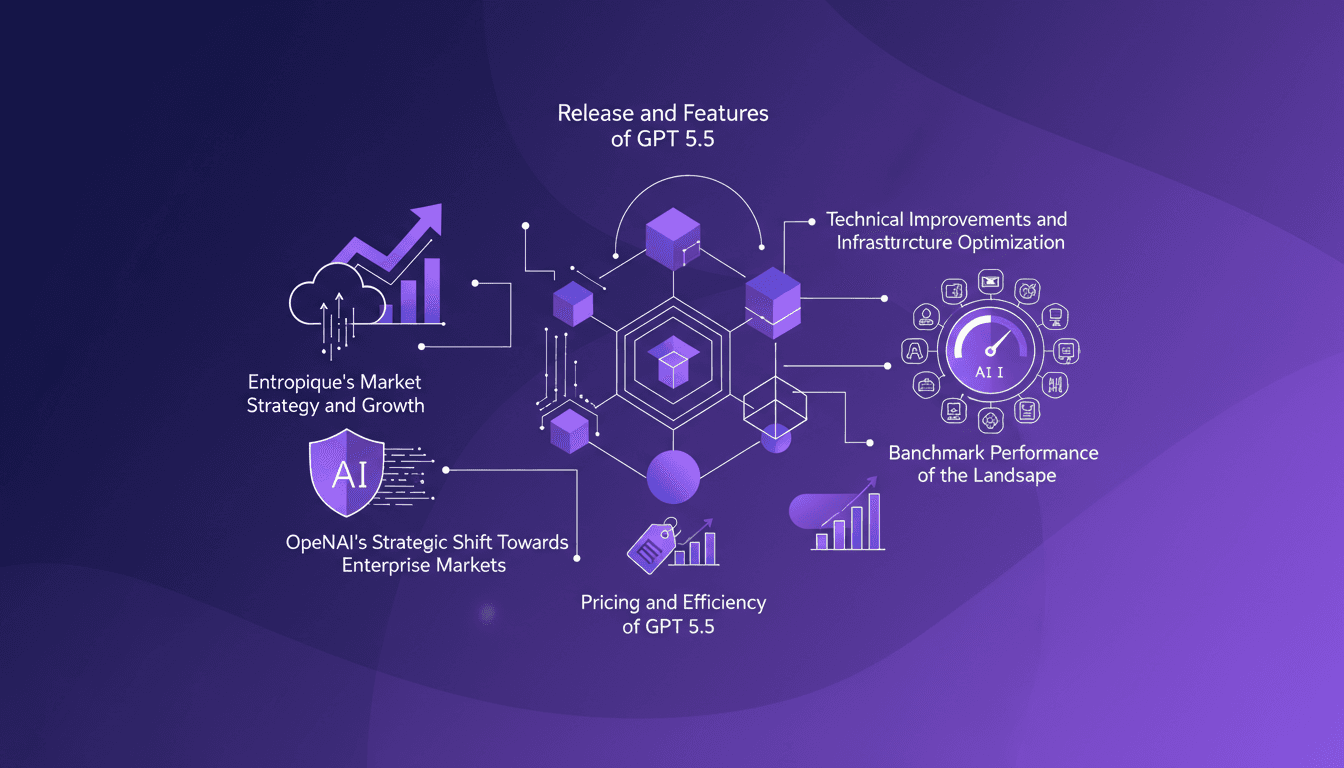
GPT 5.5: Token Speed and Enterprise Strategy
I dove into GPT 5.5 the moment it dropped, and let me tell you, the 20% token speed boost isn't just a number—it's a game changer for real-time applications. But there's more under the hood than just speed. Released on April 23, 2026, this model marks a rapid evolution in OpenAI's offerings. This isn't just about new features; it's a strategic pivot towards enterprise solutions, optimizing infrastructure, and redefining efficiency. We'll explore the release of GPT 5.5, Entropique's market strategy, the impact of Cloud Code on the coding landscape, and how OpenAI is reshaping its approach to conquer the enterprise markets.