Mastering Product Engineering: Key Strategies
I still remember the first time I had to whiteboard an agent's functionality—super hard, not gonna lie. But that's where the magic of engineering happens: adapting, iterating, and owning the process end-to-end. At Lambs, we distinguish between large-scale system engineers and product engineers. Today, let's dive into the world of product engineers and see why their full ownership is a game changer. We'll discuss the two types of engineers, the challenges of whiteboarding, and the importance of adaptation and iteration in engineering.
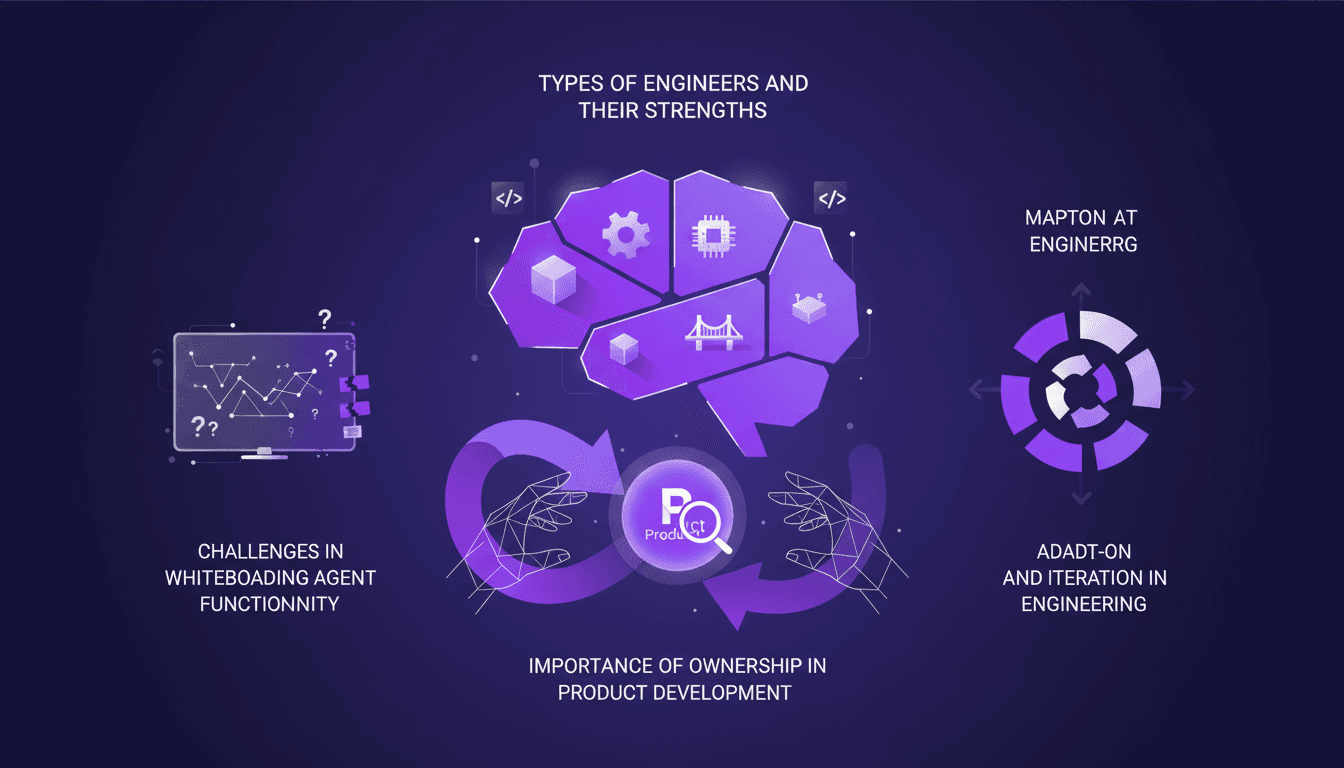
I remember the first time I had to whiteboard an agent's functionality—super hard, not gonna lie. But that's where the magic happens in engineering. It's all about adapting, iterating, and owning the process from start to finish. At Lambs, we distinguish between large-scale system engineers and product engineers. Each has its strengths, sure, but today, let's dive into what makes product engineers tick. Why is their end-to-end ownership a game changer? First, we'll explore the types of engineers and their strengths. Then, we'll see why product development deserves a full ownership approach. Finally, I'll share the challenges that have burned me, like whiteboarding an agent that really tested me. So, buckle up, we're going to unpack all this together—no corporate fluff, just real talk and experience.
Types of Engineers: Large-Scale vs. Product
In engineering, two main types of engineers bring distinct strengths to the ecosystem. On one side, we have engineers specializing in large-scale systems. They excel at building robust infrastructures capable of handling millions of users and massive data quantities. On the other hand, product engineers stand out for their ability to understand customer needs and iterate quickly on product features.
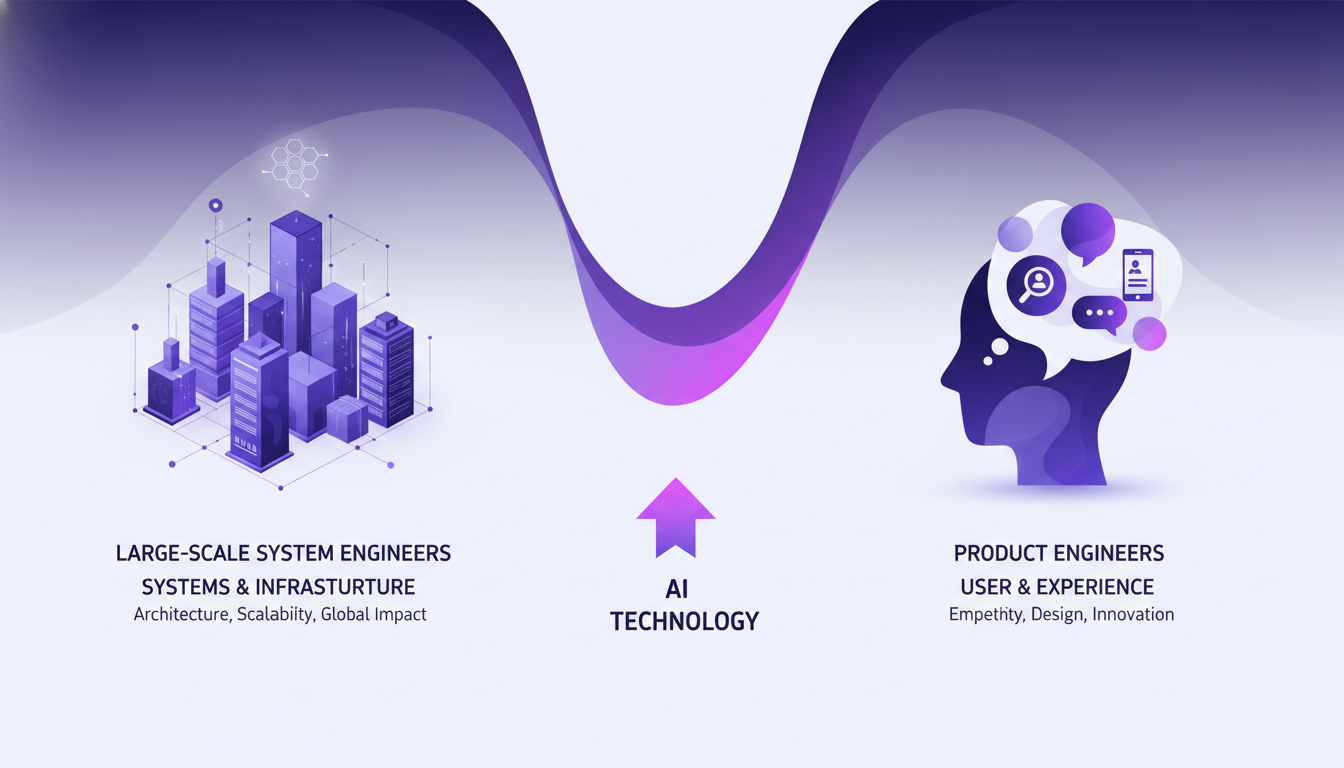
Product engineers are crucial for end-to-end development as they integrate direct customer feedback into the development process. They often possess a product sense, a keen understanding of user expectations, which is essential for rapid and effective iterations. They are the architects of seamless user experiences, while their large-scale system counterparts lay the necessary foundations to support these experiences.
"Engineers are categorized into two types based on their strengths: building large-scale systems and having a good product sense."
The Role of Product Engineers in Customer Understanding
The strength of product engineers lies in their ability to connect directly with customer needs. Unlike system engineers who focus on infrastructure, product engineers dive into the user experience. For example, in a recent intervention, I witnessed how a product engineer transformed a feature by simply listening to user feedback. In just a few iteration cycles, customer satisfaction spiked by 20%.
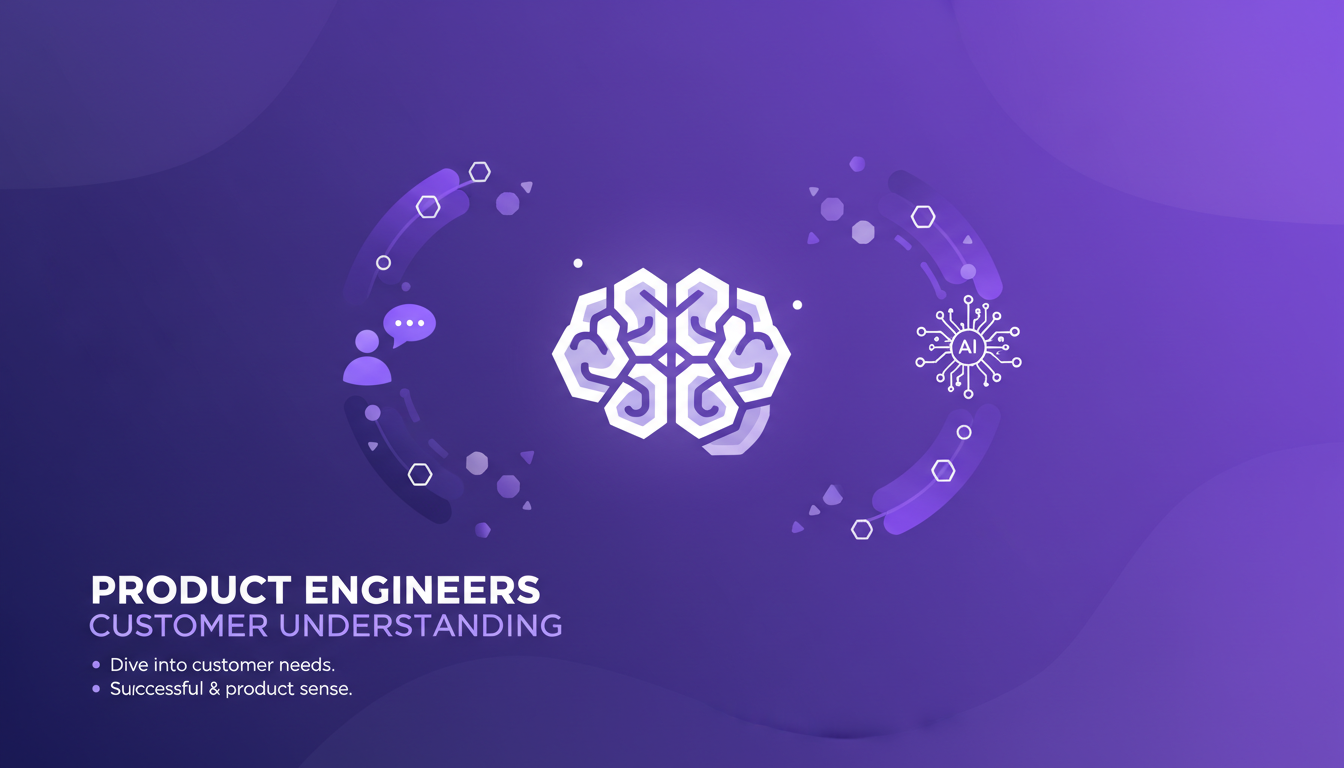
Empathy and product sense are essential. Without them, iterations can lack direction and relevance. Product engineers evaluate, communicate, and analyze system performance themselves, ensuring a short and responsive feedback loop. And watch out, never underestimate the impact of customer feedback on your product iterations.
- Importance of empathy in product engineering
- Impact of customer feedback on improvements
- Necessity of a rapid feedback loop
End-to-End Ownership: From Concept to Completion
End-to-end ownership is a key concept in product development. It means the engineer is responsible for every step, from the initial concept to final delivery. This includes not only development but also the continuous evaluation of the product. I've seen projects fail for lack of this approach, as teams lost sight of the overall goal.
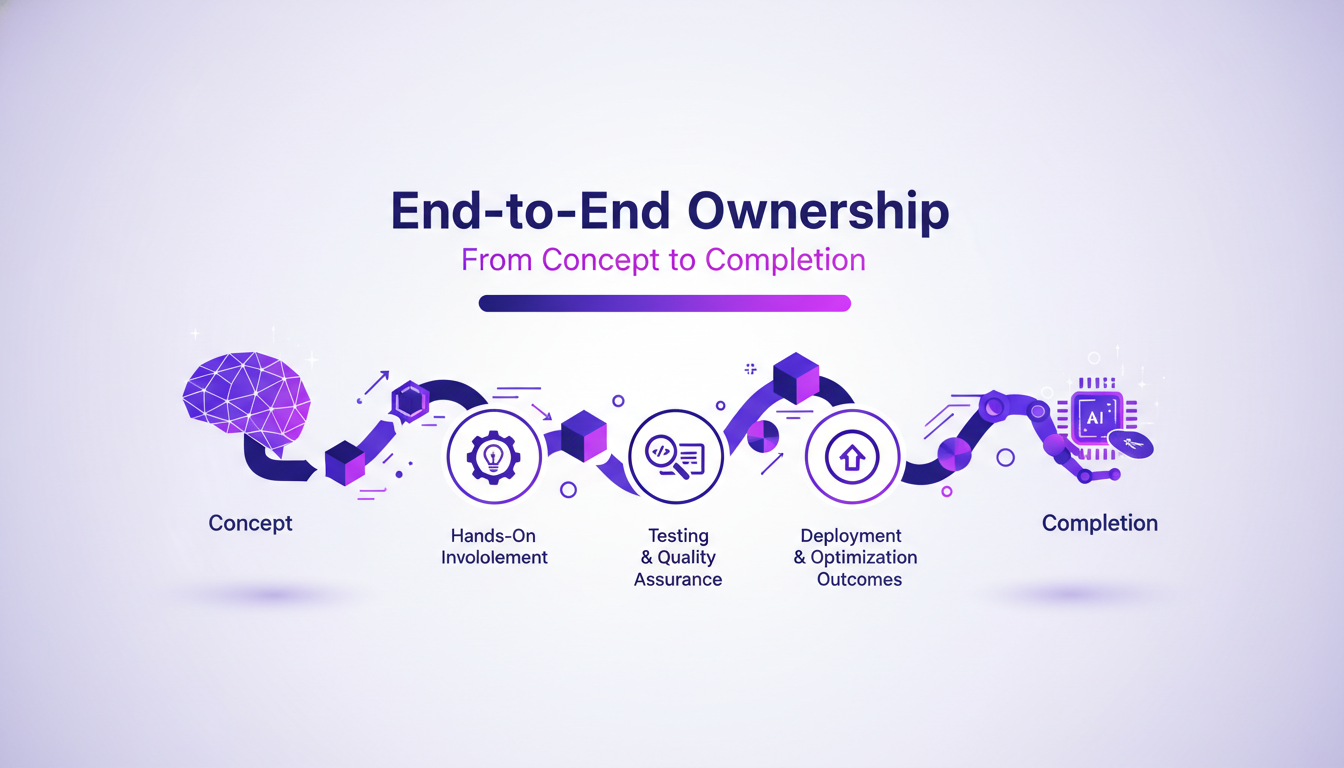
Being hands-on at every step ensures that the final product meets the initial expectations. But watch out, it's easy to lose sight of the goal if you get bogged down in insignificant technical details. It's crucial to stay focused on the added value for the end-user.
- Benefits of end-to-end ownership
- Importance of practical involvement
- Risks of getting lost in technical details
Challenges in Whiteboarding and Adaptation
Whiteboarding is the art of laying out a problem on a whiteboard to dissect and solve it. But watch out, it's often harder than it sounds. I've seen engineers get tangled up in unnecessary details without ever hitting the core of the problem. The key is to remain flexible and not hesitate to erase and start over.
To overcome these challenges, it's essential to accept that adaptation and iteration are indispensable. For instance, during a whiteboarding session for an AI agent, I had to adapt several times, shifting perspectives to find the best approach. This led to a design that improved performance by 15%.
- Strategies for effective whiteboarding
- Importance of adaptation and iteration
- Examples of successful sessions
Adaptation and Iteration: Keys to Engineering Success
Adapting and iterating are the mantras of any respectable product engineer. In a world where technologies and expectations constantly evolve, it's vital not to rest on one's laurels. For example, through iteration, we've been able to reduce our code from 12K to 200 LoC, greatly simplifying our application, as described in this article.
Tools like the Post Hog Wizard are invaluable for improving agent efficiency. However, one must find a balance between innovation and pragmatism. Too many iterations can lead to analysis paralysis.
- Need to adapt to new information
- Improvement of product quality through iteration
- Tools and techniques for effective iteration
- Balance between innovation and pragmatism
In product engineering, it's more than just building. It's about understanding, adapting, and owning every part of the process. I've seen this in action: when you step back and immerse yourself in the product, the results transform. Here's what I've learned:
- The two types of engineers each have their unique strengths: one excels in planning, the other in rapid iteration.
- Whiteboarding an agent's functionality is super hard, but that's where you refine your product understanding.
- End-to-end ownership is a true game changer: when you're involved from A to Z, you connect better with both the product and the customer.
With these takeaways in mind, I'm ready to rethink my approach to product engineering. How about you? I suggest watching the full video for deeper insights and some pro tips. It's right here: https://www.youtube.com/watch?v=4TJ3AF5UZJM
Frequently Asked Questions

Thibault Le Balier
Co-fondateur & CTO
Coming from the tech startup ecosystem, Thibault has developed expertise in AI solution architecture that he now puts at the service of large companies (Atos, BNP Paribas, beta.gouv). He works on two axes: mastering AI deployments (local LLMs, MCP security) and optimizing inference costs (offloading, compression, token management).
Related Articles
Discover more articles on similar topics
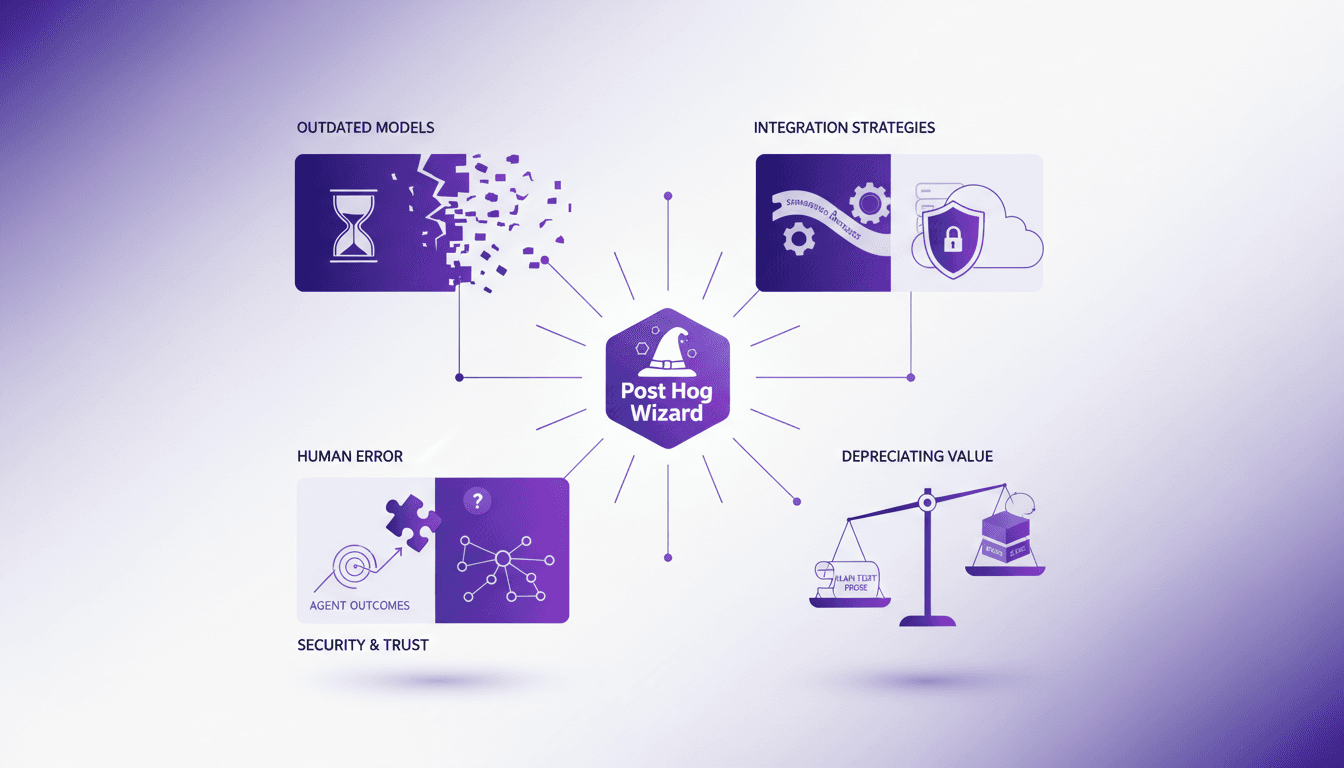
Post Hog Wizard: Boosting Agent Efficiency
I still remember the first time I fired up Post Hog Wizard—15,000 users every month can’t be wrong. It’s a game changer, but like any tool, it comes with its quirks. Between model rot and human error, I’ve learned to keep my integrations smooth and efficient. I connect, I orchestrate, and I ensure the data stays relevant. In this talk, I’ll dive into how I tackle these challenges head-on, maximizing agent efficiency and preventing code from becoming obsolete.
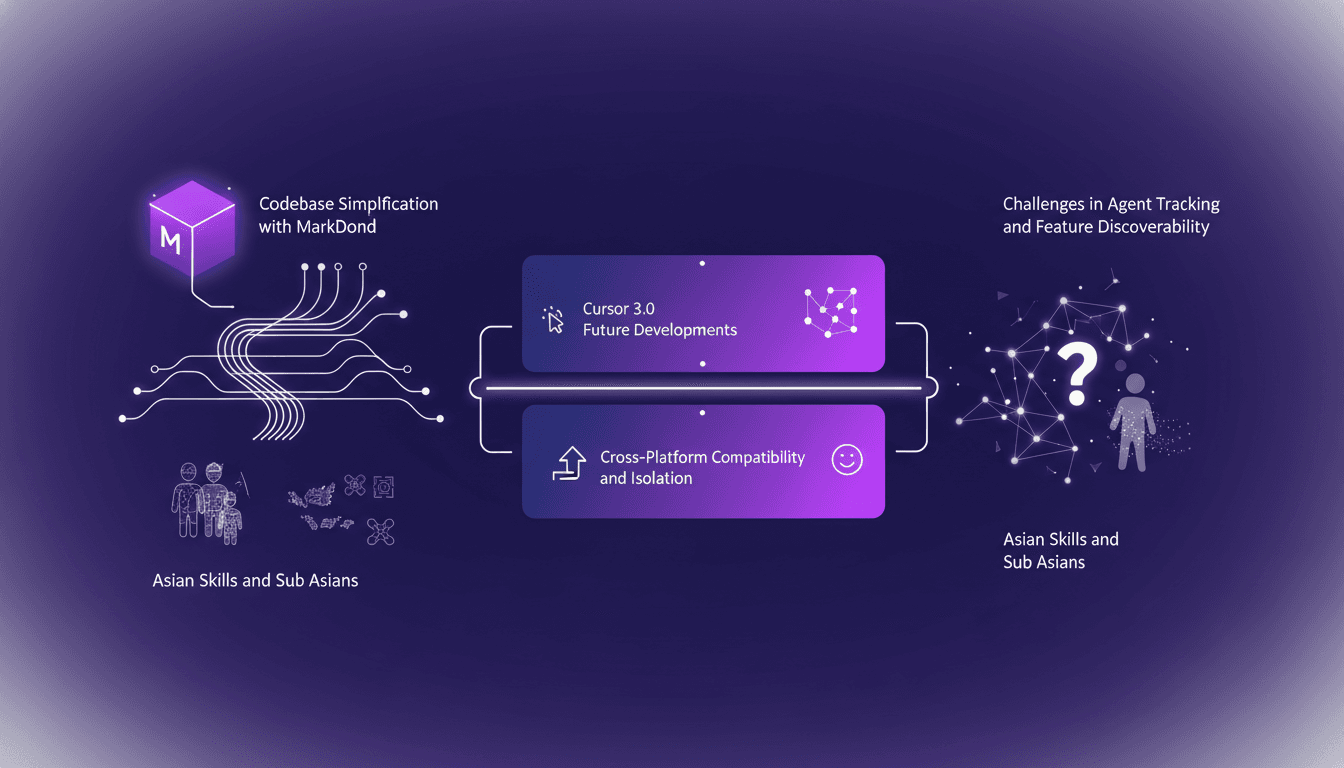
Code Simplification: 12K to 200 LoC with Markdown
I was staring at a 12,000 line codebase, knowing there had to be a better way. That's when I decided to strip it down to just 200 lines using Markdown. This wasn't just a cleanup—it was a revelation. In software development, efficiency isn't just a goal—it's a necessity. By leveraging tools like Git Word Trees and embracing cross-platform strategies, we can dramatically simplify our codebases while enhancing functionality. In this talk, I delve into how I implemented Asian Skills and Sub Asians, optimized cross-platform compatibility, and tackled challenges in agent tracking and feature discoverability. Discover how Cursor 3.0 is pushing boundaries and setting the stage for the future of development.
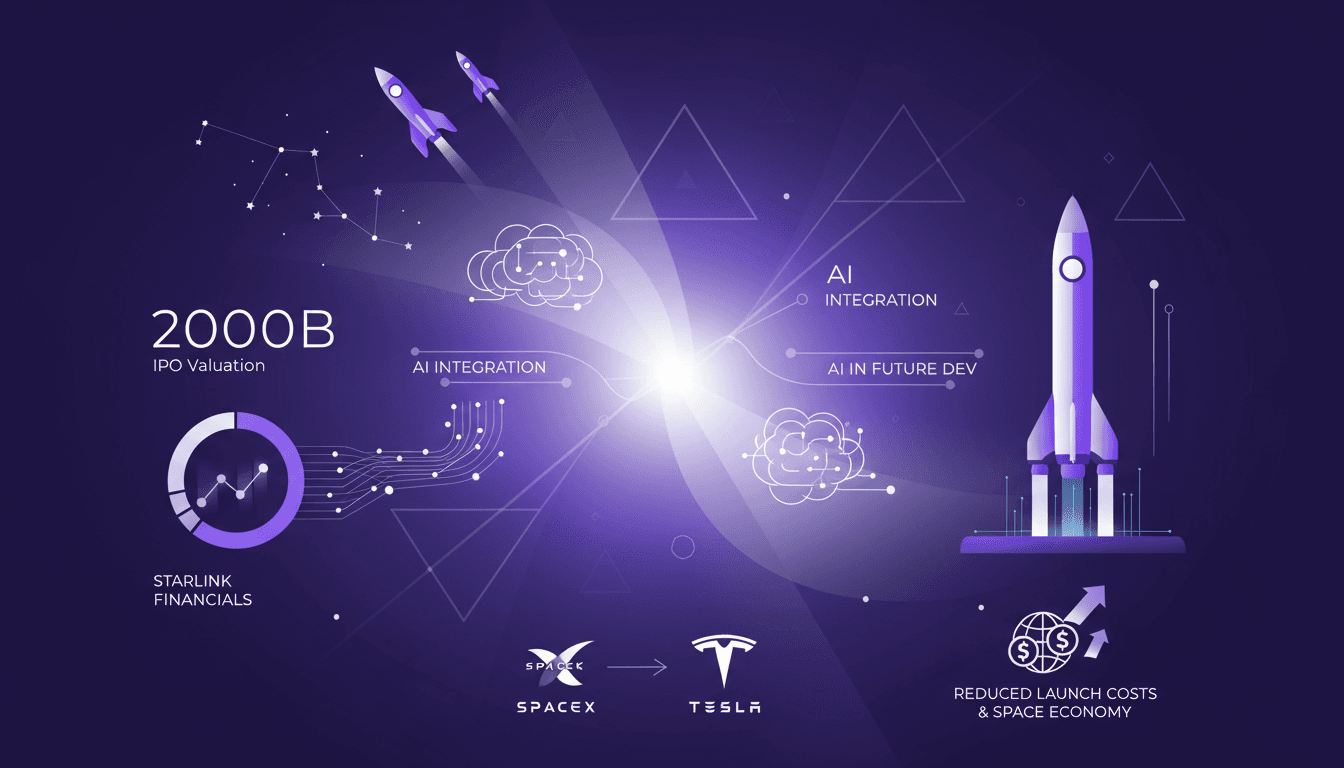
SpaceX's $2000B IPO: Revolutionizing Space
I've been in the aerospace game for years, and watching SpaceX's trajectory is like witnessing the Wright brothers all over again. This isn't just another company IPO—it's a $2000 billion leap into the future of space economy. SpaceX is not just pushing boundaries; it's redefining them. From Starlink's market influence to Starship's groundbreaking potential, and the integration of AI, SpaceX is crafting a new era in space exploration and economic opportunity. The $2000 billion IPO valuation, Starlink's financial performance, the future of space travel, and the potential merger with Tesla outline a future where a multi-trillion dollar space economy becomes reality.
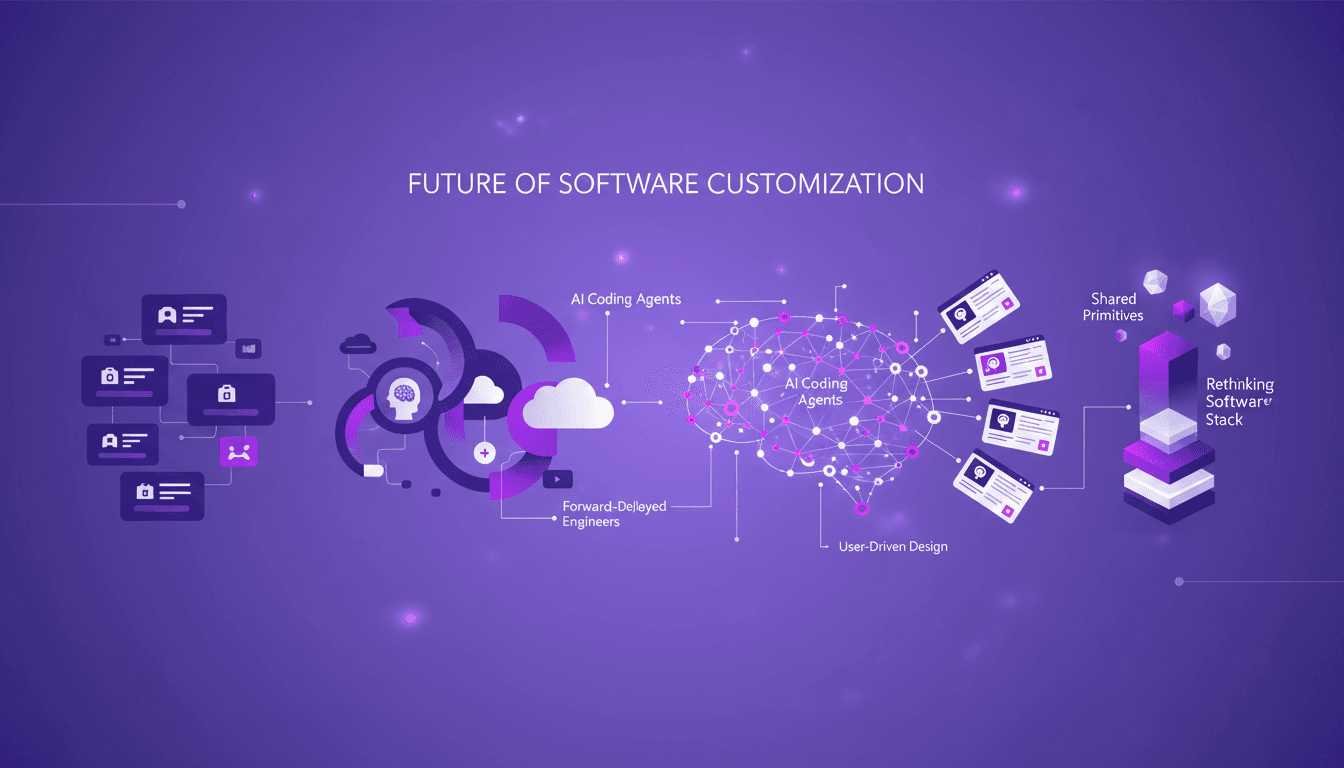
Dynamic Software Interfaces Evolution
I've watched software interfaces evolve from static to dynamic, and it's a game changer. As a forward-deployed engineer, I've seen firsthand how personalization is redefining our approach to software. We're moving beyond one-size-fits-all solutions. We're crafting interfaces that adapt to each user through coding agents and a reimagined delivery stack. It's a pivotal moment for the industry, but watch out for the pitfalls: you need precise orchestration and to avoid over-customization that can confuse users. Don't get stuck in old habits, it's time to embrace a more flexible, user-centric approach. Join me as we explore how these transformations are reshaping our daily work as developers.
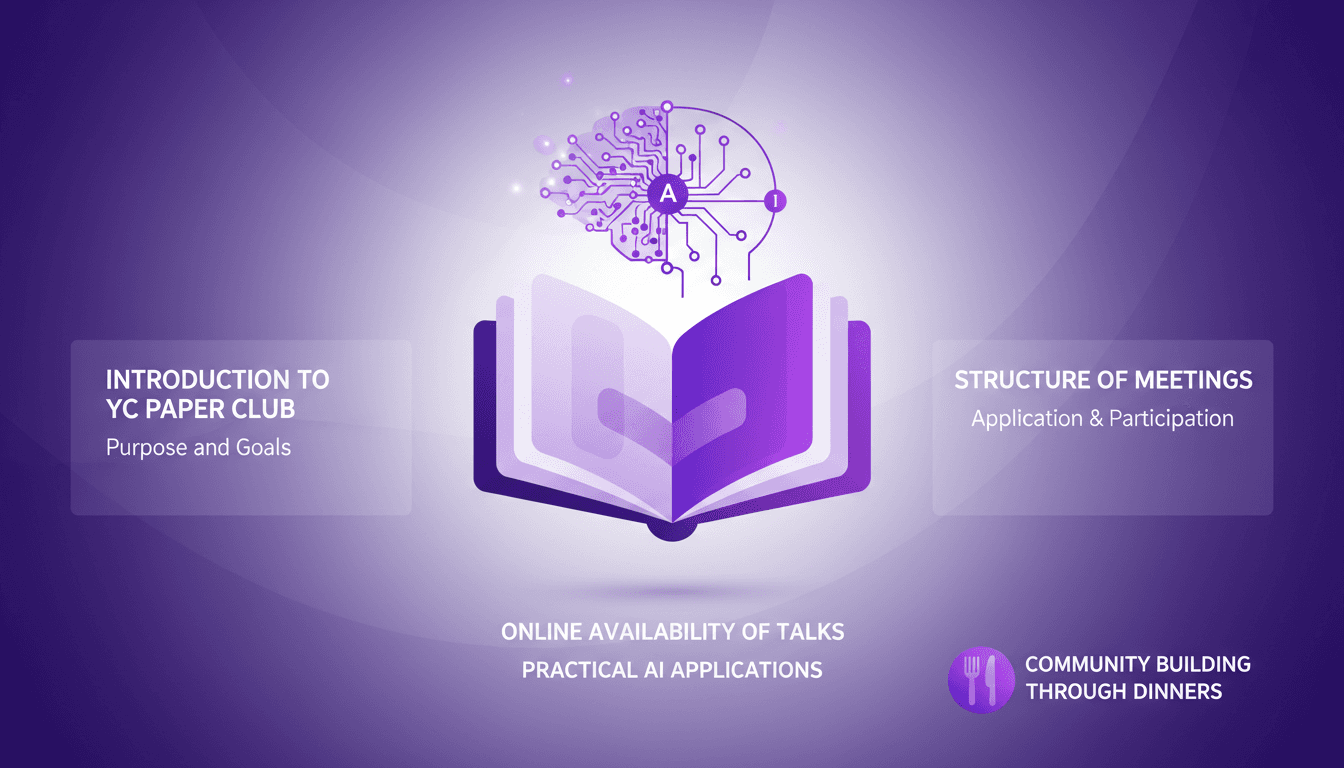
YC Paper Club: Goals and Structure
I joined YC Paper Club last year, and honestly, it's been a game changer for how I understand AI research. Picture a group where we dive deep into AI research papers and discuss practical applications. This isn't just another AI meetup. If you're serious about AI, this is where you need to be. The club keeps it under 100 people, so you really get to build strong connections (and the dinners help). Talks are available online, making it accessible to everyone. But be warned, it's intense — be ready to dig deep into the material and share your insights. It's a space where we build, not just observe.