YC Paper Club: Goals and Structure
I joined YC Paper Club last year, and honestly, it's been a game changer for how I understand AI research. Picture a group where we dive deep into AI research papers and discuss practical applications. This isn't just another AI meetup. If you're serious about AI, this is where you need to be. The club keeps it under 100 people, so you really get to build strong connections (and the dinners help). Talks are available online, making it accessible to everyone. But be warned, it's intense — be ready to dig deep into the material and share your insights. It's a space where we build, not just observe.
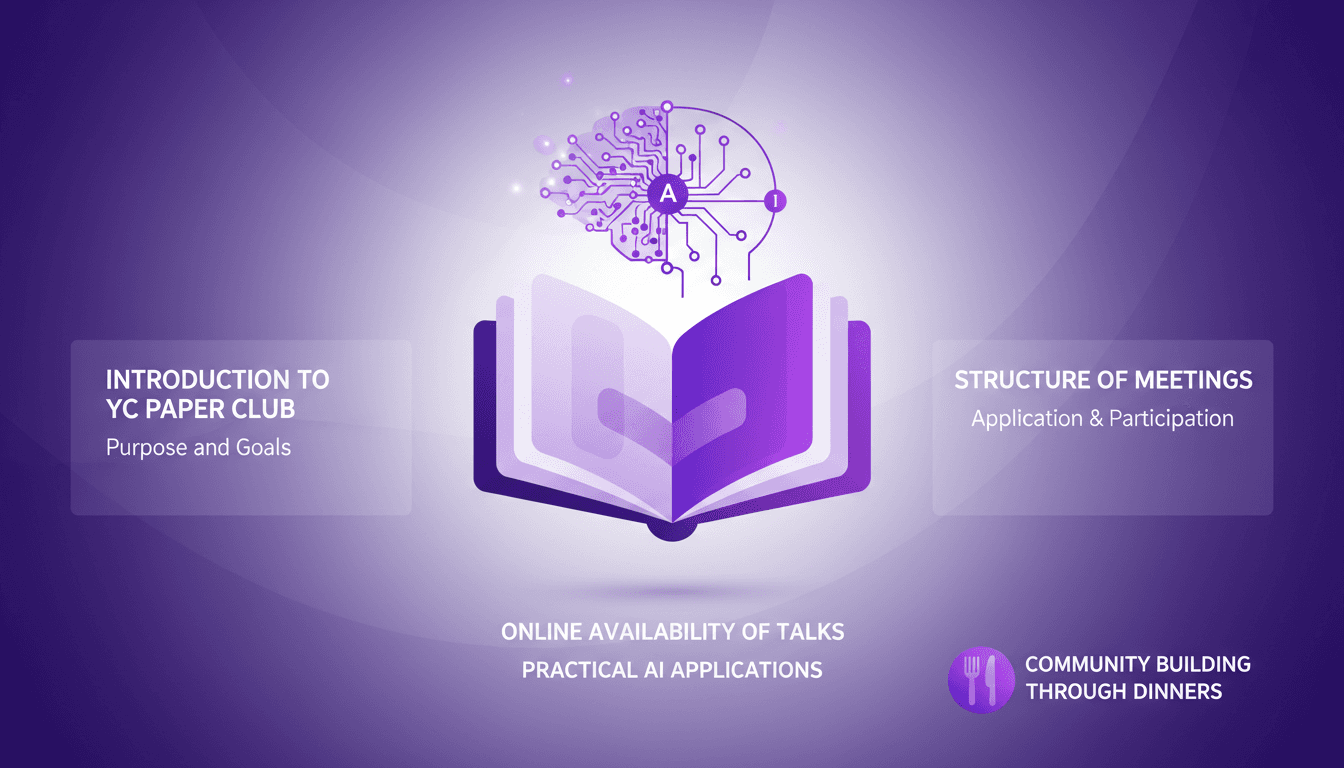
Last year, I joined the YC Paper Club, and it has been a literal turning point in how I approach AI research. This club isn't just another meetup where we vaguely talk about AI. No, here, we tear apart research papers and discuss real-world applications. We're meeting on May 20th, and with fewer than 100 people, you really get to build strong connections. I'm diving into the meeting structure, discussions, and even those dinners that tighten the community bond. And for those who can't be there physically, the talks are online. But beware, it's not for the faint-hearted — you need to be ready to engage and actively contribute. For me, it has transformed my day-to-day AI practice, and I believe it can do the same for you.
Introduction to YC Paper Club
Even as a current PhD student, I often find myself struggling to keep up with the latest in AI. That's where the YC Paper Club comes in—a community designed to bridge that gap. It's a space for researchers, engineers, and founders who want to stay at the cutting edge of AI by discussing new research papers. Unlike other AI communities focused on theoretical debates, here we emphasize practical applications. This makes a world of difference. Most groups dwell in theory, but here, it's about the tangible, the real-world impact.
"We're specifically looking for builders who read papers and researchers interested in how things break in production."
The YC Paper Club is also unique with its small group meeting format, fostering deeper and more meaningful exchanges. No more getting lost in the crowds of large, impersonal conferences.
Purpose and Goals of the Club
The aim of the YC Paper Club is clear: to bridge AI research with practical applications. We don't just want to talk; we want to build, test, iterate. "Off the record" discussions are encouraged to allow for more candid and less formal exchanges. We all know it's often in these informal settings that the best ideas emerge.
Our long-term vision? To foster a community of AI practitioners, a kind of idea incubator where everyone can contribute. We don't want to be mere spectators, but active participants in this technological revolution.
- Create a bridge between theory and practice
- Encourage "off the record" discussions for deeper insights
- Expand the network of AI practitioners
Structure of Meetings and Discussions
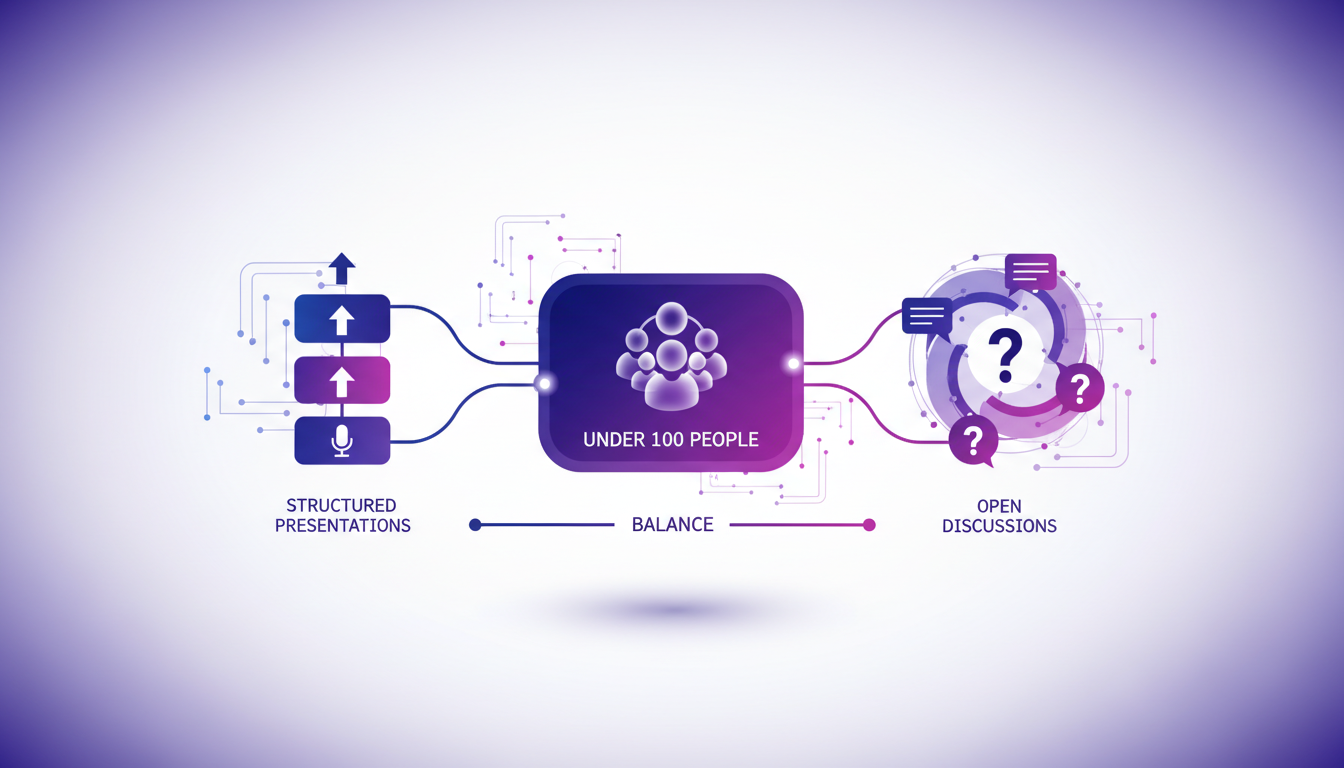
Meetings at the YC Paper Club are designed to be intimate and productive. By keeping the group under 100 participants, we ensure that each voice is heard. First, a structured presentation of research papers, followed by open discussions. It's about finding the balance between structure and flexibility, like orchestrating a symphony without a fixed score.
Imagine a meeting where every participant can genuinely engage, ask questions, challenge assumptions. That's the YC Paper Club. Here, anonymity has no place; every voice counts, and every idea is scrutinized.
- Structured presentation format followed by open discussions
- Group under 100 people to encourage interaction
- Balance between structure and flexibility
Application and Participation Details
Participating in the YC Paper Club means committing to actively contribute. The selection process is rigorous but transparent. We're looking for people ready to invest and share their experiences. The first meeting is set for May 20th, and believe me, you don't want to miss it.
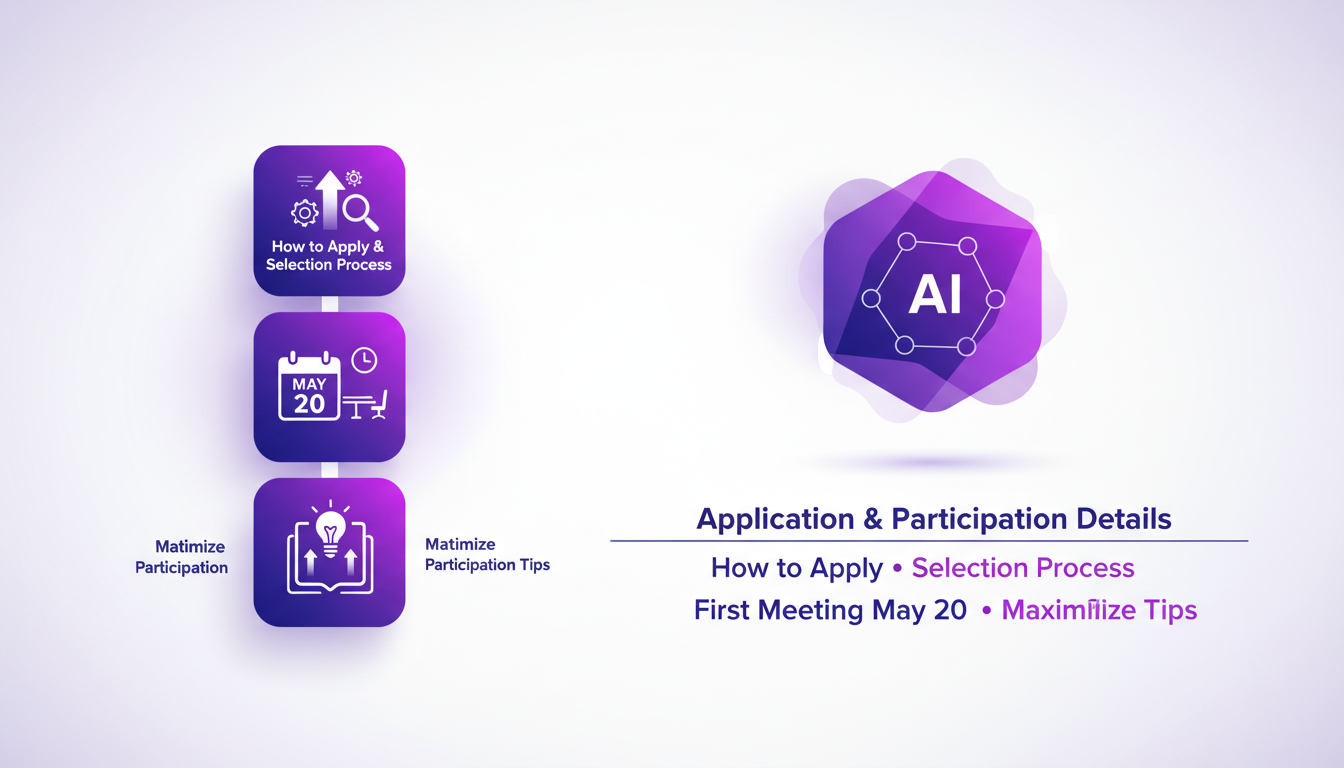
To make the most out of your participation, keep an open mind and be ready to challenge yourself. It's through exchange, not monologue, that we progress.
- Rigorous but transparent selection process
- Initial meeting on May 20th
- Tips: be open, ready to exchange and learn
Online Availability of Talks and Community Building
For those who can't be physically present, the talks will be available online. But remember, the dinners remain "off the record." Why? Because that's where the real magic happens, in those informal exchanges where ideas fly and transform.

Community dinners are not just a bonus; they're essential. They help strengthen bonds, exchange ideas, and collaborate more relaxedly. It's often in these informal settings that the most fruitful collaborations begin.
- Talks available online for wider access
- "Off the record" dinners for authentic exchanges
- Importance of informal contexts for innovation and collaboration
The YC Paper Club isn't just a club; it's a community in motion, ready to shape the future of AI together.
Diving into YC Paper Club, here’s what stood out to me. First, the focus is on practical AI applications, not abstract theory. Then, meetings are structured to encourage the exchange of concrete ideas, and the first group is capped under 100 people, ensuring rich discussions. We’re meeting on May 20th, so mark that date if you’re serious about AI. It's a game changer for those looking to deepen their understanding of AI in real-world contexts, but watch out, it's intense and requires commitment. If you're ready to elevate your AI knowledge, consider applying to the YC Paper Club. It's a step worth taking for any serious AI practitioner. For deeper insights, check out the full video here: YC Paper Club. You won’t regret it.
Frequently Asked Questions

Thibault Le Balier
Co-fondateur & CTO
Coming from the tech startup ecosystem, Thibault has developed expertise in AI solution architecture that he now puts at the service of large companies (Atos, BNP Paribas, beta.gouv). He works on two axes: mastering AI deployments (local LLMs, MCP security) and optimizing inference costs (offloading, compression, token management).
Related Articles
Discover more articles on similar topics

Mastering Neotron 3 Nano Omni: Multimodal Intelligence
I dove into NVIDIA's Neotron 3 Nano Omni and discovered how this powerhouse of multimodal intelligence can redefine our workflows. It's not just hype—it's a game changer, but with some caveats. By combining vision and audio encoding with a transformer mixture of experts model, this tech offers impressive possibilities. I started by connecting the dots between its components, then explored how to harness it effectively and avoid common pitfalls. Whether for software cybersecurity or other applications, Neotron 3 Nano Omni is a powerful tool, but watch out for context limits. I'm sharing my experiences to help you avoid mistakes I made and maximize business impact.
Error Reduction in GPT-5.5 with Databricks
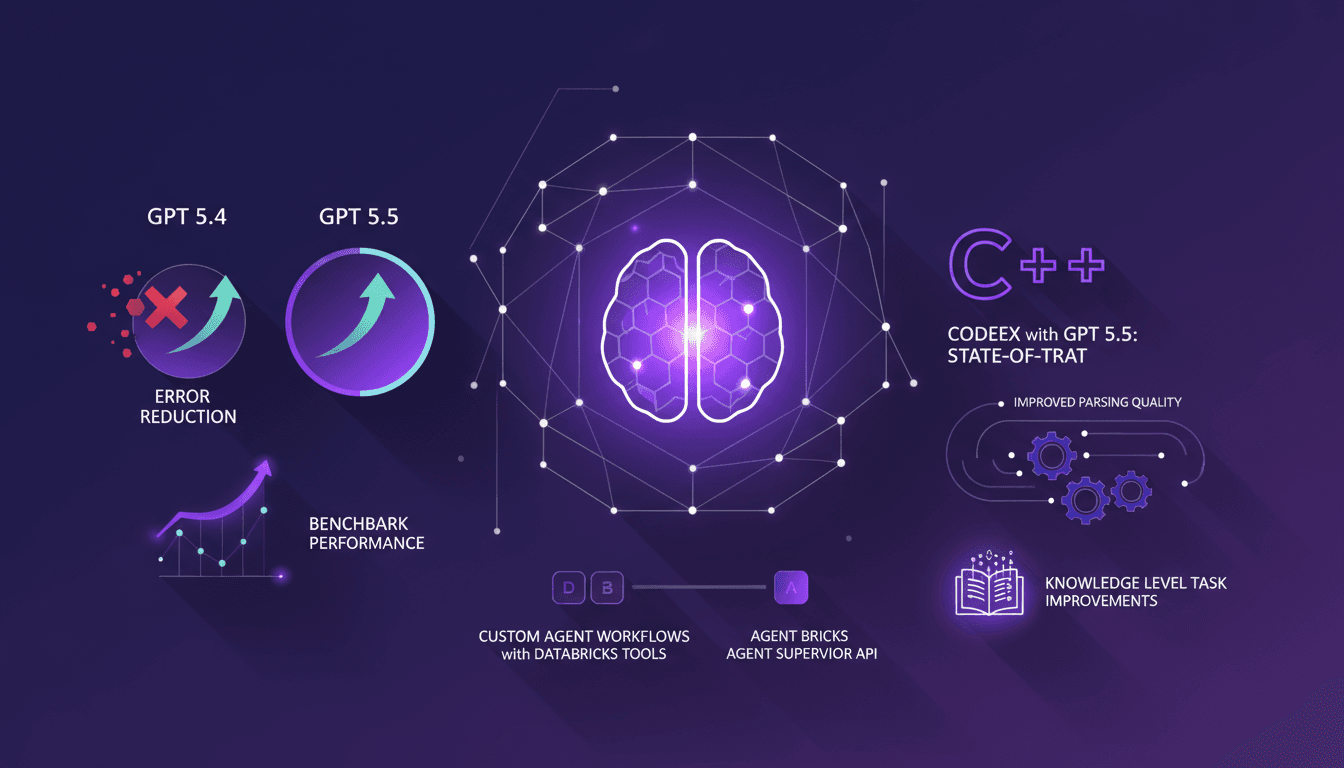
I dove into GPT-5.5 with Databricks, and let me tell you, the improvements are not just theoretical. After integrating it into my workflows, I saw a 46% error reduction compared to 5.4. The performance boost, especially with the Agent Supervisor API, is impressive. Parsing quality and task performance have clearly upped their game. Needless to say, my custom agents, with Databricks tools, are now more efficient. But watch out, it's not all perfect; you need to handle these new tools with care to avoid pitfalls. This update, I must admit, has directly impacted my projects, and I'm not stopping here.
GPT 5.5: Token Speed and Enterprise Strategy
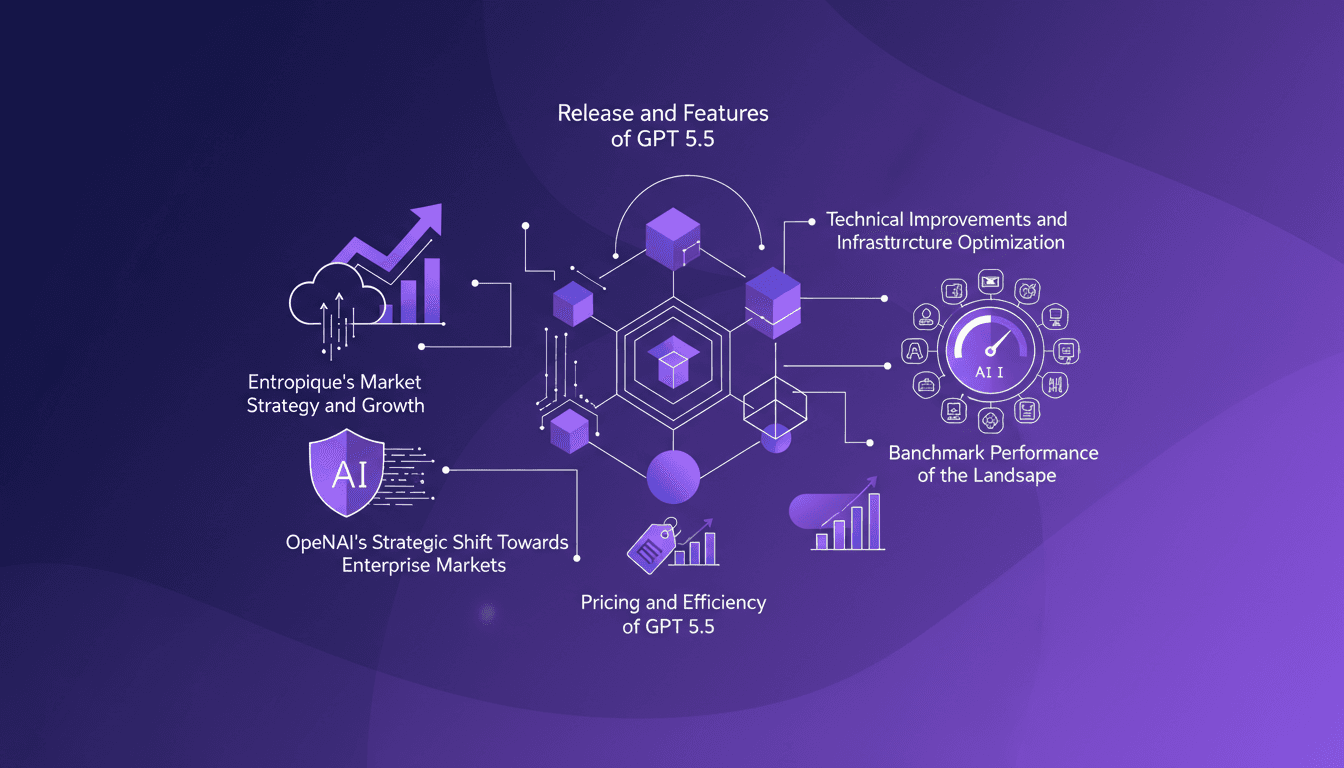
I dove into GPT 5.5 the moment it dropped, and let me tell you, the 20% token speed boost isn't just a number—it's a game changer for real-time applications. But there's more under the hood than just speed. Released on April 23, 2026, this model marks a rapid evolution in OpenAI's offerings. This isn't just about new features; it's a strategic pivot towards enterprise solutions, optimizing infrastructure, and redefining efficiency. We'll explore the release of GPT 5.5, Entropique's market strategy, the impact of Cloud Code on the coding landscape, and how OpenAI is reshaping its approach to conquer the enterprise markets.
AI Native Services: Revolutionizing Industries
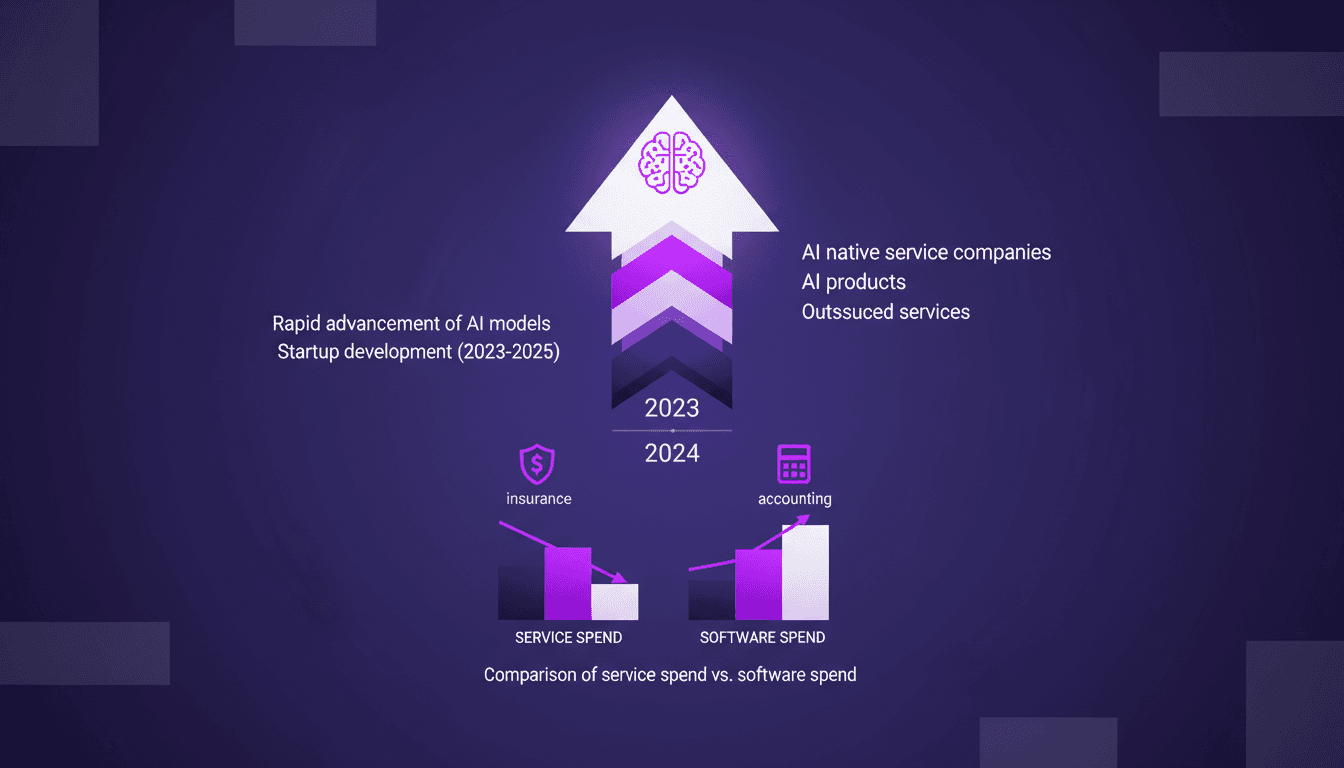
I've been knee-deep in AI for years, watching tools evolve into full-fledged AI native services. This isn't just a trend—it's a revolution. With AI models advancing at breakneck speed, we're witnessing a shift from traditional software tools to AI-native services. These aren't just buzzwords—real companies are emerging that leverage AI to replace entire service sectors. Industries like insurance and accounting are already feeling the impact. Let me walk you through how this unfolds and why it's a game changer. It's not just hype, it's happening.
Teaching AI to Close: 6 Months of Insights
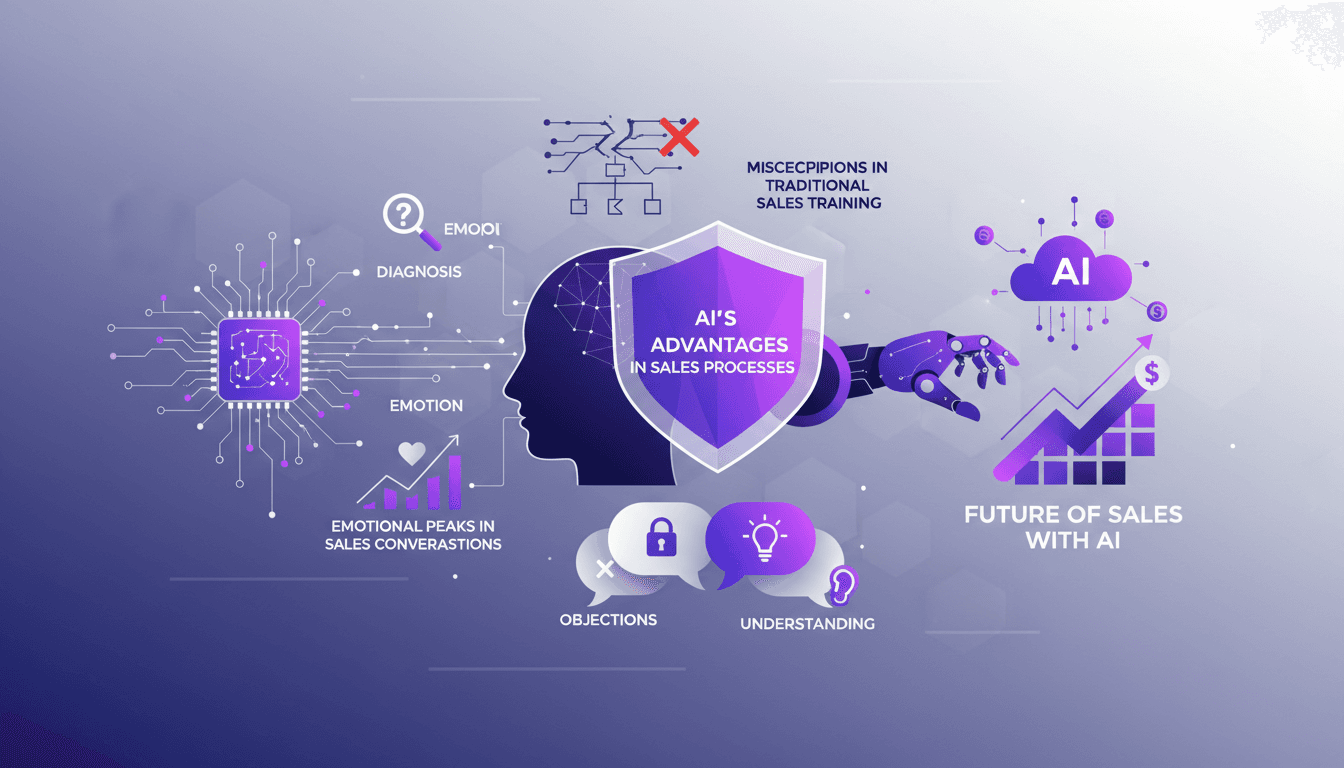
I spent six months training an AI to close deals—230 real estate investors and wholesalers later, I learned that AI's edge isn't speed, but its lack of ego. This journey reshaped my understanding of sales, challenging traditional training methods. In a field that's been taught the same way for a century, AI is changing the game. Let's dive into how AI can optimize sales processes and redefine how we approach prospects. Topics include AI's role in sales, misconceptions in traditional sales training, the importance of diagnosing prospects, and the future of sales with AI. Get ready for a deep dive into the future of sales, where AI might just become your best ally.