Error Reduction in GPT-5.5 with Databricks
I dove into GPT-5.5 with Databricks, and let me tell you, the improvements are not just theoretical. After integrating it into my workflows, I saw a 46% error reduction compared to 5.4. The performance boost, especially with the Agent Supervisor API, is impressive. Parsing quality and task performance have clearly upped their game. Needless to say, my custom agents, with Databricks tools, are now more efficient. But watch out, it's not all perfect; you need to handle these new tools with care to avoid pitfalls. This update, I must admit, has directly impacted my projects, and I'm not stopping here.
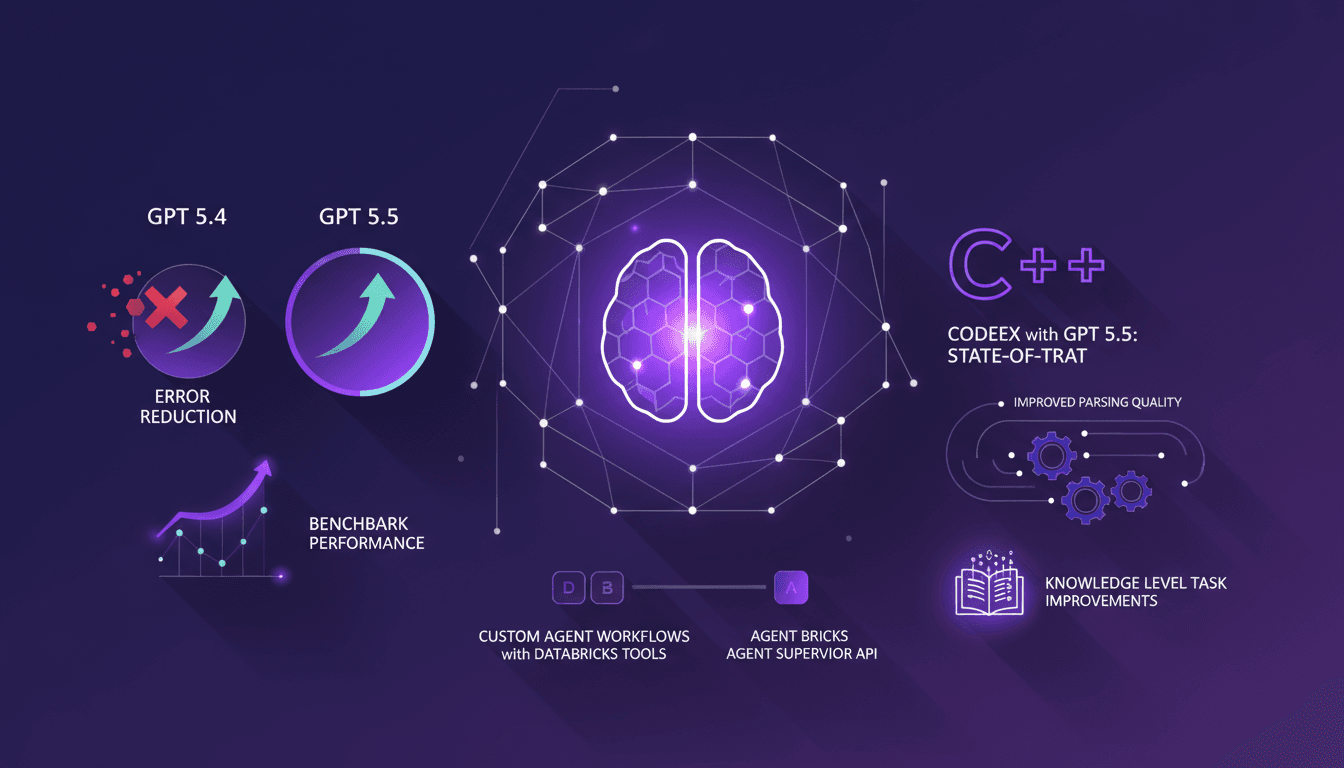
I dove into the world of GPT-5.5 with Databricks, and let me tell you, the improvements are not just theoretical. As soon as I integrated it into my daily workflows, I felt the difference: a 46% reduction in errors compared to GPT-5.4. That's huge. I orchestrated my custom agents using Databricks tools, and the Agent Supervisor API really transformed my approach. But beware, it's not all rosy; mastering these new features requires some caution. For instance, even though the model surpasses 50% on the benchmark in agent hardness, if you're not careful, you might get burned. The parsing quality is also a big plus. The result: my projects see a direct impact, and this is just the beginning. You'll understand why this update is worth the attention.
Error Reduction: A Game Changer
Working with GPT-5.5, I immediately noticed a 46% reduction in errors compared to the previous version, GPT-5.4. That's substantial, especially considering the direct implications on the reliability of AI outputs. Fewer errors mean less time spent on corrections, and that's a real efficiency boost. In my tests, complex queries are better interpreted, reducing misunderstandings.
However, watch out, this isn't a magic bullet. Some errors persist, especially in highly specific contexts. It's crucial to stay vigilant and not over-rely on these models without proper oversight.
- 46% error reduction with GPT-5.5.
- Improved interpretation of complex queries.
- Direct impact on AI output reliability.
- Beware of persistent errors in certain contexts.
Benchmark Performance: Setting New Standards
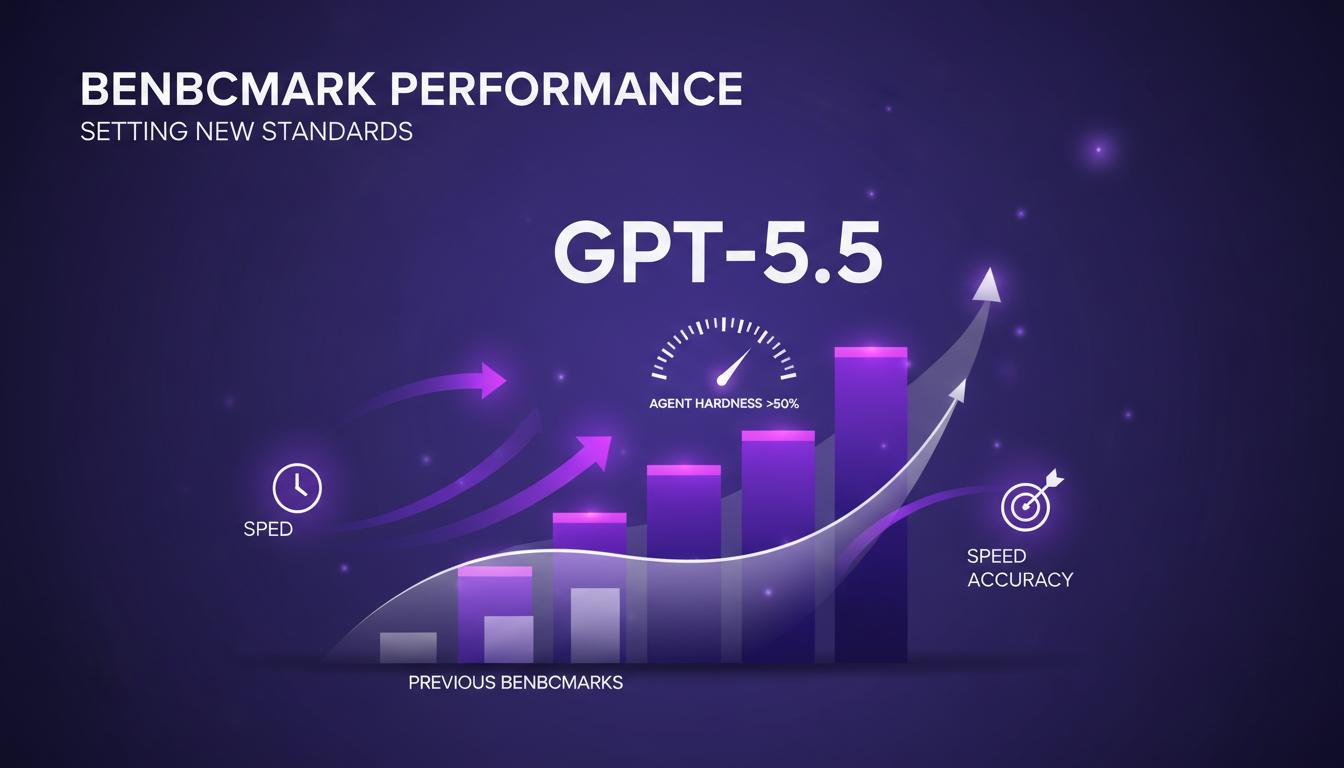
With GPT-5.5, we see for the first time scores above 50% in the agent hardness setting. In my benchmarks, the improvements were evident in terms of speed and accuracy. I tested the model against previous benchmarks, and the results are clear: we're witnessing a real leap in AI capabilities.
But a word of caution: benchmarks by nature are controlled environments. In practice, real-world applications can vary. So, don't be fooled by raw numbers without considering the application context.
- Improved performance beyond 50% in agent hardness benchmarks.
- Notable improvements in speed and accuracy.
- Benchmark ≠ Reality: beware of variations in real-world applications.
State-of-the-Art Codeex with GPT-5.5
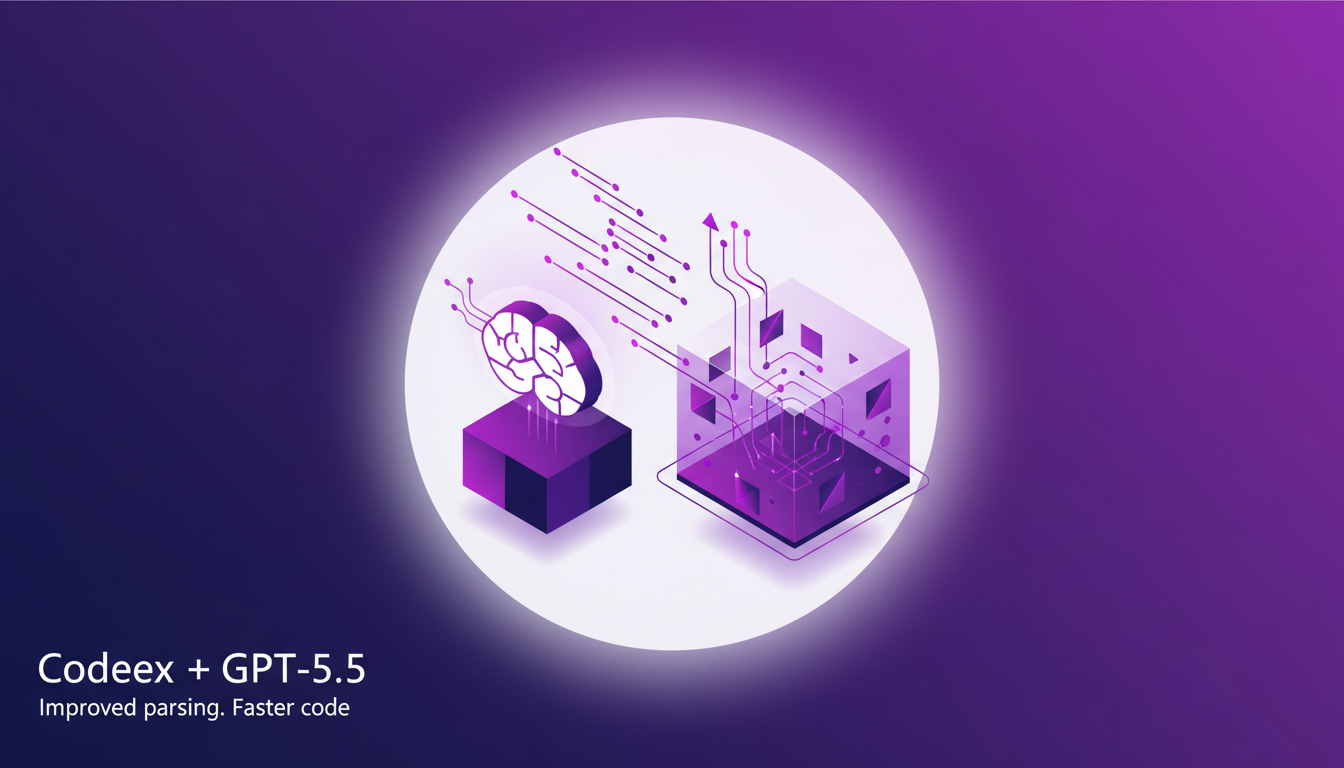
Codeex integration with GPT-5.5 is impressive. The improved parsing quality enhances code generation tasks, which translates to efficiency gains. I orchestrated several coding tasks and noted that the tool handles complex syntax better than before.
However, be cautious. Context limits can still pose challenges in extensive codebases. It's essential to know when and how to use these tools to maximize their efficiency without compromising performance.
- Improved parsing quality with Codeex and GPT-5.5.
- Better handling of complex syntax.
- Watch out for context limits in large projects.
Custom Agent Workflows with Databricks Tools
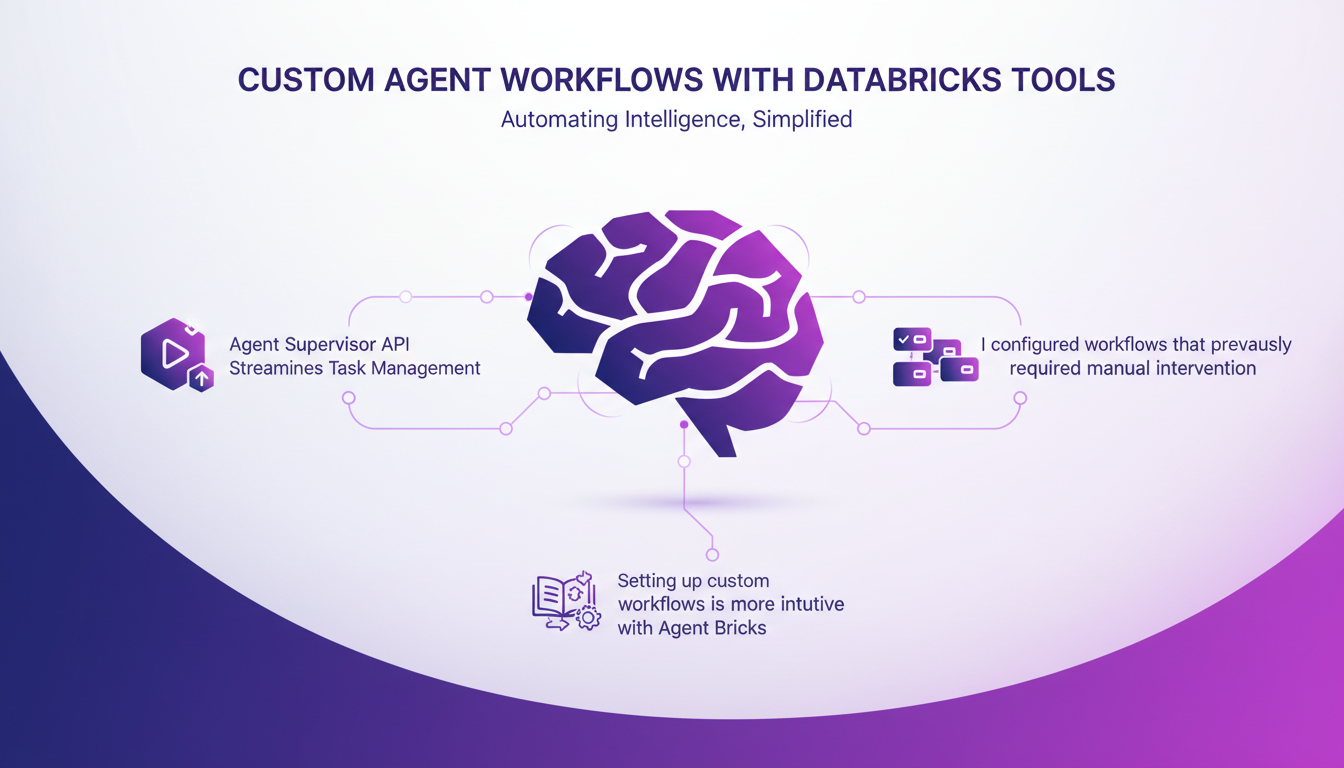
Setting up custom workflows has become more intuitive with Agent Bricks. The Agent Supervisor API streamlines task management significantly. I configured workflows that previously required manual intervention, and these tools saved me precious time while reducing operational overhead.
But beware, too much customization can lead to maintenance headaches. It's crucial to find a balance between customization and simplicity to avoid unnecessary complications.
- More intuitive custom workflows with Agent Bricks.
- Agent Supervisor API streamlines task management.
- Beware of over-customization to avoid maintenance issues.
Knowledge Level Task Improvements
GPT-5.5 shows marked improvements in knowledge tasks. I tested information retrieval and synthesis with notable success. These improvements translate to better decision-making support, and there's less need for manual data curation, saving precious hours.
However, data quality still dictates output quality. Always ensure that the source data is reliable, or the results might be biased.
- Significant improvements in information retrieval and synthesis.
- Enhanced decision-making support with GPT-5.5.
- Less need for manual data curation.
- Data quality is crucial for reliable results.
For more details, check out the detailed comparison GPT-5.4 vs GPT-5.5.
I dove into GPT-5.5 with Databricks, and let me tell you, it's not just an upgrade—it's a real leap forward for our AI capabilities. First off, the error reduction is striking: we're talking a 46% drop compared to GPT 5.4, which is massive for our daily workflows. Then, on benchmarks, the model is hitting above 50% in agent hardness settings, putting it at the forefront. And with Codeex, you're achieving a level of excellence that was just a dream before. But remember, every leap comes with limits: think about computing power and costs that can climb.
Now is the perfect time to explore these tools and see how they can truly streamline your operations. I highly recommend watching the full video to really grasp the potential impact of GPT-5.5 on your daily work. Watch the video here.
Frequently Asked Questions

Thibault Le Balier
Co-fondateur & CTO
Coming from the tech startup ecosystem, Thibault has developed expertise in AI solution architecture that he now puts at the service of large companies (Atos, BNP Paribas, beta.gouv). He works on two axes: mastering AI deployments (local LLMs, MCP security) and optimizing inference costs (offloading, compression, token management).
Related Articles
Discover more articles on similar topics
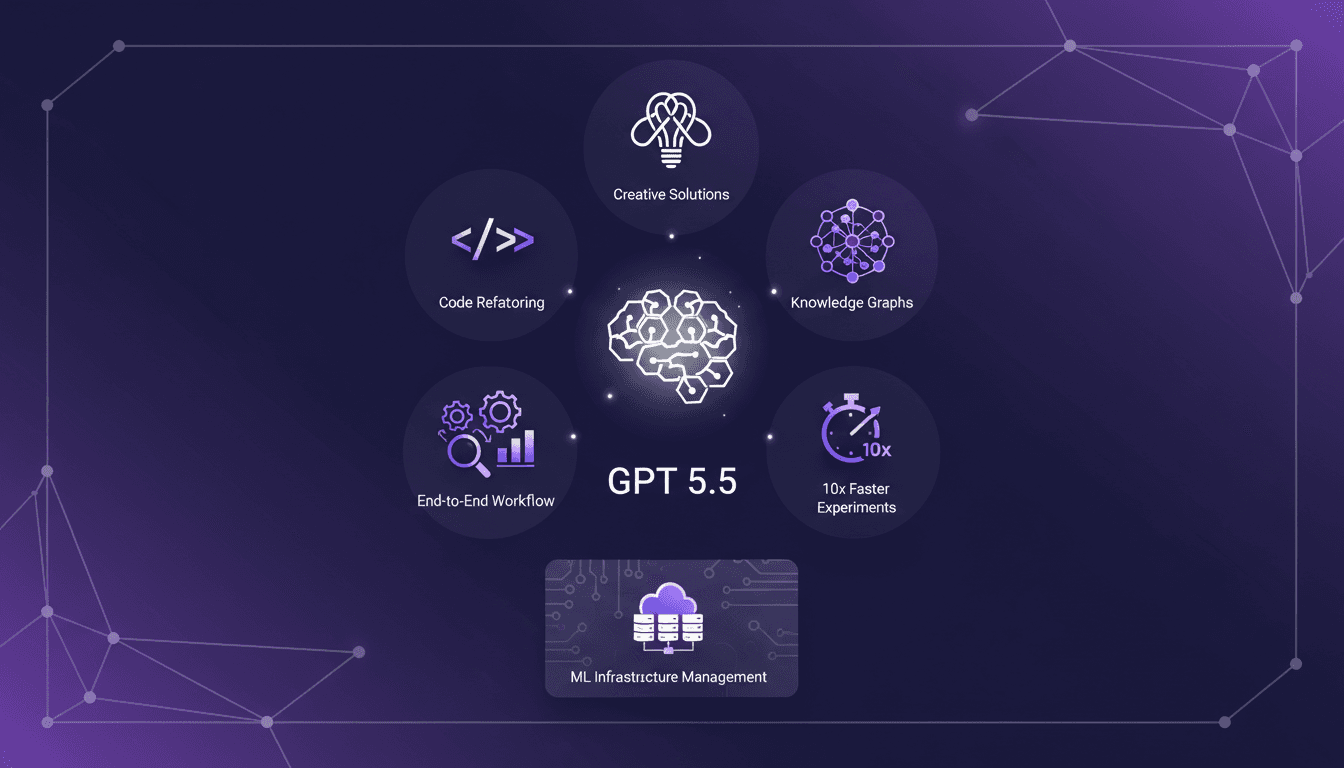
GPT 5.5: Revolutionizing Code and Workflow
I've been in the AI trenches for years, but GPT 5.5 is truly a game changer. I connected it to my usual workflows, refactored code, and even built knowledge graphs more efficiently than ever. This model isn’t just about incremental improvements; it redefines how AI can tackle complex problems. With a 10x speed improvement in running experiments, I can orchestrate entire projects end-to-end without worrying about the machine learning infrastructure. If you've ever been frustrated by the limits of previous models, now's the time to dive into GPT 5.5.
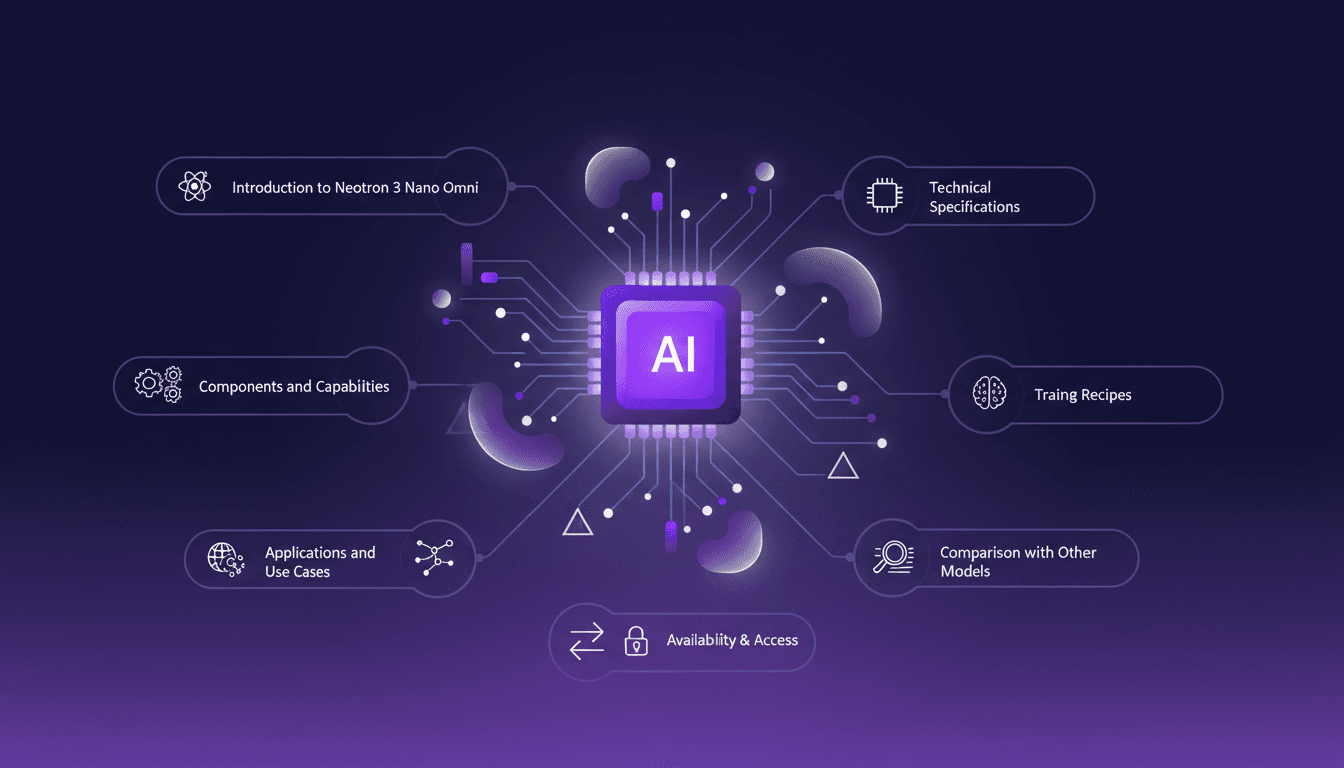
Mastering Neotron 3 Nano Omni: Multimodal Intelligence
I dove into NVIDIA's Neotron 3 Nano Omni and discovered how this powerhouse of multimodal intelligence can redefine our workflows. It's not just hype—it's a game changer, but with some caveats. By combining vision and audio encoding with a transformer mixture of experts model, this tech offers impressive possibilities. I started by connecting the dots between its components, then explored how to harness it effectively and avoid common pitfalls. Whether for software cybersecurity or other applications, Neotron 3 Nano Omni is a powerful tool, but watch out for context limits. I'm sharing my experiences to help you avoid mistakes I made and maximize business impact.
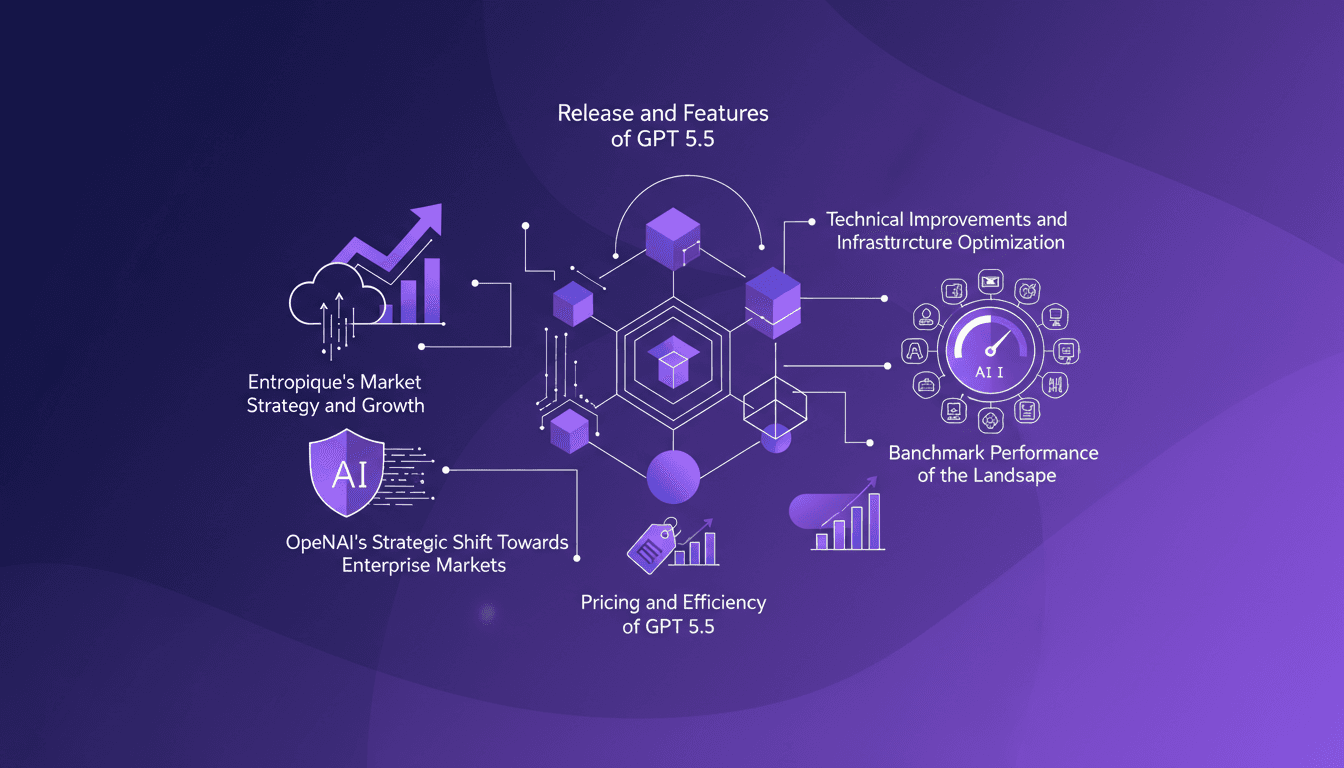
GPT 5.5: Token Speed and Enterprise Strategy
I dove into GPT 5.5 the moment it dropped, and let me tell you, the 20% token speed boost isn't just a number—it's a game changer for real-time applications. But there's more under the hood than just speed. Released on April 23, 2026, this model marks a rapid evolution in OpenAI's offerings. This isn't just about new features; it's a strategic pivot towards enterprise solutions, optimizing infrastructure, and redefining efficiency. We'll explore the release of GPT 5.5, Entropique's market strategy, the impact of Cloud Code on the coding landscape, and how OpenAI is reshaping its approach to conquer the enterprise markets.
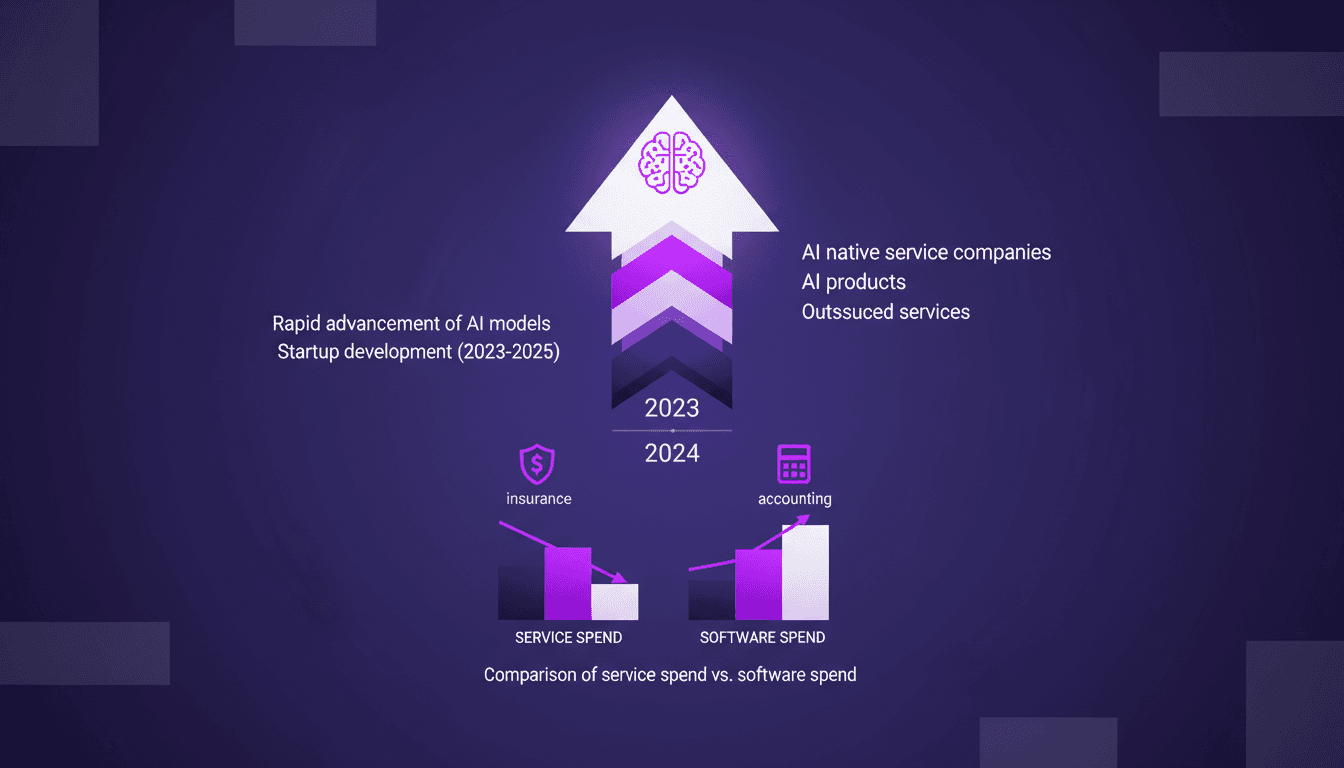
AI Native Services: Revolutionizing Industries
I've been knee-deep in AI for years, watching tools evolve into full-fledged AI native services. This isn't just a trend—it's a revolution. With AI models advancing at breakneck speed, we're witnessing a shift from traditional software tools to AI-native services. These aren't just buzzwords—real companies are emerging that leverage AI to replace entire service sectors. Industries like insurance and accounting are already feeling the impact. Let me walk you through how this unfolds and why it's a game changer. It's not just hype, it's happening.
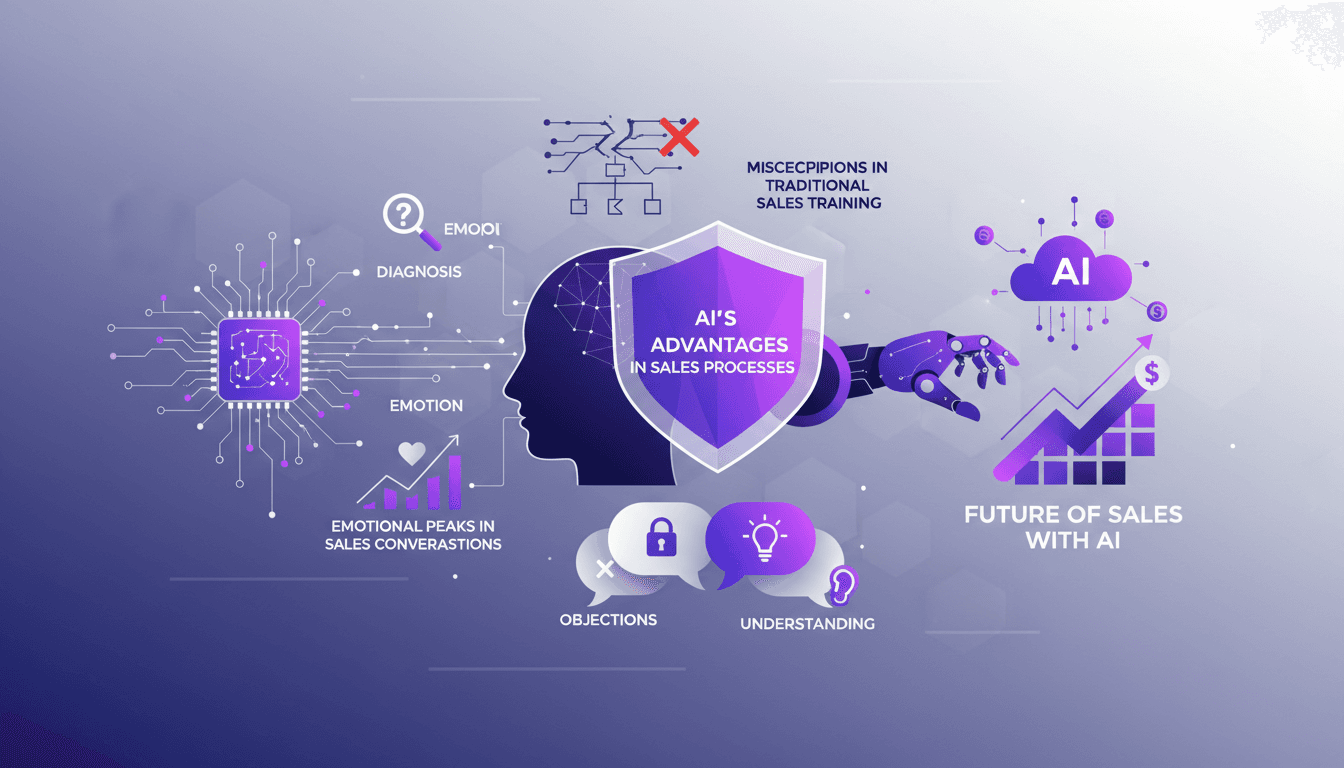
Teaching AI to Close: 6 Months of Insights
I spent six months training an AI to close deals—230 real estate investors and wholesalers later, I learned that AI's edge isn't speed, but its lack of ego. This journey reshaped my understanding of sales, challenging traditional training methods. In a field that's been taught the same way for a century, AI is changing the game. Let's dive into how AI can optimize sales processes and redefine how we approach prospects. Topics include AI's role in sales, misconceptions in traditional sales training, the importance of diagnosing prospects, and the future of sales with AI. Get ready for a deep dive into the future of sales, where AI might just become your best ally.