Code Simplification: 12K to 200 LoC with Markdown
I was staring at a 12,000 line codebase, knowing there had to be a better way. That's when I decided to strip it down to just 200 lines using Markdown. This wasn't just a cleanup—it was a revelation. In software development, efficiency isn't just a goal—it's a necessity. By leveraging tools like Git Word Trees and embracing cross-platform strategies, we can dramatically simplify our codebases while enhancing functionality. In this talk, I delve into how I implemented Asian Skills and Sub Asians, optimized cross-platform compatibility, and tackled challenges in agent tracking and feature discoverability. Discover how Cursor 3.0 is pushing boundaries and setting the stage for the future of development.
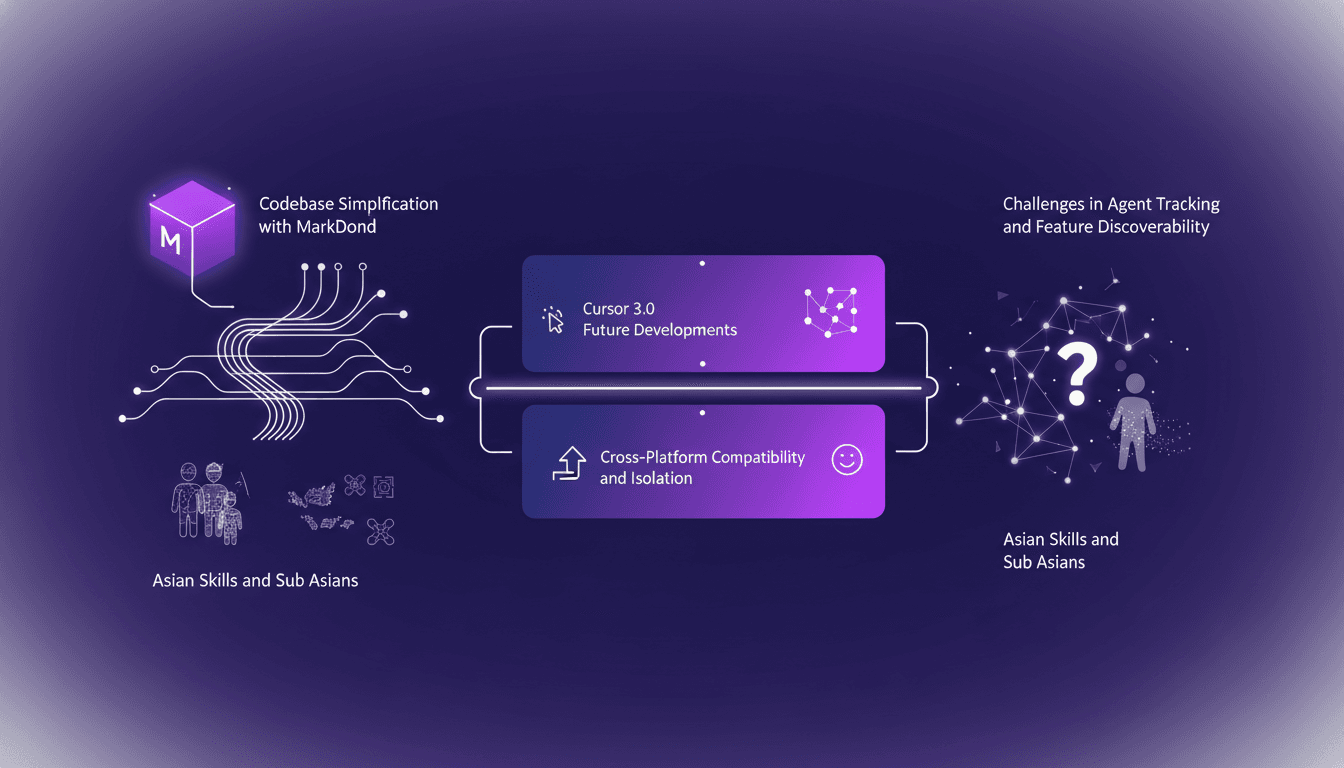
Staring at a daunting 12,000 lines of code, I knew it was time for a radical change. So, I took the plunge and stripped it down to just 200 lines with Markdown. And trust me, this wasn't just cleanup—it was a revelation. In our field, efficiency isn't just a goal; it's a pressing necessity. With tools like Git Word Trees, I orchestrated a dramatic simplification of our codebase while boosting functionality. I also embraced cross-platform strategies, weaving in Asian Skills and Sub Asians to enhance user experience and flexibility. But, be warned, it wasn't without its challenges: agent tracking and feature discoverability required some serious work. In this talk, I share my journey with Cursor 3.0 and the future developments pushing the boundaries of what's possible.
Codebase Simplification with Markdown
Faced with the monumental task of slashing a codebase from 12,000 lines to just 200, I turned to Markdown. This wasn't just about cutting lines; it was about enhancing readability and maintainability. By stripping away unnecessary complexity, we ended up with a cleaner, more efficient system.
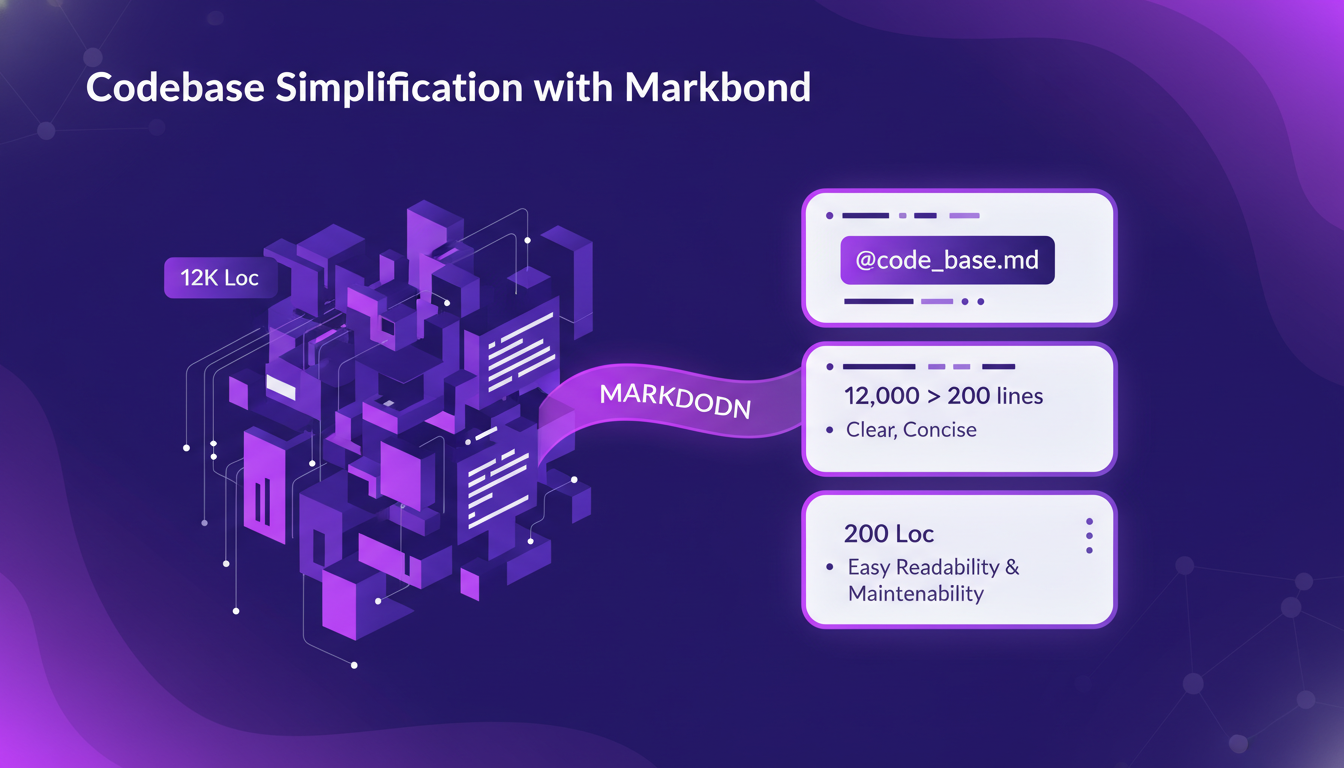
This drastic reduction has minimized potential bugs—a real lifesaver when you consider how many errors can lurk in those lines. With such a simplified base, I can now drive projects with greater agility, focusing less on bug fixing and more on innovation.
- Reduced from 12,000 LoC to 200 LoC
- Increased readability and maintainability
- Minimized potential for bugs
Harnessing Git Word Trees for Parallel Work
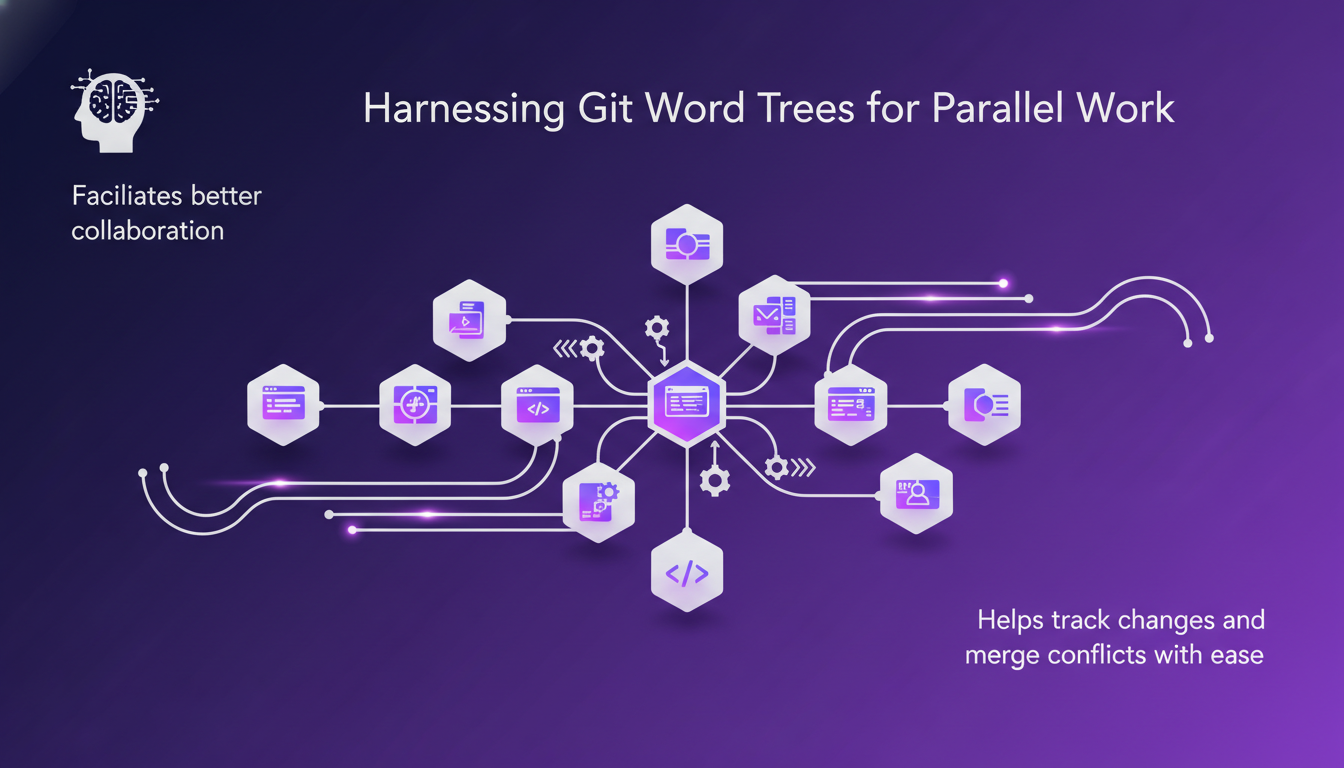
To effectively orchestrate parallel work, I introduced Git Word Trees. These trees facilitate seamless collaboration among developers without disrupting individual workflows. Imagine being able to track changes and resolve merge conflicts effortlessly.
However, watch out for complex merge scenarios. Sometimes, keeping things simple is the best way to avoid unnecessary headaches. I've learned the hard way that it's better not to spread too thin.
- Facilitates collaboration without disrupting workflow
- Effective change tracking and merge conflict resolution
- Be wary of complex merge scenarios
Implementing Asian Skills and Sub Asians
With Asian Skills and Sub Asians, I've streamlined task management across platforms. These skills work like plugins, offering modular functionality that enhances the system's flexibility. But let's be honest, it's easy to fall into the trap of over-engineering if you're not careful.
By balancing complexity with functionality, I managed to keep an agile system capable of quickly adapting to new requirements, significantly improving the platform's flexibility and adaptability.
- Streamlines task management
- Modular functionality via plugins
- Balance complexity with functionality
Cross-Platform Compatibility and Isolation
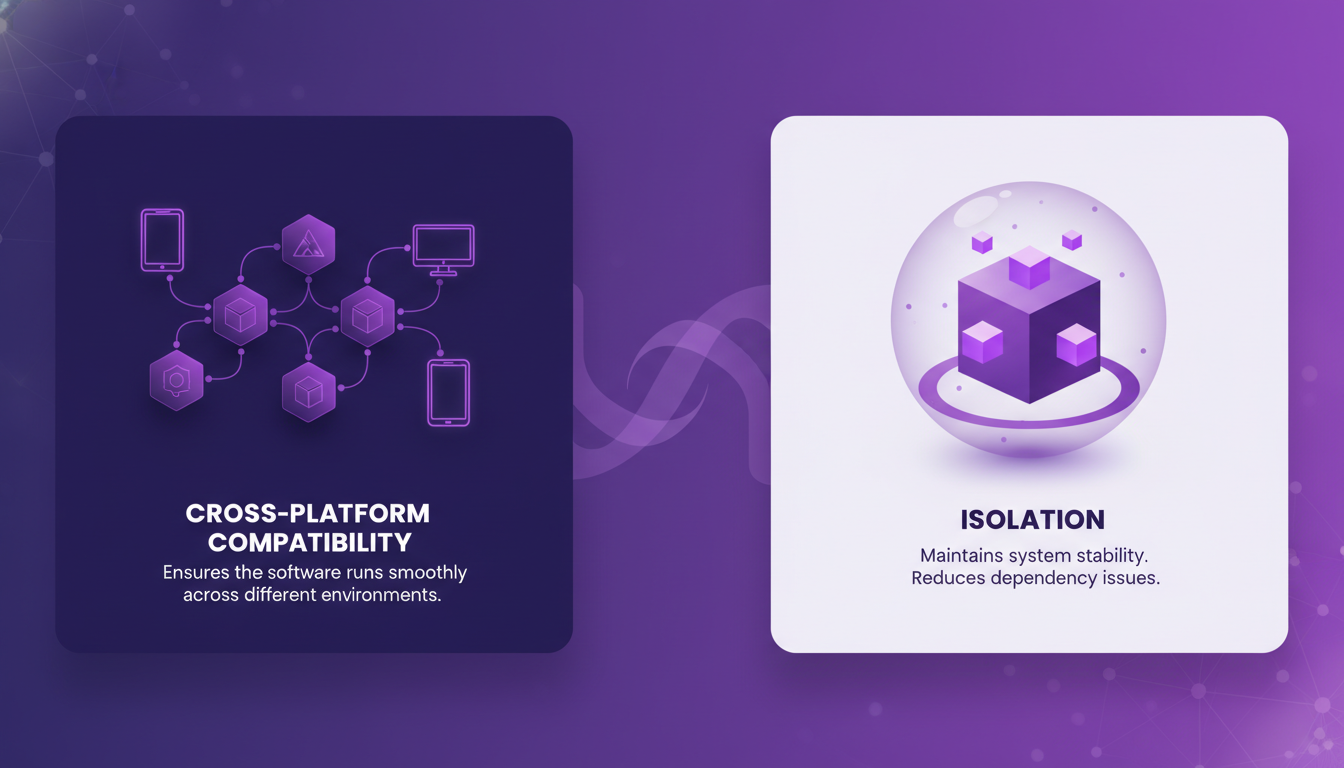
Ensuring the software runs smoothly across different environments has been a priority. Isolation plays a crucial role in maintaining system stability, reducing dependency issues and enhancing user experience. However, sometimes native solutions are faster, depending on the context.
It's a delicate balance, but with the right orchestration, we can maintain a robust and reliable platform. I've often had to reassess solutions to choose between efficiency and compatibility.
- Maintains system stability
- Reduces dependency issues
- Contextual evaluation for native solutions
Challenges and Future Developments with Cursor 3.0
With Cursor 3.0, we've tackled challenges like agent tracking and feature discoverability. The goal is to enhance user experience with new features while future-proofing the codebase. This includes anticipating changes and preparing for scalability.
Remaining agile is crucial for integrating emerging technologies. The update was an opportunity to reassess our approach and optimize our processes. I'm confident these improvements will have a direct impact on our efficiency.
- Enhances user experience
- Prepares for scalability and integration
- Anticipates future changes
By simplifying our codebase and adopting innovative tools like Git Word Trees, I felt like I unlocked a new level of efficiency. We deleted around 15,000 lines to keep just about 40, and that's tangible. With Cursor 3.0, it feels like we're just at the beginning of a transformation.
- Lean Codebase: 15,000 lines of code removed for clarity and fewer bugs.
- Git Word Trees: Parallel work made easier, a real game changer for the team.
- Cross-Platform Compatibility: Isolated critical elements, boosting flexibility. Looking ahead, I see these tools as pillars for continuous and sustainable growth. But watch out, don't get too carried away; every new tool comes with a learning curve. Ready to transform your codebase? Start small, think big, and embrace the change. I really recommend watching the original video to dive deeper into all of this. Watch the full video
Frequently Asked Questions

Thibault Le Balier
Co-fondateur & CTO
Coming from the tech startup ecosystem, Thibault has developed expertise in AI solution architecture that he now puts at the service of large companies (Atos, BNP Paribas, beta.gouv). He works on two axes: mastering AI deployments (local LLMs, MCP security) and optimizing inference costs (offloading, compression, token management).
Related Articles
Discover more articles on similar topics
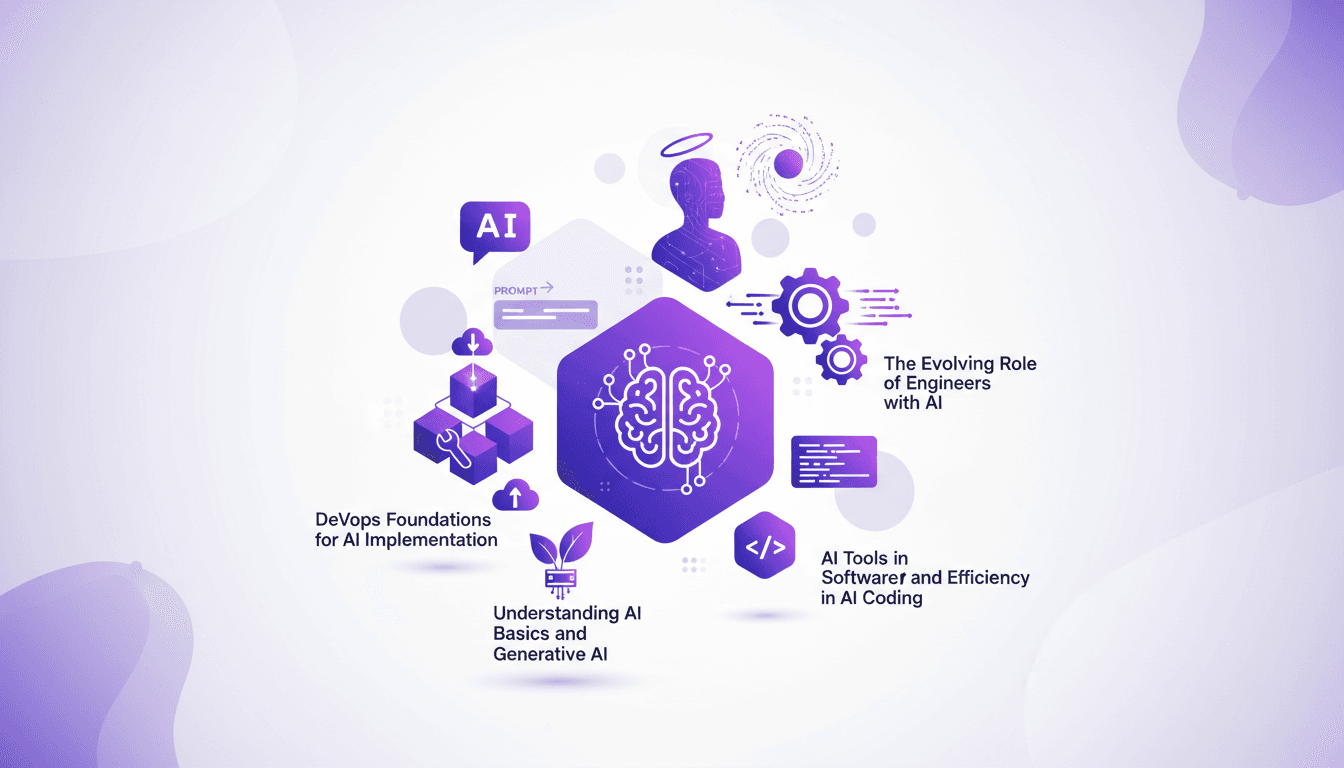
Mastering Generative AI: A Practical Guide
I still recall diving into AI coding, thinking generative AI was just another buzzword. Then I realized it’s a real game changer, but only if you know how to harness it. First, I immersed myself in its fundamentals—understanding how these tools transform how we code. Engineers spend barely two hours a day on actual coding; the rest is orchestration. And that’s where AI steps in, boosting productivity and redefining our roles. I’ll walk you through how I navigated this complex landscape, from the environmental impact of AI technologies to prompt engineering and context management. Let's explore how mastering generative AI can revolutionize our approach to software development.
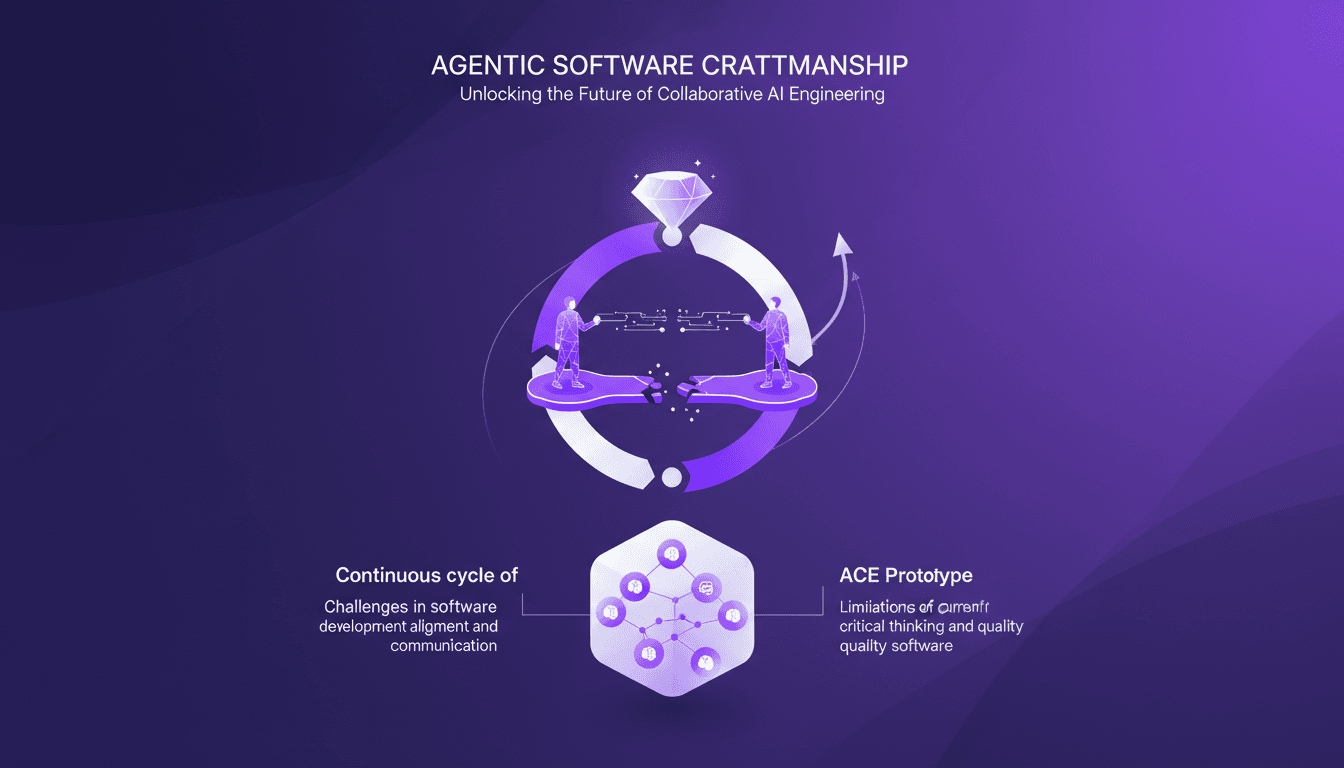
Collaborative AI Engineering: Challenges and Solutions
I dove into the world of collaborative AI engineering with Maggie Appleton's insights, and it was a real game changer. Imagine orchestrating a team of two dozen agents to streamline your development process—sounds ambitious, right? But here's how it plays out in the real world. We often talk about alignment and communication as major hurdles. Current coordination tools aren't always up to the task, especially when managing a continuous cycle of planning and building. The introduction of the ACE prototype shifts the game with real-time collaboration between developers and coding agents. Yet, the real challenge lies in the importance of context and decision-making to reclaim time for critical thinking and quality software. As we move toward the future of agentic development, software craftsmanship remains essential. It's not just about technology, but about redefining our approach to development.
Replit: Democratizing App Development
I've been in the trenches with Replit, and trust me, the way they're reshaping software development is something you need to see. With their mission to democratize app creation, they're opening up a future where programming becomes accessible to all. Their recent $400 million funding, boosting them to a $9 billion valuation, is just the start. Replit isn't just reinventing development for seasoned devs, they're driving towards a future where non-developers and AI-native devs can shine. It's a true paradigm shift, and you'll want to witness it firsthand.
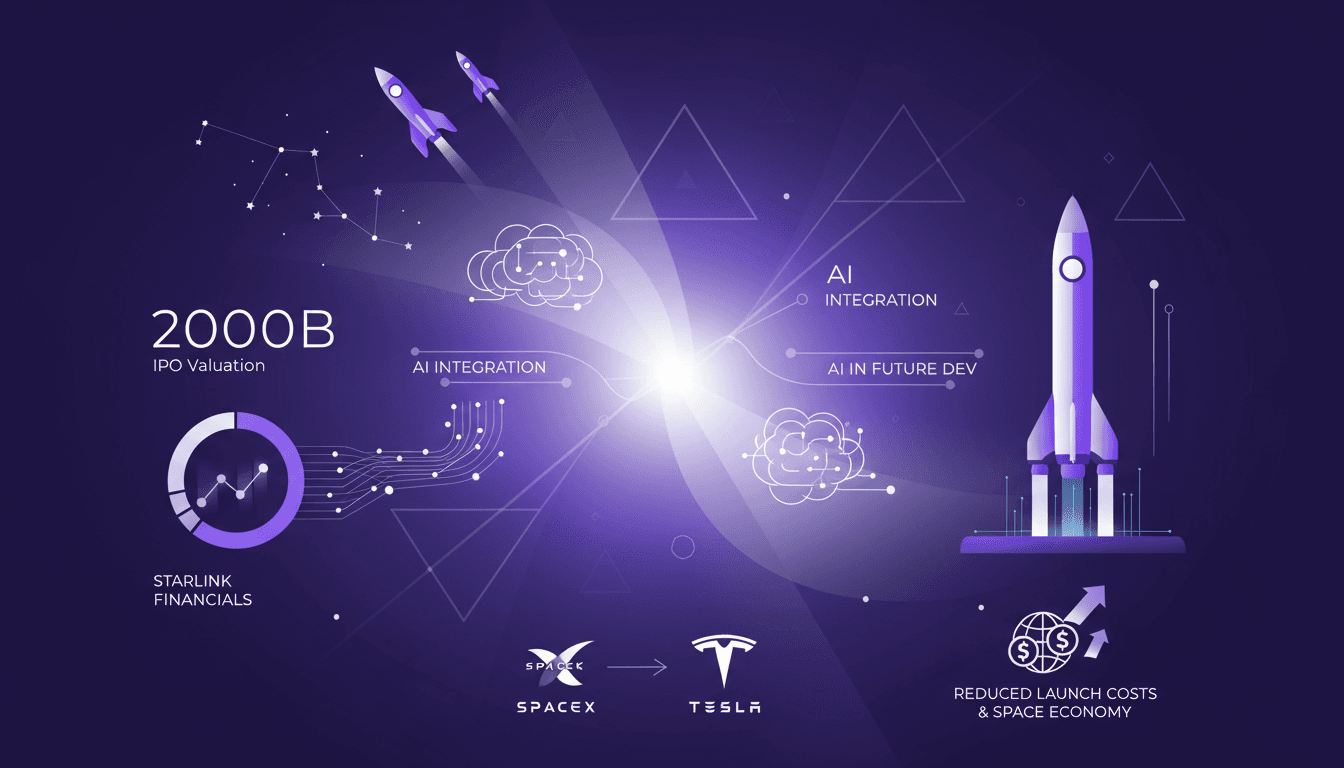
SpaceX's $2000B IPO: Revolutionizing Space
I've been in the aerospace game for years, and watching SpaceX's trajectory is like witnessing the Wright brothers all over again. This isn't just another company IPO—it's a $2000 billion leap into the future of space economy. SpaceX is not just pushing boundaries; it's redefining them. From Starlink's market influence to Starship's groundbreaking potential, and the integration of AI, SpaceX is crafting a new era in space exploration and economic opportunity. The $2000 billion IPO valuation, Starlink's financial performance, the future of space travel, and the potential merger with Tesla outline a future where a multi-trillion dollar space economy becomes reality.
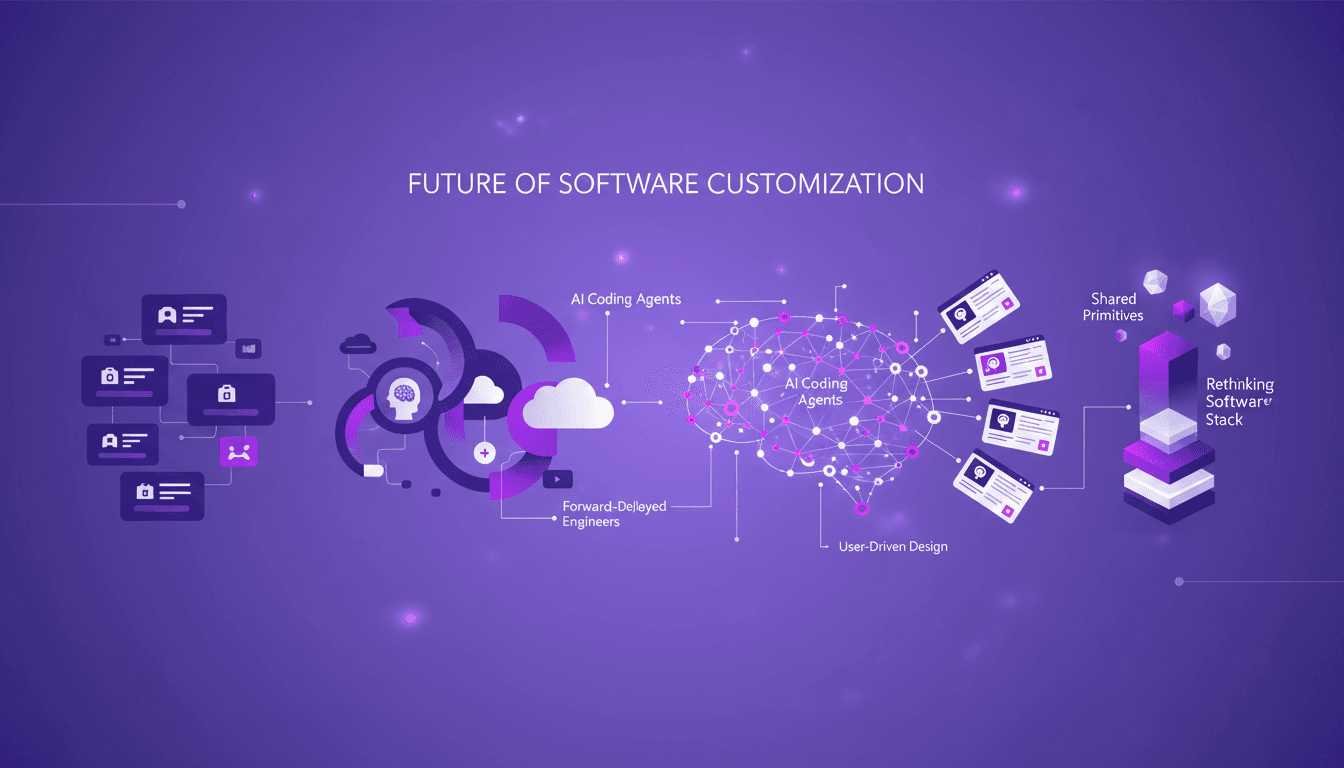
Dynamic Software Interfaces Evolution
I've watched software interfaces evolve from static to dynamic, and it's a game changer. As a forward-deployed engineer, I've seen firsthand how personalization is redefining our approach to software. We're moving beyond one-size-fits-all solutions. We're crafting interfaces that adapt to each user through coding agents and a reimagined delivery stack. It's a pivotal moment for the industry, but watch out for the pitfalls: you need precise orchestration and to avoid over-customization that can confuse users. Don't get stuck in old habits, it's time to embrace a more flexible, user-centric approach. Join me as we explore how these transformations are reshaping our daily work as developers.