Mastering Generative AI: A Practical Guide
I still recall diving into AI coding, thinking generative AI was just another buzzword. Then I realized it’s a real game changer, but only if you know how to harness it. First, I immersed myself in its fundamentals—understanding how these tools transform how we code. Engineers spend barely two hours a day on actual coding; the rest is orchestration. And that’s where AI steps in, boosting productivity and redefining our roles. I’ll walk you through how I navigated this complex landscape, from the environmental impact of AI technologies to prompt engineering and context management. Let's explore how mastering generative AI can revolutionize our approach to software development.
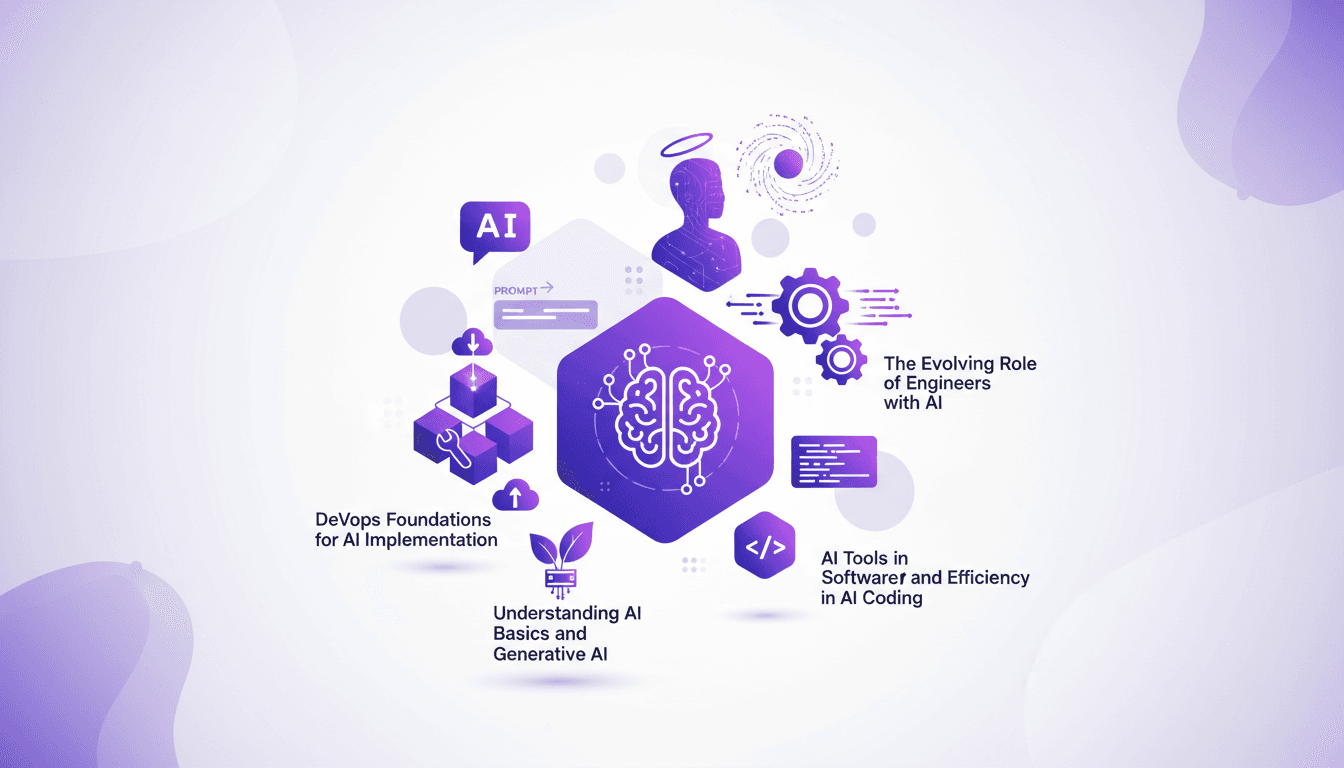
I remember diving into AI coding, thinking generative AI was just a buzzword. Then, I realized it’s a game changer, but only if you know how to harness it. First surprise: engineers spend barely two hours a day on actual coding. The rest is orchestration and optimization. This is where AI steps in, boosting productivity and redefining our roles. Let me walk you through how I navigated this complex landscape—from selecting the right tools to enhancing productivity, to addressing the environmental impact and establishing DevOps foundations for AI implementation. We’ll also discuss prompt engineering and context management, not to mention the evolving role of engineers with AI. Get ready to master generative AI and revolutionize how we approach software development.
Understanding Generative AI and LLMs
When diving into generative AI, we're talking about a revolutionary domain capable of transforming modern coding. It's not just a trend; it's a real paradigm shift. At the heart of this transformation are large language models (LLMs), with their ability to generate text, images, and even code. But beware, it requires a significant time investment: expect to spend about six months to really grasp the basics. I've seen too many engineers rush in, seduced by marketing promises, without understanding the actual limits. That's why it's crucial to understand what these tools can really do, and what they can't.
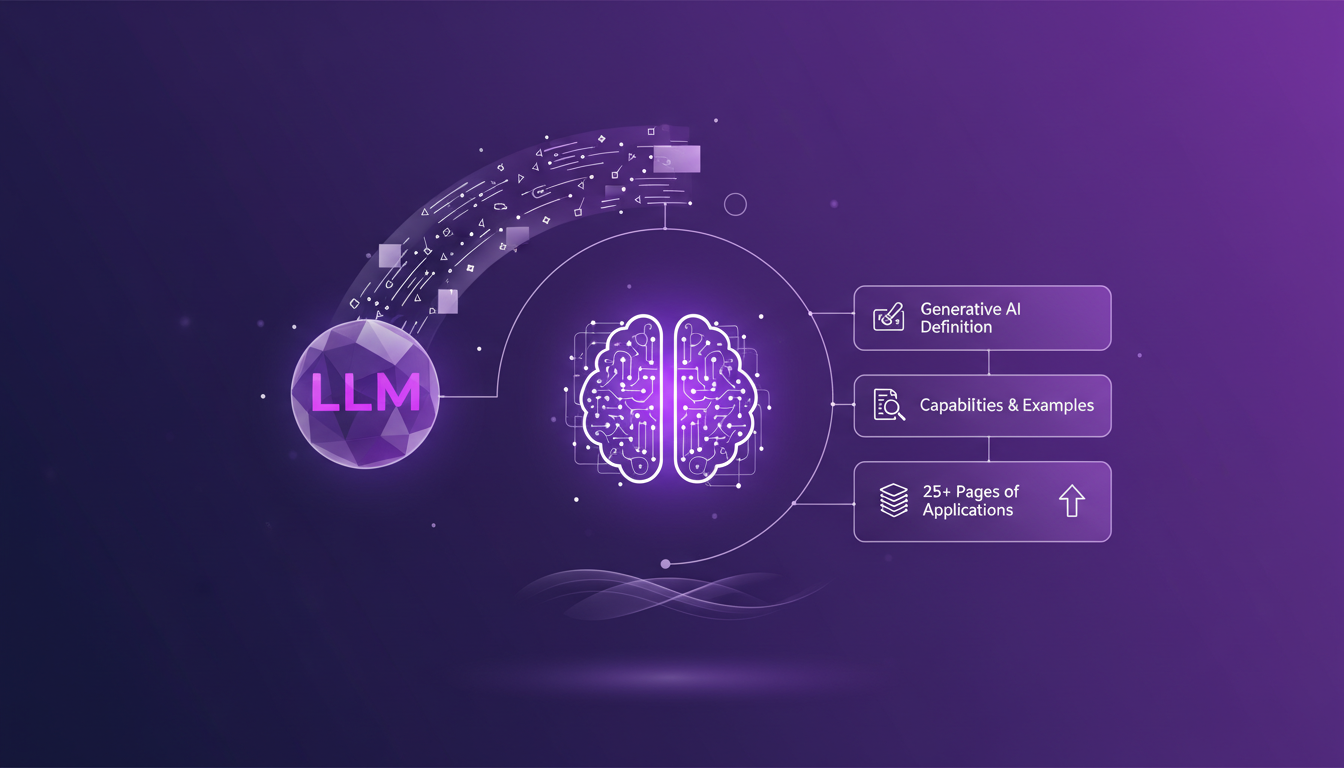
I remember going through a 25-page chapter filled with concrete examples of generative AI applied to audio, video, and text. It's an excellent starting point to understand what to expect. But watch out for misconceptions: it's not black magic that will replace your job. On the contrary, it's an opportunity to enhance your efficiency if you know how to use it correctly.
AI Tools in Software Development
AI tools like GitHub Copilot or ChatGPT are transforming software development. These tools can predict the next word or automate tedious tasks. I've integrated these tools into my workflows to extract specific columns from CSV files, for instance. It's an incredible time saver, but beware of becoming too dependent. I've already wasted time fixing automatically generated errors. You need to integrate these tools with discernment.
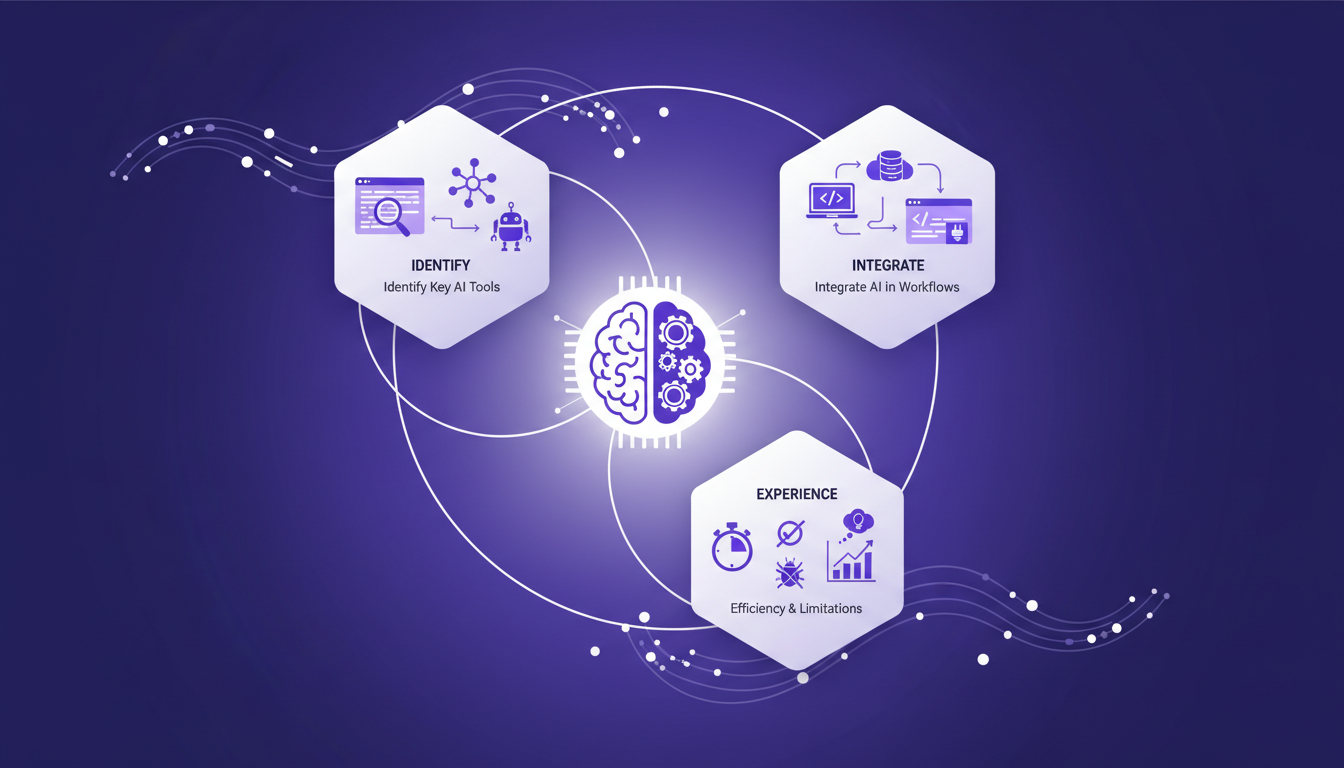
To maximize efficiency, it's crucial to assess where these tools can best integrate into your existing process. This has allowed me to save up to two hours a day on repetitive coding tasks. But be cautious; don't shift your entire workflow onto these tools without a thorough assessment of their impact on code quality.
Boosting Productivity and Efficiency in AI Coding
Adopting AI has led me to discover strategies to optimize my coding time. One of them is finding the balance between AI-generated code and manual coding. Sometimes it's faster to code yourself than to fix automatically generated code. I've also explored time-saving techniques like test automation and continuous integration. These practices have significantly boosted my productivity, but beware of the environmental impact of these technologies. Heavy resource usage can increase your carbon footprint.
Since adopting AI, my personal productivity has increased significantly. I've been able to focus on more strategic and creative tasks, leaving the AI to handle the repetitive aspects. But it's not a magic bullet. You need to constantly evaluate the real impact on your workflow.
DevOps Foundations for AI Implementation
For a successful AI project, a solid DevOps foundation is essential. I've set up a DevOps pipeline that facilitates AI integration into our processes. This involves challenges like context management and task orchestration. But the effort is worth it: once set up, the DevOps pipeline enhances efficiency and quality of AI deployment. I've also learned to anticipate challenges, such as the context limits of AI models, which can affect performance.
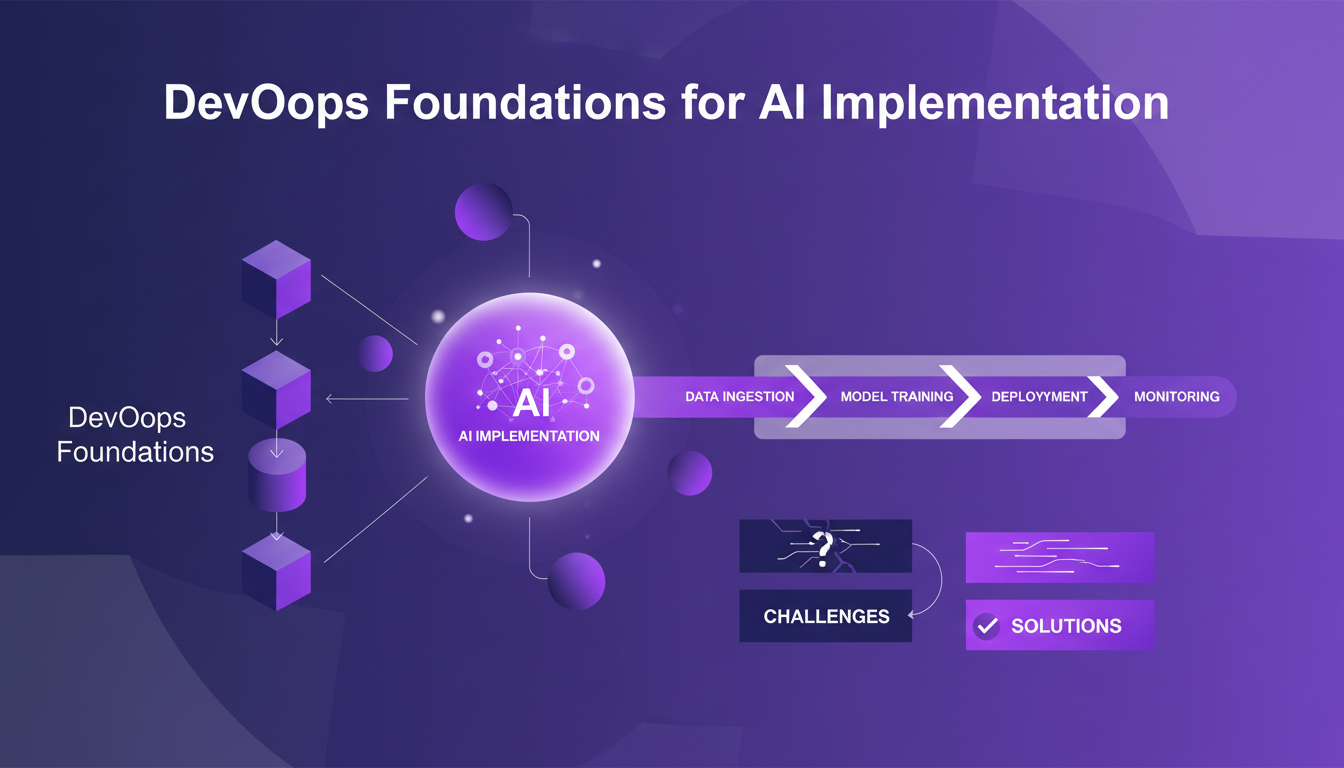
The integration of a DevOps pipeline has allowed me to better orchestrate tasks and manage the contexts of AI models. The lessons learned from this integration are invaluable: ensure your infrastructure is ready to support AI before diving in.
The Evolving Role of Engineers with AI
AI is profoundly changing the role of engineers. I spend less time on manual coding and more on optimizing processes through AI. This requires new skills, such as understanding language models and managing structured data. My career has evolved with AI adoption, opening new opportunities and challenges. But beware, this evolution can also raise fears. To overcome them, continuous learning and adaptability are key.
Future trends point towards increased automation and roles more focused on strategy and creativity. To remain relevant, be ready to evolve and embrace new technologies.
Diving into AI for software development isn't just about picking up new tools—it's about evolving as engineers. I've embedded AI into my workflow, and here's what I've learned:
- Increased Efficiency: Understanding AI basics has helped me optimize my 2 hours of daily coding.
- Generative AI Tools: With 25 pages of examples, these tools are game changers, but watch out for cognitive overload.
- Environmental Impact: AI boosts productivity, but there's an ecological cost.
Looking forward, consciously integrating AI into our work could redefine our roles, but always keeping an eye on limits and trade-offs. Ready to transform your coding approach with AI? Now's the time to integrate these insights and see the difference. For a deeper understanding, I recommend watching "The Fundamentals You Need to Know About AI Coding". Check it out here.
Frequently Asked Questions

Thibault Le Balier
Co-fondateur & CTO
Coming from the tech startup ecosystem, Thibault has developed expertise in AI solution architecture that he now puts at the service of large companies (Atos, BNP Paribas, beta.gouv). He works on two axes: mastering AI deployments (local LLMs, MCP security) and optimizing inference costs (offloading, compression, token management).
Related Articles
Discover more articles on similar topics
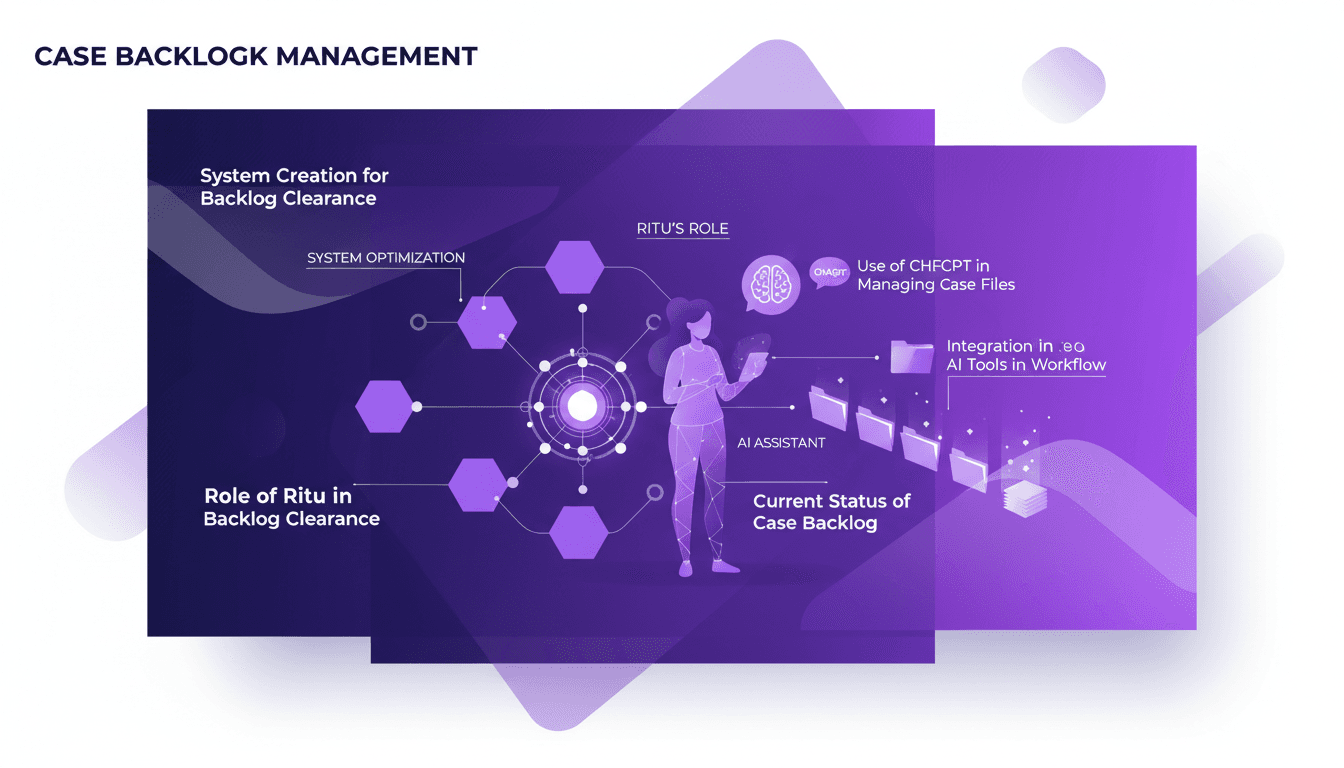
Mastering Case Files with ChatGPT: Efficient Workflow
I've been in the trenches of backlog management, and hitting that zero backlog is a game changer. Using ChatGPT, I built a system that flipped my workflow on its head. First, I integrated Ritu to optimize file processing, then connected ChatGPT to automate and speed things up. The result? Zero backlog and skyrocketed efficiency. But watch out, orchestrating your tools properly is key to avoiding performance pitfalls. If you're looking to master your case files, this one's for you.
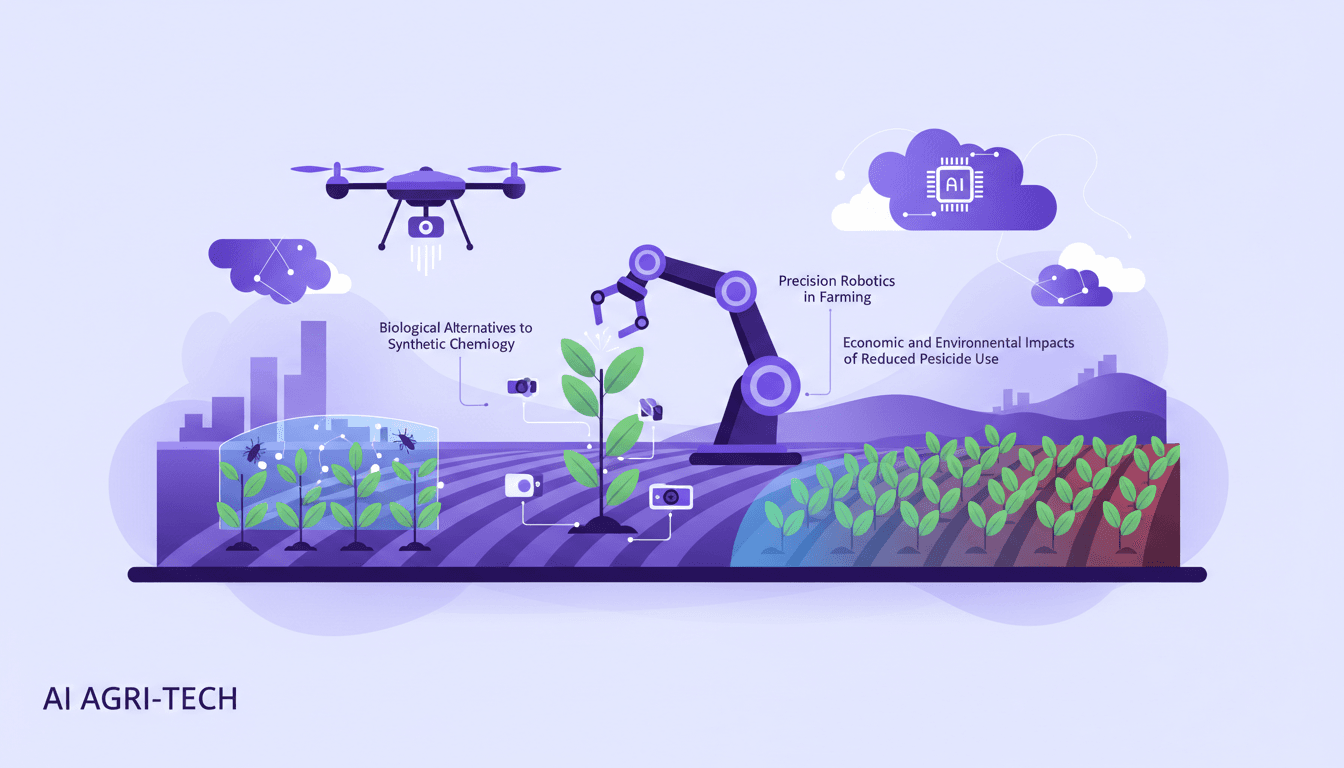
AI in Agriculture: Cutting Pesticide Use
I remember standing in a field, enveloped by the pungent smell of pesticides, thinking, 'There must be a smarter way.' That's when I started integrating AI solutions to cut down on pesticide use. Today, farmers are caught between maintaining yields and reducing chemical use. AI provides a promising path forward, utilizing precision technology to identify and target pests more efficiently. With advancements in sensors, camera technology, and precision robotics, along with biological alternatives, we can slash pesticide usage by up to 90%. The economic and environmental impact is massive. The future of pesticide-free agriculture is within reach, and I'm here to show you how we are getting there.
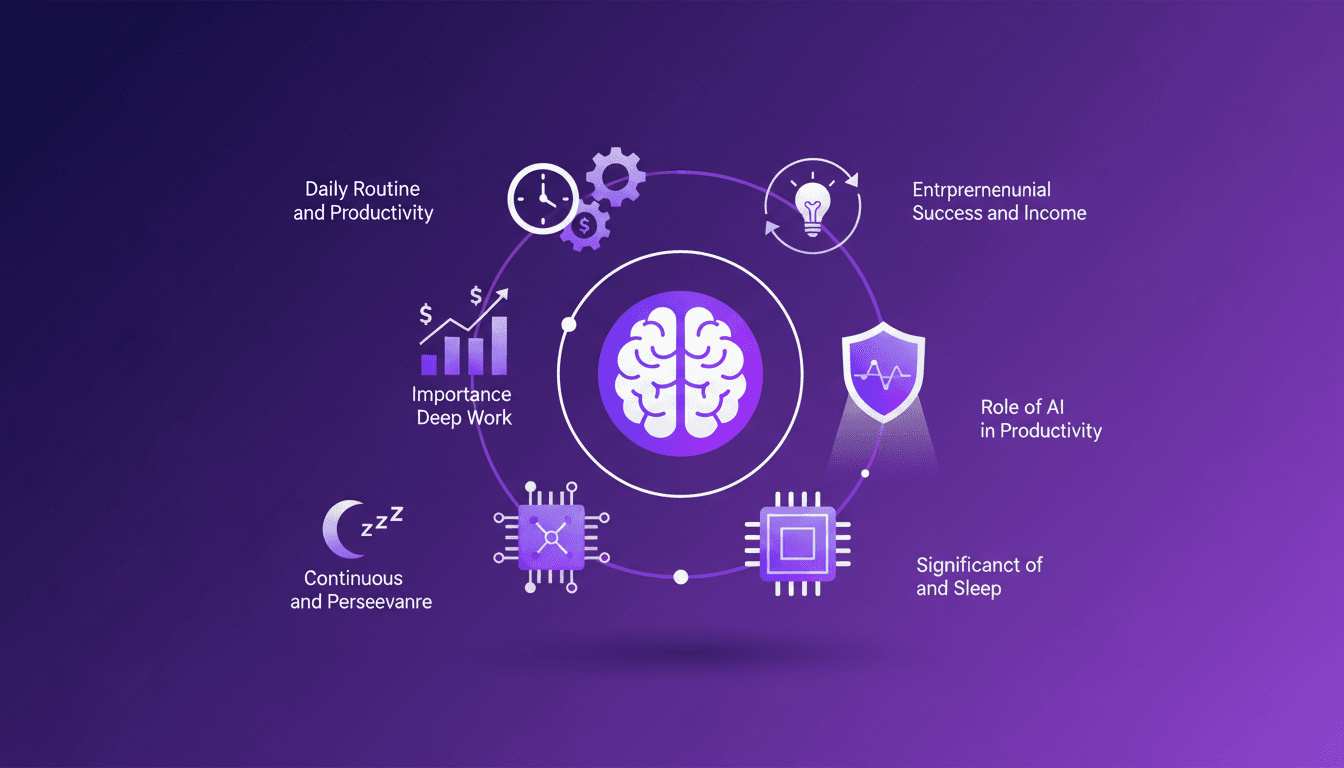
Solopreneur Routine: Earning $77K a Month
I wake up around 6 a.m., ready to tackle the day as a solopreneur. Earning $77K a month doesn't just happen—it's a mix of deep work, smart use of AI, and relentless iteration. First, I orchestrate my priorities using automation tools (saves a ton of time). Then, I dive into the creative work, where AI helps me speed up processes without compromising quality. My secret? Never getting stuck. I test, tweak, and continuously innovate while safeguarding my sleep. In a world where hustle is glorified, smart strategies make the difference. Let me show you how I orchestrate my daily routine to maximize productivity and innovation.
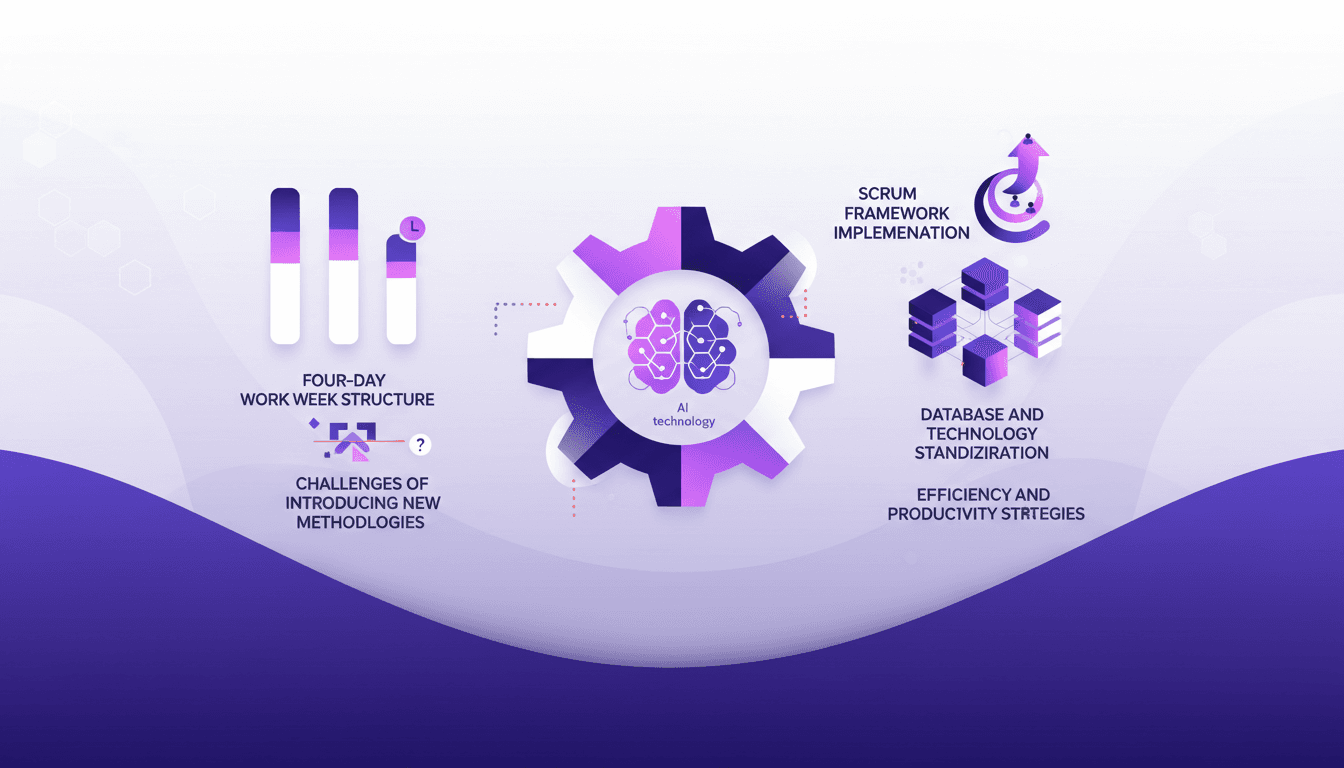
Optimizing a 70-Engineer Team: Challenges
I remember the day we decided to shift our 70-engineer team to a four-day work week. It sounded like a dream, but the reality was a mix of efficiency gains and unexpected challenges. Running a €100M company with a lean engineering team requires sharp productivity strategies. In this article, I walk you through how we implemented new methodologies, standardized our tech stack, and navigated the sometimes choppy waters of the four-day work week. Discover how we structured our team, optimized productivity, and used the Scrum framework to maneuver through these changes.
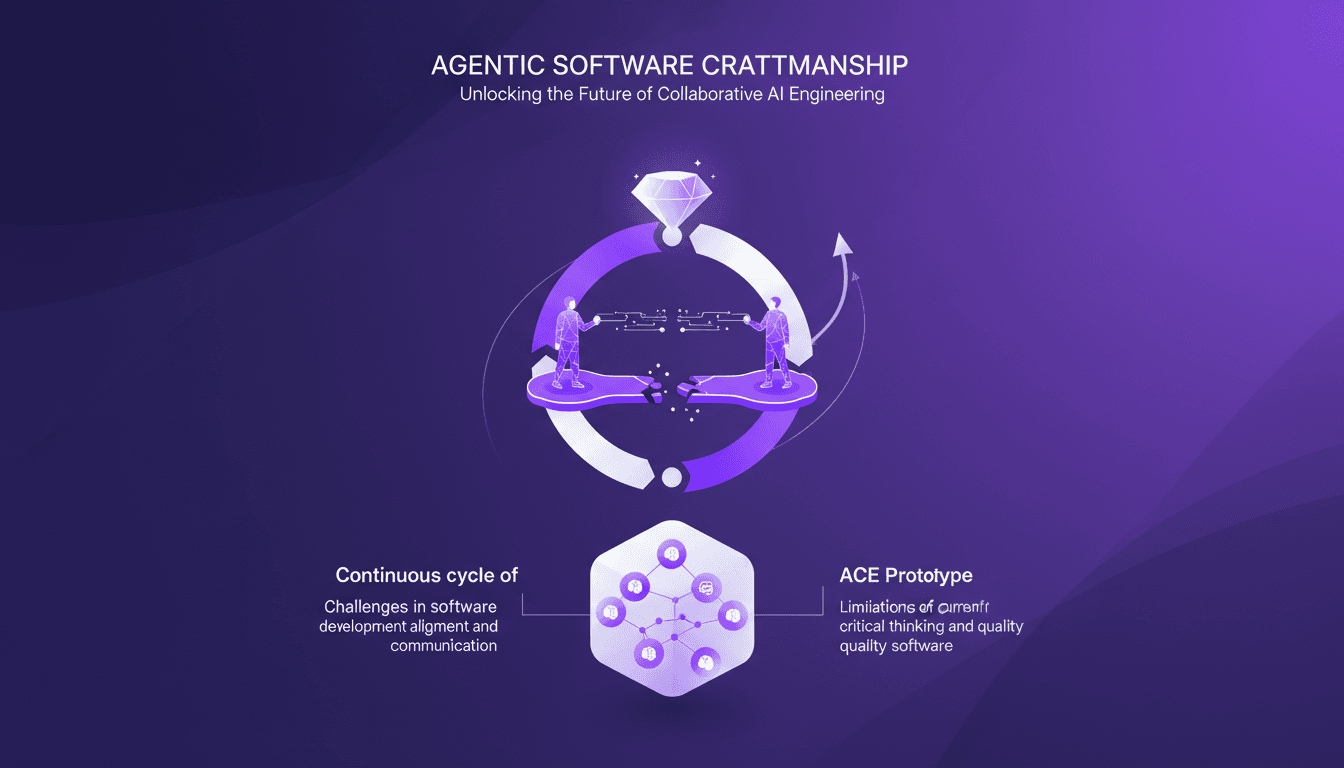
Collaborative AI Engineering: Challenges and Solutions
I dove into the world of collaborative AI engineering with Maggie Appleton's insights, and it was a real game changer. Imagine orchestrating a team of two dozen agents to streamline your development process—sounds ambitious, right? But here's how it plays out in the real world. We often talk about alignment and communication as major hurdles. Current coordination tools aren't always up to the task, especially when managing a continuous cycle of planning and building. The introduction of the ACE prototype shifts the game with real-time collaboration between developers and coding agents. Yet, the real challenge lies in the importance of context and decision-making to reclaim time for critical thinking and quality software. As we move toward the future of agentic development, software craftsmanship remains essential. It's not just about technology, but about redefining our approach to development.