Dynamic Software Interfaces Evolution
I've watched software interfaces evolve from static to dynamic, and it's a game changer. As a forward-deployed engineer, I've seen firsthand how personalization is redefining our approach to software. We're moving beyond one-size-fits-all solutions. We're crafting interfaces that adapt to each user through coding agents and a reimagined delivery stack. It's a pivotal moment for the industry, but watch out for the pitfalls: you need precise orchestration and to avoid over-customization that can confuse users. Don't get stuck in old habits, it's time to embrace a more flexible, user-centric approach. Join me as we explore how these transformations are reshaping our daily work as developers.
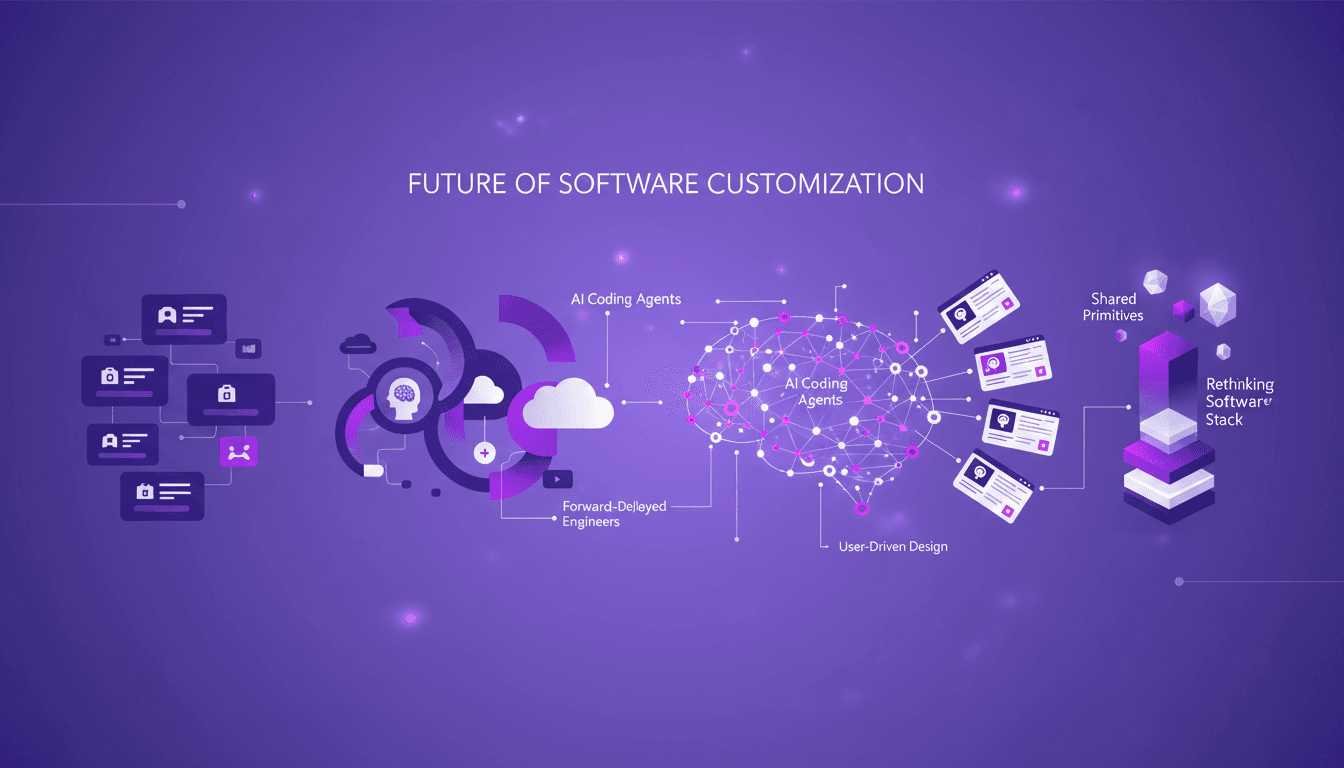
I've been in the trenches, watching software interfaces evolve from static to dynamic. And it's not just about technology; it's a revolution in how we think about software design. Picture this: forward-deployed engineers (like me) tailoring each interface to the specific needs of the user, and coding agents enabling this real-time customization. We're talking about reinventing the user experience, moving from a one-size-fits-all approach to something truly bespoke. But beware, it's not without its challenges: too much customization can quickly become a management nightmare. That's where orchestration comes in, and I've been burned a few times before finding the right balance. In this podcast episode, I'll walk you through how I'm navigating this new landscape, with field anecdotes and strategies to avoid pitfalls. Come discover how these transformations are impacting our daily work as developers.
The Evolution of Software Interfaces
In the realm of software, we've witnessed a major shift from rigid interfaces to more flexible and dynamic designs. For a long time, interfaces followed a one-size-fits-all approach, which didn't cater to the diversity of users. Today, users demand personalized experiences, and dynamic interfaces have become essential for user engagement.
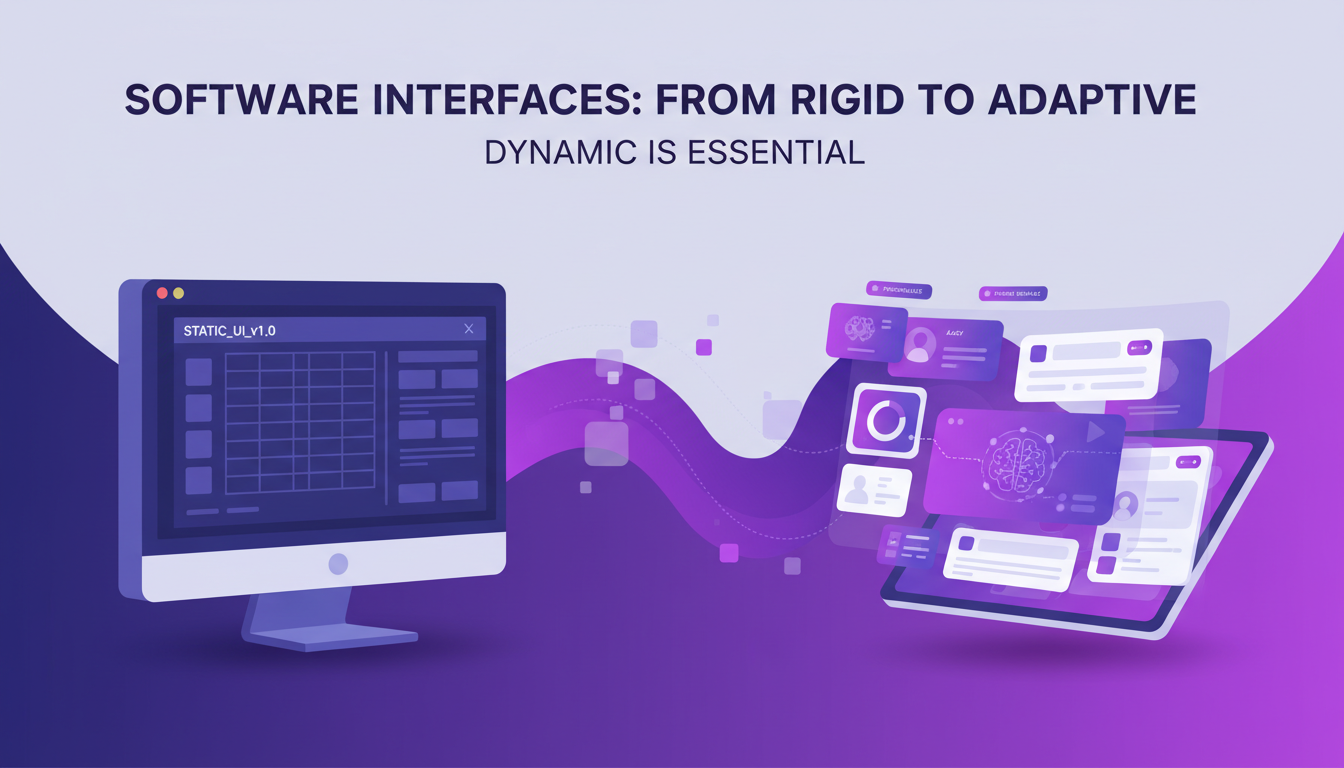
A concrete example of success is Netflix's user interface, which adapts content display according to user preferences. However, the underlying structure remains the same for all, showcasing a limit of current designs. The evolution towards hyper-personalized interfaces continues, with tools like coding agents allowing users to shape their own experience.
Role of Forward-Deployed Engineers
Forward-deployed engineers play a key role in tailoring software to specific client needs. They bridge the gap between generic software and personalized solutions, especially in enterprise software. Their work is crucial for ensuring each client has an optimized experience.
This customization comes with its challenges. Orchestrating the necessary changes without impacting overall performance requires sharp expertise. Sometimes, you get burned trying to move too fast. But the business impact is direct when you succeed—client satisfaction skyrockets.
Impact of Coding Agents on Personalization
Coding agents are a real game changer in the field of software personalization. They empower users to modify their interfaces themselves, reducing reliance on developers for minor tweaks. This enhances user satisfaction and retention.
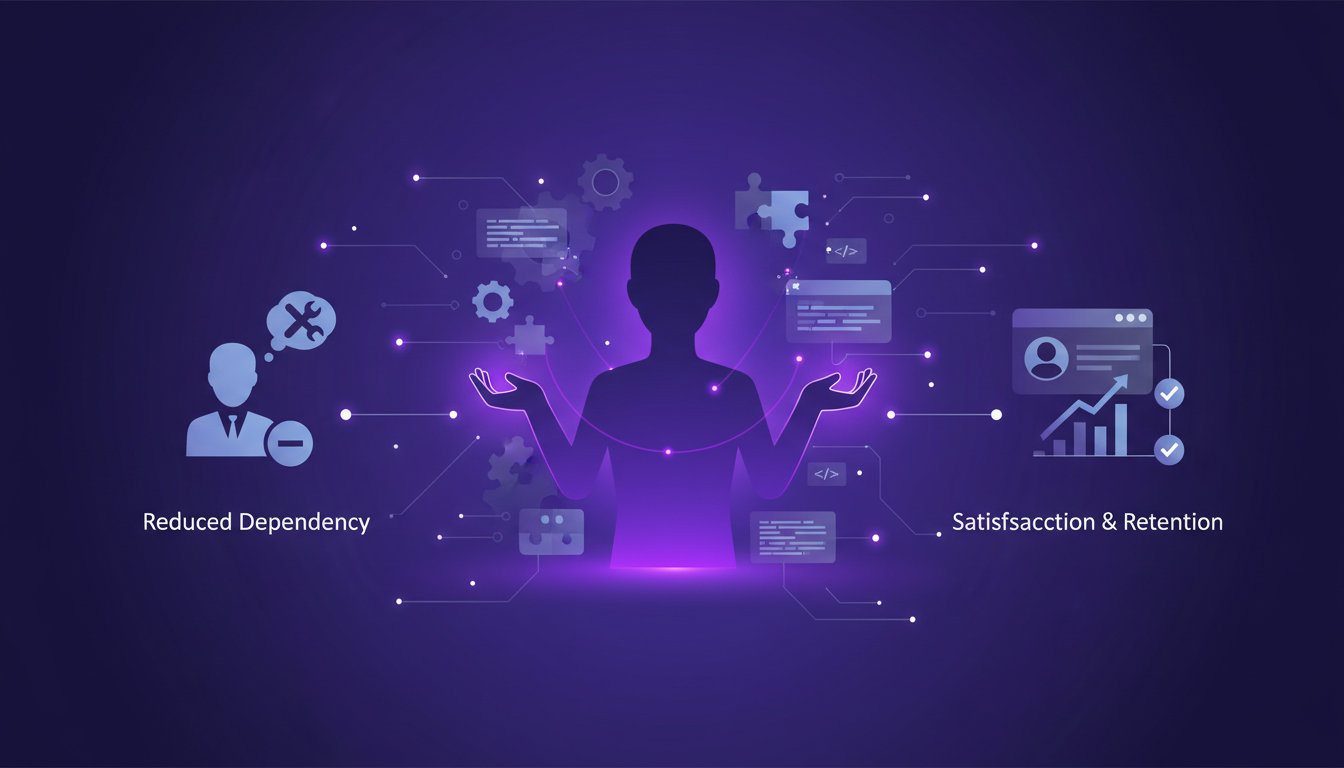
But watch out, these agents have their limits. They require a certain level of technical skill from users, and complexity can quickly become a barrier. Sometimes, it's faster to go through an experienced developer for certain tasks.
Future of Software Customization
Predictive customization is at the heart of discussions about the future of software interfaces. The idea is to find a balance between automation and user control. AI and machine learning technologies play a central role here, enabling anticipation of user needs.
However, there's a need to be cautious of over-customization. Too many choices can harm the user experience. I've seen projects fail because they focused too much on customization rather than overall usability.
Rethinking the Software Delivery Stack
Traditional software delivery models are being disrupted by more agile and modern approaches. Shared primitives are the building blocks of this new era, allowing for more extensive end-user customization.
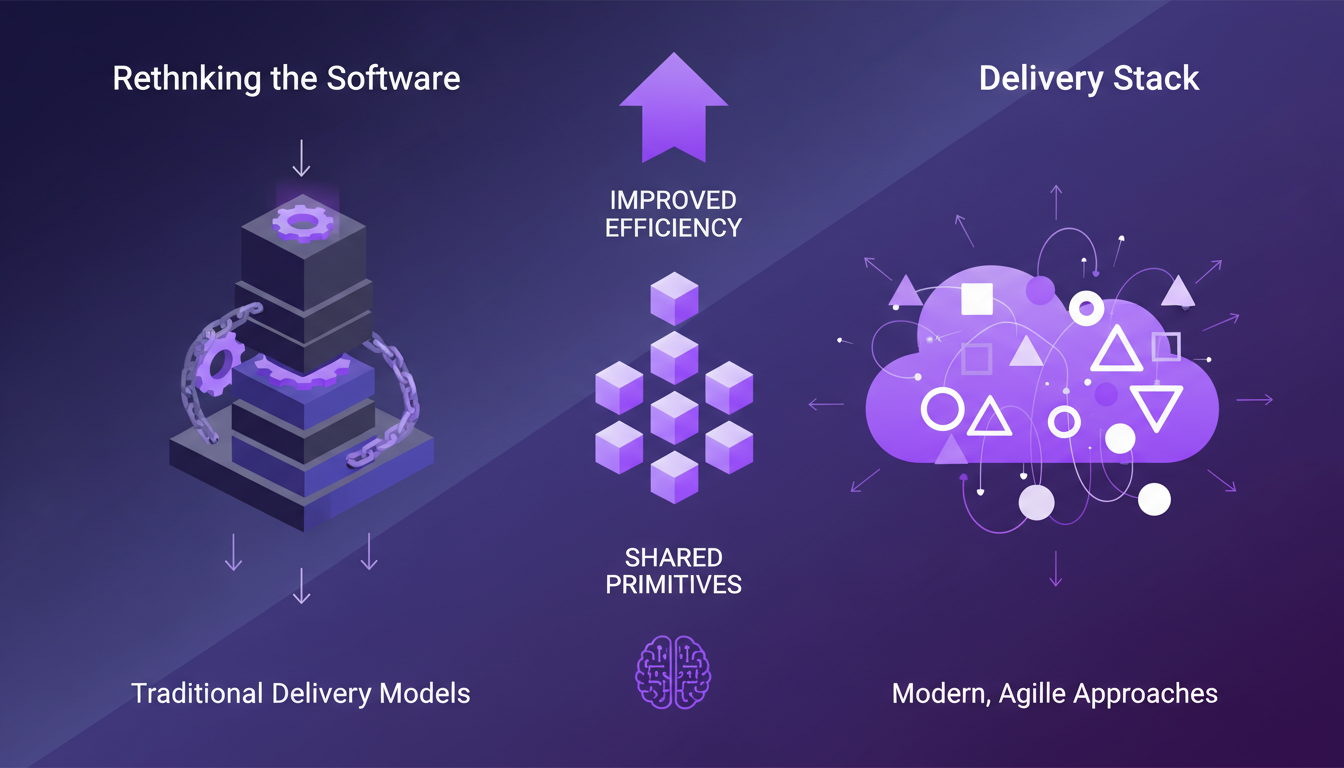
Rethinking this stack can improve efficiency, but watch out for trade-offs. Transitioning from one model to another can be costly and complex. I've seen teams get lost in transition, losing sight of the main goal: a better user experience.
- Software interfaces need to be dynamic to meet modern expectations.
- Forward-deployed engineers are essential for effective enterprise customization.
- Coding agents pave the way for increased user customization.
- Predictive customization requires a balance between automation and control.
- Rethinking the delivery stack can transform efficiency, but beware of hidden costs.
I've dived into the evolution of software interfaces, and what I'm seeing isn't just a fleeting trend. We're redefining user interaction with forward-deployed engineers and coding agents who tailor everything for each user. Here's what you need to know:
- The 'one-size-fits-all' interfaces just don't cut it in today's dynamic world.
- Forward-deployed engineers are transforming customer experiences by customizing software to specific needs.
- Coding agents enable users to personalize the software they consume, making every interaction unique.
It's a real game changer, but watch out for the trade-offs: customization can increase maintenance load and complicate scalability. Now's the time to rethink your software delivery approach to avoid being left behind. I encourage you to watch the full "Dynamic Software Interfaces" video on YouTube for a deeper dive: https://www.youtube.com/watch?v=_2LcG-3zCdY. Trust me, it's worth your time.
Frequently Asked Questions

Thibault Le Balier
Co-fondateur & CTO
Coming from the tech startup ecosystem, Thibault has developed expertise in AI solution architecture that he now puts at the service of large companies (Atos, BNP Paribas, beta.gouv). He works on two axes: mastering AI deployments (local LLMs, MCP security) and optimizing inference costs (offloading, compression, token management).
Related Articles
Discover more articles on similar topics
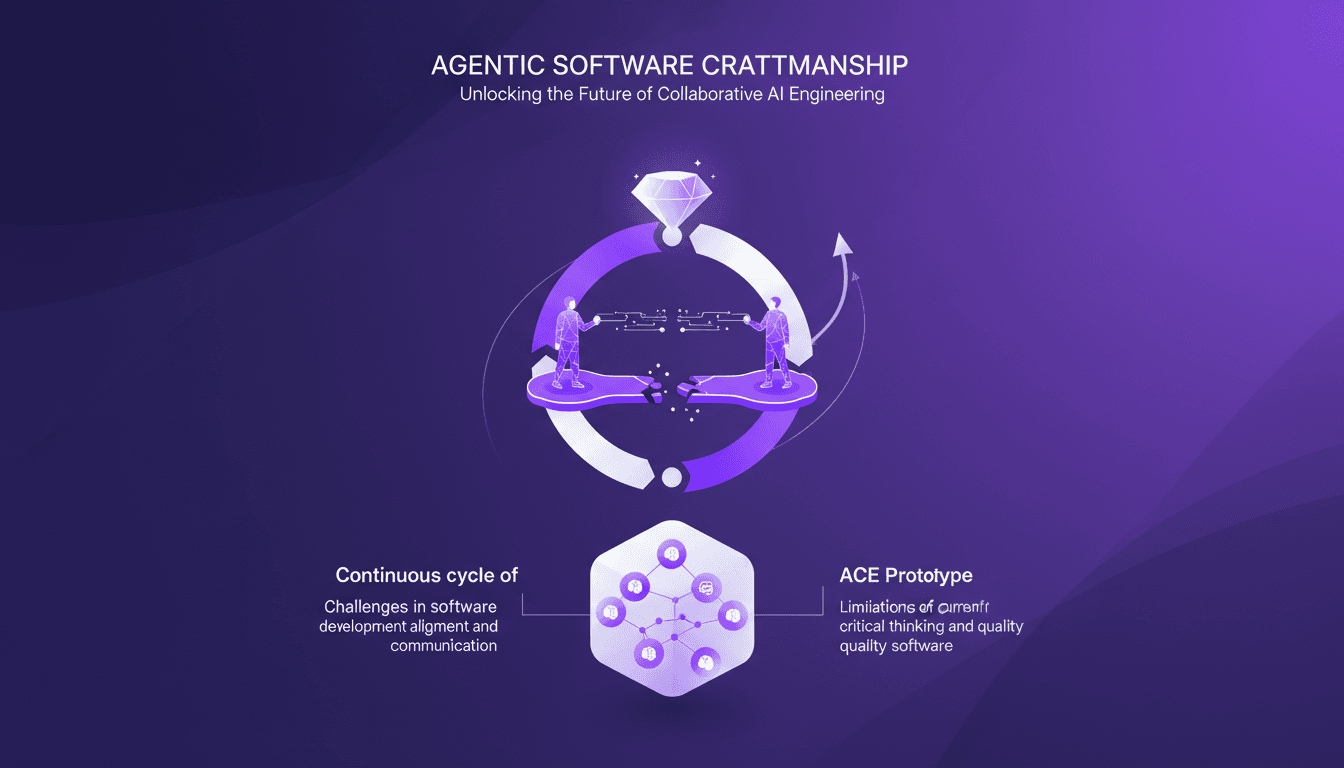
Collaborative AI Engineering: Challenges and Solutions
I dove into the world of collaborative AI engineering with Maggie Appleton's insights, and it was a real game changer. Imagine orchestrating a team of two dozen agents to streamline your development process—sounds ambitious, right? But here's how it plays out in the real world. We often talk about alignment and communication as major hurdles. Current coordination tools aren't always up to the task, especially when managing a continuous cycle of planning and building. The introduction of the ACE prototype shifts the game with real-time collaboration between developers and coding agents. Yet, the real challenge lies in the importance of context and decision-making to reclaim time for critical thinking and quality software. As we move toward the future of agentic development, software craftsmanship remains essential. It's not just about technology, but about redefining our approach to development.
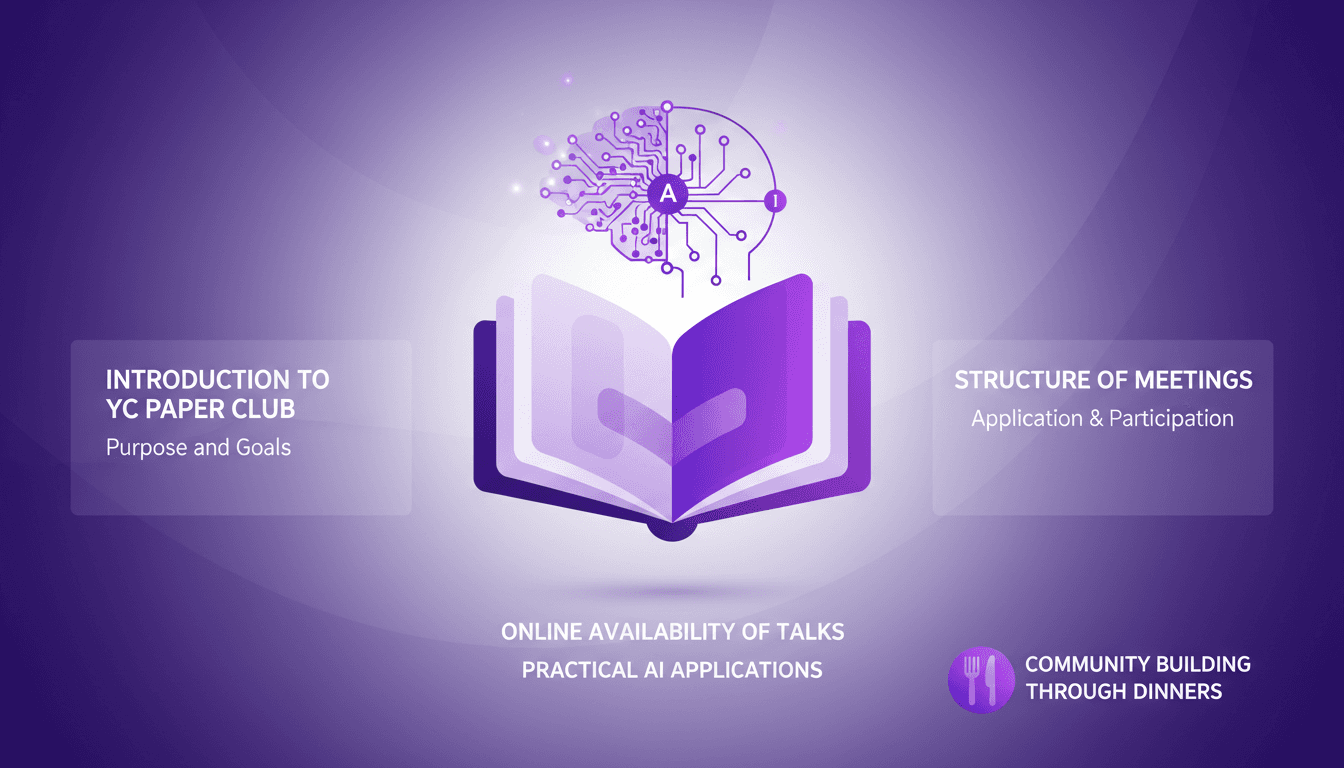
YC Paper Club: Goals and Structure
I joined YC Paper Club last year, and honestly, it's been a game changer for how I understand AI research. Picture a group where we dive deep into AI research papers and discuss practical applications. This isn't just another AI meetup. If you're serious about AI, this is where you need to be. The club keeps it under 100 people, so you really get to build strong connections (and the dinners help). Talks are available online, making it accessible to everyone. But be warned, it's intense — be ready to dig deep into the material and share your insights. It's a space where we build, not just observe.
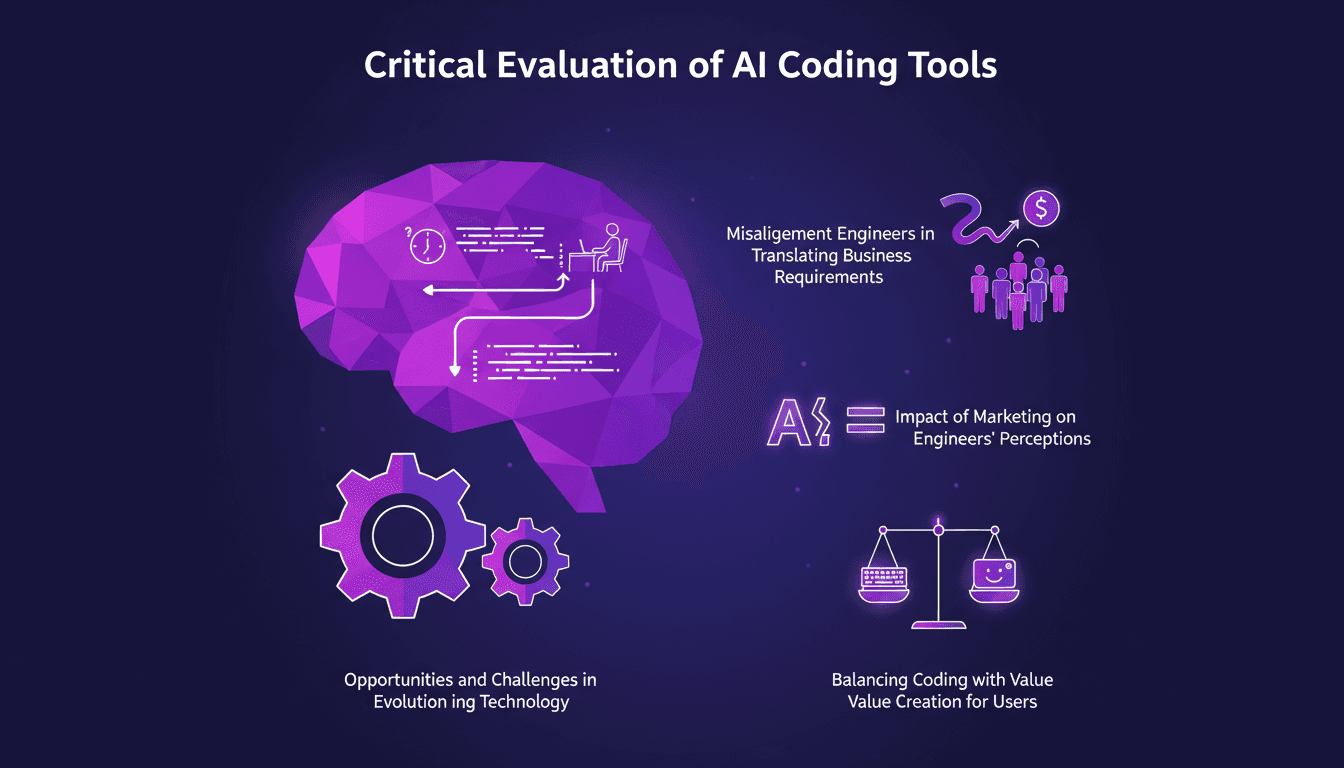
AI Coding Tools: What We Get Wrong
Let's cut to the chase: AI coding tools are everywhere, and the marketing hype is real. But having been in the trenches, I can tell you there's a lot we get wrong. It's not just about the tools—it's about how we use them and where we actually spend our time. In my daily grind, I see engineers dazzled by AI promises, expecting a magic bullet for coding. But the reality? We often spend just 2 hours a day actually coding. The rest is about translating business needs and solving real problems. Let's unpack the myths and get practical.
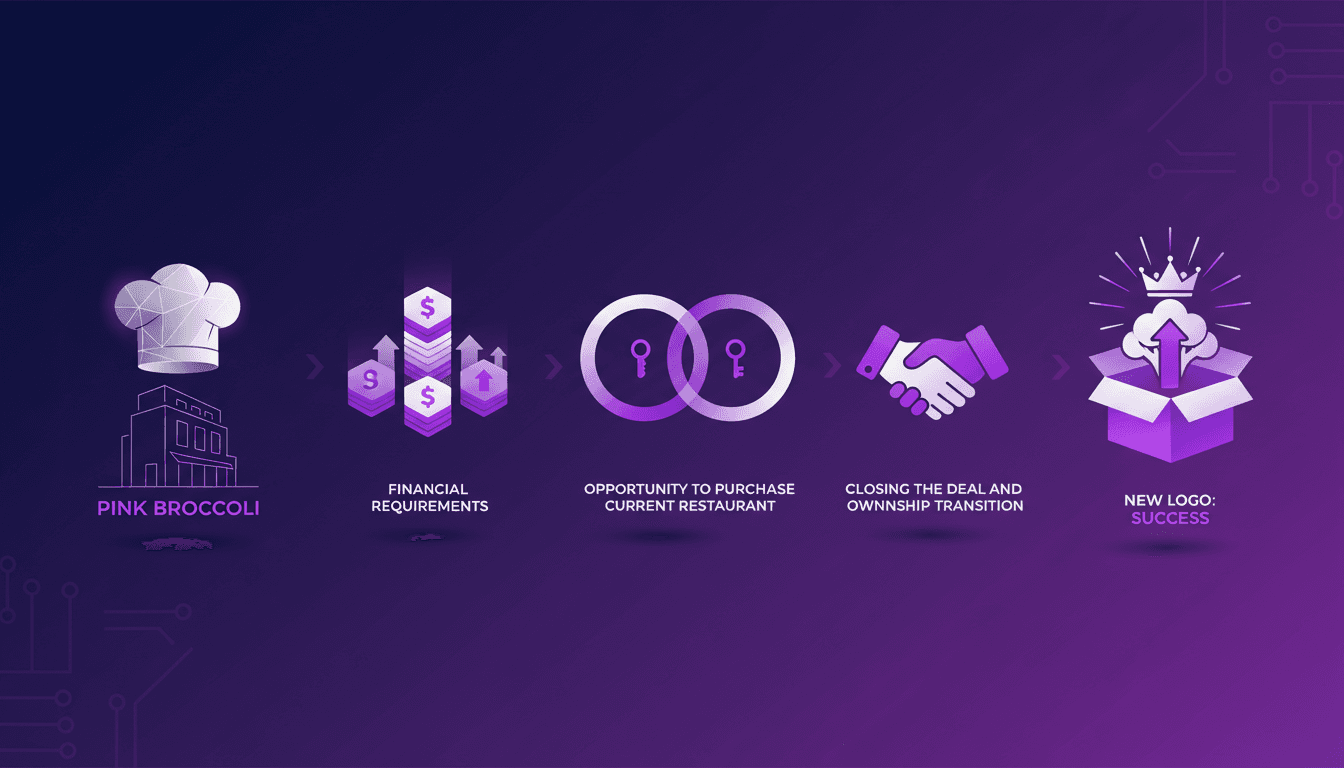
From Chef to Owner in a Week: My Journey
I always saw myself as a chef, but owning my own restaurant? That seemed like a distant dream until Pink Broccoli stepped in. Within a week, I went from chef to owner. Yes, a week! It was a whirlwind of financial planning, seizing opportunities, and a good dose of courage. Let me tell you how, with 70 grand on hand, I grabbed the chance to buy out the restaurant where I already worked. And then, I was gifted a brand-new logo to symbolize success. Not just luck, but a well-orchestrated dream come true.
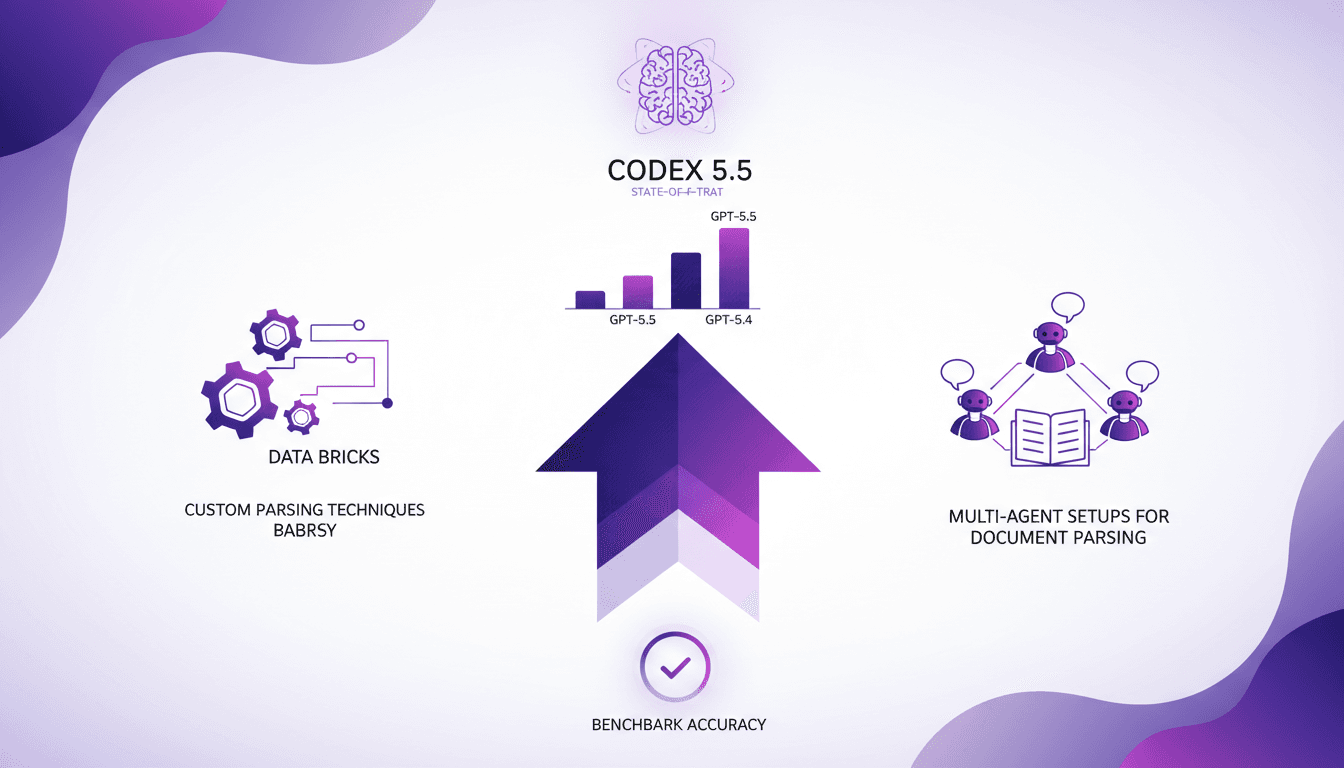
GPT-5.5 Performance Boosts: Key Insights
I was knee-deep in parsing challenges when GPT-5.5 came along, and let me tell you, it's a game changer. But it’s not all roses. In the intricate world of Databricks, strategic setup is key. With impressive performance boosts and increased accuracy, GPT-5.5 is setting new standards, but you need to harness it wisely. I'll show you how I tapped into this power, from custom parsing techniques to multi-agent setups. Get ready to dive into the technical nitty-gritty and see how Codex 5.5 stands as the state-of-the-art model!