AI Coding Tools: What We Get Wrong
Let's cut to the chase: AI coding tools are everywhere, and the marketing hype is real. But having been in the trenches, I can tell you there's a lot we get wrong. It's not just about the tools—it's about how we use them and where we actually spend our time. In my daily grind, I see engineers dazzled by AI promises, expecting a magic bullet for coding. But the reality? We often spend just 2 hours a day actually coding. The rest is about translating business needs and solving real problems. Let's unpack the myths and get practical.
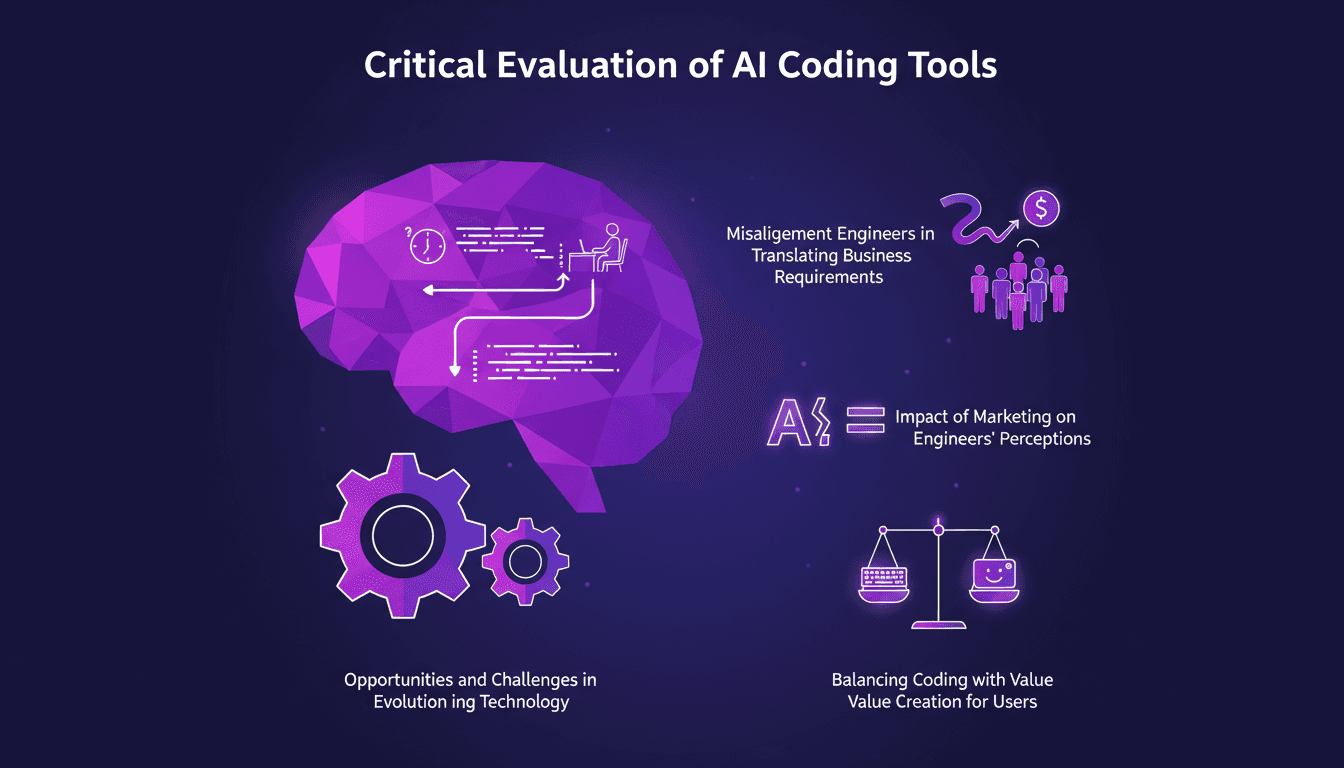
Let's cut to the chase: AI coding tools are everywhere, and the marketing hype is real. But having been in the trenches, I can tell you there's a lot we get wrong. It's not just about the tools—it's about how we use them and where we actually spend our time. In my daily grind, I see engineers dazzled by AI promises, expecting a magic bullet for coding. But the reality? We often spend just 2 hours a day actually coding. The rest is about translating business needs and solving real problems. That's where things get tricky. We think AI will take over, but we forget it's about creating value for the user. The tools are great, but you need to know where the limits are and how to overcome them. Don't get carried away by the hype. Sit down, and let's explore the myths to truly become effective.
The Hype vs. Reality of AI Coding Tools
Every day, I see engineers get swept up in the hype around AI coding tools. These tools promise incredible efficiency gains, but the reality often falls short. I've been there myself—I connected my Supabase repo and tried to automate some tasks. Spoiler: it wasn't as magical as advertised.
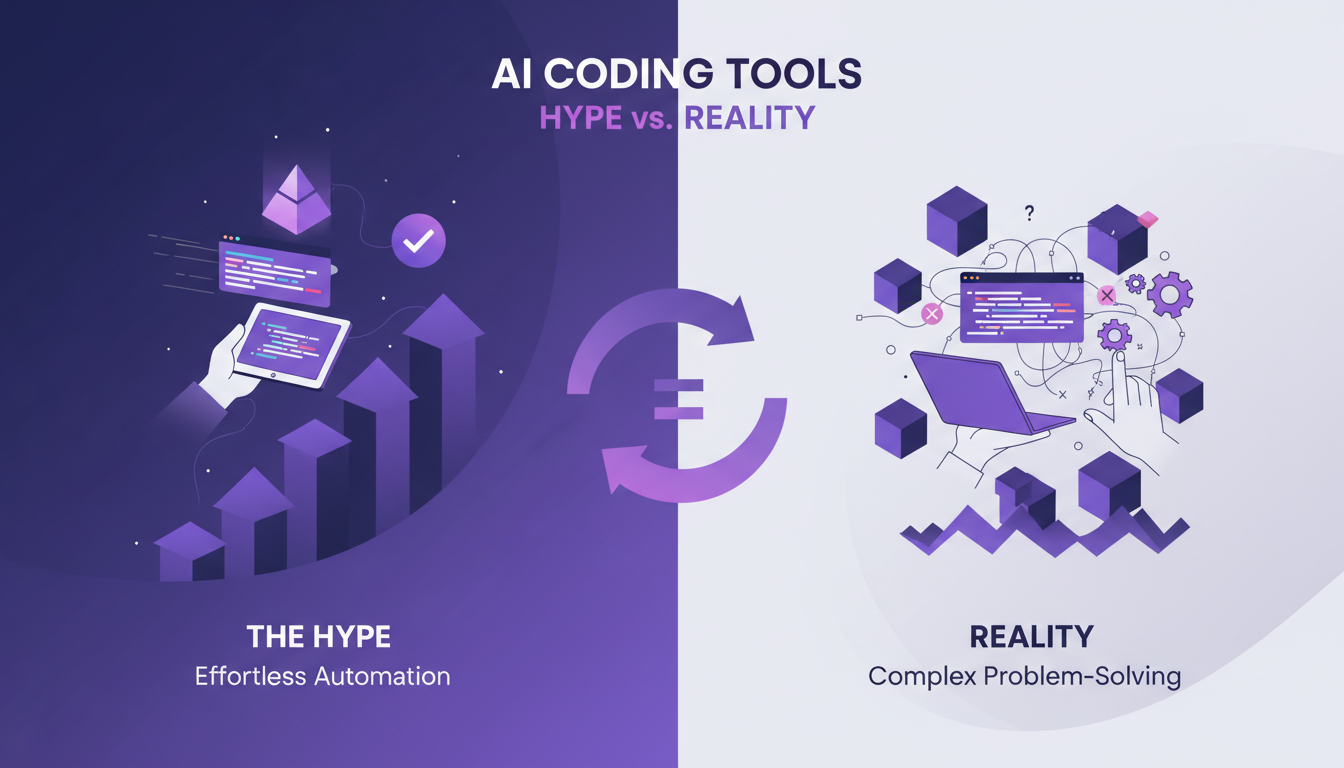
Engineers often get influenced by marketing messages, believing in a sort of black magic that will revolutionize their work. But in reality, coding isn't just about writing lines of code. It's crucial to understand what these tools can actually do and where they fall short, especially when you start hitting token usage limits or context issues.
- Marketing promises are often exaggerated.
- Real-world coding is more complex than just code lines.
- Understanding AI tool limitations is crucial.
Where Engineers Really Spend Their Time
On average, engineers spend only two hours a day coding. So, what fills the rest of their time? If you think it's all ping pong and coffee breaks, think again! Translating business requirements into technical solutions takes up a significant portion of their day.
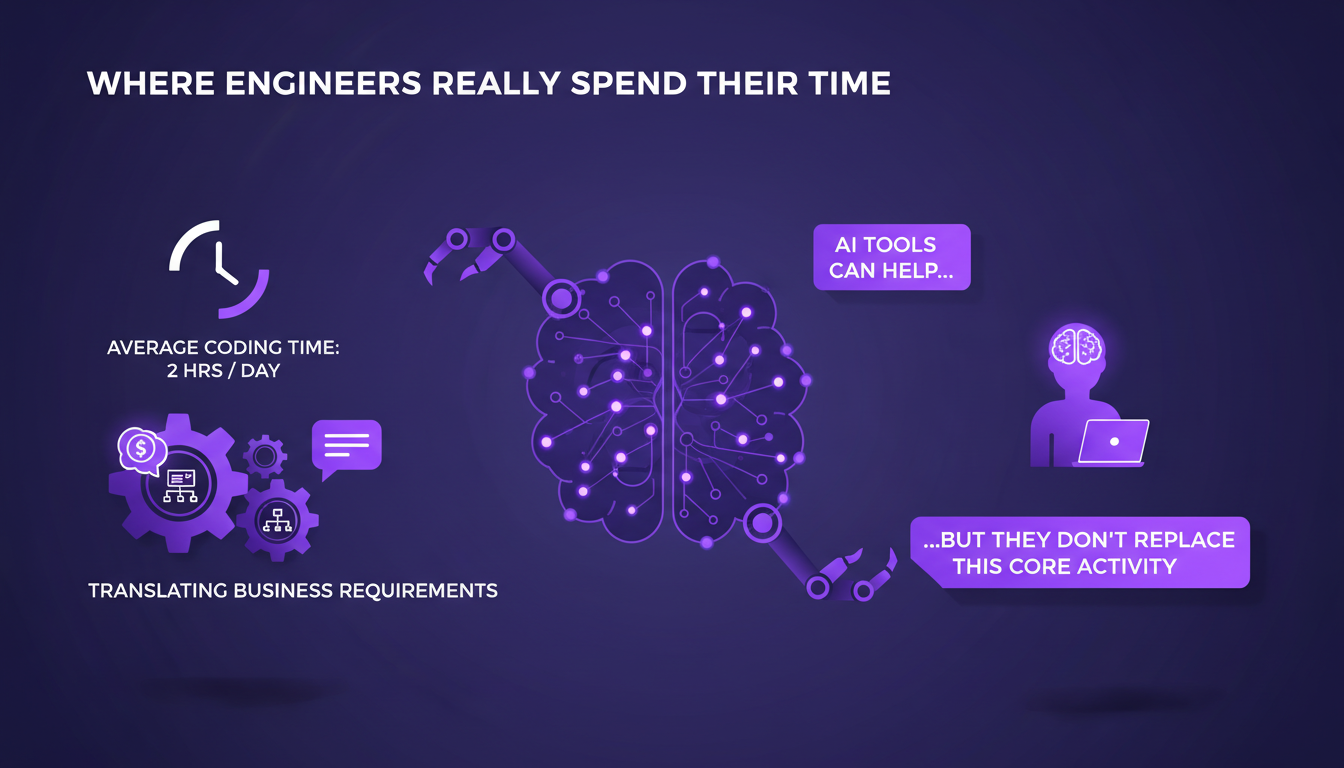
AI tools can be a helpful aid here, but they don't replace this core activity. We tend to optimize for the wrong thing, focusing solely on coding time when real value lies elsewhere.
- Only 2 hours a day are spent on coding.
- Translating business requirements is essential.
- AI tools don't replace this activity.
- Optimization should focus on value creation.
Engineers' Role Beyond Just Coding
Engineers are not just code writers. They're problem solvers. Understanding the business context is indispensable for adding value to users. AI tools should support, not replace, this critical role.
Balancing coding with value creation ensures that users truly benefit from implemented solutions. It's a constant balancing act, and I've had to learn not to rely too heavily on AI tools.
- Engineers solve problems, not just code.
- Understanding business context is crucial.
- AI tools should complement, not replace.
- Value creation for users should be prioritized.
Challenges and Opportunities in Tech Evolution
We're living in a fascinating time where technological evolution offers both opportunities and challenges. AI tools are constantly evolving, but so are the problems. Staying ahead requires continuous learning and adaptation.
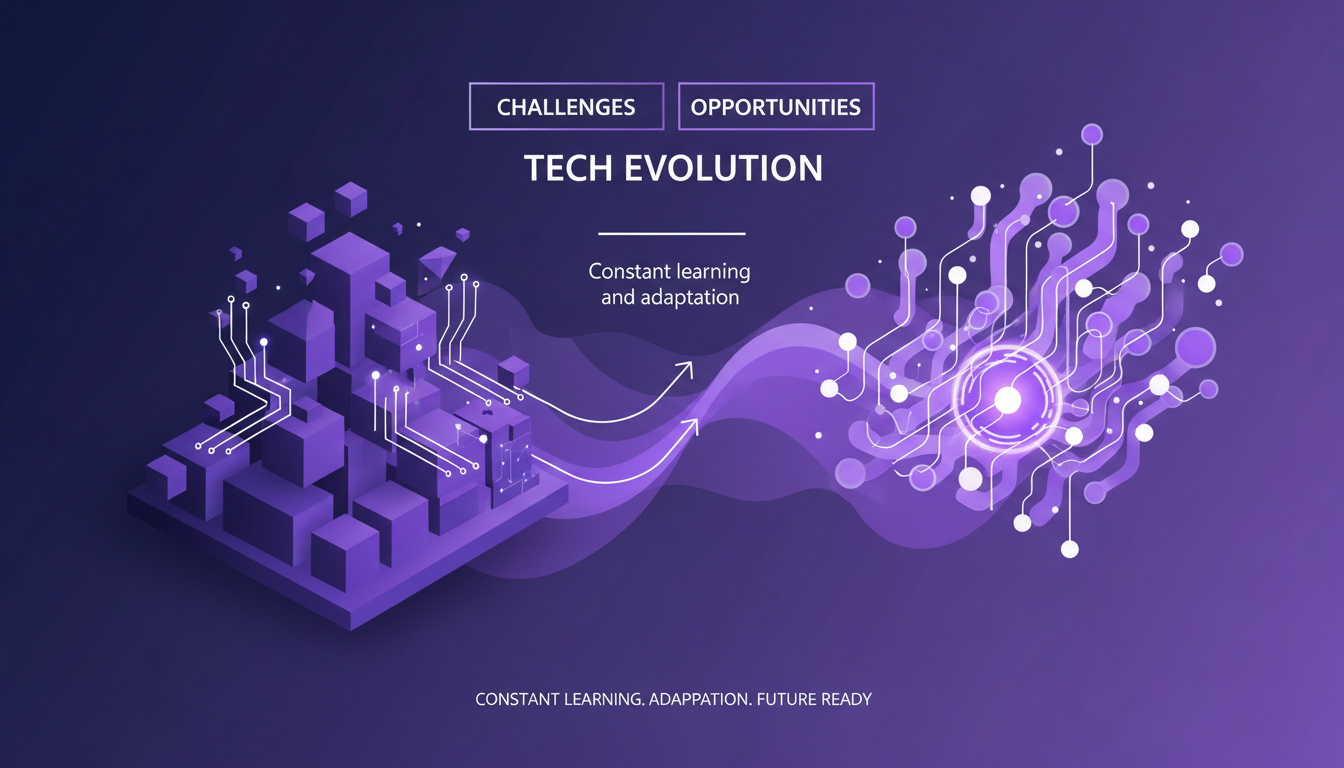
But be careful, not all trends are worth following. I've been burned chasing the latest tech fad without assessing its relevance to my project. Choose wisely what deserves your attention.
- Technological evolution = opportunities + challenges.
- AI tools evolve, but so do problems.
- Continuous learning and adaptation are key.
- Don't follow all trends blindly.
Misconceptions About AI Tools Replacing Engineers
Many believe that AI tools will eventually replace engineers, but this is a misconception. Human creativity and intuition are irreplaceable. Understanding the limits of AI in coding is essential to making the most of these tools without losing sight of the unique value engineers bring.
I've seen projects fail by relying too heavily on AI without integrating human expertise. It's crucial to find the right balance between AI assistance and human expertise. Don't overestimate AI; keep your creativity and insight at the forefront.
- AI doesn't replace human creativity.
- Understanding AI limitations is essential.
- Engineers bring irreplaceable value.
- Balance AI assistance with human expertise.
Spending some time with AI coding tools has taught me that while they offer potential, they're not a magic wand. Here's what I picked up:
- Focus on core roles: As engineers, we need to keep translating business needs into real solutions. AI tools won't do this for us.
- Know the limits: These tools can optimize certain tasks, but they can't replace our expertise. Two hours of actual coding per day are still essential to maintain our edge.
- Skillful integration: Accurately evaluating where and how to integrate AI tools into our workflows can mean the difference between real improvement and wasted time.
- Technological evolution: The opportunities are immense, but beware of the challenges lurking behind each technological advance.
I'm convinced the future looks bright if we stay critical and keep learning. So, share your experiences—what's worked, what hasn't—and let's build a better future together. For deeper insights, watch the original video. It's like chatting with a colleague over coffee!
Frequently Asked Questions

Thibault Le Balier
Co-fondateur & CTO
Coming from the tech startup ecosystem, Thibault has developed expertise in AI solution architecture that he now puts at the service of large companies (Atos, BNP Paribas, beta.gouv). He works on two axes: mastering AI deployments (local LLMs, MCP security) and optimizing inference costs (offloading, compression, token management).
Related Articles
Discover more articles on similar topics
From Chef to Owner in a Week: My Journey
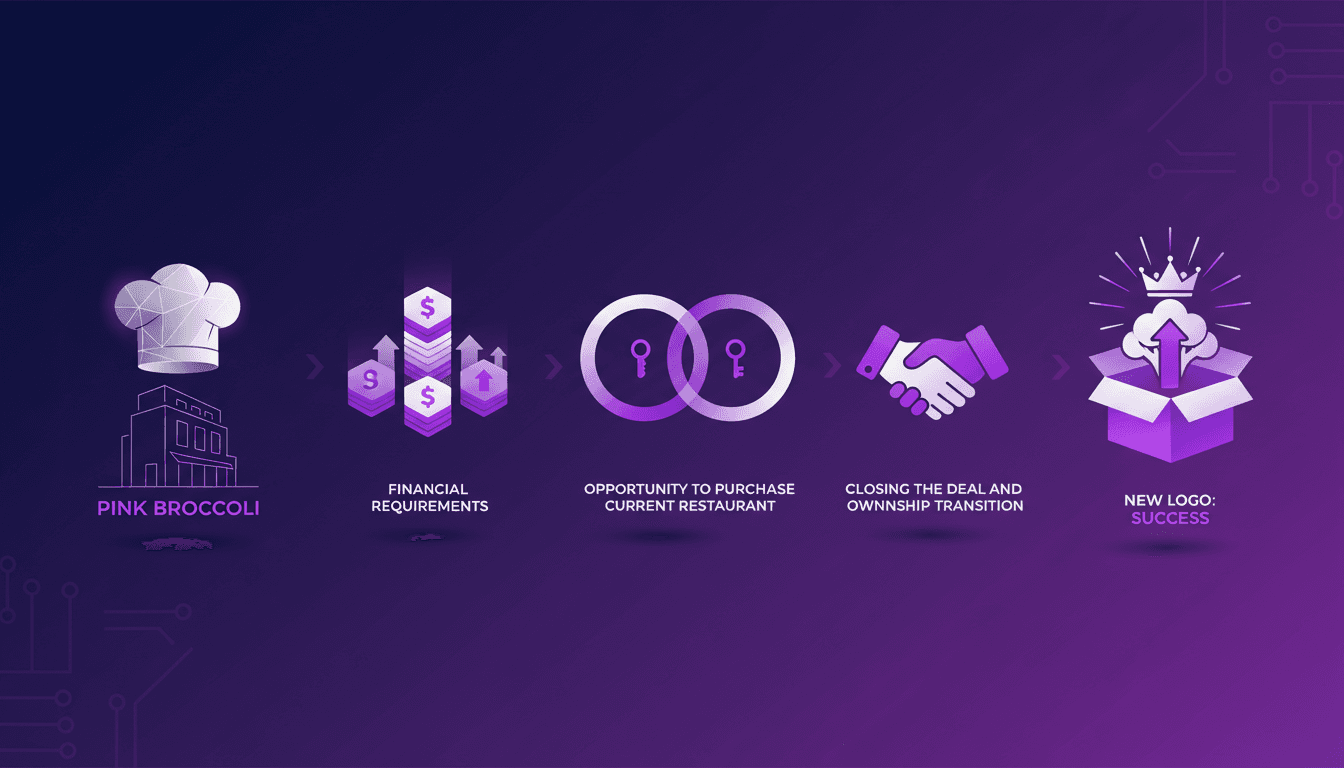
I always saw myself as a chef, but owning my own restaurant? That seemed like a distant dream until Pink Broccoli stepped in. Within a week, I went from chef to owner. Yes, a week! It was a whirlwind of financial planning, seizing opportunities, and a good dose of courage. Let me tell you how, with 70 grand on hand, I grabbed the chance to buy out the restaurant where I already worked. And then, I was gifted a brand-new logo to symbolize success. Not just luck, but a well-orchestrated dream come true.
GPT-5.5 Performance Boosts: Key Insights
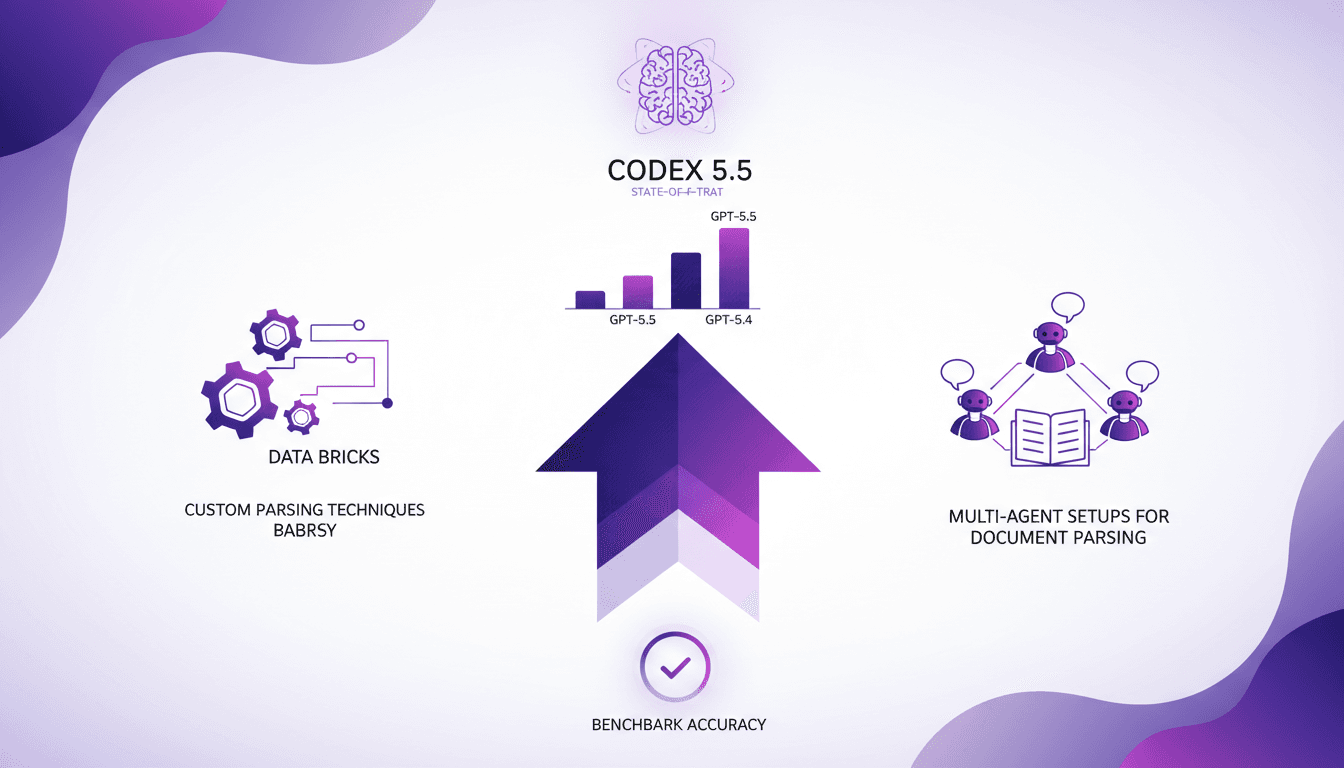
I was knee-deep in parsing challenges when GPT-5.5 came along, and let me tell you, it's a game changer. But it’s not all roses. In the intricate world of Databricks, strategic setup is key. With impressive performance boosts and increased accuracy, GPT-5.5 is setting new standards, but you need to harness it wisely. I'll show you how I tapped into this power, from custom parsing techniques to multi-agent setups. Get ready to dive into the technical nitty-gritty and see how Codex 5.5 stands as the state-of-the-art model!
Error Reduction in GPT-5.5 with Databricks
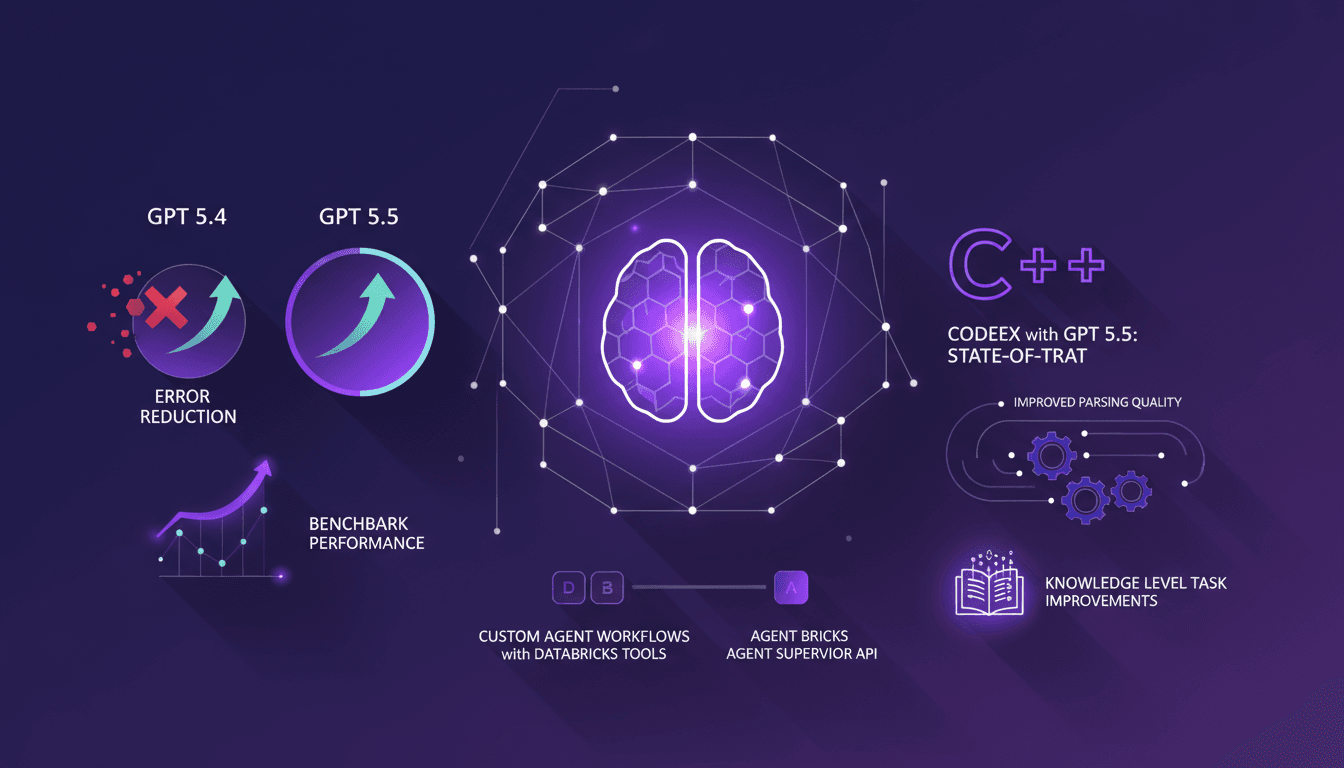
I dove into GPT-5.5 with Databricks, and let me tell you, the improvements are not just theoretical. After integrating it into my workflows, I saw a 46% error reduction compared to 5.4. The performance boost, especially with the Agent Supervisor API, is impressive. Parsing quality and task performance have clearly upped their game. Needless to say, my custom agents, with Databricks tools, are now more efficient. But watch out, it's not all perfect; you need to handle these new tools with care to avoid pitfalls. This update, I must admit, has directly impacted my projects, and I'm not stopping here.
Challenge: Open a Cafe in 4 Days, Winning Strategies
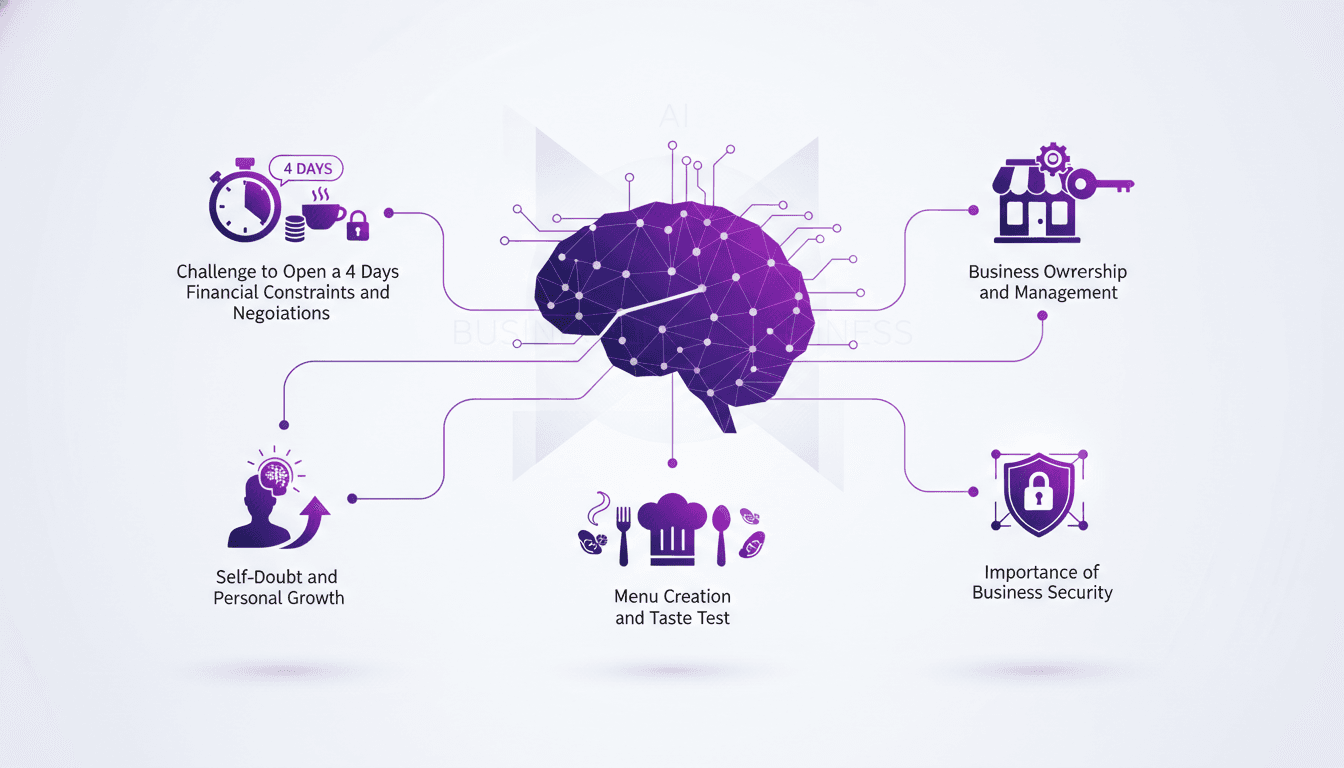
I took the plunge and dared an insecure chef to open her own café in just four days. From tough negotiations to crafting a tempting menu, and a huge dose of personal growth, we did it all. I've been through this kind of whirlwind, so let me show you how we tackled this challenge head-on. We're juggling financial constraints, personal doubts, and rapid-fire strategies to bring a seemingly impossible project to life. Ready to dive into our adventure?
Codex: Recent Enhancements and Integrations
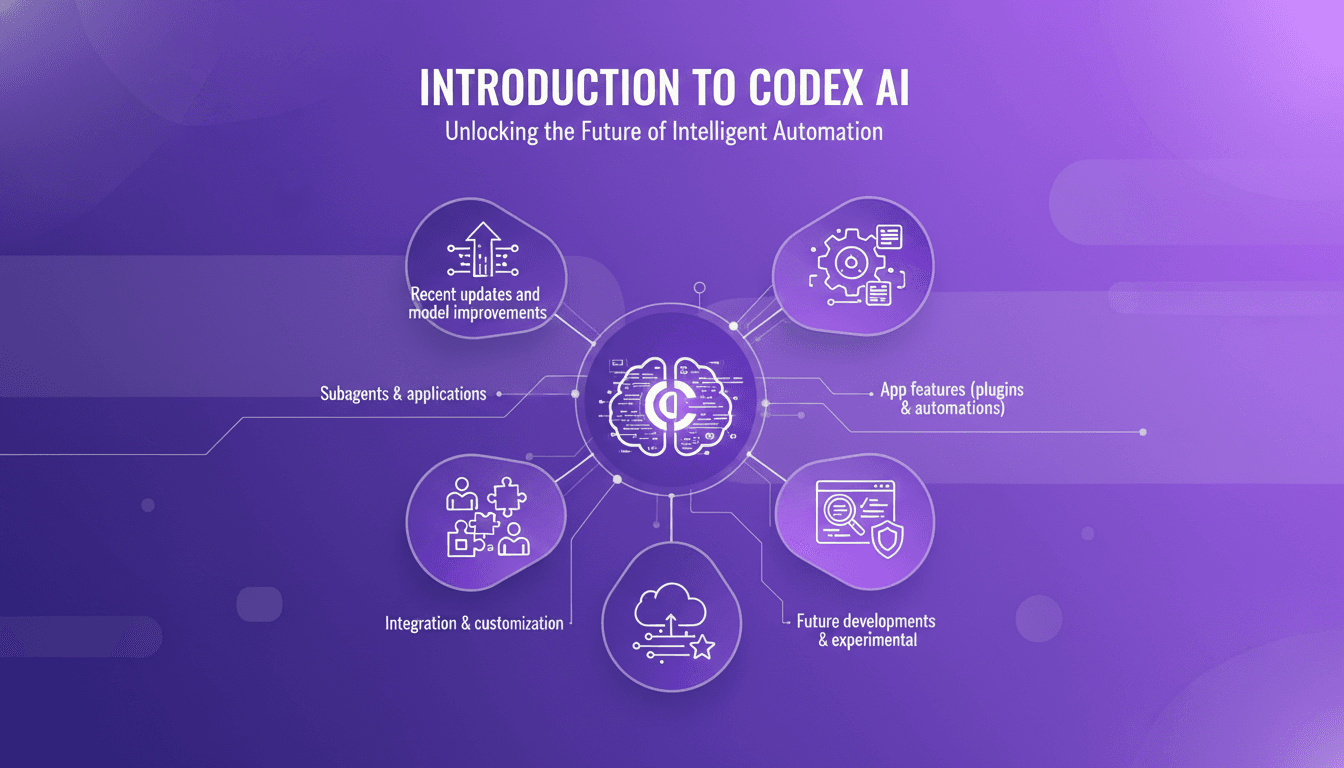
I remember the first time I integrated Codex into our workflow. It was like adding a turbocharger to a well-oiled machine. But watch out, like any powerful tool, understanding its capabilities and limits is key. Codex, with its recent updates, is not just a code assistant; it's a powerhouse for automation and integration. From subagents to security features, it's evolved significantly. Let me show you how to leverage Codex for maximum efficiency. With over three million weekly active users and the latest 5.4 model, the possibilities are massive. Don't get burned by context limits; let's orchestrate Codex to transform your coding environment.