SpaceX's $2000B IPO: Revolutionizing Space
I've been in the aerospace game for years, and watching SpaceX's trajectory is like witnessing the Wright brothers all over again. This isn't just another company IPO—it's a $2000 billion leap into the future of space economy. SpaceX is not just pushing boundaries; it's redefining them. From Starlink's market influence to Starship's groundbreaking potential, and the integration of AI, SpaceX is crafting a new era in space exploration and economic opportunity. The $2000 billion IPO valuation, Starlink's financial performance, the future of space travel, and the potential merger with Tesla outline a future where a multi-trillion dollar space economy becomes reality.
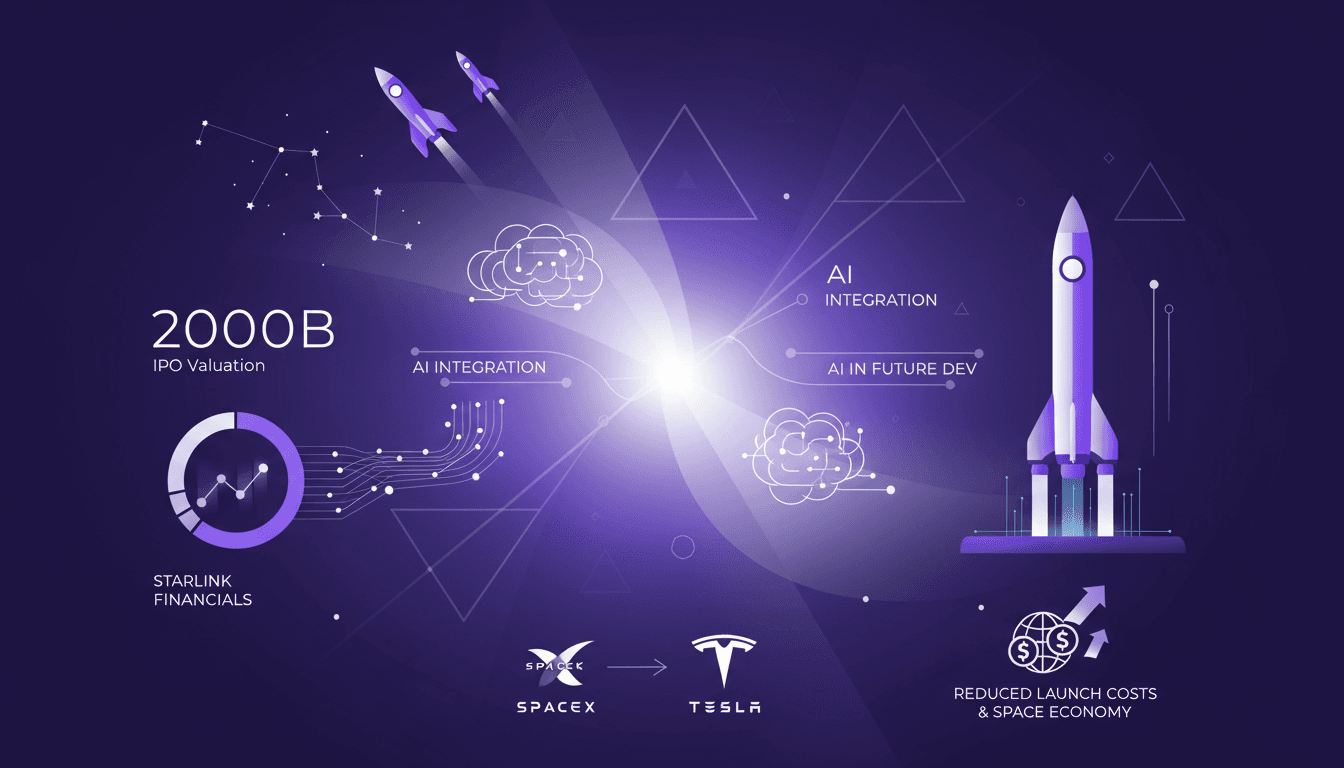
I've been in the aerospace game for years, and I have to say, watching SpaceX's trajectory is like witnessing the Wright brothers all over again. This isn't just another company IPO—it's a $2000 billion leap into the future of the space economy. SpaceX isn't just pushing boundaries; it's redefining them. Take Starlink, for example: it's more than just a satellite project; it's a market-shaking force. And then there's Starship—a beast with the potential to revolutionize space travel as we know it. The integration of AI into their operations is where I see the future unfolding. We often talk about reducing launch costs, and SpaceX is turning that into a tangible reality. And if we start to consider a potential merger with Tesla, we're entering a new realm of economic possibilities. What SpaceX is doing right now is laying down the groundwork for a multi-trillion dollar space economy. And that's where history is being written.
IPO Valuation: The $2000 Billion Game Changer
So here's the deal: SpaceX has reached a $2000 billion valuation with its IPO, making it the largest IPO in history. Why is this significant? Because it gives SpaceX an enormous financial base to continue innovating in the space industry. For investors, it's a tantalizing opportunity, but be cautious, such a high valuation also implies risks.
First off, the controlled company status allows Elon Musk to keep the reins, a major advantage for aligning SpaceX's ambitious projects. With orbital data centers, the valuation skyrockets. But watch out, valuations this high can be fragile, especially if market expectations aren't met.
"SpaceX declared $18.67 billion in revenue in 2025 but posted a consolidated loss of nearly $5 billion."
- IPO valued at $2000 billion
- Advantage of controlled company status
- Orbital data centers boosting valuation
- Risk of volatility with such high valuations
Starlink's Financial Performance and Market Impact
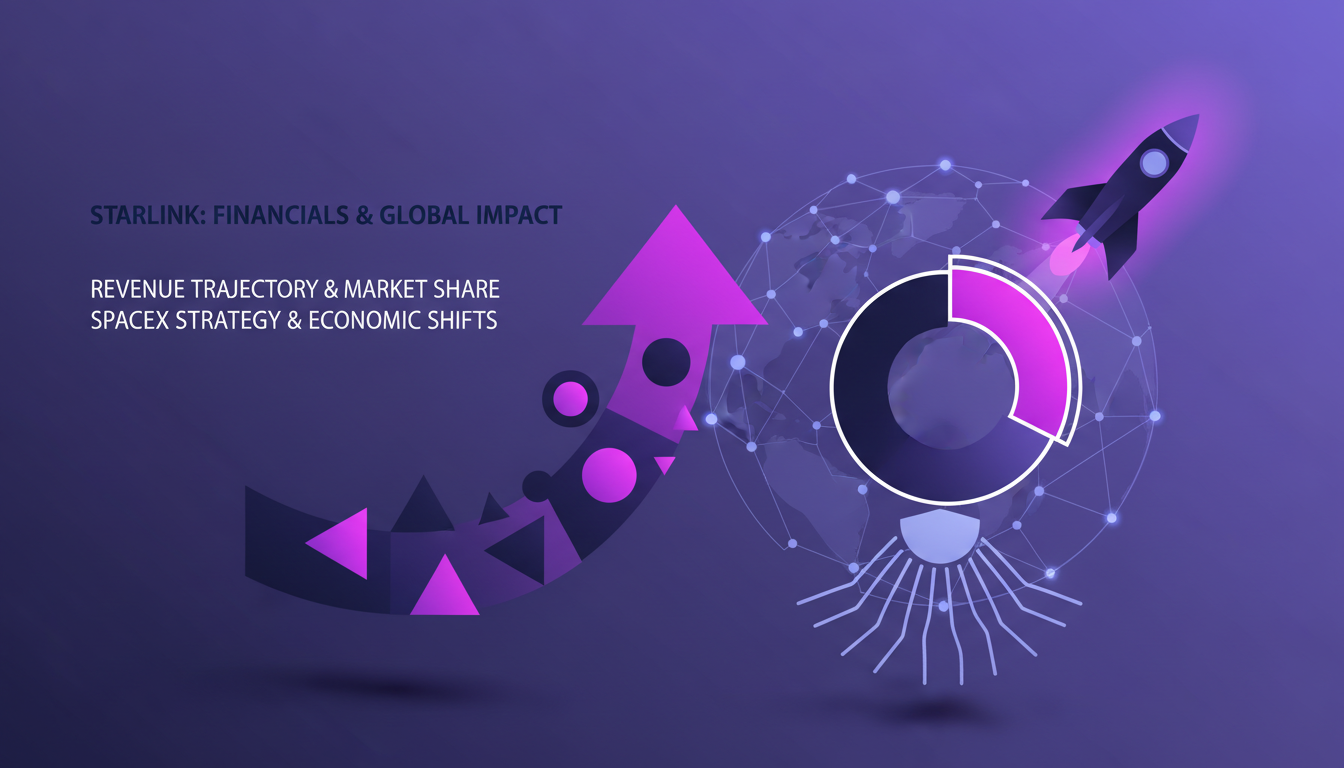
Let me tell you, Starlink is a real growth engine for SpaceX. In 2025, it generated $11 billion in revenue with margins of 60%. That's huge and it directly influences SpaceX's overall strategy. Why? Because it allows the company to diversify its revenues and invest more in innovation.
But there's a paradox here, known as the Jevons paradox. The more satellites we launch, the more resources we consume, which can make expansion challenging in the long term. And then, we also have to be wary of market saturation and growing regulatory challenges.
- Starlink generated $11 billion in 2025
- High margins influencing SpaceX's strategy
- Potential for market saturation
- Regulatory challenges to anticipate
Starship: Revolutionizing Space Travel
SpaceX's Starship is the next big step. Its reusability could reduce launch costs by 82%, a radical change. But beware, it's not without technical challenges. We're talking about reducing the cost of sending to orbit to between $10 and $100 per kilo. Just to give you an idea, it would take 100 flights to amortize the cost of building the vehicle.
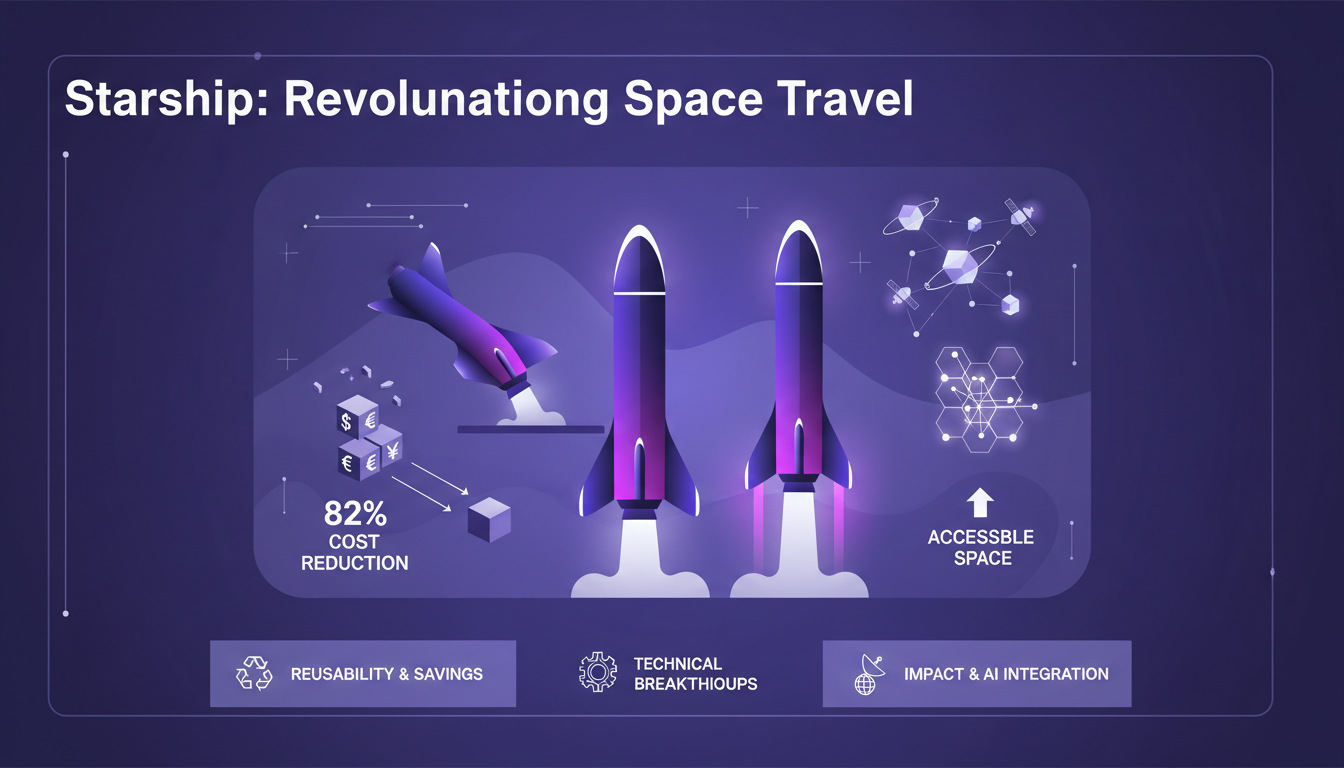
Starship is crucial for SpaceX's future: it opens the door to new applications like orbital data centers and rapid humanitarian aid delivery. But let's not forget that each innovation comes with its own set of risks.
- 82% reduction in launch costs
- Target of 100 flights to amortize costs
- Crucial strategic role for SpaceX
- Technical challenges to overcome
AI Integration: Driving SpaceX's Future
I'm telling you, AI integration at SpaceX isn't just a buzzword. It's a real internal revolution. AI improves efficiency and safety, but finding the right balance between automation and human oversight is key.
AI-driven innovations can transform space travel, but there are pitfalls to avoid. Over-reliance on AI could lead to costly errors. It's an area where one must tread carefully.
- AI improving efficiency and safety
- Balance between automation and human control
- Potential to transform space travel
- Risks of over-reliance on AI
Future Prospects: SpaceX, Tesla, and Beyond
The potential merger with Tesla could create waves. But is it really strategic? For SpaceX, the goal is to create a multi-trillion dollar space economy. Reducing launch costs has a direct impact on global markets.
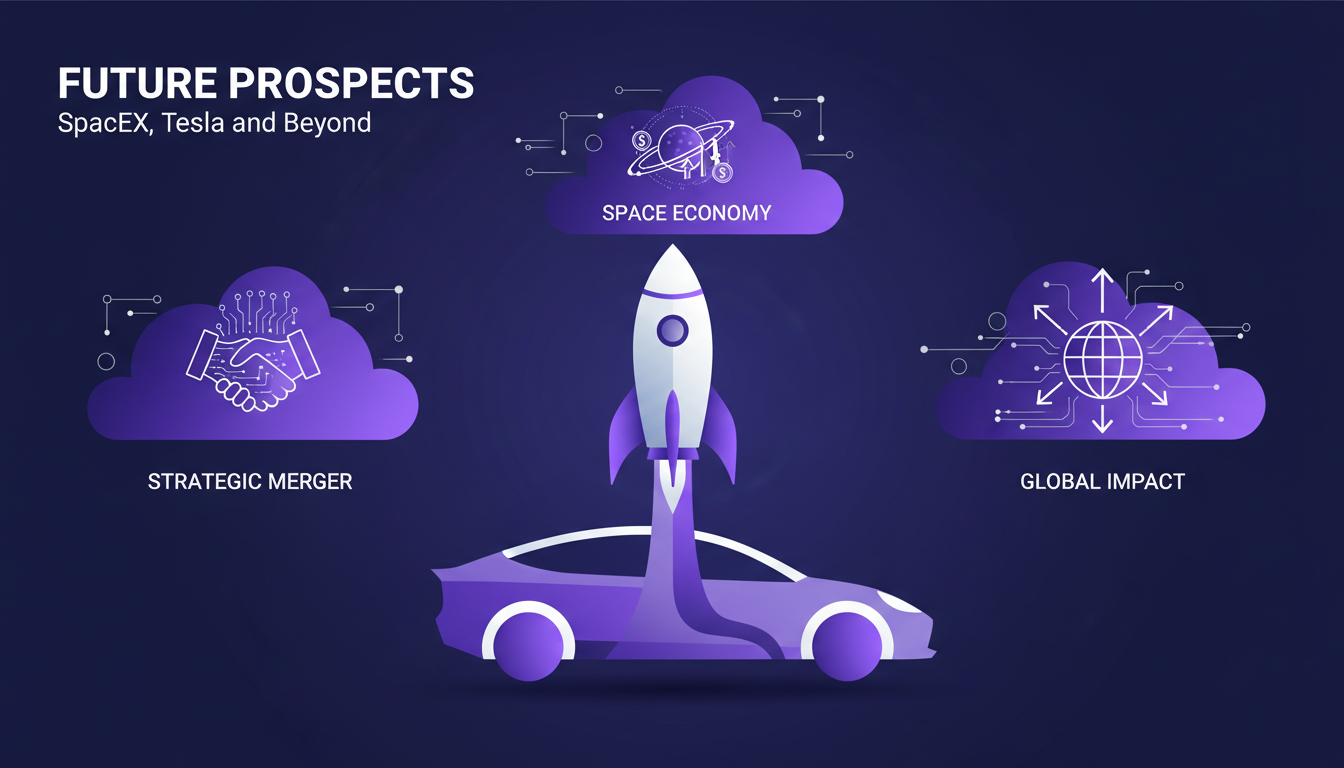
SpaceX plays a key role in shaping future space policies. But watch out, there are long-term challenges: regulation, competition, and technological risks. The opportunity is immense, but it's not without obstacles.
- Potential merger with Tesla
- Vision of a multi-trillion space economy
- Global economic impact
- Long-term regulatory and technological challenges
With SpaceX, we're not just launching rockets. We're kicking off a new era of space exploration and economic potential. First, the $2000 billion IPO is massive, but watch out, it demands ultra-precise handling of financial challenges. Next, Starlink is a game changer in financial performance, but let me tell you, scaling to one million chip wafers a month isn't simple. As for Starship, it's clearly the future of space travel, yet there's still a road ahead before it becomes routine. Finally, the integration of AI into SpaceX's operations is a real asset, even though it requires constant adjustments.
Looking forward: this journey isn't just about reaching the stars, it's about creating a sustainable future in space. Stay tuned, keep building, and watch how SpaceX's story continues to unfold. To really dive into the details, check out the original video. It's like having a chat with someone at the heart of the action.
Frequently Asked Questions

Thibault Le Balier
Co-fondateur & CTO
Coming from the tech startup ecosystem, Thibault has developed expertise in AI solution architecture that he now puts at the service of large companies (Atos, BNP Paribas, beta.gouv). He works on two axes: mastering AI deployments (local LLMs, MCP security) and optimizing inference costs (offloading, compression, token management).
Related Articles
Discover more articles on similar topics
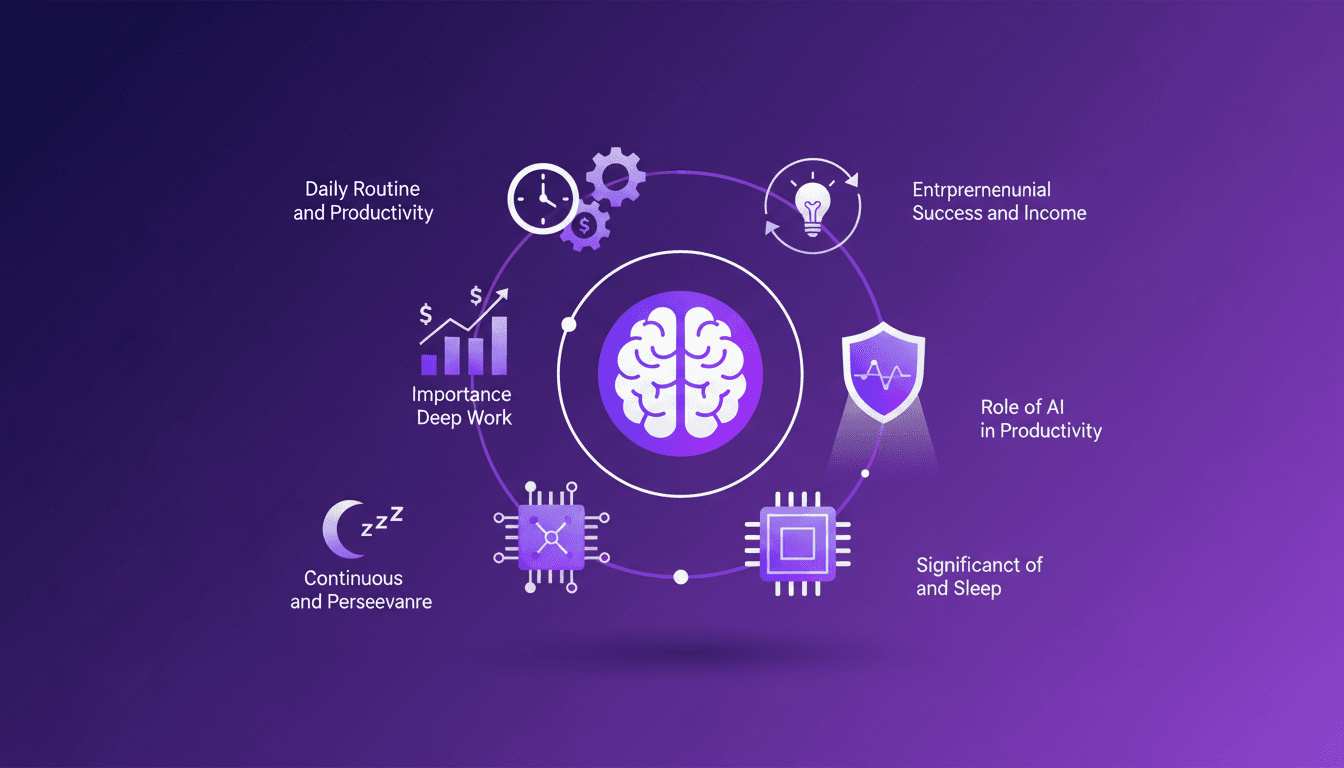
Solopreneur Routine: Earning $77K a Month
I wake up around 6 a.m., ready to tackle the day as a solopreneur. Earning $77K a month doesn't just happen—it's a mix of deep work, smart use of AI, and relentless iteration. First, I orchestrate my priorities using automation tools (saves a ton of time). Then, I dive into the creative work, where AI helps me speed up processes without compromising quality. My secret? Never getting stuck. I test, tweak, and continuously innovate while safeguarding my sleep. In a world where hustle is glorified, smart strategies make the difference. Let me show you how I orchestrate my daily routine to maximize productivity and innovation.
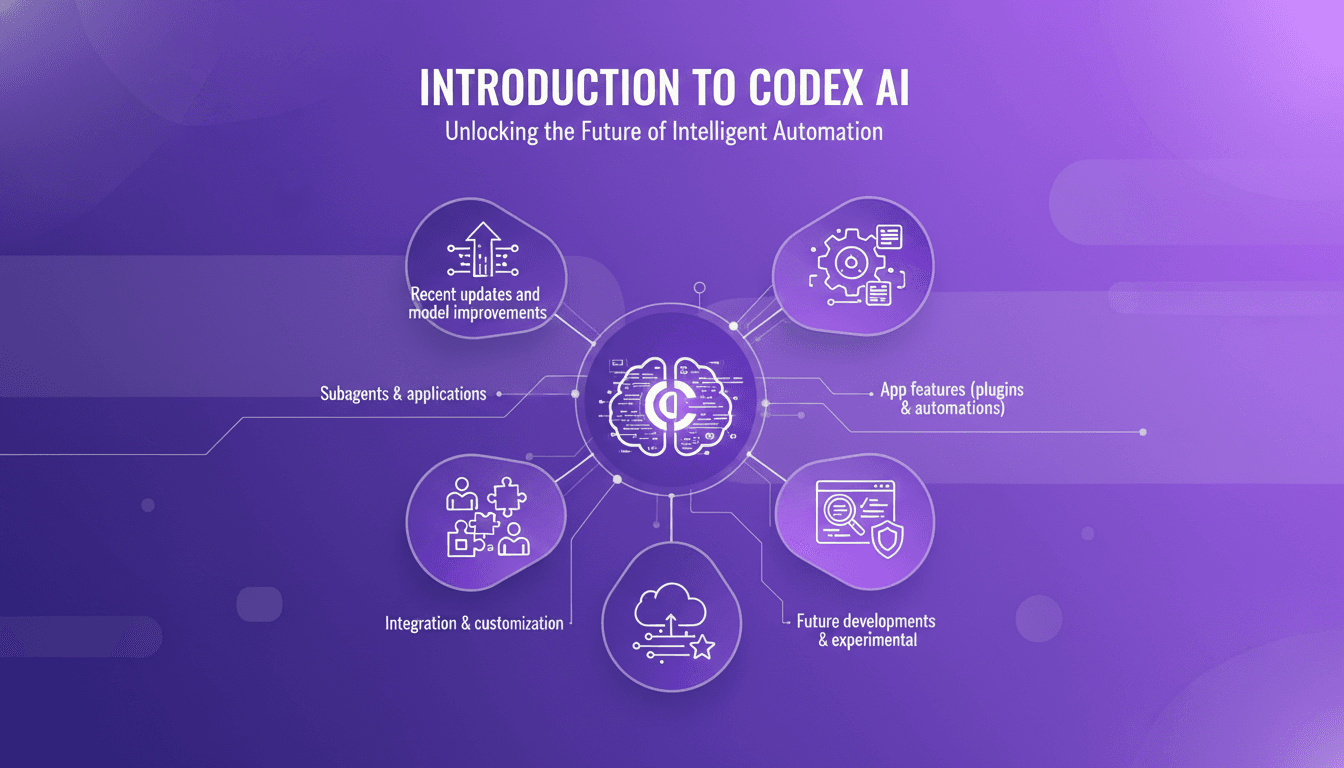
Codex: Recent Enhancements and Integrations
I remember the first time I integrated Codex into our workflow. It was like adding a turbocharger to a well-oiled machine. But watch out, like any powerful tool, understanding its capabilities and limits is key. Codex, with its recent updates, is not just a code assistant; it's a powerhouse for automation and integration. From subagents to security features, it's evolved significantly. Let me show you how to leverage Codex for maximum efficiency. With over three million weekly active users and the latest 5.4 model, the possibilities are massive. Don't get burned by context limits; let's orchestrate Codex to transform your coding environment.

DreamLIVE in London: Turning Dreams into Reality
Ever stood in a room with 600 dreamers? I did at DreamLIVE in London, where aspirations meet action. We dove deep into topics ranging from micro greens to AI-driven creativity. This wasn't just talk; it was a blueprint for building the future. We examined personal aspirations, sustainable food production, the challenges in motorsports, preservation of native horse breeds, and empowering ethnic minority women in corporate spaces. The diversity of journeys and visions turned this gathering into a true wellspring of inspiration, and I left with renewed energy to build my own dreams.
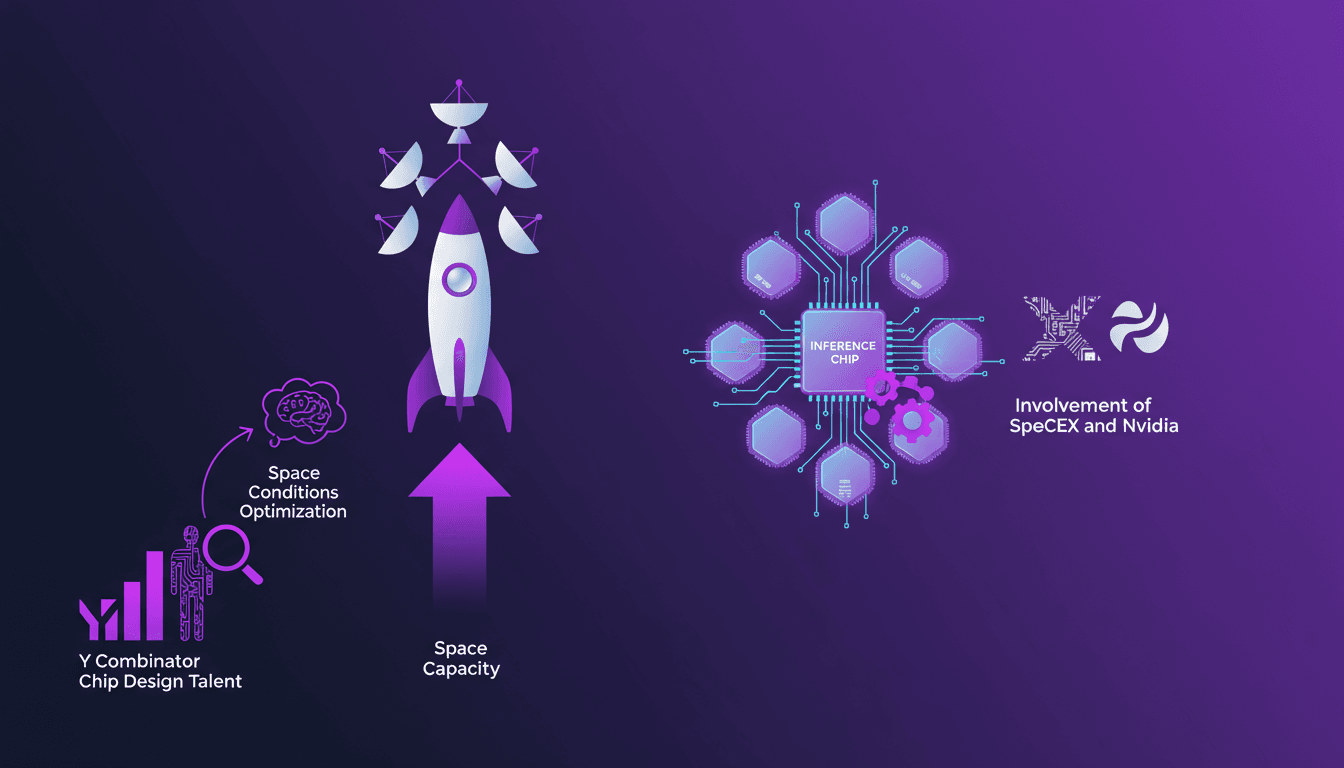
Reusable Rockets: Unlocking Space Capacity
I remember the first time I witnessed a reusable rocket launch. It was a game-changer for space capacity. Now, as we push the boundaries of compute power in space, the demand for specialized chips is skyrocketing. With companies like SpaceX and Stoke Space at the forefront, reusable rockets are transforming our approach to space capacity. But it's not just about getting there—it's about what we do once in orbit. That's where inference chips come into play, optimized for unique space conditions. Let's dive into how we're optimizing electronics for the harsh realities of space.
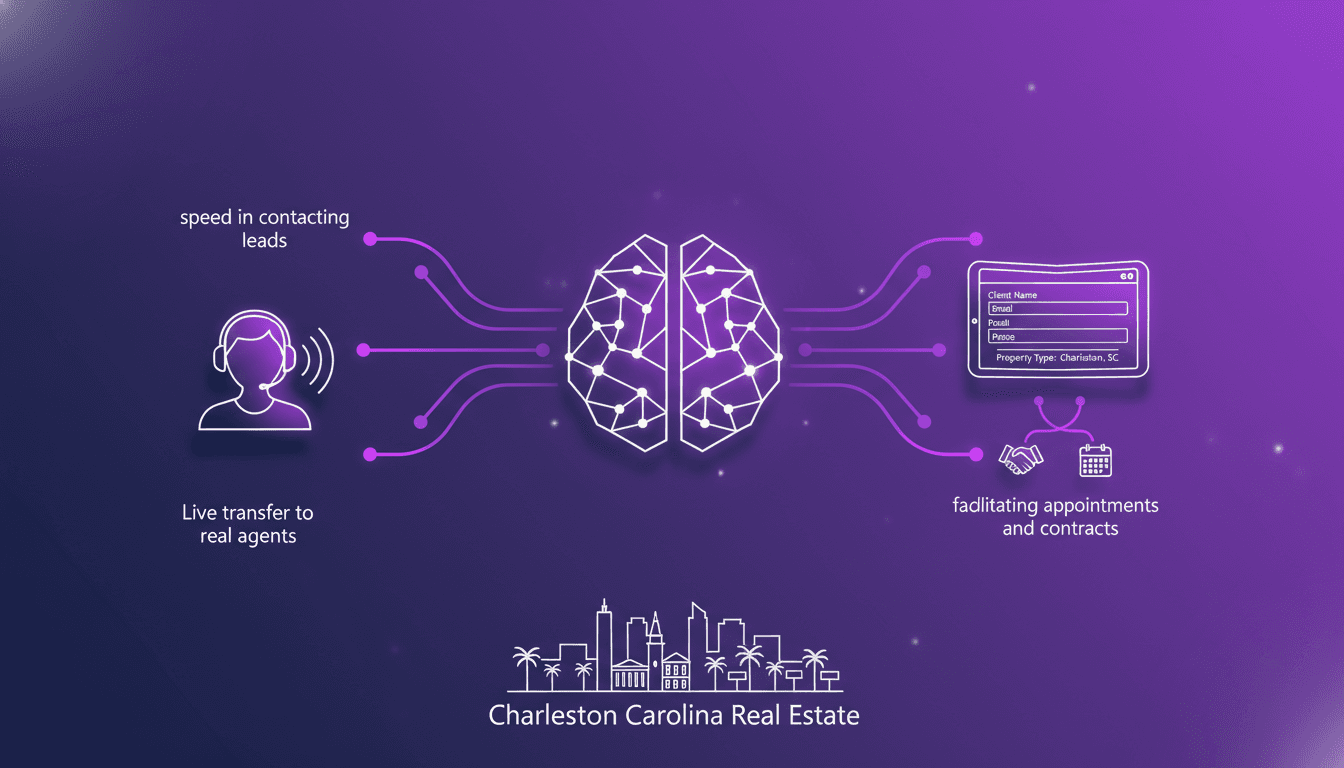
Optimizing Real Estate Lead Conversion with AI
Ever felt that gut-wrenching panic when you miss a prospect's call? I have, until I integrated an AI tool that connects with leads in 8 seconds flat. In real estate, where speed and precision are everything, missing a call can cost you. But with AI, I've flipped the script. Let me show you how I revamped my real estate workflow in Charleston, South Carolina. From lightning-fast lead contact to capturing specific client details and streamlining appointments and contracts, this tool has kept me ahead of the game. No more losing potential clients. Here's how I set it up.