Comparing Hardware Supply Chains
I remember the first time I tried to get a prototype made in the US. It took weeks to see the first physical part. Meanwhile, my colleagues in Shenzhen were turning around designs in a day. That's when I realized the game was different depending on where you played. In the world of hardware production, speed and efficiency are king. Comparing the US and China shows stark differences in how quickly ideas can become reality. Let's dive into what makes China's supply chain tick and how the US can catch up.
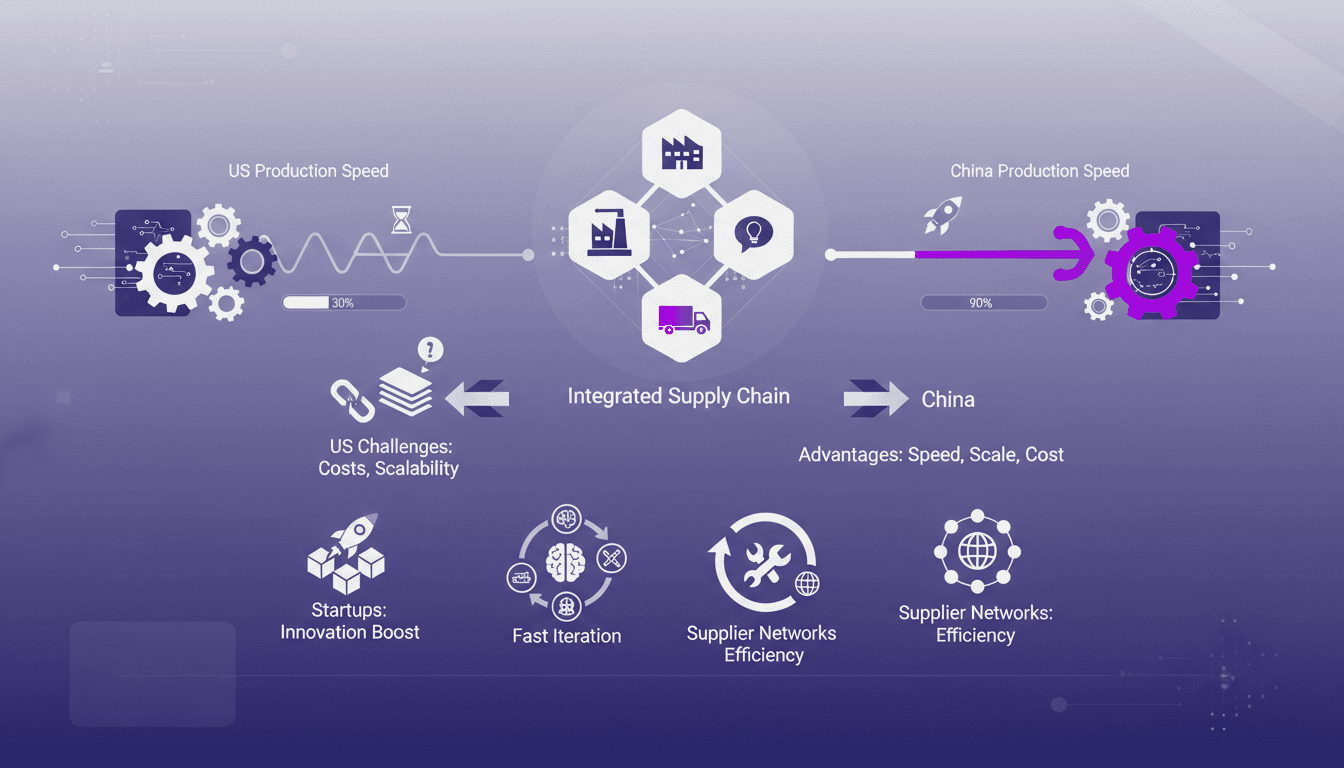
I remember vividly the first time I tried to get a prototype made in the US. After waiting weeks just to receive the first physical part, I knew something was off. Meanwhile, my colleagues in Shenzhen were wrapping up the same process in a day. That's when it hit me: the playing field isn't the same everywhere. In the world of hardware production, speed and efficiency are king. Comparing the US and China reveals stark differences in how quickly ideas can become reality. Why is China so fast, and how can the US bridge this gap? American startups have a crucial role to play here. Integrating design, manufacturing, and logistics is key to creating fast iteration loops, which are essential for future hardware companies. Let's dive into what makes China's supply chain tick and explore how the US can catch up.
Comparing Production Speeds: US vs China
When I think about how quickly you can go from design to a new part in Shenzhen, it's like we're living in two different worlds. In China, this transformation literally takes a day. In the US, we're talking weeks. It's not just about logistics but an integrated system that includes design, manufacturing, and logistics. I've seen innovation cycles soar in China thanks to this speed. It's a real game changer for market entry.
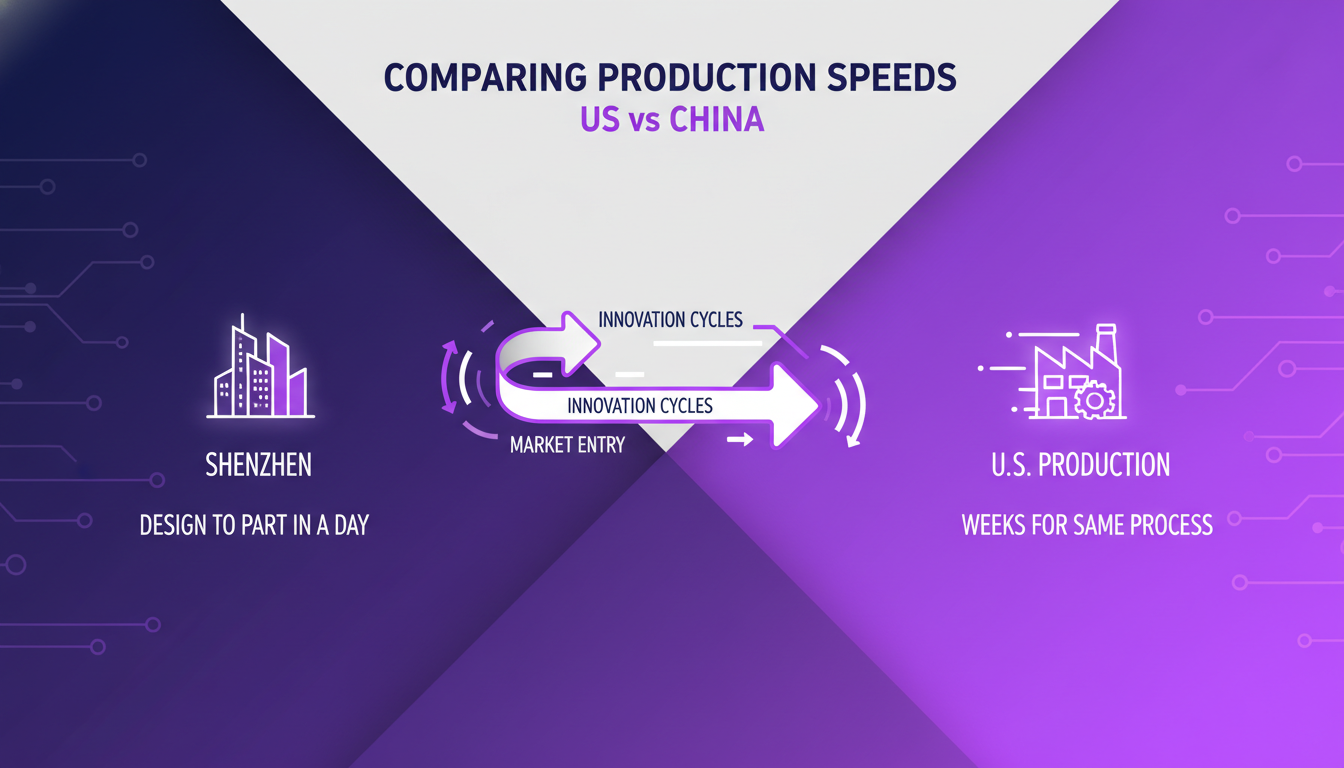
But watch out, this speed comes at a cost. Quality control issues and communication barriers are common. I've personally experienced misunderstandings that delayed projects. It's a dance between speed and precision.
- Speed in China allows for shorter innovation cycles.
- The US suffers from longer processes that stifle innovation.
- Integration of production and logistics chains is crucial.
- Be wary of trade-offs in quality and communication.
Advantages of China's Hardware Supply Chain
China doesn't just produce fast; it does so efficiently. With vast supplier networks, production is streamlined. Proximity to manufacturers drastically reduces lead times. I've seen economies of scale significantly lower costs. It's a culture of rapid prototyping that accelerates iteration loops. However, intellectual property concerns are not to be overlooked.
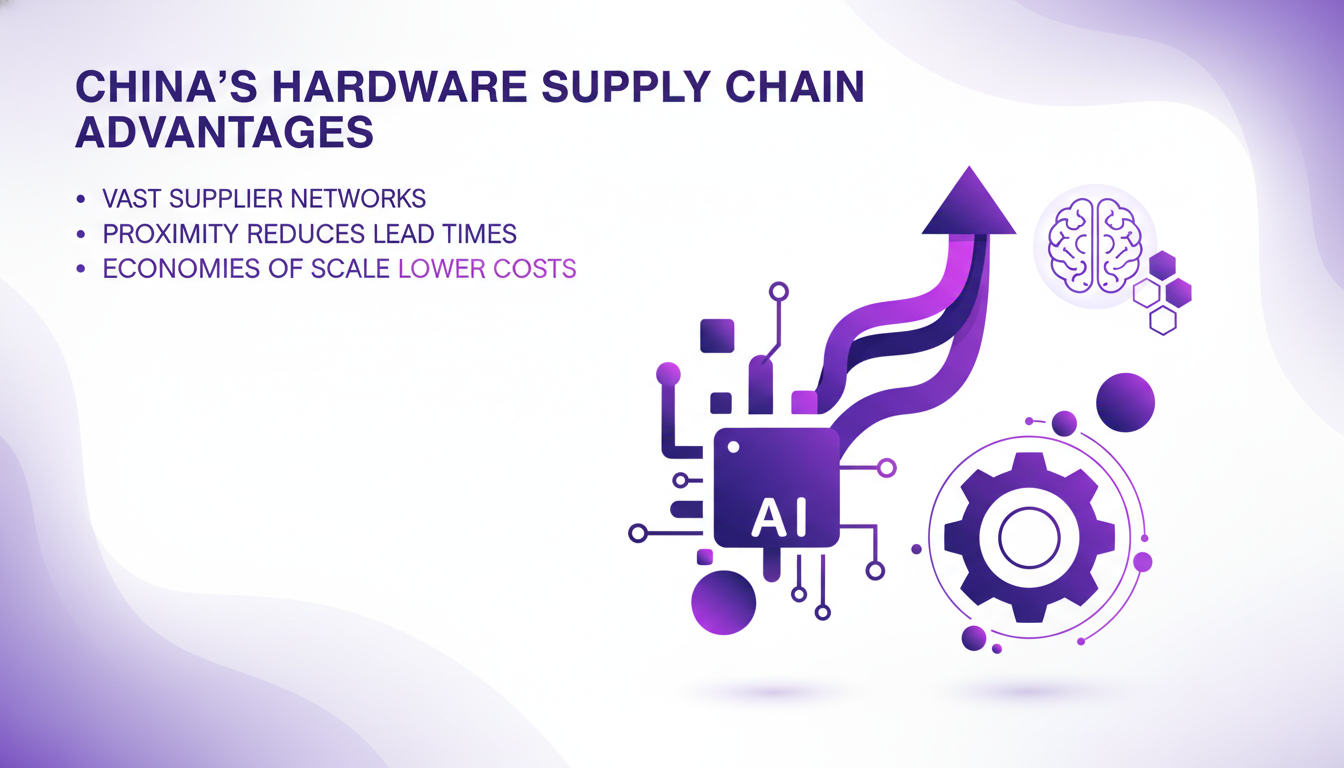
Working on the ground, I've noticed that proximity to suppliers allows for quick prototype adjustments. It's a real asset for teams needing rapid iteration. But, intellectual property concerns cannot be underestimated. I've seen companies hesitate to share their designs for fear of copying.
- Vast supplier networks for efficient production.
- Reduced lead times due to proximity to manufacturers.
- Economies of scale that lower costs.
- Rapid prototyping culture for accelerated iterations.
- Intellectual property concerns to be considered.
Challenges in US Hardware Production
As a builder in the US, I often run into longer iteration times that hinder competitive edge. Fragmented supplier networks increase complexity. Higher production costs stem from smaller scales. Then, there are regulatory hurdles that can slow down processes. However, tech integration could be a solution.
I've seen projects stalled by a lack of coordination among suppliers. This fragmentation creates unnecessary complexity. That's where tech integration could really make a difference, automating some tasks and reducing coordination time.
- Longer iteration times that stifle innovation.
- Fragmented supplier networks that increase complexity.
- Higher production costs due to smaller scales.
- Regulatory barriers that slow down processes.
- Opportunities for improvement through tech integration.
Startups: Catalysts for Change in the US
Startups are revolutionizing production techniques. They leverage technology to reduce iteration times. Partnerships with local manufacturers can boost efficiency. Often, these startups adopt flexible processes that larger companies can't. But balancing speed with quality remains critical.
I've worked with some startups that have truly changed the game. For instance, by partnering with local manufacturers, they've been able to cut production lead times. Their flexibility is an asset, but watch out for compromising quality.
- Startups innovate in production techniques.
- Technology helps reduce iteration times.
- Local partnerships increase efficiency.
- Flexibility in processes, but watch quality.
The Future: Fast Iteration Loops and Integration
To stay competitive, fast iteration loops are essential. Integrating design, manufacturing, and logistics is crucial. Digital tools can enhance coordination and reduce delays. Supplier networks will play a pivotal role in future strategies. It's about balancing speed with precision and cost.
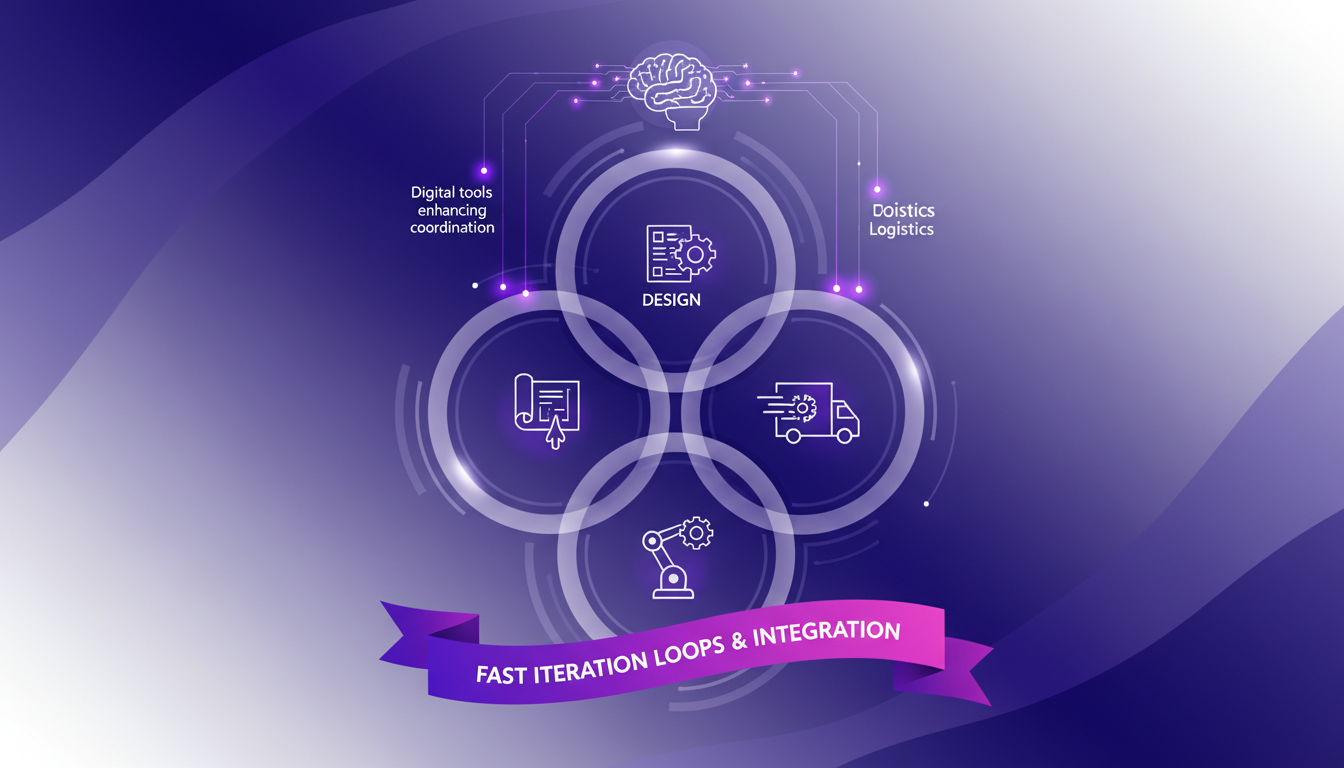
I've seen companies that have successfully integrated these elements gain efficiency. Digital tools can automate coordination, reducing delays and boosting speed. It's not just about moving fast but moving smart.
- Fast iteration loops crucial for competitiveness.
- Integration of design, manufacturing, and logistics.
- Digital tools enhance coordination, reduce delays.
- Supplier networks central to future strategies.
- Balancing speed, precision, and cost.
In hardware production, time's the boss. I've seen how China's supply chain operates at breakneck speed - they go from design to a new physical part in a day. In the US, we're talking weeks. That's a gap explained by faster iteration loops and tech efficiencies China nails. For us, the lesson is clear: adopt these faster loops and leverage tech-driven efficiencies. Startups in the US are leading the charge, but watch out for trade-offs: integrating new processes is never without challenges. I’d say there's really exciting potential here, but be ready to navigate these trade-offs.
Consider how you can incorporate faster iteration loops into your workflow and explore partnerships to streamline your supply chain. For a deeper dive, check out the "Hardware Supply Chain" video on YouTube. It's a peer-to-peer discussion worth watching.
Frequently Asked Questions

Thibault Le Balier
Co-fondateur & CTO
Coming from the tech startup ecosystem, Thibault has developed expertise in AI solution architecture that he now puts at the service of large companies (Atos, BNP Paribas, beta.gouv). He works on two axes: mastering AI deployments (local LLMs, MCP security) and optimizing inference costs (offloading, compression, token management).
Related Articles
Discover more articles on similar topics
Selling Salam City: Steps and Challenges
In the restaurant business, I've learned that selling a place like Salam City isn't just about numbers. It's about dreams and responsibilities. This is the story of a man torn between his dream to reunite with his wife in America and his ties to his restaurant. I navigated this journey with him, weighing each step and decision. Imagine standing in his shoes: $200,000 for a dream, but also a legacy to let go. Join me in this intricate journey where every choice matters.

Supply Chain 2.0: Revolutionizing Semiconductors
I've been knee-deep in semiconductor supply chains for years, and let me tell you, it's not just about making chips; it's about orchestrating a global symphony. First, you tackle the 1,400 process steps, then you navigate through a dozen countries. But what happens when a $300 chip holds up a $50,000 car? That's when things get real. With AI chips at the forefront, every step from manufacturing to delivery must be optimized. Let's dive into how we're handling these challenges and where the opportunities lie.
Intelligent Agents: Revolutionizing Personalized Medicine
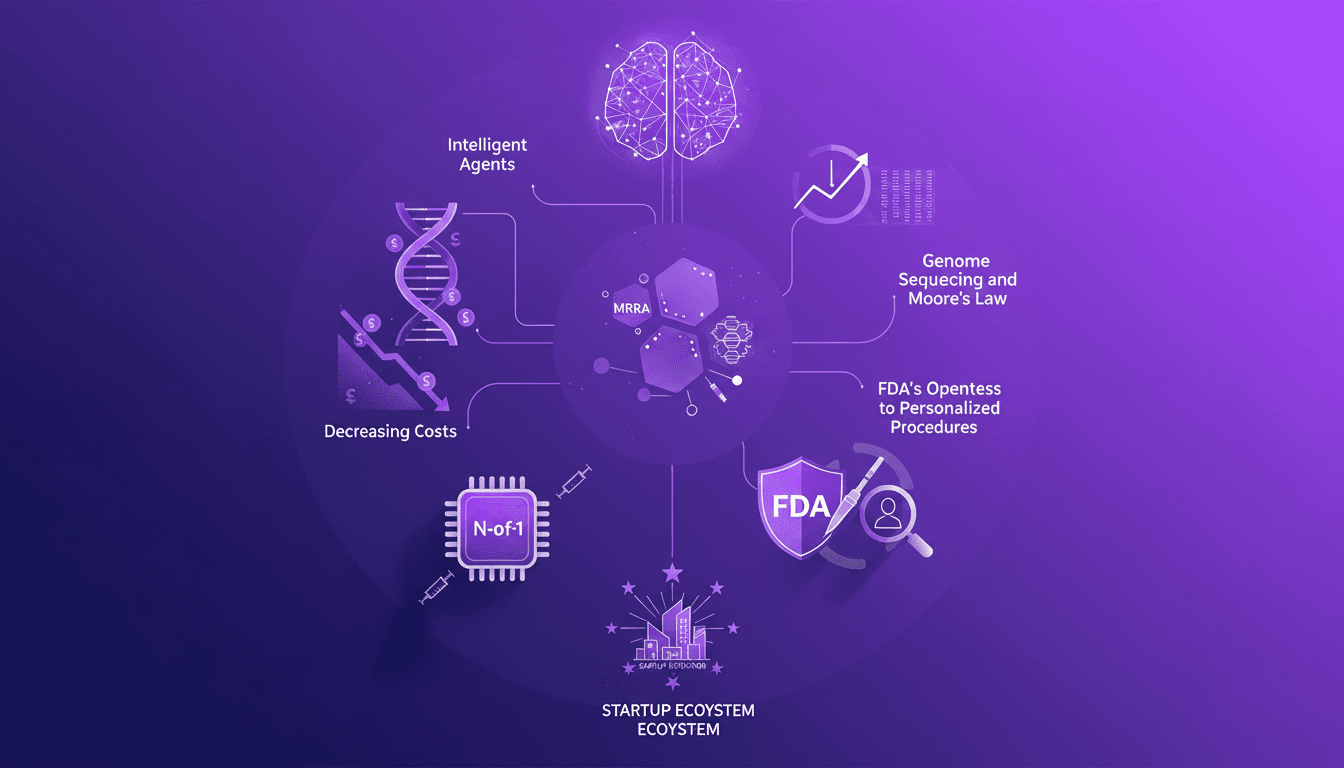
I've seen firsthand how intelligent agents are transforming personalized medicine. It's not just theory anymore; it's happening in real clinics, and it's cutting costs like never before. We're at a tipping point where technology and medicine converge. From genome sequencing to mRNA delivery, the landscape is rapidly evolving. Let me walk you through how this is reshaping healthcare. With Moore's Law in play, genome sequencing costs are plummeting, and N-of-1 genetic medicines are becoming more affordable than ever. Startups are playing a pivotal role in this ecosystem, and even the FDA is opening up to personalized procedures. As a practitioner, I'll take you behind the scenes of what's really happening.
Agents on Canvas: Orchestrating in tldraw
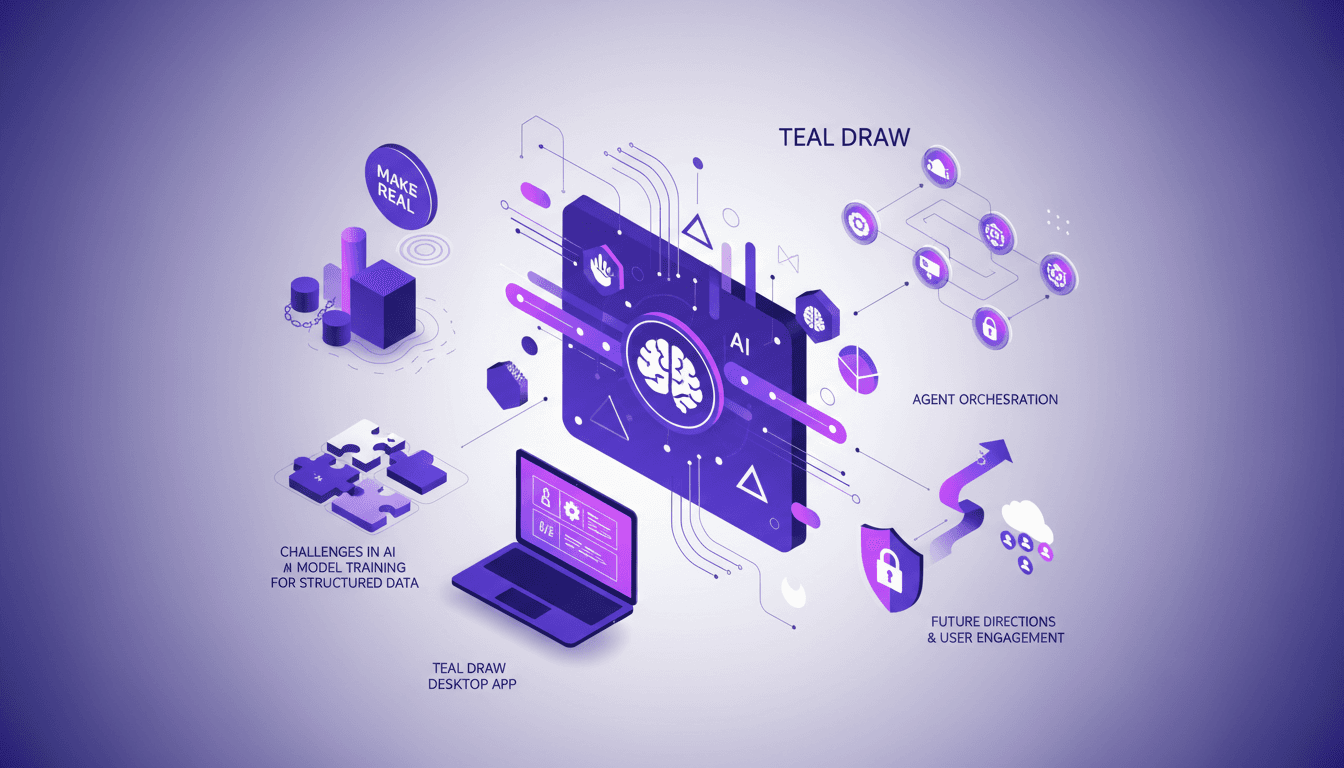
I remember the first time I played with tldraw — I connected my React components and watched as the canvas came alive. It's not just about drawing; it's about orchestrating AI agents right there in real-time. Let's dive into how I got this setup working and what you can expect. In this journey, we'll explore AI integration, agent orchestration, and practical applications. I'll share insights from the Make Real project, AI model training challenges, and the security measures I implemented. It's all about making complex AI concepts actionable and efficient.
Delivering Quality AI Apps: A Practitioner’s Guide
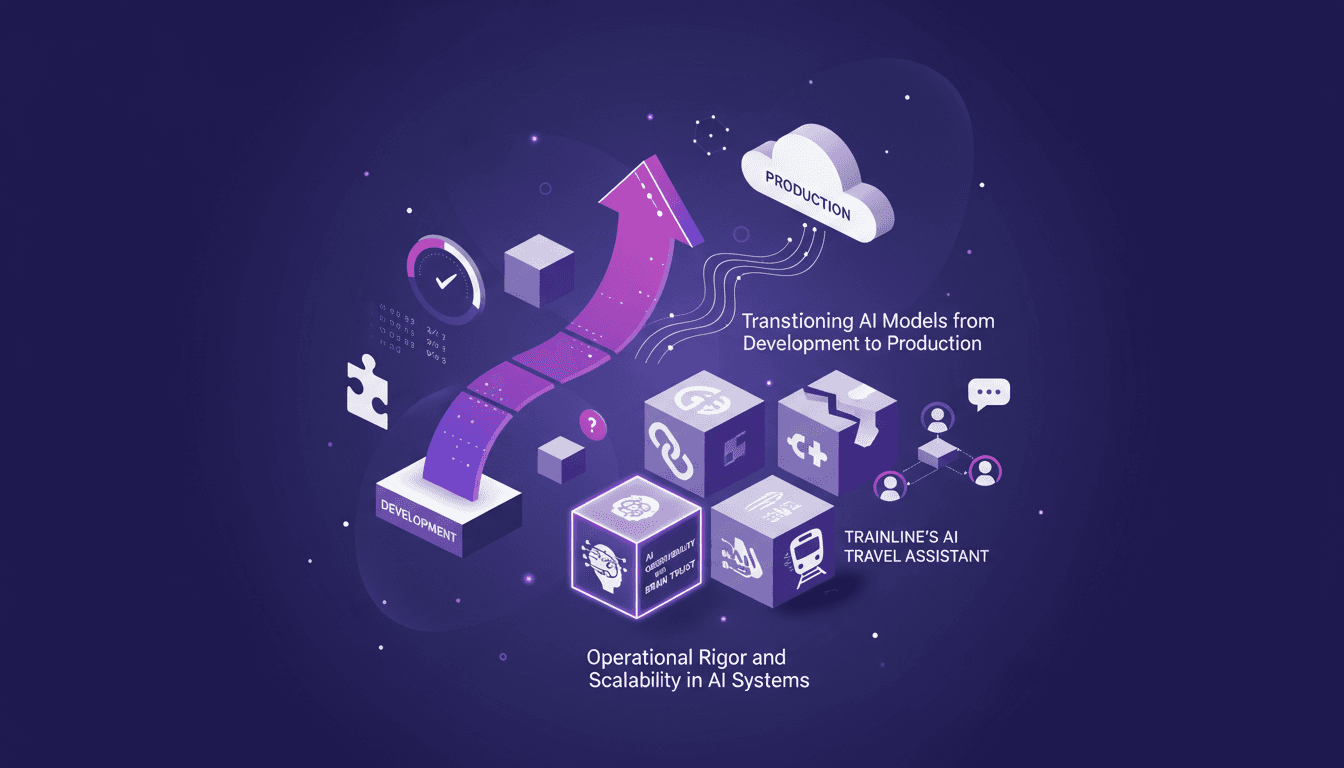
I've been knee-deep in AI deployment for years, and let me tell you, delivering quality AI applications is no walk in the park. From transitioning models to production to ensuring operational rigor, I've faced—and solved—my fair share of challenges. In this article, I'll walk you through my journey with AI systems, focusing on practical workflows, the tools I rely on, and the pitfalls I've learned to avoid. We'll dive into operational rigor and scalability, transitioning AI models from development to production, and Trainline's AI travel assistant with multi-agent systems. It's a hands-on guide for anyone looking to master the complex art of shipping quality AI apps.