Agents on Canvas: Orchestrating in tldraw
I remember the first time I played with tldraw — I connected my React components and watched as the canvas came alive. It's not just about drawing; it's about orchestrating AI agents right there in real-time. Let's dive into how I got this setup working and what you can expect. In this journey, we'll explore AI integration, agent orchestration, and practical applications. I'll share insights from the Make Real project, AI model training challenges, and the security measures I implemented. It's all about making complex AI concepts actionable and efficient.
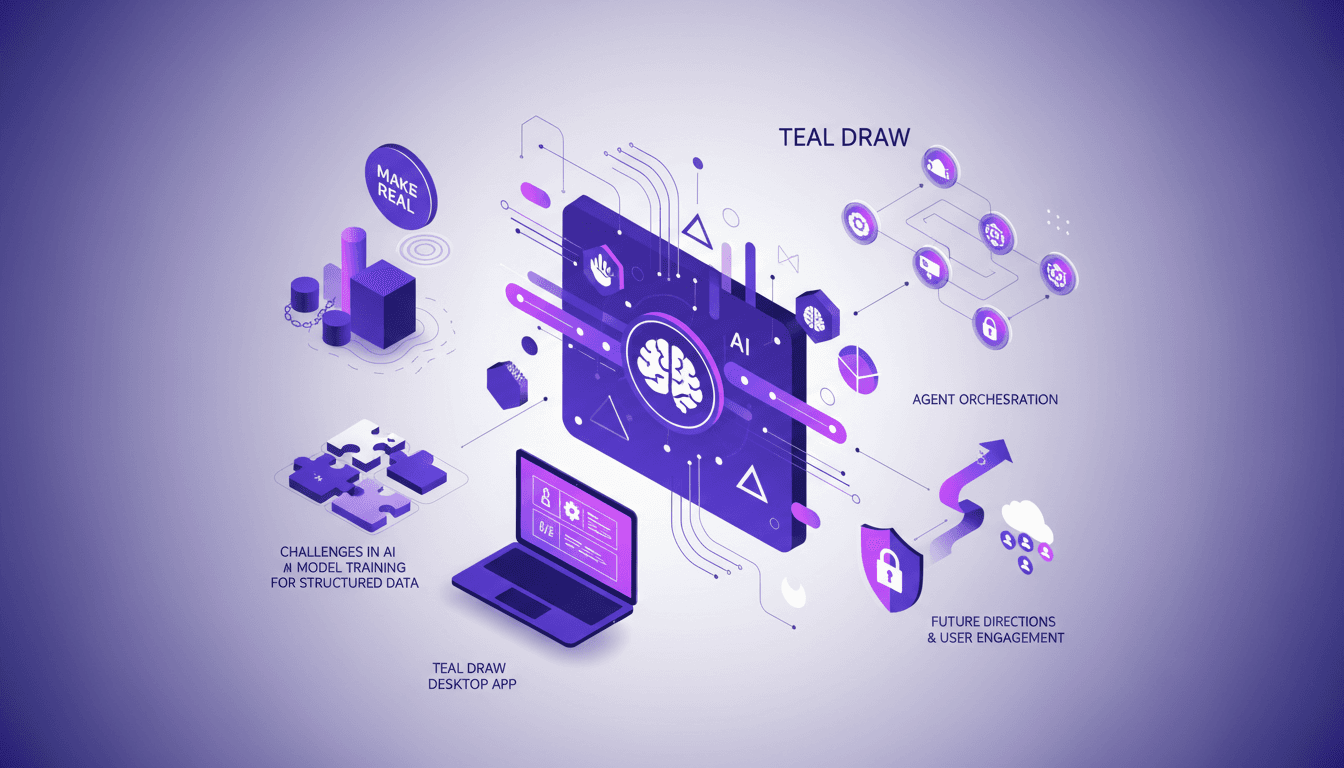
I remember the first time I played with tldraw — I connected my React components and watched as the canvas came alive. What I found is that tldraw isn't just a drawing tool. It's a playground for orchestrating AI agents in real-time. So, how did I get this setup working? Let me take you on my journey with tldraw, where AI integration and agent orchestration come to life. We'll explore the Make Real project and its impact in 2023, tackle AI model training challenges for structured data, and discuss the security considerations I implemented. Along the way, I'll share my mistakes (because yes, I got burned more than once) and how I overcame them. We'll also dive into Teal Draw's desktop app and its functionalities. So, if you're ready to move from theory to practice, join me on this adventure.
Exploring Teal Draw's Capabilities and Applications
To kick off with Teal Draw, I set up my environment using React. This made component integration on the canvas truly seamless. It's one of those things where, once you start, you wonder how you managed before. The Make Real project in 2023 was a real game changer. It allowed non-technical users to create technical prototypes without writing a single line of code.
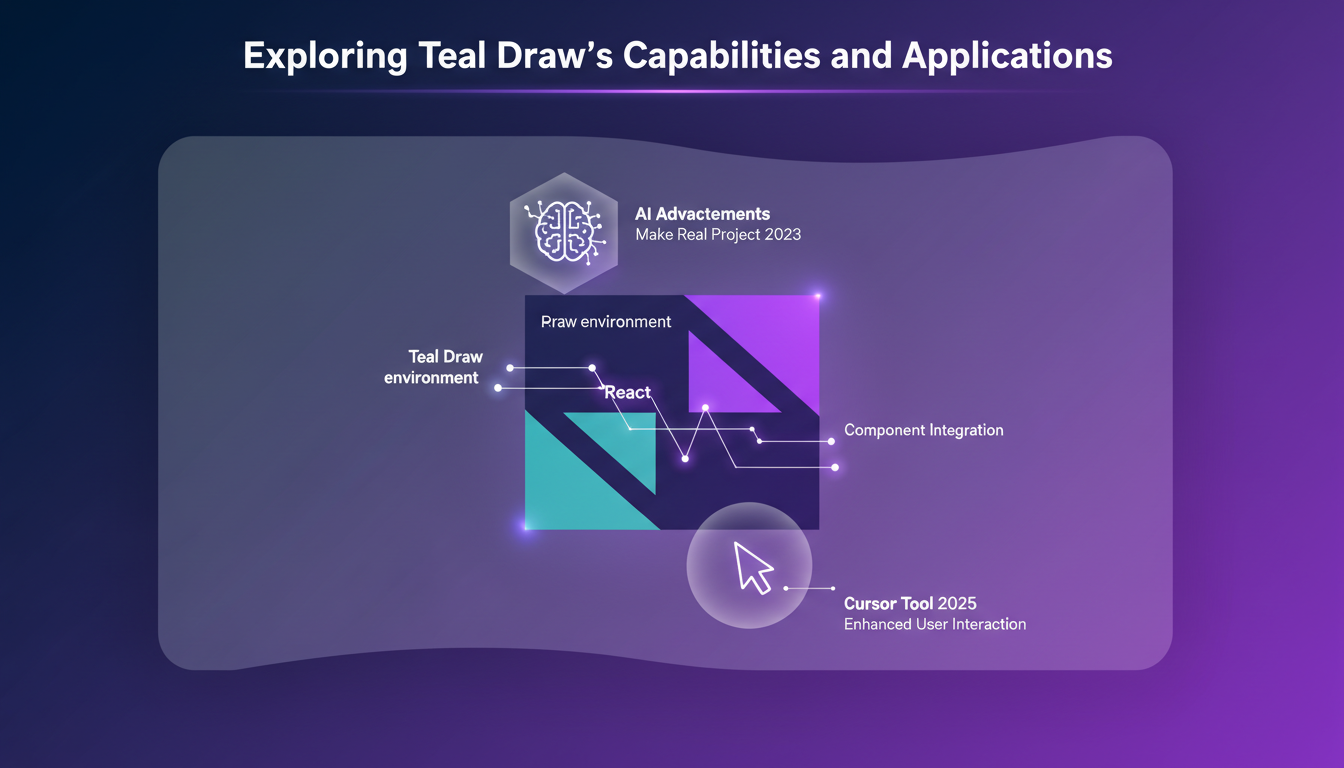
In 2025, I'm looking forward to the cursor tool arrival, which promises to significantly enhance user interaction. But watch out, the learning curve for integrating AI features is steep. It's a challenge, but trust me, it's worth it.
- Easy integration with React for component fluidity.
- Make Real 2023: Enabling code-free prototyping.
- 2025 cursor tool: A major upcoming improvement.
- Significant learning curve for AI features.
AI Integration: From Model Training to Prompt Engineering
AI model training for structured data gave me a hard time. I had to iterate several times on prompt engineering to get satisfactory results. First, I defined clear data structures, then I trained the models, but don't underestimate the time this takes.
Prompt engineering is crucial. It's not just about the data, but how you ask for it. I faced challenges with overfitting, which I overcame by diversifying data inputs.
- Define clear data structures before training.
- Prompt engineering: Crucial for consistent results.
- Overcome overfitting by diversifying data inputs.
Agent Orchestration and Interaction on the Canvas
Orchestrating agents is like conducting an orchestra — coordination and timing are key. I used specific workflows to manage agent interactions, focusing on efficiency and responsiveness.
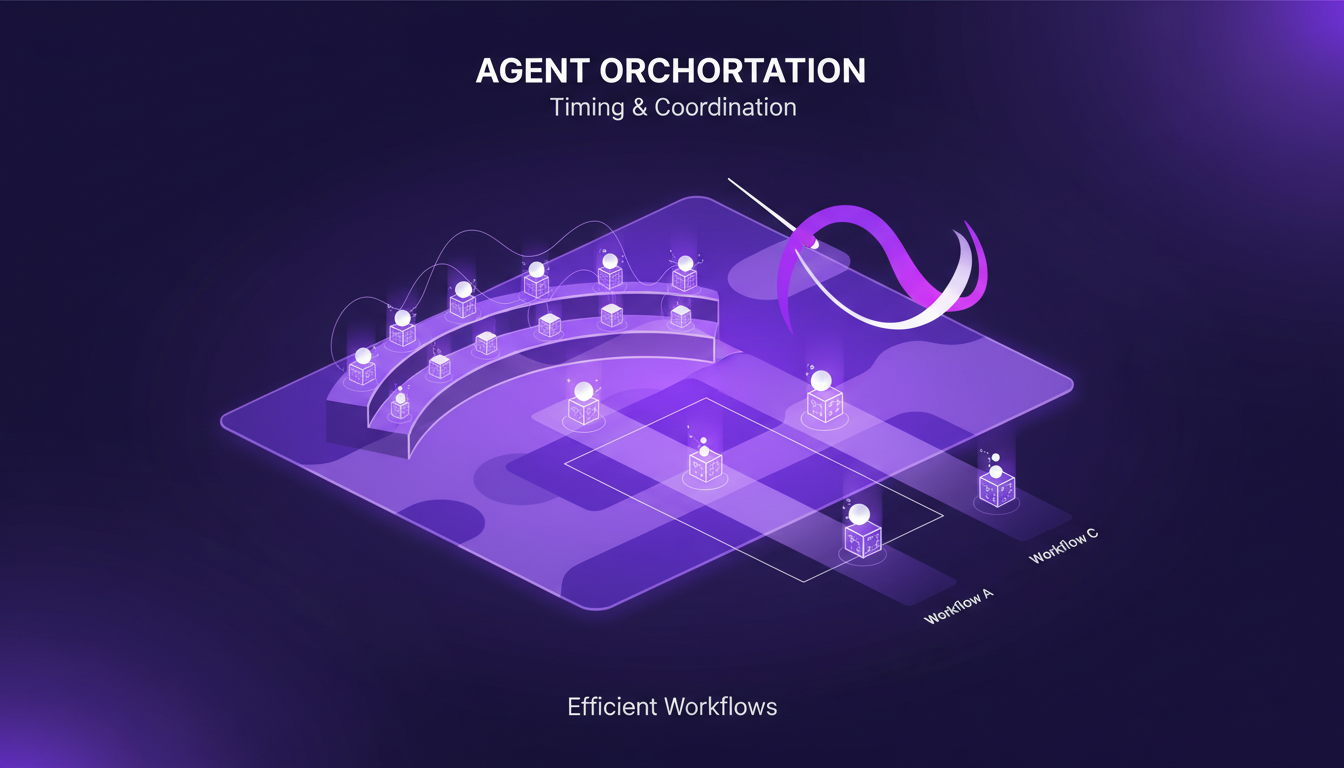
The biggest hurdle was ensuring agents didn't overlap in tasks, which required careful planning. It's essential to sandbox these processes to prevent unexpected behavior.
- Use workflows for efficient agent interactions.
- Avoid task overlap through careful planning.
- Sandboxing essential to prevent unexpected behaviors.
Developing the Teal Draw Desktop App with Electron
For developing the Teal Draw desktop app, I chose Electron for its flexibility in building cross-platform applications. Security was a priority — sandboxing was crucial to protect user data.
The desktop app enhances performance, but watch out for resource consumption. Future updates will focus on optimizing the app's speed and reliability.
- Chose Electron for flexibility and cross-platform capabilities.
- Sandboxing to secure user data.
- Performance enhancements with future updates.
Security and Future Directions with Teal Draw
Security concerns are real — I implemented sandboxing to mitigate risks. User engagement is evolving, and I plan to incorporate more interactive features by 2026.
The future of Teal Draw is promising, but balancing innovation with security remains a challenge. Stay tuned for updates on new tools and features aimed at enhancing user experience.
- Implemented sandboxing to reduce security risks.
- Add interactive features to boost user engagement.
- Balance innovation and security for a promising future.
Working with tldraw has been quite the journey. I've integrated AI, ensured security, and at each step, learned more about optimizing efficiency and orchestration. Here are the key takeaways:
- tldraw's Capabilities: Integrating AI and collaborative features on the canvas really changes the game.
- Make Real Project (2023): This showed me direct team efficiency improvements.
- AI Model Training: Watch out for challenges with structured data—I've stumbled a few times but found solutions.
As we move forward, I'll focus on refining these processes to make them even more robust and user-friendly. If you're diving into tldraw, start experimenting with these workflows, and don't forget to share your experiences. We're all learning together. I highly recommend watching Steve Ruiz's video 'Agents on the Canvas in tldraw' for a deeper dive. It's a real peer-to-peer exchange. YouTube link
Frequently Asked Questions

Thibault Le Balier
Co-fondateur & CTO
Coming from the tech startup ecosystem, Thibault has developed expertise in AI solution architecture that he now puts at the service of large companies (Atos, BNP Paribas, beta.gouv). He works on two axes: mastering AI deployments (local LLMs, MCP security) and optimizing inference costs (offloading, compression, token management).
Related Articles
Discover more articles on similar topics
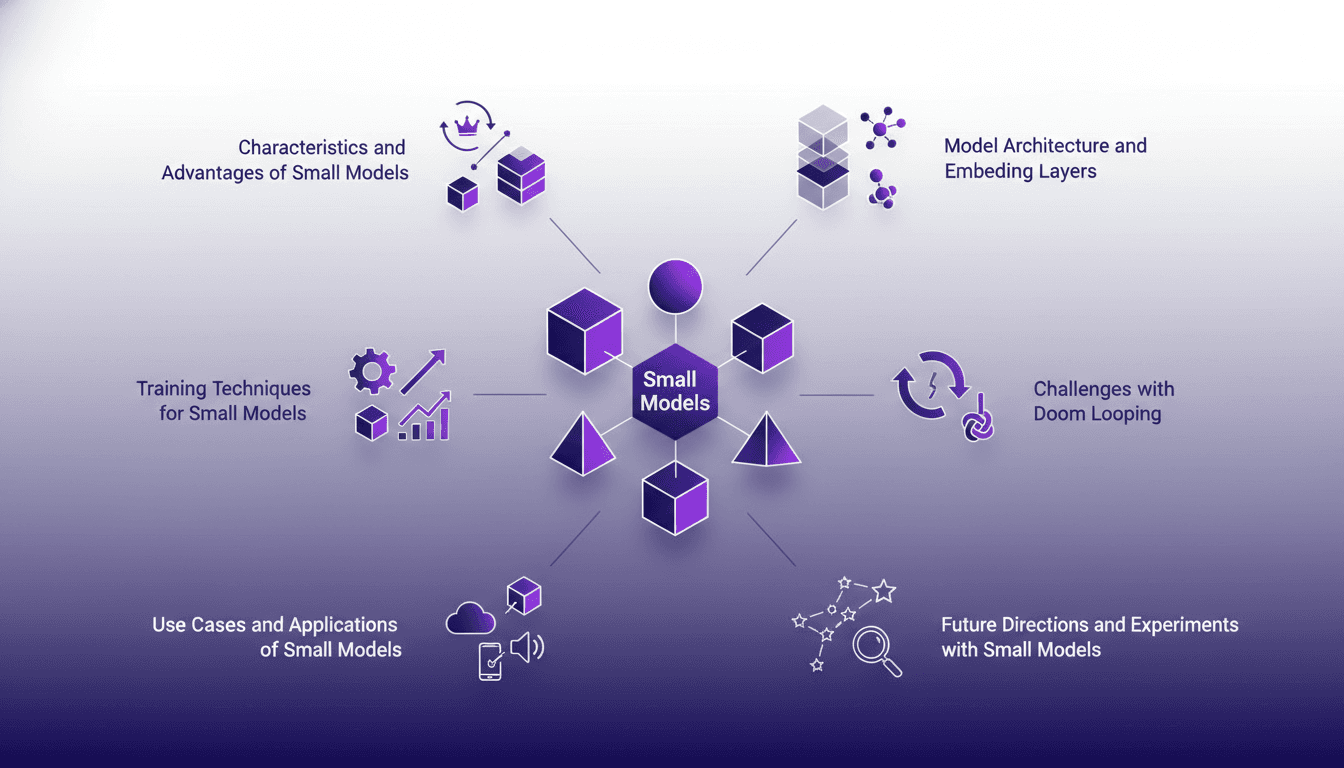
Characteristics and Advantages of Small Models
When I first delved into training small models, I thought, 'How hard could it be?' Turns out, it's a nuanced dance between efficiency and capability. Let me walk you through what I've learned. In the AI world, small models are gaining traction for their efficiency and specialized applications. I unpack my journey with these models, from architecture to real-world applications. We'll dive into characteristics, advantages, training techniques, challenges like doom looping, and future experiments. Essentially, a comprehensive look at small models, their power, and their limits.
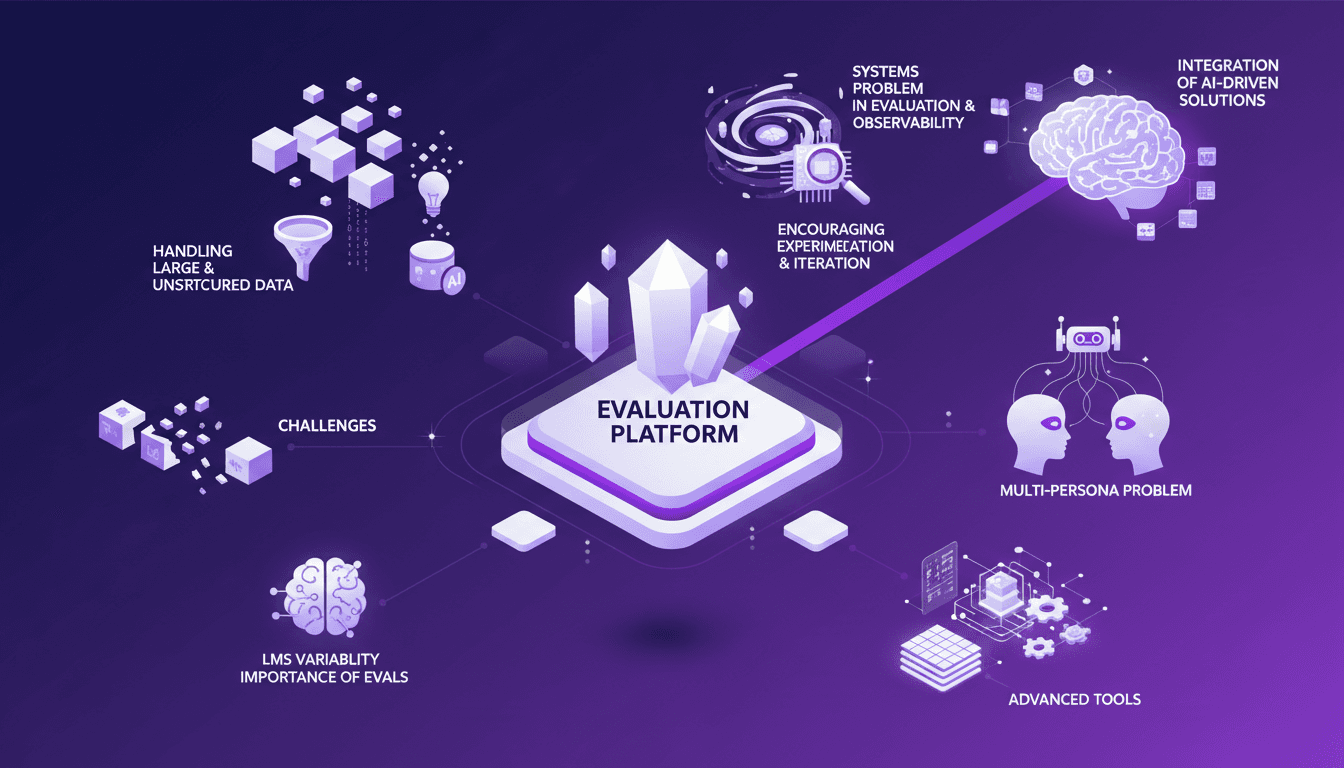
Challenges in Building Eval Platforms
I remember the first time I tried to build an evaluation platform. It felt like trying to fit a square peg into a round hole. The complexity, the moving parts, the constant need for iteration—it's a beast. But once you get it right, the efficiency and insights you gain are game-changing. In today's LMS environments, these platforms are crucial for understanding variability and improving agent quality. Building them is no walk in the park. Let me walk you through the challenges and how I've tackled them. From transitioning from spreadsheets to advanced tools to integrating AI-driven solutions, each step is critical.
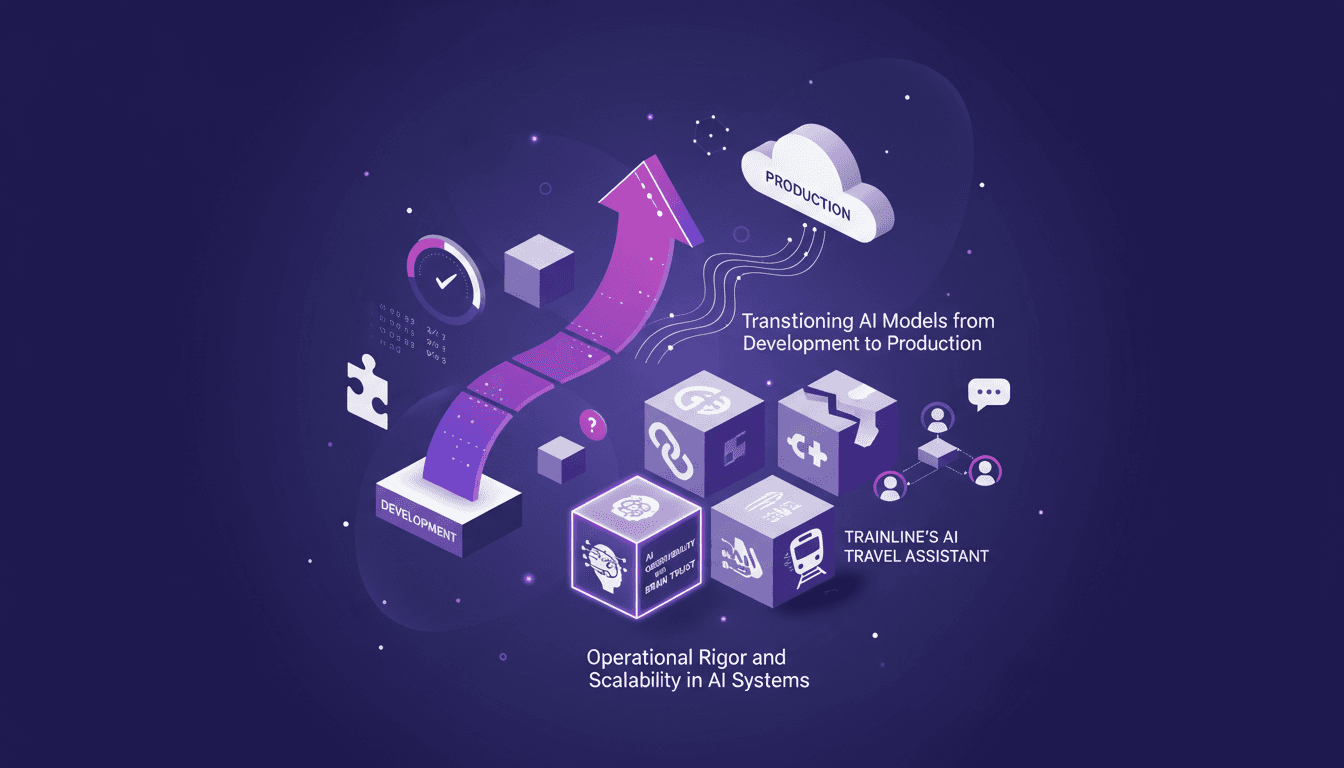
Delivering Quality AI Apps: A Practitioner’s Guide
I've been knee-deep in AI deployment for years, and let me tell you, delivering quality AI applications is no walk in the park. From transitioning models to production to ensuring operational rigor, I've faced—and solved—my fair share of challenges. In this article, I'll walk you through my journey with AI systems, focusing on practical workflows, the tools I rely on, and the pitfalls I've learned to avoid. We'll dive into operational rigor and scalability, transitioning AI models from development to production, and Trainline's AI travel assistant with multi-agent systems. It's a hands-on guide for anyone looking to master the complex art of shipping quality AI apps.

Selling Salam City: Steps and Challenges
In the restaurant business, I've learned that selling a place like Salam City isn't just about numbers. It's about dreams and responsibilities. This is the story of a man torn between his dream to reunite with his wife in America and his ties to his restaurant. I navigated this journey with him, weighing each step and decision. Imagine standing in his shoes: $200,000 for a dream, but also a legacy to let go. Join me in this intricate journey where every choice matters.
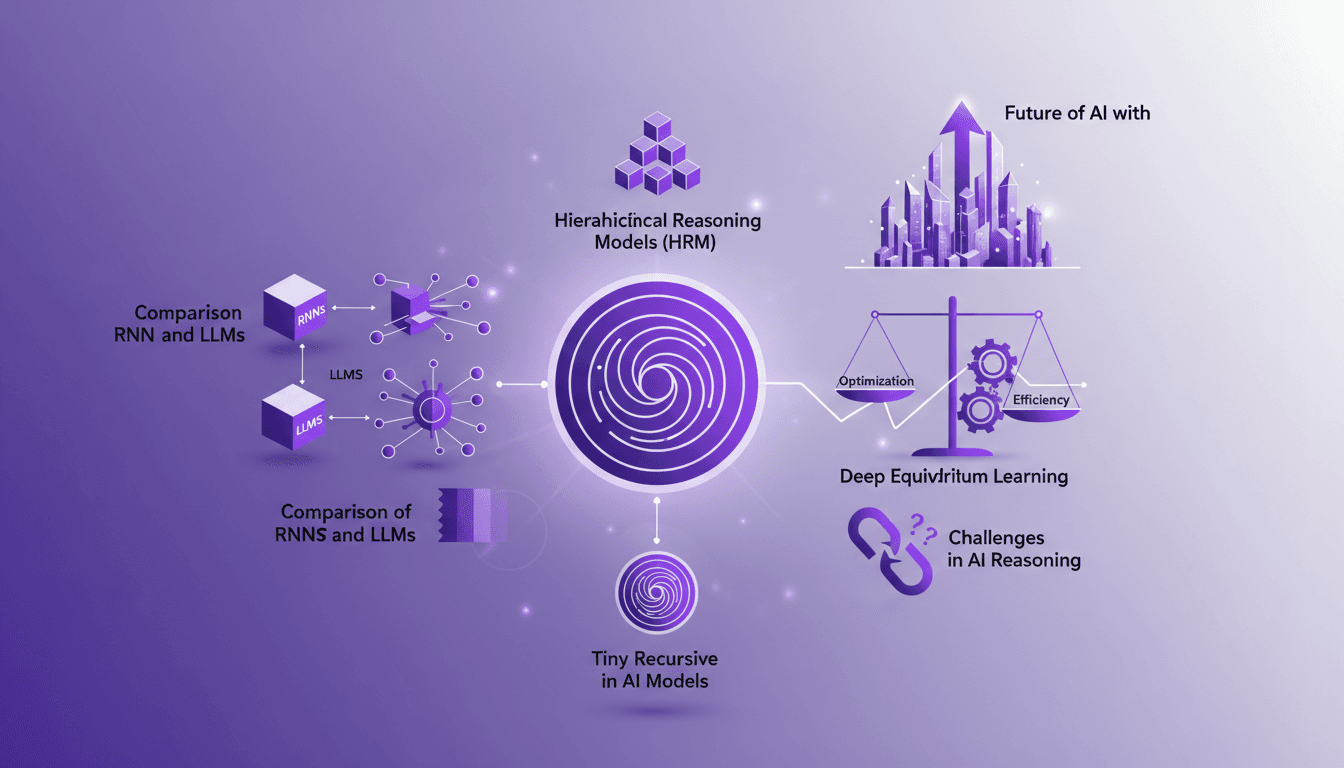
Recursion in AI: Transforming Models
I've spent countless hours tweaking AI models, and let me tell you, recursion is the game changer we've been waiting for. Forget the race for more parameters; now it's about intelligence. While traditional models hit scaling walls, recursion offers a fresh perspective. We're diving into how it could redefine AI efficiency and capability. We'll discuss hierarchical reasoning models, tiny recursive models, deep equilibrium learning, and the challenges of optimization. If you've ever been frustrated by scalability limits, you're going to love this new paradigm.