AI's Impact on Open Source: Opportunities
I remember the first time I integrated AI into my open-source project. It was a game changer, but not without its challenges. AI is reshaping the open-source landscape, enhancing security but also threatening traditional business models. Let's discuss the implications of this transformation – from AI tools boosting productivity to re-licensing and copyright issues. Open-source maintainers are facing unprecedented challenges, not to mention threats to existing business models. How is your open-source project adapting to this new era?
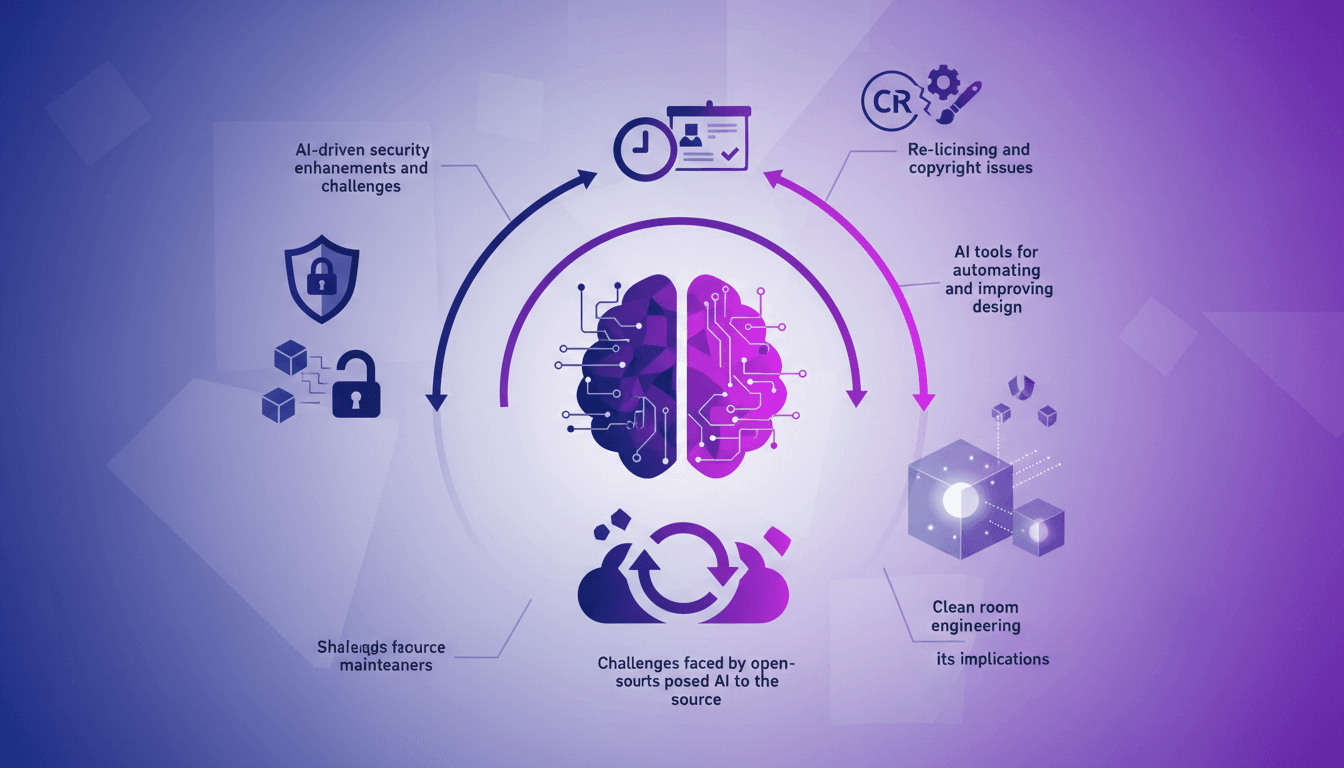
I still remember the day I first integrated AI into my open-source project. Seriously, it was a total game changer. But watch out, every advancement comes with its own set of challenges. I had to relearn how to pilot the project differently, juggling with AI-driven security enhancements while facing threats to our business model. AI isn't just a buzzword; it's reshaping how we design and manage open-source projects. Let's talk about AI tools that boost productivity, but also dive into re-licensing and copyright issues. Project maintainers are navigating uncharted waters, and the traditional business model is being put to the test. Ready to explore how these transformations impact your project? (And yes, even for us project creators, responding to a change might sometimes take two hours, but that's the game, right?)
AI's Impact on Open-Source Contributions
Let me be clear from the start: AI is a game changer in the open-source world. Imagine automating the mundane tasks, freeing up developers for more creative work. That's a real revolution for us developers. But it's not without consequences.
Community dynamics are shifting. Before, every line of code had a face, a story. Now, with AI generating code, we lose that human touch. And there's more (or less): the temptation to rely too heavily on these tools. Yes, AI can accelerate project timelines, but watch out for the quality. Contributions without human oversight can lead to costly errors.
Speaking of acceleration, AI allows for faster context loading. You tackle more complex tasks without losing time. But, it needs careful orchestration.
AI is seen as a significant gain for open source in the medium term, estimated at 1 or 2 years.
So, where's the limit? It's time to rethink human involvement in the development process.
Accelerating Prototyping and Design with AI
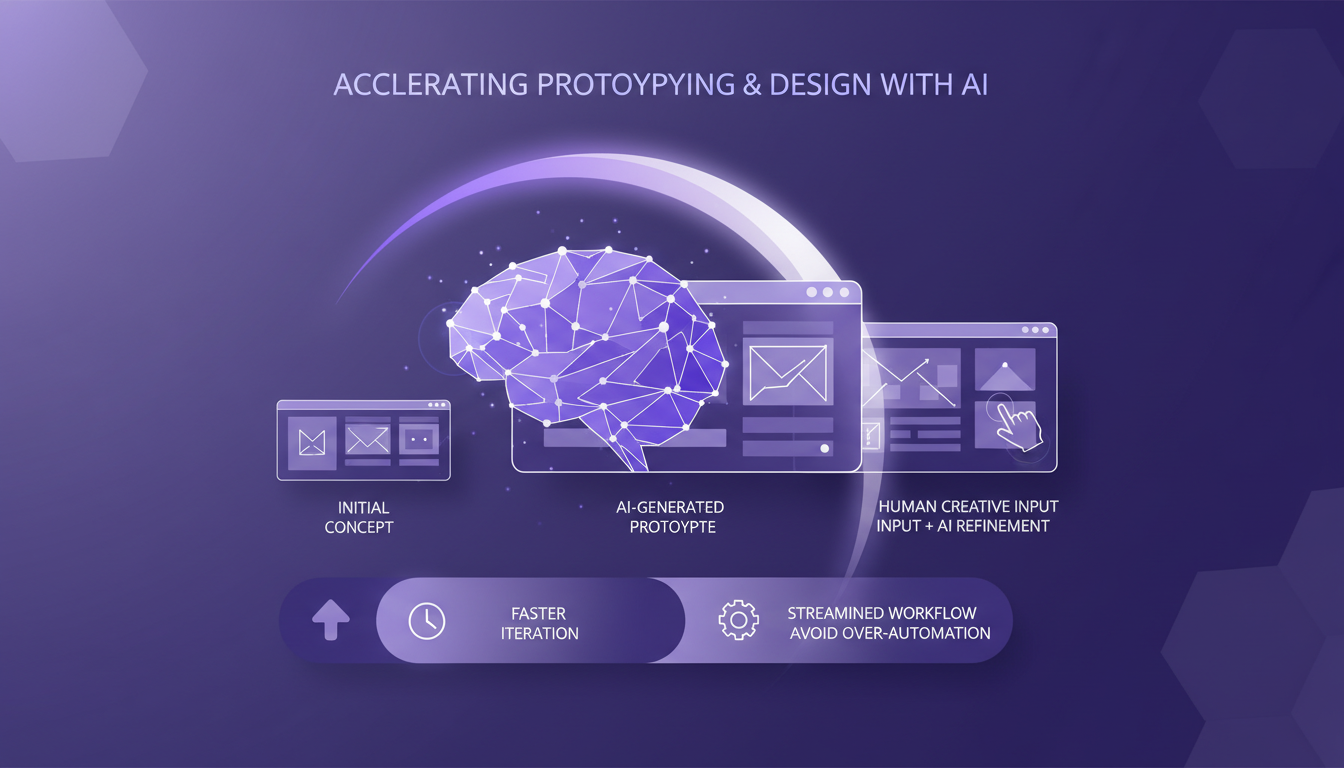
The magic of AI in design, I've seen it firsthand. Prototypes generated in a few clicks, that's time and money saved. However, there's a lurking danger: the illusion that AI can replace human creativity. It's not the case.
These tools, efficient as they are, shouldn't be overused. The key lies in balancing human intuition with AI's speed. For instance, leveraging AI agents to orchestrate repetitive tasks allows us to focus on innovation (Productivity Gains: AI Agents Empowering Teams).
- Save time with AI-generated prototypes.
- Keep a portion of human creativity in your designs.
- Avoid excessive automation.
- Combine human input and AI to boost innovation.
In conclusion, while AI is a tool, humans must remain in control of the process.
Enhancing Security in Open Source with AI
Now, this is a sensitive point. AI for security is a real game changer. It detects vulnerabilities at record speed. But as with everything, there's a flip side: accuracy might suffer.
An AI-driven security vulnerability detection tool must be continuously updated. Threats evolve rapidly, and our response must be up to the task. Integrating AI into security workflows requires careful orchestration. The smallest mistake can be costly, especially for open-source projects lacking resources (Workspace Agents in ChatGPT: Practical Guide).
- Detect vulnerabilities faster with AI.
- Watch out for the balance between speed and accuracy.
- Keep your tools updated to counter new threats.
- Ensure smooth AI integration into your security workflows.
In short, AI is a powerful ally, but it requires vigilant management to be truly effective.
Challenges and Opportunities in AI-Generated Contributions
With AI generating code, we're entering a new era. But be careful, this requires new quality assurance processes. I've experienced the errors AI can introduce without human supervision. Open-source maintainers must adapt.
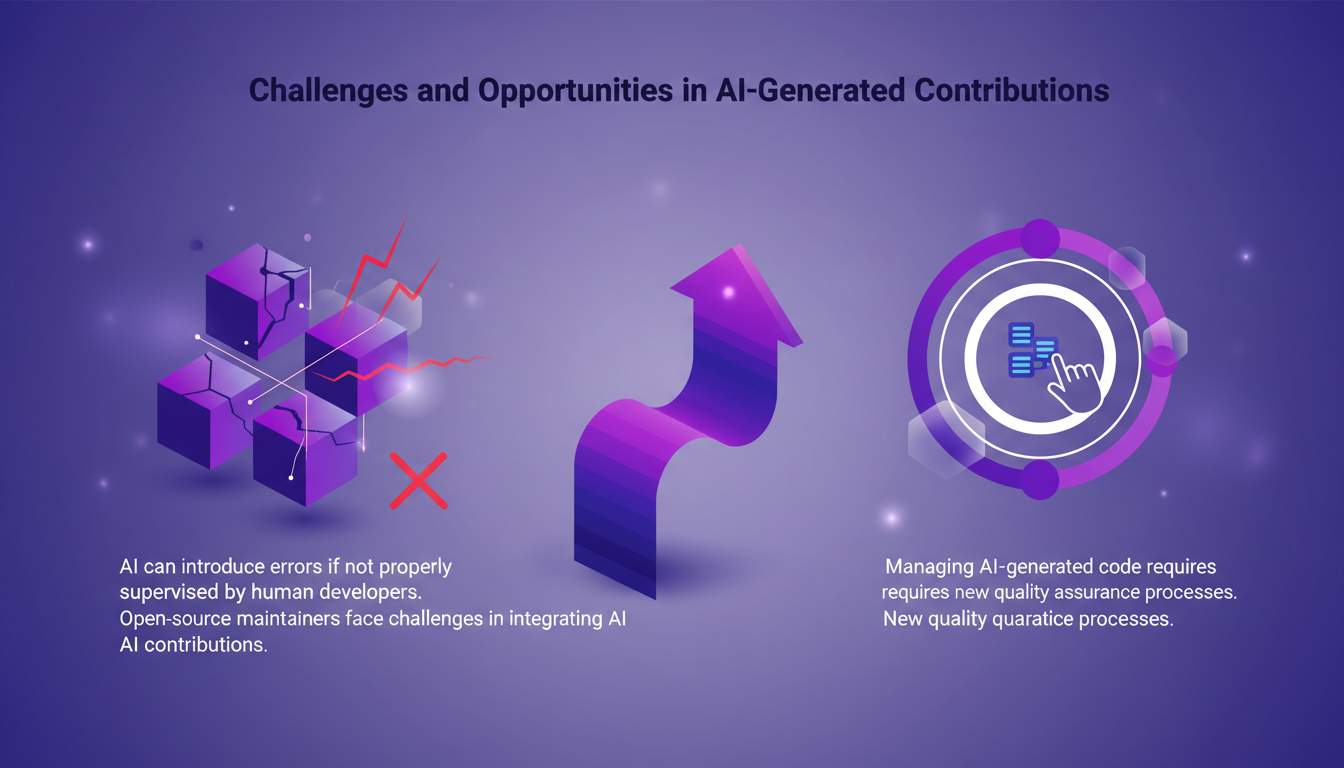
But don't get me wrong: AI can really boost productivity. You just need to adapt your project management strategies (Ralph Loops: Building Simple, Effective AI).
- Adapt quality assurance processes for AI-generated code.
- Monitor potential errors introduced by AI.
- Revise your project management strategies to integrate AI effectively.
- Capitalize on the productivity boost offered by AI.
Ultimately, AI is a powerful tool, but it demands a thoughtful and strategic approach.
Business Model Threats and Licensing Issues
With AI, traditional open-source business models are under threat. Re-licensing issues become complex as AI-generated contributions blur copyright lines. An interesting concept here is clean room engineering, which allows navigation through these murky waters.
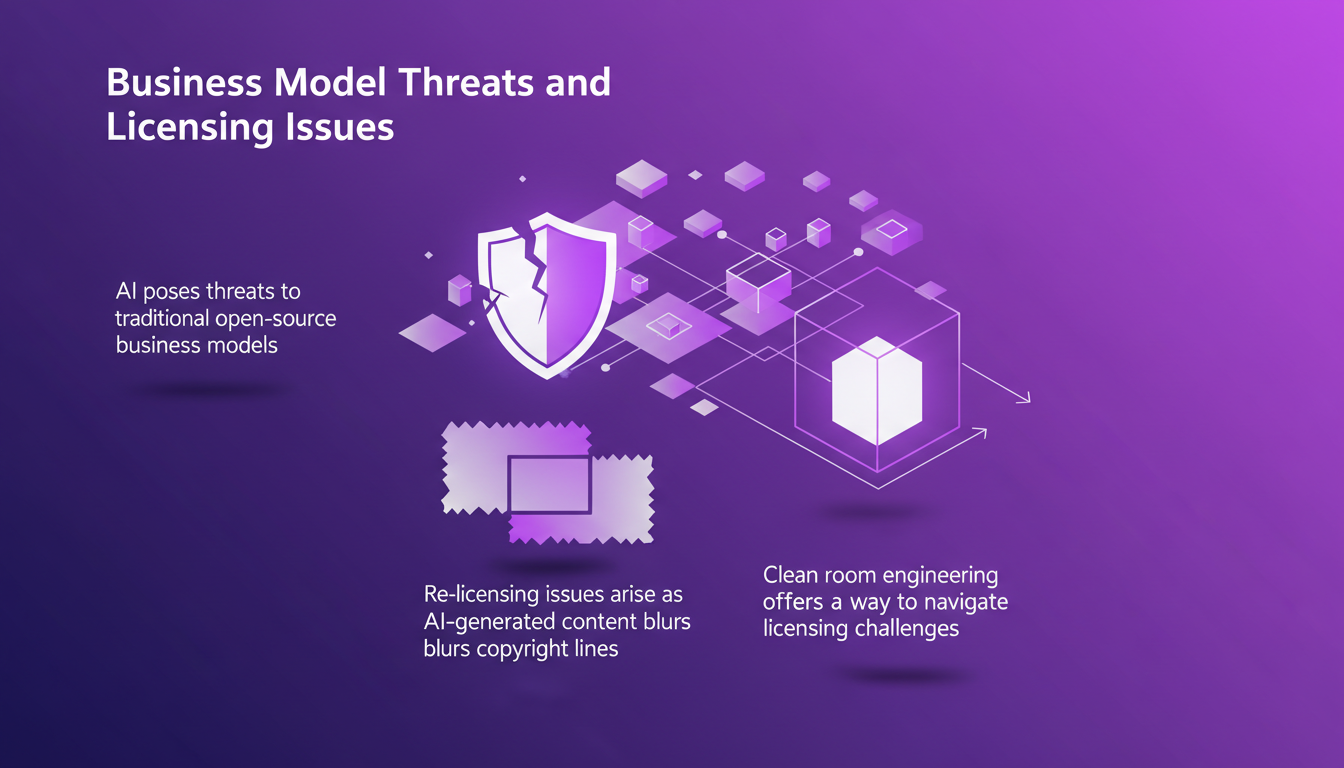
In my experience, we've had to revise our strategies to balance open-source ideals with commercial realities. It's a challenge but also an opportunity to innovate.
- Understand how AI impacts open-source business models.
- Explore clean room engineering to solve licensing issues.
- Balance open-source ideals with commercial realities.
- Stay informed about legal developments around AI and open source.
Ultimately, AI can be a powerful catalyst, but navigating the challenges it poses is essential.
I've dived into the impact of AI on the open-source movement, and here are my key takeaways. First, AI boosts our productivity, that's a fact. I've seen response times drop to 2 hours thanks to automation tools, it's a game changer. But watch out, security risks are not to be ignored, especially with re-licensing and copyright issues. Next, AI in project management is a real plus. We're talking significant time savings, but you always have to balance to ensure our community values aren't compromised. Finally, we need to keep exploring and adapting AI's role so that it complements, rather than compromises, our open-source values. To really grasp the nuances, I encourage you to watch the video "L’IA sauveur ou fossoyeur du mouvement l’Open source?" on YouTube. It's like a user manual for our community.
Frequently Asked Questions

Thibault Le Balier
Co-fondateur & CTO
Coming from the tech startup ecosystem, Thibault has developed expertise in AI solution architecture that he now puts at the service of large companies (Atos, BNP Paribas, beta.gouv). He works on two axes: mastering AI deployments (local LLMs, MCP security) and optimizing inference costs (offloading, compression, token management).
Related Articles
Discover more articles on similar topics

Ralph Loops: Building Simple, Effective AI
I remember the first time I built a Ralph Loop. It was like finding a missing puzzle piece in AI-driven development. Not just theory, but a real workflow that changed how I orchestrate tasks. These loops streamline automation using AI models like GPT 5.8, offering a practical, no-nonsense approach. Imagine orchestrating tasks seamlessly while addressing the challenges and benefits of using AI in software development. In this article, I'll take you through Ralph Loops, their practical applications, and how they can truly transform your workflow. Let's dive into the limits, security and ethical considerations, and scaling these processes in team environments. Yes, the future of AI in automating complex workflows is already here. Ready to dive in?
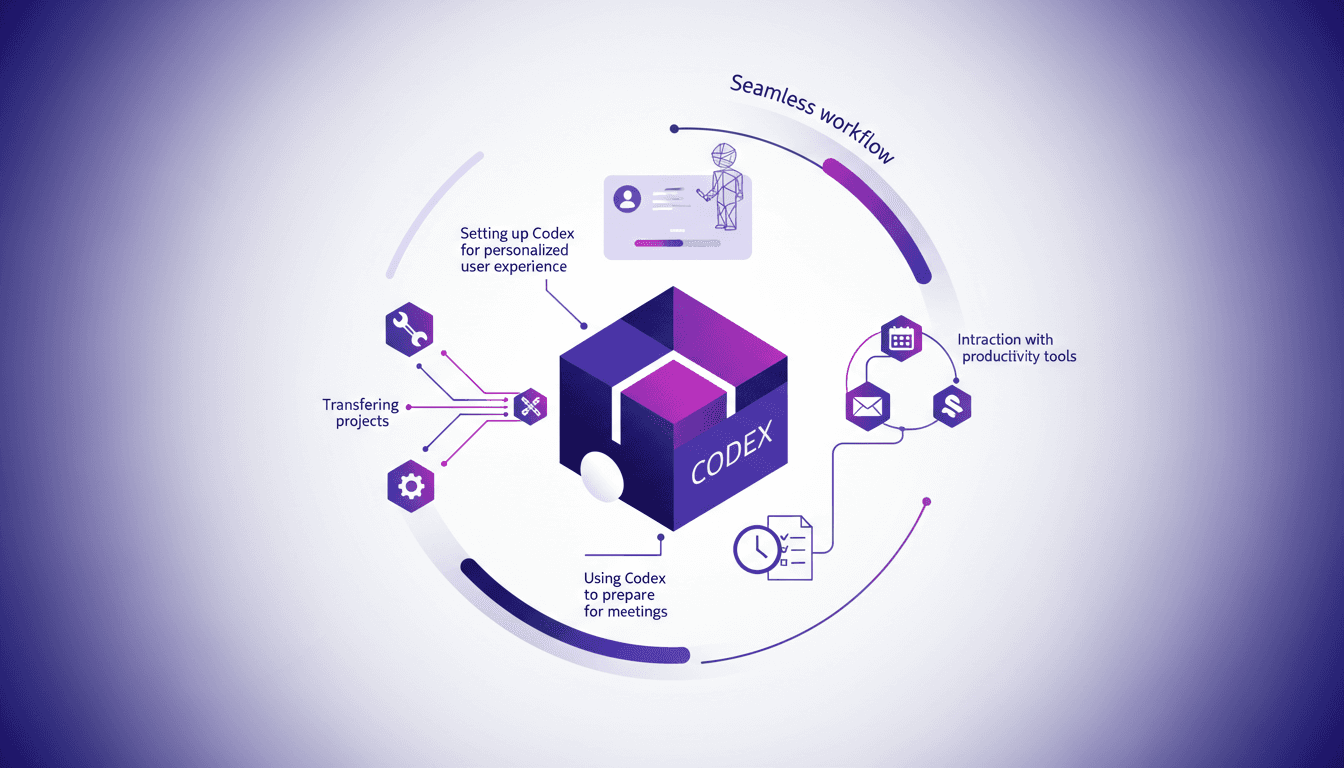
Set Up Codex in a Few Clicks for Time Savings
I remember the first time I set up Codex. It felt like unlocking a new level of productivity. With just a few clicks, I had my projects and tools seamlessly integrated. Let me show you how I did it, and how you can too. Codex is all about streamlining your workflow—whether you're transferring projects, integrating systems, or prepping for meetings, it's a game changer. The key is setting it up efficiently. I connected my systems to Codex, integrated Google Calendar, Gmail, and Slack, and saw an immediate transformation in my time management. I'll walk you through these steps so you can maximize your efficiency with Codex.
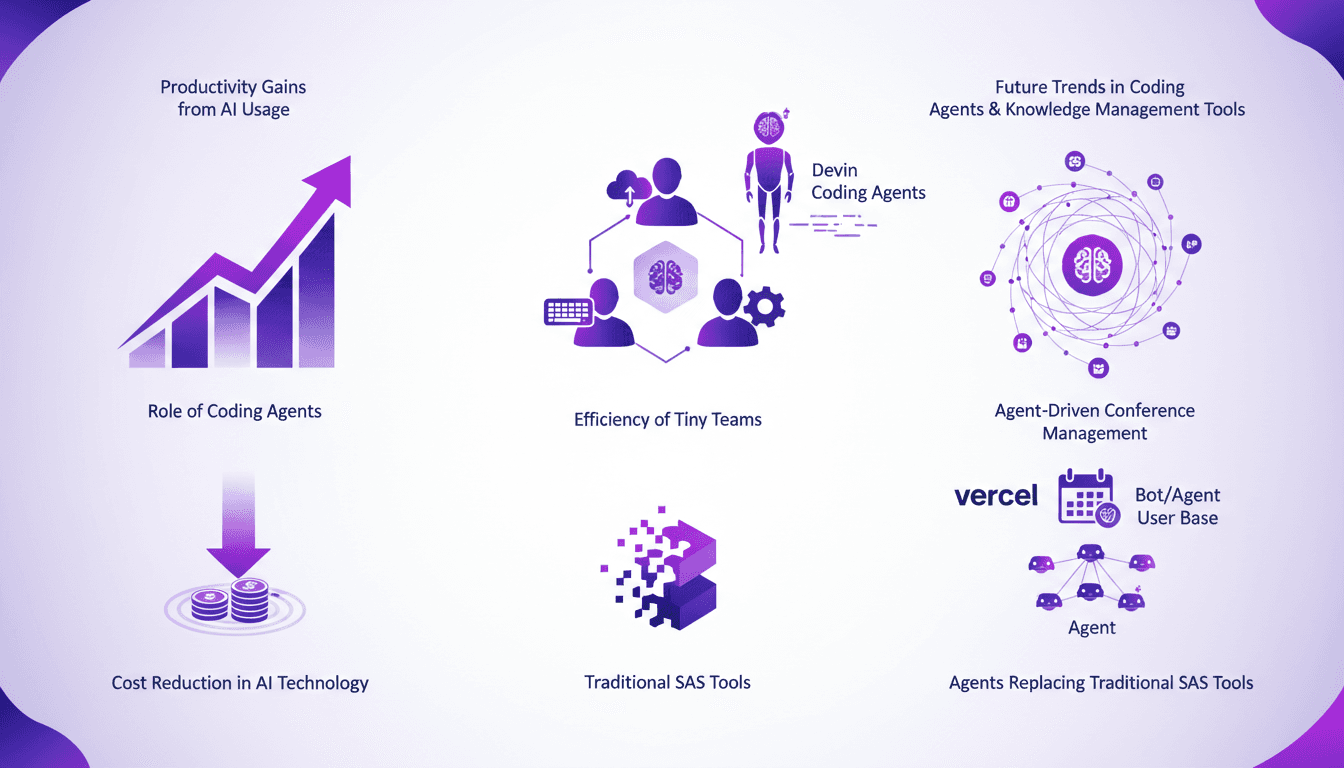
Productivity Gains: AI Agents Empowering Teams
Ever felt like your team's too small to tackle big projects? I did too, until I started leveraging AI coding agents like Devin. These tiny team powerhouses are game-changers. Imagine running a $9 million business with just nine full-timers. With coding agents, it's possible. Let me show you how these tools boost productivity, cut costs, and transform how we work. We're talking about AI costs dropping 100-fold in a few short years. Join me as we explore what Devin and other agents can genuinely do for your team.
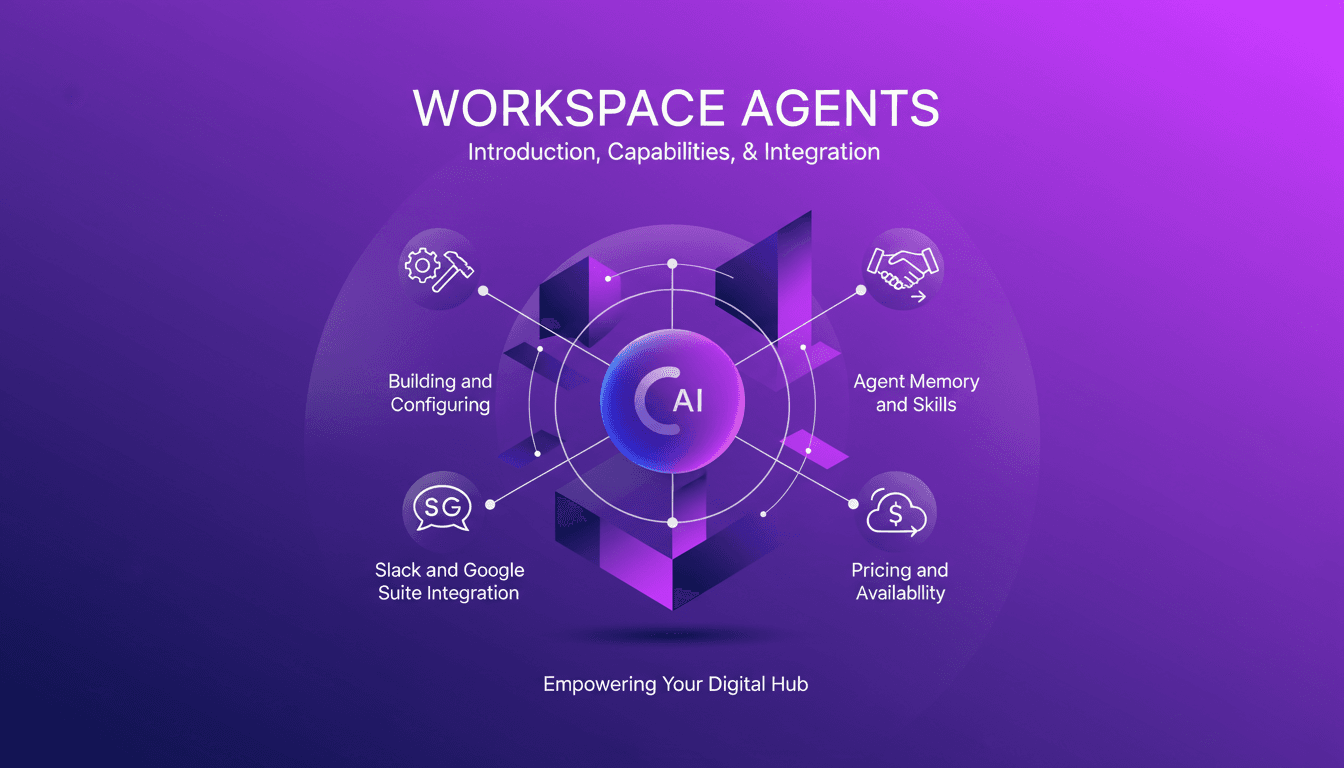
Workspace Agents in ChatGPT: Practical Guide
I've spent countless hours finetuning Workspace Agents in ChatGPT, and let me tell you, once you get the hang of it, it's a game changer. But beware, the path isn't without its bumps. Let's dive into how you can set up and optimize these agents for maximum efficiency. First, I connect tools like Slack and Google Suite to automate tasks. Then, I ensure each agent has well-calibrated memory and skills. A tip: don't overlook customization, it can really make a difference. Finally, we'll cover the pricing and availability of these agents to keep you well-prepared. Let's dive into this practical guide together.
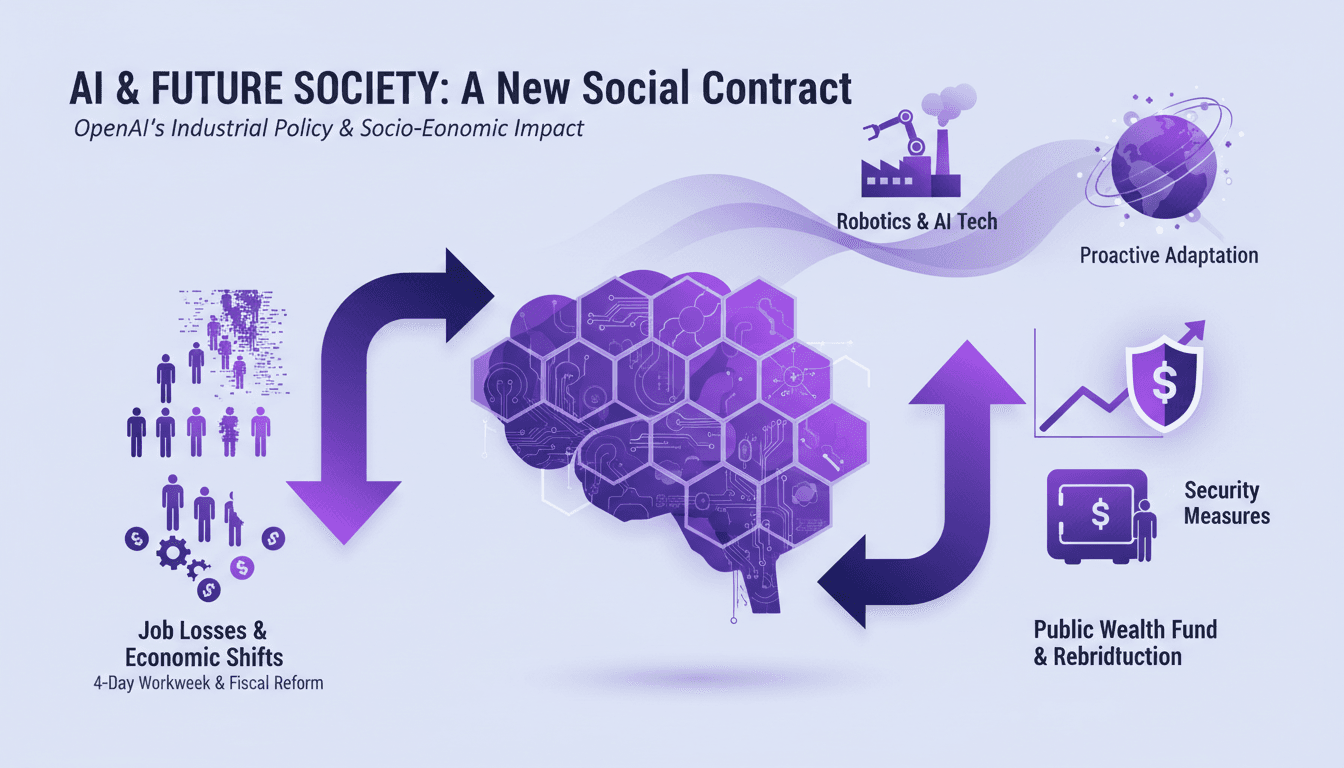
AI's Socio-Economic Impact: What You Need to Know
I've been in the trenches with AI, watching it reshape industries and redefine jobs. This isn't just theory—it's happening now. Let's dive into AI's socio-economic impact, especially LAGI. We're talking job losses, new workweek proposals, and even a public wealth fund to redistribute AI gains. If you're not adapting, you're already behind. Time is ticking—not in decades, but months before these changes become our reality. How do we gear up for this economic shift? We'll explore OpenAI's industrial policies and security measures for advanced models, alongside breakthroughs in robotics. Get ready for a candid discussion about the challenges and opportunities this tech brings.