Ralph Loops: Building Simple, Effective AI
I remember the first time I built a Ralph Loop. It was like finding a missing puzzle piece in AI-driven development. Not just theory, but a real workflow that changed how I orchestrate tasks. These loops streamline automation using AI models like GPT 5.8, offering a practical, no-nonsense approach. Imagine orchestrating tasks seamlessly while addressing the challenges and benefits of using AI in software development. In this article, I'll take you through Ralph Loops, their practical applications, and how they can truly transform your workflow. Let's dive into the limits, security and ethical considerations, and scaling these processes in team environments. Yes, the future of AI in automating complex workflows is already here. Ready to dive in?

I remember the first time I built a Ralph Loop. It was like discovering the missing puzzle piece in AI-driven development. Not just theory, but a real workflow that transformed how I orchestrate tasks. In a world saturated with AI, making it practical and efficient in software development is a whole different challenge. Enter Ralph Loops. Imagine streamlining your automation tasks using models like GPT 5.8. It's not just about the tech; it's a shift in approach that brings tangible efficiency. We'll dive into the practical applications, challenges, and benefits of Ralph Loops, and how they truly transform the way we work. We'll also talk about the iterative nature of AI tasks, the role of feedback and context in workflows, not forgetting security and ethical considerations. And how can we not mention scaling these processes within teams? Ready to explore a future where AI simplifies complex workflows?
Understanding Ralph Loops and Their Practical Application
Ralph Loops are an intriguing concept that's been gaining traction in my recent projects. Imagine a loop where AI continuously reviews its work to improve quality. That's what we call a Ralph Loop. As soon as I started experimenting with them, I quickly saw their potential for automating repetitive and tedious tasks. In a workshop setting, we build these loops together, which makes learning and direct application to our projects much easier.
In practice, Ralph Loops can transform a simple task like email writing or calendar checking into an automated process. This approach not only enhances efficiency but also reduces costs and saves precious time. During a two-hour workshop, participants successfully implemented these loops on their laptops, demonstrating their accessibility and potential for real-world applications. Chris Parsons, with his 30 years of software development experience, showcased how he uses these loops for tasks ranging from writing newsletters to client management.
AI Models in Automation: GPT 5.8 and Beyond
AI models like GPT 5.8 play a crucial role in task automation. By integrating these models into existing workflows, we can create AI personas such as the publisher and the creator. However, integrating these models is not without challenges. Orchestrating these processes and managing dependencies can become complex. Sometimes, AI models don't fit well with certain tasks, requiring careful assessment of their suitability.
In my own experiences, tools like Codex and Claude facilitate this integration, but watch out for overloading the system. The trade-offs between full automation and manual control can be tricky and require thoughtful consideration.
Iterative Nature of Ralph Loops and AI Task Completion
The beauty of Ralph Loops lies in their iterative nature. Each cycle allows the AI to reassess and correct its mistakes, gradually improving the quality of the final product. I've applied this method to a Pomodoro timer project to illustrate how tickets can be used to track progress in a loop-based workflow.
The Theory of Constraints also applies here, as it helps identify and eliminate bottlenecks in the software development process. However, be cautious not to overcomplicate the loop. Keeping things simple is often the best strategy to avoid errors and inefficiencies.
Security, Ethical Considerations, and Scaling with AI
Security risks in AI-driven processes cannot be underestimated. It's essential to implement mechanisms to protect sensitive data and ensure AI systems comply with ethical standards. In a team environment, the scalability of AI processes becomes crucial. Ensure proactive ticket updates to maintain productivity without compromising security.
A balance between security and productivity is necessary. Tools like Claude offer interesting solutions, but it's important to monitor their use to avoid potential security issues.
Future of AI in Automating Complex Workflows
The future of AI in automation is promising with the emergence of new models and applications. Ralph Loops could see new applications, particularly in team coordination and dynamics. With the rise of models like Opus 4.6 and Sonnet 4.6, the possibilities are endless.
Preparing for the future means continuing to learn and adapt. The impact of AI on team coordination and the exploration of new models require continuous attention and constant learning effort. Ultimately, the goal is to leverage AI to simplify complex workflows and enhance overall efficiency.
Diving into Ralph Loops, here's what I've nailed down: they're not just a concept but a hands-on tool for AI-driven automation. First, by mastering their application and limits, I can truly enhance my workflow. Second, AI crafts two distinct personas – a publisher and a creator – making our team more agile. Third, having three people seems optimal for effective coordination with AI and Ralph Loops. But watch out, don't just get dazzled by AI's allure without weighing integration challenges and performance limits. What's exciting is these tools can revolutionize how we develop software, provided we steer them right. Don't wait, start building your own Ralph Loops today. For a deeper dive and to see how Chris Parsons puts it into action, check out the full video: [YouTube link].
Frequently Asked Questions

Thibault Le Balier
Co-fondateur & CTO
Coming from the tech startup ecosystem, Thibault has developed expertise in AI solution architecture that he now puts at the service of large companies (Atos, BNP Paribas, beta.gouv). He works on two axes: mastering AI deployments (local LLMs, MCP security) and optimizing inference costs (offloading, compression, token management).
Related Articles
Discover more articles on similar topics
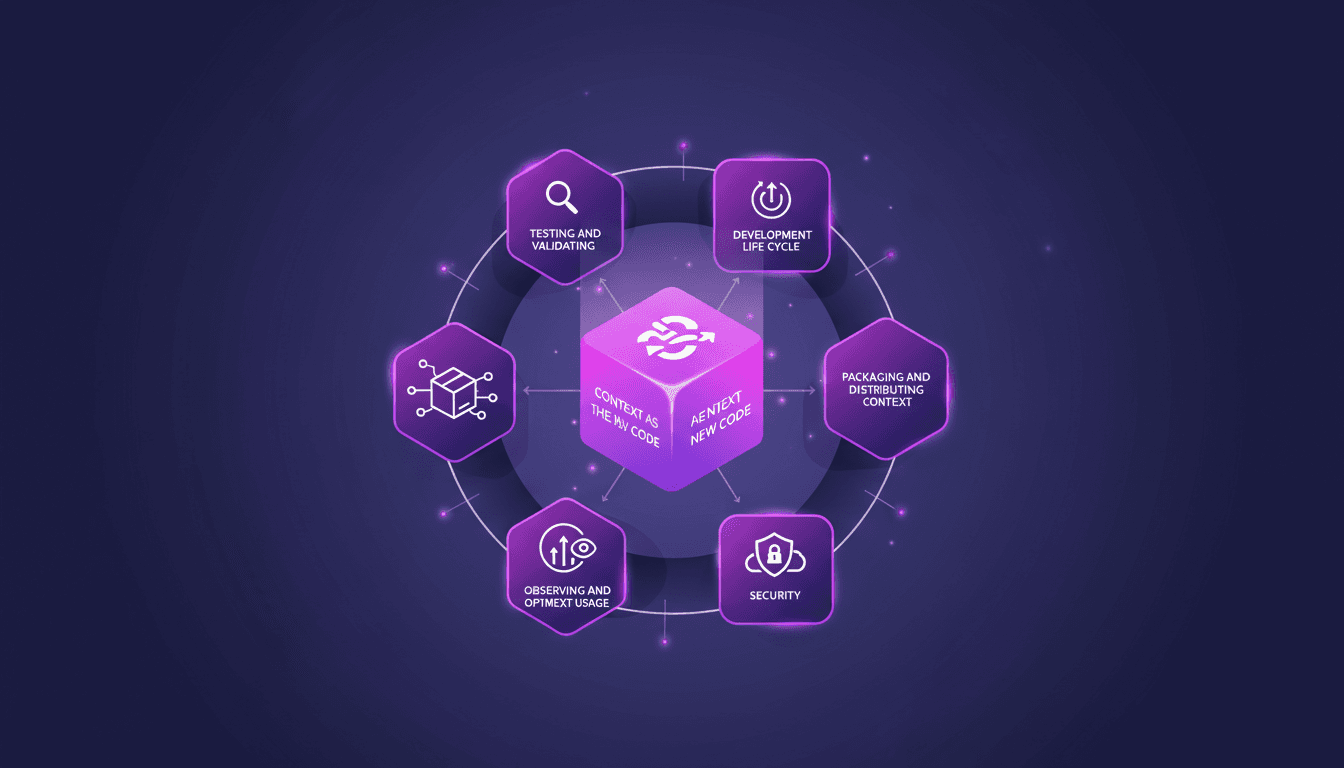
Building Context as Code: My Approach
I remember the first time I heard 'context is the new code'. It was like a light bulb moment. Suddenly, everything clicked. I realized that context isn't just a backdrop—it's a dynamic, living part of our development cycle, much like the code itself. In today's rapidly evolving tech landscape, understanding and leveraging context can be a game changer. It's no longer just about writing efficient code; it's about orchestrating the right context around it. Here's how I tackle this challenge in my daily workflow, integrating context into every phase, from development to optimization. We'll cover security, testing, and how to distribute this context because, trust me, I've learned some lessons the hard way. Get ready to see context from a new perspective.
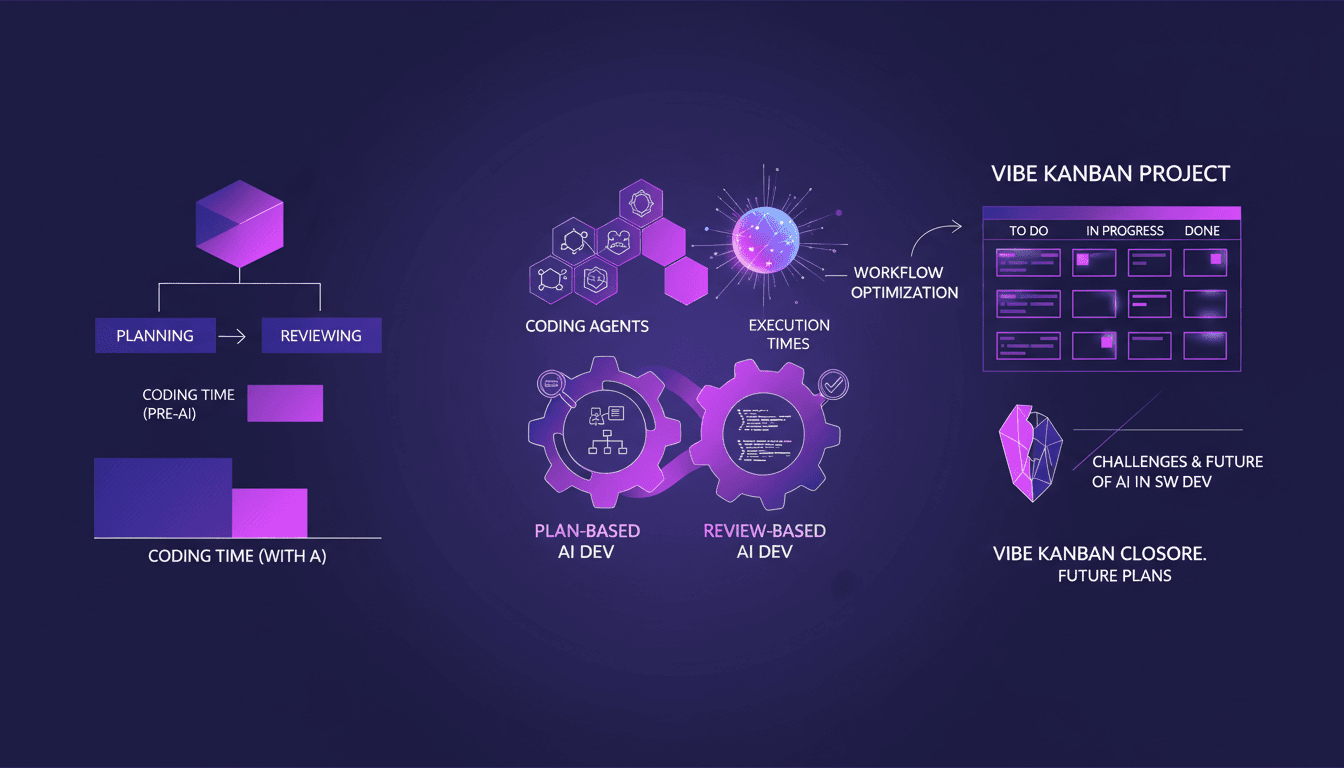
Planning and Reviewing: Software Engineering Revolution
I remember when coding meant diving headfirst into lines of code for hours. But now, with AI tools, it’s all about planning and reviewing. Let me take you through this seismic shift and how Vibe Kanban played a pivotal role in optimizing our workflows. Software engineering is transforming, and I've witnessed it firsthand. We're moving from hands-on coding to strategic planning, backed by tools that save us hours. With Vibe Kanban, I learned to orchestrate planning that saves us 20 minutes for every half an hour of coding. This isn't just theoretical—it’s a real change I experience daily.
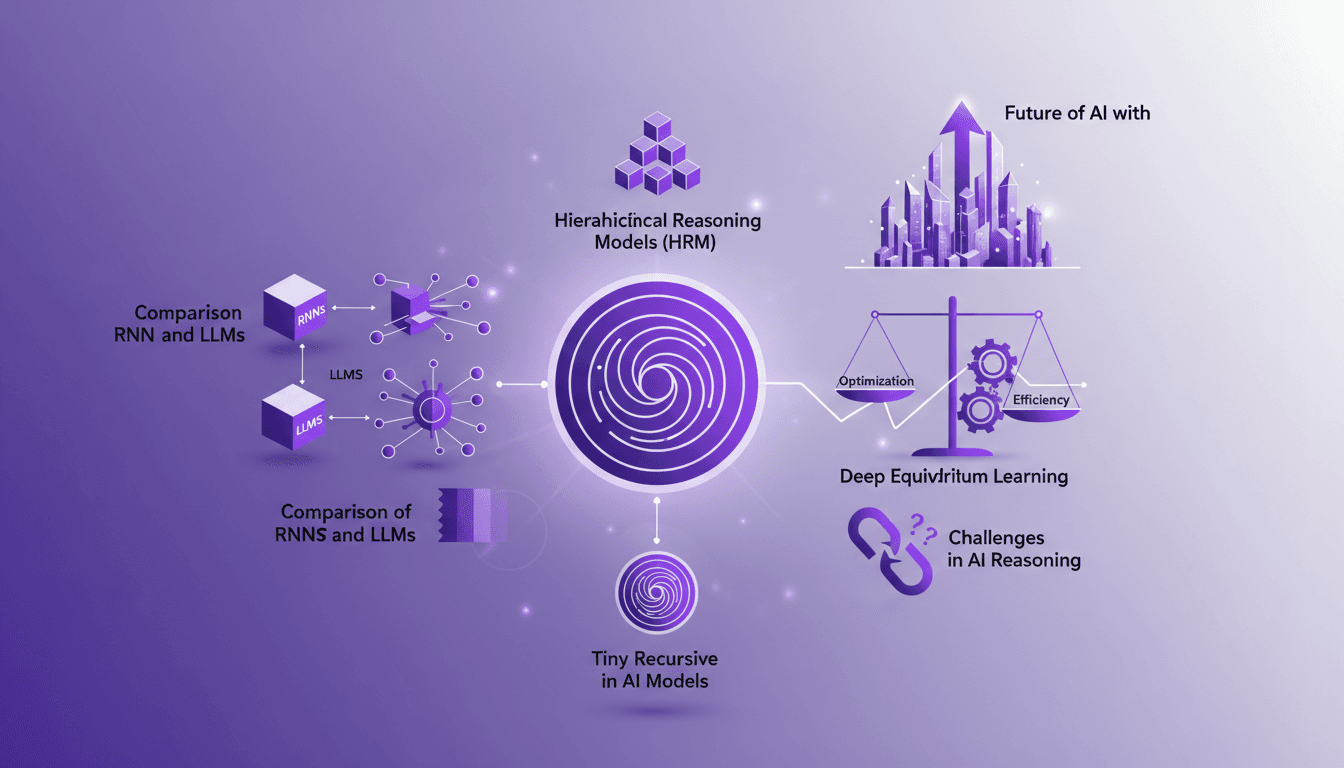
Recursion in AI: Transforming Models
I've spent countless hours tweaking AI models, and let me tell you, recursion is the game changer we've been waiting for. Forget the race for more parameters; now it's about intelligence. While traditional models hit scaling walls, recursion offers a fresh perspective. We're diving into how it could redefine AI efficiency and capability. We'll discuss hierarchical reasoning models, tiny recursive models, deep equilibrium learning, and the challenges of optimization. If you've ever been frustrated by scalability limits, you're going to love this new paradigm.
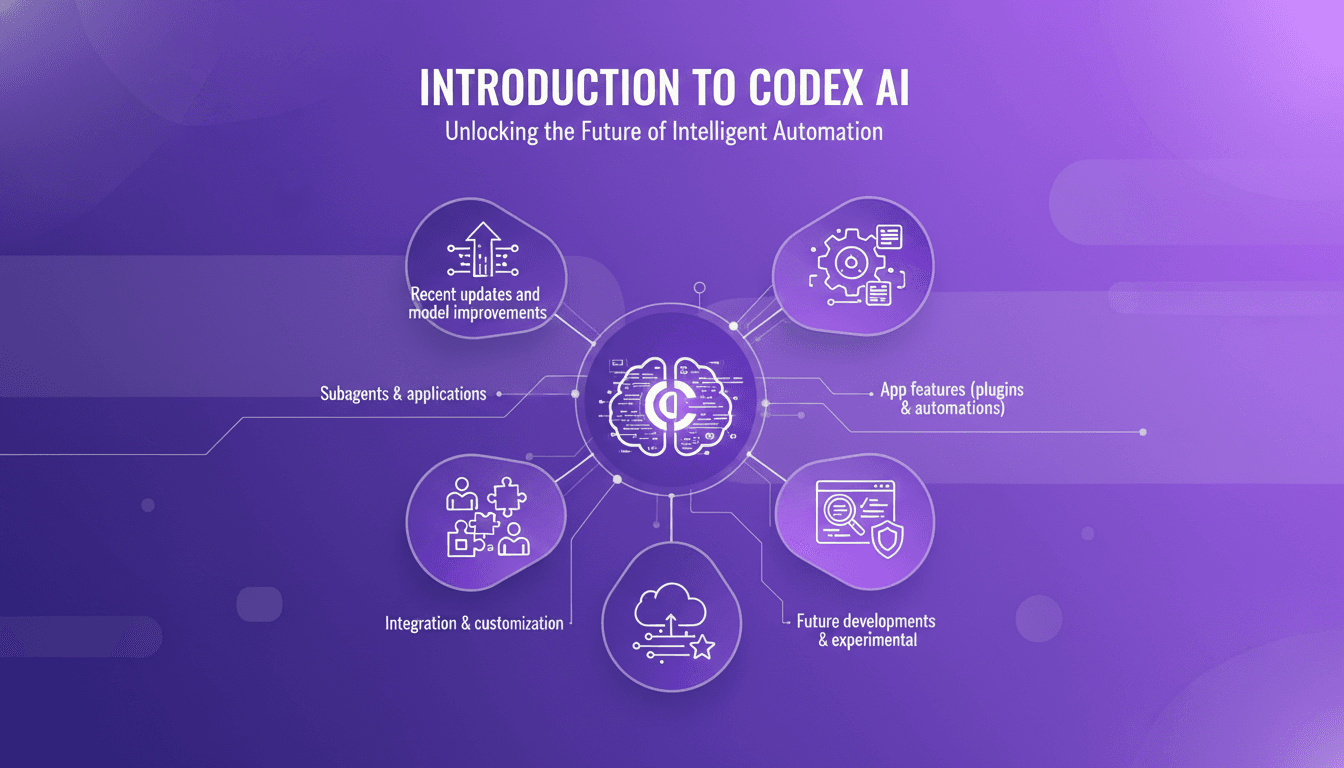
Codex: Recent Enhancements and Integrations
I remember the first time I integrated Codex into our workflow. It was like adding a turbocharger to a well-oiled machine. But watch out, like any powerful tool, understanding its capabilities and limits is key. Codex, with its recent updates, is not just a code assistant; it's a powerhouse for automation and integration. From subagents to security features, it's evolved significantly. Let me show you how to leverage Codex for maximum efficiency. With over three million weekly active users and the latest 5.4 model, the possibilities are massive. Don't get burned by context limits; let's orchestrate Codex to transform your coding environment.
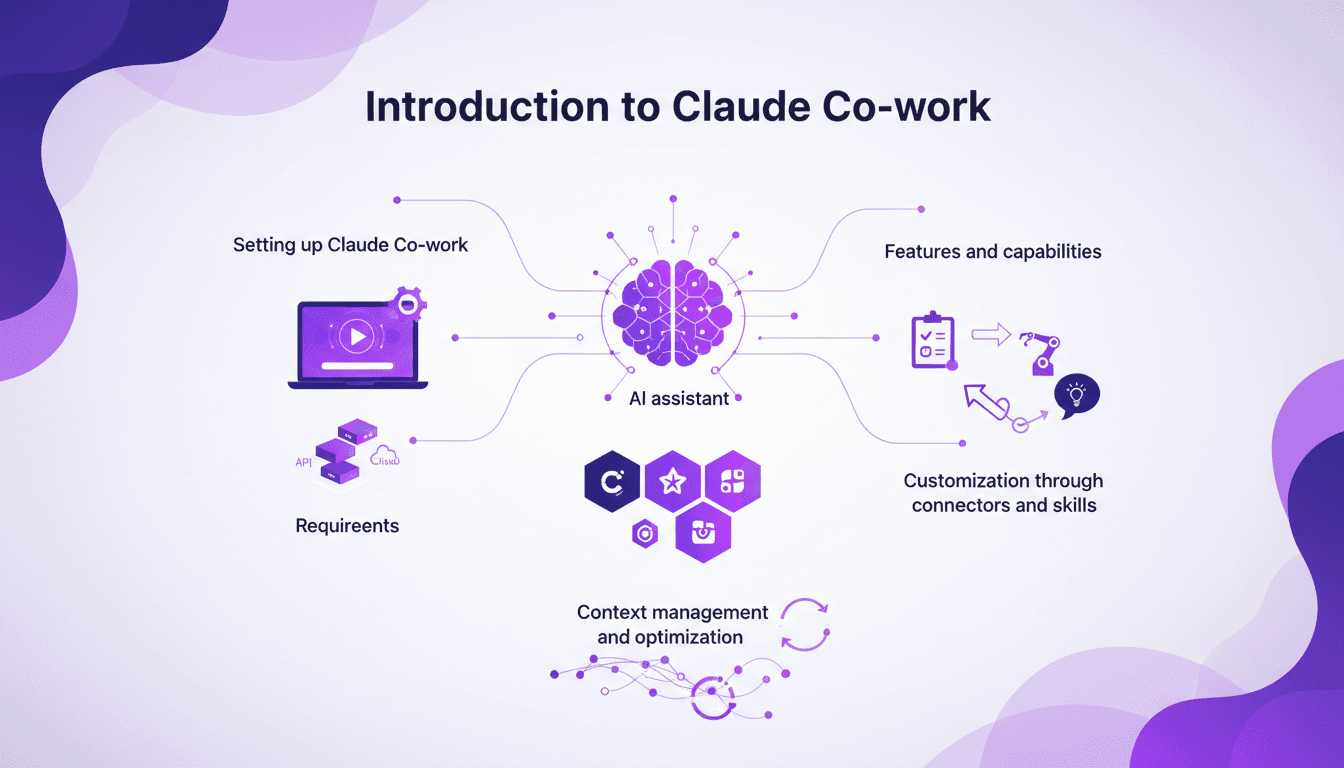
Setting Up Claude Co-work: A Builder's Guide
I still remember the first time I set up Claude Co-work. It was like opening a toolbox with endless possibilities. But let's be honest, it wasn't all smooth sailing. After getting burned a few times, I finally navigated the setup, features, and customization to make Claude Co-work a real asset in my projects. Whether you're a beginner or have some experience, understanding how to make the most of this AI assistant is crucial. Let's dive in, and I'll show you how to turn Claude Co-work into a powerful ally.