Planning and Reviewing: Software Engineering Revolution
I remember when coding meant diving headfirst into lines of code for hours. But now, with AI tools, it’s all about planning and reviewing. Let me take you through this seismic shift and how Vibe Kanban played a pivotal role in optimizing our workflows. Software engineering is transforming, and I've witnessed it firsthand. We're moving from hands-on coding to strategic planning, backed by tools that save us hours. With Vibe Kanban, I learned to orchestrate planning that saves us 20 minutes for every half an hour of coding. This isn't just theoretical—it’s a real change I experience daily.
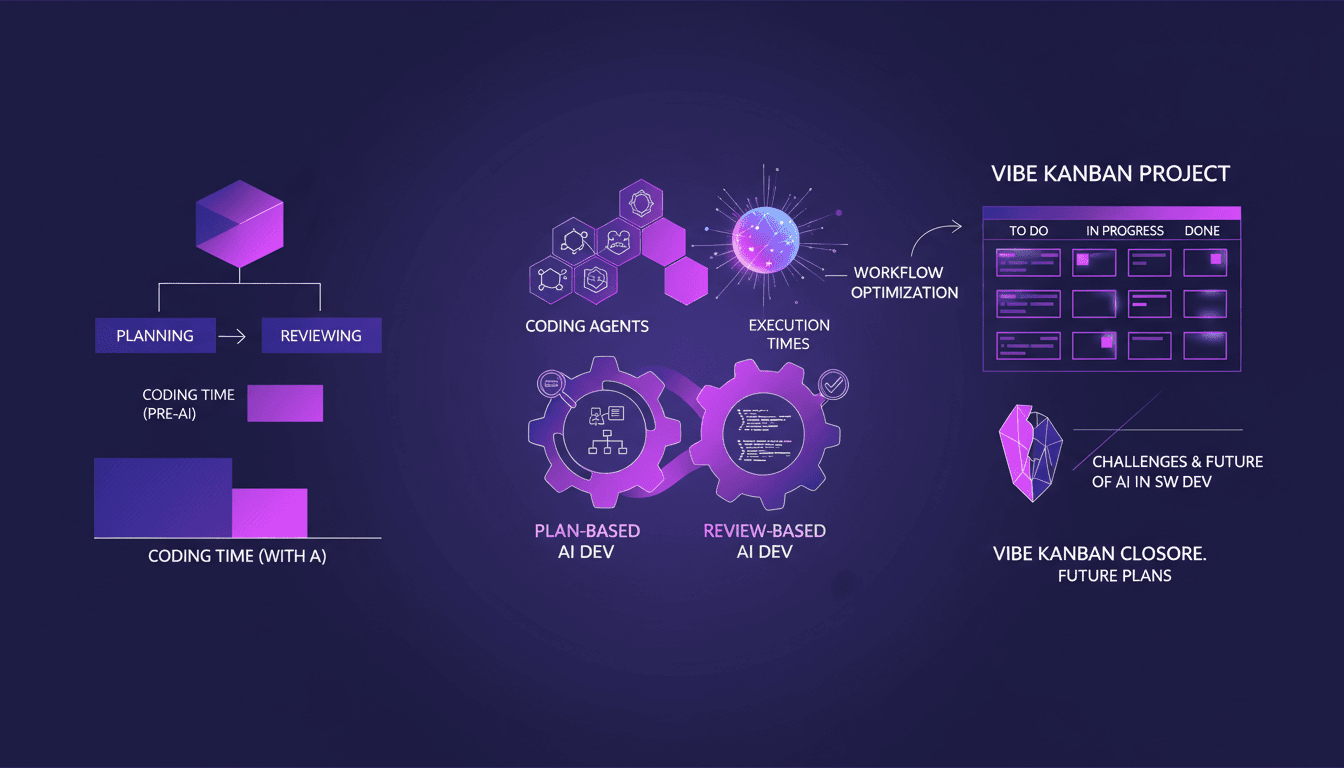
I remember when coding meant diving headfirst into lines of code for hours. Nowadays, AI has flipped that script entirely. In my agency, we spend more time planning and reviewing than hands-on coding. It's a real paradigm shift, and Vibe Kanban is crucial in this transition. Thanks to these tools, we're saving 20 minutes for every half-hour of coding just by planning better. I've had to relearn coding, and it starts with strategy. AI forces us to be smarter—spending five minutes planning can save us 30 minutes of reviewing. But be cautious, even with these tools, you need to critically assess the AI-generated code. It's not perfect, far from it, but it's a revolution we can't ignore. So, how do you integrate this change into your workflow? I'll share my experiences and mistakes to help you avoid getting burned like I did in the early days.
The Shift to Planning and Reviewing
AI tools have truly shifted the landscape of software engineering. Nowadays, engineers find themselves planning and reviewing far more than coding. Take, for instance, the 20 minutes saved for every 30 minutes of coding thanks to AI. It's remarkable, isn't it? But that's just scratching the surface. Spending just five minutes planning can save you 30 minutes of reviewing. Simple, yet impactful.
It's not just about saving time. The role of the engineer is evolving from a coder to a strategist. This shift allows for more strategic oversight and less time lost in coding rabbit holes.
Plan-based vs Review-based Approaches
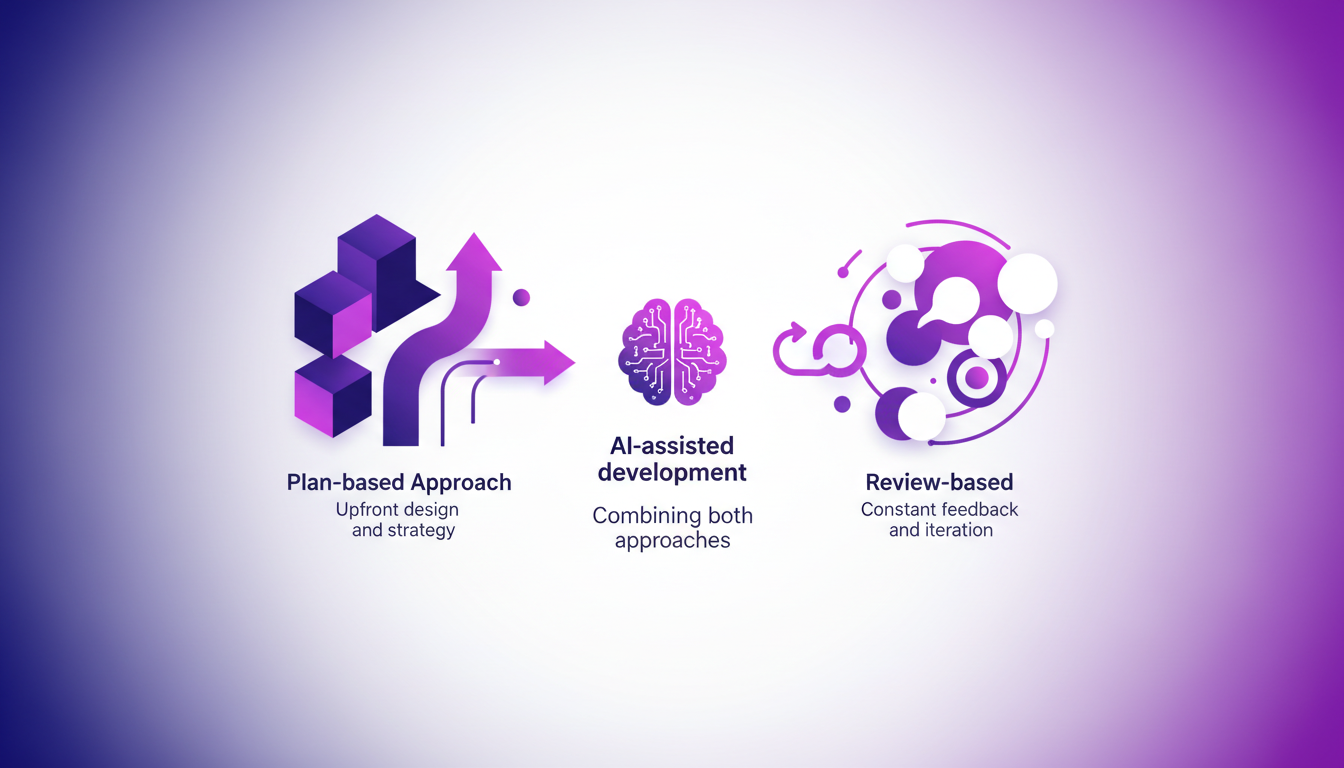
So, which approach is better? Planning upfront or constant reviewing? With AI, it's best to combine both. The plan-based approach emphasizes upfront design and strategy. You prepare, you anticipate. On the flip side, the review-based approach focuses on constant feedback and iteration.
Combining these approaches is ideal, but watch out: it involves frequent context switching. It's like juggling flaming balls. Plus, there's the risk of over-relying on AI, which can be a trap.
- Plan-based approach: Less reviewing, but more time upfront.
- Review-based approach: More reviewing, but quicker and more flexible.
- Combination: Ideal but complex to manage.
Evolution of Coding Agents and Execution Times
The modern coding agents are something else. They're parallelizing tasks, cutting down execution times significantly. What used to take hours now takes minutes, thanks to AI. It's like having a team of developers working in parallel.
But watch out, managing multiple agents simultaneously can become complex. It's crucial to orchestrate everything efficiently.
Vibe Kanban's Role in Workflow Optimization
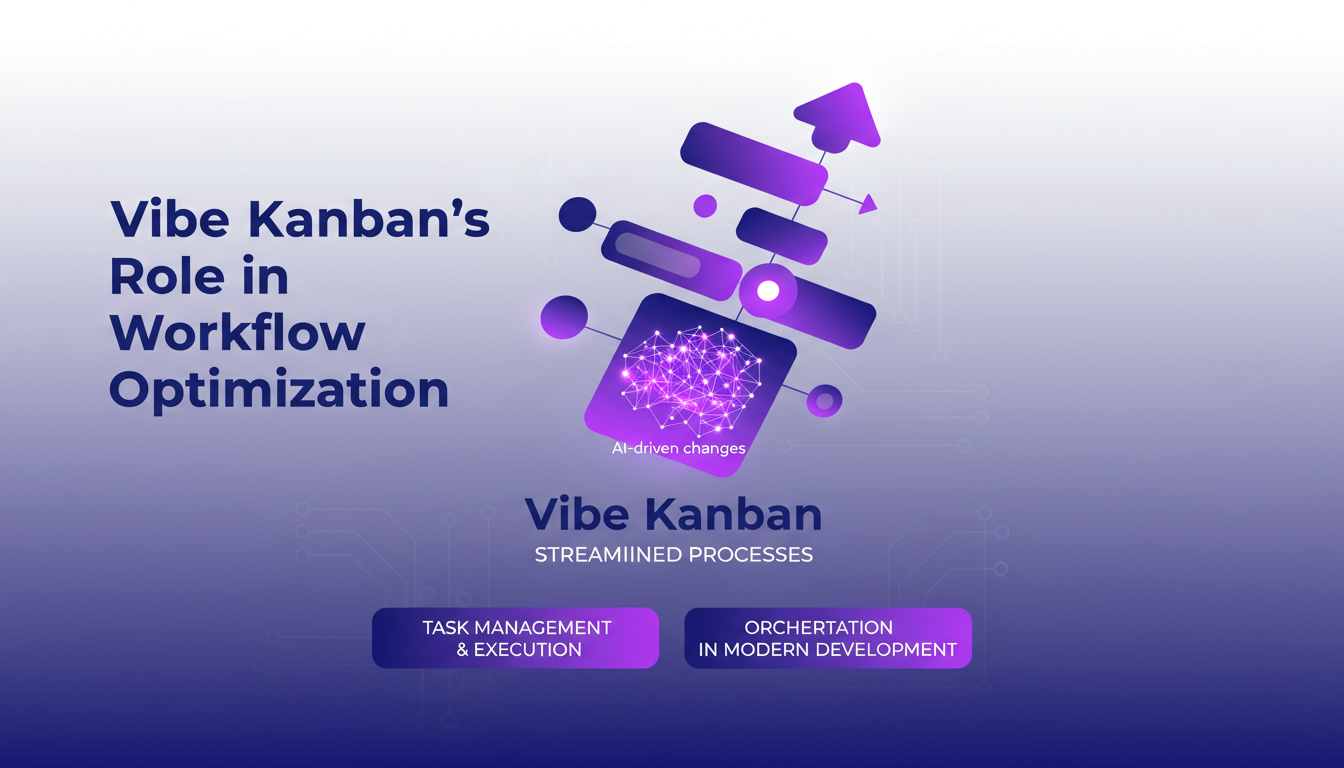
We integrated Vibe Kanban into our processes, and it was a game changer. This project optimized task management and execution, aligning with AI-driven changes. Even though the project has ended, the lessons learned continue to influence our workflows.
Challenges and Future of AI in Software Development
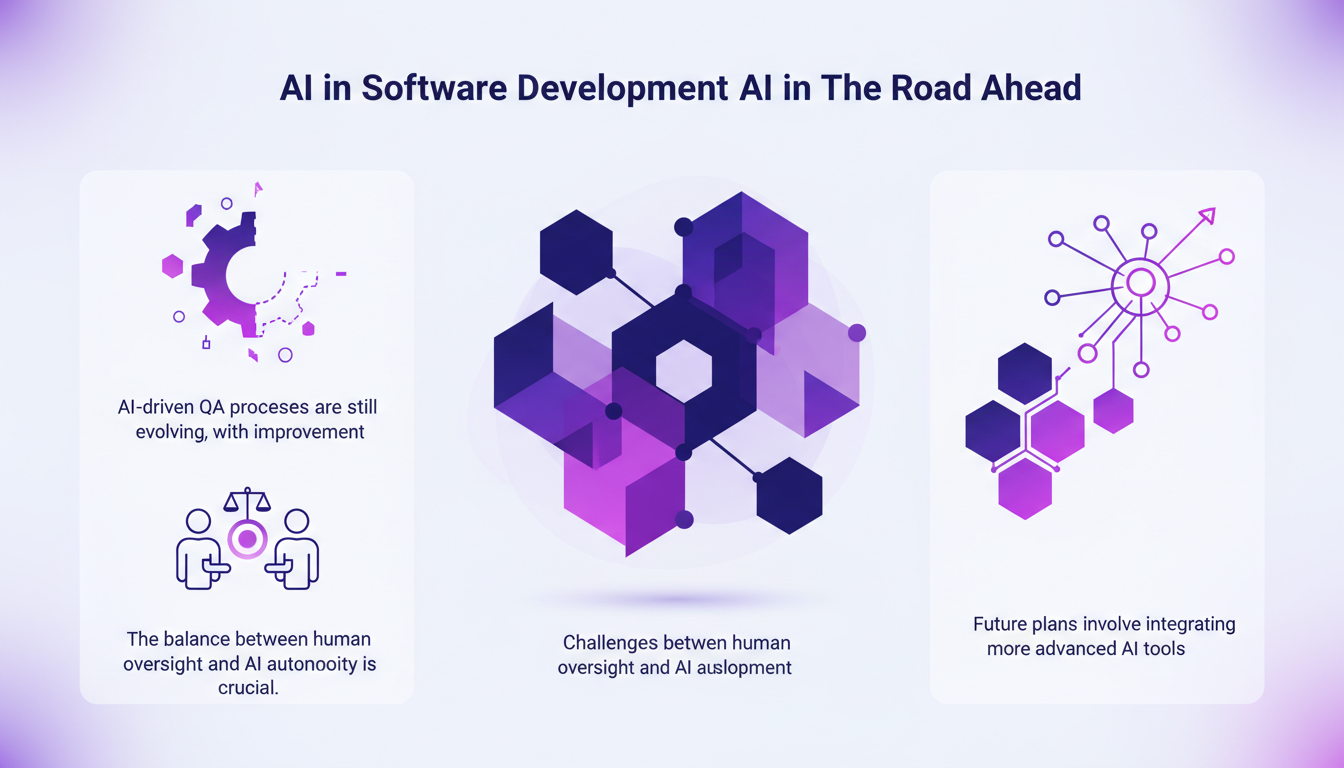
AI-driven QA processes are still evolving, but there's potential. The balance between human oversight and AI autonomy is crucial. Future plans involve integrating more advanced AI tools.
But watch out for challenges: maintaining code quality and managing AI limitations are essential.
In summary, software development with AI is an exciting yet complex journey. It's essential to stay agile and continue learning from past experiences to optimize our future workflows.
In the realm of software engineering, we're seeing a significant shift towards a more strategic, AI-assisted approach. From my perspective, it's clear: we're saving 20 minutes for every half hour spent coding thanks to AI tools. But it's not magic. Spending five minutes planning can save 30 minutes of reviewing AI-generated code. That's where Vibe Kanban's impact on workflow optimization still resonates, even though it's closed. Watch out though, for limits like constantly jumping in and out of context, which can cost us 30 seconds here and there. Looking ahead, I'd say integrating these insights into your development processes is essential. Embrace the change, but always keep an eye on the trade-offs. I encourage you to check out Louis Knight-Webb's original video for deeper insights—it's a real game changer. Watch the video here.
Frequently Asked Questions

Thibault Le Balier
Co-fondateur & CTO
Coming from the tech startup ecosystem, Thibault has developed expertise in AI solution architecture that he now puts at the service of large companies (Atos, BNP Paribas, beta.gouv). He works on two axes: mastering AI deployments (local LLMs, MCP security) and optimizing inference costs (offloading, compression, token management).
Related Articles
Discover more articles on similar topics
AI in Real Estate: Buyer Preferences
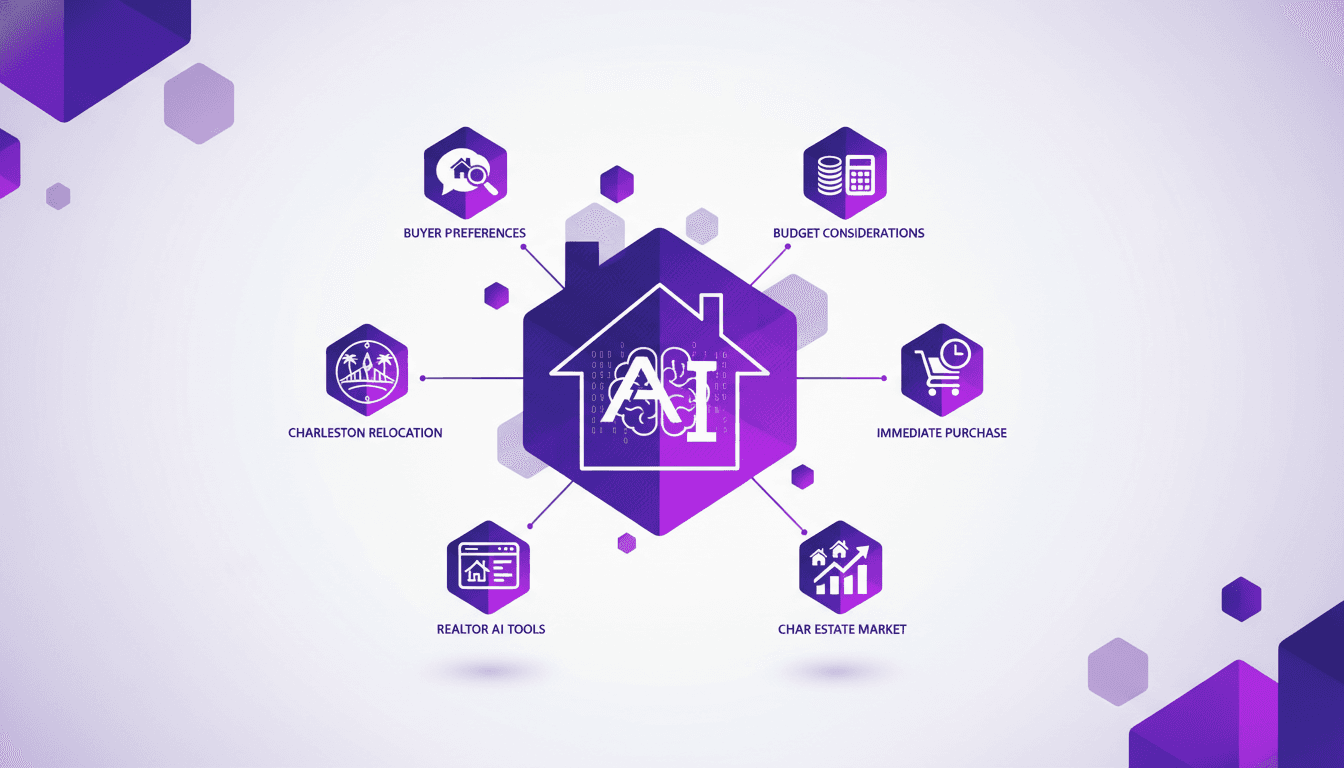
I remember the first time I saw AI tools transform real estate lead management. It was like flipping a switch on efficiency; suddenly, hours of work streamlined into minutes. In Charleston, a booming market, these tools help agents better align buyer preferences with market realities. Let's discuss buyer preferences and how innovative tools like these are reshaping lead management. Picture this: four bedrooms for under $500,000. That's the sort of concrete shift we're talking about. Don't let the competition outpace you, let's dive into this game-changer together.
Recursion in AI: Transforming Models
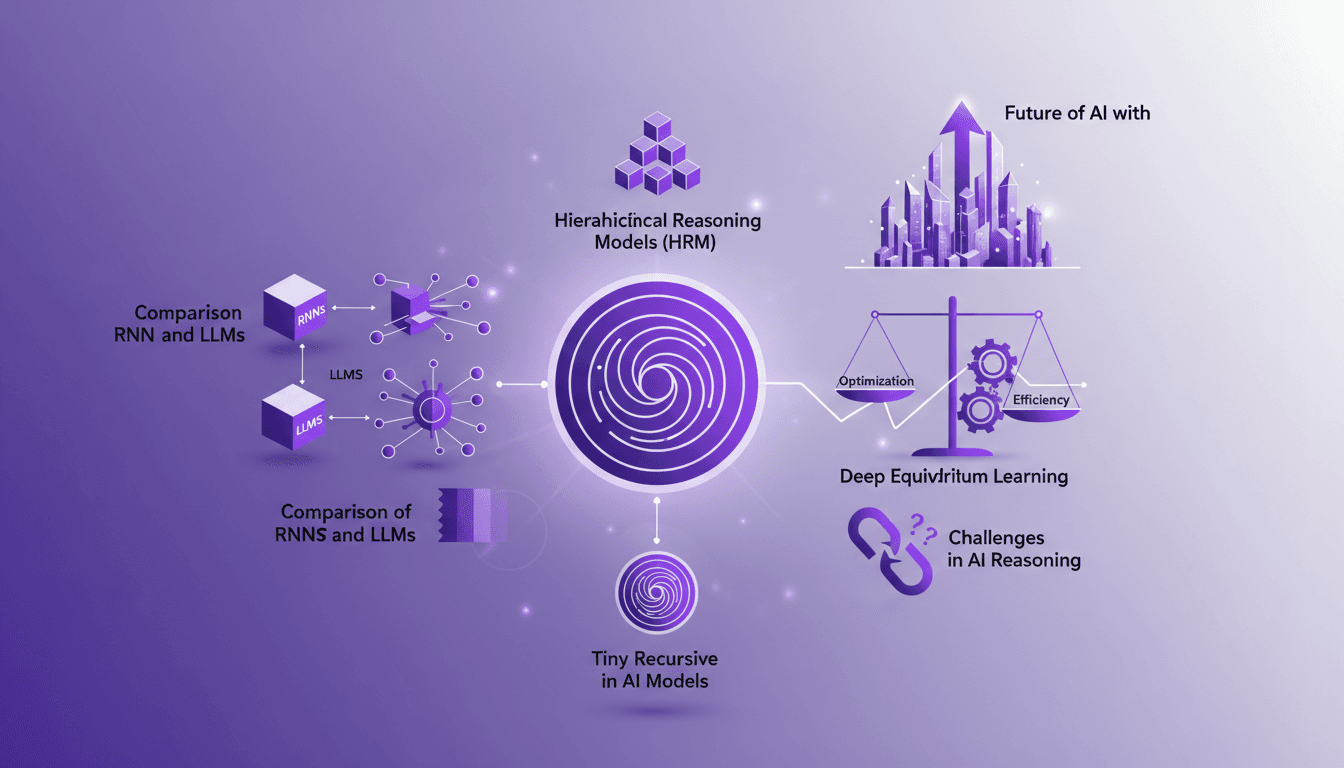
I've spent countless hours tweaking AI models, and let me tell you, recursion is the game changer we've been waiting for. Forget the race for more parameters; now it's about intelligence. While traditional models hit scaling walls, recursion offers a fresh perspective. We're diving into how it could redefine AI efficiency and capability. We'll discuss hierarchical reasoning models, tiny recursive models, deep equilibrium learning, and the challenges of optimization. If you've ever been frustrated by scalability limits, you're going to love this new paradigm.
Productivity Gains: AI Agents Empowering Teams
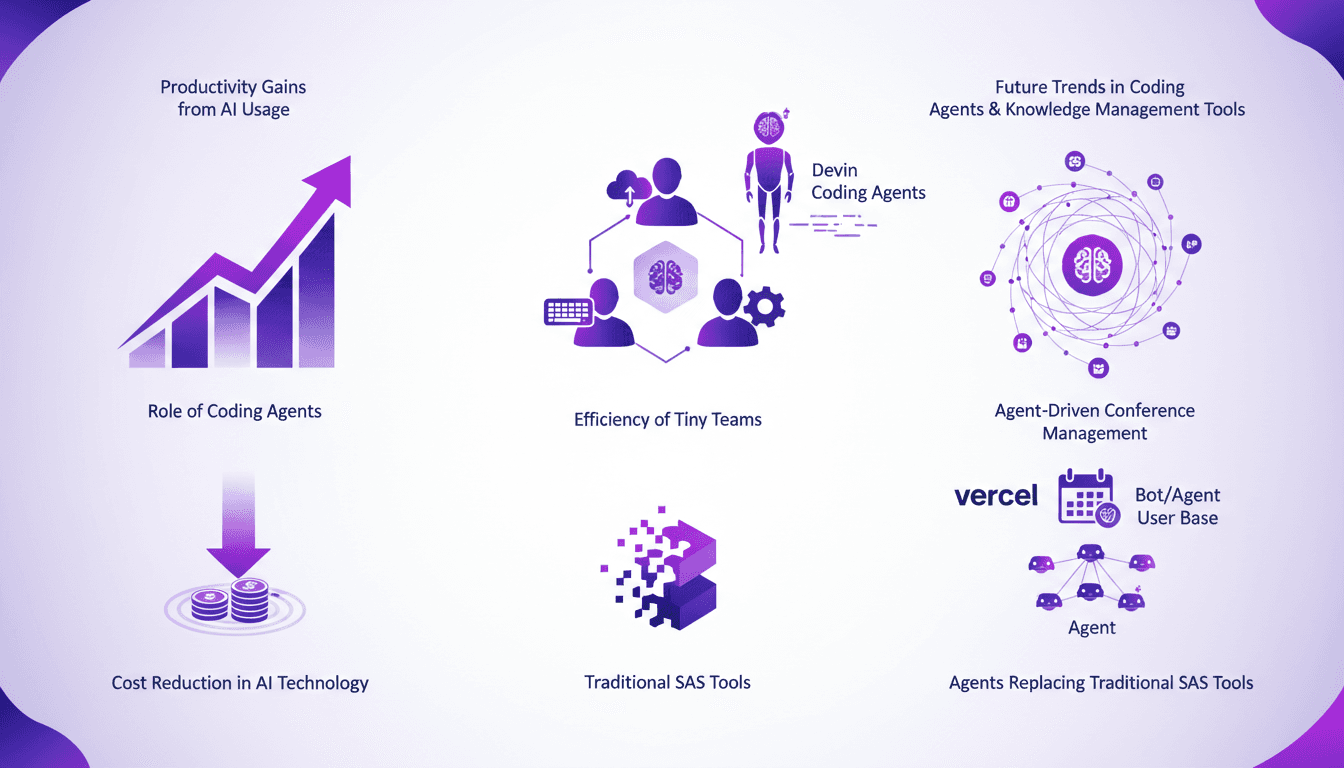
Ever felt like your team's too small to tackle big projects? I did too, until I started leveraging AI coding agents like Devin. These tiny team powerhouses are game-changers. Imagine running a $9 million business with just nine full-timers. With coding agents, it's possible. Let me show you how these tools boost productivity, cut costs, and transform how we work. We're talking about AI costs dropping 100-fold in a few short years. Join me as we explore what Devin and other agents can genuinely do for your team.
Selling to Giants: Strategies from YC Startups
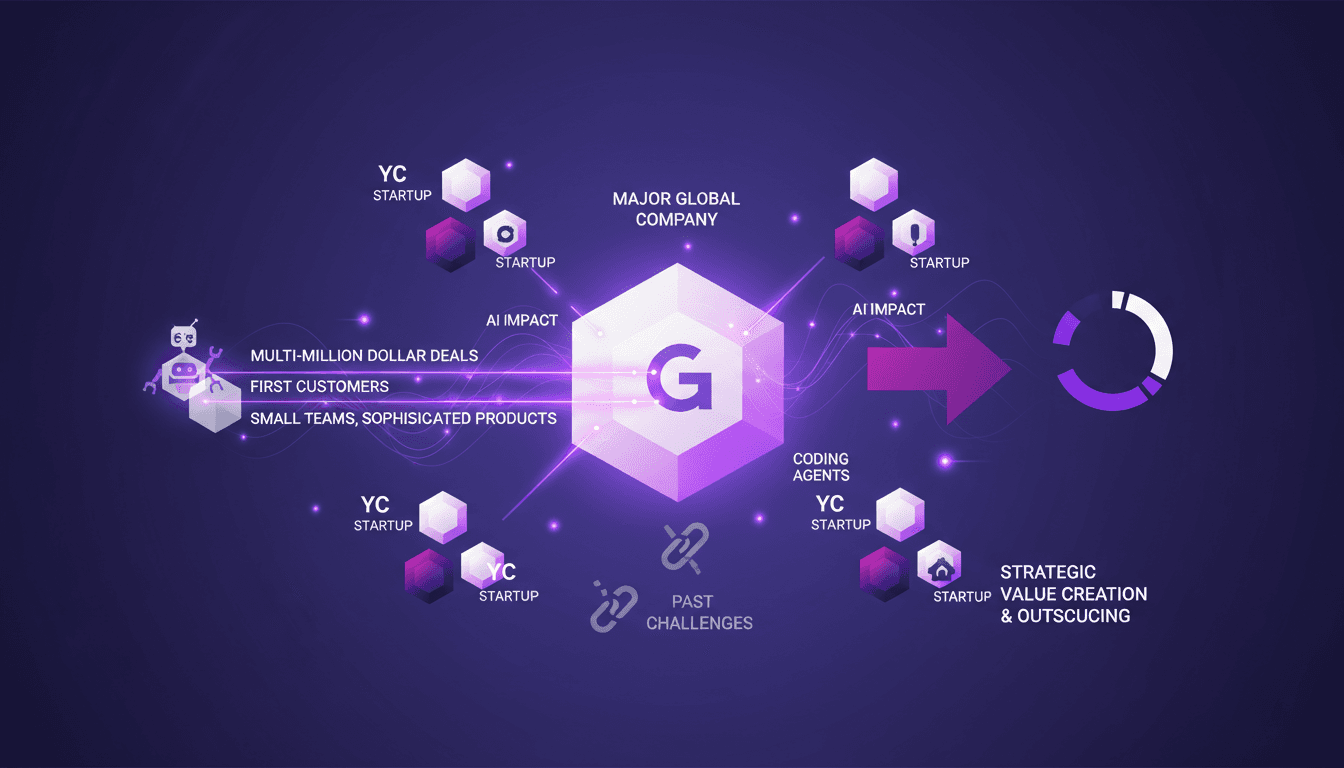
I remember the first time my tiny startup landed a deal with a Fortune 10 company. It felt like David versus Goliath, but with AI as our slingshot. In this article, I share how startups, especially those backed by YC, are thriving in markets dominated by giants. With AI reshaping the playing field, even small teams can deliver powerful solutions to the largest companies. But watch out, this journey is fraught with challenges and demands strategic navigation. We'll explore how multi-million dollar deals are forged, the impact of AI on product development, and how large companies are receptive to startup innovation.
Boosting Velocity with Codex at Virgin Atlantic
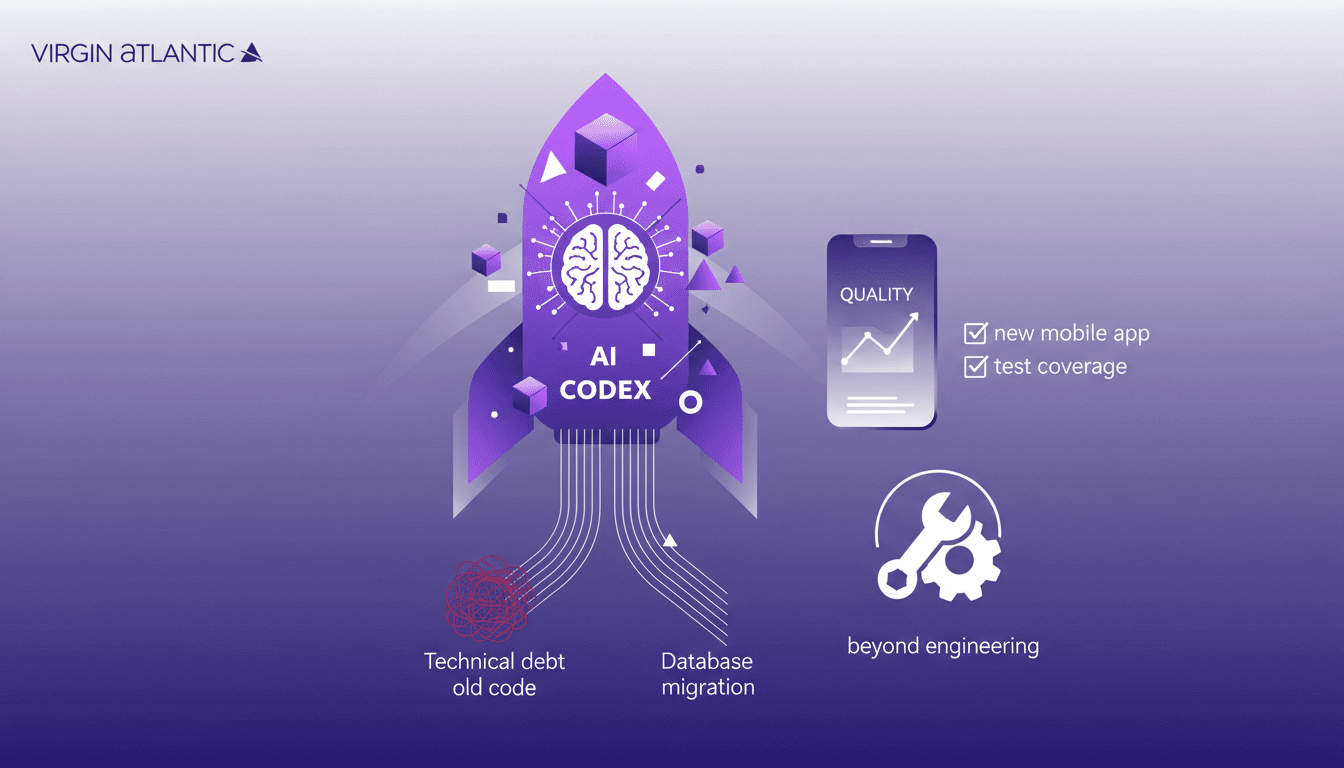
I remember the first time I integrated Codex into our workflows at Virgin Atlantic. The impact was immediate—our team velocity shot up, and the technical debt that had been weighing us down started to shrink noticeably. In this article, I'll walk you through how Codex transformed our approach to software development, from increasing performance to reducing code base and improving quality assurance. The performance of our new mobile app was astonishing, and Codex played a key role in database migration and transformation pipelines. You'll see how our test coverage and quality assurance reached new heights, showing that Codex is a tool that goes beyond pure engineering.