Selling to Giants: Strategies from YC Startups
I remember the first time my tiny startup landed a deal with a Fortune 10 company. It felt like David versus Goliath, but with AI as our slingshot. In this article, I share how startups, especially those backed by YC, are thriving in markets dominated by giants. With AI reshaping the playing field, even small teams can deliver powerful solutions to the largest companies. But watch out, this journey is fraught with challenges and demands strategic navigation. We'll explore how multi-million dollar deals are forged, the impact of AI on product development, and how large companies are receptive to startup innovation.
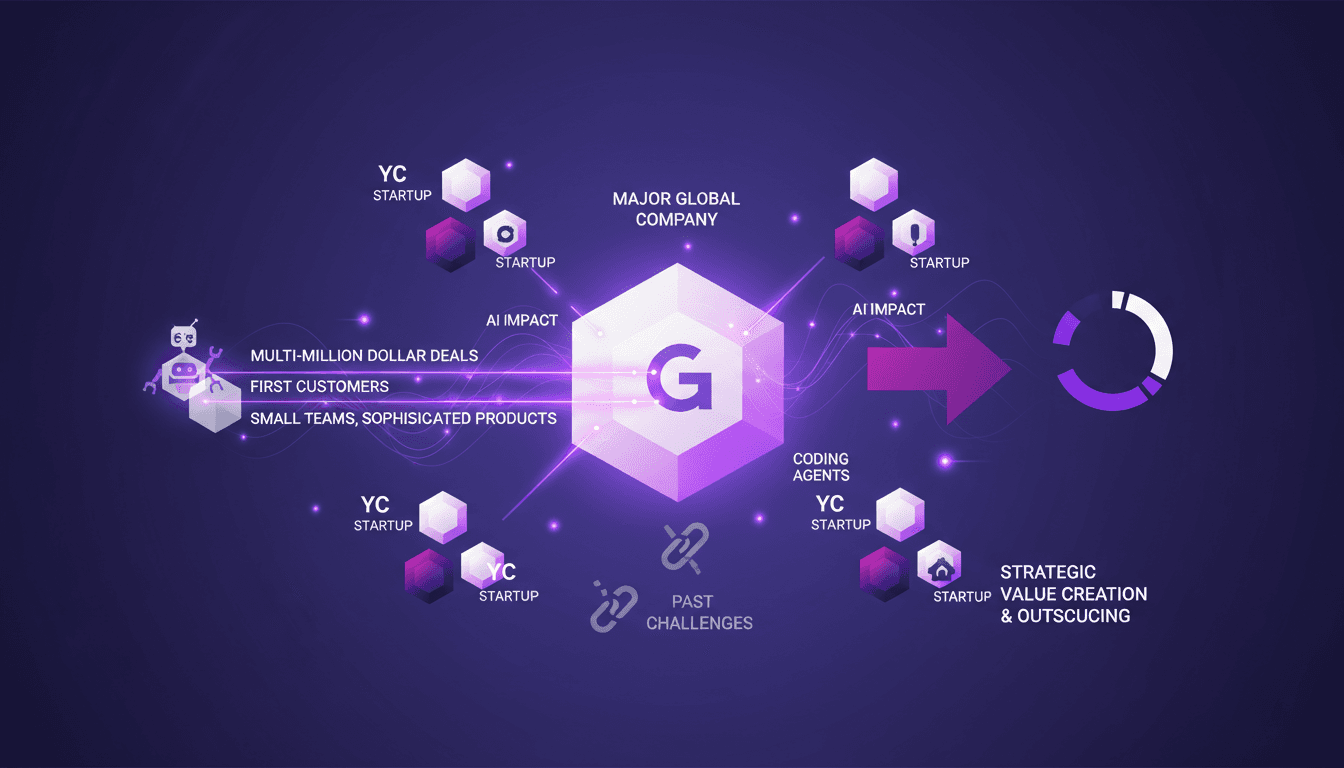
I still remember the day my startup, with just three developers and a dog, landed its first contract with a Fortune 10 company. It was a bit like David versus Goliath, except our slingshot was AI. People often think that to sell to the biggest companies in the world, you just need a great product. Bad news: it's a lot more complex. You have to understand the landscape, leverage the agility of a small team, and navigate the unique challenges startups face. Today, YC-backed startups are landing multi-million dollar deals within their first year, often with giants as their first clients. AI has completely changed the game, enabling small teams to deliver sophisticated products quickly. But watch out, the path is fraught with challenges. We'll discuss the direct impact of AI, the receptiveness of large corporations, and mistakes to avoid. I've stumbled more than once myself, but each misstep was a lesson to better orchestrate the next moves.
Landing Multi-Million Dollar Deals: The YC Playbook
If you've been through the startup grind, you'd know landing a multi-million dollar deal in your first year often feels like a distant dream. Yet, YC startups make this a reality more often than you'd think. Their first customers are frequently major global companies, setting a high standard right from the start. For me, this means aligning our product capabilities with these enterprises' needs from day one.

Speaking of AI, it has revolutionized our approach. It makes our products more appealing and streamlines communication with these market giants. It's a game changer, but watch out, you need to balance high expectations with technical limits.
- Align product capabilities with enterprise needs from the start
- Use AI to enhance product appeal
- Prepare to engage with global-scale clients from the outset
Overcoming Historical Challenges in Selling to Giants
Historically, selling to large companies has been a daunting challenge for startups. Lack of credibility and resources was a major hurdle. AI helps level the playing field, but let's be real, it's not a magic bullet. I've learned to effectively navigate procurement processes and lengthy sales cycles, which is crucial for building trust and demonstrating value swiftly.
When I started, convincing a giant to take the risk of working with a small startup was tough. But now, thanks to AI, we can demonstrate value quickly and efficiently. Nevertheless, it's essential not to rely solely on technology.
- Establish credibility quickly
- Navigate complex procurement processes
- Use AI to demonstrate value
- Don't rely solely on AI to build relationships
AI's Role in Shaping Startup Success
With AI, startups can now achieve feature parity with larger, established competitors. Small teams can deliver sophisticated products in just a few months. I've seen two to three-person teams create solutions that even Fortune 10 companies find valuable.
But watch out, don't over-rely on AI. It should augment human creativity, not replace it. AI-driven insights help us tailor offerings to specific enterprise needs, but the human touch is invaluable.
- Achieve feature parity with established competitors
- Rapidly deliver sophisticated products
- Tailor offerings using AI insights
- Don't replace human creativity with technology
The Agile Advantage: Small Teams, Big Impact
A small team of two to three people can now ship products that even Fortune 10 companies find useful. Agility and rapid iteration are key advantages over larger competitors. Personally, I prioritize feedback loops with enterprise clients to refine our offerings.
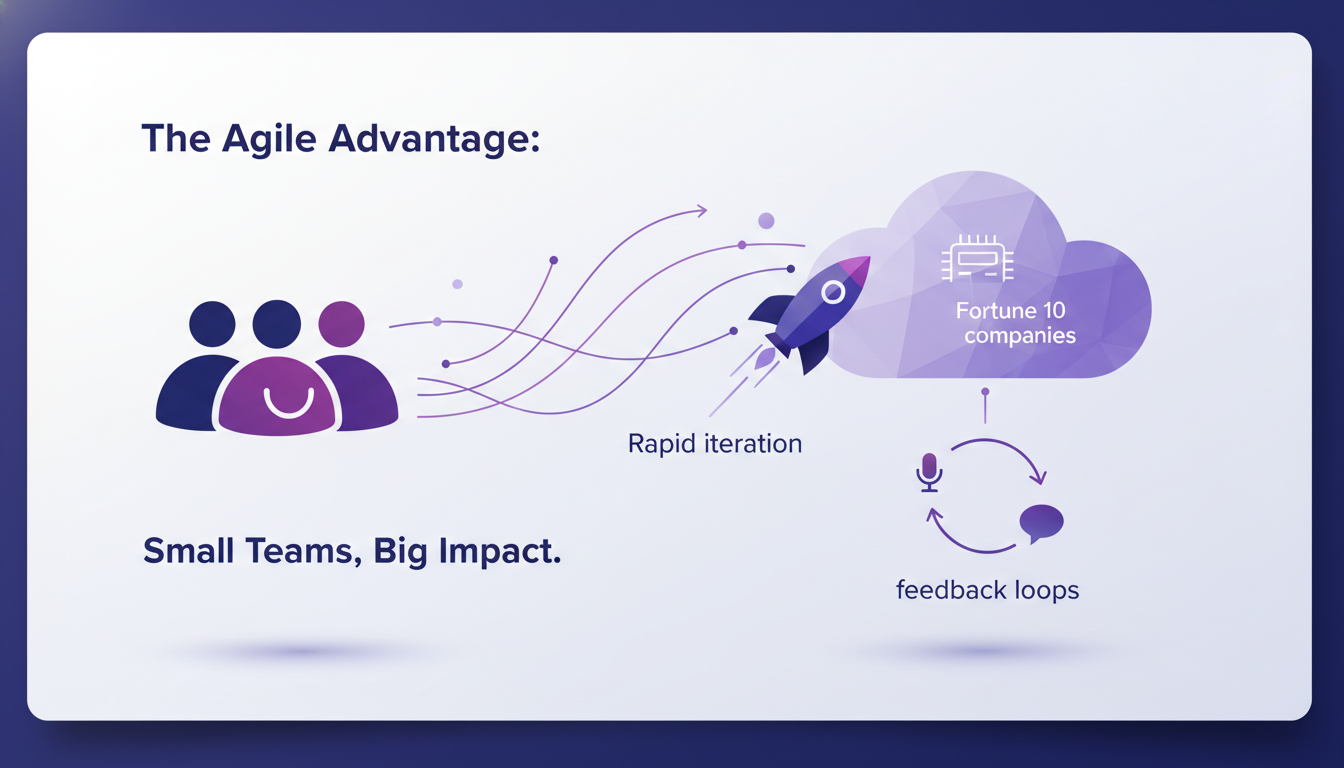
But let's not forget the importance of robust support and scalability. Without these, even the most innovative product can fail in the long run.
- Leverage agility and rapid iteration
- Prioritize client feedback
- Ensure robust support and scalability
Large Companies Embracing AI and Startups
Leaders at large companies are increasingly open to AI-driven solutions. This presents a unique opportunity for startups to demonstrate their ability to create strategic value and potential for integration. When I position our startup, I don't want to be seen as just a vendor, but as a strategic partner.
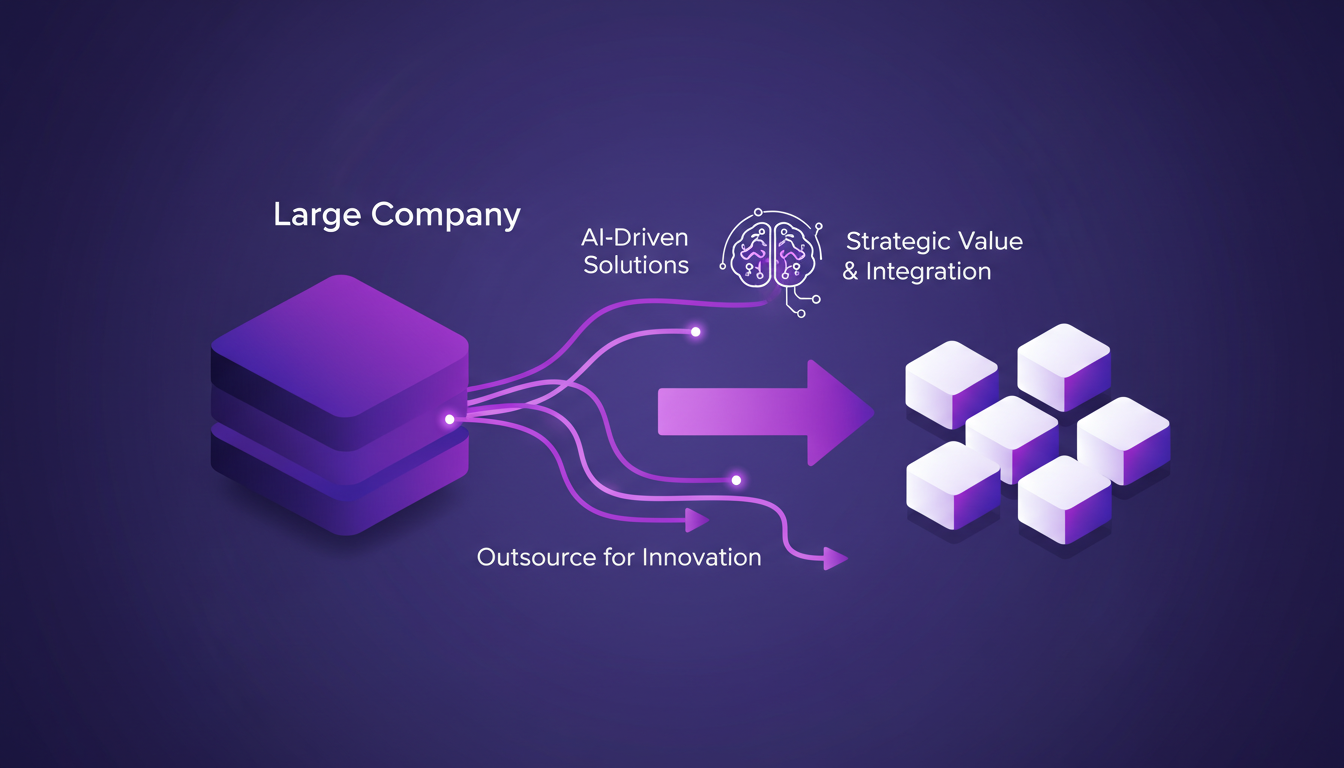
Large companies turn to startups to innovate without massive investments. They recognize that collaborating with startups can be a cost-effective way to adopt emerging technologies.
- Demonstrate strategic value creation
- Position as a strategic partner
- Allow large companies to innovate without heavy investments
- Be seen as an ally, not just a provider
For more inspiring stories, check out our article on SpaceX's space revolution or how a solopreneur can generate $77K a month.
Selling to the world's largest companies as a startup isn't a walk in the park, but it's totally doable with the right strategies. Here's what worked for me: first, I really dig into understanding what these enterprises need. Then, I embrace agility to pivot fast when needed. And AI? It's a complete game changer, but don't rely on it blindly.
- YC startups are landing multi-million dollar deals within their first year. Impressive, but you need solid prep.
- It's not unusual for the first customer to be one of the world's largest companies. That sets the stage.
- AI has changed the game for us, but you have to manage expectations and technical limitations carefully.
Looking ahead, I see massive potential for startups that can adapt and align their product strategies with the needs of these giants. It won't be easy, but the rewards are there.
Ready to take your startup to the next level? Start by aligning your product strategies with your target giants' needs, and don't forget to harness AI effectively. For a deeper dive and concrete tips, check out the full video on YouTube. It's worth your time, trust me.
Frequently Asked Questions

Thibault Le Balier
Co-fondateur & CTO
Coming from the tech startup ecosystem, Thibault has developed expertise in AI solution architecture that he now puts at the service of large companies (Atos, BNP Paribas, beta.gouv). He works on two axes: mastering AI deployments (local LLMs, MCP security) and optimizing inference costs (offloading, compression, token management).
Related Articles
Discover more articles on similar topics

SpaceX's $2000B IPO: Revolutionizing Space
I've been in the aerospace game for years, and watching SpaceX's trajectory is like witnessing the Wright brothers all over again. This isn't just another company IPO—it's a $2000 billion leap into the future of space economy. SpaceX is not just pushing boundaries; it's redefining them. From Starlink's market influence to Starship's groundbreaking potential, and the integration of AI, SpaceX is crafting a new era in space exploration and economic opportunity. The $2000 billion IPO valuation, Starlink's financial performance, the future of space travel, and the potential merger with Tesla outline a future where a multi-trillion dollar space economy becomes reality.
Solopreneur Routine: Earning $77K a Month
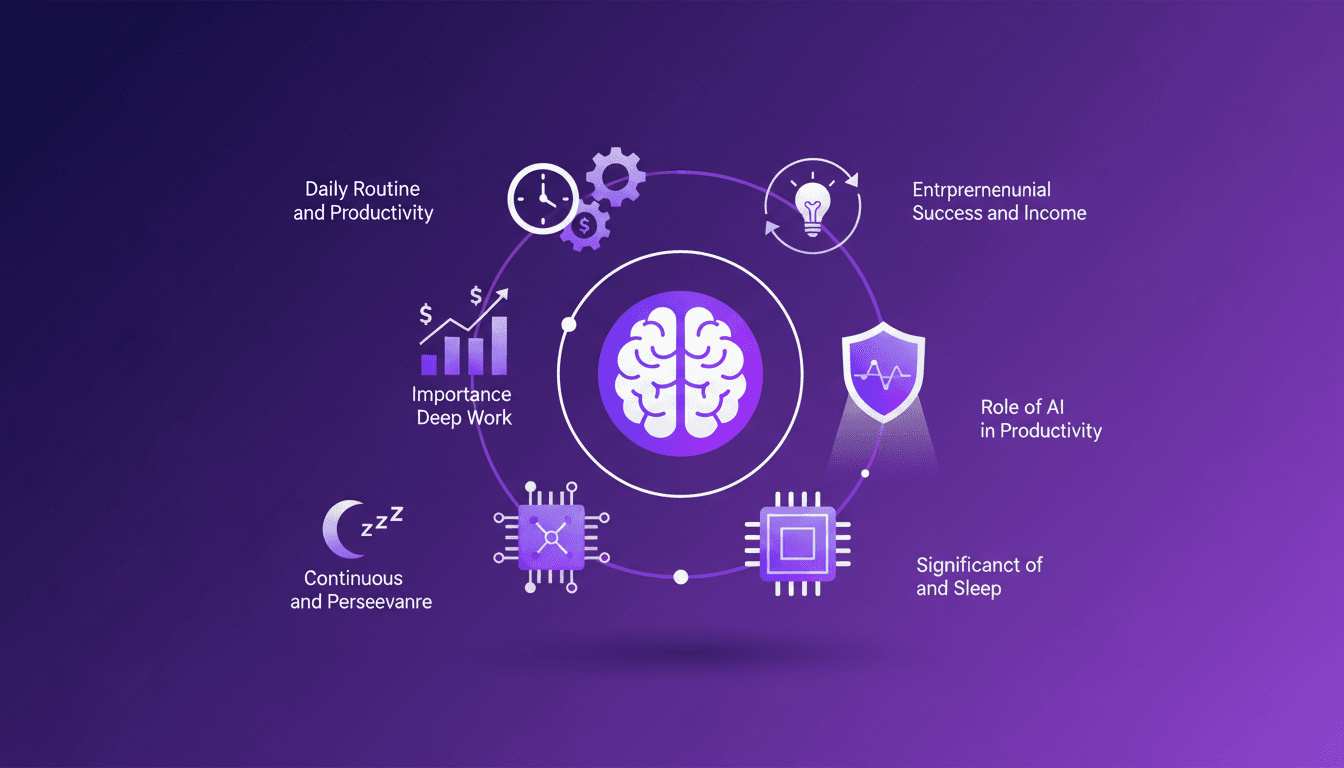
I wake up around 6 a.m., ready to tackle the day as a solopreneur. Earning $77K a month doesn't just happen—it's a mix of deep work, smart use of AI, and relentless iteration. First, I orchestrate my priorities using automation tools (saves a ton of time). Then, I dive into the creative work, where AI helps me speed up processes without compromising quality. My secret? Never getting stuck. I test, tweak, and continuously innovate while safeguarding my sleep. In a world where hustle is glorified, smart strategies make the difference. Let me show you how I orchestrate my daily routine to maximize productivity and innovation.
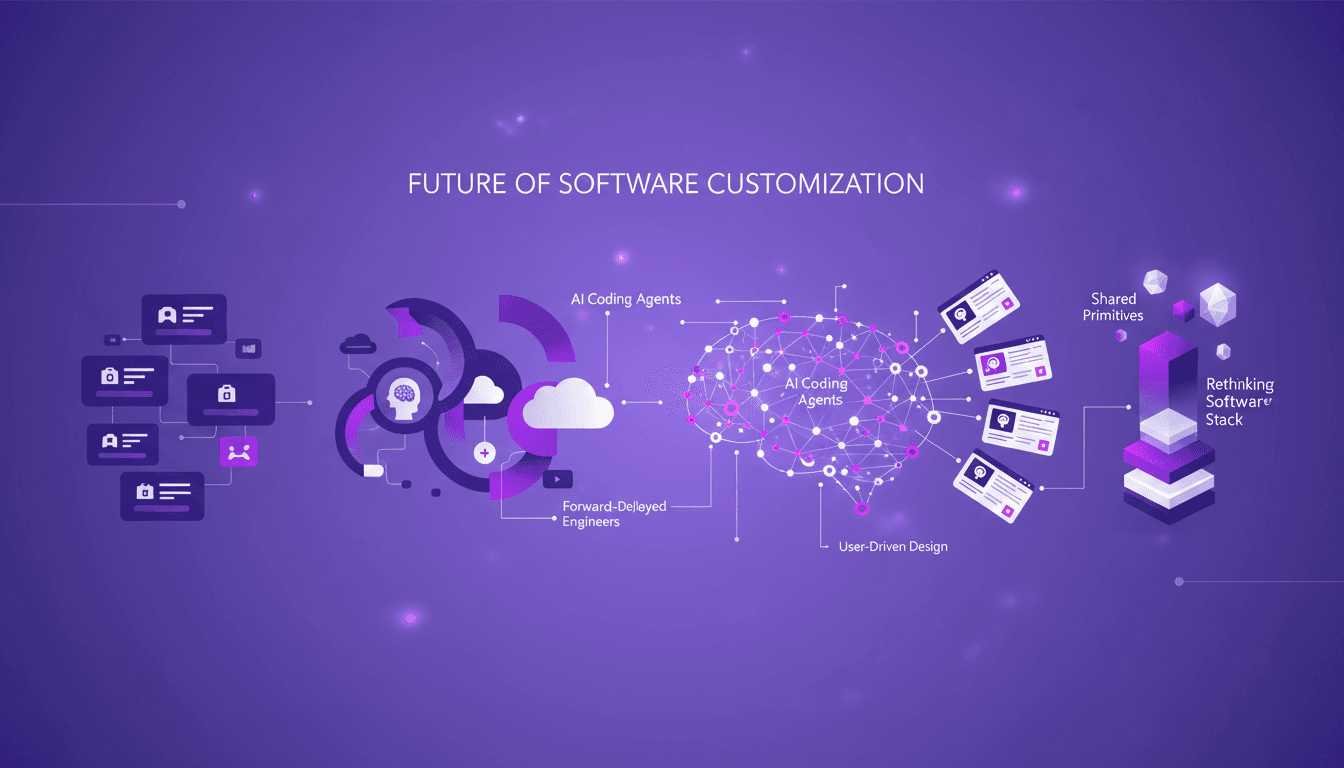
Dynamic Software Interfaces Evolution
I've watched software interfaces evolve from static to dynamic, and it's a game changer. As a forward-deployed engineer, I've seen firsthand how personalization is redefining our approach to software. We're moving beyond one-size-fits-all solutions. We're crafting interfaces that adapt to each user through coding agents and a reimagined delivery stack. It's a pivotal moment for the industry, but watch out for the pitfalls: you need precise orchestration and to avoid over-customization that can confuse users. Don't get stuck in old habits, it's time to embrace a more flexible, user-centric approach. Join me as we explore how these transformations are reshaping our daily work as developers.
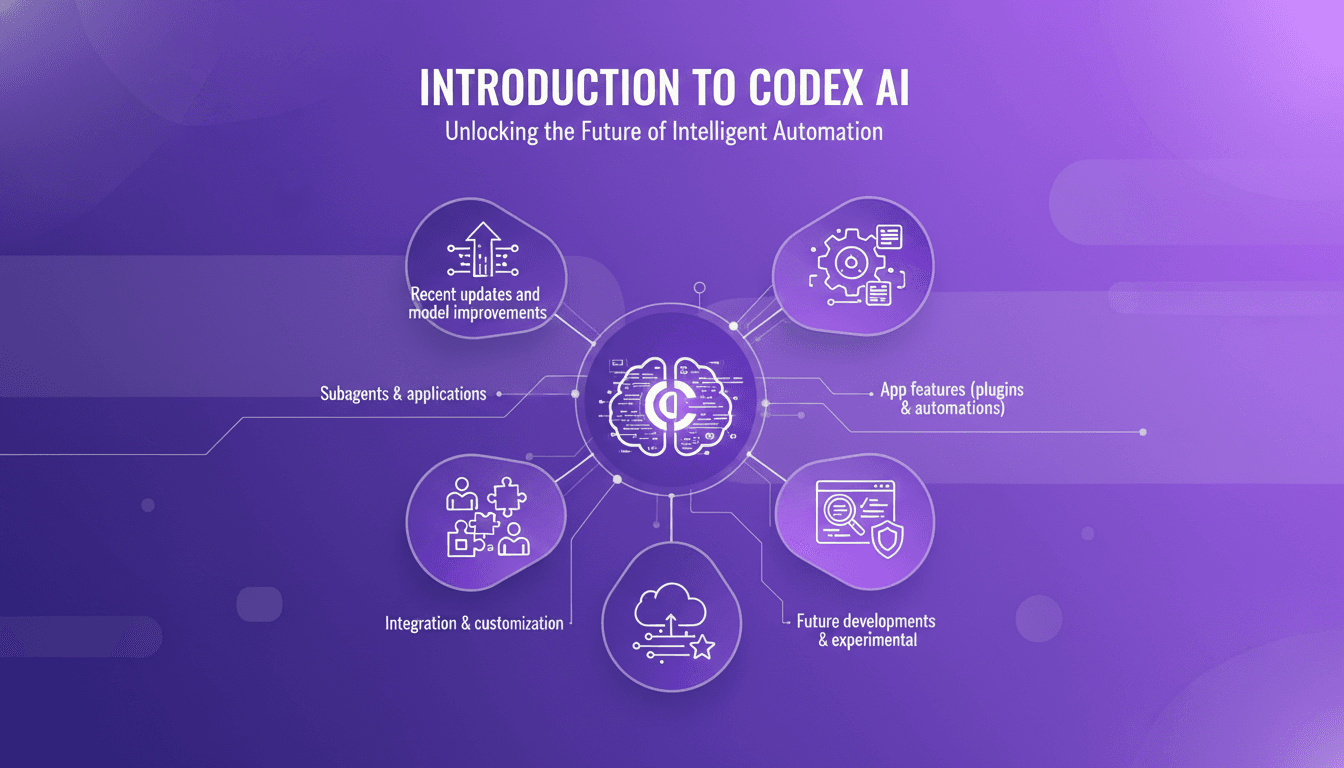
Codex: Recent Enhancements and Integrations
I remember the first time I integrated Codex into our workflow. It was like adding a turbocharger to a well-oiled machine. But watch out, like any powerful tool, understanding its capabilities and limits is key. Codex, with its recent updates, is not just a code assistant; it's a powerhouse for automation and integration. From subagents to security features, it's evolved significantly. Let me show you how to leverage Codex for maximum efficiency. With over three million weekly active users and the latest 5.4 model, the possibilities are massive. Don't get burned by context limits; let's orchestrate Codex to transform your coding environment.

DreamLIVE in London: Turning Dreams into Reality
Ever stood in a room with 600 dreamers? I did at DreamLIVE in London, where aspirations meet action. We dove deep into topics ranging from micro greens to AI-driven creativity. This wasn't just talk; it was a blueprint for building the future. We examined personal aspirations, sustainable food production, the challenges in motorsports, preservation of native horse breeds, and empowering ethnic minority women in corporate spaces. The diversity of journeys and visions turned this gathering into a true wellspring of inspiration, and I left with renewed energy to build my own dreams.