AI in Real Estate: Buyer Preferences
I remember the first time I saw AI tools transform real estate lead management. It was like flipping a switch on efficiency; suddenly, hours of work streamlined into minutes. In Charleston, a booming market, these tools help agents better align buyer preferences with market realities. Let's discuss buyer preferences and how innovative tools like these are reshaping lead management. Picture this: four bedrooms for under $500,000. That's the sort of concrete shift we're talking about. Don't let the competition outpace you, let's dive into this game-changer together.

I remember vividly the first time AI tools transformed how we handle real estate leads. It felt like flipping a switch on efficiency—hours of work boiled down to mere minutes. I connect the dots between buyer preferences and available properties, witnessing the direct impact on the ground. Take Charleston, for example, a sizzling market. Here, AI helps align buyer expectations with market realities more accurately. Let's talk numbers: four bedrooms for under $500,000. That's the kind of concrete shift we're discussing. And let's be real, if you don't adapt, you'll get left behind. So, let's dive into this technological revolution that's reshaping real estate.
Understanding Buyer Preferences with AI
In real estate, understanding buyer preferences is key. First, I assess these preferences using AI-driven analytics tools. Imagine being able to match criteria like "four bedrooms" to available listings. That's exactly what I do, and it's a game changer. Then, I leverage data to identify market trends and tailor searches to buyers' needs. But watch out, don't over-rely on AI; human intuition is still crucial.

- Using AI to match preferences with listings.
- Identifying market trends to personalize searches.
- Human intuition remains essential for data interpretation.
Budget Considerations: AI's Role
When it comes to budget, AI becomes an invaluable ally. It helps me evaluate budget constraints, like staying under $500,000. It starts with integrating AI to predict market trends and price fluctuations. Sometimes, AI suggests properties that might otherwise be overlooked. However, don't let AI dictate your choices; it should inform your strategy, not control it.
- Evaluating budget constraints with AI.
- Predicting market trends and price fluctuations.
- Suggesting properties that are sometimes off the radar.
- AI informs, but should not control your strategy.
Relocating to Charleston: AI Insights
Relocation is a delicate chapter, and here AI offers valuable insights. It analyzes relocation patterns and suggests the best areas in Charleston. I use these tools to provide insights on neighborhood trends and amenities. AI can also highlight potential investment opportunities in emerging areas. But remember, AI insights complement, they don't replace, local expertise.
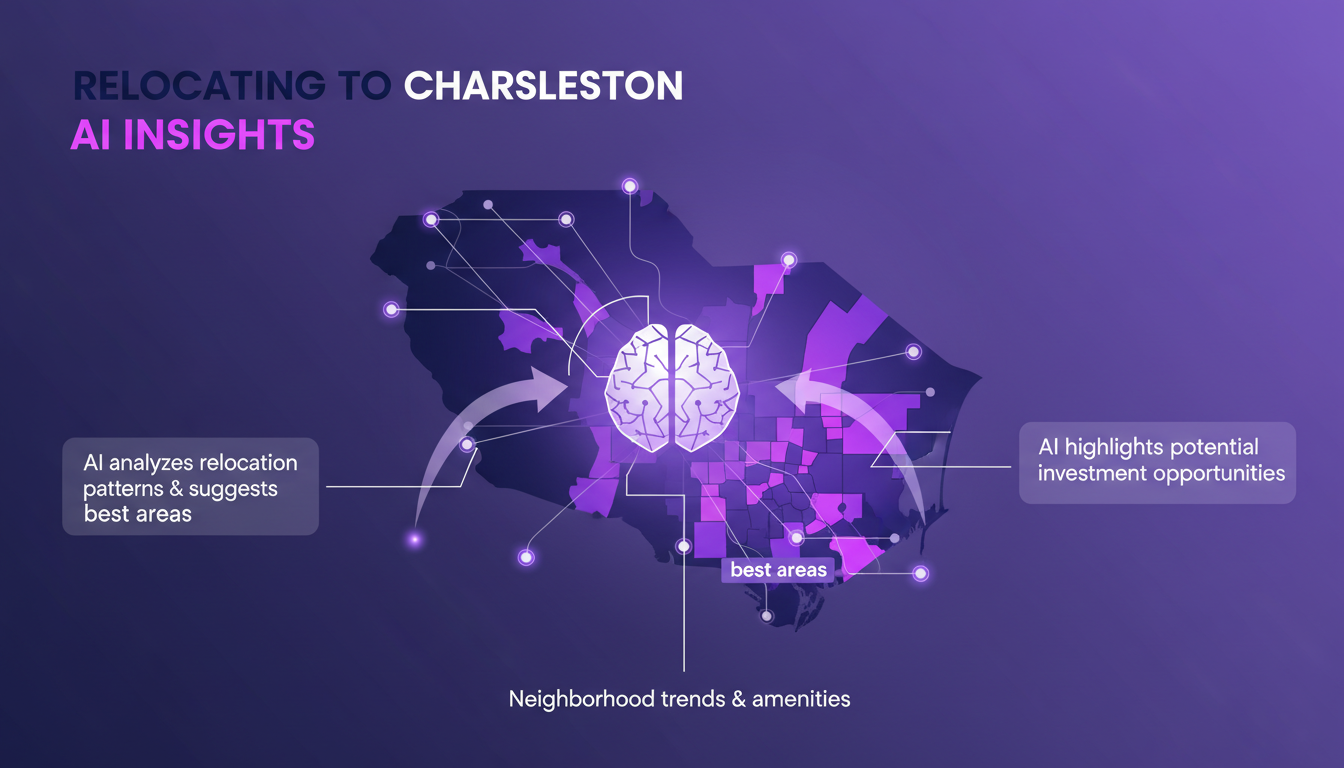
- Analyzing relocation patterns with AI.
- Suggesting neighborhoods based on current data.
- Highlighting investment opportunities.
- AI insights complement local expertise.
Lead Management Tools: Efficiency Boosters
Efficiency is key, especially with lead management. I implement AI-powered lead management tools to streamline follow-ups. These tools help prioritize leads based on their readiness to purchase. Live transfer features ensure quick connection between buyers and agents. Beware of data overload; focus on actionable insights.
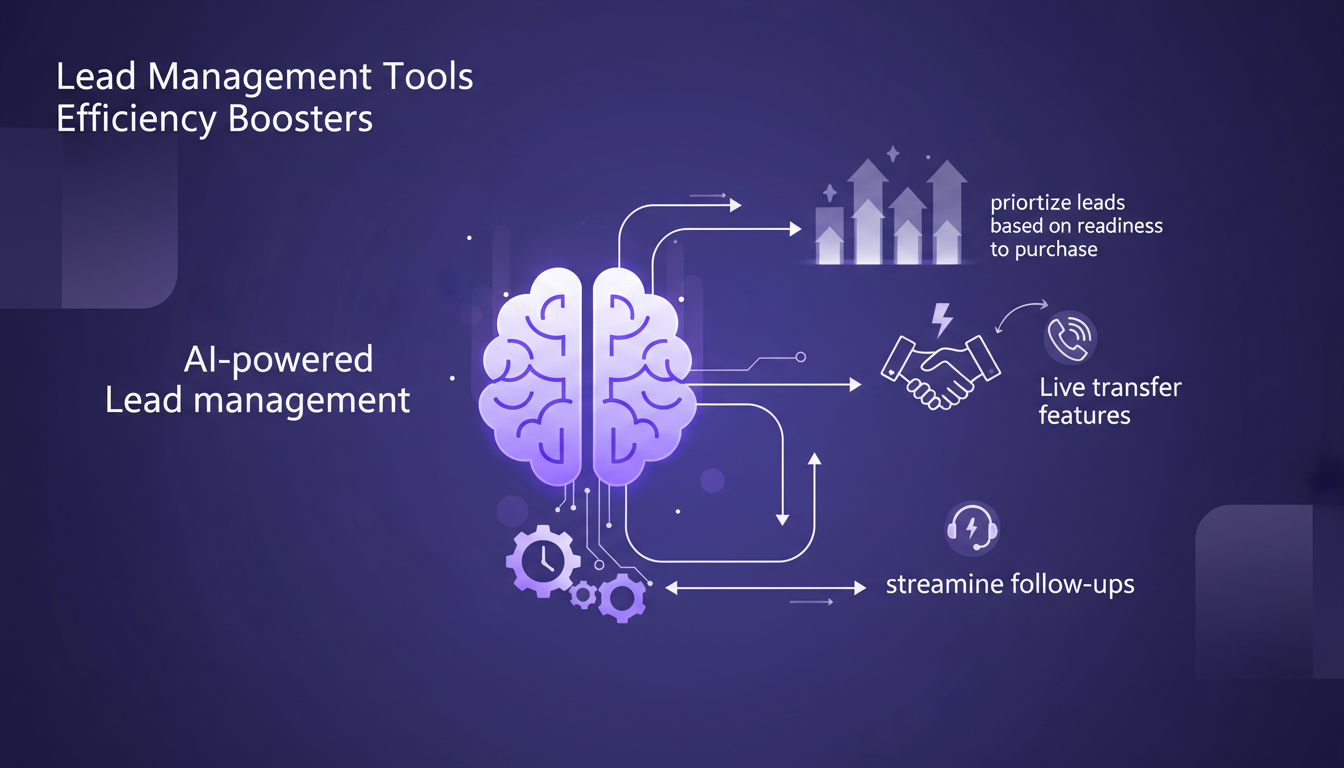
- Implementing AI lead management tools.
- Prioritizing leads based on readiness to purchase.
- Live transfer features for quick connection.
- Avoid data overload, focus on essentials.
Immediate Readiness: AI's Impact
AI excels at identifying buyers ready to move quickly, optimizing time usage. I use AI to automate initial contact, freeing up time for deeper engagement. AI tools can schedule viewings and manage calendars efficiently. But be cautious of over-automation; personal touch is key in real estate.
- Identifying ready-to-move buyers with AI.
- Automating initial contact to save time.
- Scheduling viewings and managing calendars.
- Avoid over-automation, personal contact matters.
AI is truly a game changer in real estate. First off, it lets us grasp buyer preferences in real time, which is crucial when you're hunting for a four-bedroom under $500,000. Then, it streamlines budget management and lead handling, but remember: it doesn't replace our expertise and personal touch, which remain invaluable. I've integrated AI tools into my processes and efficiency has skyrocketed, but there's always that human interpretation limit we can't overlook. Looking ahead, I see AI transforming our workflows even more, but let's be cautious and strike a balance between tech and human interaction. Ready to integrate AI into your real estate workflow? Start by exploring lead management tools. Check out the original video for deeper insights: AI Finally Replaces Lazy Realtors.
Frequently Asked Questions

Thibault Le Balier
Co-fondateur & CTO
Coming from the tech startup ecosystem, Thibault has developed expertise in AI solution architecture that he now puts at the service of large companies (Atos, BNP Paribas, beta.gouv). He works on two axes: mastering AI deployments (local LLMs, MCP security) and optimizing inference costs (offloading, compression, token management).
Related Articles
Discover more articles on similar topics
Optimizing Real Estate Lead Conversion with AI
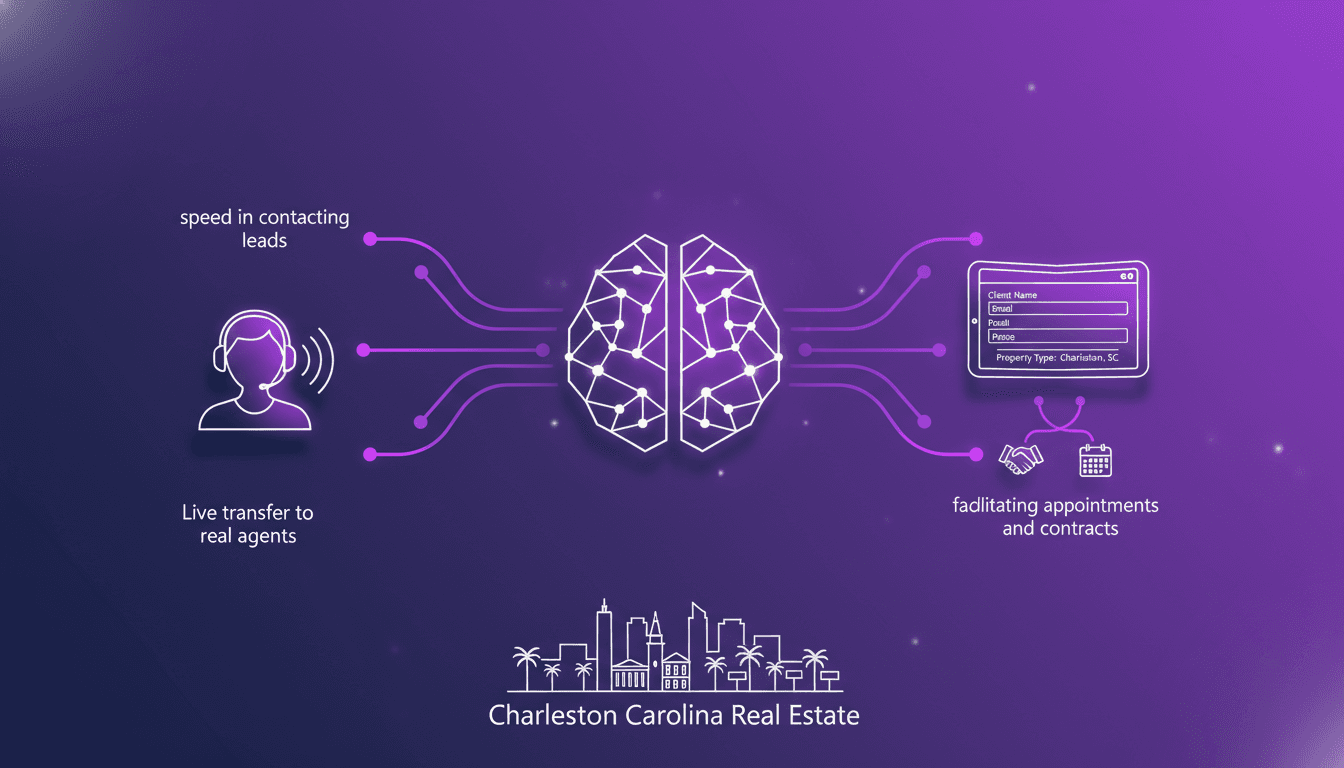
Ever felt that gut-wrenching panic when you miss a prospect's call? I have, until I integrated an AI tool that connects with leads in 8 seconds flat. In real estate, where speed and precision are everything, missing a call can cost you. But with AI, I've flipped the script. Let me show you how I revamped my real estate workflow in Charleston, South Carolina. From lightning-fast lead contact to capturing specific client details and streamlining appointments and contracts, this tool has kept me ahead of the game. No more losing potential clients. Here's how I set it up.

AI's Math Breakthrough: A Revolution in Progress
I remember the first time I saw an AI tackle a math problem that had taken me weeks. It was a game changer. Now, AI isn't just good at math—it's revolutionizing it. We're witnessing a paradigm shift where models like Minerva and ChatGPT are shaking up mathematical research by finding new solutions to Erdos problems. But watch out, this power doesn't replace human expertise—it transforms it. Let's dive into how these advancements are reshaping the current mathematical landscape.

Selling to Giants: Strategies from YC Startups
I remember the first time my tiny startup landed a deal with a Fortune 10 company. It felt like David versus Goliath, but with AI as our slingshot. In this article, I share how startups, especially those backed by YC, are thriving in markets dominated by giants. With AI reshaping the playing field, even small teams can deliver powerful solutions to the largest companies. But watch out, this journey is fraught with challenges and demands strategic navigation. We'll explore how multi-million dollar deals are forged, the impact of AI on product development, and how large companies are receptive to startup innovation.

SpaceX's $2000B IPO: Revolutionizing Space
I've been in the aerospace game for years, and watching SpaceX's trajectory is like witnessing the Wright brothers all over again. This isn't just another company IPO—it's a $2000 billion leap into the future of space economy. SpaceX is not just pushing boundaries; it's redefining them. From Starlink's market influence to Starship's groundbreaking potential, and the integration of AI, SpaceX is crafting a new era in space exploration and economic opportunity. The $2000 billion IPO valuation, Starlink's financial performance, the future of space travel, and the potential merger with Tesla outline a future where a multi-trillion dollar space economy becomes reality.

Codex: Recent Enhancements and Integrations
I remember the first time I integrated Codex into our workflow. It was like adding a turbocharger to a well-oiled machine. But watch out, like any powerful tool, understanding its capabilities and limits is key. Codex, with its recent updates, is not just a code assistant; it's a powerhouse for automation and integration. From subagents to security features, it's evolved significantly. Let me show you how to leverage Codex for maximum efficiency. With over three million weekly active users and the latest 5.4 model, the possibilities are massive. Don't get burned by context limits; let's orchestrate Codex to transform your coding environment.