AI's Math Breakthrough: A Revolution in Progress
I remember the first time I saw an AI tackle a math problem that had taken me weeks. It was a game changer. Now, AI isn't just good at math—it's revolutionizing it. We're witnessing a paradigm shift where models like Minerva and ChatGPT are shaking up mathematical research by finding new solutions to Erdos problems. But watch out, this power doesn't replace human expertise—it transforms it. Let's dive into how these advancements are reshaping the current mathematical landscape.
I remember the first time I saw an AI handle a math problem that took me weeks to crack. It was a game changer. Now, AI isn't just good at math—it's revolutionizing it. We're in the midst of a seismic shift. Models like Minerva, released by Google four years ago, and ChatGPT are bringing unprecedented solutions to complex mathematical problems, like those of Erdos. Ten new solutions have been found thanks to these models, a feat that would have taken human teams years. But watch out, just because AI can handle these problems doesn't mean it replaces human expertise—it reinvents it. Sebastian Bubeck, who's been in the field for almost 20 years, confirms it: the impact is direct and tangible. Let's dive into how this revolution is actively reshaping the mathematical landscape and what it means for our future.
Advancements in AI and Mathematics
I remember the days when the idea of AI competing with humans in mathematics was laughable. Yet, the progress of the past four years, since Google released the Minerva model, has been nothing short of revolutionary. Today, we see AI models like ChatGPT solving complex mathematical problems requiring dozens of pages of reasoning. This is a paradigm shift in how we approach mathematics.
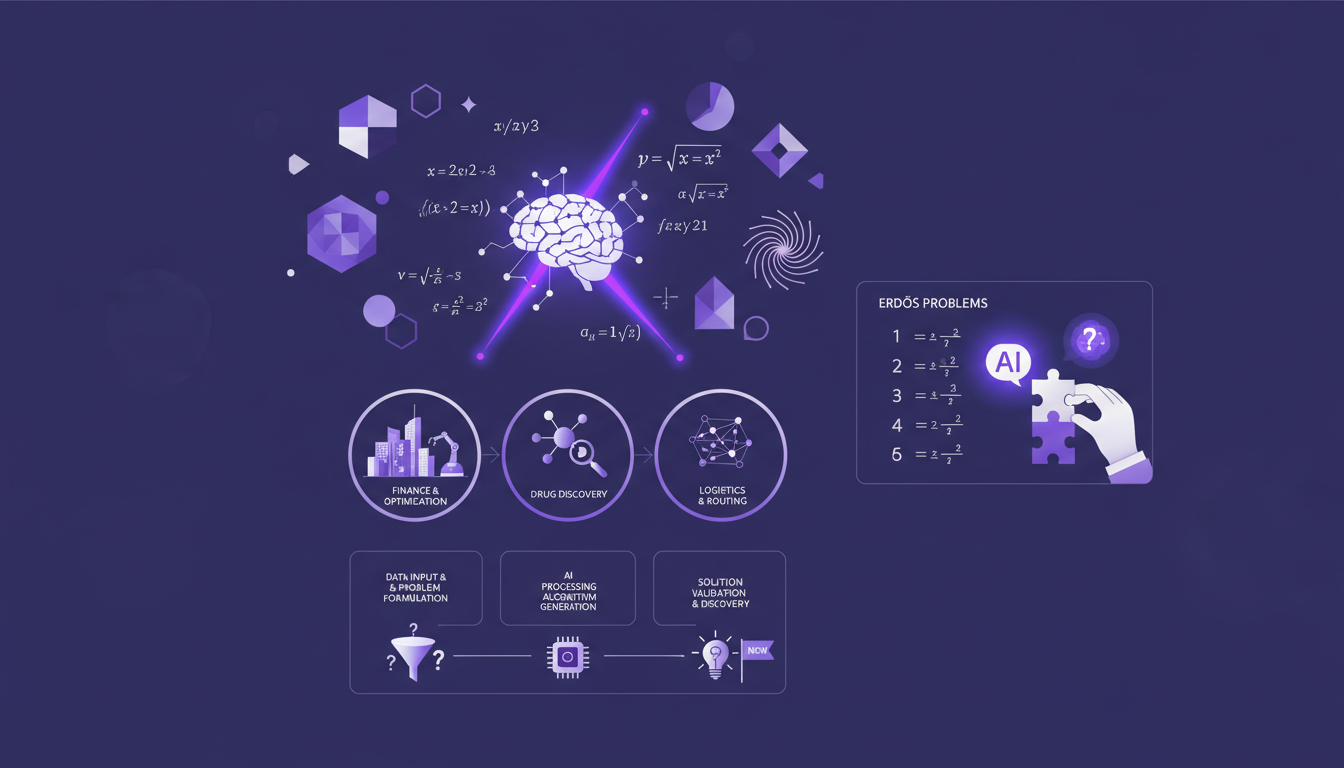
The Minerva model paved the way, but it's ChatGPT that truly changed the game, with ten new solutions to Erdos problems. What's fascinating is how AI approaches these problems differently from traditional methods. Instead of following a linear path, it explores multiple approaches simultaneously, significantly speeding up the problem-solving process.
"AI's impact on accelerating problem-solving processes is undeniable."
Concretely, two years ago, no models could prove difficult mathematical theorems. Today, AI facilitates the resolution of open problems that have challenged mathematicians for decades.
AI's Role in Solving Complex Mathematical Problems
Let's talk real-world applications. AI excels in domains where traditional mathematics hit limits. Take, for example, the Erdos problems, where ChatGPT found ten new solutions. It's like having an infallible mathematical assistant at your fingertips.
Integrating AI into the workflow of solving mathematical problems is not without challenges. You have to orchestrate input data, verify results, and adjust algorithms accordingly. But the payoff is worth it, especially when seeing 42-year-old open problems finally resolved.
- Using AI for innovative approaches
- Rapid resolution of complex problems
- Complementarity between AI solutions and human intuition
Of course, there are trade-offs. Human intuition remains irreplaceable in certain situations, and AI can't always surpass the boundaries of human creativity.
The Impact of AI on Mathematical Research
Over the past two years, AI has redefined the mathematical research landscape. Where once only classical methods were used, AI models capable of handling problems requiring extensive reasoning have taken over. This transition has transformed research methodologies, rendering some processes obsolete.
Researchers have had to adapt to these new tools, often with mixed feelings. Some have seen their intuitions confirmed, while others have had to rethink their traditional approaches.
- Transformation of research methodologies
- Challenge of adapting to new tools
- Confirmation or revision of existing intuitions
Models like ChatGPT, capable of solving problems for 99% of the population, are an asset, but they can't replace the human ingenuity needed to invent new mathematics.
The Future of Mathematics with AI
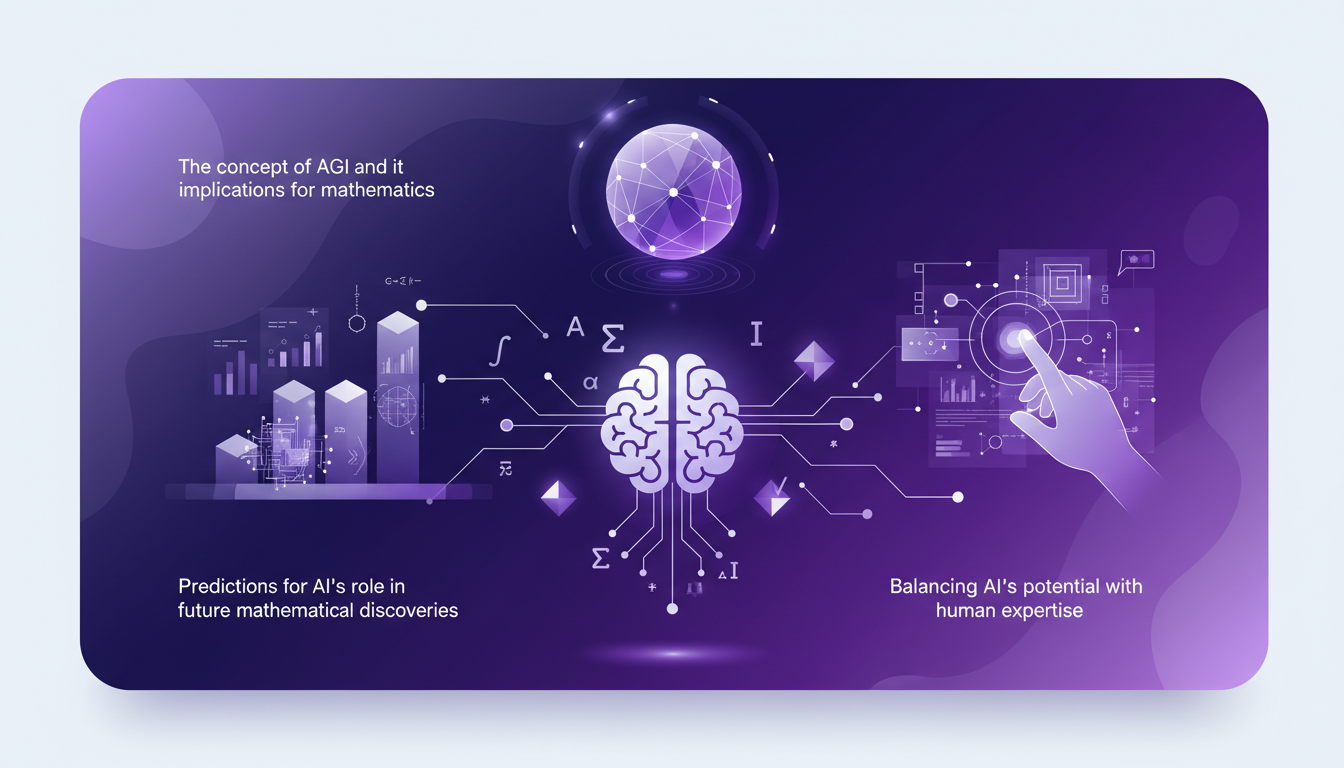
Looking to the future, AI will continue to play a central role in mathematical discoveries. However, it's crucial to maintain a balance between AI's potential and human expertise. The concept of AGI (Artificial General Intelligence) raises many questions, particularly about its implications for mathematics.
While AI has enabled impressive progress, it also has limits, particularly in advanced mathematics. These models still can't completely replace human researchers.
- Predictions on AI's future role
- Balancing AI and human expertise
- Limitations of current models
To avoid over-reliance on AI, it's essential to continue developing our mathematical understanding and intuition.
Challenges and Opportunities in AI-assisted Mathematics
One fascinating concept in this field is the Erdos Number, which measures the degree of separation in collaboration from Paul Erdos. Understanding this can help assess AI's collaborative impact in mathematics.
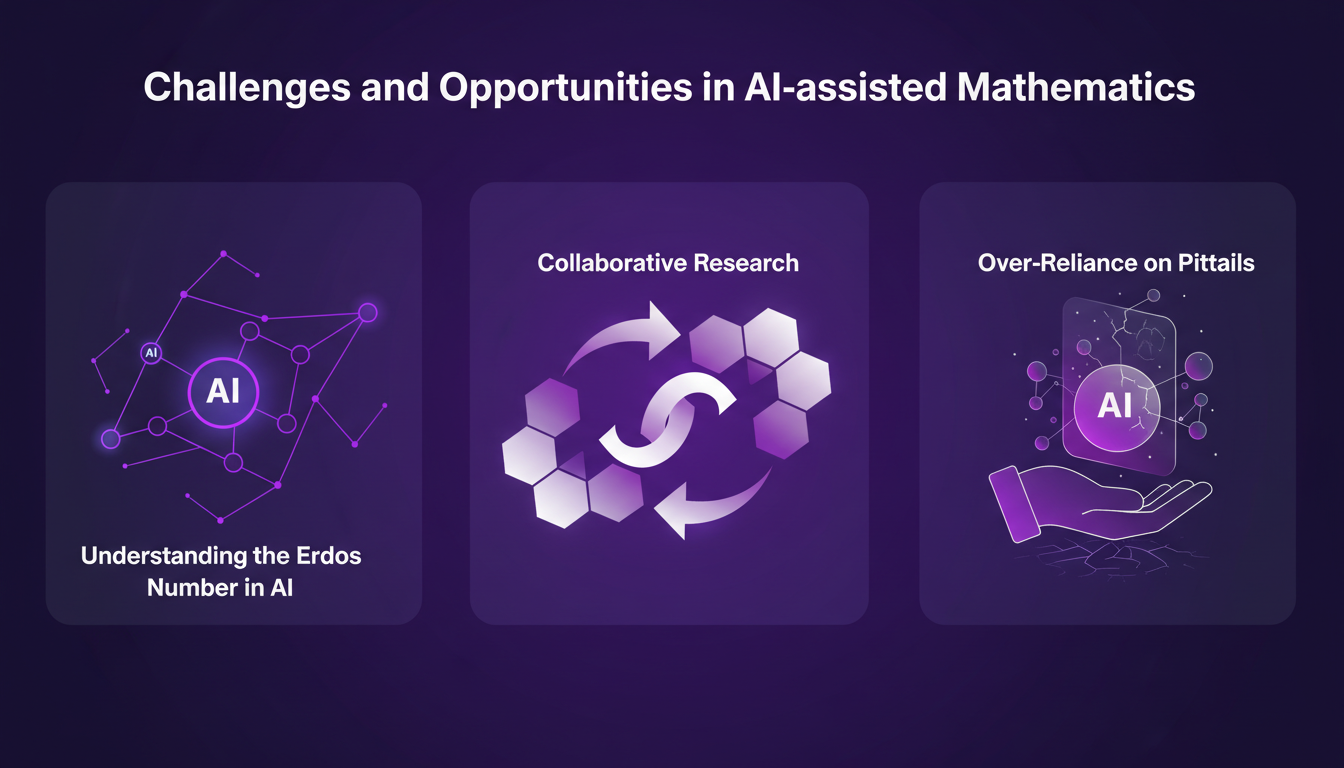
The collaborative research opportunities AI presents are vast, but it's crucial not to rely too heavily on AI for solutions. A thoughtful approach allows for integrating AI while preserving human intuition.
- Collaborative research opportunities
- Risks of over-reliance on AI
- Strategies to balance AI and human intuition
In conclusion, AI offers powerful tools for mathematical research, but it's with a balanced approach that we can truly harness its potential without losing sight of our creativity and intuition.
So, we're really in the thick of a math revolution here with AI boosting speeds and opening up new insights. But let's be clear, there's still a long way to go, and our expertise is crucial to steer these powerful tools. I've seen ChatGPT and other models crack ten new Erdos problems, which is impressive, but watch out, don't underestimate the value of our human intuition.
- First, AI turbocharges the speed of solving complex problems, but let's keep our critical thinking sharp.
- Then, while AI generates new ideas, it's our experience that makes sense of the results.
- Finally, current models like Minerva already mark a turning point, but human-AI collaboration is key for the future.
I'm convinced that the future of mathematics with AI is promising, but let's stay vigilant about balancing automation with human reasoning. I encourage you to integrate AI into your workflow, but don't forget to nurture your analytical skills. For a deeper dive, check out episode 17 of the OpenAI podcast—it's a goldmine of information. YouTube link
Frequently Asked Questions

Thibault Le Balier
Co-fondateur & CTO
Coming from the tech startup ecosystem, Thibault has developed expertise in AI solution architecture that he now puts at the service of large companies (Atos, BNP Paribas, beta.gouv). He works on two axes: mastering AI deployments (local LLMs, MCP security) and optimizing inference costs (offloading, compression, token management).
Related Articles
Discover more articles on similar topics
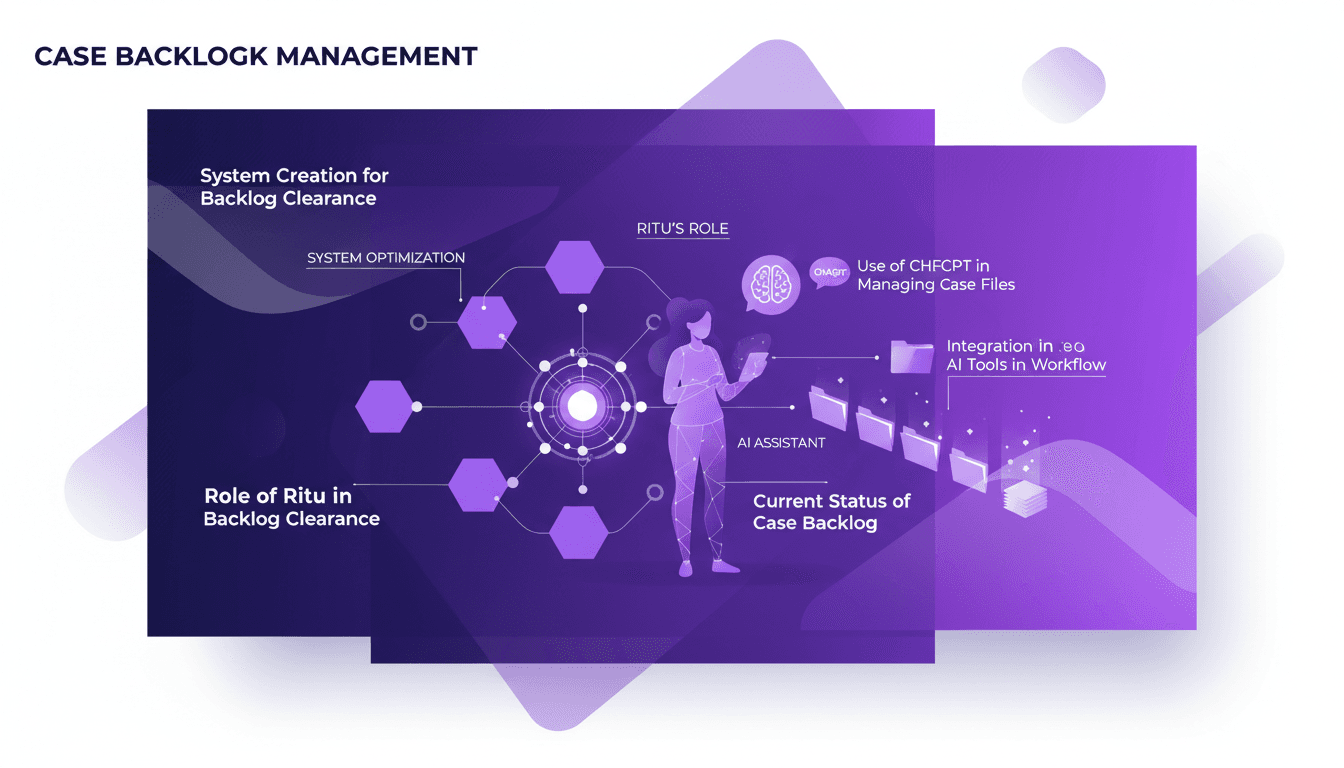
Mastering Case Files with ChatGPT: Efficient Workflow
I've been in the trenches of backlog management, and hitting that zero backlog is a game changer. Using ChatGPT, I built a system that flipped my workflow on its head. First, I integrated Ritu to optimize file processing, then connected ChatGPT to automate and speed things up. The result? Zero backlog and skyrocketed efficiency. But watch out, orchestrating your tools properly is key to avoiding performance pitfalls. If you're looking to master your case files, this one's for you.
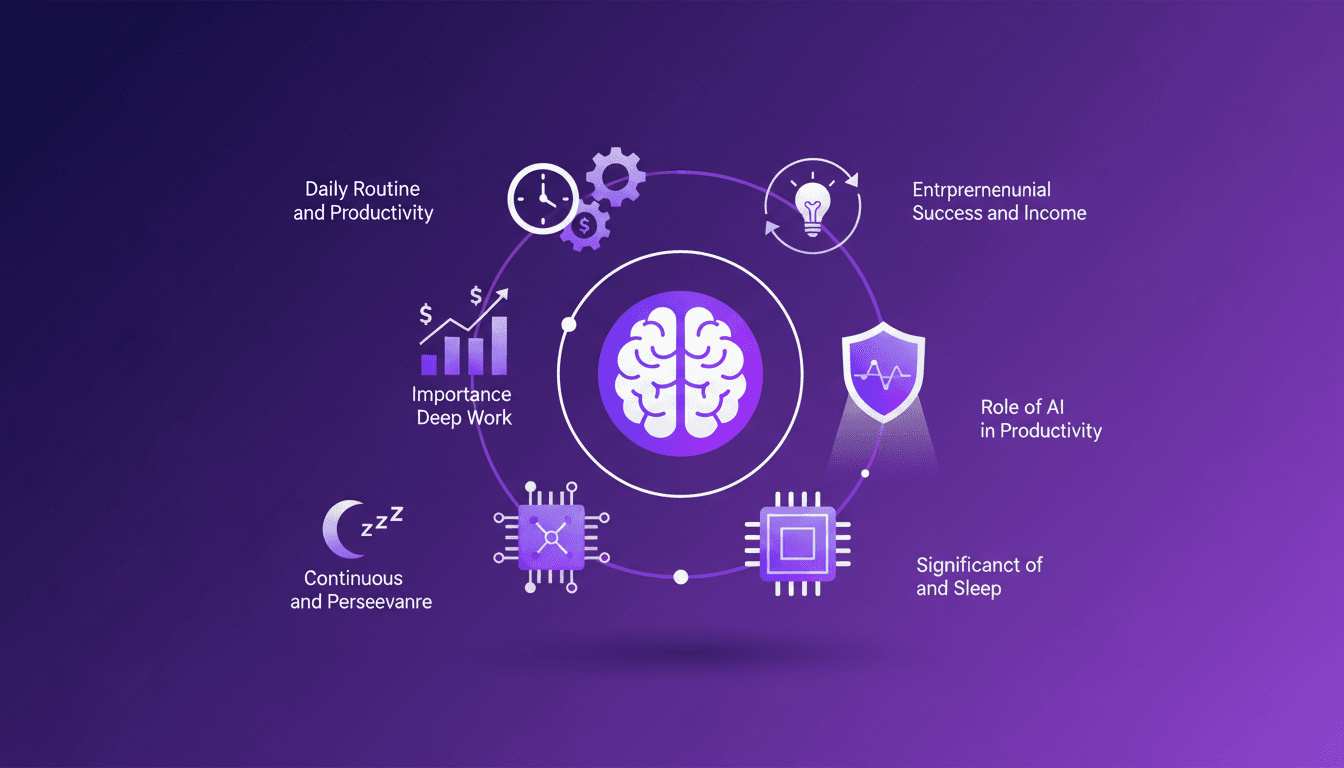
Solopreneur Routine: Earning $77K a Month
I wake up around 6 a.m., ready to tackle the day as a solopreneur. Earning $77K a month doesn't just happen—it's a mix of deep work, smart use of AI, and relentless iteration. First, I orchestrate my priorities using automation tools (saves a ton of time). Then, I dive into the creative work, where AI helps me speed up processes without compromising quality. My secret? Never getting stuck. I test, tweak, and continuously innovate while safeguarding my sleep. In a world where hustle is glorified, smart strategies make the difference. Let me show you how I orchestrate my daily routine to maximize productivity and innovation.
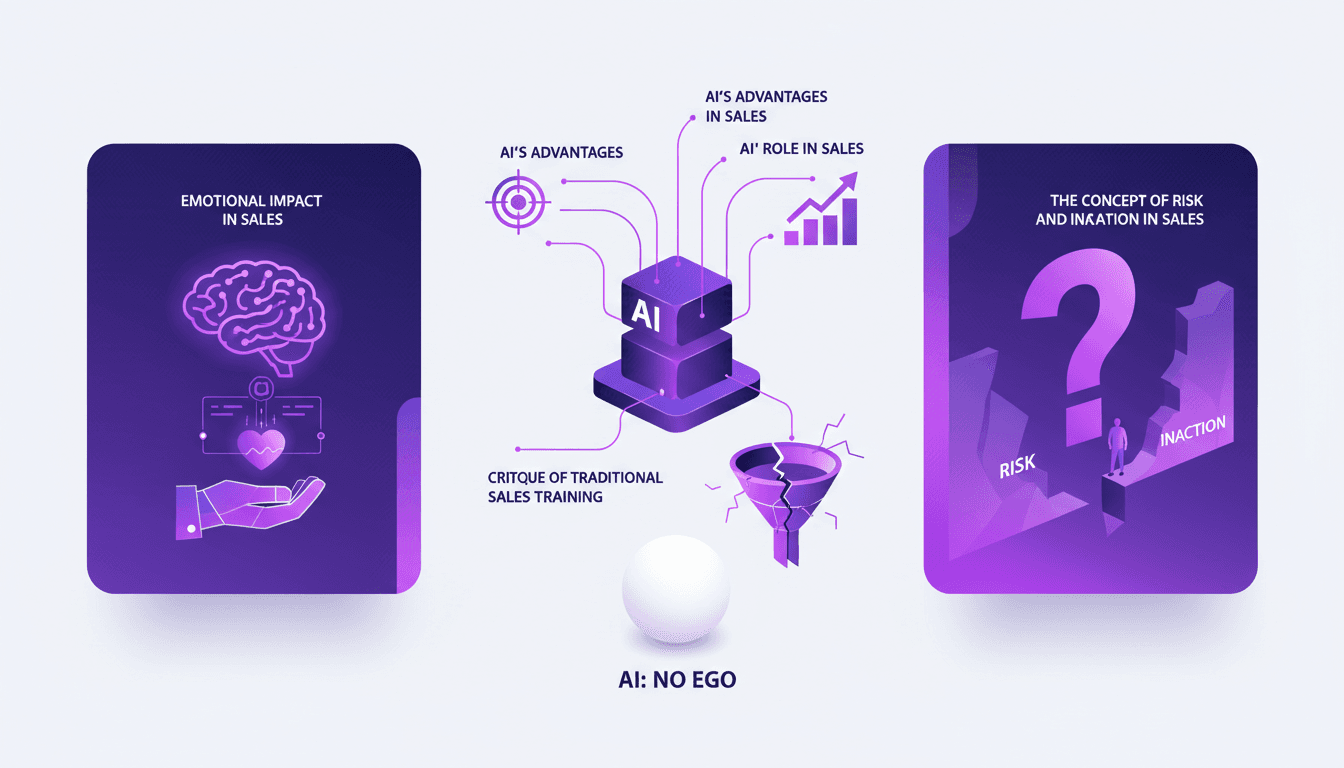
Building an AI Closer: Sales Revolution
I spent six months knee-deep in code building an AI Closer, and believe me, it's a game changer. We're not just talking tech here; it's about completely redefining how we approach sales. Traditional sales training has been stuck in the same gear for a century, unable to evolve. With AI, we aren't just automating tasks; we're fundamentally transforming the emotional landscape of sales. Say goodbye to ego and hello to a more efficient, emotionally intelligent approach. This new era of sales could shake up established norms, and if you don't move forward, you might just get left behind.
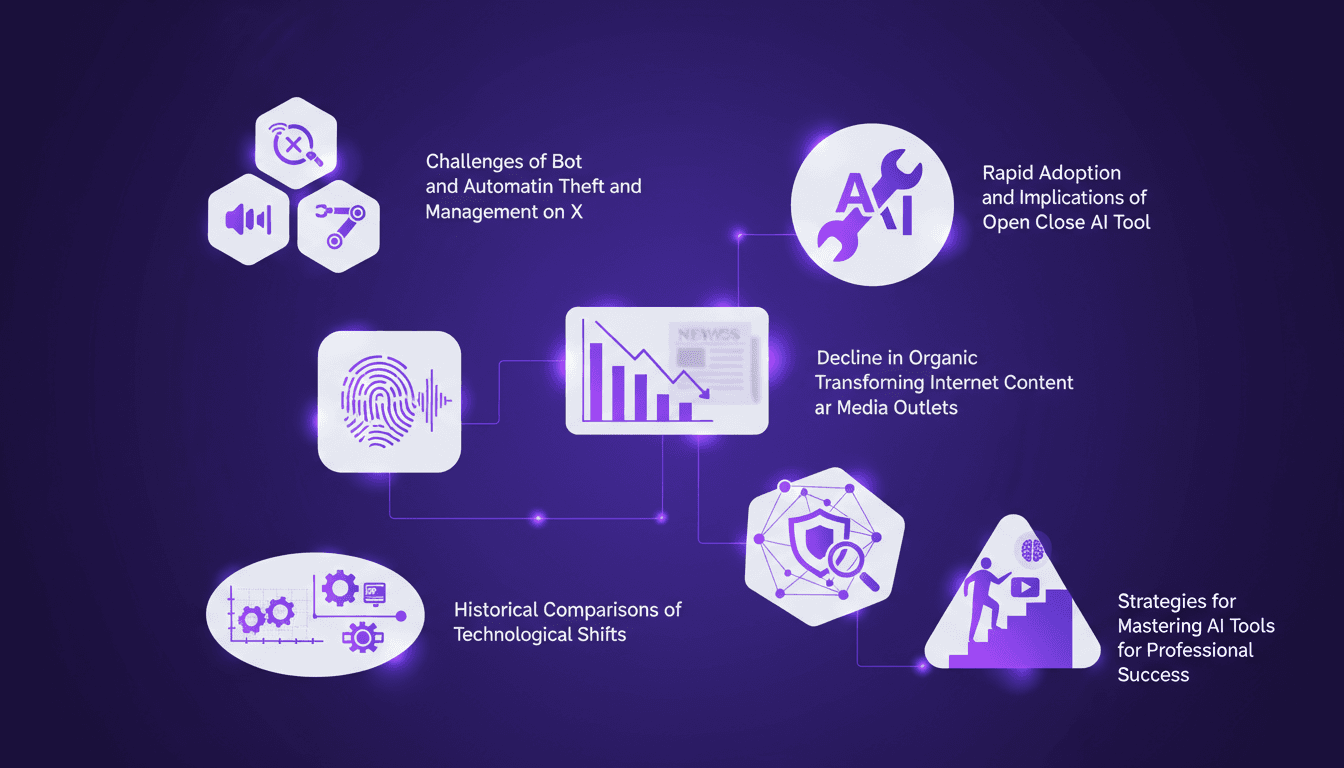
Bot Management: Challenges and Practical Solutions
I've spent years managing bots on X, and trust me, it's no walk in the park. Imagine putting six years of effort into an account, only to see it suspended by the anti-bot algorithms—painful, right? And that's just scratching the surface. With AI on the rise, voice identity theft is a growing nightmare, and tools like Open Close are changing the content game overnight. Media outlets are seeing their organic reach plummet, internet security's evolving... If you're a builder like me, facing these challenges head-on, stick around. I'm sharing concrete strategies to master AI and turn these hurdles into opportunities.
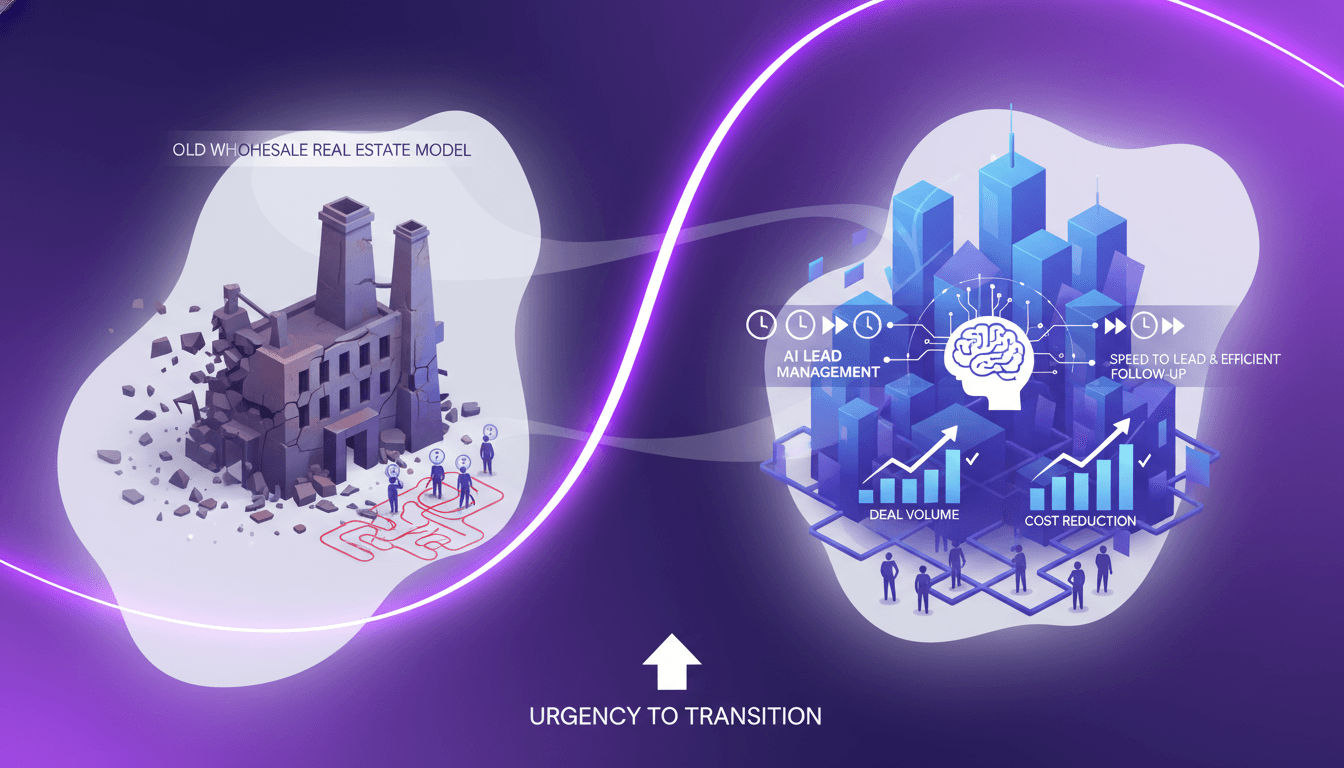
Old Real Estate Model Dead: Adapt or Fail
I've been in the trenches of wholesale real estate long enough to see the old model crumble. The game has changed, and if you're not adapting, you're already losing ground. I've worked with over 200 investors, and the shift is undeniable. In this article, I'll walk you through why the traditional model is obsolete, how AI is reshaping our approach, and why speed to lead isn't just a buzzword—it's a lifeline. We'll compare old and new operating models, delve into challenges faced by those stuck in the past, and highlight the tangible benefits of the new paradigm. The urgency of transitioning is real, especially when AI cuts costs and boosts deal volume. If one of our clients is paying $30 per lead and keeps their cost per contract under $1,000, it's clear there's a significant shift to be made.