Bot Management: Challenges and Practical Solutions
I've spent years managing bots on X, and trust me, it's no walk in the park. Imagine putting six years of effort into an account, only to see it suspended by the anti-bot algorithms—painful, right? And that's just scratching the surface. With AI on the rise, voice identity theft is a growing nightmare, and tools like Open Close are changing the content game overnight. Media outlets are seeing their organic reach plummet, internet security's evolving... If you're a builder like me, facing these challenges head-on, stick around. I'm sharing concrete strategies to master AI and turn these hurdles into opportunities.
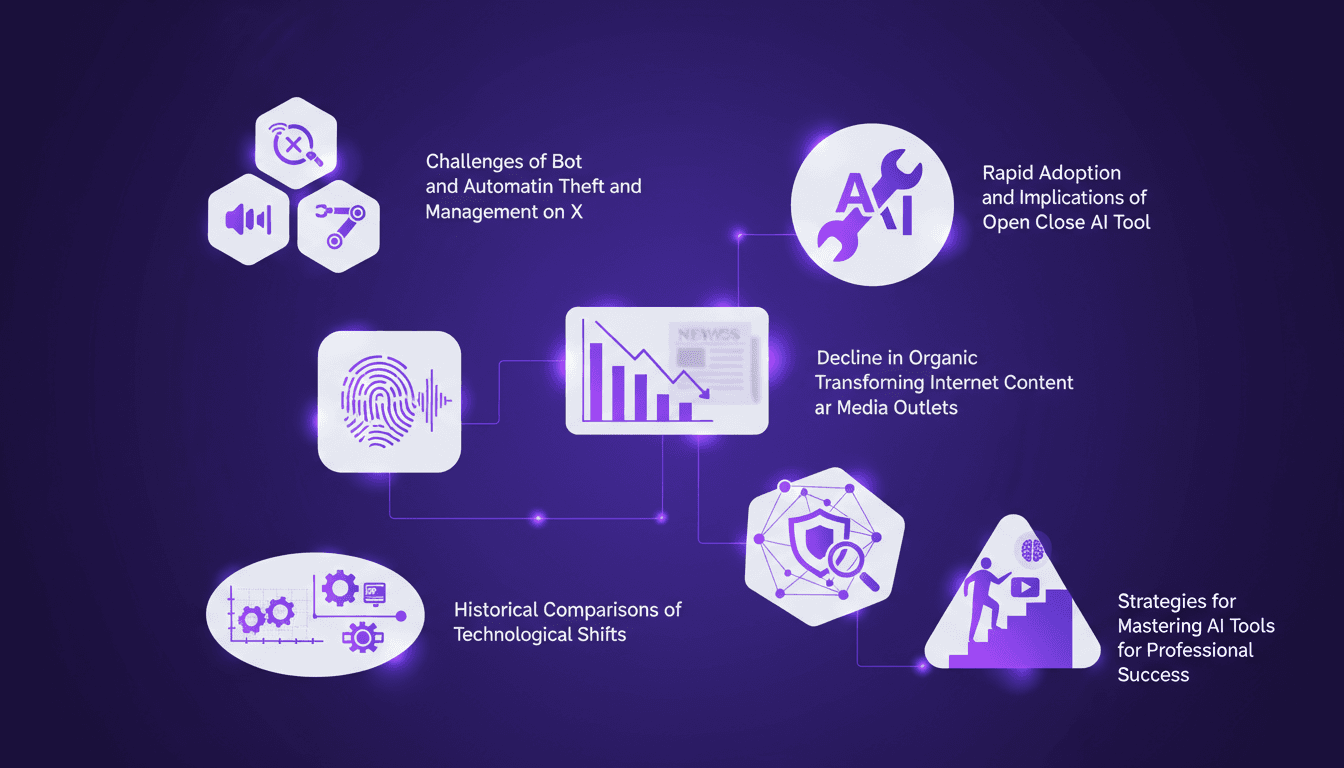
I've spent years managing bots on X, and believe me, it's far from easy. Picture this: six years building an account, and bam, suspended by an anti-bot machine. It's frustrating, but that's the reality. We're juggling AI's impact on security and voice identity theft, not to mention the rapid adoption of tools like Open Close. Media outlets' organic reach is plummeting, and we builders need to adapt fast. But I'm not here to complain. I'm here to share what I've learned, the mistakes I've made, and how I now pilot AI tools for direct professional success. Let's talk about the challenges of bot and automation management, the implications of these rapid changes, and most importantly, concrete strategies to master AI. Because yes, we can turn these hurdles into opportunities.
Challenges of Bot Management on X
I've spent years building my presence on X, and the anti-bot systems can suspend an account in seconds, often by mistake. Imagine, six years of effort wiped out. In October, Nikita Beer's team purged 1.7 million bots. It sounds heroic, but in reality, these bots reappeared almost immediately, like trying to empty a pool with a sieve. The issue is that this anti-bot machine, while effective, also catches legitimate users. One user posted 11 lines that garnered 9.5 million views. It's crazy, but it shows the viral impact of bots. Channels become unusable in less than 90 days due to spam. So, how do we manage this?
- Use manual verification tools to avoid unfair suspensions.
- Implement smart, adaptive filters to better target real bots.
- Train users to recognize suspicious behavior.
"In less than 90 days, all channels could become unusable." - Nikita Beer
However, be careful, relying too much on automation can be dangerous. I've learned this the hard way.
Rapid Adoption of the Open Close AI Tool
When I integrated Open Close AI into my workflows, I felt an immediate change. The adoption was explosive, almost like a new industrial revolution. This tool, comparable to Gutenberg's printing press due to its rapid adoption, uses Reinforcement Learning with Human Feedback (RLHF). It allows for refining results based on our feedback. But beware, in certain contexts, it can be limited. For example, it doesn't handle some languages or dialects well. To maximize its efficiency:
- Clearly define the tasks you want to automate.
- Regularly evaluate results and adjust settings.
- Don't overuse automations to avoid errors.
I advise taking the time to fully understand the tool before adopting it widely.
Voice Identity Theft and Security
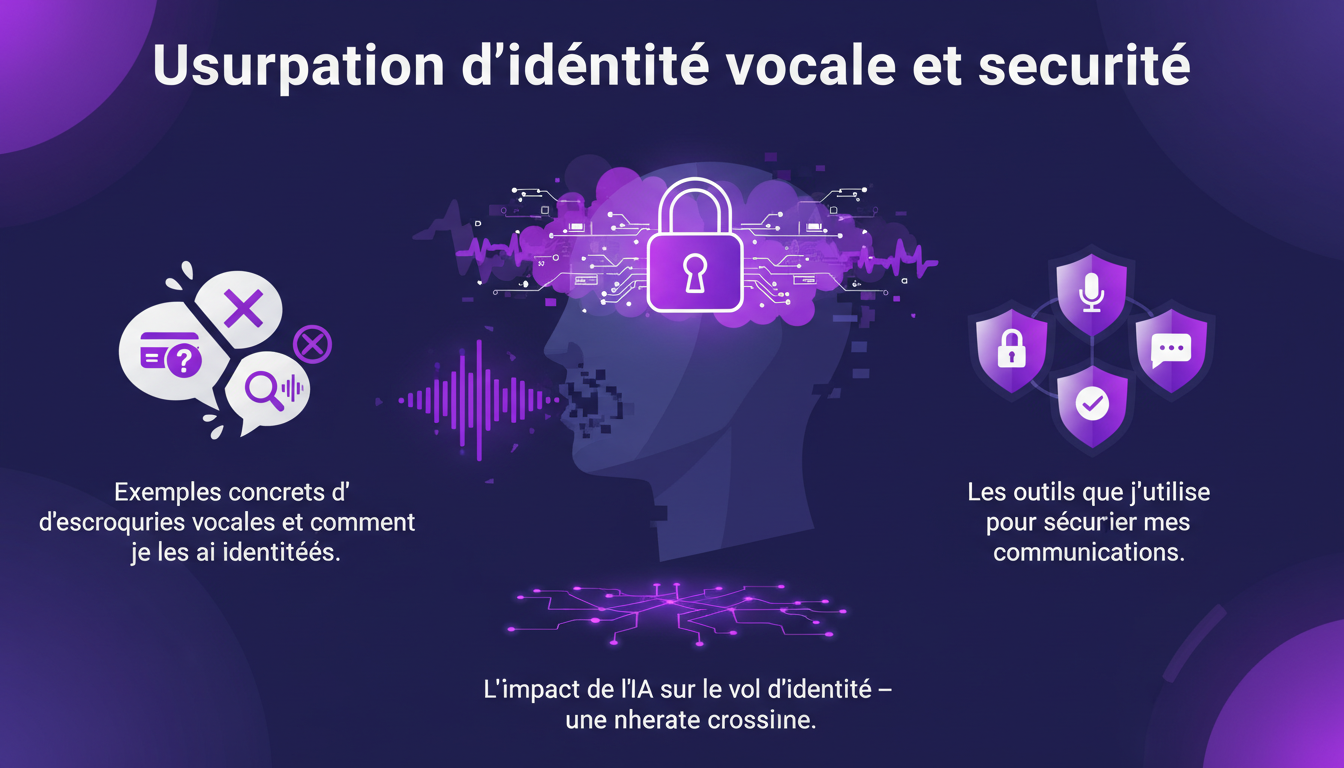
Voice scams have surged with AI. I myself encountered a case where my "CEO's" voice requested a fund transfer. It was actually an AI mimicry. The impact of AI on identity theft is a growing threat. I use tools like Veridas to secure my communications, but they're not foolproof. The current limits of these technologies are evident. They don't always recognize human nuances. To protect yourself:
- Educate teams on the warning signs of voice impersonation.
- Implement two-step verification protocols.
- Use advanced detection tools.
It's crucial to stay vigilant and not rely solely on technology.
Impact of AI on Media and Content
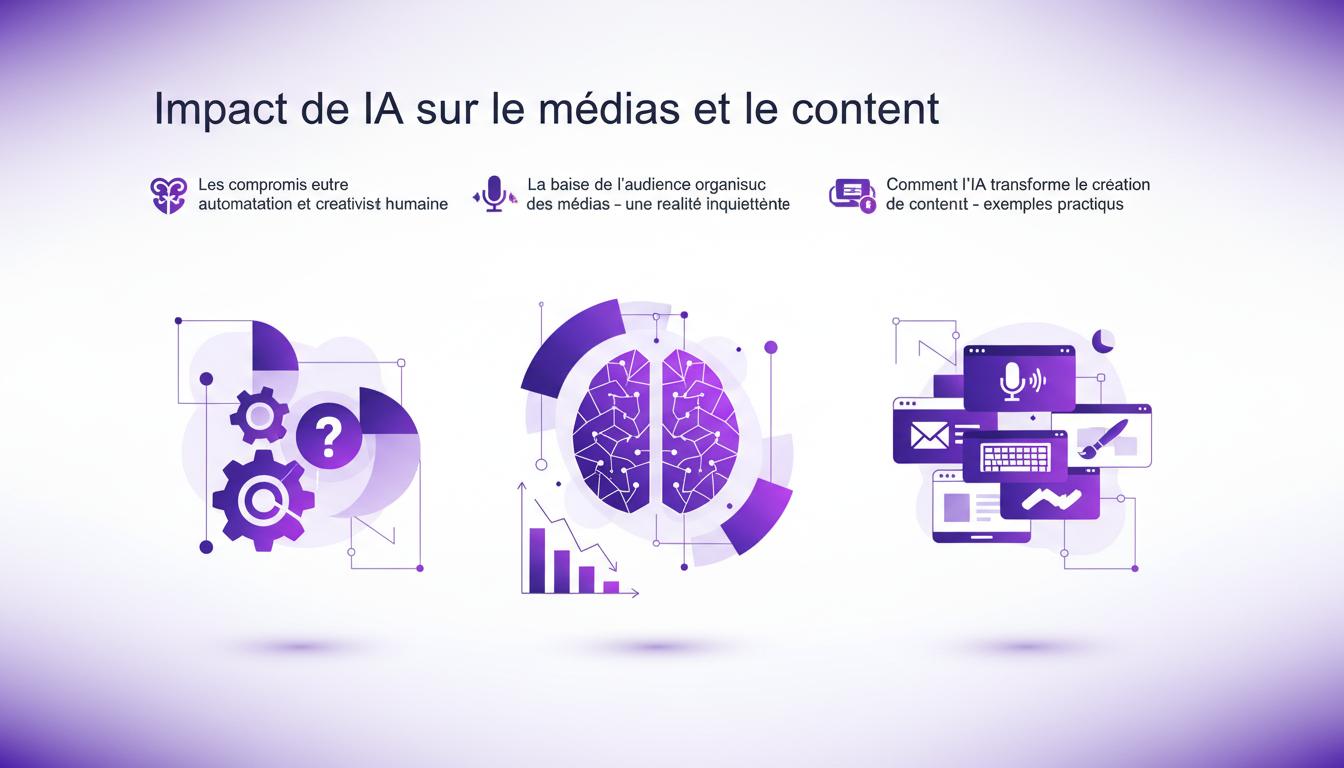
Traditional media is experiencing a 50% decline in organic audience over three years. AI is transforming content creation, but not always for the better. I've tested tools like GPT-5.5 and Imagen 2 to boost my production. However, there's a trade-off between automation and human creativity. Sometimes, the generated content lacks authenticity. The limitations of relying on AI for content must be acknowledged. AI cannot replace human intuition. To use these tools effectively:
- Complement AI with human revision.
- Adapt generated content to your audience's real needs.
- Follow trends without sacrificing quality.
Remember, AI is a tool, not a magic solution.
Mastering AI Tools for Success
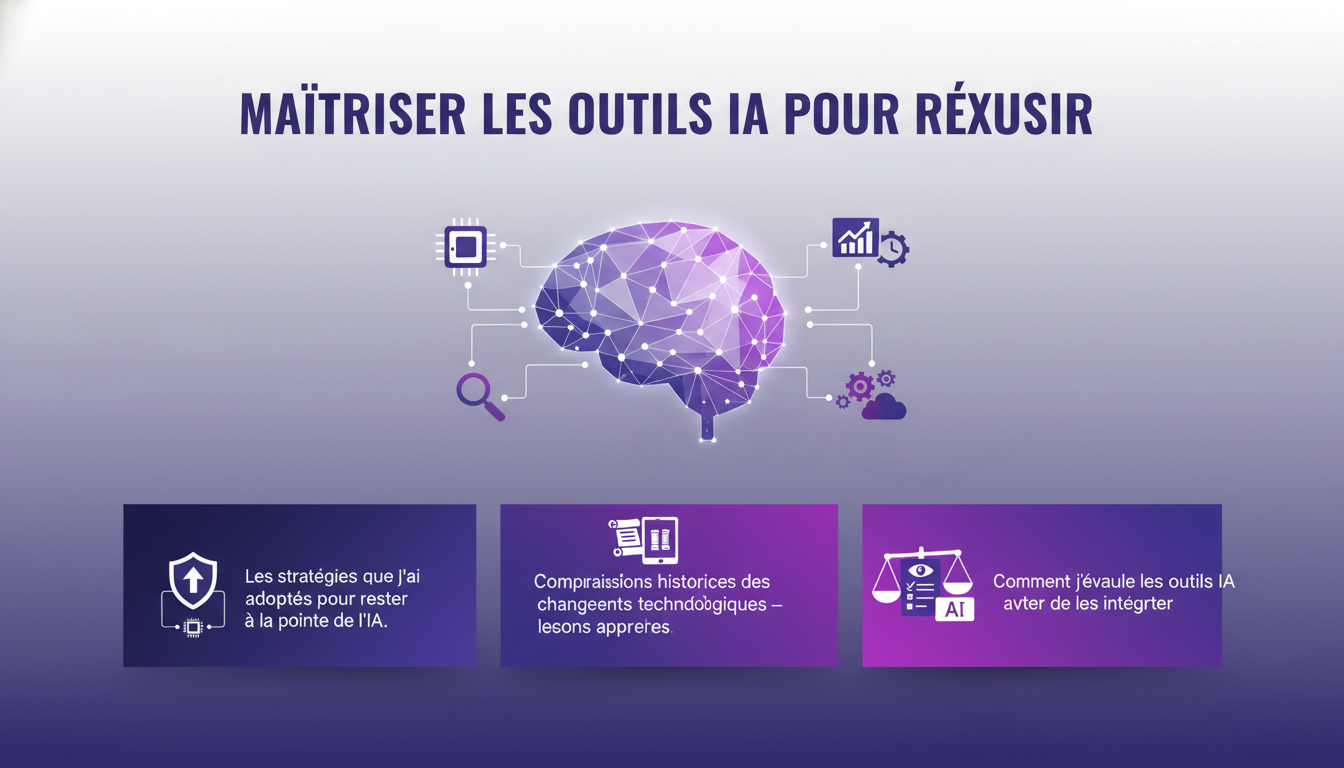
To stay ahead, I've adopted clear strategies. By comparing with historical technological shifts, like the printing press or the Internet, I've learned that rapid adoption must be accompanied by caution. Before integrating an AI tool, I evaluate it in terms of cost, efficiency, and security. Common mistakes include hasty integration without prior testing. To avoid them:
- Test tools in controlled environments.
- Analyze feedback from other users.
- Adapt tools to your specific needs, without blindly following trends.
The direct benefits of AI to my business are undeniable: process optimization, time savings, and quality improvement. However, keep in mind that technology does not replace human judgment.
Ultimately, AI should serve our goals, not dictate them.
As builders, AI has transformed how we manage bots, create content, and secure our data. Here's what I've learned from hands-on experience:
- Bot Management: I've seen users lose six years of work with accounts suspended by overzealous anti-bot machines. We need to master these tools to avoid these traps.
- Impact on Security: AI has the potential to amplify identity theft and voice scams. We need to be vigilant and adapt our security strategies accordingly.
- Rapid AI Tool Adoption: Open Close AI has disrupted our habits. It's a game changer, but watch out, rapid adoption can also mean a decline in organic audience for traditional media.
What excites me for the future is seeing how these tools, when used well, can transform our work. But we need to test, iterate, and adjust to ensure they truly serve our strategy.
Take the time to test these strategies in your professional context. The results might surprise you. For a deeper dive, watch the video: it offers original perspectives and valuable insights. Watch on YouTube
Frequently Asked Questions

Thibault Le Balier
Co-fondateur & CTO
Coming from the tech startup ecosystem, Thibault has developed expertise in AI solution architecture that he now puts at the service of large companies (Atos, BNP Paribas, beta.gouv). He works on two axes: mastering AI deployments (local LLMs, MCP security) and optimizing inference costs (offloading, compression, token management).
Related Articles
Discover more articles on similar topics
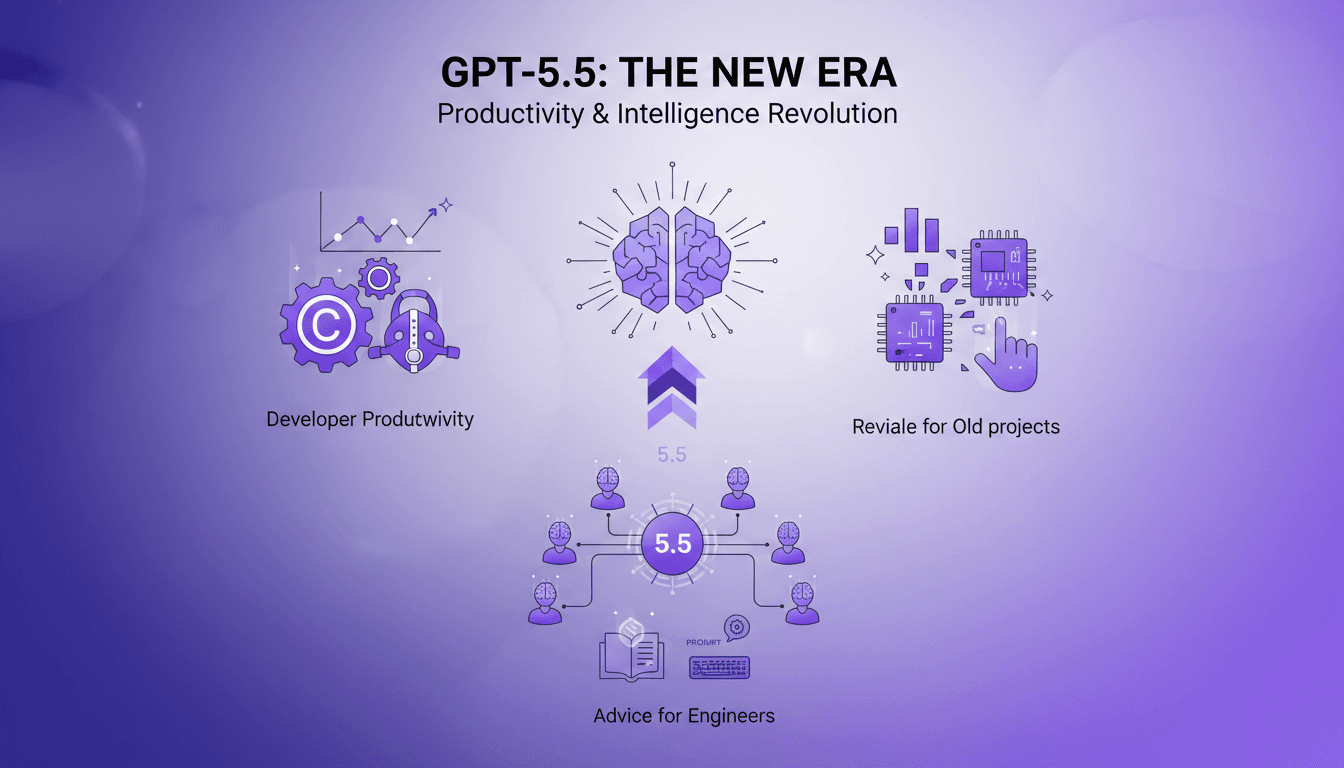
Boosting Developer Productivity with GPT-5.5
I was knee-deep in a decade-old codebase when I first unleashed GPT-5.5. And wow, what a game changer! With its Codex harness, this model isn't just about speed; it redefines how we tackle software development. From breathing life into forgotten projects to streamlining new ones, GPT-5.5 is transforming the landscape. Let me take you behind the scenes of this transformation and show you how this AI literally boosts our productivity and intelligence. Watch out for context limits, but when used right, it's a game changer for developers.
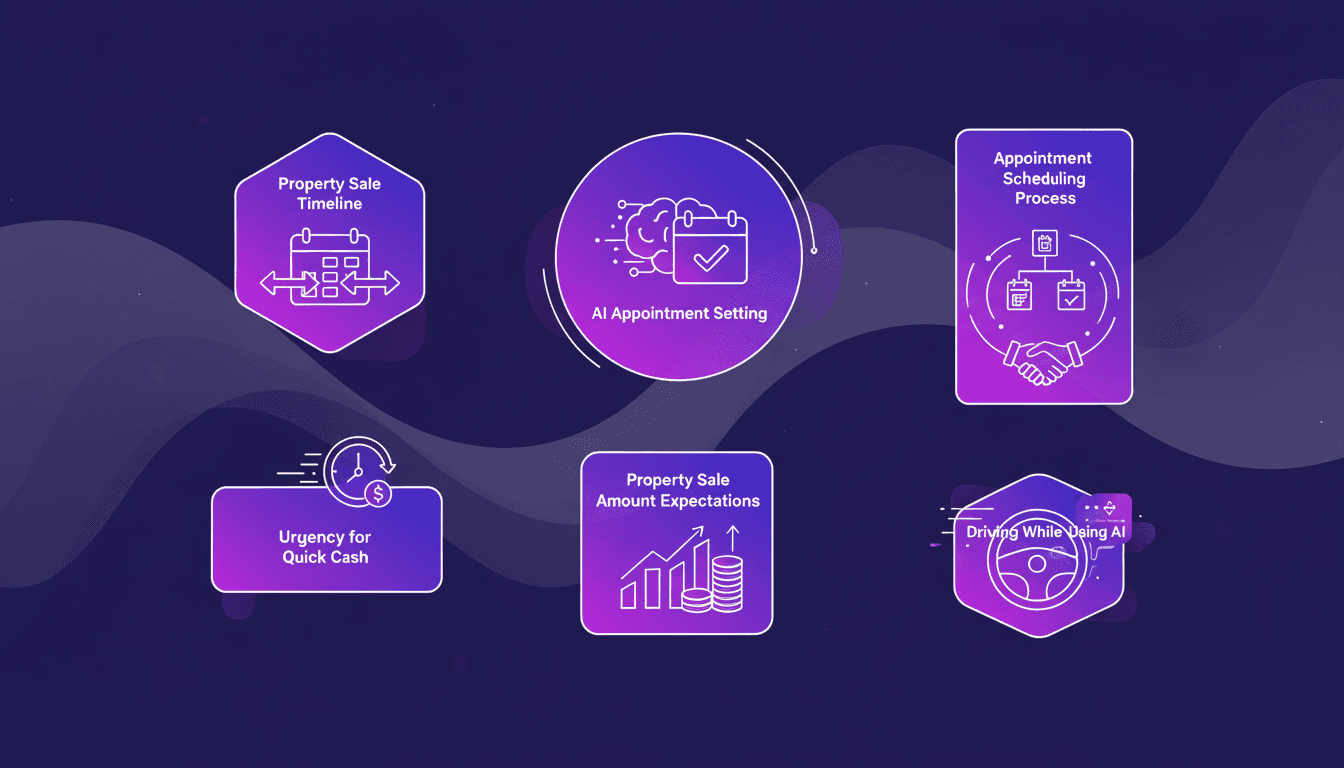
Sell Property Fast: AI and Quick Cash
I've been in property sales for years, and when I first started using AI to schedule appointments while driving, it was a game changer. No theoretical talk here—just the real deal: I connect my tools and orchestrate tasks without losing track on the road. In a market where every second counts, AI becomes crucial for optimizing the sales process. But watch out, you need to balance quick cash urgencies and sale amount expectations. I'll show you how I sell property in a matter of weeks, aiming to walk away with a couple hundred thousand dollars.
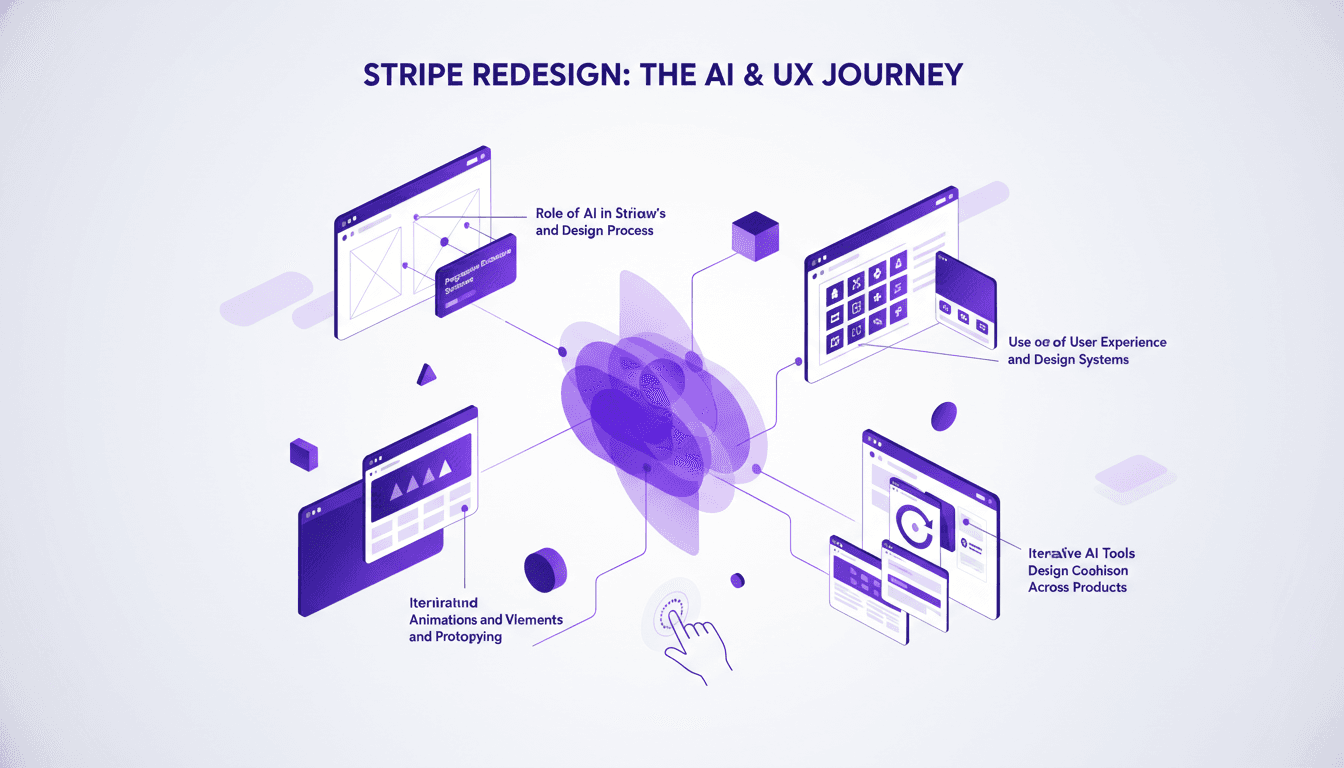
AI in Action: Transforming Stripe's Web Design
I spent over a year redesigning Stripe's homepage—a task that was more than just a facelift. It required rethinking our entire approach to web design. We leveraged AI, design systems, and user experience principles to craft a site that's both beautiful and functional. With 78% of the Forbes AI 50 using Stripe, the stakes were high. Let me walk you through how we orchestrated this transformation, using iterative design processes and prototyping while maintaining cohesion across our products. I'll also share the pitfalls to watch out for—I've been burned before. Ready to dive into the world of modern web design?
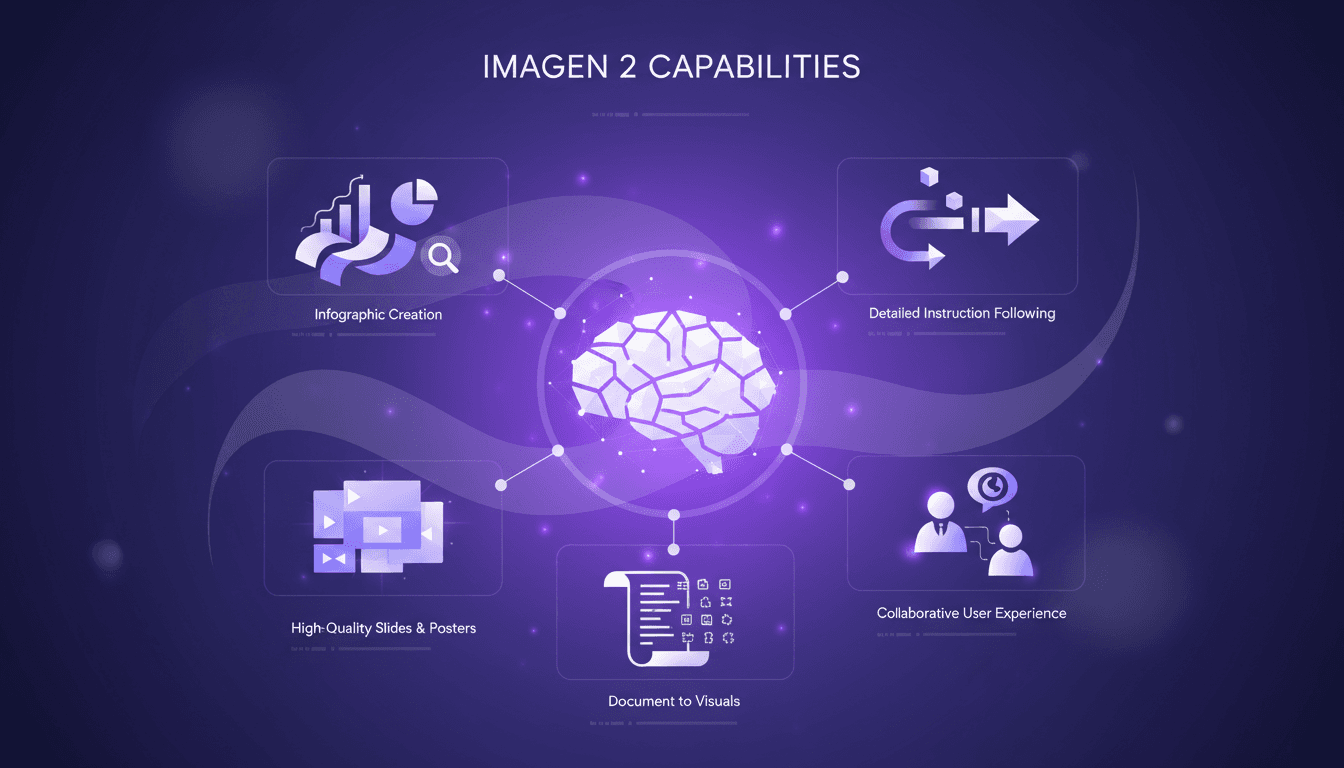
Craft Impactful Infographics with Imagen 2
I've been in the trenches, turning dense documents into visuals that actually speak to people. Imagen 2 has been my go-to for crafting infographics and slides that not only look professional but also convey the message clearly. Whether it's a 70-page PDF or a one-page poster, this tool makes life easier and presentations more impactful. I'll walk you through my process, step by step. We’ll dive into Imagen 2's capabilities, how I convert lengthy documents into concise visuals, and how I create high-quality slides and posters. Trust me, the user experience with Imagen 2 is collaboration at its finest.
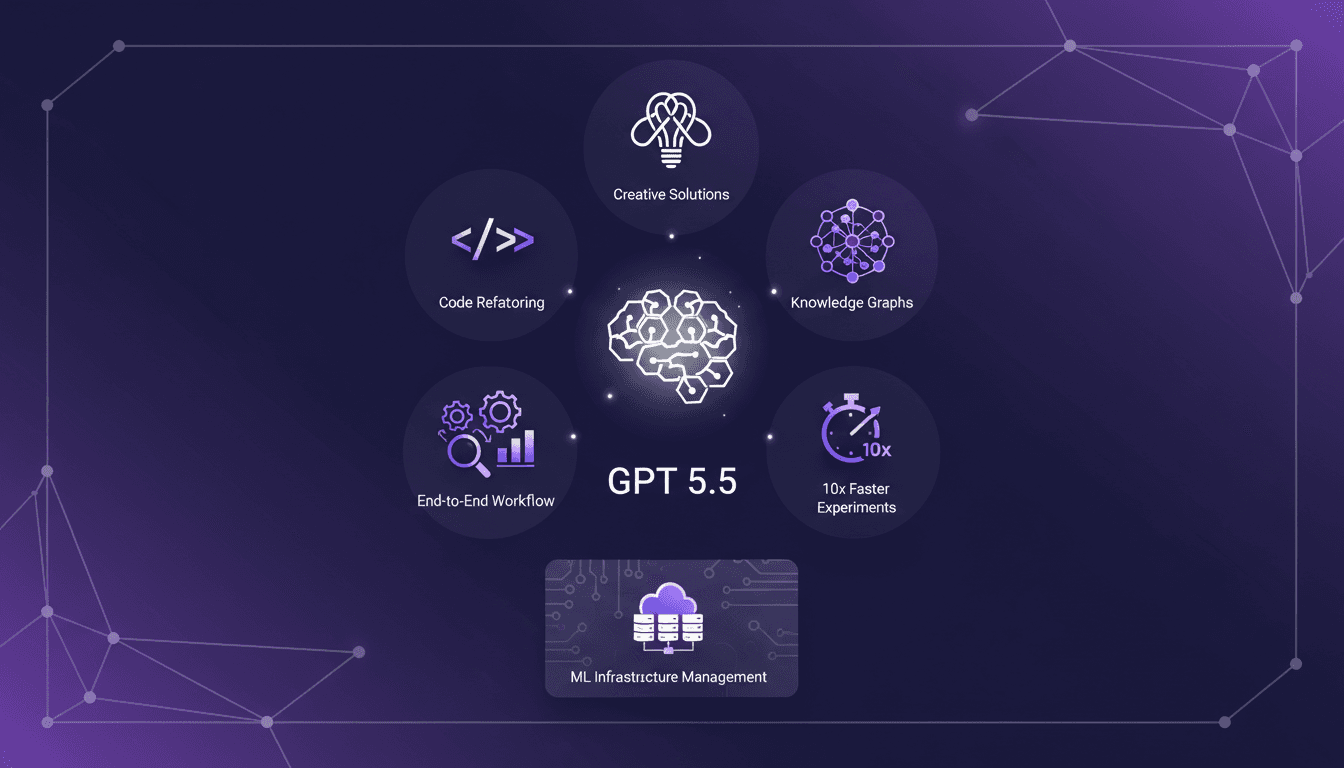
GPT 5.5: Revolutionizing Code and Workflow
I've been in the AI trenches for years, but GPT 5.5 is truly a game changer. I connected it to my usual workflows, refactored code, and even built knowledge graphs more efficiently than ever. This model isn’t just about incremental improvements; it redefines how AI can tackle complex problems. With a 10x speed improvement in running experiments, I can orchestrate entire projects end-to-end without worrying about the machine learning infrastructure. If you've ever been frustrated by the limits of previous models, now's the time to dive into GPT 5.5.