AI's Socio-Economic Impact: What You Need to Know
I've been in the trenches with AI, watching it reshape industries and redefine jobs. This isn't just theory—it's happening now. Let's dive into AI's socio-economic impact, especially LAGI. We're talking job losses, new workweek proposals, and even a public wealth fund to redistribute AI gains. If you're not adapting, you're already behind. Time is ticking—not in decades, but months before these changes become our reality. How do we gear up for this economic shift? We'll explore OpenAI's industrial policies and security measures for advanced models, alongside breakthroughs in robotics. Get ready for a candid discussion about the challenges and opportunities this tech brings.
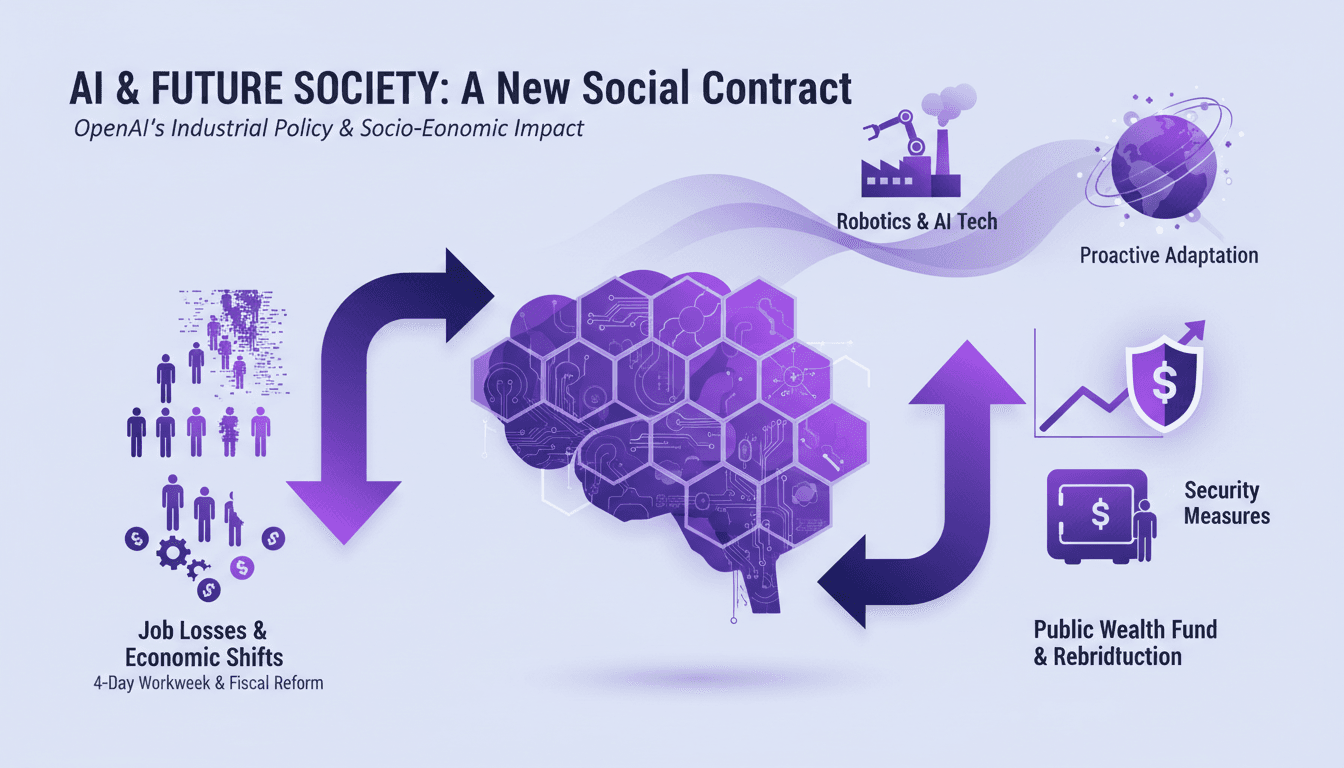
I've been in the trenches with AI, and let me tell you, it's reshaping our industries and jobs right before our eyes. This isn't just theory—it's happening now. If you're not adapting, you're already behind. Today, we're diving into the socio-economic impact of AI, particularly LAGI. We're talking job losses, proposals for a four-day workweek, and how a public wealth fund might redistribute AI gains. Think you have time? Think again. We're not talking decades—it's months before these changes become our everyday reality. I've had to pivot my strategies, and you'd be wise to do the same. We'll also delve into OpenAI's industrial policies, security measures for advanced models, and the rapid advancements in robotics. Get ready for a candid discussion about the challenges and opportunities this tech imposes. If you want to be prepared for this new economic reality, this is where you start.
Understanding LAGI and Its Socio-Economic Impact
When we talk about LAGI (Large AI General Intelligence), it's not just a buzzword. From where I stand, it's a seismic shift that's reshaping industries at an unprecedented pace. Experts predict it's the biggest socio-economic change ever seen, and I can see why.
Entire sectors are undergoing transformation. Take the tech industry, for example: over 100,000 jobs were lost in 2026 due to automation and AI tools. Companies like Block had to cut their workforce by 40%. In this context, adapting proactively to the rapid pace of AI advancements is crucial. Otherwise, you'll be left behind.
Reorganizing Society Around AI: Practical Steps
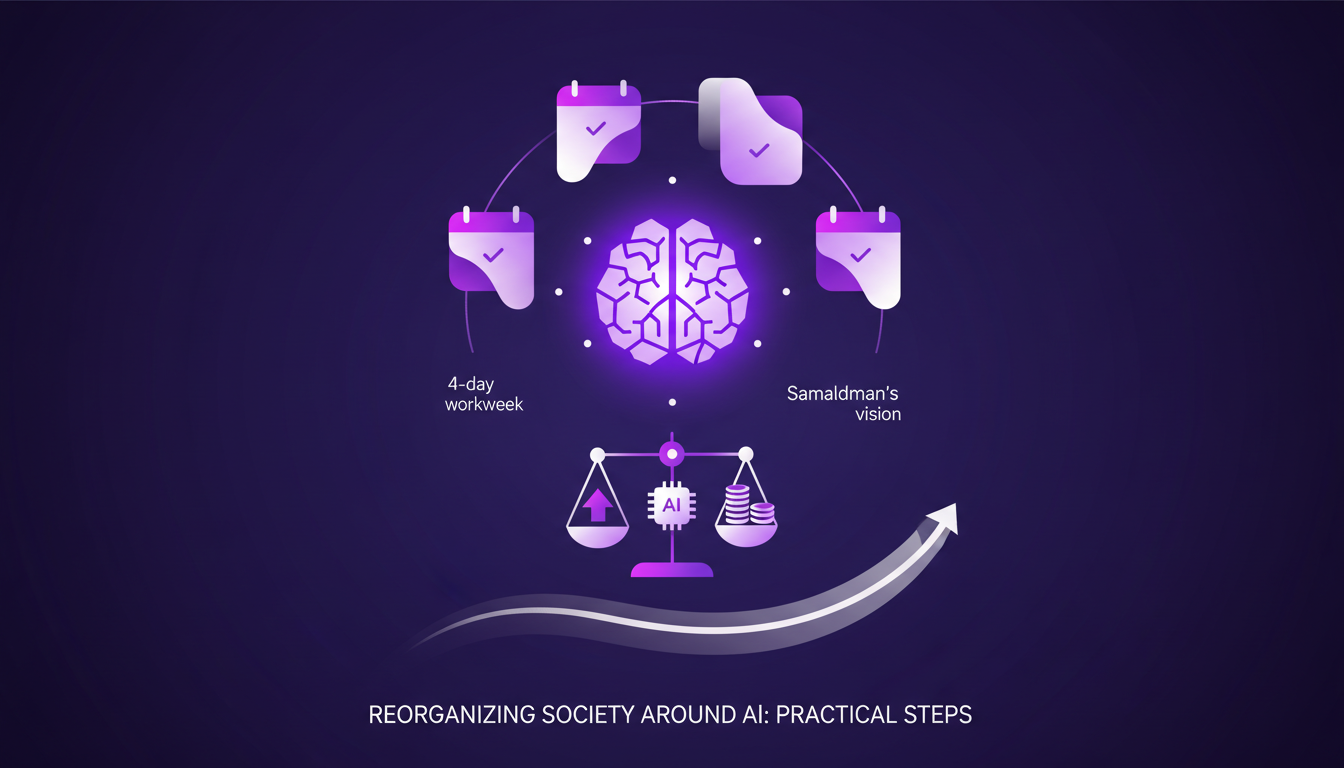
Samaldman recently published an ambitious 13-page plan to reorganize society around AI. If I had to summarize his approach, it's a radical reinvention of our social structure. A key proposal is the 4-day workweek, which could genuinely transform productivity and work-life balance.
Speaking of changes, fiscal reforms are also essential to balance the economic shifts brought by AI. For instance, increasing taxes on capital income linked to automation could offset job losses in some sectors.
- Understand the trade-offs: increased efficiency vs. economic stability
- Implement a 4-day workweek to boost productivity
- Reform the fiscal system to adapt to the AI economy
AI Risks and Security Measures: What You Need to Know
Dario Amodei highlighted five categories of risks associated with advanced AI models, risks I've seen firsthand. These include uncontrolled autonomy of systems, malicious use, and massive economic upheavals.
I can't stress enough the importance of security protocols. Don't overlook them in your AI strategies. Implementing proactive measures, like mandatory audits and containment protocols, can significantly reduce misuse potential.
"Humanity is like that teenager suddenly given almost unimaginable power."
It's crucial to balance innovation with security to protect your assets.
OpenAI's Industrial Policy and New Social Contract
OpenAI recently released a 13-page document that might be the answer many have been waiting for. This industrial policy aims to align AI development with societal benefits, proposing a new social contract to prevent societal collapse.
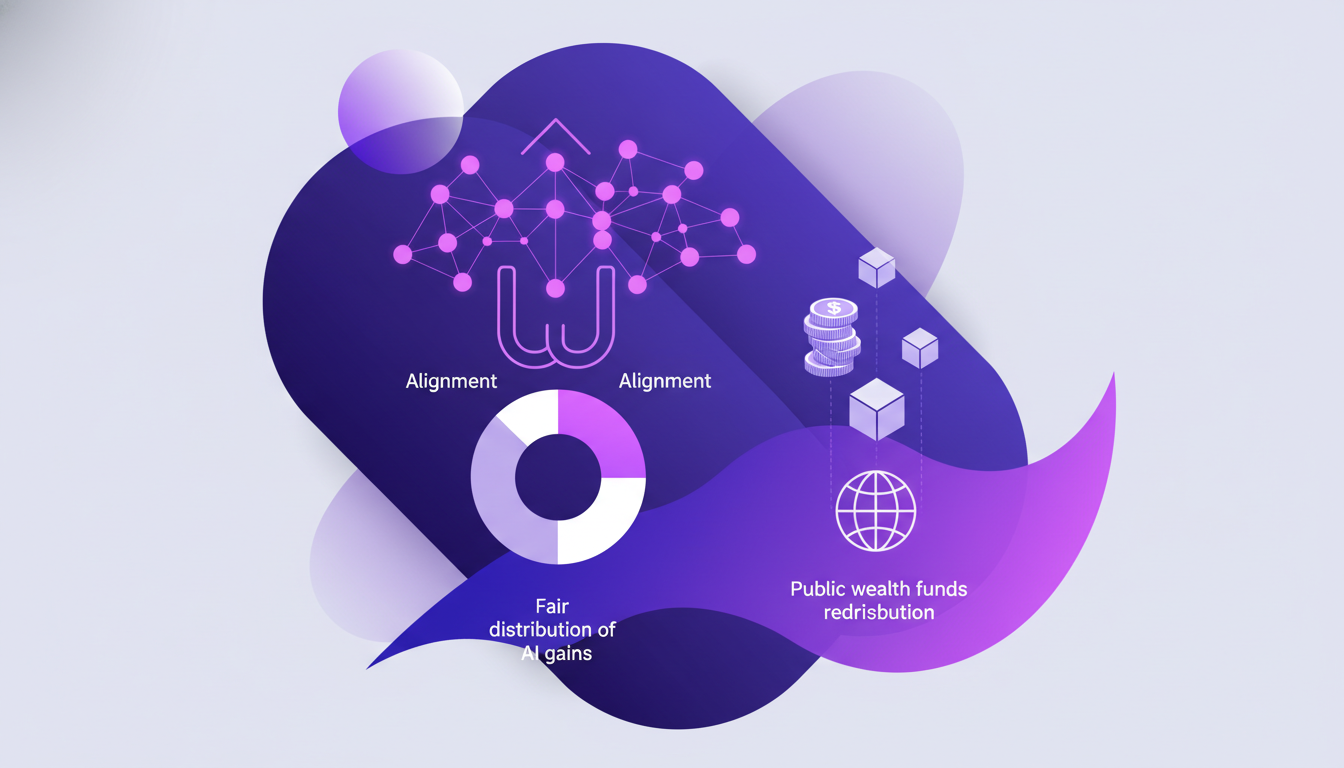
Among the proposals is the creation of a public wealth fund fueled by AI growth, which could redistribute gains directly to citizens. This could help mitigate negative economic impacts.
Adapting to AI-Driven Economic Shifts
Finally, it's clear that AI is accelerating economic shifts. Failing to adapt is simply not an option. While some job losses are inevitable, new opportunities are emerging simultaneously.
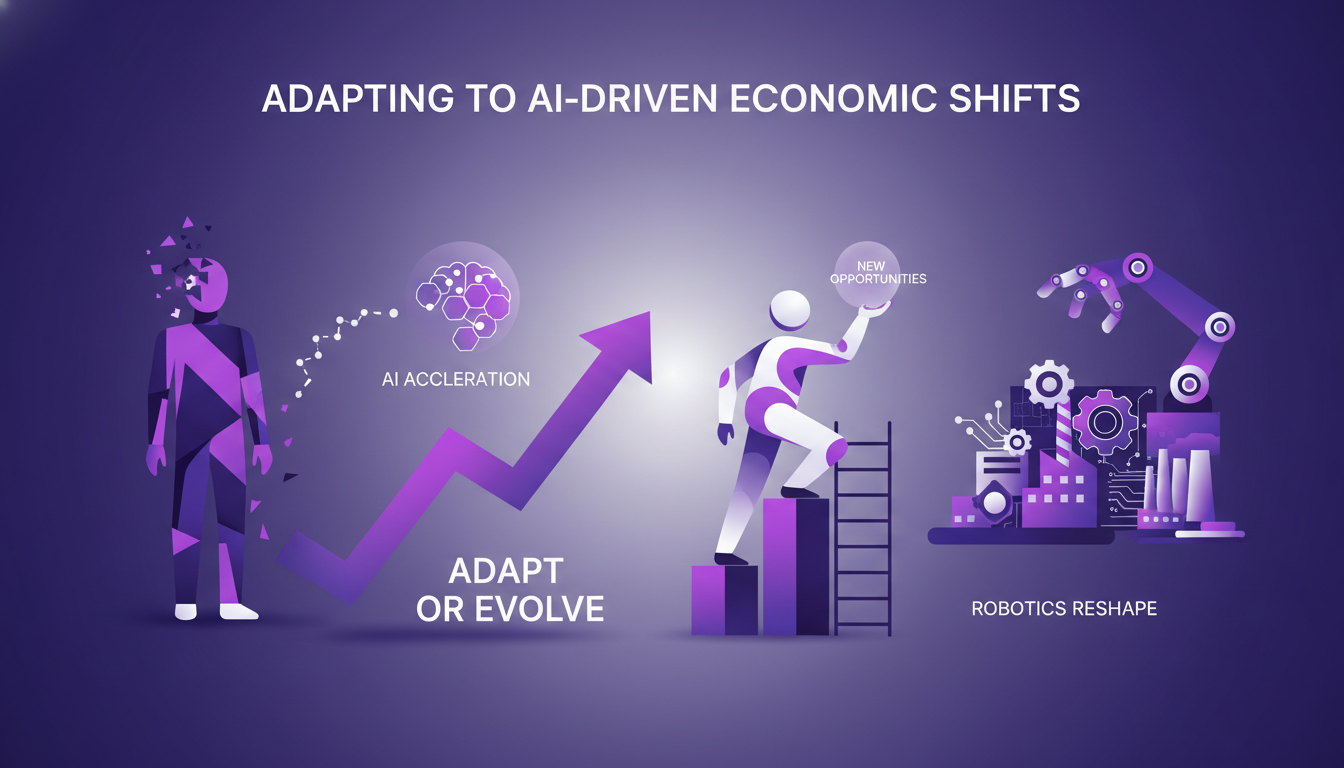
Start by assessing your current position. Then strategize for AI integration. Don't make the mistake of underestimating the impact of robotic advancements that are redefining the labor market.
- Assess your current business position
- Strategize for successful AI integration
- Exploit new opportunities offered by AI
AI isn't some distant concept; it's here and it's shaking things up. I've seen firsthand how it's reshaping everything from socio-economic structures to security concerns. Here's what stands out to me:
- Remember when Henry Ford moved his factories from a 6-day to a 5-day workweek? Now we're talking about a 4-day week, thanks to AI.
- Unitri is aiming to ship between 10,000 and 20,000 humanoid robots this year. Think about the job impact!
- By 2026, we might see systems capable of generating truly novel ideas. That's huge, but let's not overlook the potential pitfalls.
AI is a game changer, but it comes with its own set of challenges. It's crucial to start weaving these insights into your strategy now so you don't get left behind.
I'd recommend watching the original video here. The AI experts explain why you've got eight months to get ready. Don't miss it.
Frequently Asked Questions

Thibault Le Balier
Co-fondateur & CTO
Coming from the tech startup ecosystem, Thibault has developed expertise in AI solution architecture that he now puts at the service of large companies (Atos, BNP Paribas, beta.gouv). He works on two axes: mastering AI deployments (local LLMs, MCP security) and optimizing inference costs (offloading, compression, token management).
Related Articles
Discover more articles on similar topics
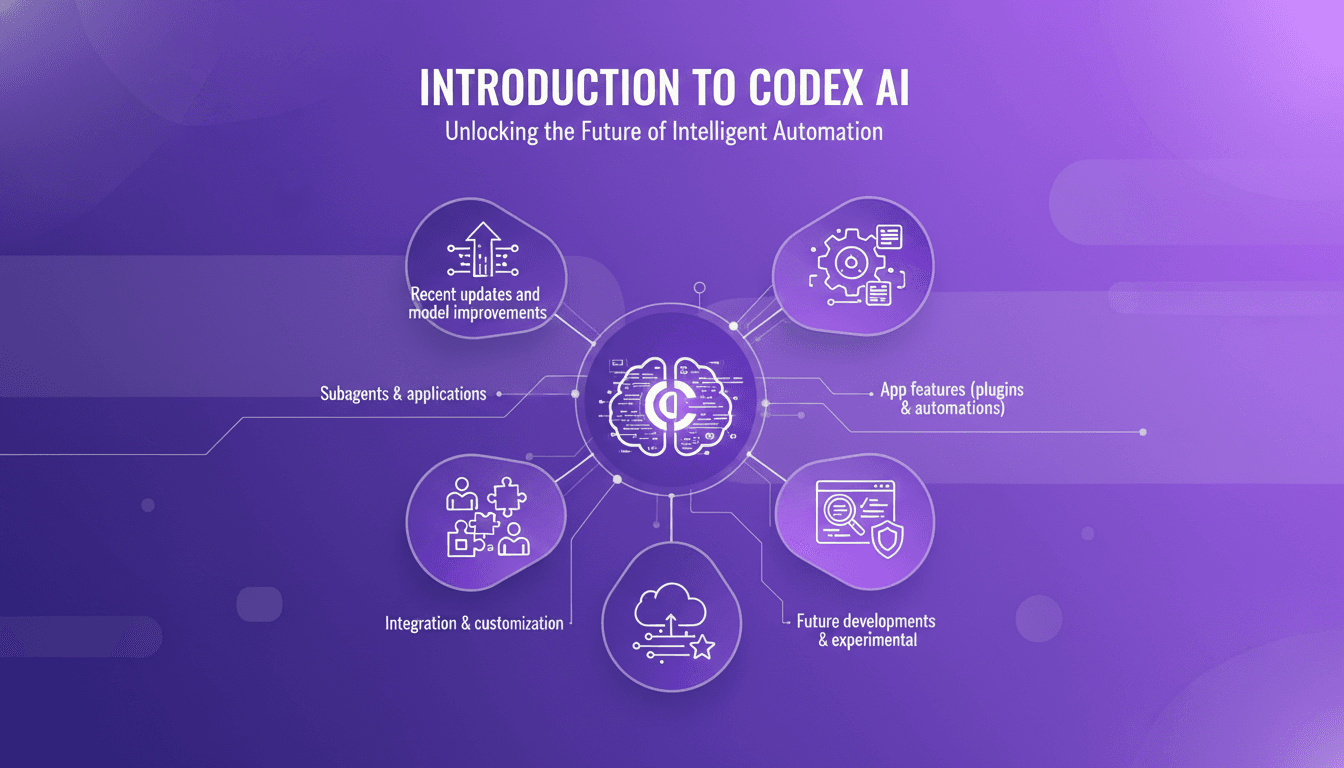
Codex: Recent Enhancements and Integrations
I remember the first time I integrated Codex into our workflow. It was like adding a turbocharger to a well-oiled machine. But watch out, like any powerful tool, understanding its capabilities and limits is key. Codex, with its recent updates, is not just a code assistant; it's a powerhouse for automation and integration. From subagents to security features, it's evolved significantly. Let me show you how to leverage Codex for maximum efficiency. With over three million weekly active users and the latest 5.4 model, the possibilities are massive. Don't get burned by context limits; let's orchestrate Codex to transform your coding environment.
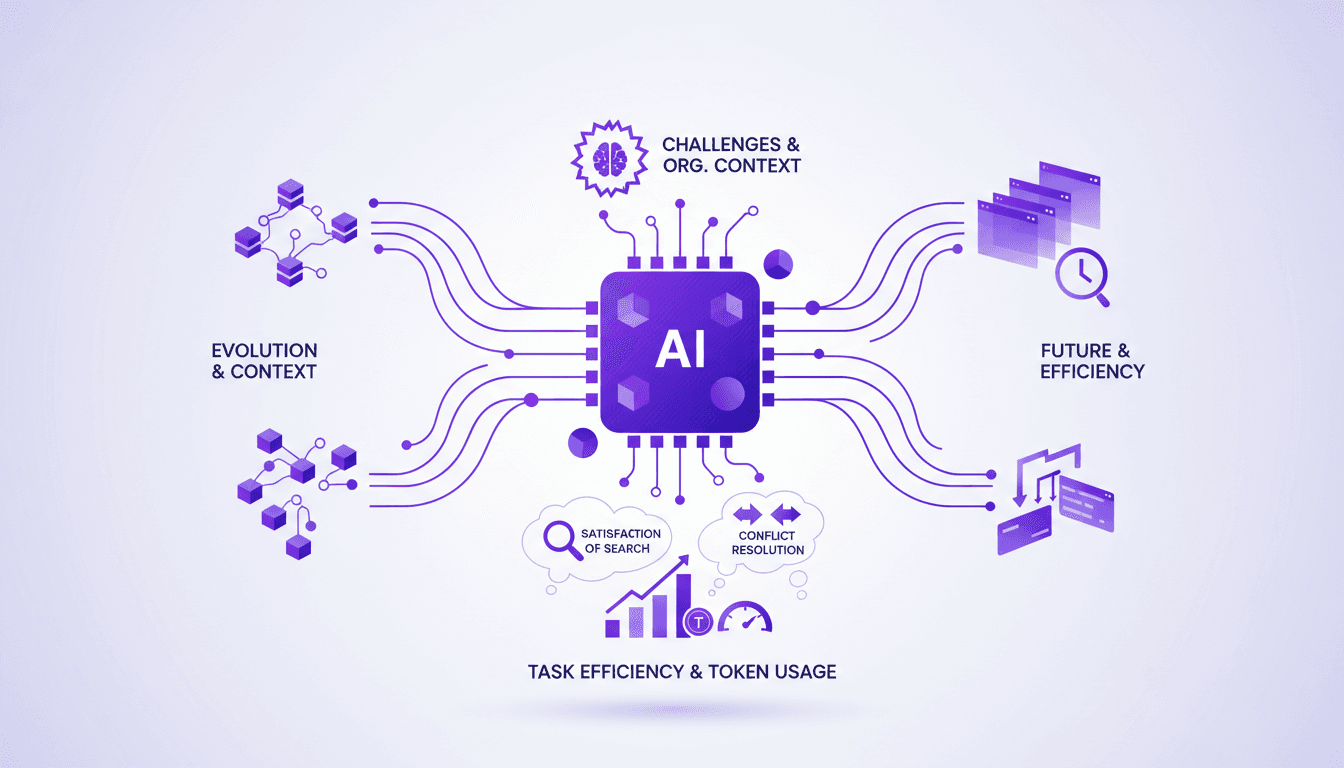
Optimizing AI Context Engines: Save Time and Tokens
Ever spent 90% of your time just collecting context for your AI agents? I have. And it was a nightmare until I started building context engines that actually save time and tokens. Let’s dive into how I did it and what you need to watch out for. In AI development, context engines are game changers. But they're not without challenges. Understanding their historical evolution, technical advancements, and their impact on efficiency and token management is crucial. I'll take you behind the scenes of building these engines, from the significance of organizational context to conflict resolution in AI systems. It's a challenging journey, but the reward is incredible task optimization.
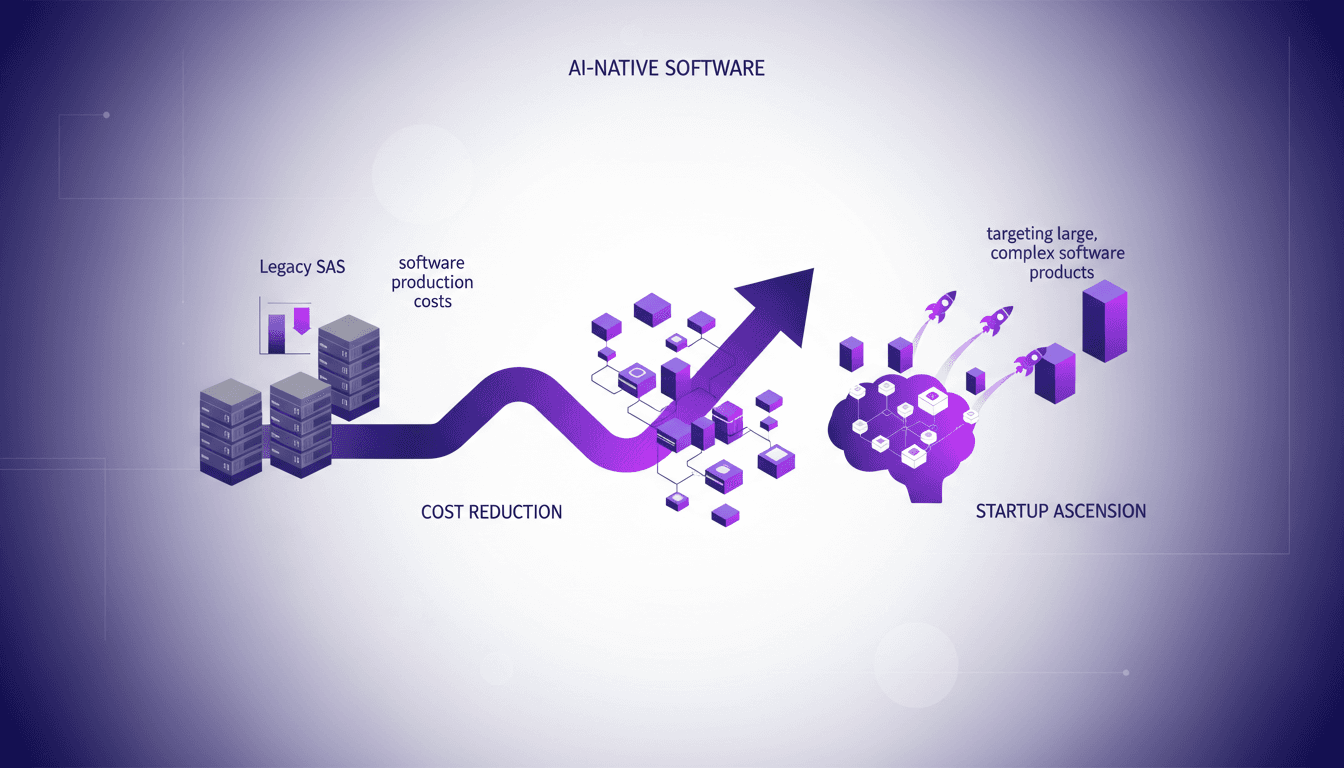
Cut Software Costs with AI
I've seen AI turn the software world on its head, slashing production costs by 100x. This isn't just hype; it's a real game changer. For startups, it's time to challenge the big incumbents. Let me walk you through how to ride this wave and create software challengers. If you're in the trenches like me, you know AI isn't just a buzzword but a revolution in software production. We'll discuss how to target massive, complex software products and the strategies to innovate and disrupt the giants.
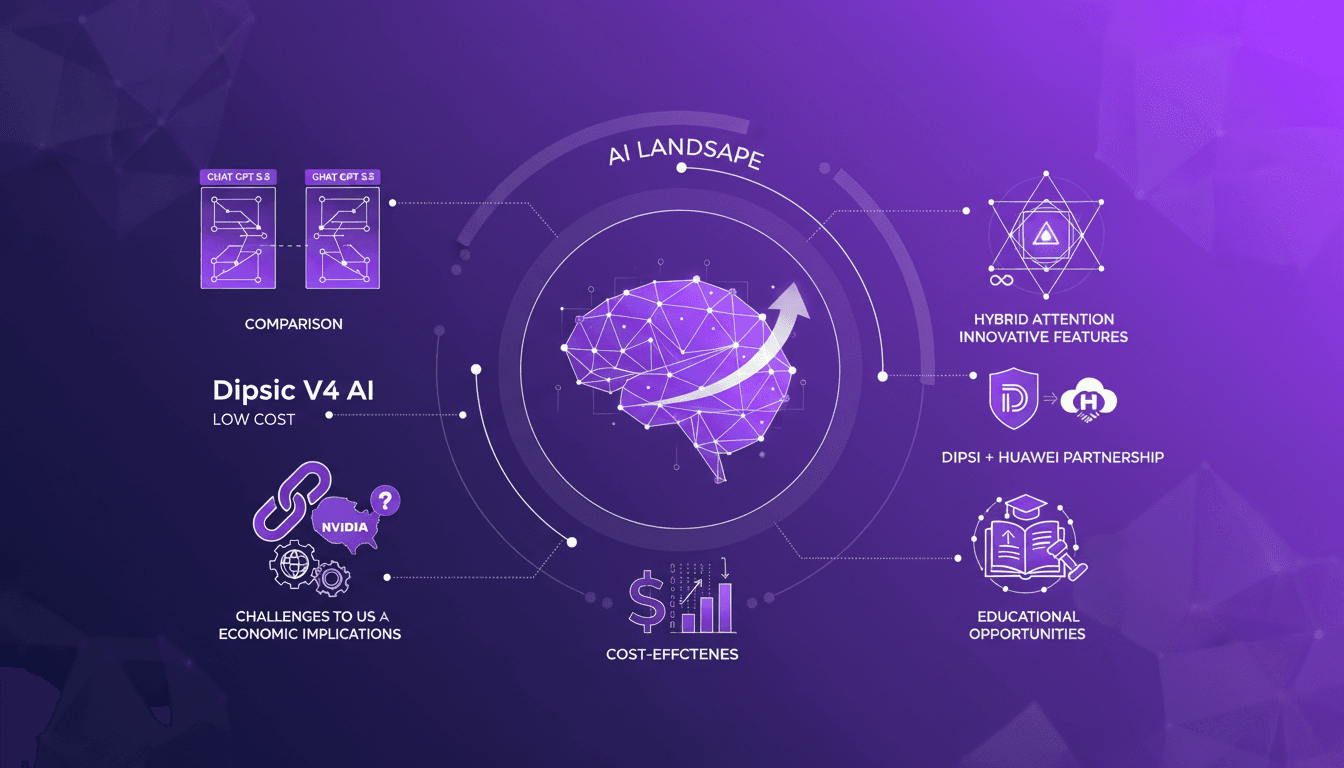
Dipsic V4: AI Revolution, Challenges OpenAI
I've been in the AI trenches for years, watching models evolve. But when I first got my hands on Dipsic V4, I knew we were onto something game-changing. With 1600 billion parameters, this model isn't just another tool in the landscape; it’s a potential disruptor in a space dominated by giants like OpenAI's GPT 5.5. Let me show you why this model is causing such a stir and how it’s rewriting the rules. We’ll dive into its innovative features, aggressive pricing strategy, and what it means for players like Nvidia and OpenAI. Watch out, this could be a game changer.
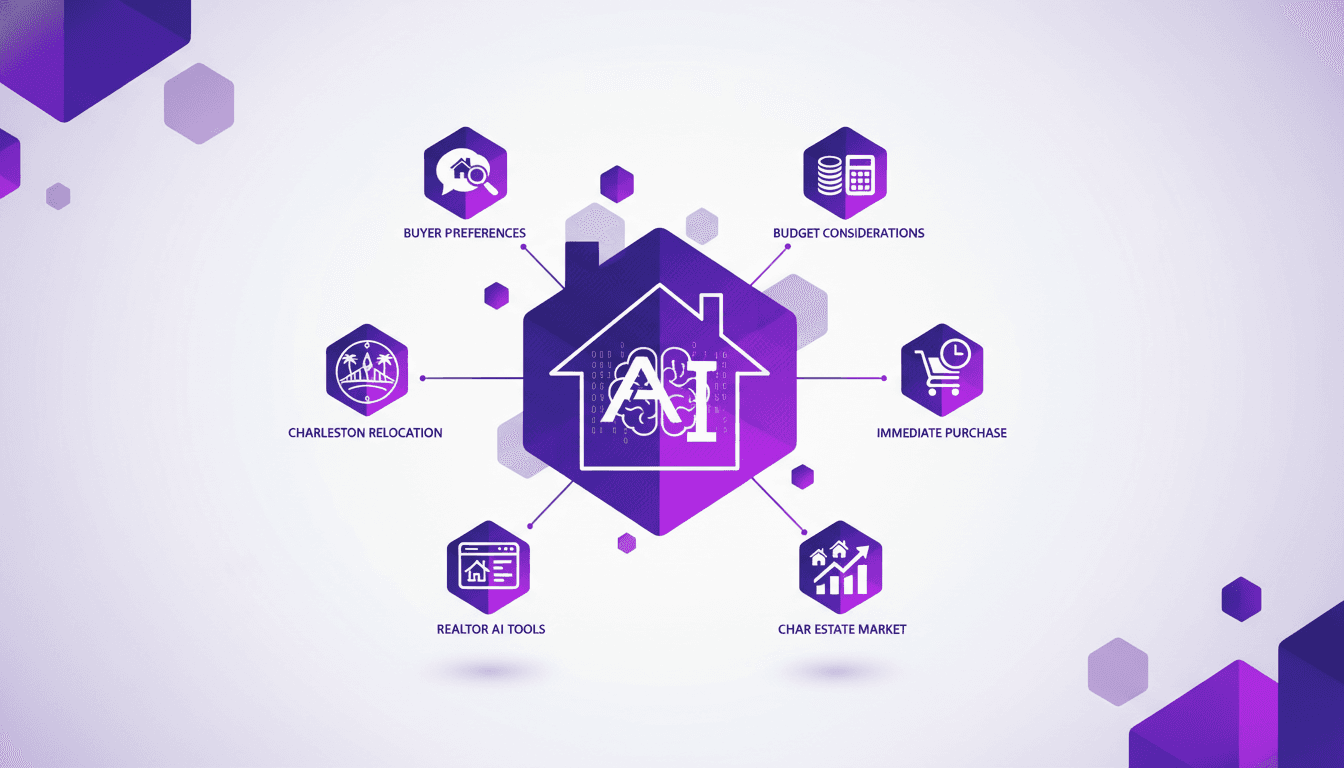
AI in Real Estate: Buyer Preferences
I remember the first time I saw AI tools transform real estate lead management. It was like flipping a switch on efficiency; suddenly, hours of work streamlined into minutes. In Charleston, a booming market, these tools help agents better align buyer preferences with market realities. Let's discuss buyer preferences and how innovative tools like these are reshaping lead management. Picture this: four bedrooms for under $500,000. That's the sort of concrete shift we're talking about. Don't let the competition outpace you, let's dive into this game-changer together.