Optimizing AI Context Engines: Save Time and Tokens
Ever spent 90% of your time just collecting context for your AI agents? I have. And it was a nightmare until I started building context engines that actually save time and tokens. Let’s dive into how I did it and what you need to watch out for. In AI development, context engines are game changers. But they're not without challenges. Understanding their historical evolution, technical advancements, and their impact on efficiency and token management is crucial. I'll take you behind the scenes of building these engines, from the significance of organizational context to conflict resolution in AI systems. It's a challenging journey, but the reward is incredible task optimization.
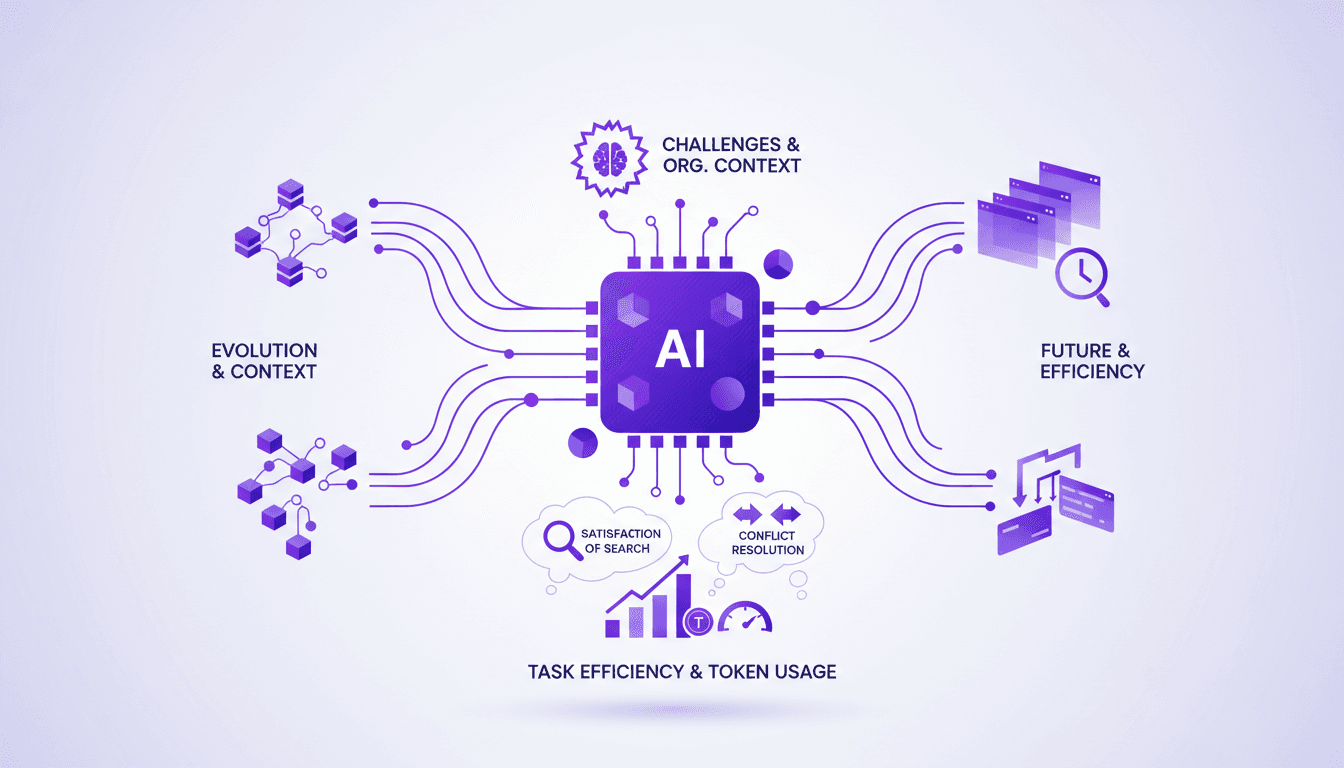
Ever spent 90% of your time just collecting context for your AI agents? I have, and believe me, it was a nightmare. Until I started building context engines that actually save time and tokens. I connect, I orchestrate, I test, and I'm taking you on this journey. In AI development, context engines are game changers, but beware, the path is not without hurdles. Understanding their historical evolution and technical advancements is crucial to improving efficiency and managing tokens. I got burned multiple times before really grasping the importance of organizational context and conflict resolution in AI systems. It's all about balancing the satisfaction of search with direct task efficiency impact. We're talking about huge gains, but you need to know where and how to invest your energy. Join me in exploring AI context engines, an adventure where every technical decision counts.
Understanding Context Engines: The Core of AI Efficiency
A context engine is essentially the backbone of AI efficiency. At its core, it's about providing your AI agents with all the necessary context and none of the unnecessary, in an optimized manner. It's not just about saving tokens; it's also about speed and efficiency. Four years ago, humans were doing this job, but today, context engines have evolved to take over.
The concept of satisfaction of search is key here. You know, that moment when you finally find what you're looking for in a mountain of data. But beware, it can become a trap. Agents might stop searching too early and miss crucial information. This is where the major challenge lies: building context engines that know when to keep looking. As a developer, I've seen poorly designed engines fail due to this premature satisfaction.
Building the Context Engine: Workflow and Challenges
Building a context engine is a bit like assembling a puzzle in two parts. First, you ensure the agent efficiently collects context. I remember spending 90% of my time on this collection. Then, you need to structure this context so it's understandable and usable by the agent. And that's where the real challenges begin.
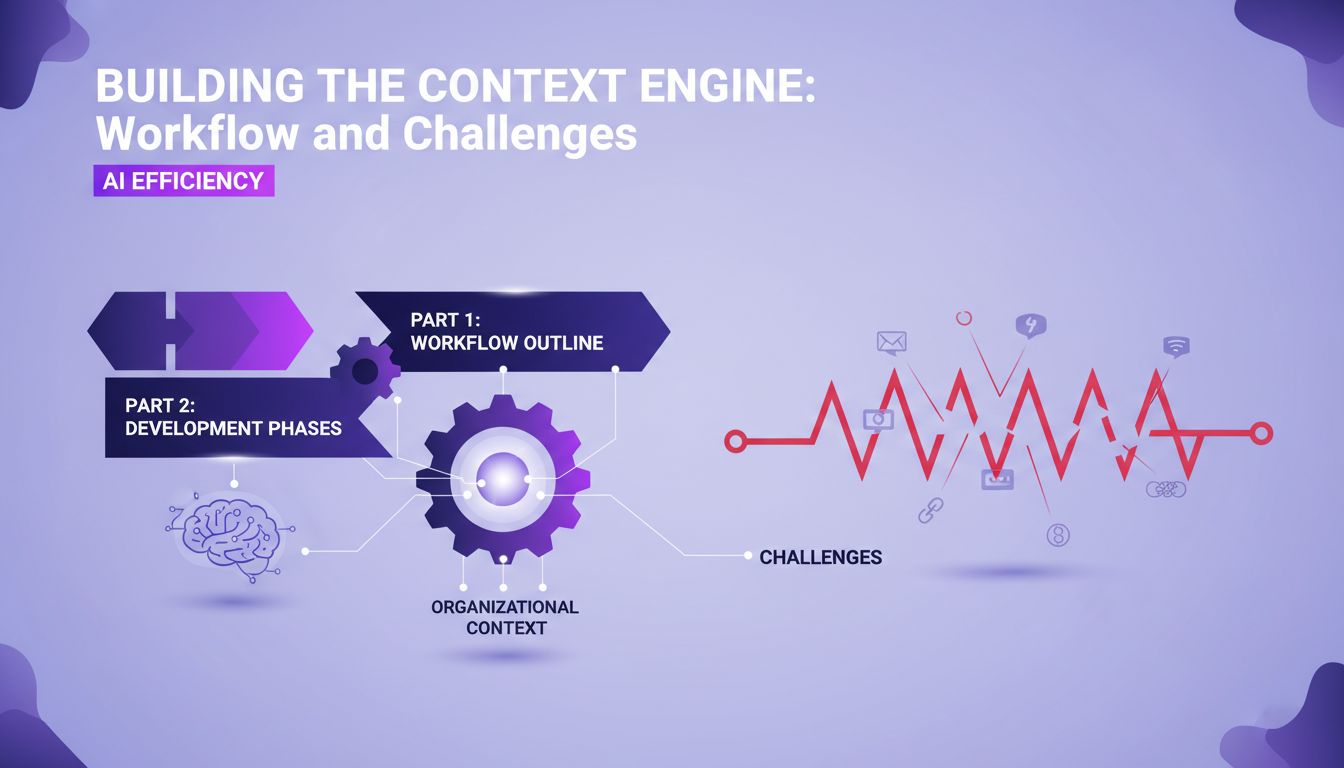
One of the most crucial aspects is the importance of organizational context. You don't build a context engine in a vacuum. You need to understand the subtleties of the organization, which takes time and experience. And let's be honest, without human feedback, you won't get far. Feedback is essential for refining the engine and resolving internal conflicts.
Technical Advancements: Context Window Sizes and Token Efficiency
When we talk about context windows, size really matters. With 8-kilobyte windows, for example, you can work wonders in terms of efficiency. But watch out, expanding these windows too much can lead to trade-offs. Sometimes bigger isn't better, especially if it leads to more complex data processing.
In my projects, I've often found that careful optimization of token usage can make all the difference. For instance, in one project, better management of context windows halved the task processing time. The lessons learned? Never underestimate the power of a good initial setup.
Case Study: Task Efficiency with Context Engines
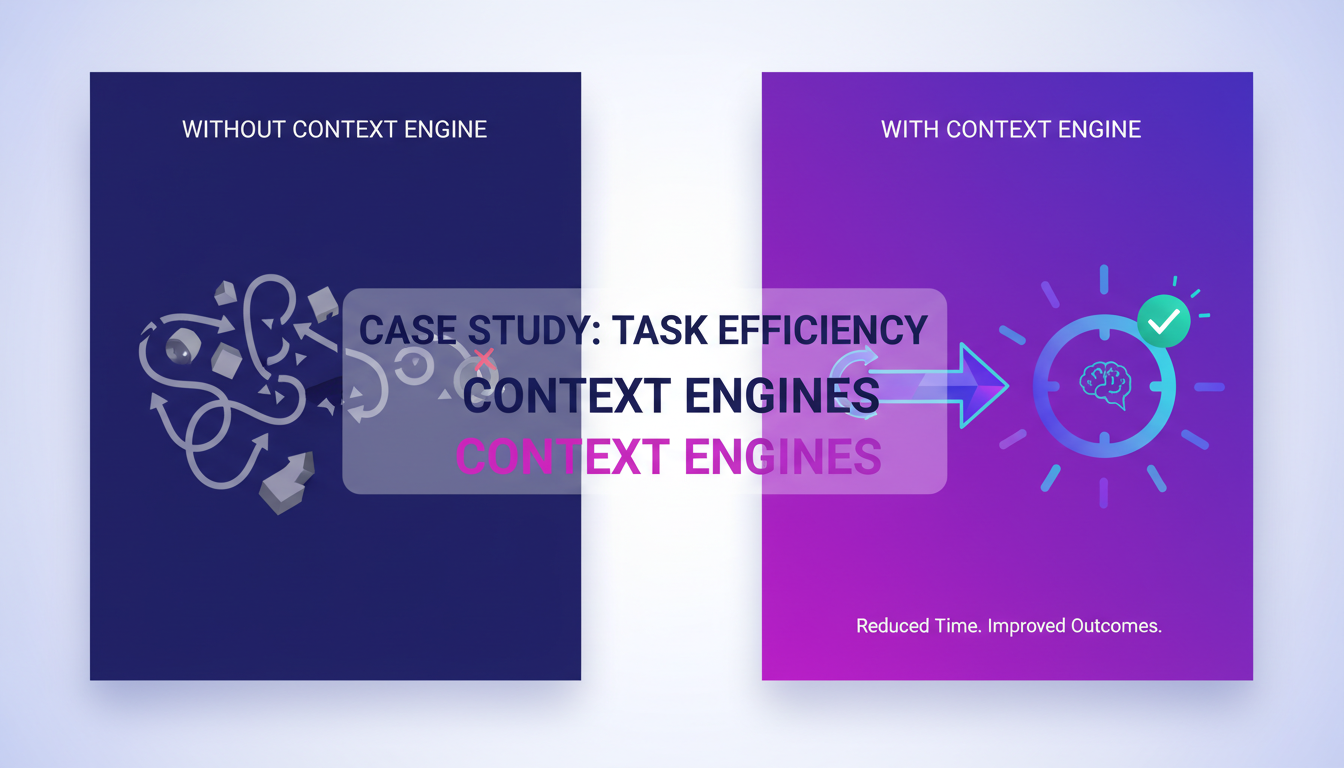
To truly understand the impact of context engines, there's nothing like a case study. Let's take two scenarios: with and without a context engine. In the first case, task efficiency jumped by 40%, reducing processing time and improving outcomes. A real estate project showed similar results, illustrating how these engines can transform the way agents work.
Autonomous agents are the future, and the impact of context engines on their development cannot be underestimated. Agents are becoming smarter, more efficient, and most importantly, more autonomous. But watch out, knowing how to implement them effectively is crucial.
Future Directions: Autonomous Agents and Beyond
Autonomous agents are redefining the AI landscape. With more advanced context engines, we're heading towards a future where agents can make more complex decisions autonomously. Emerging trends show that the evolution of context windows will continue to influence AI development.
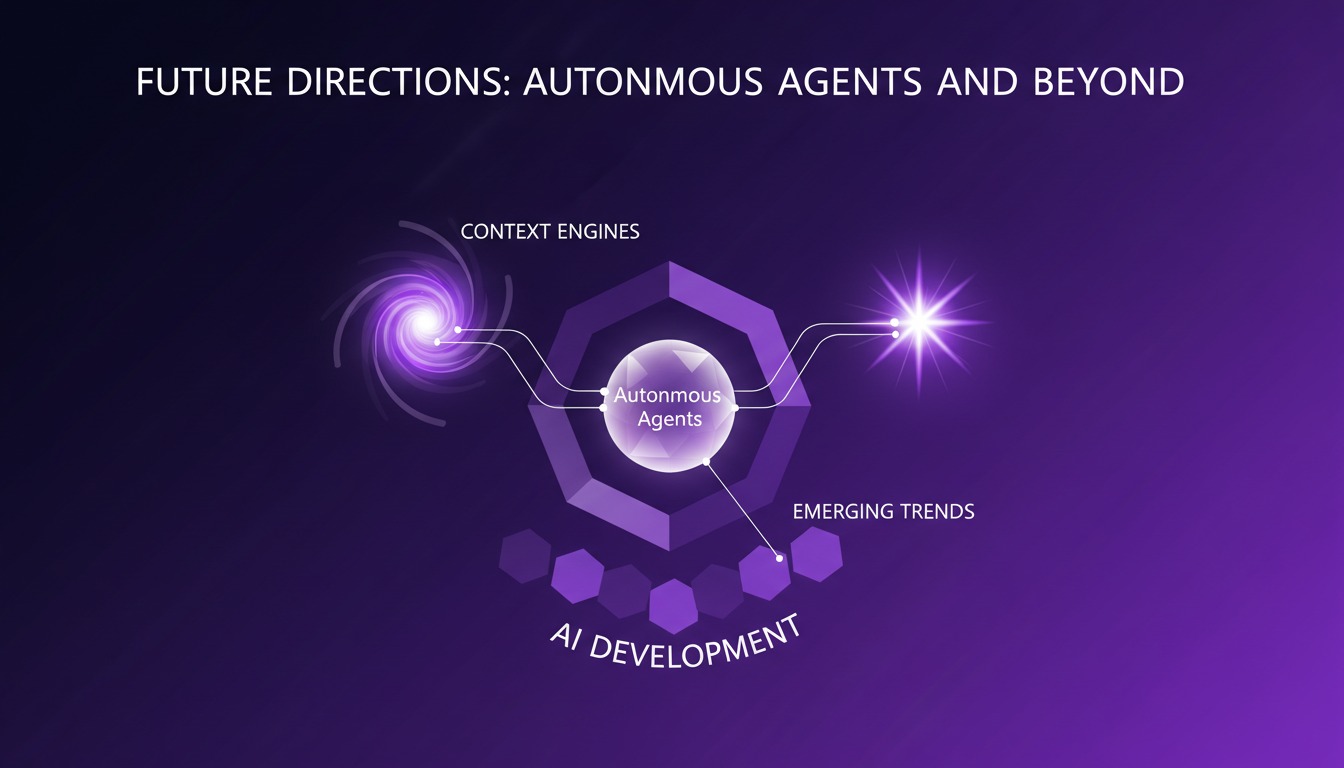
To prepare for future challenges, it's essential to understand how autonomous agents will integrate into existing systems. Keep in mind that speed is not always the priority, accuracy is.
So let's get real about context engines—they're pivotal for AI efficiency. When I build them right, I save time and tokens, and it directly impacts AI task performance. But watch out, you need a solid grasp of the technical nuances. First, I split it into two parts for better context management. Next, I spend 90% of my time on agent context collection, which is crucial but often overlooked. And when the team grows, you're looking at hundreds of pieces of feedback. So yes, it's a game changer, but be ready for the challenges. Looking forward, I believe optimizing our AI systems with these engines will make a real difference. Ready to take action? Start building smarter today. For more in-depth insights, check out Peter Werry's full video, it's worth it. YouTube link.
Frequently Asked Questions

Thibault Le Balier
Co-fondateur & CTO
Coming from the tech startup ecosystem, Thibault has developed expertise in AI solution architecture that he now puts at the service of large companies (Atos, BNP Paribas, beta.gouv). He works on two axes: mastering AI deployments (local LLMs, MCP security) and optimizing inference costs (offloading, compression, token management).
Related Articles
Discover more articles on similar topics
Cut Software Costs with AI
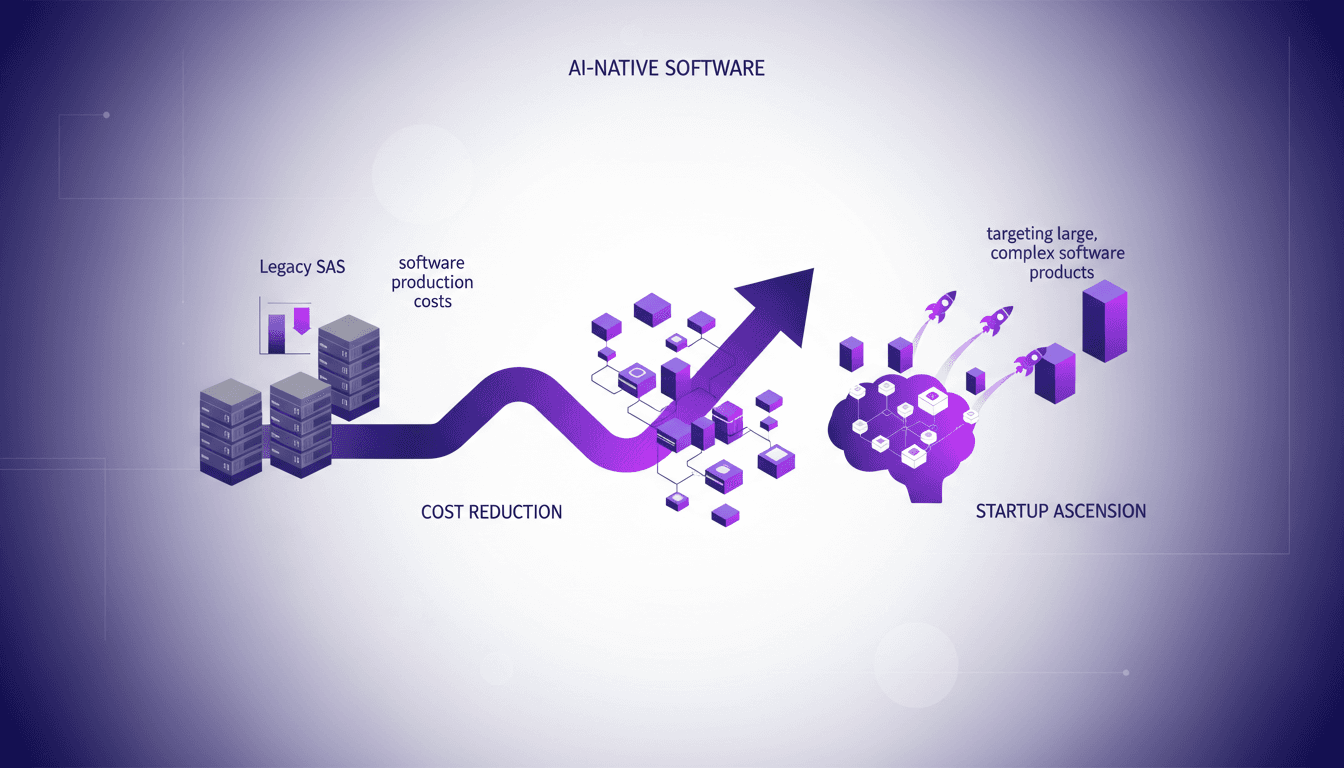
I've seen AI turn the software world on its head, slashing production costs by 100x. This isn't just hype; it's a real game changer. For startups, it's time to challenge the big incumbents. Let me walk you through how to ride this wave and create software challengers. If you're in the trenches like me, you know AI isn't just a buzzword but a revolution in software production. We'll discuss how to target massive, complex software products and the strategies to innovate and disrupt the giants.
AI in Real Estate: Buyer Preferences
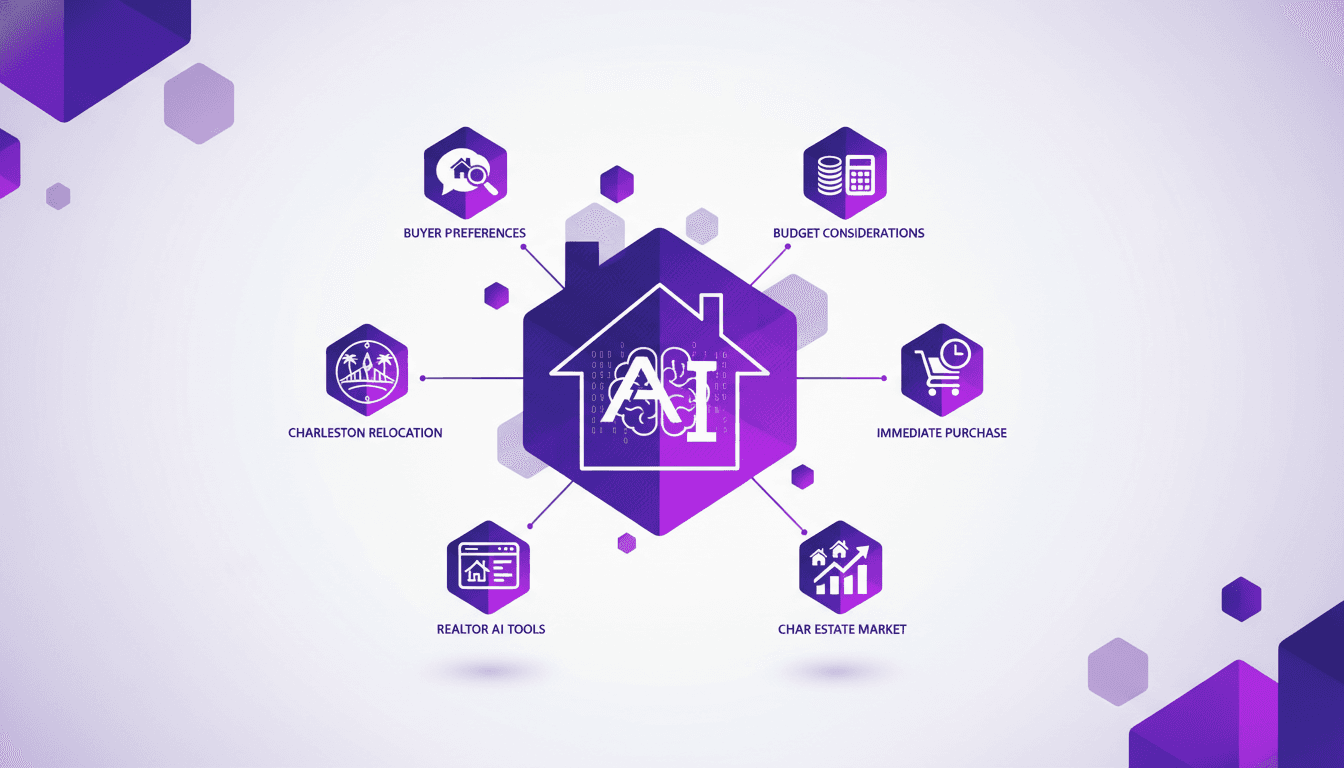
I remember the first time I saw AI tools transform real estate lead management. It was like flipping a switch on efficiency; suddenly, hours of work streamlined into minutes. In Charleston, a booming market, these tools help agents better align buyer preferences with market realities. Let's discuss buyer preferences and how innovative tools like these are reshaping lead management. Picture this: four bedrooms for under $500,000. That's the sort of concrete shift we're talking about. Don't let the competition outpace you, let's dive into this game-changer together.
Selling to Giants: Strategies from YC Startups
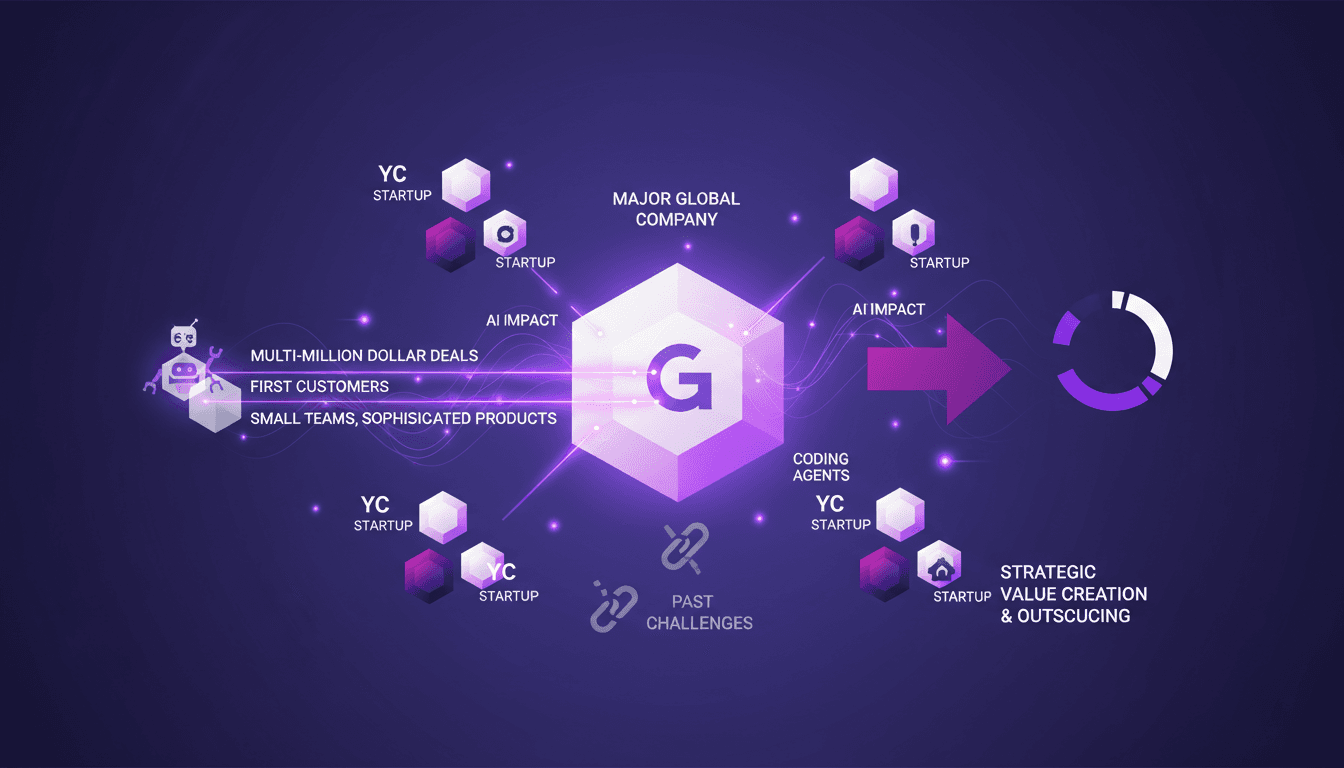
I remember the first time my tiny startup landed a deal with a Fortune 10 company. It felt like David versus Goliath, but with AI as our slingshot. In this article, I share how startups, especially those backed by YC, are thriving in markets dominated by giants. With AI reshaping the playing field, even small teams can deliver powerful solutions to the largest companies. But watch out, this journey is fraught with challenges and demands strategic navigation. We'll explore how multi-million dollar deals are forged, the impact of AI on product development, and how large companies are receptive to startup innovation.
SpaceX's $2000B IPO: Revolutionizing Space
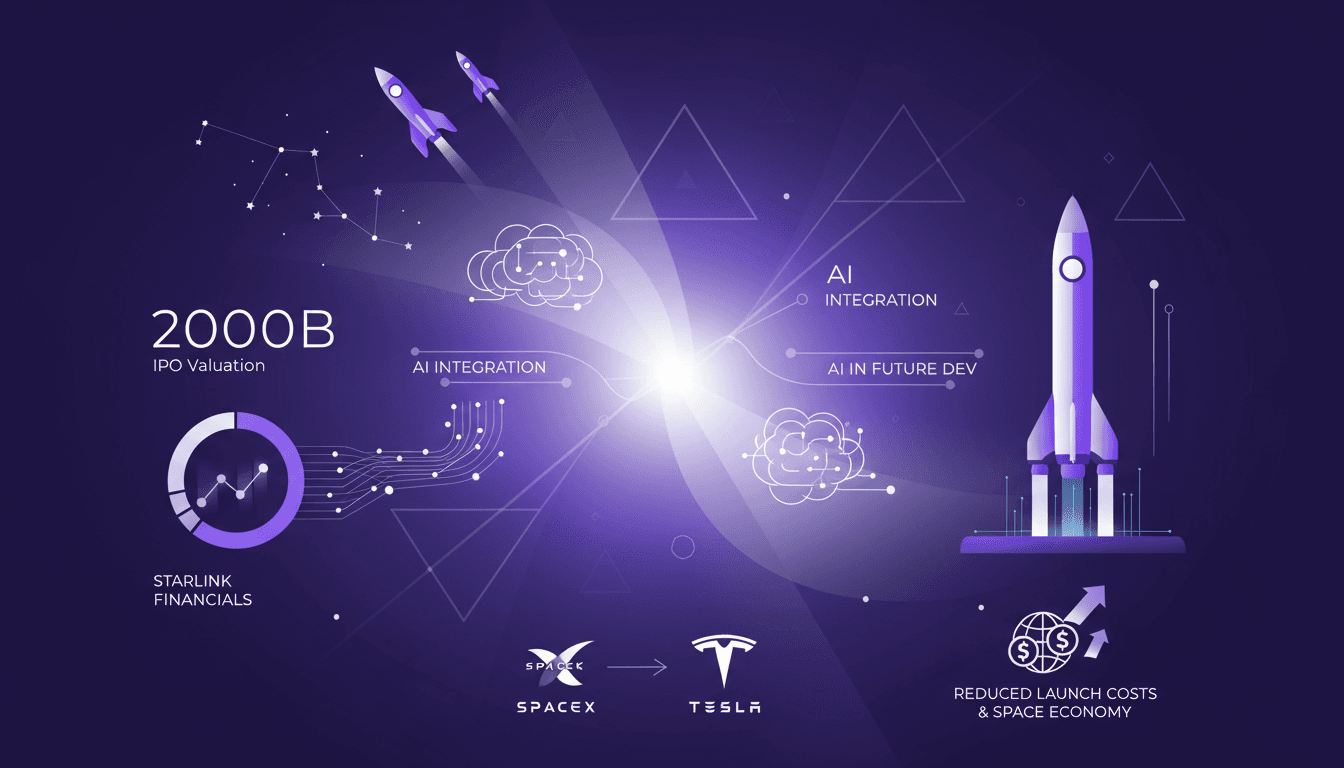
I've been in the aerospace game for years, and watching SpaceX's trajectory is like witnessing the Wright brothers all over again. This isn't just another company IPO—it's a $2000 billion leap into the future of space economy. SpaceX is not just pushing boundaries; it's redefining them. From Starlink's market influence to Starship's groundbreaking potential, and the integration of AI, SpaceX is crafting a new era in space exploration and economic opportunity. The $2000 billion IPO valuation, Starlink's financial performance, the future of space travel, and the potential merger with Tesla outline a future where a multi-trillion dollar space economy becomes reality.
Codex: Recent Enhancements and Integrations
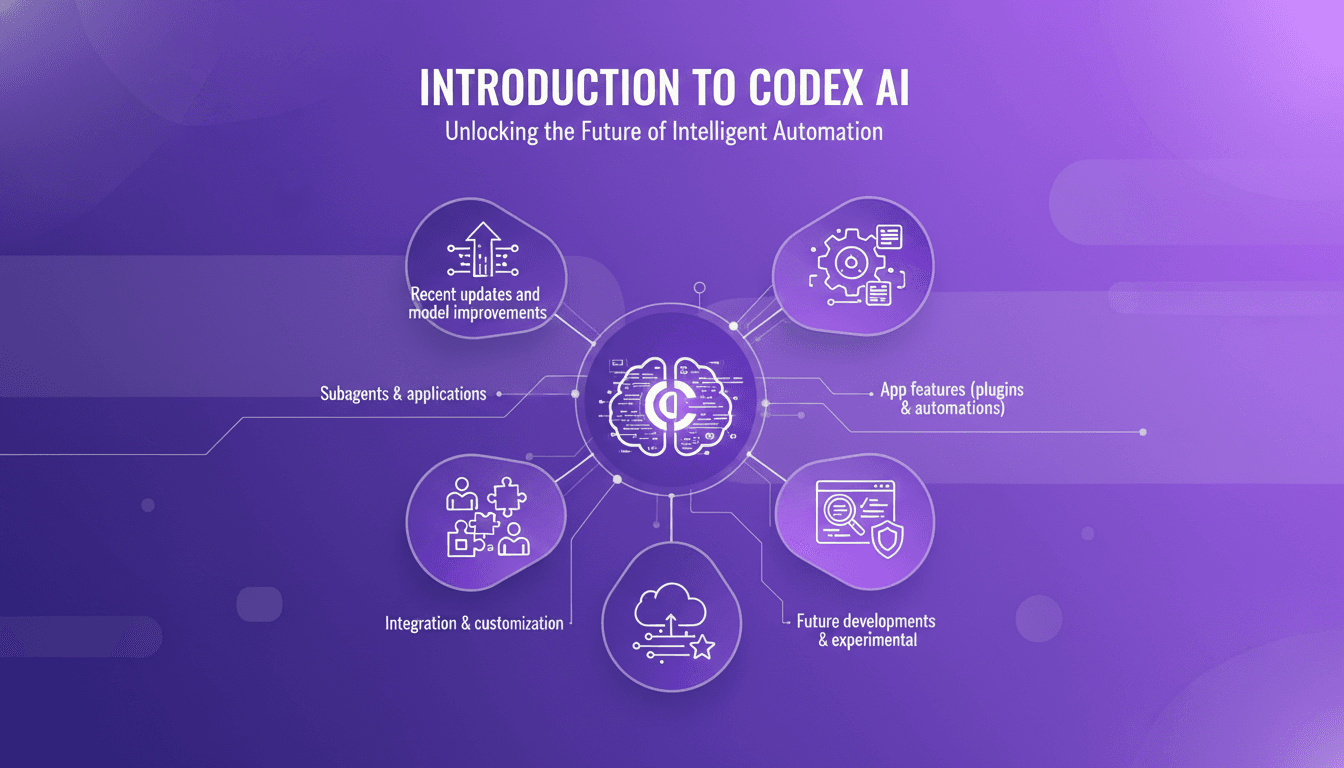
I remember the first time I integrated Codex into our workflow. It was like adding a turbocharger to a well-oiled machine. But watch out, like any powerful tool, understanding its capabilities and limits is key. Codex, with its recent updates, is not just a code assistant; it's a powerhouse for automation and integration. From subagents to security features, it's evolved significantly. Let me show you how to leverage Codex for maximum efficiency. With over three million weekly active users and the latest 5.4 model, the possibilities are massive. Don't get burned by context limits; let's orchestrate Codex to transform your coding environment.