Cut Software Costs with AI
I've seen AI turn the software world on its head, slashing production costs by 100x. This isn't just hype; it's a real game changer. For startups, it's time to challenge the big incumbents. Let me walk you through how to ride this wave and create software challengers. If you're in the trenches like me, you know AI isn't just a buzzword but a revolution in software production. We'll discuss how to target massive, complex software products and the strategies to innovate and disrupt the giants.
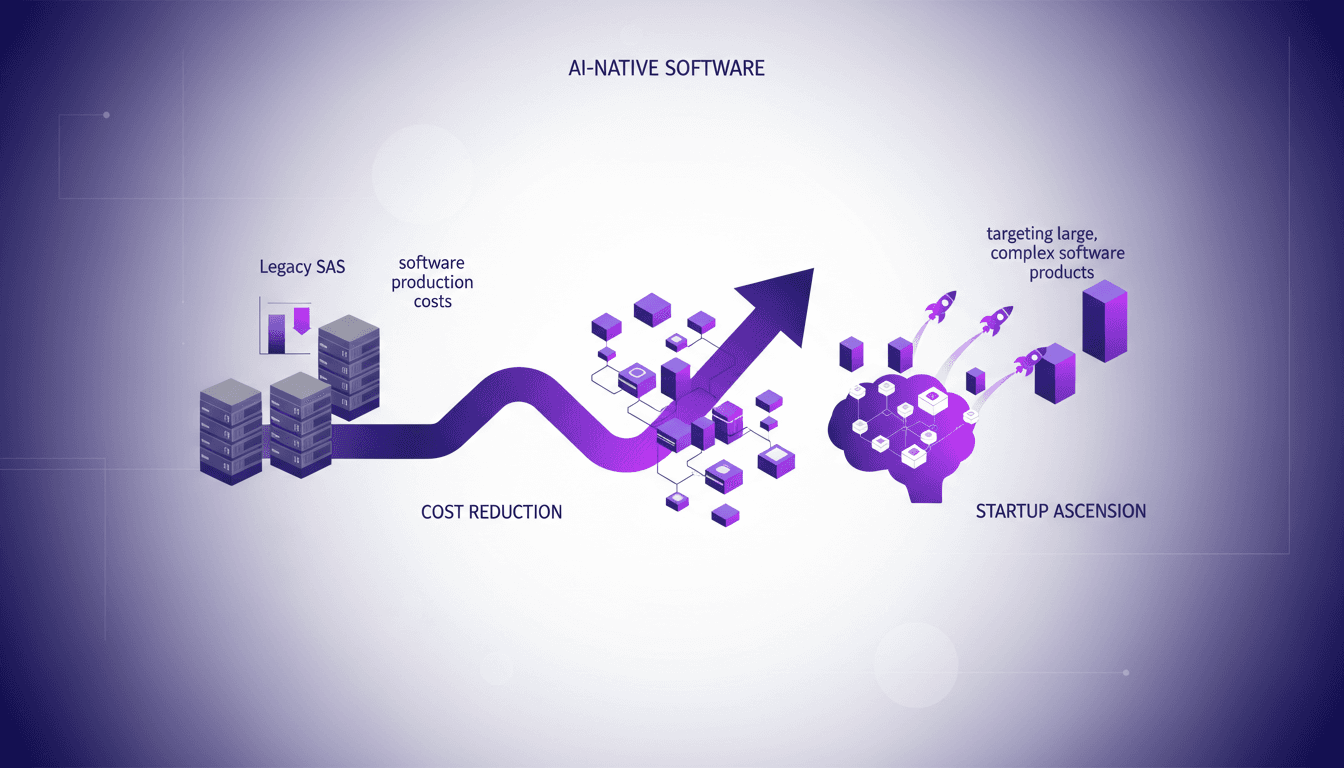
I've seen AI flip the software world upside down, and I'm not exaggerating. Imagine if you could slash your software production costs by 100x. Yes, 100 times. This isn't just some buzzword hype—it's a real game changer. For those of us in the trenches, this is a golden opportunity for startups to challenge the entrenched behemoths. Let me show you how we can ride this wave to create software challengers. First off, we'll dive into how AI enables the rapid, cost-effective creation of software suites. Then, we'll tackle those 10-million-line code monsters that have been untouchable for so long. I'll share how we can move from SAS point solutions to AI-native software that challenges the giants' dominance. We'll talk strategies, pitfalls to avoid (I've gotten burned a few times), and how to really make the most of this tech revolution. Ready?
AI's Impact on Software Production Costs
I can't stress enough how AI has transformed software production costs—think 100x reduction! It's a seismic shift. When I started automating code generation, I realized the magnitude of this change. But watch out for the hidden costs lurking beneath the surface.
Efficiency gains are enormous, but remember, it requires some upfront investment. AI tools can streamline processes, but they demand skilled oversight. I've often seen teams underestimate these hidden costs, especially when it comes to maintaining and integrating existing systems.
- 100x reduction in software production costs.
- Requires upfront investment for effective implementation.
- Skilled oversight needed to avoid hidden costs.
Opportunities for Startups to Challenge Incumbents
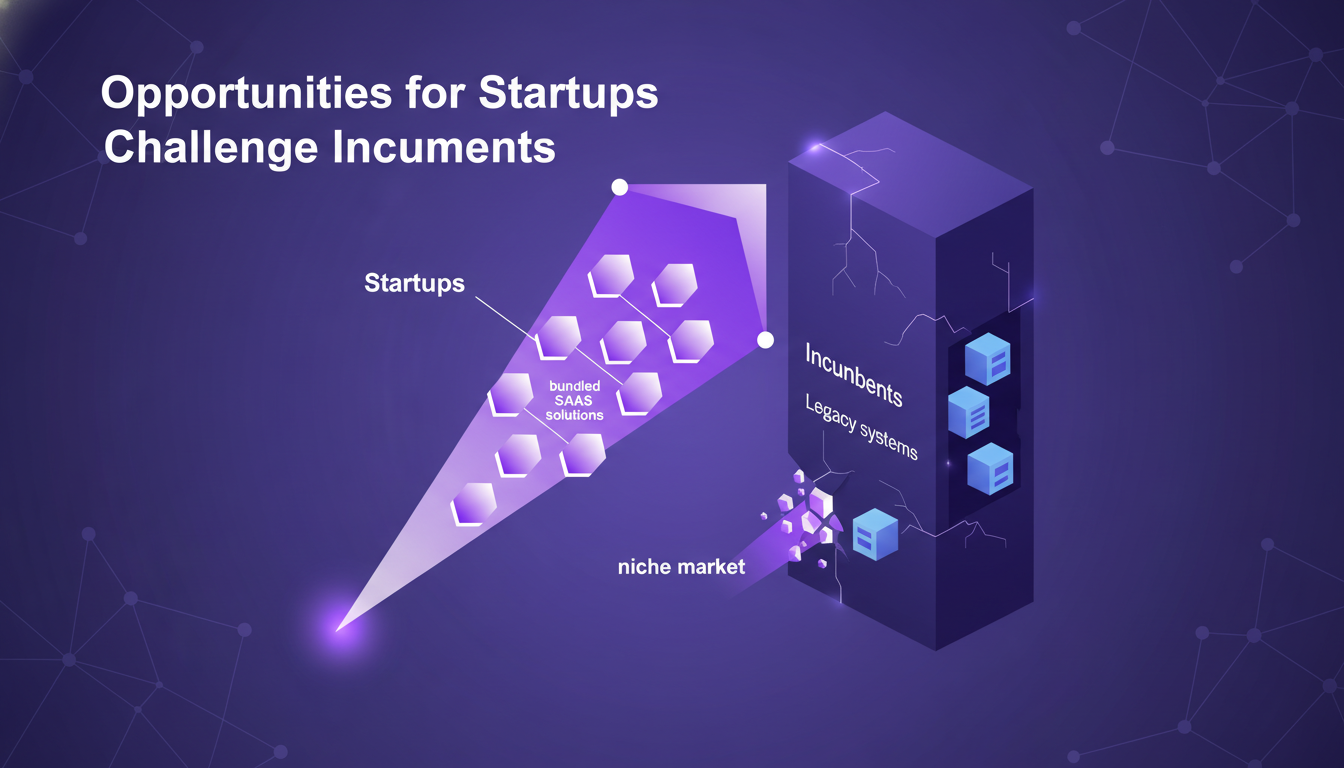
Industry giants are vulnerable, primarily due to their legacy systems. I've seen startups succeed by bundling ten SAS solutions into one suite, creating more integrated and affordable offerings. It's a balancing act—scaling too quickly without robust infrastructure can be risky.
Focusing on agility and adaptability is key. That's what allows you to exploit market gaps. I've observed startups targeting niche markets successfully, leaving the giants behind. But be ready to pivot as the market evolves.
- Legacy systems make incumbents vulnerable.
- Startups can bundle multiple SAS solutions into a single suite.
- Focus on agility and adaptability to exploit market gaps.
Strategies for Building Software Challengers
Identifying large, complex software products ripe for disruption is crucial. For me, it starts with taking small steps, iterating fast, and focusing on user feedback. AI native solutions offer a fresh approach to old problems, but don't over-rely on them. Balance with human insight is essential.
Open-source monetization is a viable strategy, and I've seen companies succeed by first offering a free product and then monetizing through services and hosting.
- Start small, iterate fast, focus on user feedback.
- Don't over-rely on AI; balance with human insight.
- Consider open-source monetization as a viable strategy.
Targeting Large, Complex Software Products
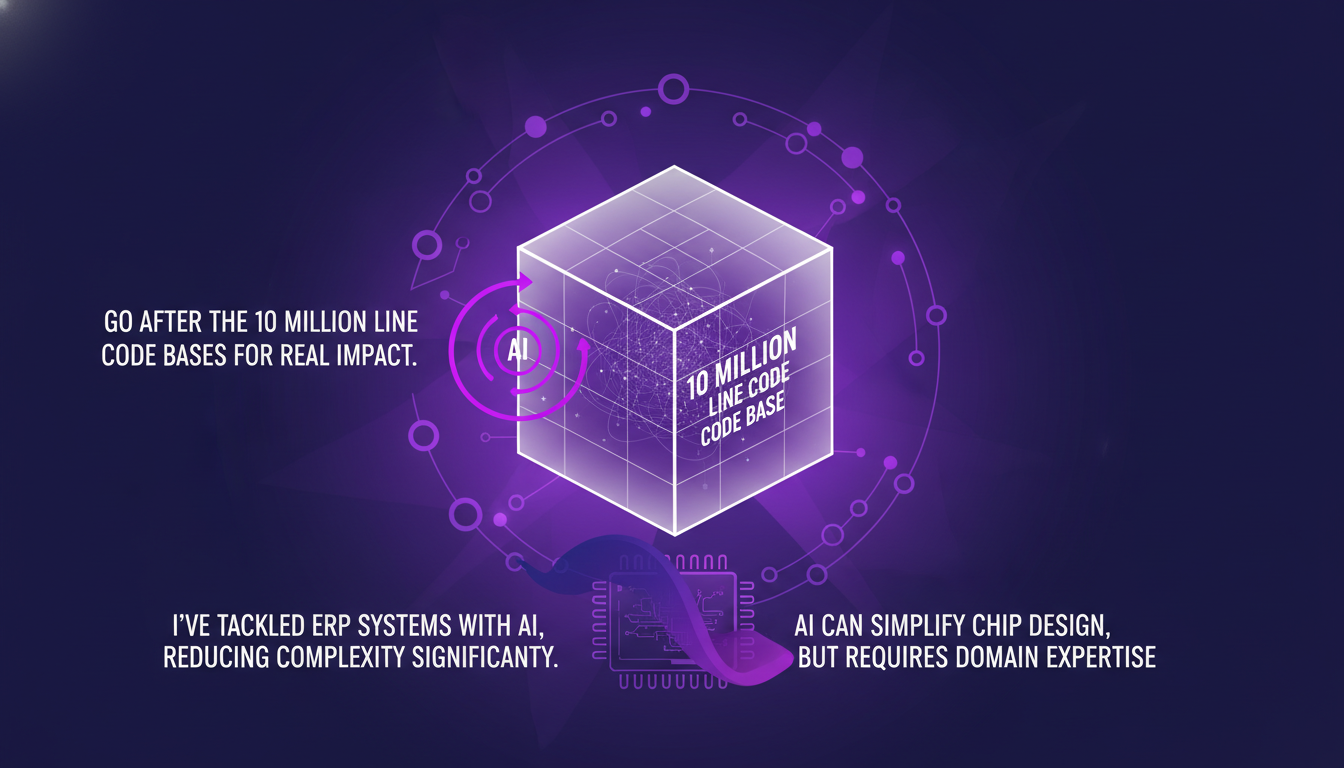
Why not aim for the 10 million line code bases for real impact? I've tackled ERP systems with AI, significantly reducing complexity. But watch out for integration challenges with existing systems, that's often where projects stumble.
Long-term vision is key. These initiatives aren't overnight projects, but the rewards can be substantial in terms of impact and innovation.
- Target 10 million line code bases for maximum impact.
- Significant complexity reduction with AI, but beware of integration challenges.
- Long-term vision is necessary to succeed in these projects.
The Evolution to AI Native Software
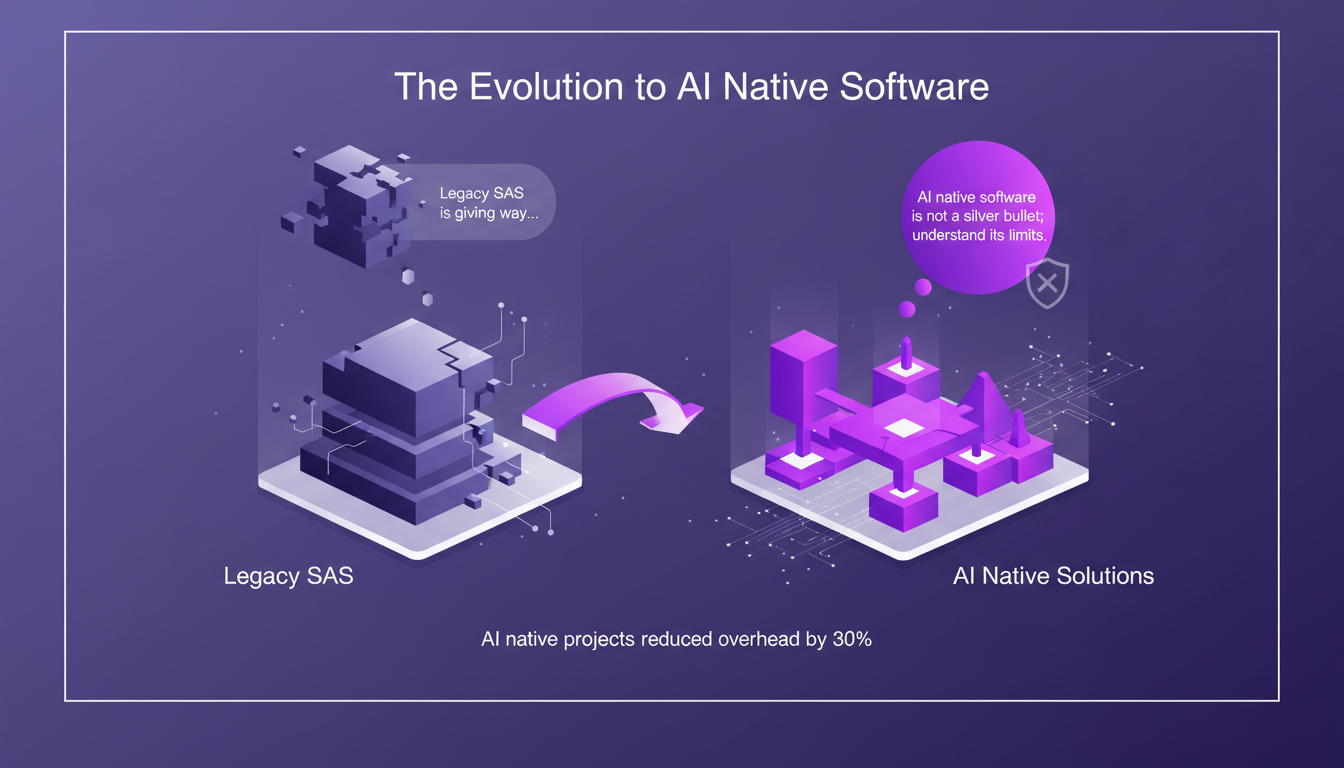
Legacy SAS is gradually giving way to AI native solutions. I've piloted projects that reduced overhead by 30% thanks to AI, but beware, these solutions aren't a silver bullet. It's crucial to understand their limits and adapt team culture to make the most of these tools.
Future-proofing software development with AI is essential. It's an investment in the future, but it requires an acceptance of change and a willingness to reinvent traditional processes.
- Transitioning from legacy SAS to AI native solutions.
- 30% reduction in overhead, but understand AI's limits.
- Adapt team culture to maximize AI utility.
I've dived into AI's impact on software development, and honestly, it's a game changer. First off, production costs have been slashed by a factor of 100 thanks to AI. Next, you can work wonders by bundling 10 focused SaaS solutions into a single suite. And then, where it gets truly bold: you can target those massive 10-million-line code bases that were untouchable just years ago. But watch out, it's not a magic wand. You need to grasp the limits and orchestrate wisely. Looking ahead, AI continues to open doors for startups ready to challenge the big established players. I highly recommend diving into AI-driven development. Start small, iterate, and aim for those big wins. For a deeper dive into this fascinating topic, I suggest watching the full 'SaaS Challengers' video. You won't see software development the same way again.
Frequently Asked Questions

Thibault Le Balier
Co-fondateur & CTO
Coming from the tech startup ecosystem, Thibault has developed expertise in AI solution architecture that he now puts at the service of large companies (Atos, BNP Paribas, beta.gouv). He works on two axes: mastering AI deployments (local LLMs, MCP security) and optimizing inference costs (offloading, compression, token management).
Related Articles
Discover more articles on similar topics

SpaceX's $2000B IPO: Revolutionizing Space
I've been in the aerospace game for years, and watching SpaceX's trajectory is like witnessing the Wright brothers all over again. This isn't just another company IPO—it's a $2000 billion leap into the future of space economy. SpaceX is not just pushing boundaries; it's redefining them. From Starlink's market influence to Starship's groundbreaking potential, and the integration of AI, SpaceX is crafting a new era in space exploration and economic opportunity. The $2000 billion IPO valuation, Starlink's financial performance, the future of space travel, and the potential merger with Tesla outline a future where a multi-trillion dollar space economy becomes reality.
Selling to Giants: Strategies from YC Startups
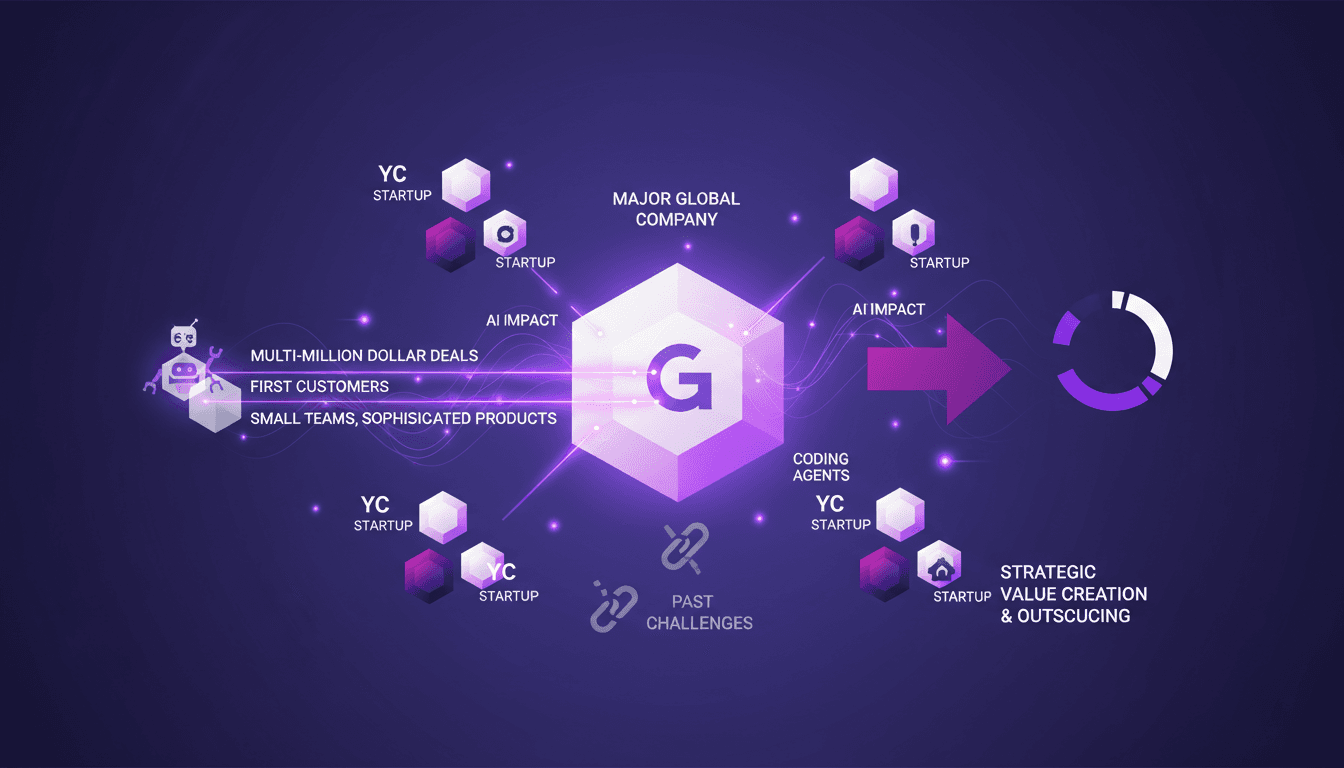
I remember the first time my tiny startup landed a deal with a Fortune 10 company. It felt like David versus Goliath, but with AI as our slingshot. In this article, I share how startups, especially those backed by YC, are thriving in markets dominated by giants. With AI reshaping the playing field, even small teams can deliver powerful solutions to the largest companies. But watch out, this journey is fraught with challenges and demands strategic navigation. We'll explore how multi-million dollar deals are forged, the impact of AI on product development, and how large companies are receptive to startup innovation.
Software for Agents: Designing for the Future
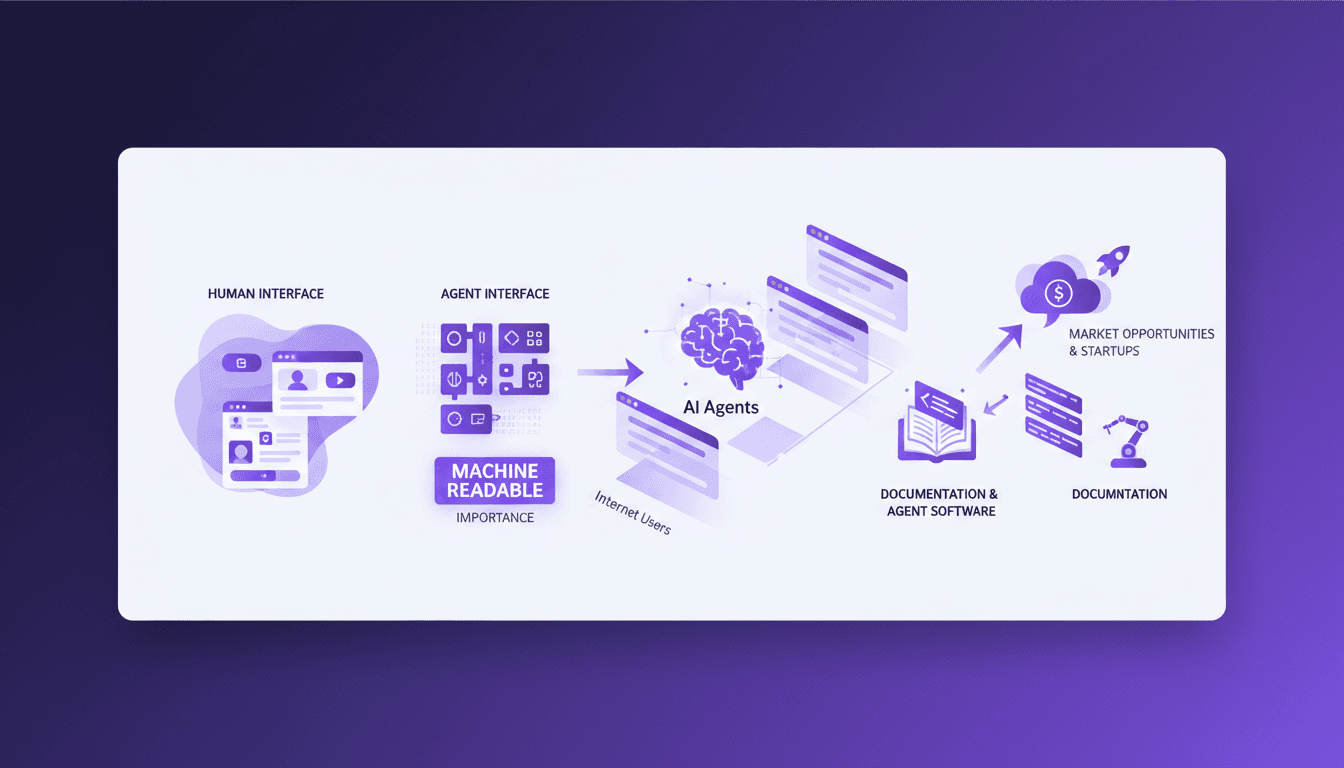
I still remember the moment I realized the next trillion internet users wouldn't be human—it would be AI agents. It hit me during a conference and shifted my whole approach to software design. Gone are the days when human-centric design was enough. Now, it's the era of agents, which means we need to rethink everything—from the interfaces we use to the market opportunities for startups. Machine-readable interfaces like APIs, MCPs, and CLIs are becoming crucial, and clear documentation is no longer optional. If you want to stay ahead, now's the time to pivot and think agent-first. Otherwise, you risk falling behind in this digital revolution.
AI in Real Estate: Buyer Preferences
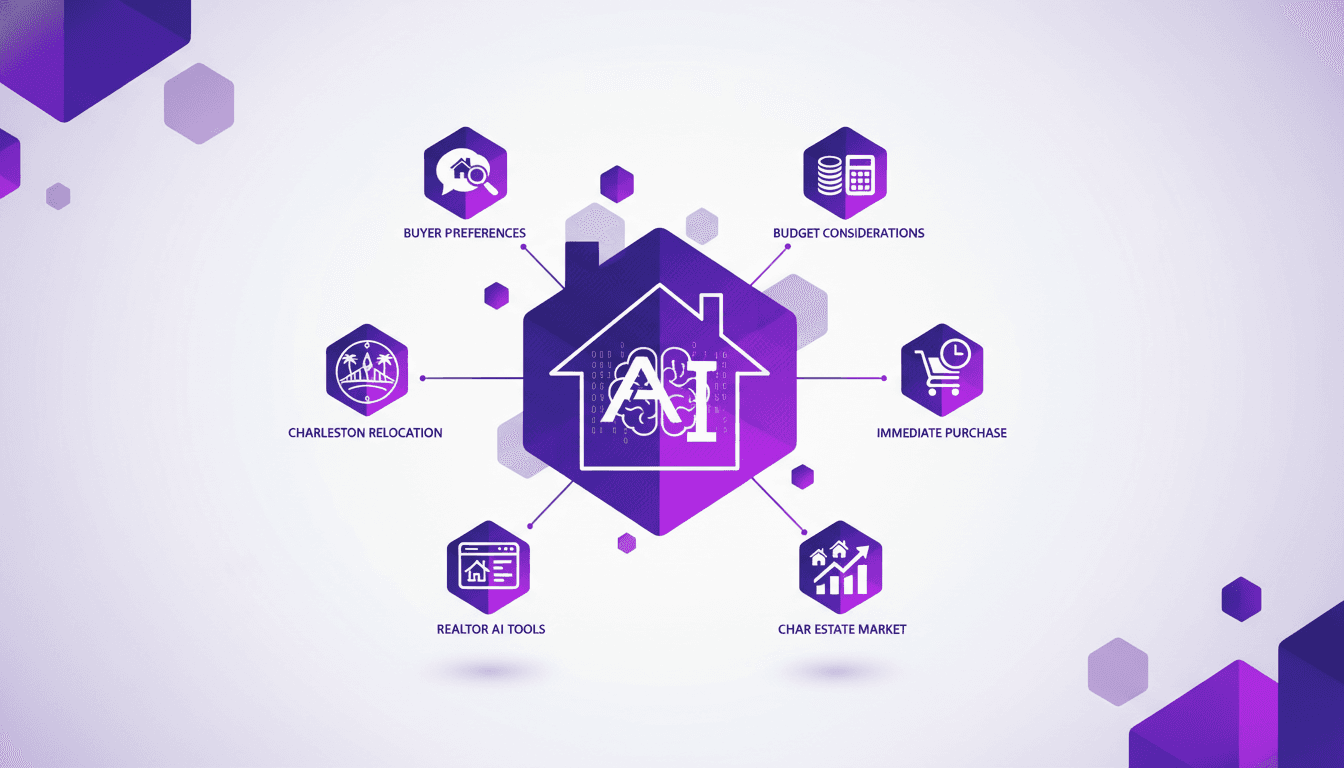
I remember the first time I saw AI tools transform real estate lead management. It was like flipping a switch on efficiency; suddenly, hours of work streamlined into minutes. In Charleston, a booming market, these tools help agents better align buyer preferences with market realities. Let's discuss buyer preferences and how innovative tools like these are reshaping lead management. Picture this: four bedrooms for under $500,000. That's the sort of concrete shift we're talking about. Don't let the competition outpace you, let's dive into this game-changer together.
Comparing Hardware Supply Chains
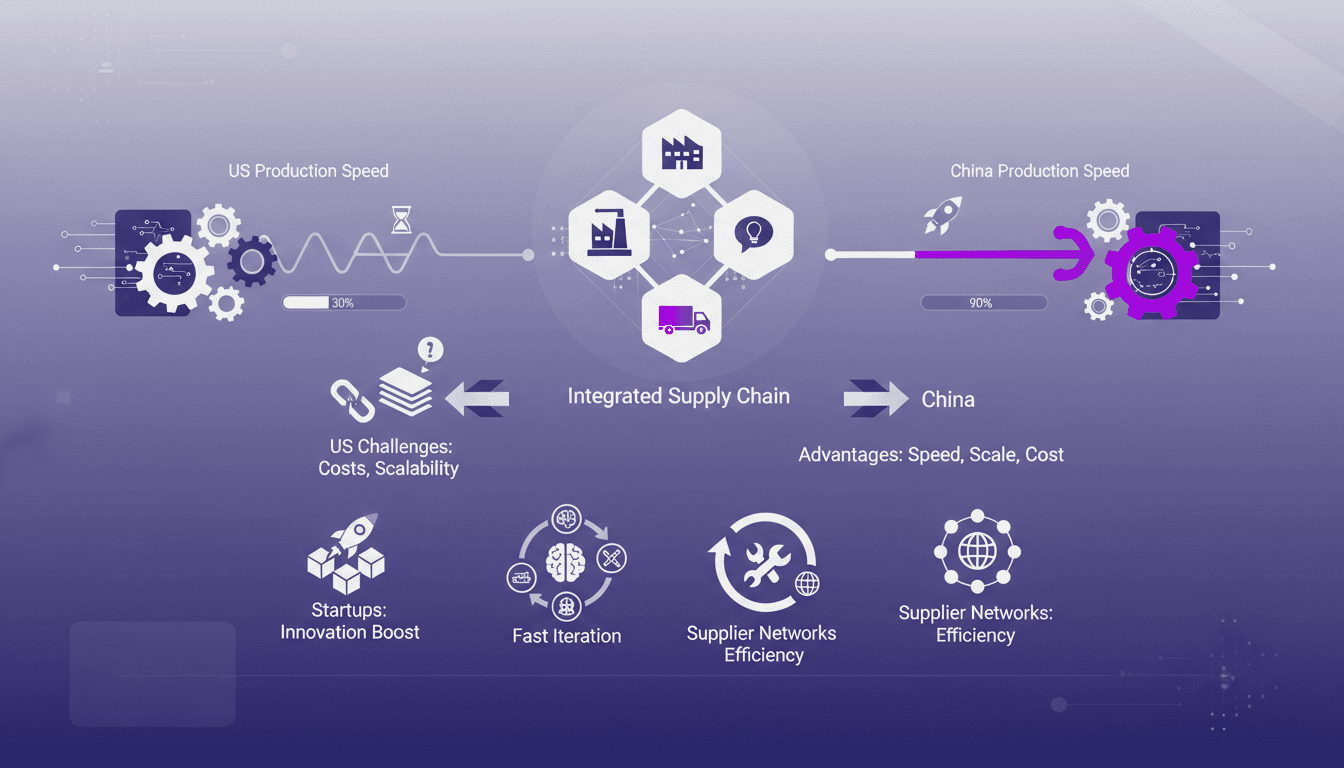
I remember the first time I tried to get a prototype made in the US. It took weeks to see the first physical part. Meanwhile, my colleagues in Shenzhen were turning around designs in a day. That's when I realized the game was different depending on where you played. In the world of hardware production, speed and efficiency are king. Comparing the US and China shows stark differences in how quickly ideas can become reality. Let's dive into what makes China's supply chain tick and how the US can catch up.